Response Request For Production Of Documents
Description
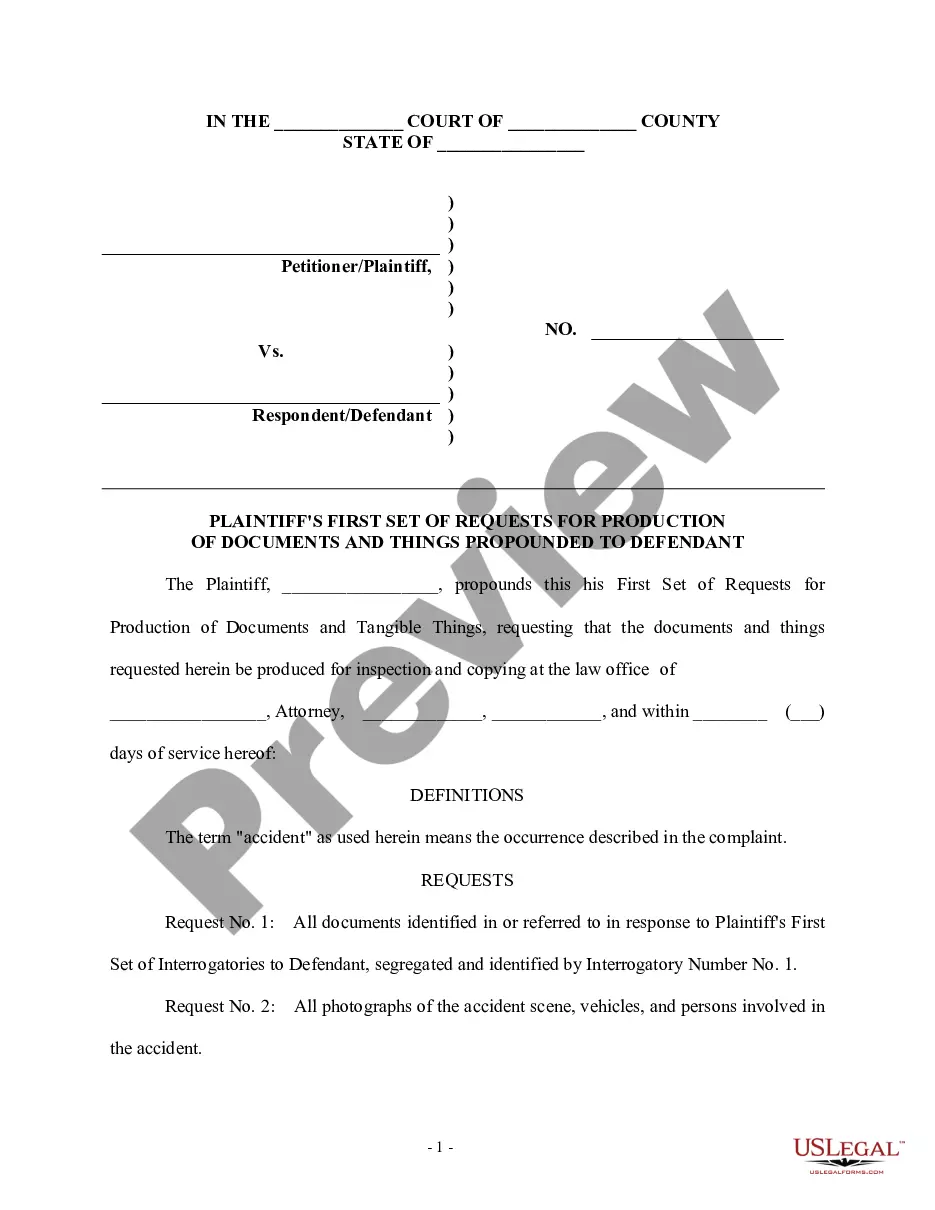
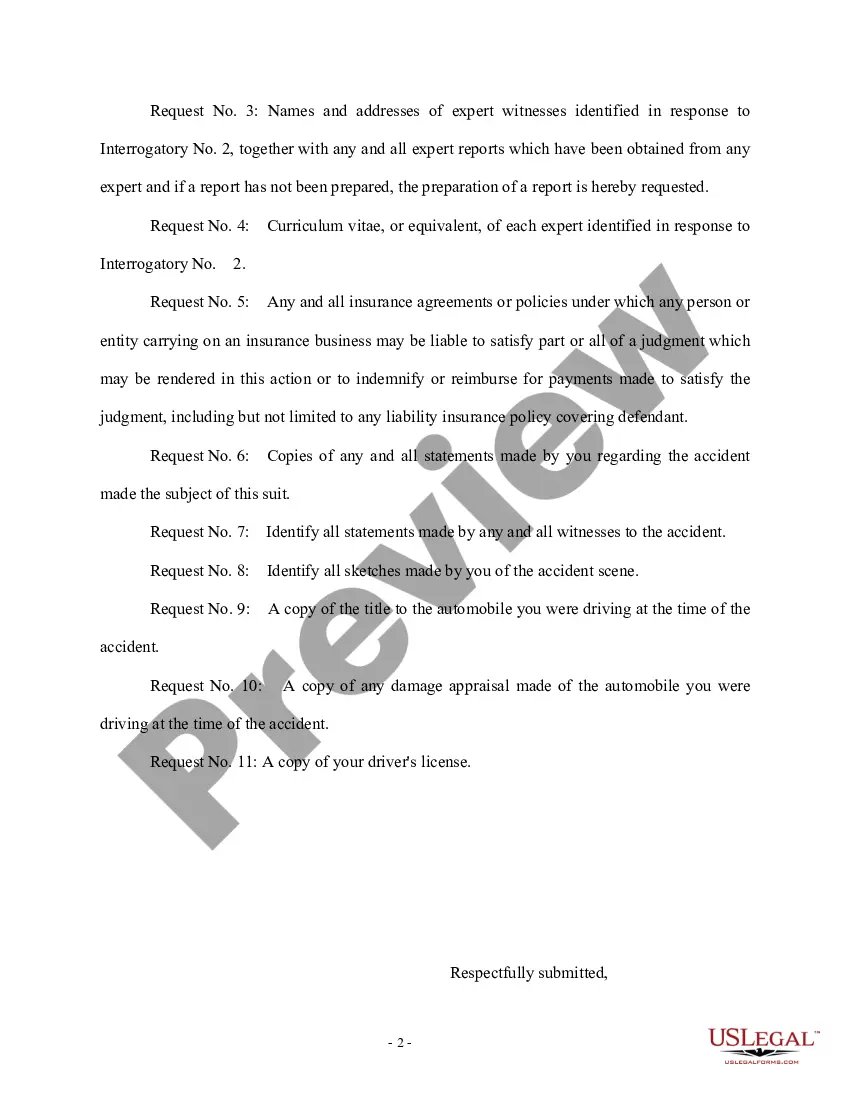
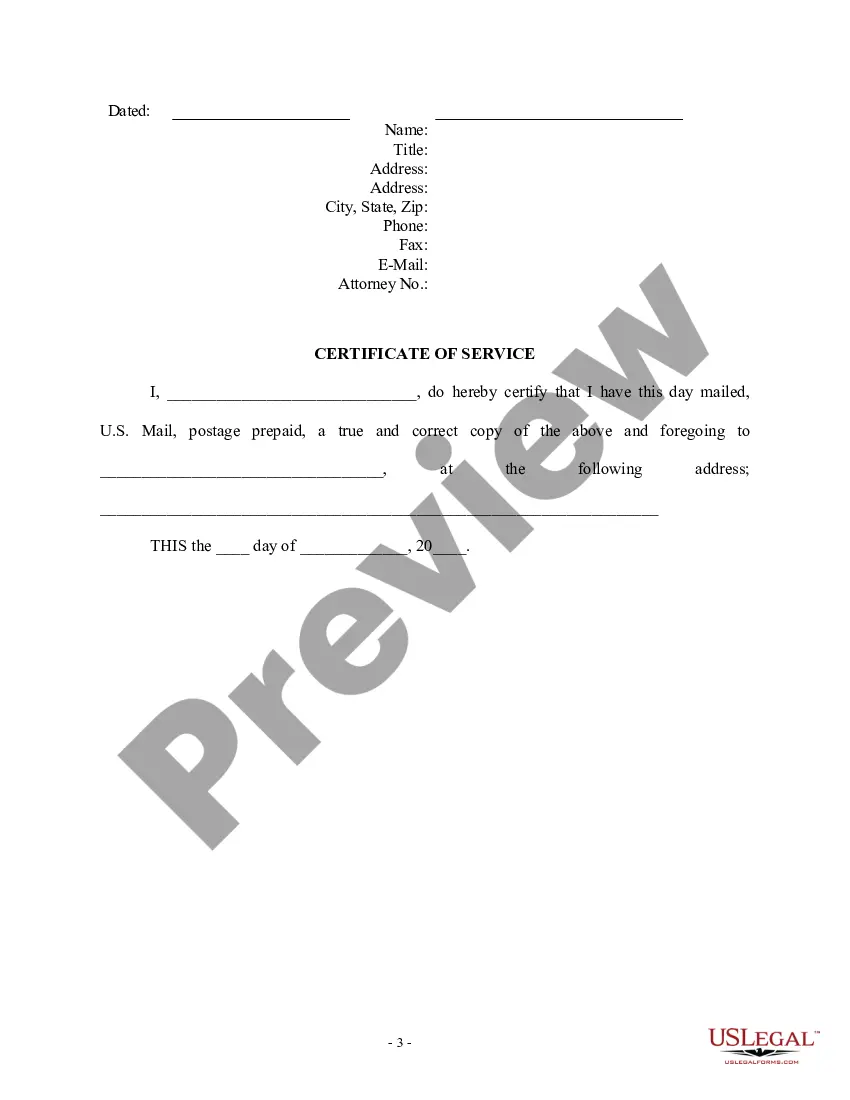
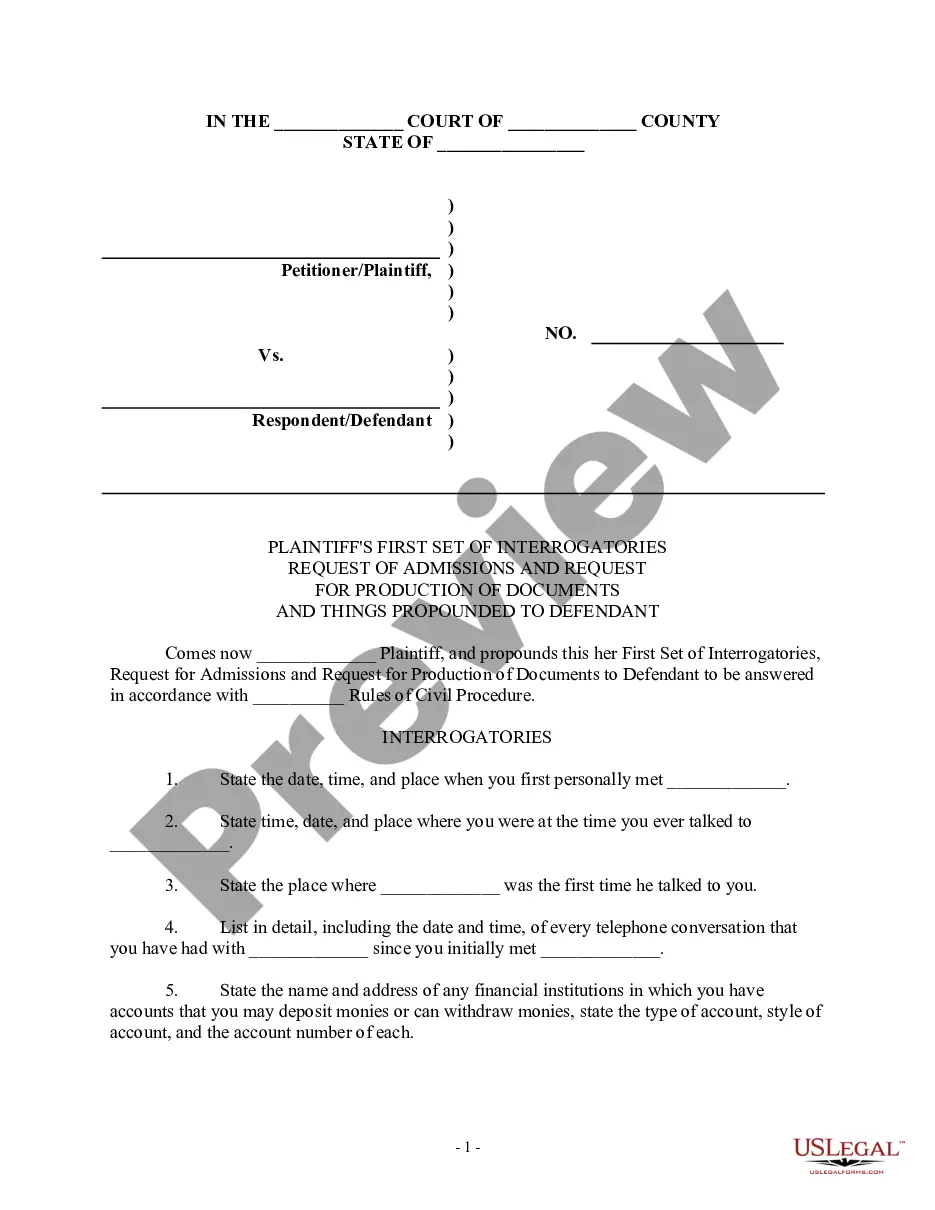
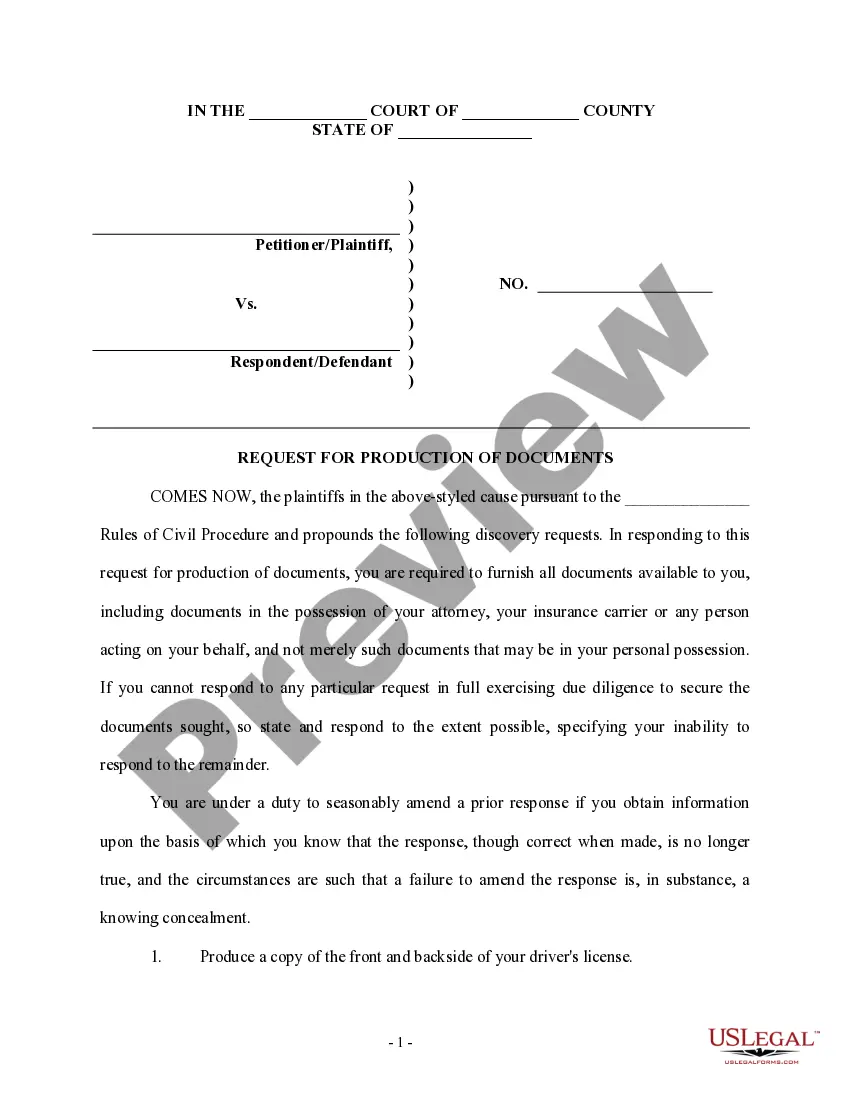

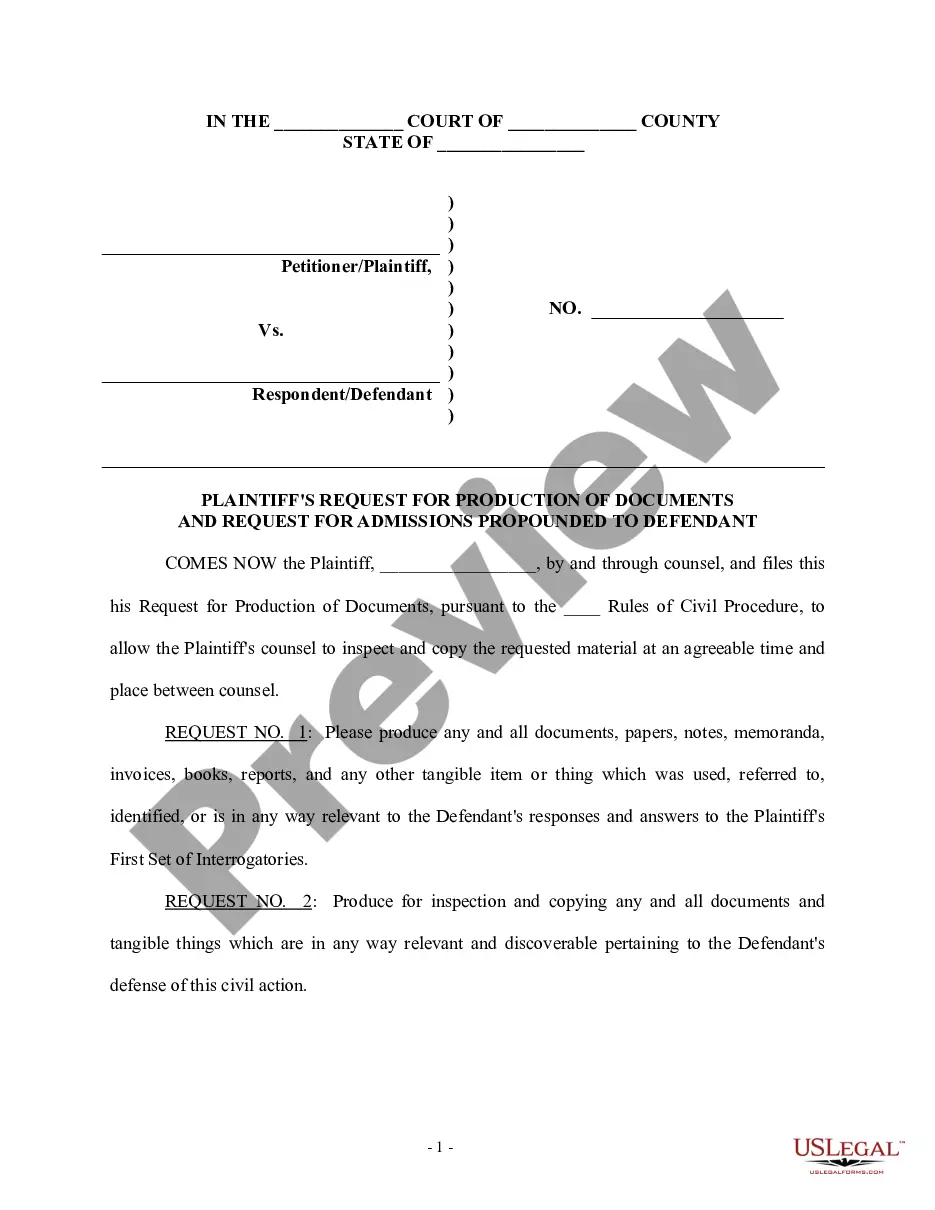

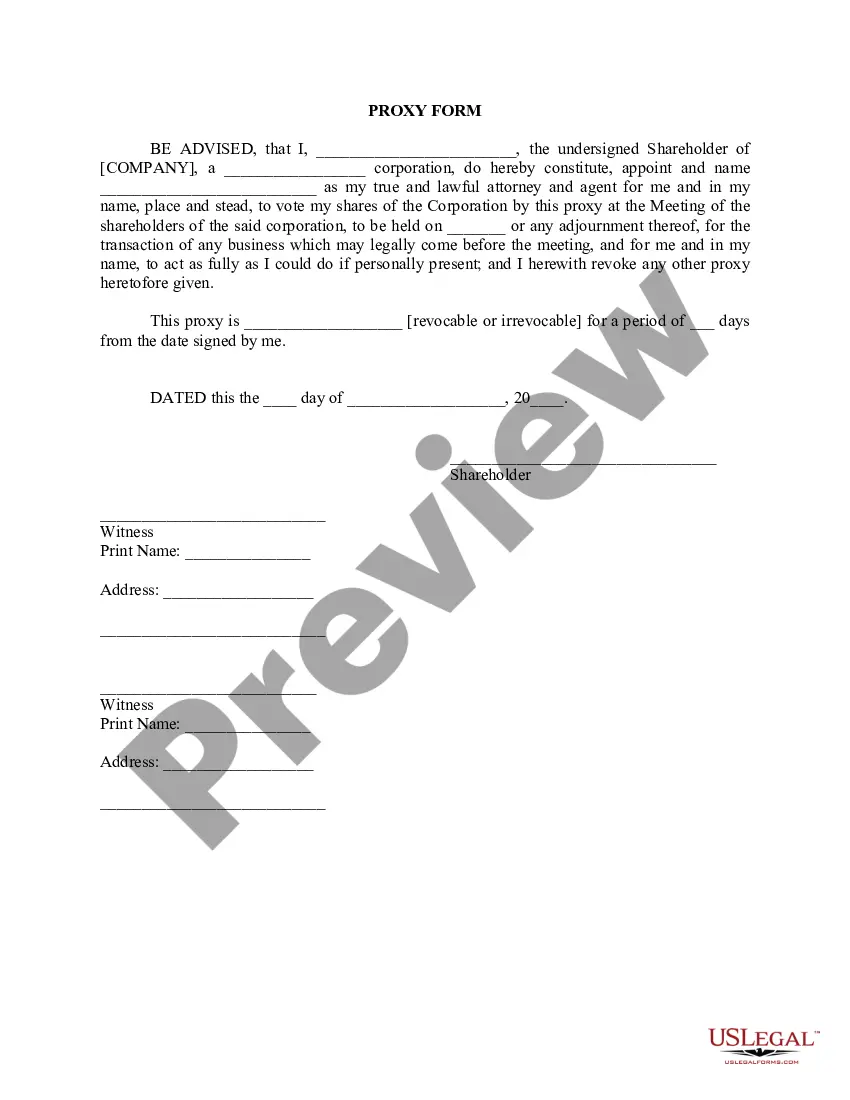
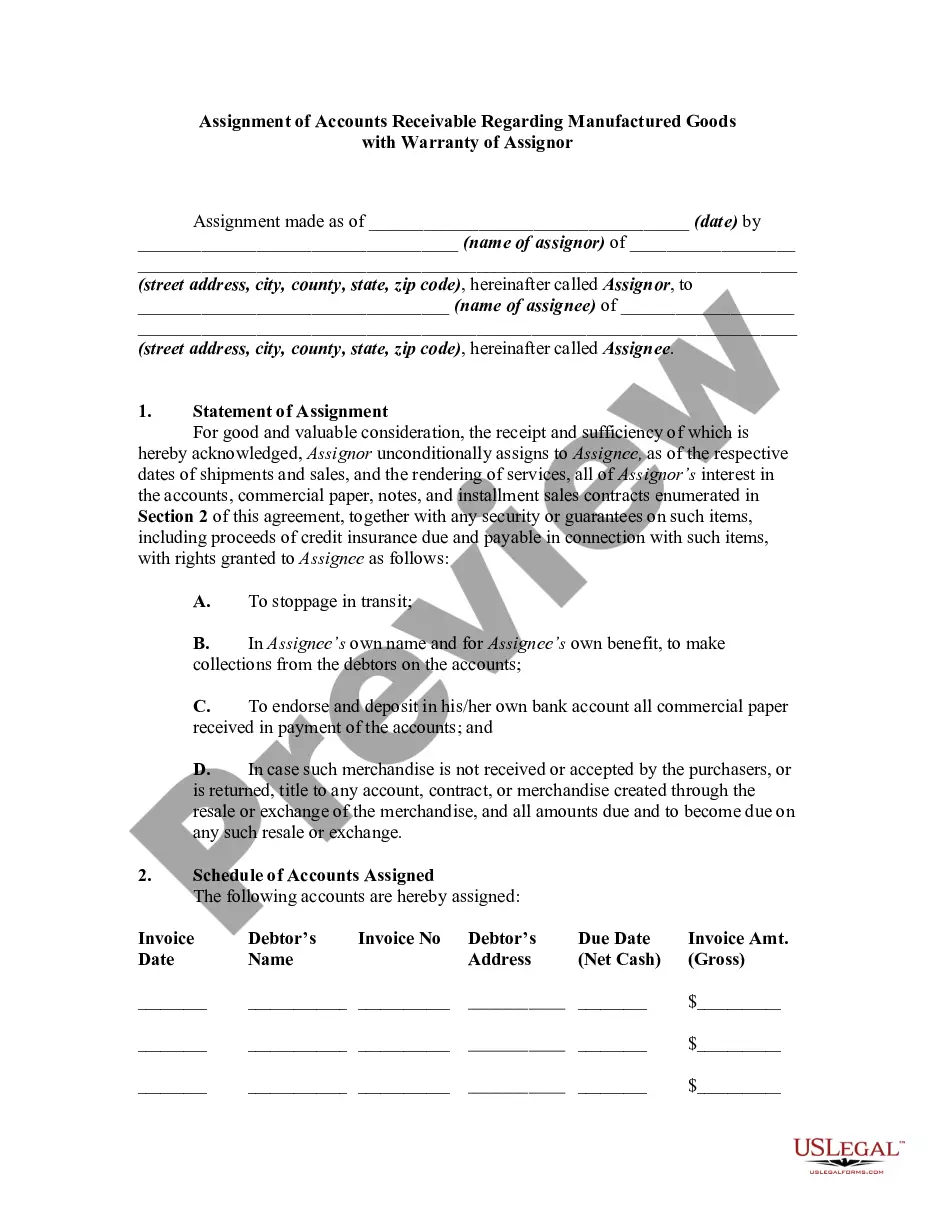
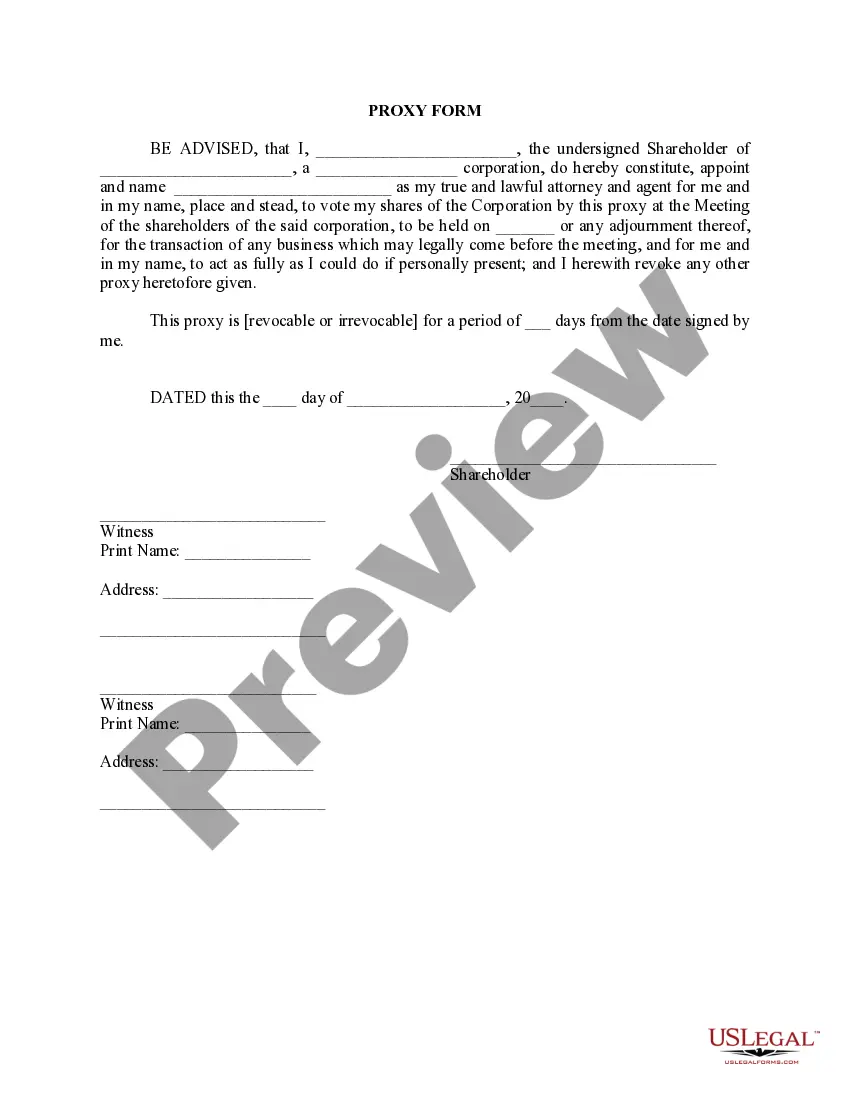
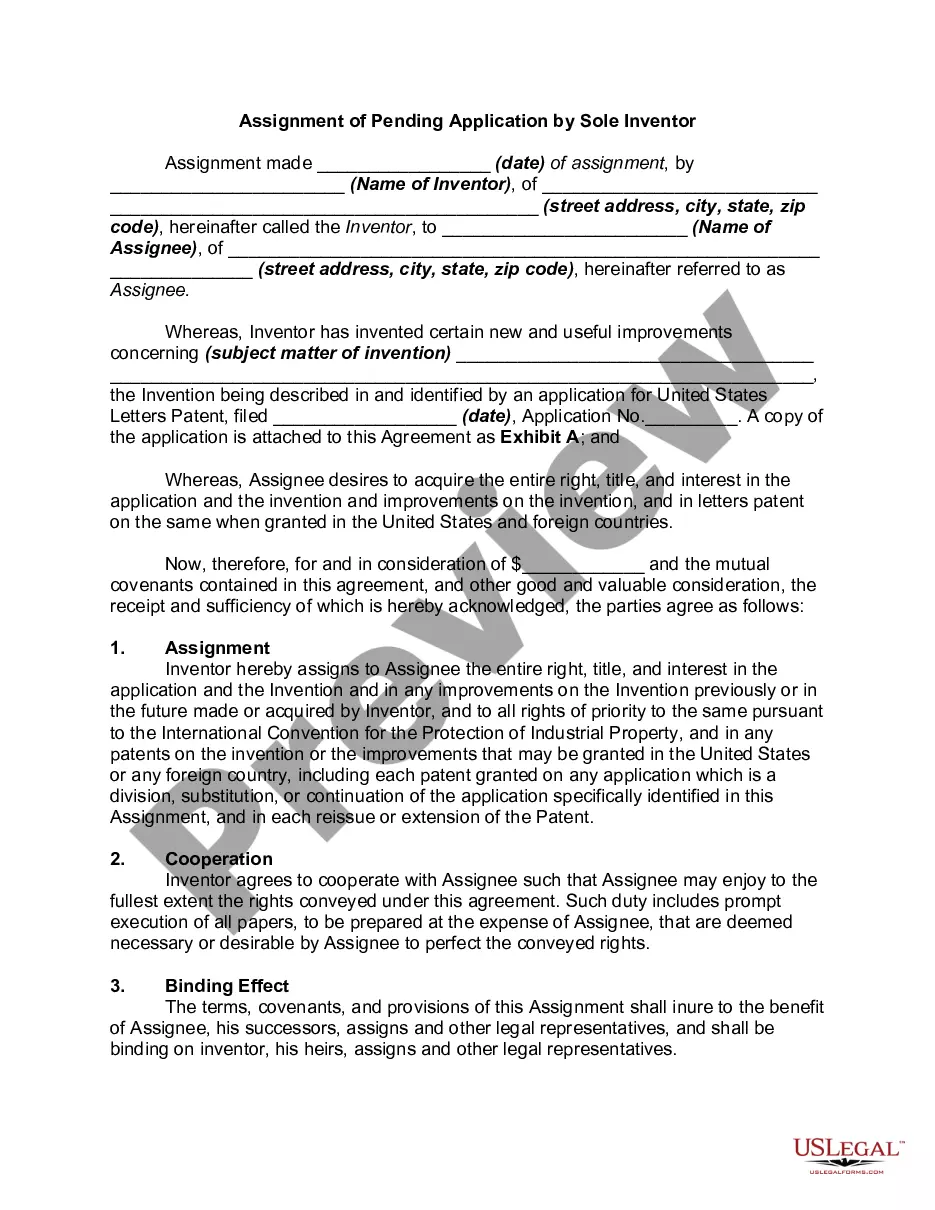
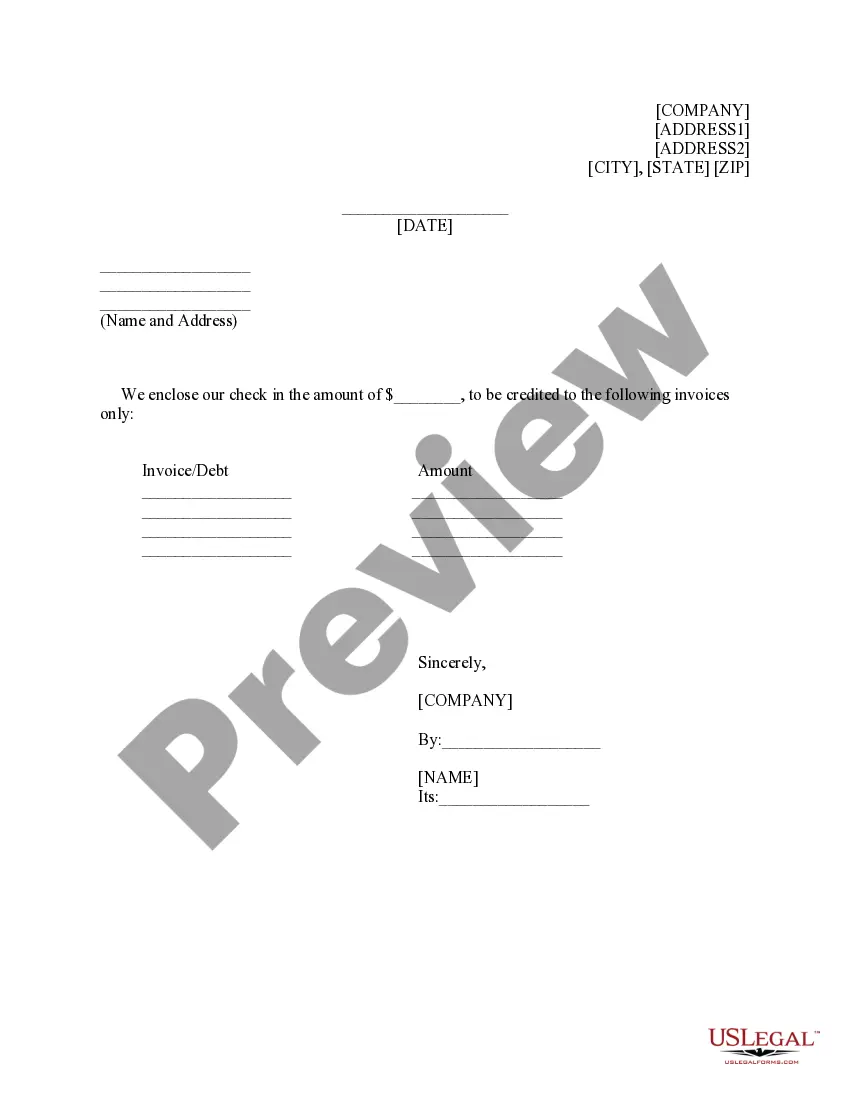

How to fill out Plaintiff's First Set Of Requests For Production Of Documents And Things Propounded To Defendant?
The Response Request For Production Of Documents displayed on this page is a reusable legal template created by experienced lawyers in compliance with federal and local laws.
For over 25 years, US Legal Forms has supplied individuals, businesses, and attorneys with more than 85,000 verified, state-specific forms for any business and personal event. It is the fastest, most direct, and most dependable method to acquire the documentation you require, as the service ensures bank-level data security and anti-malware safeguards.
Pick the format you desire for your Response Request For Production Of Documents (PDF, DOCX, RTF) and save the sample on your device.
- Search for the document you require and examine it.
- Browse through the sample you found and preview it or read the form description to ensure it meets your needs. If it doesn't, use the search feature to find the correct one. Click Buy Now when you have located the template you seek.
- Register and Log In.
- Choose the pricing plan that fits you and create an account. Use PayPal or a credit card to make a quick payment. If you already possess an account, Log In and check your subscription to proceed.
- Obtain the fillable template.
Form popularity
FAQ
When drafting a request for production of documents, it is essential to be specific about the documents you need. You should ask for documents that directly relate to the issues at hand, including correspondence, contracts, and financial records. Additionally, consider asking for electronic documents and any data stored on devices. US Legal Forms can guide you in creating effective requests that facilitate the discovery process and help you achieve your legal objectives.
The federal rule governing requests for the production of documents is outlined in Rule 34 of the Federal Rules of Civil Procedure. This rule allows parties to request documents from one another during the discovery phase of litigation. It is crucial to understand the parameters of this rule to ensure your response is timely and complete. Resources available through US Legal Forms can provide clarity on these rules and help you prepare your response accurately.
A legal order requiring a person to produce requested documents is known as a subpoena duces tecum. This type of subpoena compels an individual or organization to provide specific documents for legal proceedings. Responding to such an order involves carefully collecting the requested materials and ensuring that your response adheres to legal requirements. Utilizing tools from US Legal Forms can assist you in navigating these legal obligations efficiently.
To effectively respond to a request for production of documents, first carefully review the request to understand what documents are needed. Next, gather all relevant documents and assess if any fall under attorney-client privilege or other protections. After gathering the documents, prepare a formal response, indicating which documents you will provide and any objections you may have. Using a reliable platform like US Legal Forms can help streamline this process and ensure compliance with legal standards.
Common objections to a response request for production of documents include claims of relevance, privilege, or overbreadth. You may object if the request seeks documents that do not pertain to the case or if it infringes on attorney-client privilege. Understanding these objections will empower you to protect your rights effectively.
When writing a written response to the court regarding a response request for production of documents, start by clearly stating your position. Include a list of documents you are providing and any objections you may have. It is crucial to format your response according to court requirements and submit it within the specified deadlines.
To answer a response request for production of documents, carefully review each item requested and determine what you can provide. Collect the documents that are relevant and ensure they comply with the request. If you cannot provide certain documents, consider explaining your reasons clearly and thoroughly.
You should ask your attorney how they plan to handle the response request for production of documents. It's also essential to inquire about the potential implications of the requested documents on your case. Understanding these two aspects will help you navigate the legal process more effectively.
When you prepare a response request for production of documents, focus on obtaining materials that directly relate to your case. Request documents that support your claims, such as contracts, emails, or financial records. Be specific in your request to narrow down the scope and ensure you receive relevant information.