Default Judgment For Eviction
Description
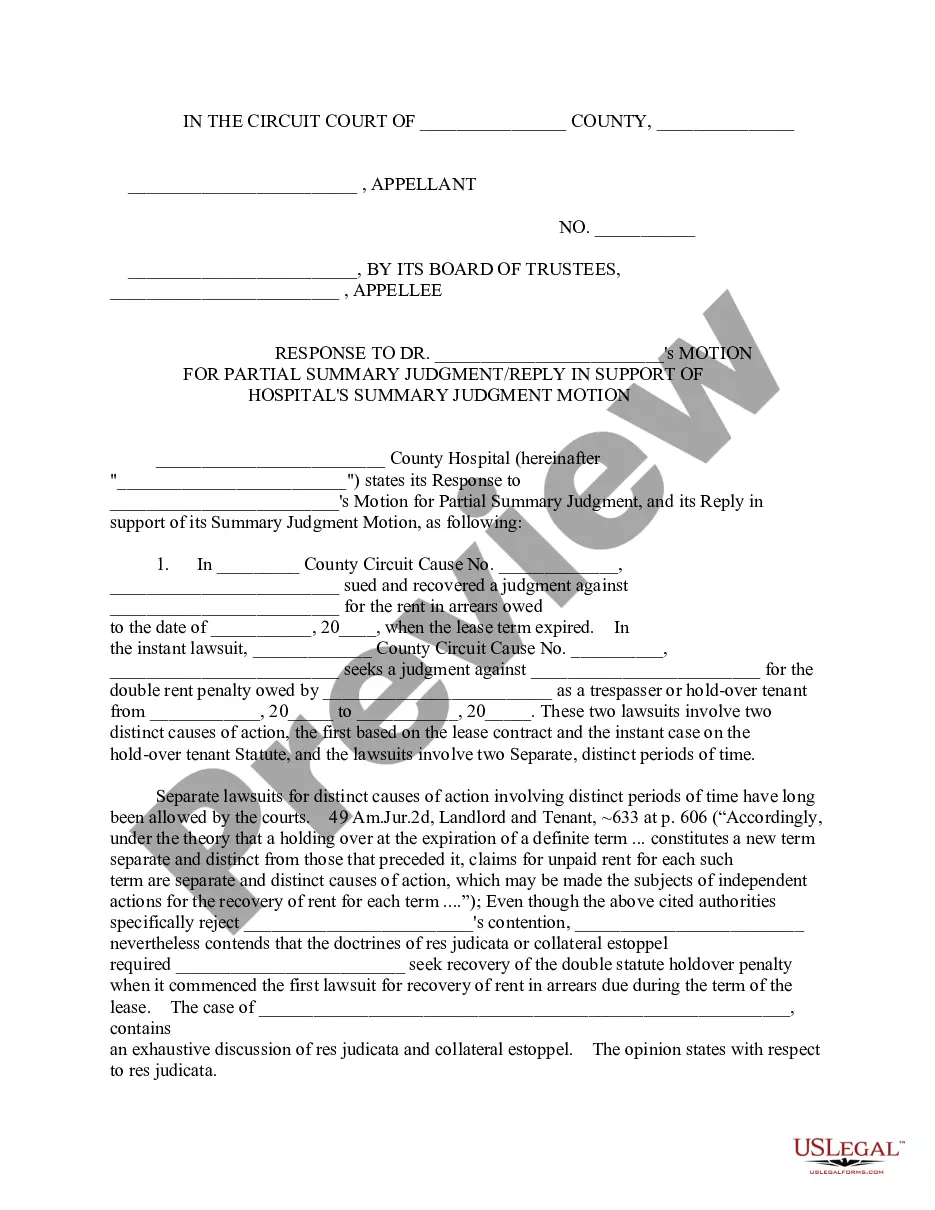
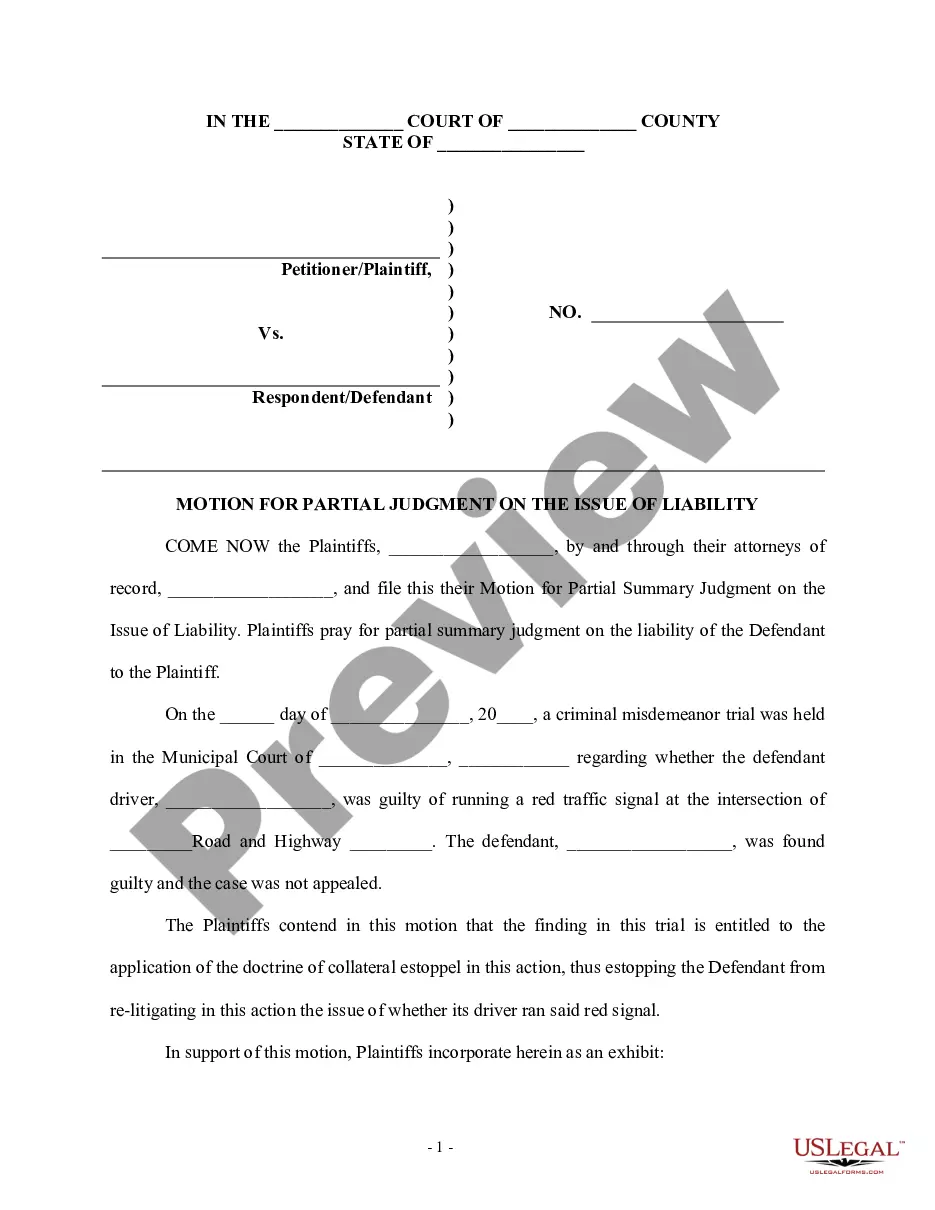
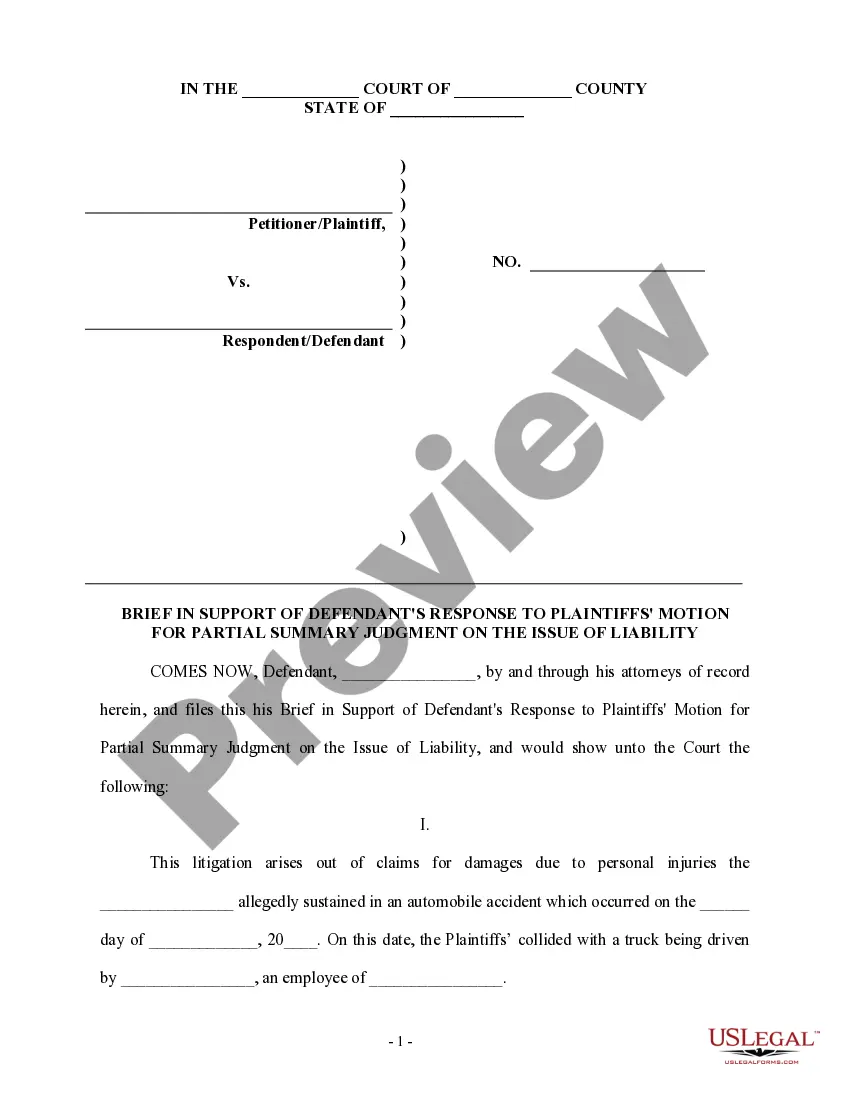
Get your form ready online
Our built-in tools help you complete, sign, share, and store your documents in one place.
Make edits, fill in missing information, and update formatting in US Legal Forms—just like you would in MS Word.
Download a copy, print it, send it by email, or mail it via USPS—whatever works best for your next step.
Sign and collect signatures with our SignNow integration. Send to multiple recipients, set reminders, and more. Go Premium to unlock E-Sign.
If this form requires notarization, complete it online through a secure video call—no need to meet a notary in person or wait for an appointment.
We protect your documents and personal data by following strict security and privacy standards.

Make edits, fill in missing information, and update formatting in US Legal Forms—just like you would in MS Word.

Download a copy, print it, send it by email, or mail it via USPS—whatever works best for your next step.

Sign and collect signatures with our SignNow integration. Send to multiple recipients, set reminders, and more. Go Premium to unlock E-Sign.

If this form requires notarization, complete it online through a secure video call—no need to meet a notary in person or wait for an appointment.

We protect your documents and personal data by following strict security and privacy standards.
Looking for another form?
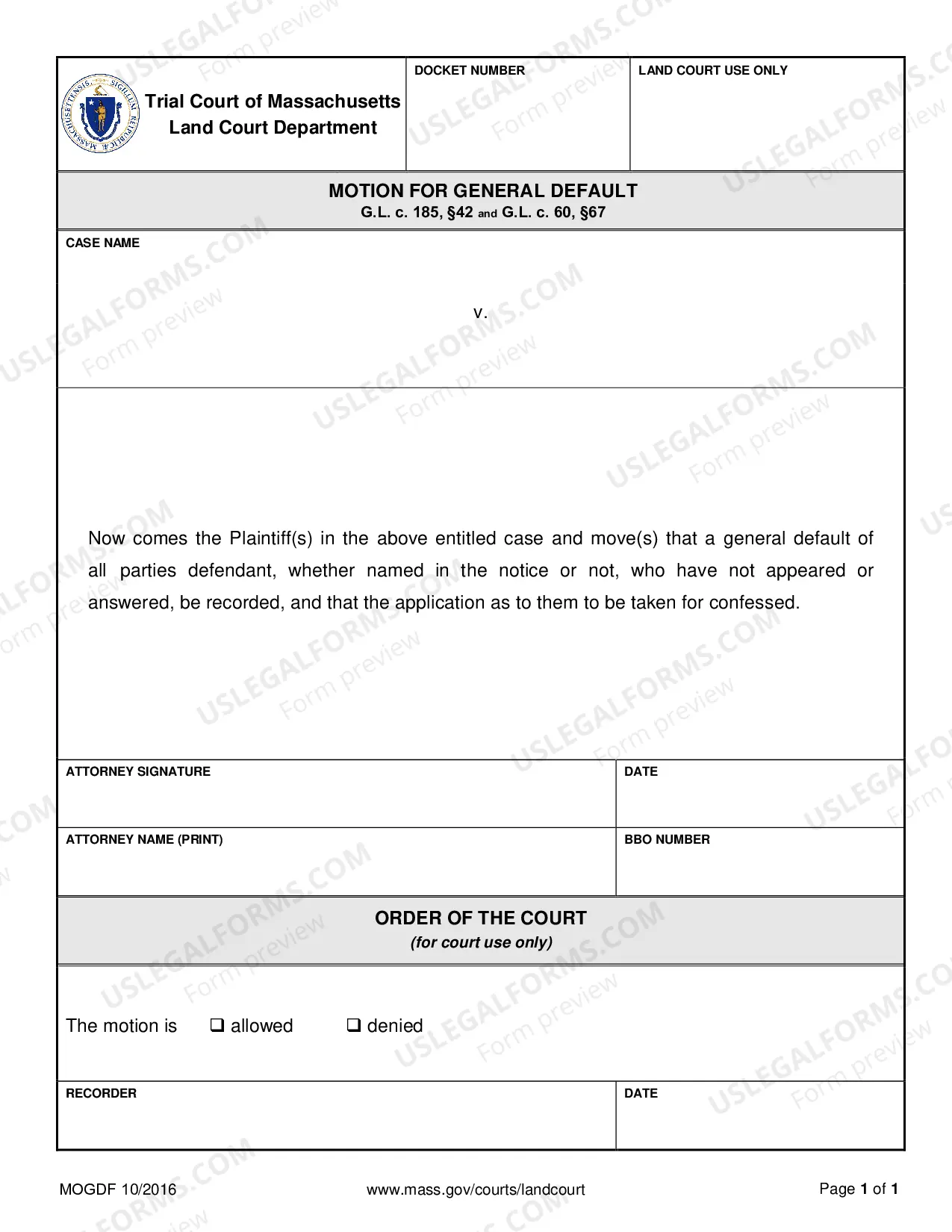

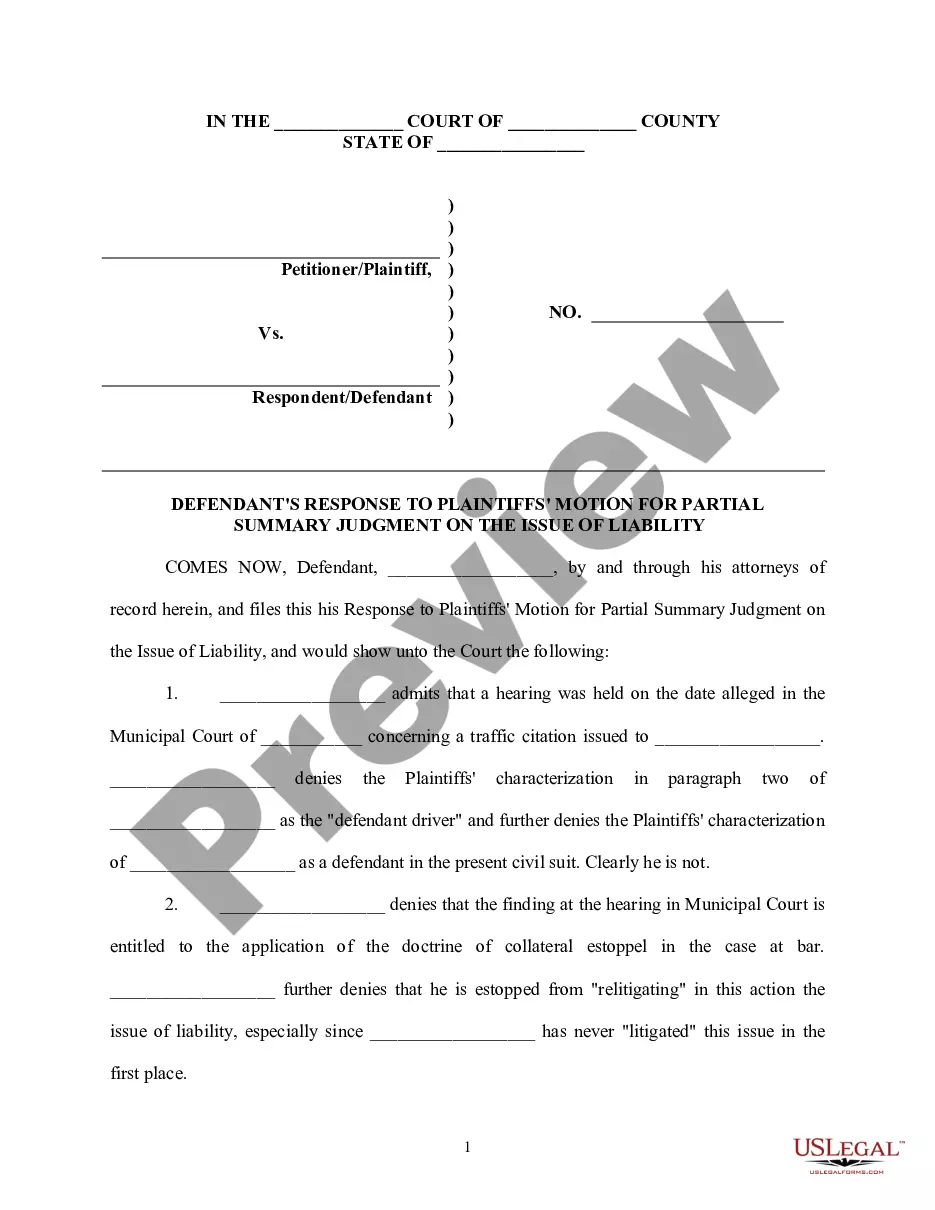
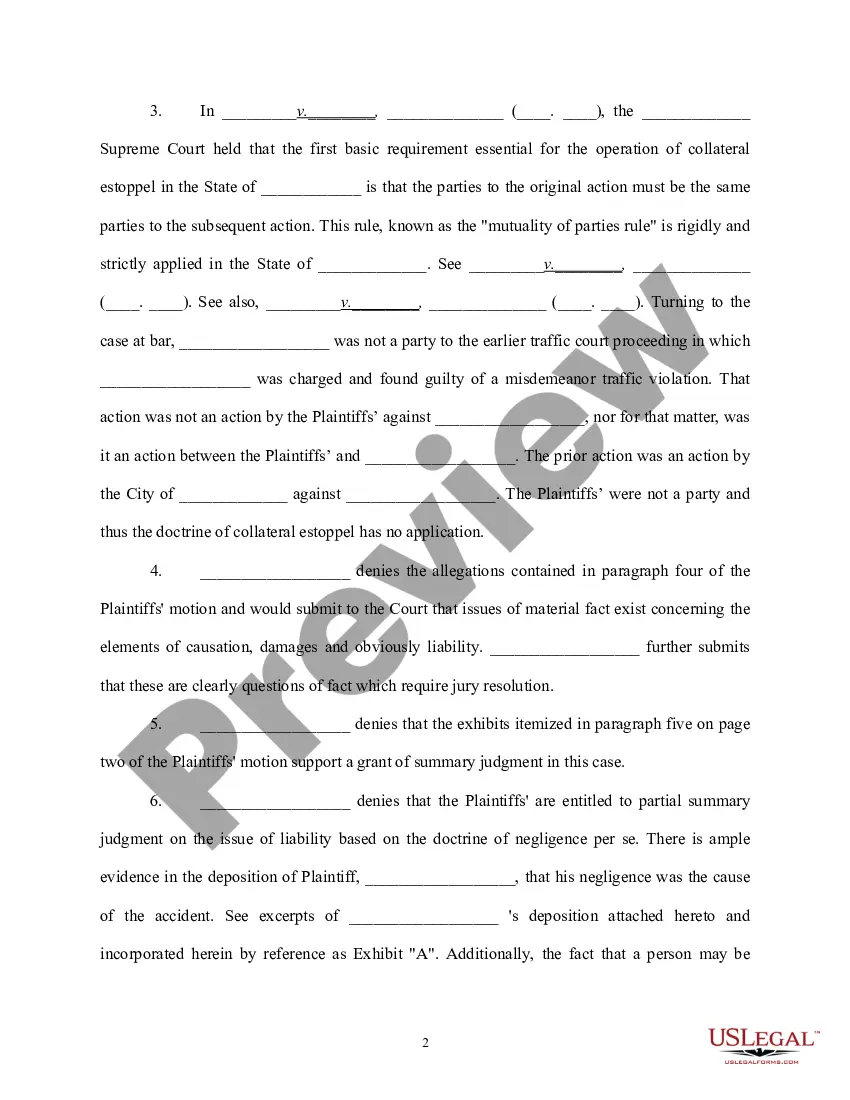
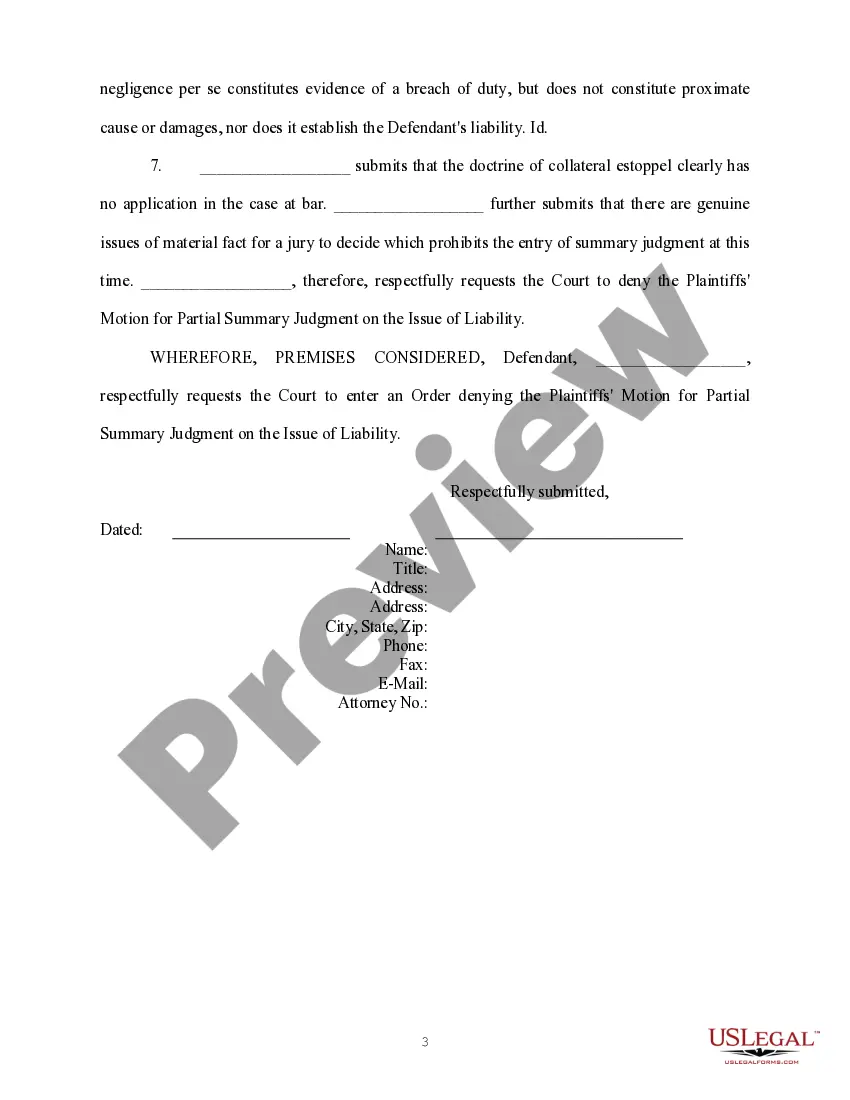
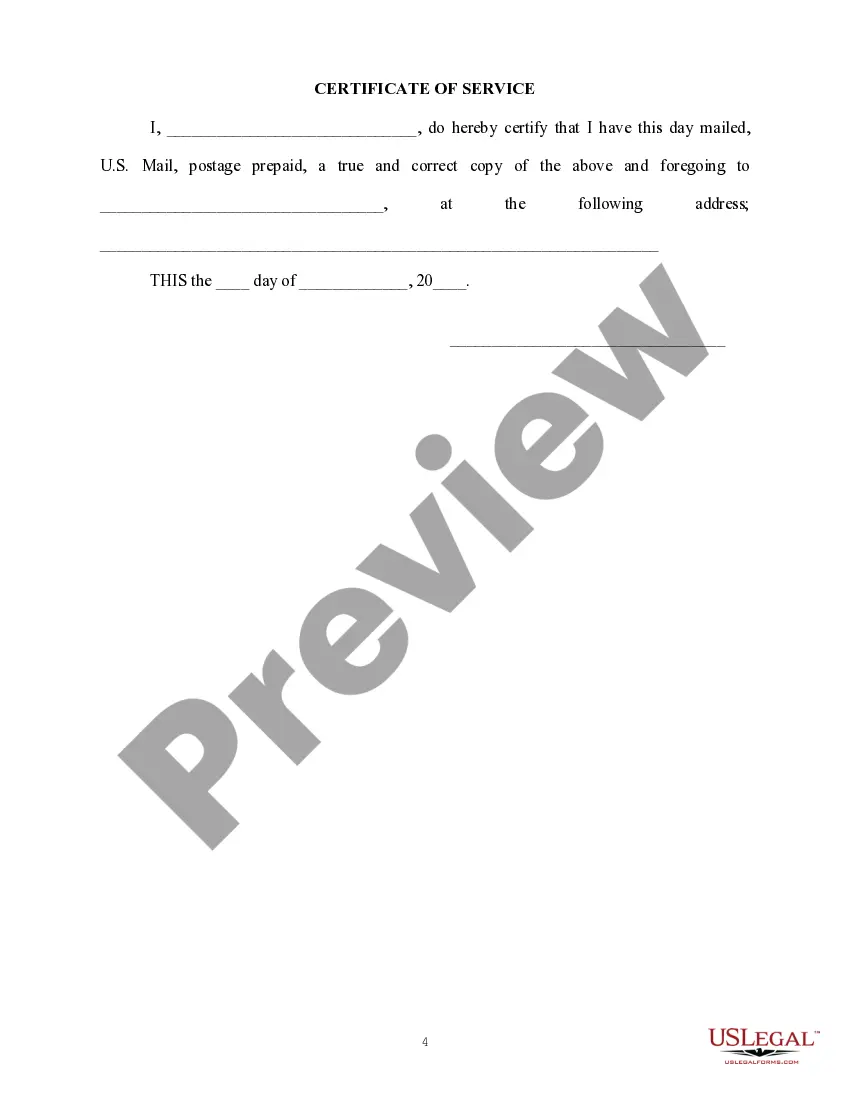
How to fill out Defendant's Response To Plaintiff's Motion For Summary Judgment On The Issue Of Liability?
Whether for commercial intentions or for personal matters, everyone must address legal issues at some stage in their existence.
Completing legal paperwork demands meticulous focus, beginning with selecting the appropriate form sample.
Once it is saved, you can complete the form using editing software or print it and finish it by hand. With a vast US Legal Forms catalog available, you never have to waste time searching for the correct template online. Utilize the library’s simple navigation to find the right form for any circumstance.
- Locate the template you need using the search bar or catalog browsing.
- Review the form’s details to ensure it fits your case, state, and county.
- Click on the form’s preview to examine it.
- If it’s the incorrect form, return to the search tool to find the Default Judgment For Eviction sample you need.
- Obtain the file when it aligns with your requirements.
- If you already possess a US Legal Forms account, simply click Log in to access previously saved templates in My documents.
- If you haven’t registered an account yet, you can download the form by clicking Buy now.
- Select the appropriate pricing option.
- Fill out the account registration form.
- Pick your payment method: you can utilize a debit card or PayPal account.
- Select the file format you desire and download the Default Judgment For Eviction.
Form popularity
FAQ
Reversing a default judgment for eviction can be challenging, but it's not impossible. You must demonstrate valid grounds for your request, such as excusable negligence or new evidence. Engaging legal resources, like those offered by UsLegalForms, can simplify the process and improve your chances of a favorable outcome.
Responding to a default judgment for eviction involves filing a motion to set aside or vacate the judgment. You should clearly state your reasons for not responding initially, such as a lack of notice or valid defenses. Utilizing platforms like UsLegalForms can help you draft precise documents to articulate your situation effectively.
Yes, a default judgment for eviction is considered final unless successfully challenged or vacated by the court. This means that if you do not take action to oppose or appeal the judgment, it can have long-term consequences, including eviction from your rental property. Therefore, it's essential to understand your rights and options in this situation.
A default judgment for eviction occurs when a defendant does not respond to a complaint, resulting in the court ruling in favor of the plaintiff. In contrast, a final judgment is a decision made after a trial or hearing where both parties present their cases. It's crucial to understand these differences, as they impact your rights and options moving forward.
Removing a default judgment for eviction typically involves filing a motion to vacate the judgment in court. You must provide valid reasons, such as not receiving proper notice of the original court hearings. It's beneficial to present compelling evidence that supports your claim to improve your chances of success.
To oppose a motion for default judgment for eviction, you need to file a response with the court. This response should outline your reasons for opposing the judgment, including any facts or evidence that support your position. It's essential to act quickly, as there are often deadlines for submitting your opposition.
During a default judgment hearing, the court reviews the evidence presented by the party seeking the judgment, usually without the other party present. The landlord may provide documentation to support the default judgment for eviction, and if proven, the court may rule in favor of the landlord. This hearing emphasizes the importance of responding to legal notices to protect your rights.
No, a default is not the same as a judgment. A default refers to the failure to respond to a legal claim, while a default judgment for eviction is the court's decision resulting from that failure. This judgment allows the landlord to proceed with legal actions, like eviction. Understanding the distinction can help you navigate legal situations more effectively.
A judgment is a formal decision made by a court regarding a dispute, while a default judgment for eviction occurs when one party does not respond to the legal complaint. This situation typically benefits the responding party, providing them with a favorable ruling. It is crucial for tenants to be aware of their rights and respond promptly to avoid default judgments.
The three main types of judgment are default judgments, summary judgments, and judgments after trial. A default judgment for eviction occurs when a tenant fails to respond to a lawsuit, while a summary judgment makes a decision based on the evidence without a full trial. A judgment after trial follows a complete judicial process. Understanding these types will clarify your rights and options.