Judgment Meaning Law
Description
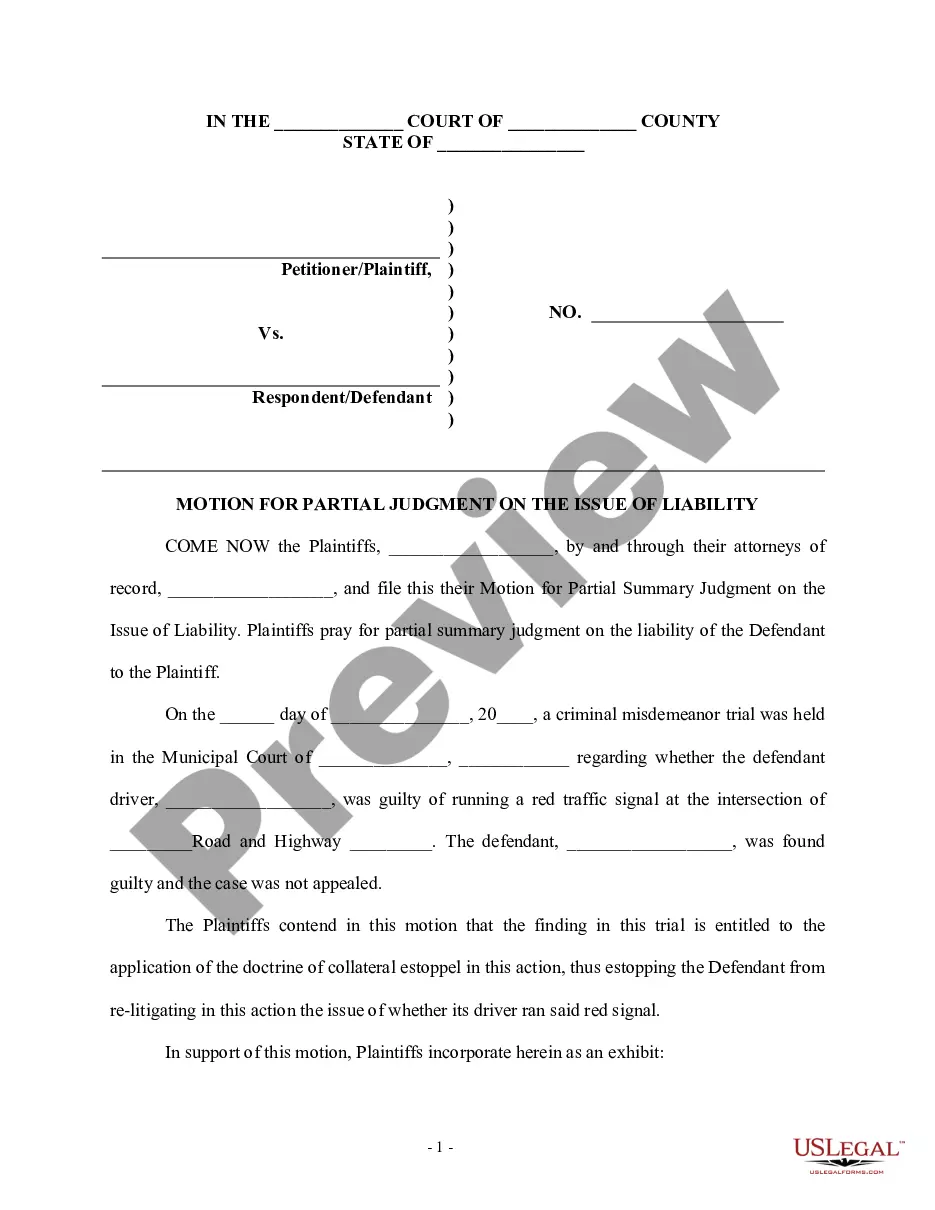
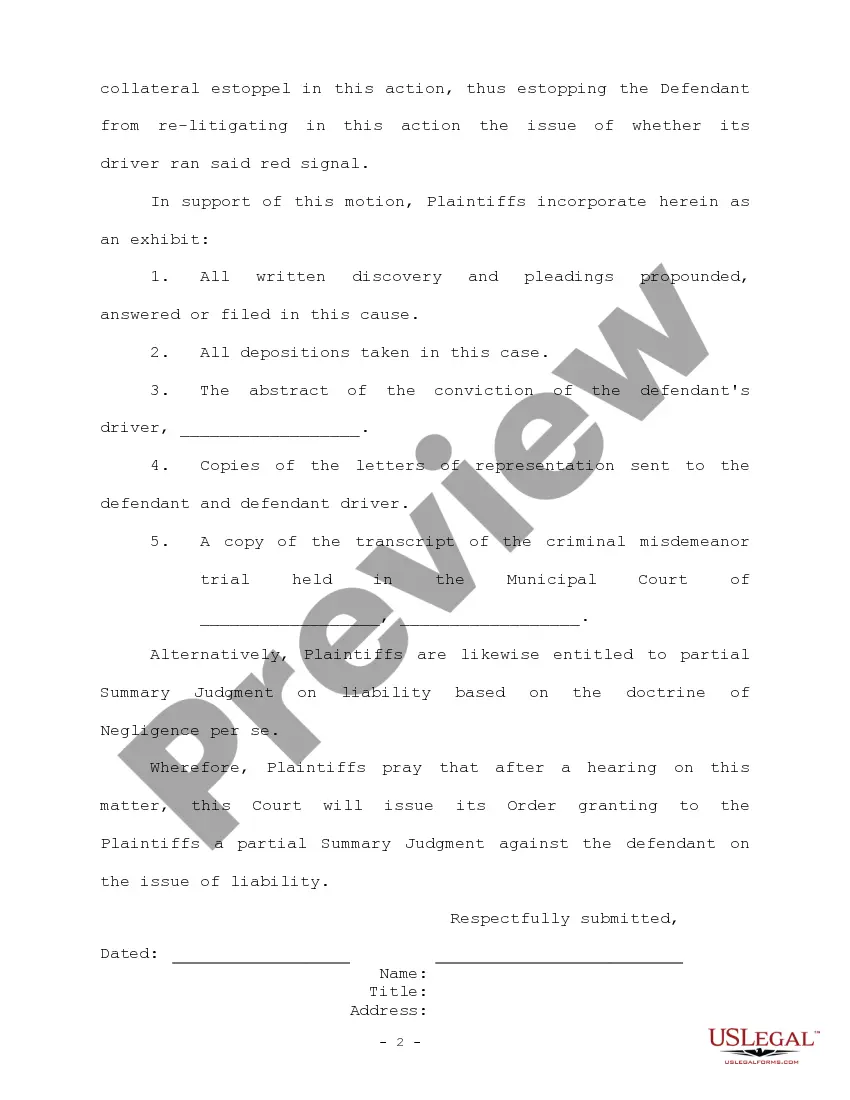
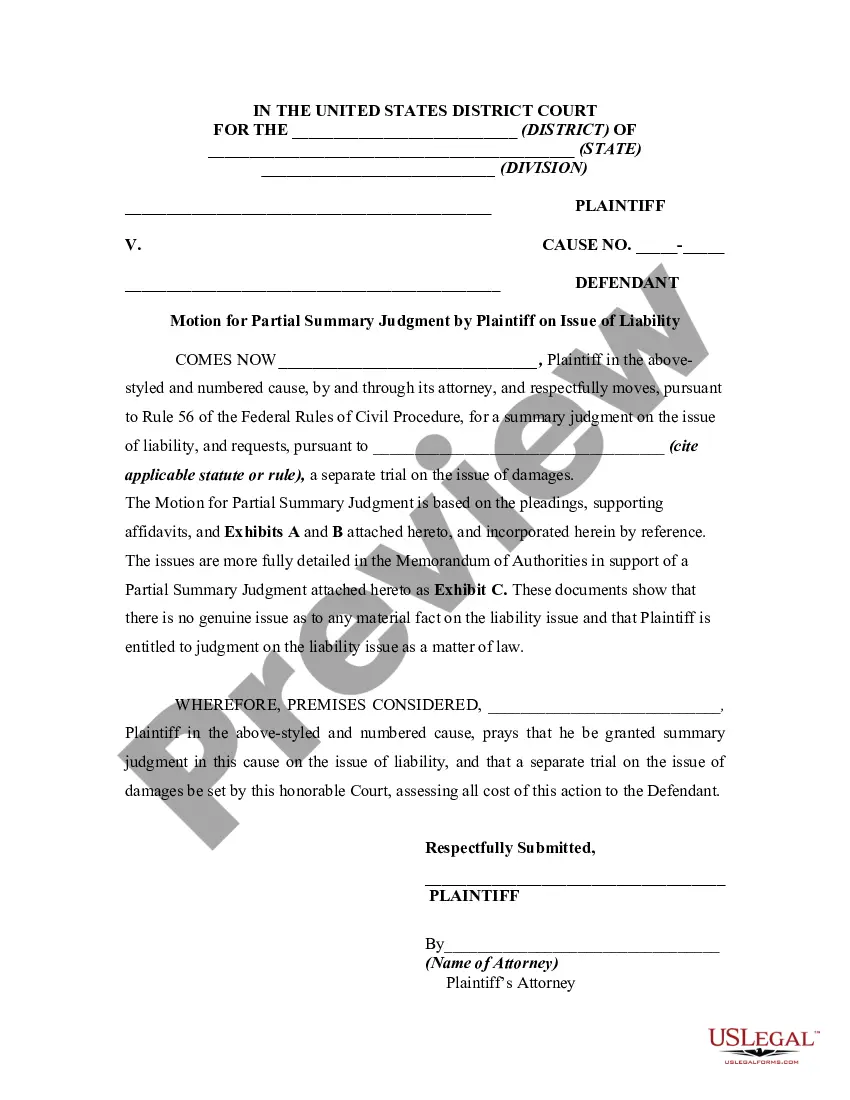
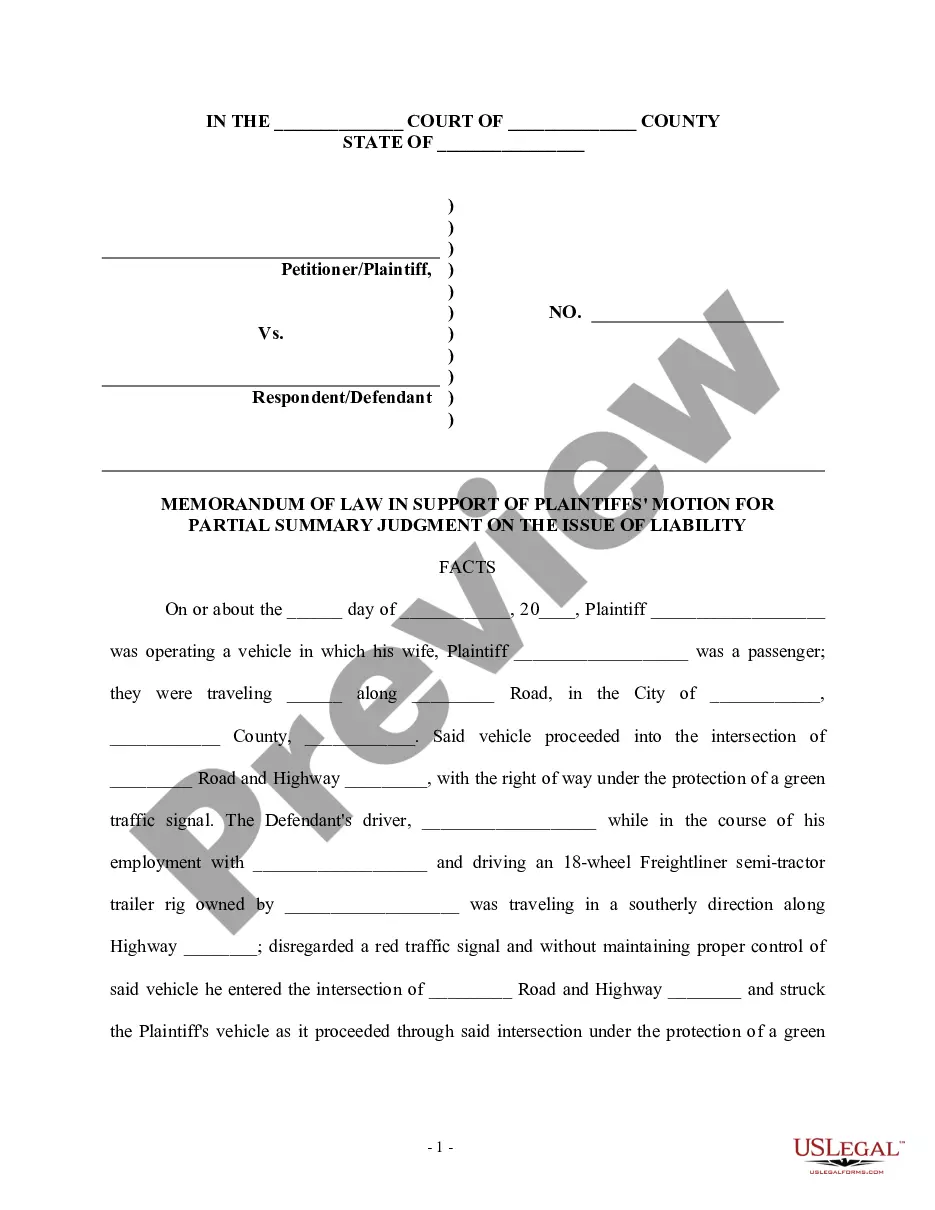
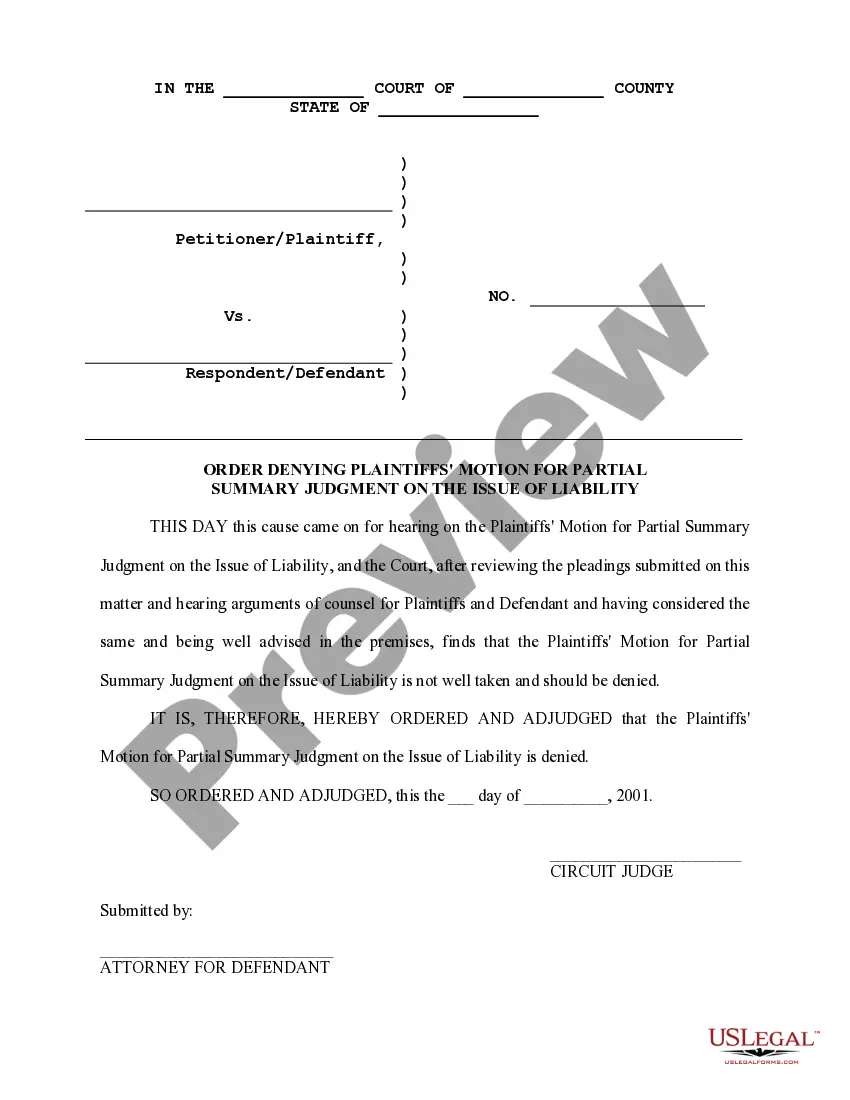
Get your form ready online
Our built-in tools help you complete, sign, share, and store your documents in one place.
Make edits, fill in missing information, and update formatting in US Legal Forms—just like you would in MS Word.
Download a copy, print it, send it by email, or mail it via USPS—whatever works best for your next step.
Sign and collect signatures with our SignNow integration. Send to multiple recipients, set reminders, and more. Go Premium to unlock E-Sign.
If this form requires notarization, complete it online through a secure video call—no need to meet a notary in person or wait for an appointment.
We protect your documents and personal data by following strict security and privacy standards.

Make edits, fill in missing information, and update formatting in US Legal Forms—just like you would in MS Word.

Download a copy, print it, send it by email, or mail it via USPS—whatever works best for your next step.

Sign and collect signatures with our SignNow integration. Send to multiple recipients, set reminders, and more. Go Premium to unlock E-Sign.

If this form requires notarization, complete it online through a secure video call—no need to meet a notary in person or wait for an appointment.

We protect your documents and personal data by following strict security and privacy standards.
Looking for another form?
How to fill out Motion For Partial Summary Judgment On The Issue Of Liability?
Obtaining legal templates that adhere to federal and local regulations is essential, and the web presents a plethora of choices available.
But what’s the benefit of squandering time hunting for the appropriate Judgment Meaning Law sample online if the US Legal Forms digital library already consolidates such templates in one location.
US Legal Forms is the largest online legal repository featuring over 85,000 editable templates crafted by attorneys for any business and personal situation. They are easy to navigate, with all documents organized by state and intended use.
Explore additional samples using the search tool at the top of the page if necessary.
- Our experts keep up with legal updates, so you can always trust your documents are current and compliant when obtaining a Judgment Meaning Law from our platform.
- Acquiring a Judgment Meaning Law is quick and straightforward for both existing and new users.
- If you already possess an account with an active subscription, Log In and save the document template you require in the appropriate format.
- If you are a newcomer to our site, follow the steps below.
- Examine the template using the Preview feature or through the text description to ensure it satisfies your needs.
Form popularity
FAQ
The spelling 'judgment' without the 'e' is standard in American English, while 'judgement' with the 'e' is more common in British English. Both terms refer to the same concept; however, the variations in spelling reflect regional language preferences. Understanding the difference can help you communicate more effectively in legal contexts.
Judgments are formed through legal processes, usually following a trial or hearing. Judges review evidence, listen to arguments, and interpret laws to reach a decision. This process ensures that each judgment, meaning law, is fair and based on the facts presented. Through platforms like USLegalForms, you can find resources to better understand this process.
Judgment refers to a conclusion reached after consideration of facts and evidence in a legal context. It represents the final decision made by a court regarding a dispute, addressing the rights and obligations of the parties involved. Grasping the full meaning of judgment meaning law helps demystify legal processes, making it essential for anyone engaged in the legal field.
The judgment of the law refers to decisions made by courts that interpret and apply statutory or common law principles. These judgments shape legal precedents and influence future cases, guiding individuals on their rights and responsibilities. Familiarizing yourself with judgment meaning law can empower you to navigate the legal landscape more effectively.
The judgment of the law in the Bible encompasses moral and ethical standards set forth in scripture. It often reflects the consequences of actions and emphasizes justice and righteousness. Exploring this aspect can provide deeper insights into the relationship between faith and the concept of judgment, aligning with judgment meaning law in a contemporary context.
A judgment as a matter of law refers to a court's decision based solely on the facts and legal evidence presented, without regard to a jury’s findings. Essentially, it determines whether there is a legally sufficient basis for the claims in the case. In this context, judgment meaning law plays a crucial role in ensuring that court decisions align with legal standards and principles.
Enter a judgment means to make a final recording of the decision and the opinion, if the court made one. When the entry is complete depends on the jurisdiction, but entering a judgment usually either occurs after the decision is inserted into the docket or sent to a specified official.
Example of a Judgment As another example, a landlord who evicted a tenant for not paying the rent might file a lawsuit to collect the unpaid rent, and if the landlord won the lawsuit, it would result in a judgment against the tenant.
While writing judgments or orders, the Judges must keep them confined to the controversy involved in the case, material available on record and to the law and practices permissible. 26. No Repetitions : There should be no repetitions of the views already expressed by the judge in his judgment/order.
Five ways to improve your judgment writing Identify the issues before you start writing. ... Arrange the issues in a sequence that makes sense. ... Analyse the issues by using an appropriate pattern of analysis. ... Write a beginning that provides the context for understanding the issues.