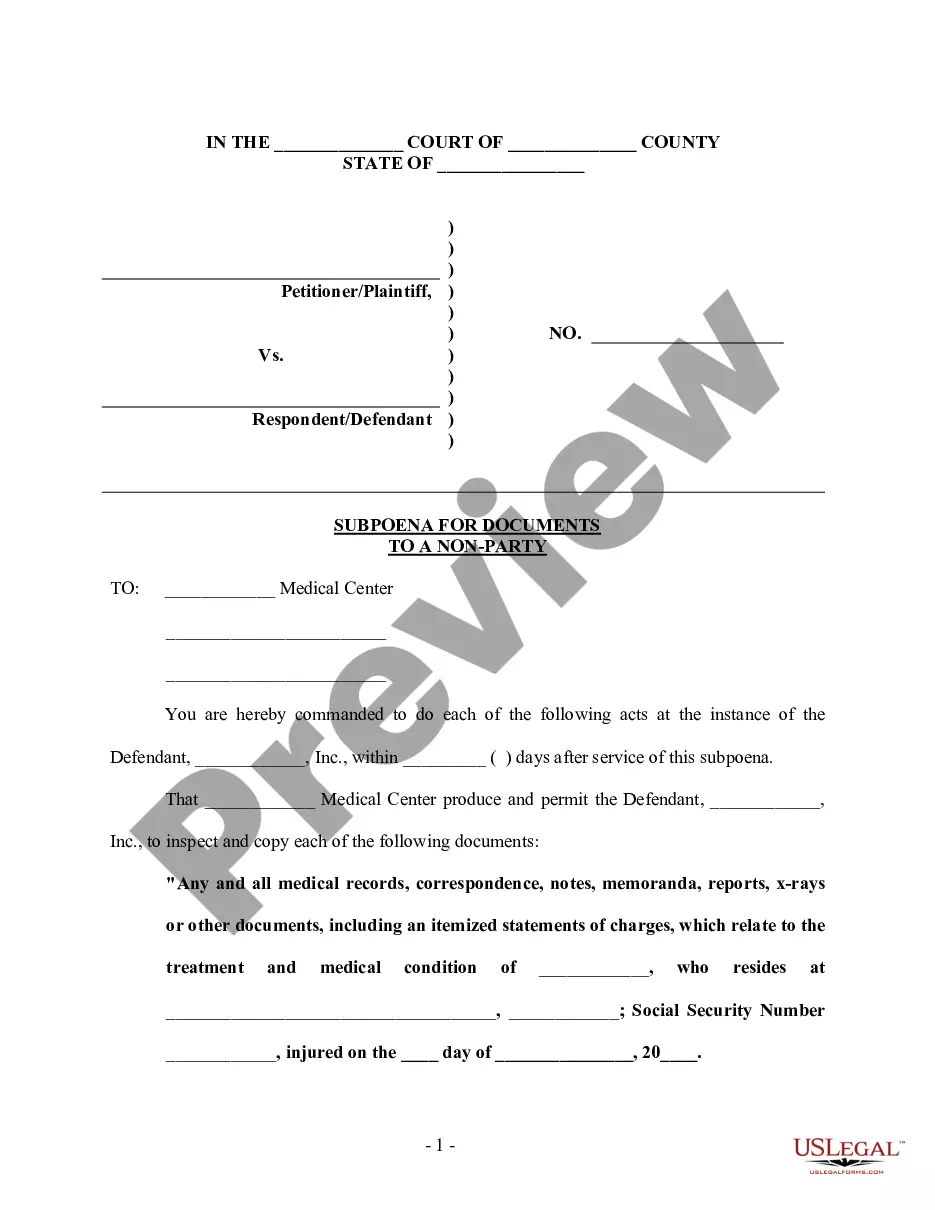
Trial Subpoena Form For Federal Court
Description
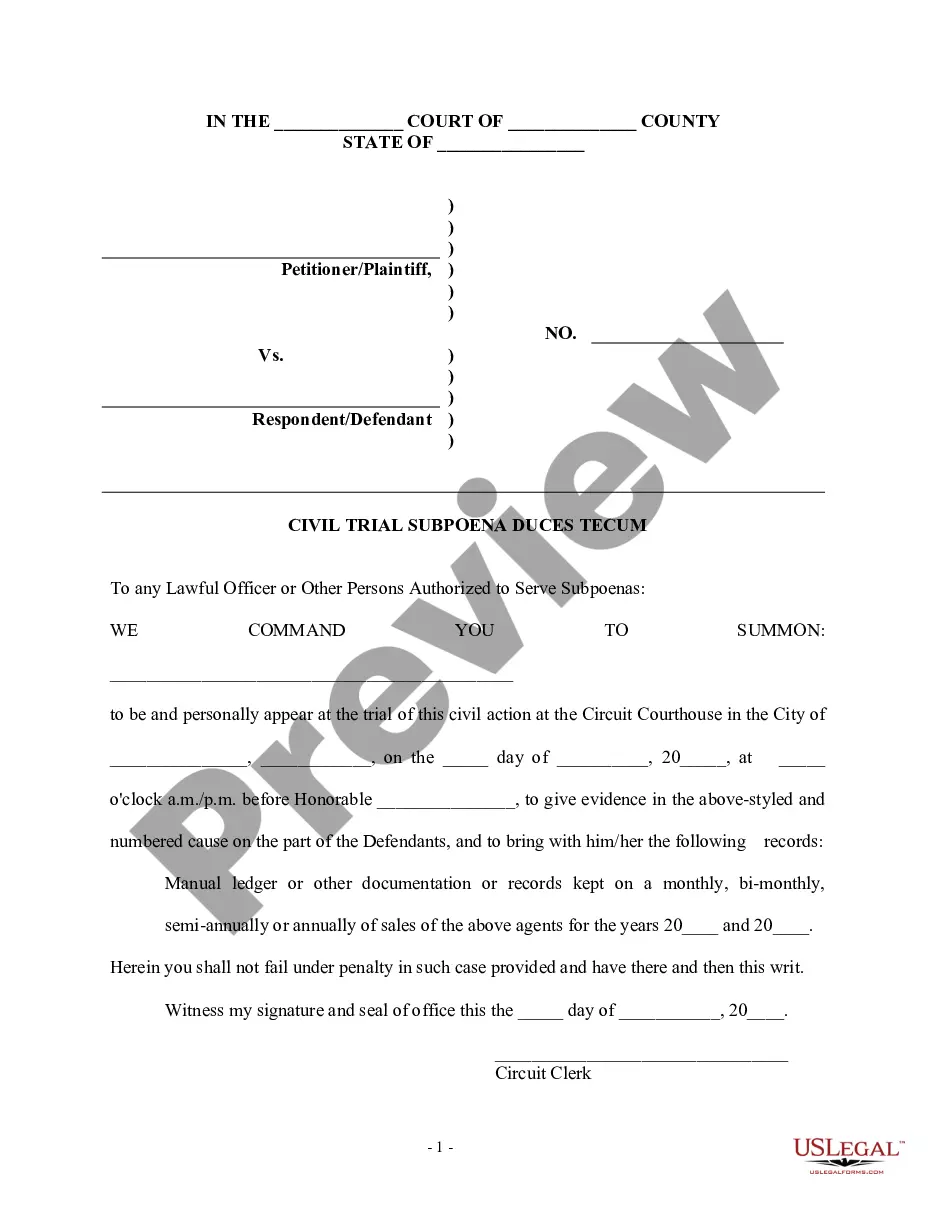
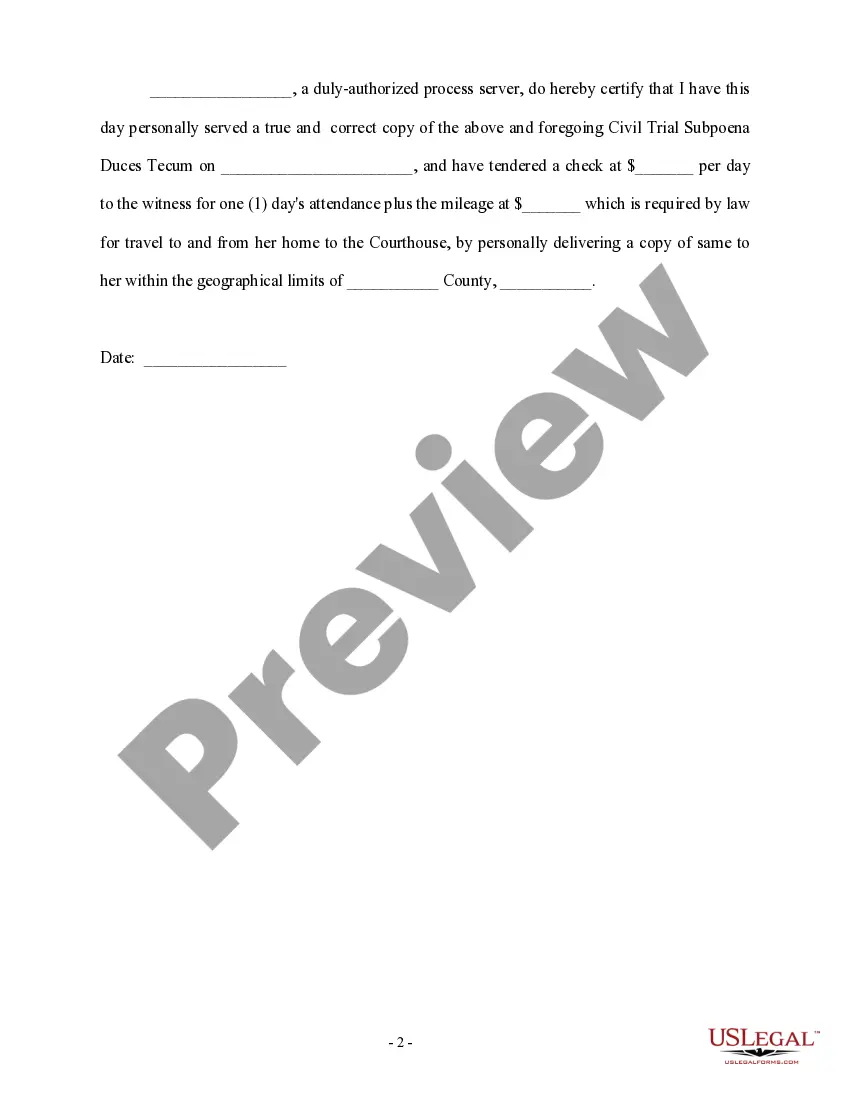
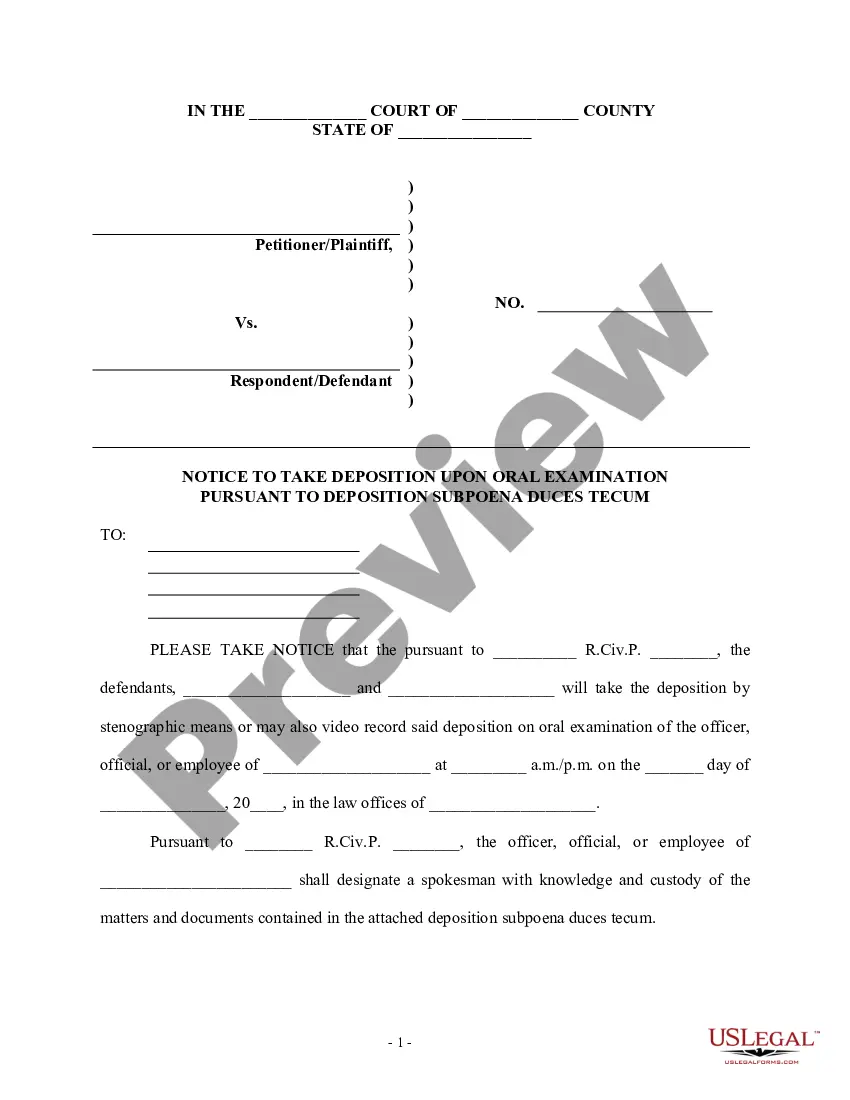
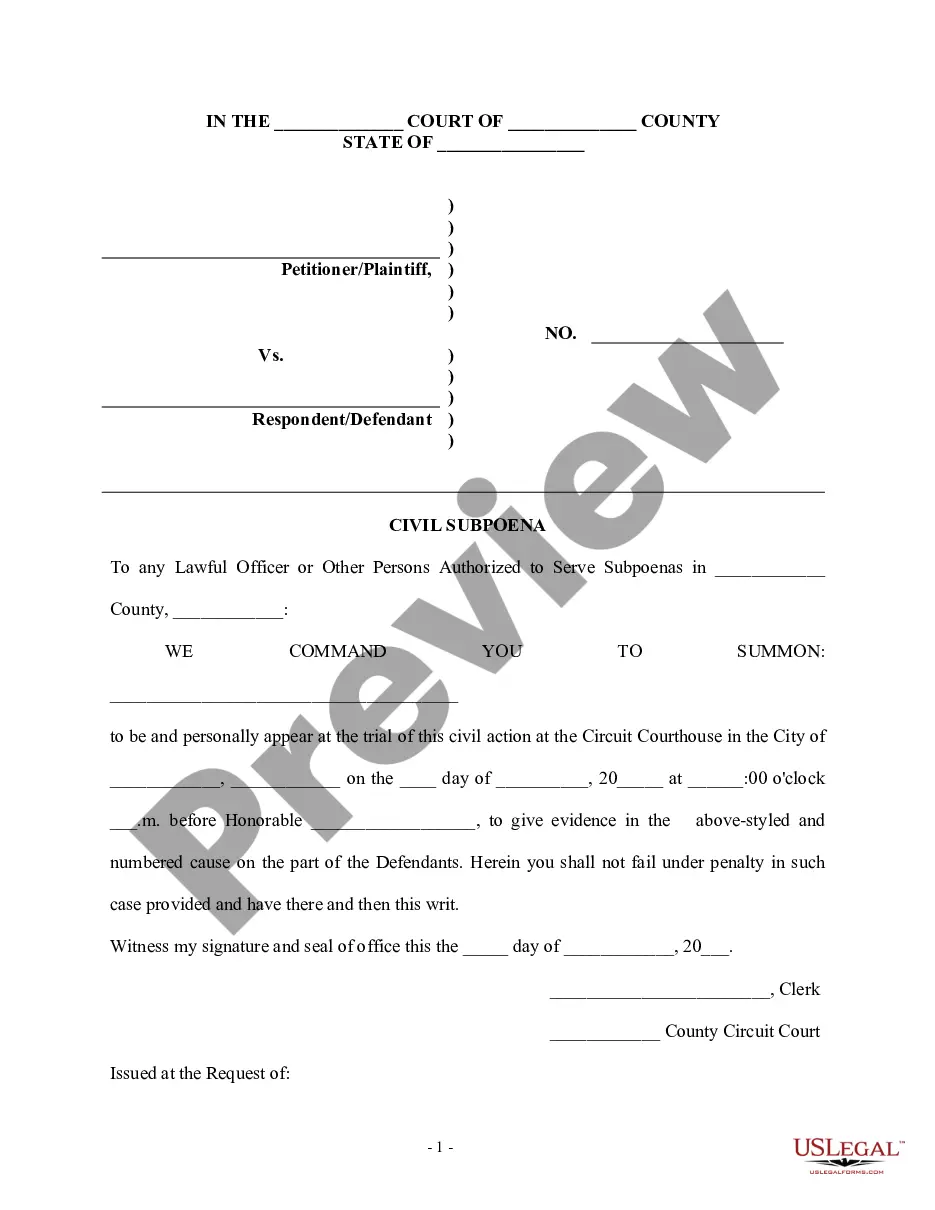
Get your form ready online
Our built-in tools help you complete, sign, share, and store your documents in one place.
Make edits, fill in missing information, and update formatting in US Legal Forms—just like you would in MS Word.
Download a copy, print it, send it by email, or mail it via USPS—whatever works best for your next step.
Sign and collect signatures with our SignNow integration. Send to multiple recipients, set reminders, and more. Go Premium to unlock E-Sign.
If this form requires notarization, complete it online through a secure video call—no need to meet a notary in person or wait for an appointment.
We protect your documents and personal data by following strict security and privacy standards.

Make edits, fill in missing information, and update formatting in US Legal Forms—just like you would in MS Word.

Download a copy, print it, send it by email, or mail it via USPS—whatever works best for your next step.

Sign and collect signatures with our SignNow integration. Send to multiple recipients, set reminders, and more. Go Premium to unlock E-Sign.

If this form requires notarization, complete it online through a secure video call—no need to meet a notary in person or wait for an appointment.

We protect your documents and personal data by following strict security and privacy standards.
Looking for another form?


How to fill out Civil Trial Subpoena Duces Tecum?
It’s well-known that you cannot become a legal authority instantly, nor can you determine how to swiftly prepare a Trial Subpoena Form For Federal Court without possessing a specialized set of abilities.
Assembling legal documents is a labor-intensive endeavor demanding specific training and expertise. Therefore, why not entrust the drafting of the Trial Subpoena Form For Federal Court to the experts.
With US Legal Forms, one of the largest legal document repositories, you can find everything from court documents to templates for internal business communication. We recognize the importance of compliance and adherence to federal and local regulations.
Create a free account and select a subscription plan to purchase the template.
Click Buy now. Once the payment is processed, you can obtain the Trial Subpoena Form For Federal Court, complete it, print it, and send or deliver it to the designated recipients or organizations.
- That’s why, on our platform, all templates are location-specific and current.
- Here’s how to start with our platform and acquire the form you need in just minutes.
- Locate the document you require using the search bar at the top of the page.
- View it (if this option is available) and review the accompanying description to determine if the Trial Subpoena Form For Federal Court is what you need.
- Initiate your search again if you require a different document.
Form popularity
FAQ
To subpoena someone for trial, you need to complete the trial subpoena form for federal court, which specifies the details of the case and the individual being subpoenaed. After filling out the form, you must file it with the court and serve it to the individual you wish to subpoena. Utilizing resources like US Legal Forms can simplify this process, providing you with the right templates and guidance to ensure your subpoena is valid.
A federal subpoena is typically issued by the court or an attorney involved in a federal case. This legal document demands the recipient to appear in court or produce evidence. It's important to ensure that you are using the correct trial subpoena form for federal court, as this ensures compliance with legal standards and procedures.
To obtain federal court paperwork, you can visit the official website of the federal court where your case is filed. Look for the section dedicated to forms and documents, which often includes the trial subpoena form for federal court. Alternatively, you can use platforms like US Legal Forms, where you can easily access and download necessary court documents tailored to your needs.
First, you can serve written objections to the subpoena pursuant to Rule 45(d)(2)(B). Second, you can move to quash or modify the subpoena pursuant to Rule 45(d)(3). Third, you can move for a protective order under Federal Rule of Civil Procedure 26(c).
Serve the Notice. If it is delivered in person, it must be served at least 10 days before the court date; For a Notice to Attend AND Bring Documents: You must have it served by mail at least 25 days before the court date. If it is delivered in person, it must be served at least 20 days before the court date.
Absent an agreement or court order stating otherwise, a subpoena recipient must serve any written objections on the party or attorney designated in the subpoena before the earlier of: The subpoena's return date (which issuing counsel sets). 14 days after the subpoena is served. (FRCP 45(d)(2)(B).)
Civil Subpoena for Personal Appearance at Trial or Hearing (SUBP-001) Orders a person who is not a party to a case to appear and testify at a trial or court hearing.
Common grounds for objecting to a third-party subpoena for documents include: Improper service. Improper issuance. Vague, ambiguous, and unreasonable requests. Insufficient time to reply. Disclosure of privileged or confidential information. Disclosure of trade secrets. Undue burden or expense. Inaccessible data.