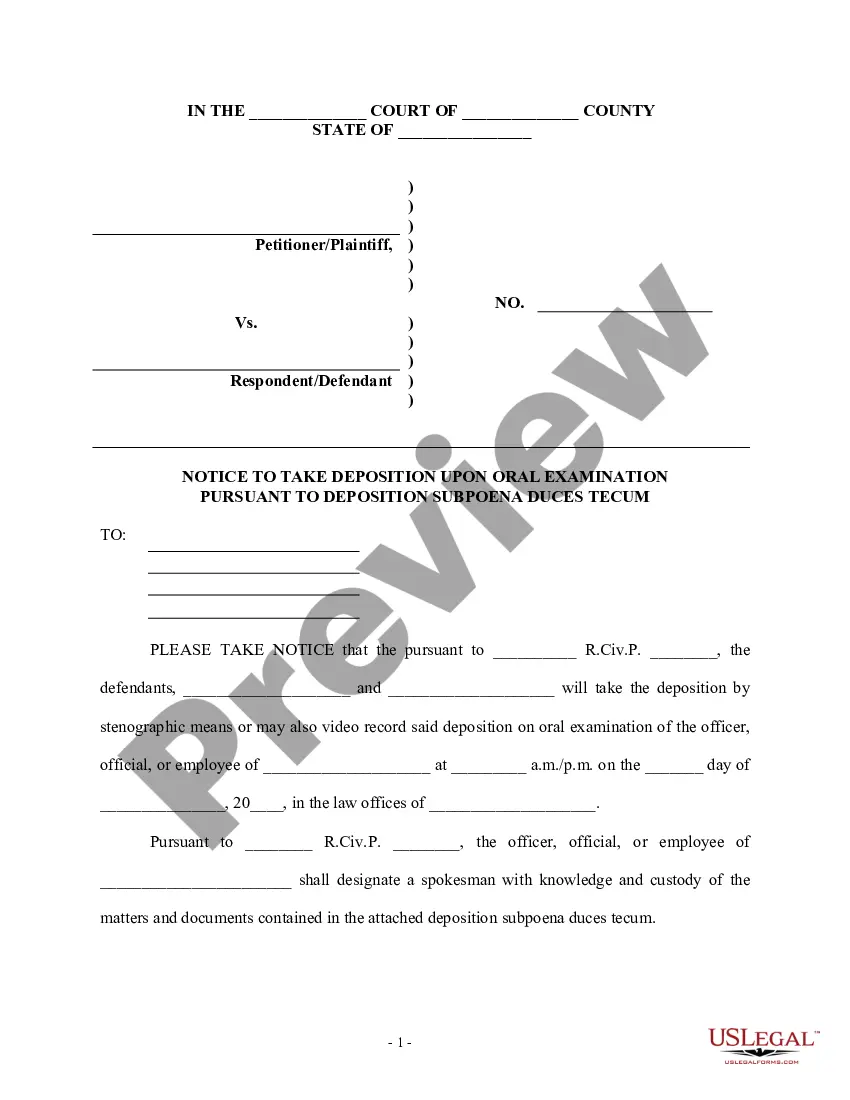
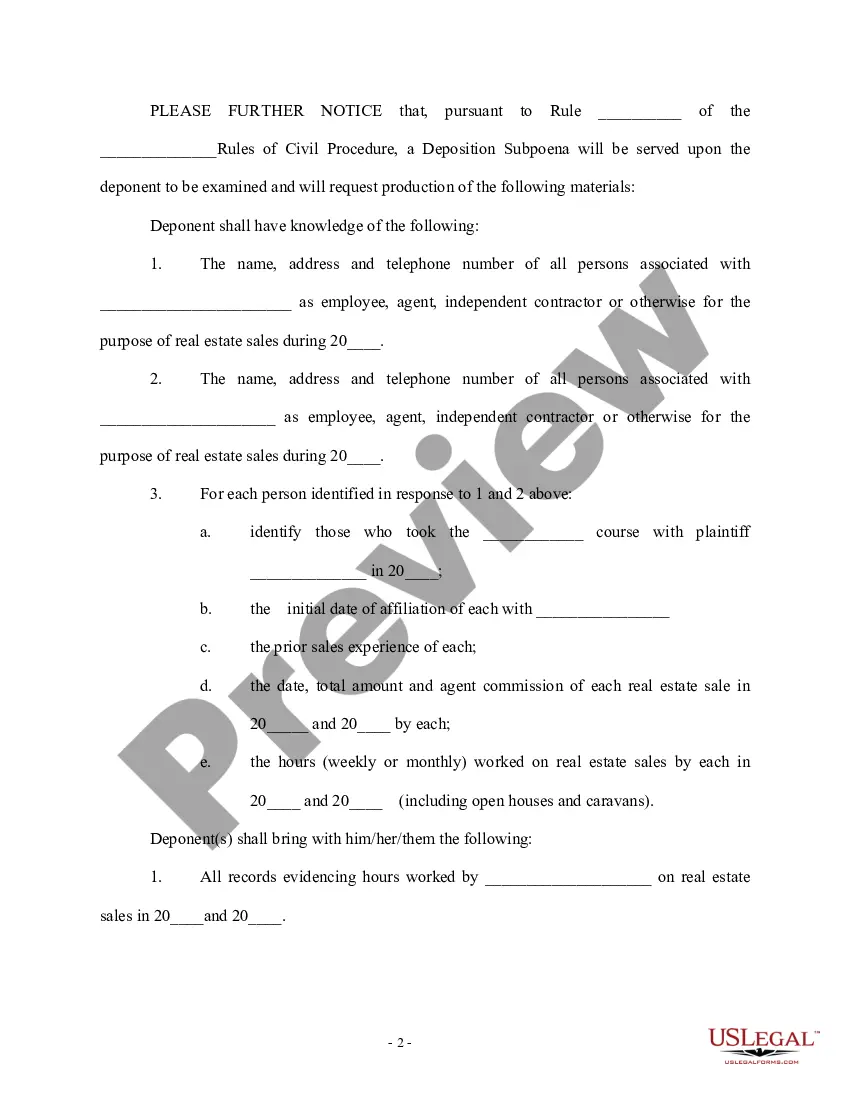
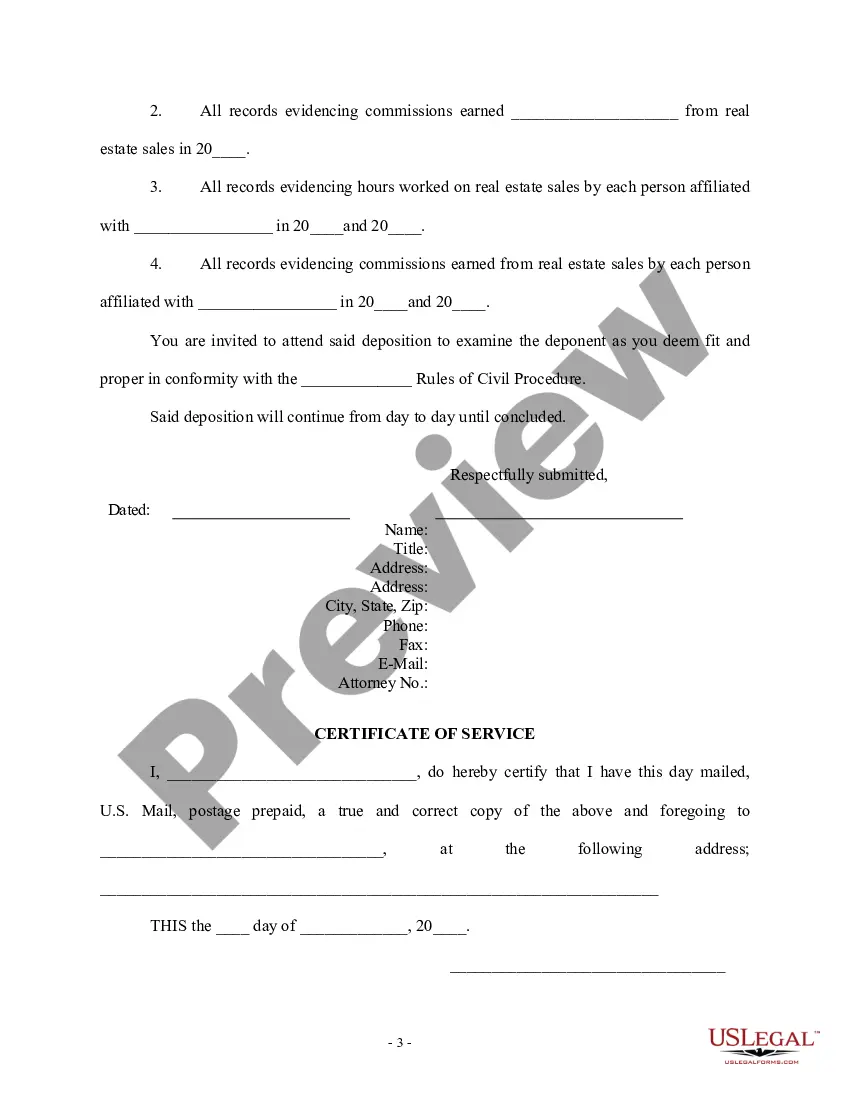
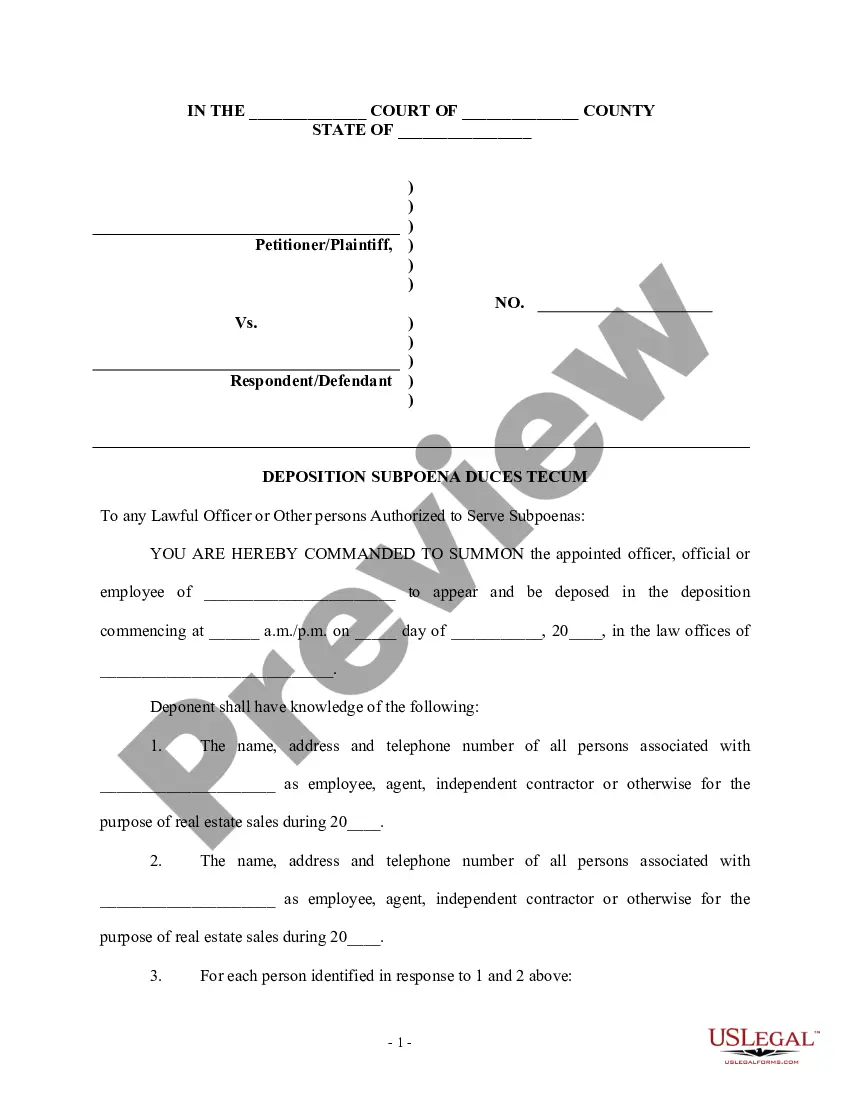
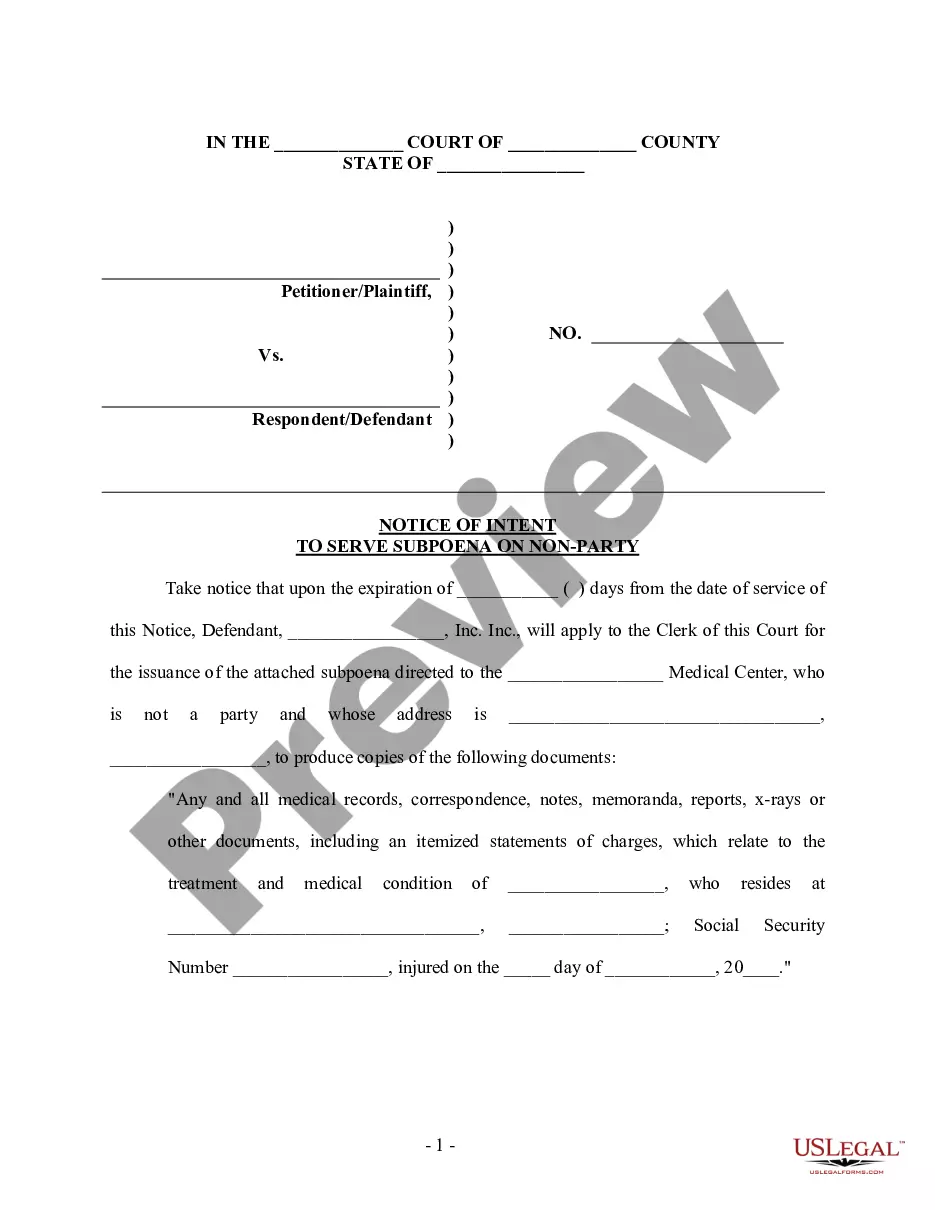
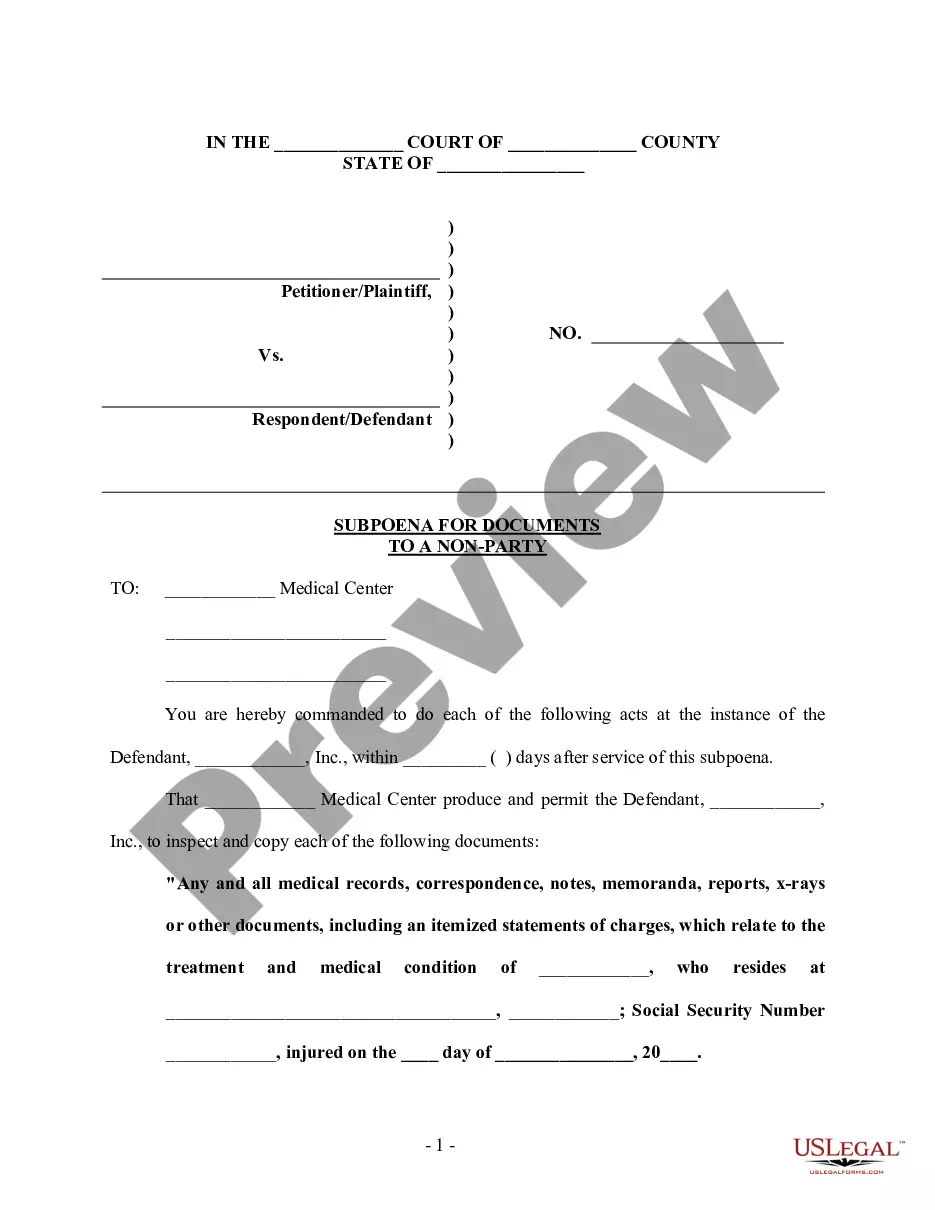
Cross Notice Deposition Form California
Description
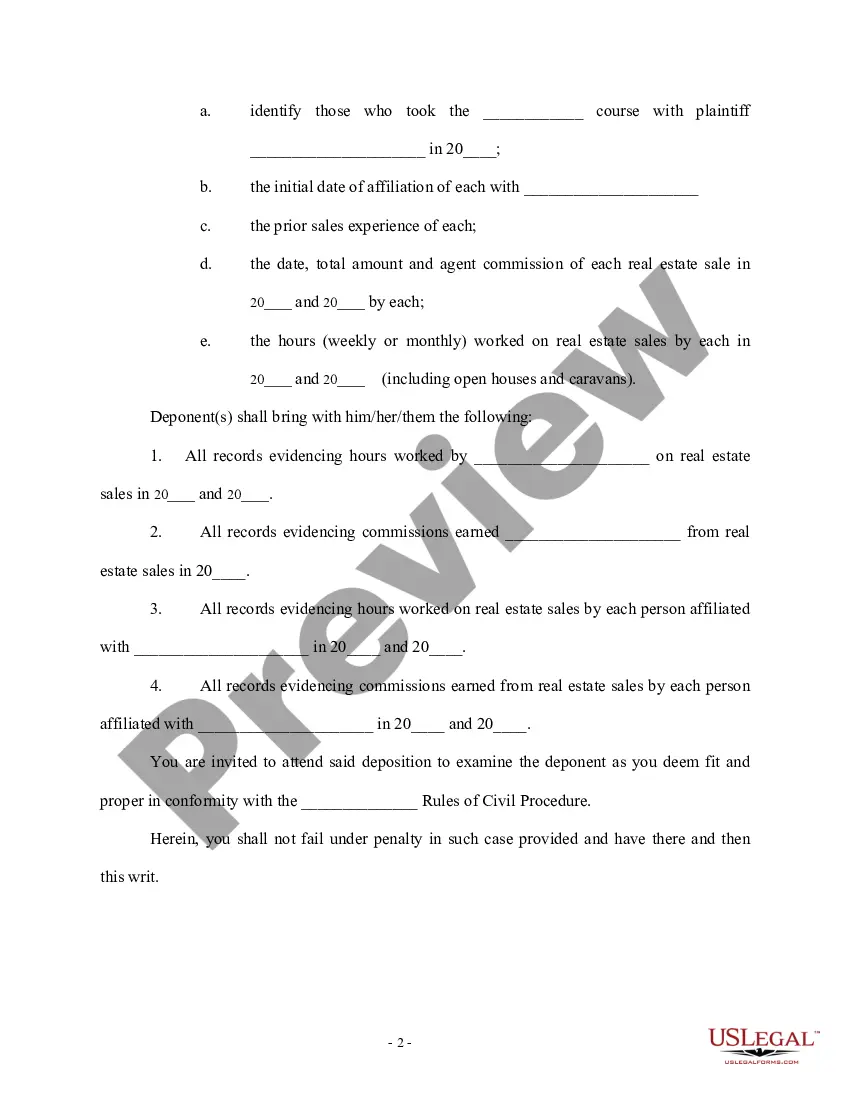
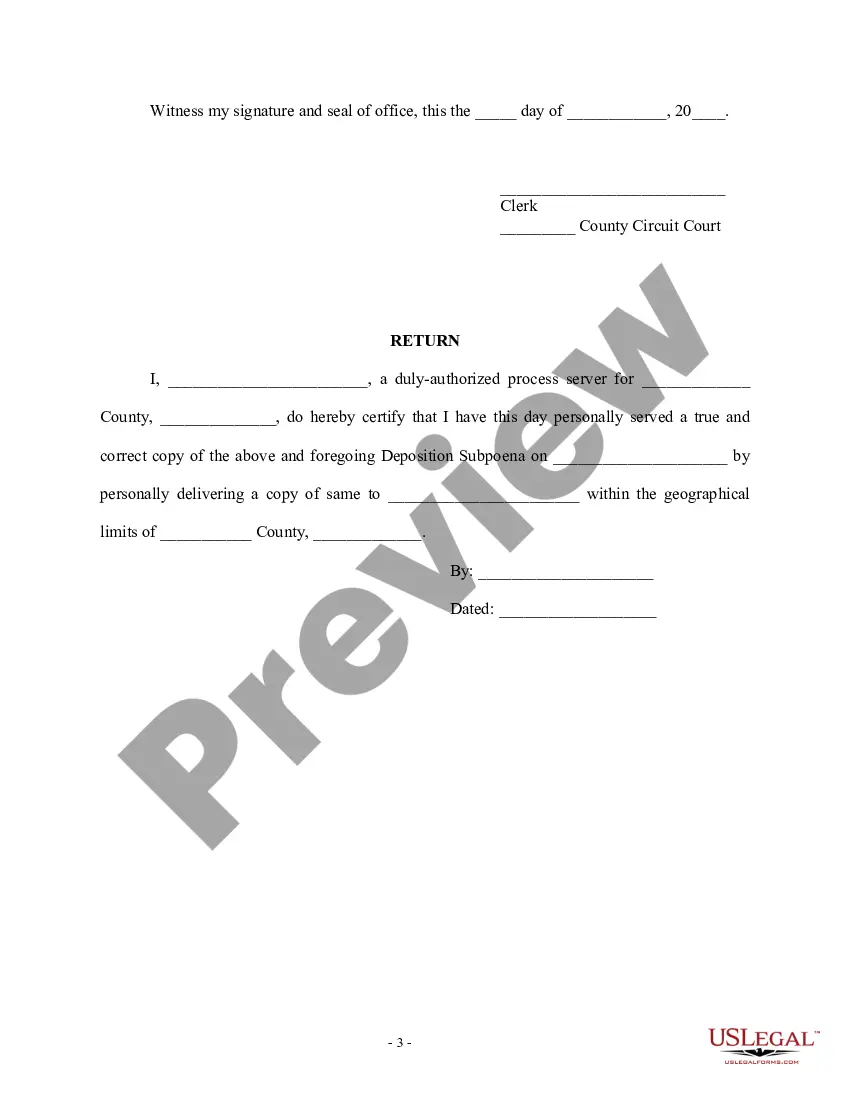
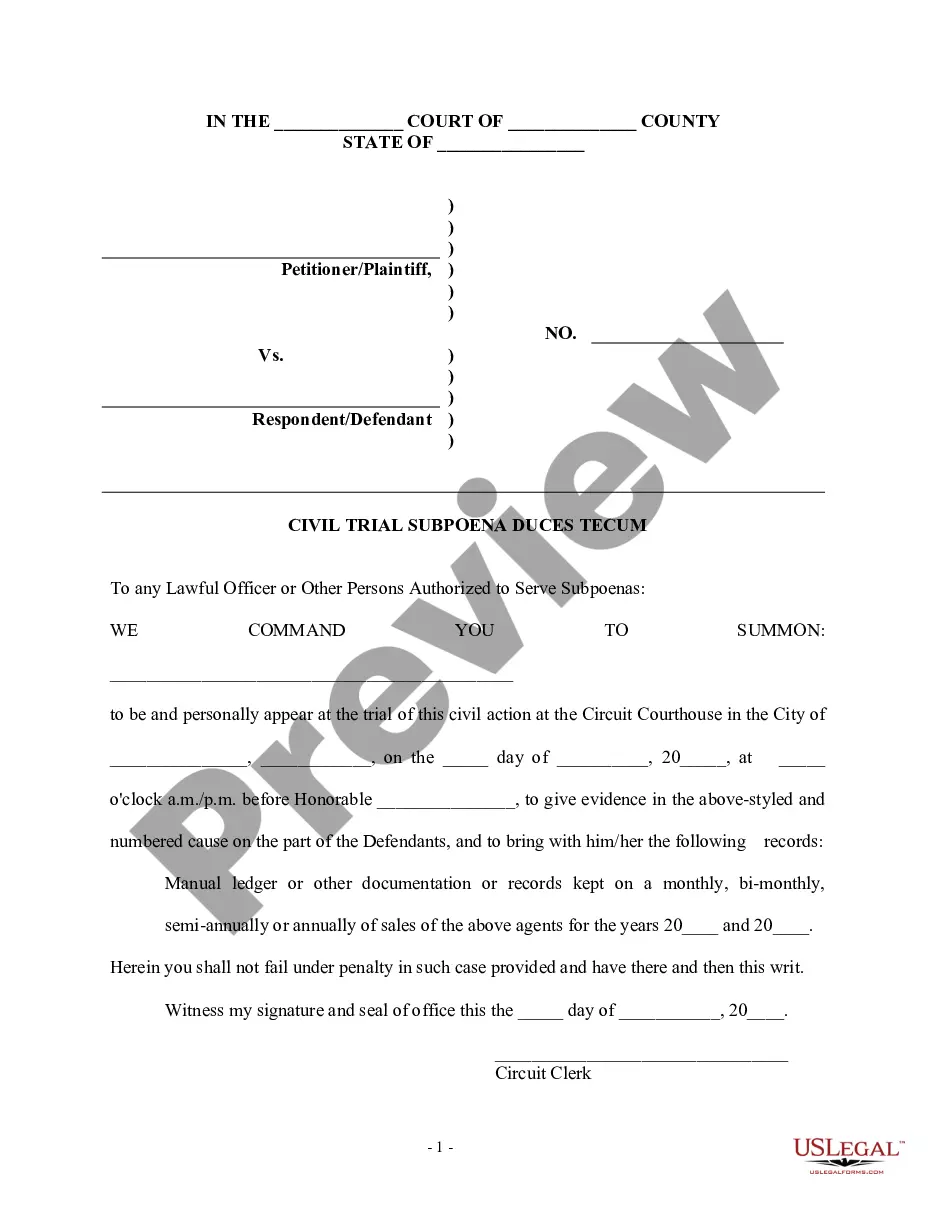
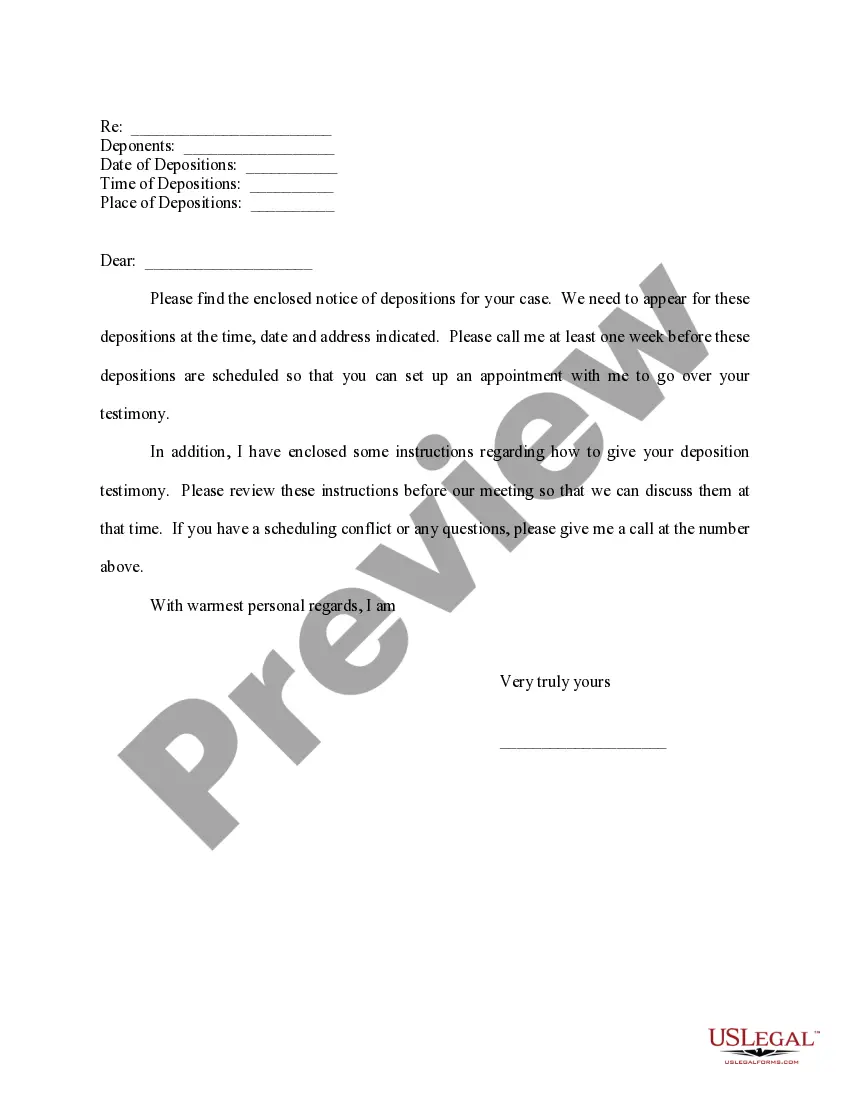
Get your form ready online
Our built-in tools help you complete, sign, share, and store your documents in one place.
Make edits, fill in missing information, and update formatting in US Legal Forms—just like you would in MS Word.
Download a copy, print it, send it by email, or mail it via USPS—whatever works best for your next step.
Sign and collect signatures with our SignNow integration. Send to multiple recipients, set reminders, and more. Go Premium to unlock E-Sign.
If this form requires notarization, complete it online through a secure video call—no need to meet a notary in person or wait for an appointment.
We protect your documents and personal data by following strict security and privacy standards.

Make edits, fill in missing information, and update formatting in US Legal Forms—just like you would in MS Word.

Download a copy, print it, send it by email, or mail it via USPS—whatever works best for your next step.

Sign and collect signatures with our SignNow integration. Send to multiple recipients, set reminders, and more. Go Premium to unlock E-Sign.

If this form requires notarization, complete it online through a secure video call—no need to meet a notary in person or wait for an appointment.

We protect your documents and personal data by following strict security and privacy standards.
Looking for another form?


How to fill out Notice To Take Deposition Subpoena Duces Tecum?
Acquiring a reliable location to obtain the latest and pertinent legal forms constitutes a significant part of navigating bureaucracy.
Selecting the appropriate legal documents requires precision and meticulousness, which is why it's essential to obtain examples of the Cross Notice Deposition Form California exclusively from reputable sources, such as US Legal Forms.
Eliminate the hassle associated with your legal paperwork. Explore the comprehensive US Legal Forms database where you can discover legal templates, assess their applicability to your situation, and download them instantly.
- Utilize the library navigation or search feature to find your template.
- Examine the form’s description to determine if it meets the standards of your state and locality.
- Check the form preview, if accessible, to confirm that it is indeed the form you need.
- Continue the search and locate the appropriate document if the Cross Notice Deposition Form California does not meet your requirements.
- If you are confident in the form's appropriateness, download it.
- If you are a registered user, click Log in to verify and access your chosen forms in My documents.
- If you do not already have an account, click Buy now to obtain the template.
- Choose the pricing option that suits your needs.
- Proceed to the registration to complete your transaction.
- Finalize your purchase by selecting a payment method (credit card or PayPal).
- Choose the file format for downloading the Cross Notice Deposition Form California.
- Once you have the form on your device, you can modify it with the editor or print it and complete it manually.
Form popularity
FAQ
To take a 30(b)(6) deposition, you must first provide notice to the organization being deposed. This notice should specify the topics you wish to discuss, allowing the organization to prepare its representative. The selected representative must then appear and provide information on behalf of the company. Using the cross notice deposition form California can streamline this process.
For expert depositions in California, you typically need to provide at least 10 days' notice, just like regular depositions. This ensures that all parties have enough time to prepare their experts for questioning. Using a cross notice deposition form California can simplify this process, helping you to efficiently notify all parties involved.
To start an action, you must fill out a Complaint Form, which you can acquire at the District Court. This form explains whom you are suing, for how much money, and why you are claiming the money. You must bring the completed form to the Court Clerk's office or fill it out while at the Court.
The Entry of Appearance tells the circuit clerk's office to make sure that the attorney receives notice of all documents filed with court by either side in that particular case and it also lets the clerk know that any decisions made by the judge in the case need to be sent to the attorney who filed the Entry of ...
The Civil Division is designated to allow collection agencies, a collection agent, a firm, an association, a corporation, or an individual being represented by an attorney to file a claim to settle certain disputes that are not in excess of $25,000.
A civil case usually involves a claim for money damages or some kind of claim with respect to property. The person who files a civil lawsuit is called the plaintiff and the person against whom the suit is brought is the defendant. There may be more than one plaintiff or defendant.
The Arkansas Constitution mandates that the state shall never be made a defendant. However, plaintiffs can bring claims before the Arkansas State Claims Commission, an arm of the General Assembly. Political subdivisions are immune except to the extent they are covered by liability insurance.
If you claim a written agreement or contract has been broken, you have five years after the date it was broken to file your suit. If your claim is based upon an oral agreement or contract, then you have three years to file your lawsuit. The time limits for other types of claims may vary, depending upon the claim.