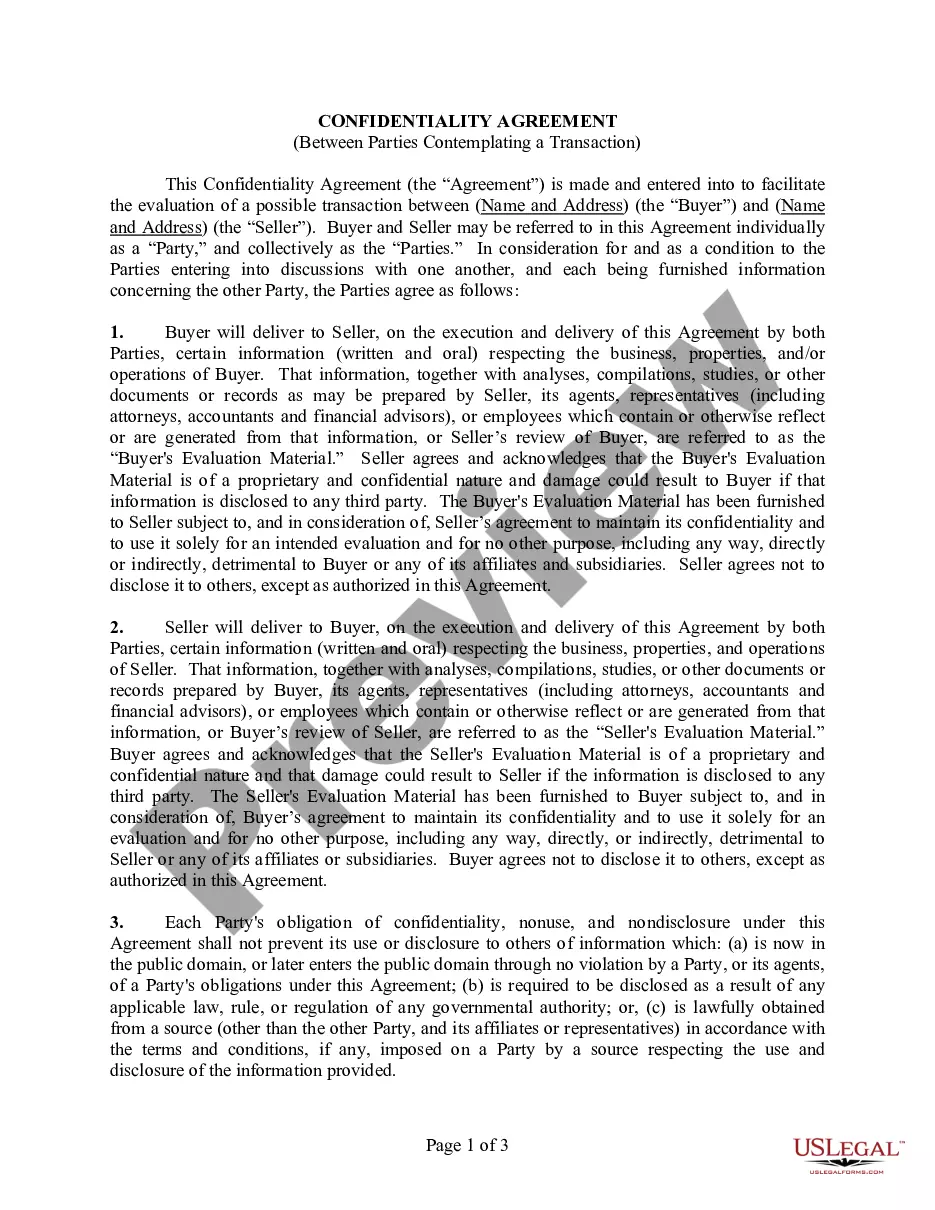
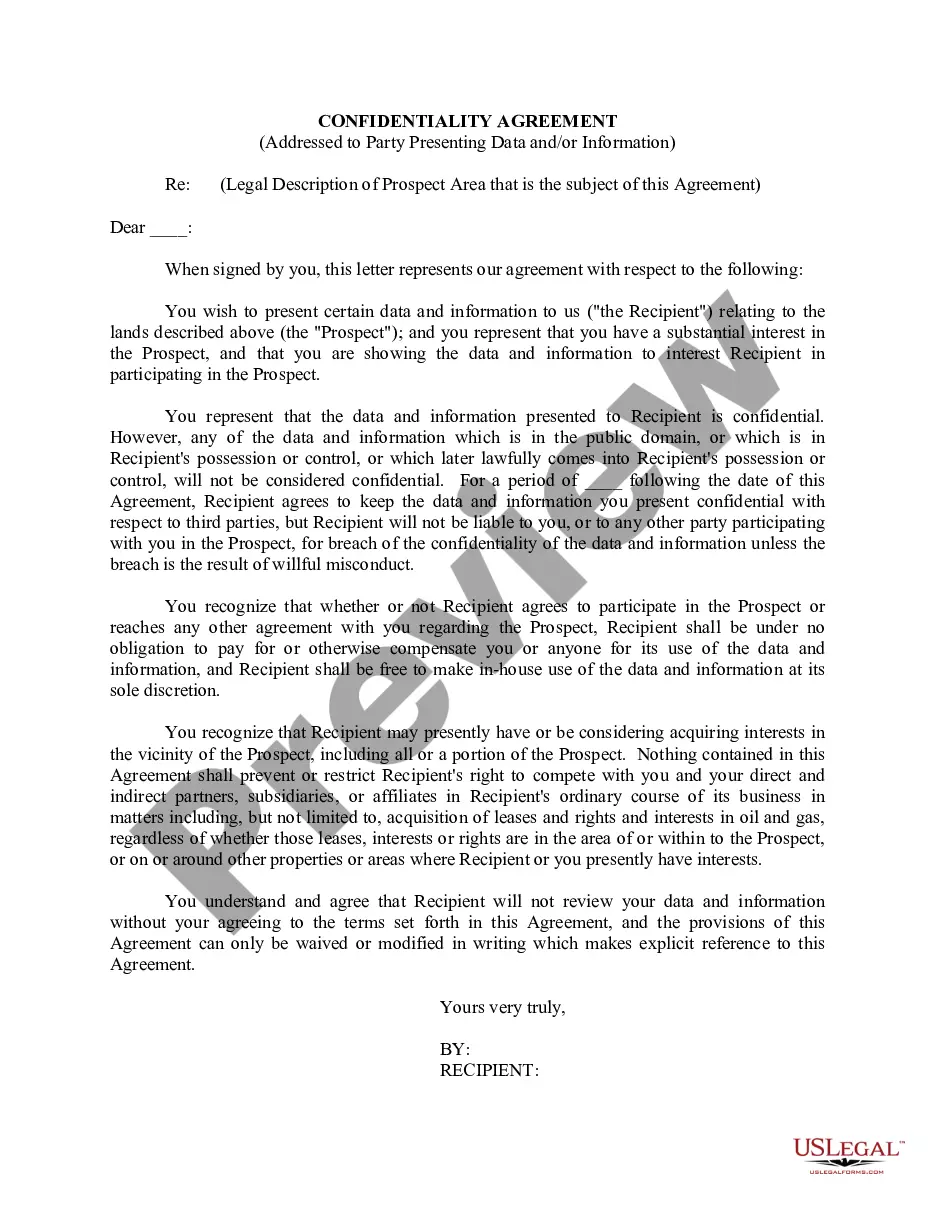
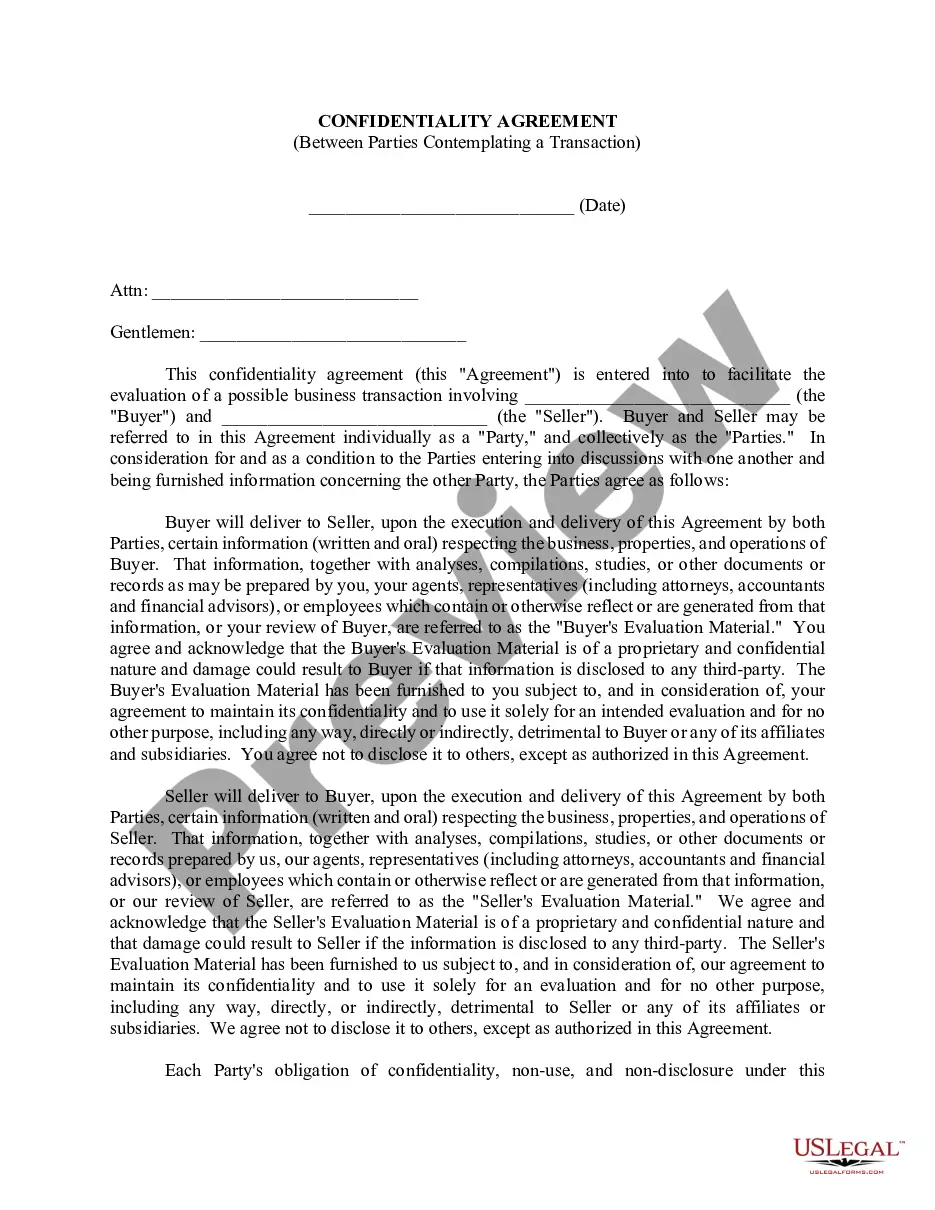
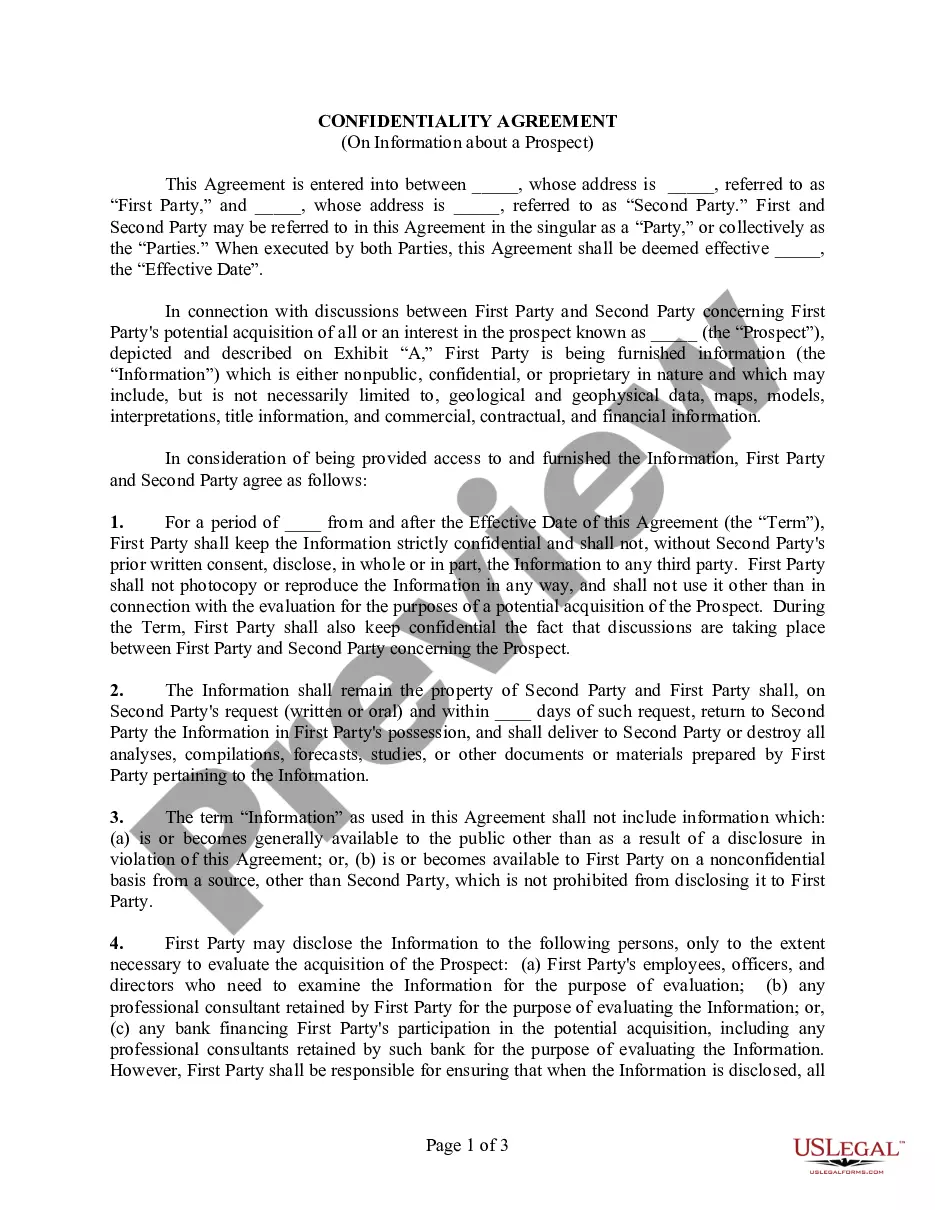
Confidentiality Between With Client
Description


Get your form ready online
Our built-in tools help you complete, sign, share, and store your documents in one place.
Make edits, fill in missing information, and update formatting in US Legal Forms—just like you would in MS Word.
Download a copy, print it, send it by email, or mail it via USPS—whatever works best for your next step.
Sign and collect signatures with our SignNow integration. Send to multiple recipients, set reminders, and more. Go Premium to unlock E-Sign.
If this form requires notarization, complete it online through a secure video call—no need to meet a notary in person or wait for an appointment.
We protect your documents and personal data by following strict security and privacy standards.

Make edits, fill in missing information, and update formatting in US Legal Forms—just like you would in MS Word.

Download a copy, print it, send it by email, or mail it via USPS—whatever works best for your next step.

Sign and collect signatures with our SignNow integration. Send to multiple recipients, set reminders, and more. Go Premium to unlock E-Sign.

If this form requires notarization, complete it online through a secure video call—no need to meet a notary in person or wait for an appointment.

We protect your documents and personal data by following strict security and privacy standards.
Looking for another form?
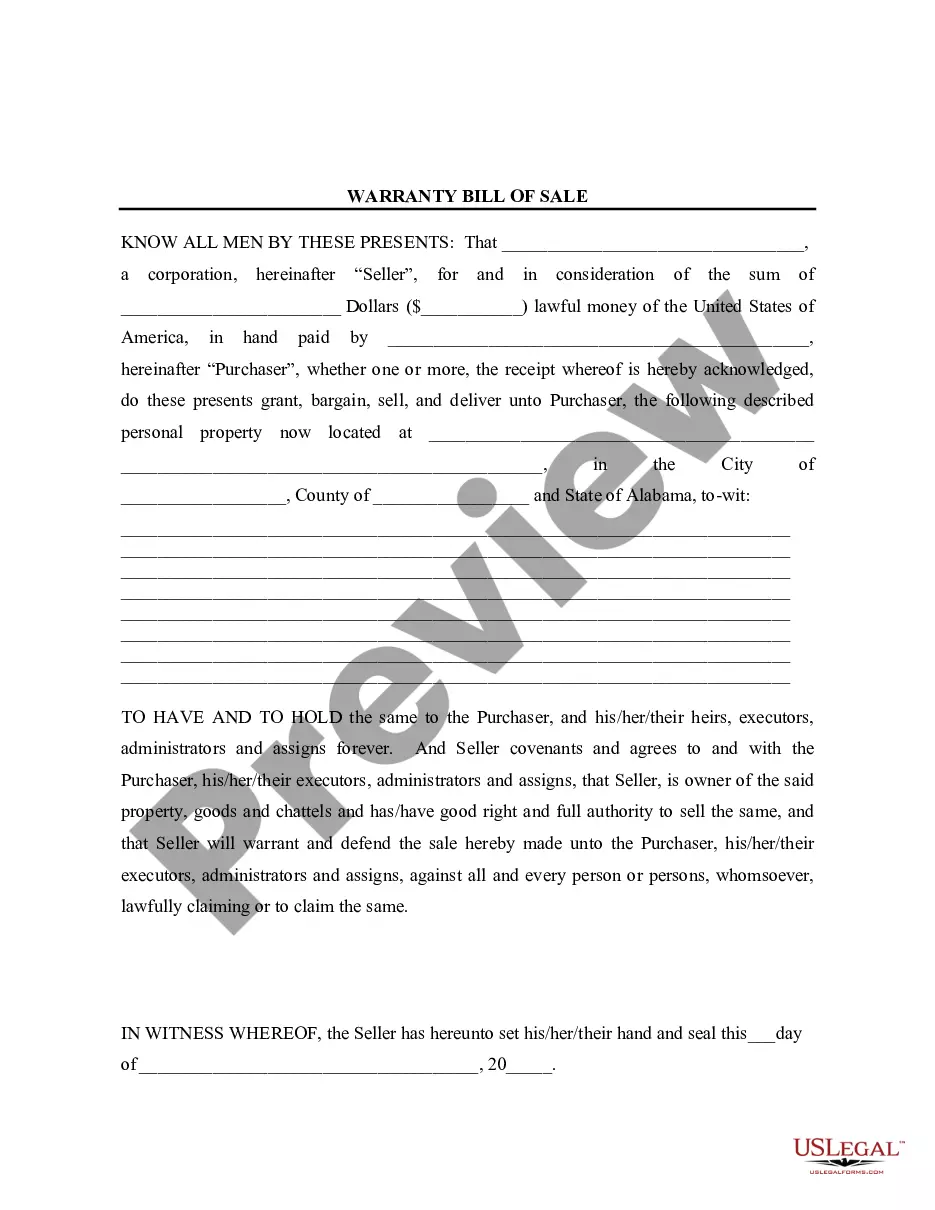







How to fill out Confidentiality Agreement (Between Parties Contemplating A Transaction)?
Utilizing legal templates that comply with federal and state regulations is essential, and the internet provides numerous alternatives to select from.
However, what's the advantage of spending time looking for the suitable Confidentiality Between Client template online when the US Legal Forms digital library already has such documents gathered in one location.
US Legal Forms stands as the largest online legal repository with more than 85,000 editable templates created by attorneys for a variety of professional and personal situations.
Leverage the most comprehensive and user-friendly legal documentation service!
- They are easy to navigate, with all files categorized by state and intended use.
- Our experts stay updated with legal adjustments, ensuring that your documents are always current and compliant when obtaining a Confidentiality Between Client from our site.
- Acquiring a Confidentiality Between Client is straightforward and swift for both existing and new members.
- If you possess an account with an active subscription, Log In and store the document sample you need in the correct format.
- If you are new to our platform, follow the steps outlined below.
Form popularity
FAQ
The Confidentiality Note should contain a statement indicating that the email is confidential and intended for the named recipient, as well as a process for communicating with the sender in the event the email is received by someone other than the recipient.
Examples of confidential information are: Medical information. Names, dates of birth, addresses, contact details (of staff, clients, patients, pupils, etcetera). Personal bank details and credit card information.
WHAT IS CLIENT CONFIDENTIALITY? Confidentiality includes not just the contents of therapy, but often the fact that a client is in therapy. For example, it is common that therapists will not acknowledge their clients if they run into them outside of therapy in an effort to protect client confidentiality.
Only disclose a client's private information with their consent or when there is a compelling legal or ethical reason to do so. If you do need to disclose confidential information, only reveal the essential information that's relevant to the situation.
I cannot and will not tell anyone else what you have told me, or even that you are in therapy with me without your prior permission. You can authorize me to share information with whomever you choose, and you may change your mind and revoke that permission at anytime.