Motion To Dismiss For Suing The Wrong Party
Description
Get your form ready online
Our built-in tools help you complete, sign, share, and store your documents in one place.
Make edits, fill in missing information, and update formatting in US Legal Forms—just like you would in MS Word.
Download a copy, print it, send it by email, or mail it via USPS—whatever works best for your next step.
Sign and collect signatures with our SignNow integration. Send to multiple recipients, set reminders, and more. Go Premium to unlock E-Sign.
If this form requires notarization, complete it online through a secure video call—no need to meet a notary in person or wait for an appointment.
We protect your documents and personal data by following strict security and privacy standards.

Make edits, fill in missing information, and update formatting in US Legal Forms—just like you would in MS Word.

Download a copy, print it, send it by email, or mail it via USPS—whatever works best for your next step.

Sign and collect signatures with our SignNow integration. Send to multiple recipients, set reminders, and more. Go Premium to unlock E-Sign.

If this form requires notarization, complete it online through a secure video call—no need to meet a notary in person or wait for an appointment.

We protect your documents and personal data by following strict security and privacy standards.
Looking for another form?
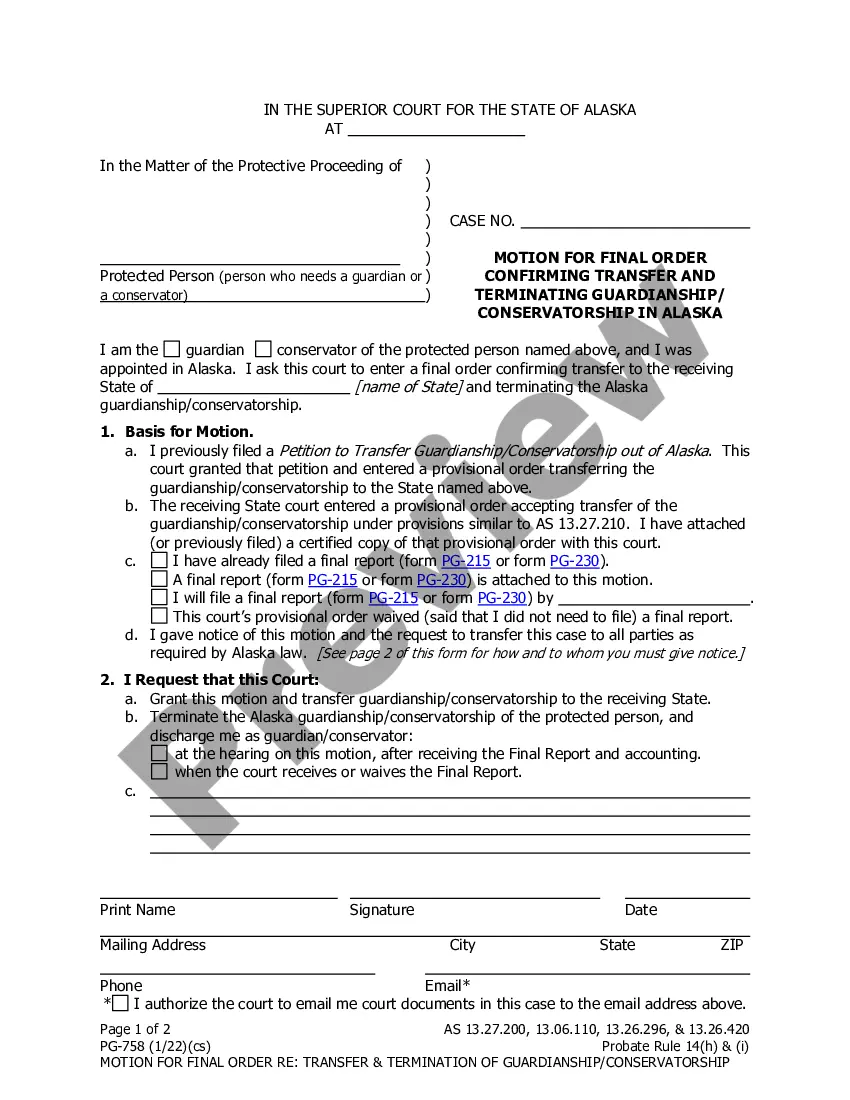







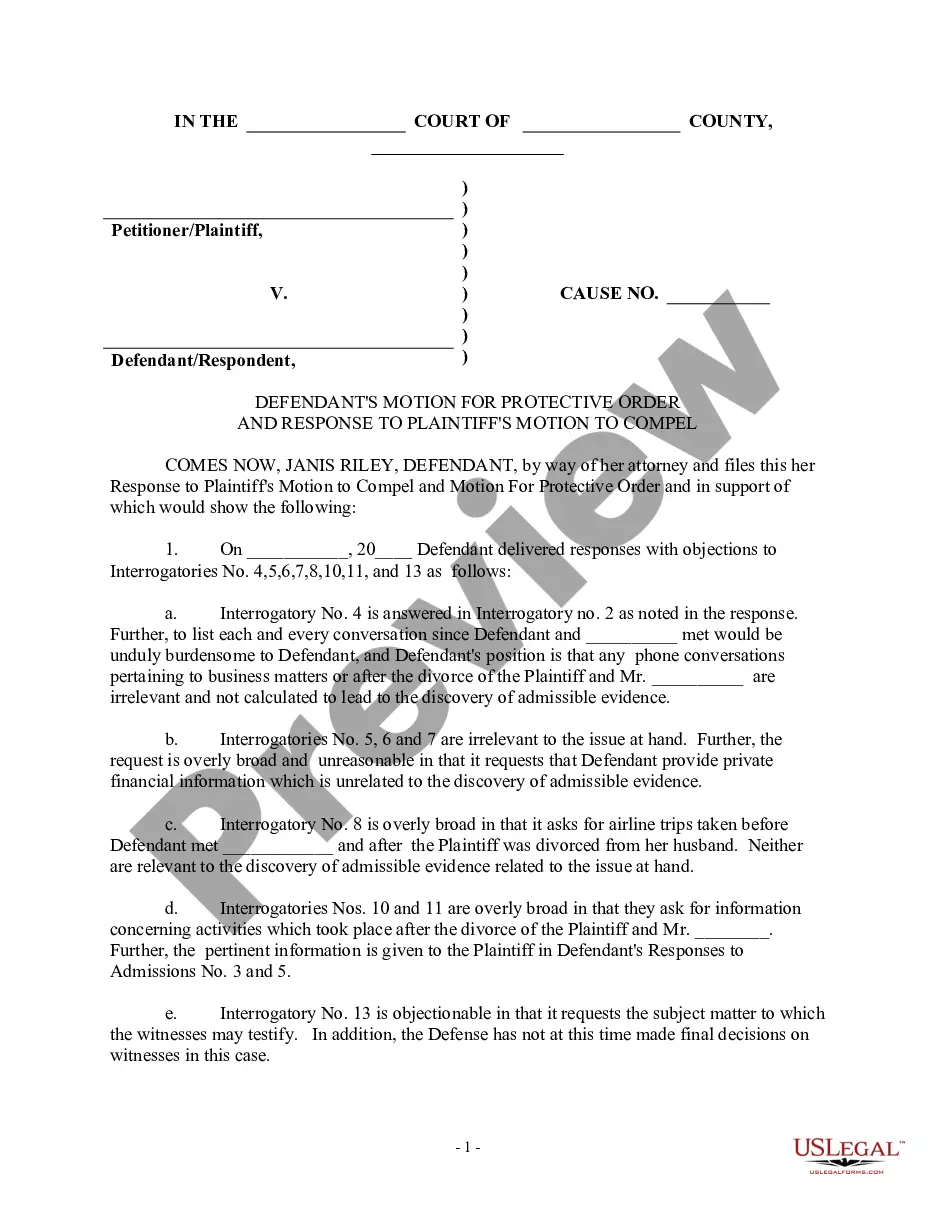
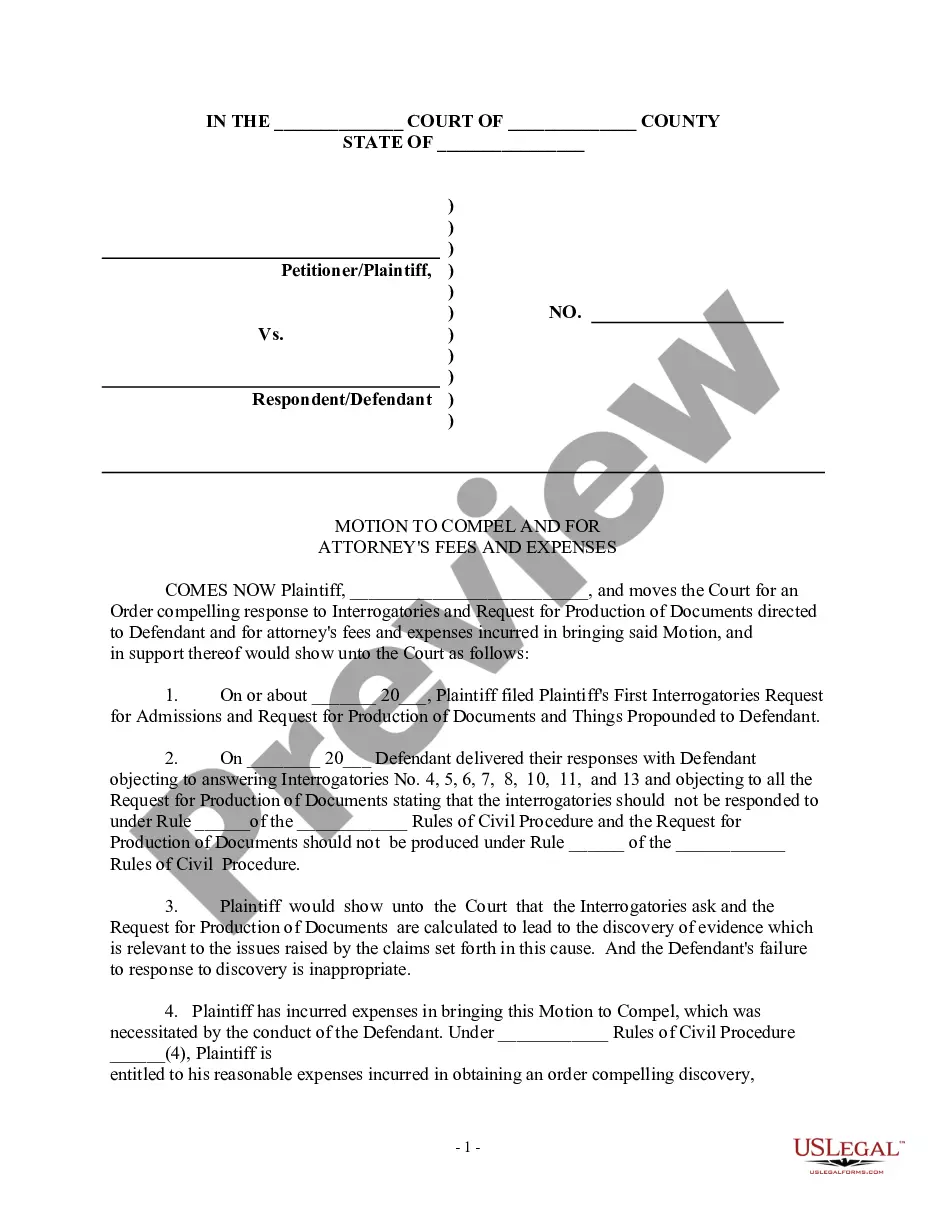
How to fill out Defendant's Motion For Protective Order And Response To Plaintiff's Motion To Compel?
Creating legal documents from the ground up can occasionally feel a bit daunting. Certain situations may require extensive research and significant financial investment.
If you’re looking for a simpler and more budget-friendly method of preparing Motion To Dismiss For Suing The Wrong Party or any other forms without unnecessary complications, US Legal Forms is always available to assist you.
Our online collection of over 85,000 current legal documents covers nearly every facet of your financial, legal, and personal matters. With just a few clicks, you can promptly access state- and county-compliant documents carefully assembled for you by our legal experts.
Utilize our website whenever you require trustworthy and dependable services through which you can swiftly locate and download the Motion To Dismiss For Suing The Wrong Party. If you’re already familiar with our services and have set up an account with us before, simply Log In to your account, choose the template and download it or re-download it at any time in the My documents section.
US Legal Forms has an impeccable reputation and over 25 years of experience. Join us today and make document preparation an easy and efficient process!
- Review the document preview and descriptions to ensure you are on the correct form you seek.
- Verify that the form you choose meets the standards of your state and county.
- Select the appropriate subscription plan to purchase the Motion To Dismiss For Suing The Wrong Party.
- Download the document. Then complete, validate, and print it.
Form popularity
FAQ
The Rule 12 motion to dismiss is a procedural tool used in federal court to challenge the legal sufficiency of a complaint. This motion argues that even if all allegations are true, there is no legal basis for a lawsuit. When parties file a motion to dismiss for suing the wrong party, they invoke Rule 12 to assert that the court lacks jurisdiction over the claimed defendant. Understanding and utilizing Rule 12 effectively can lead to timely resolutions and prevent costly litigation.
After a request for dismissal is made, the court will review the motion to determine its validity. If the motion is granted, the case may be dismissed, and the plaintiff may need to file again against the appropriate party. Alternatively, if the court denies the motion, the case will proceed, and the plaintiff must present their evidence. This process underscores the importance of correctly identifying parties to avoid dismissal and potential delays.
Yes, a motion to dismiss typically comes before the defendant's answer if the defendant believes they were mistakenly sued. This motion serves as a preliminary defense to challenge the validity of the lawsuit. Filing a motion to dismiss can prevent the case from moving forward if the plaintiff has not adequately identified the right party. Engaging in this early stage helps streamline the litigation process and brings clarity to the dispute.
A plaintiff may file a motion to dismiss for suing the wrong party to correct an error in the named defendant. This action can help avoid unnecessary litigation and allow the plaintiff to pursue their case against the correct party swiftly. By filing this motion, the plaintiff can clarify the issues and focus on the appropriate claims, ultimately saving time and resources. Furthermore, it emphasizes the importance of proper party identification in legal disputes.
A motion to dismiss for suing the wrong party should be granted when the complaint does not sufficiently state a claim against the named defendant. If the plaintiff has not shown that the defendant is the correct party involved in the dispute, the court may find it appropriate to dismiss the case. Furthermore, if the plaintiff fails to provide evidence that supports their claims, it strengthens the arguments for dismissal. Inadequate jurisdiction or failure to meet procedural requirements can also lead to a granted motion.
To write a successful motion to dismiss, start with a clear understanding of the applicable laws. Outline the reasons for dismissal precisely, focusing on any misstep like suing the wrong party. Tailor your motion to address specific legal issues and precedents. By adhering to these steps, you boost your chances of the court accepting your motion.
Arguing a motion to dismiss requires focusing on the legal flaws in the case presented by the opposing party. Present clear and compelling arguments that emphasize why the court should grant your motion. Address any claims of suing the wrong party specifically and explain why this undermines the entire case. A well-argued motion increases the likelihood of a favorable ruling.
Formatting a motion to dismiss involves adhering to court rules regarding structure and presentation. Use clear headings, numbered sections, and a formal style. Ensure you include a title page, detailed arguments, and a conclusion that summarizes your request. Proper formatting is essential for presenting a motion to dismiss for suing the wrong party effectively.
A good motion to dismiss effectively identifies the legal deficiencies in the opponent's case. It should be well-organized, articulate, and rooted in applicable law. Focusing on the facts that lead to suing the wrong party can greatly strengthen your motion. This clarity helps the court to swiftly understand the rationale behind the dismissal request.
To write a strong motion to dismiss, begin by clearly stating your reasons for the dismissal. Use legal precedents and factual evidence to support your arguments. Be concise and ensure your motion addresses why the current case is flawed, particularly if it involves suing the wrong party. Incorporating this focus increases your chances of success.