Change Court Procedure For Case
Description

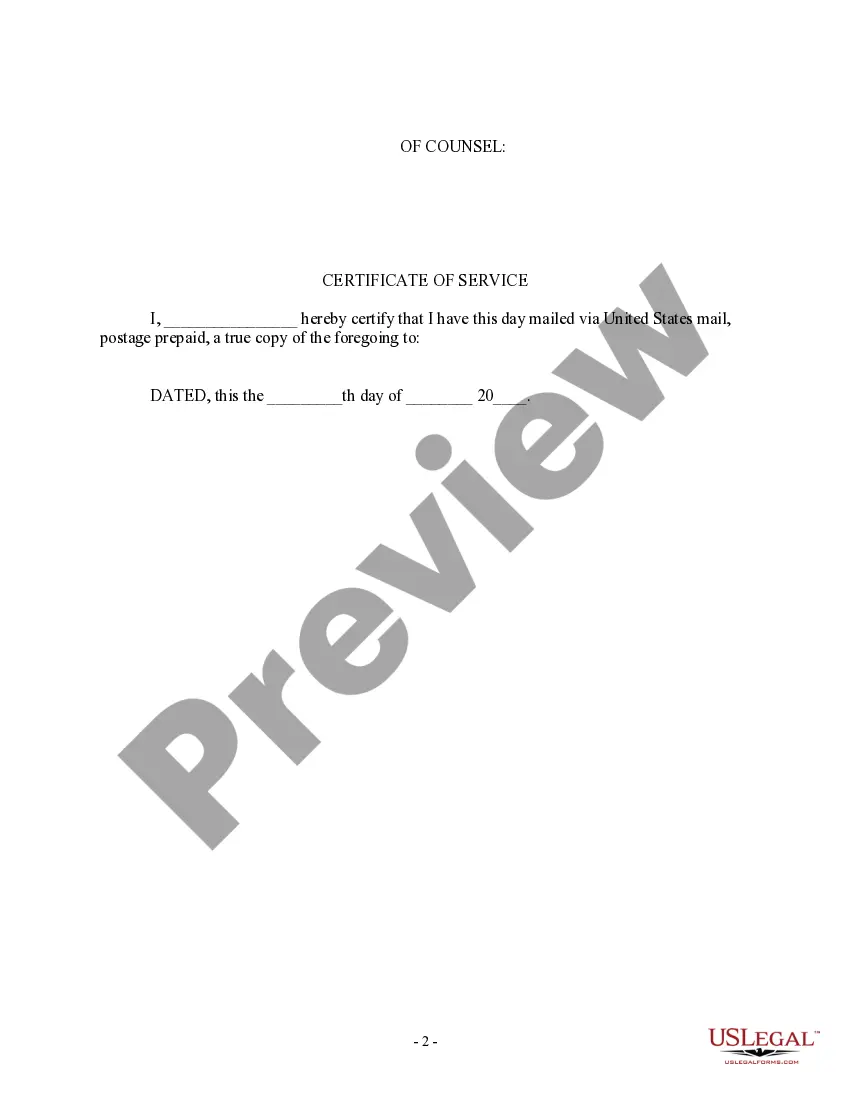

Get your form ready online
Our built-in tools help you complete, sign, share, and store your documents in one place.
Make edits, fill in missing information, and update formatting in US Legal Forms—just like you would in MS Word.
Download a copy, print it, send it by email, or mail it via USPS—whatever works best for your next step.
Sign and collect signatures with our SignNow integration. Send to multiple recipients, set reminders, and more. Go Premium to unlock E-Sign.
If this form requires notarization, complete it online through a secure video call—no need to meet a notary in person or wait for an appointment.
We protect your documents and personal data by following strict security and privacy standards.

Make edits, fill in missing information, and update formatting in US Legal Forms—just like you would in MS Word.

Download a copy, print it, send it by email, or mail it via USPS—whatever works best for your next step.

Sign and collect signatures with our SignNow integration. Send to multiple recipients, set reminders, and more. Go Premium to unlock E-Sign.

If this form requires notarization, complete it online through a secure video call—no need to meet a notary in person or wait for an appointment.

We protect your documents and personal data by following strict security and privacy standards.
Looking for another form?

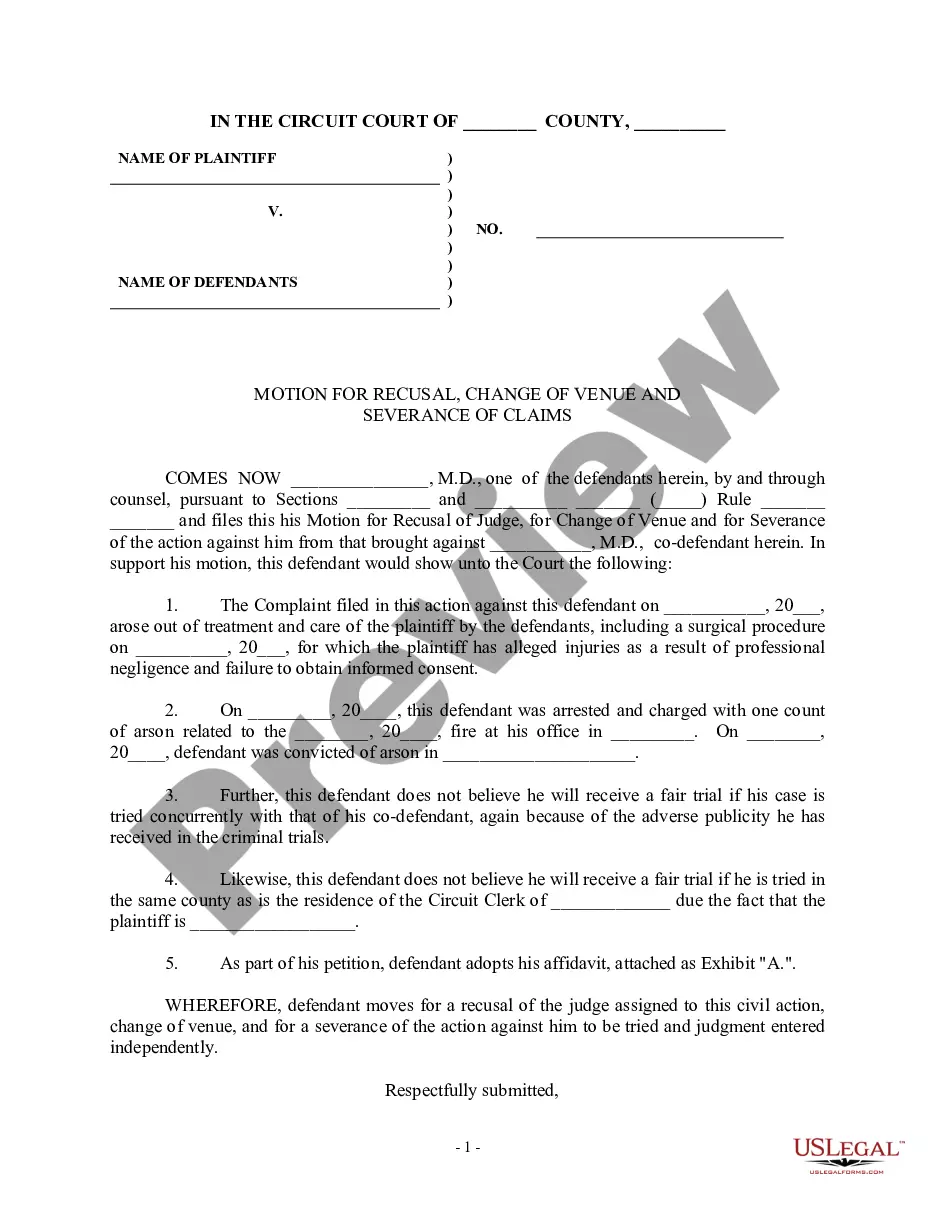
How to fill out Motion For Change Of Venue - Incorrect Court District?
Managing legal documents can be daunting, even for experienced professionals.
If you are seeking a Change Court Procedure For Case and lack the time to dedicate to finding the correct and current version, the processes could be challenging.
US Legal Forms accommodates any requirements you may have, ranging from personal to business documentation, all in one platform.
Leverage innovative tools to complete and manage your Change Court Procedure For Case.
Following are the steps to follow after downloading the form you need: Verify its accuracy by previewing and reviewing its details.
- Access a repository of articles, guides, and handbooks related to your circumstances and needs.
- Save time and energy seeking the required documents, and use US Legal Forms’ sophisticated search and Review feature to locate and download Change Court Procedure For Case.
- If you hold a subscription, Log In to your US Legal Forms account, search for the desired form, and download it.
- Check your My documents tab to review the documents you have previously downloaded and manage your folders as needed.
- If you are new to US Legal Forms, create an account to gain unrestricted access to all platform benefits.
- A robust online form database can be transformative for anyone wanting to navigate these matters effectively.
- US Legal Forms stands as a frontrunner in online legal forms, offering more than 85,000 state-specific legal documents at your fingertips.
- With US Legal Forms, you can access tailored legal and business paperwork according to your state or county.
Form popularity
FAQ
The solution may be Chapter 7, which discharges debts but also liquidates assets though not all of a person's assets. Chapter 13 bankruptcy allows a person to keep their assets, but puts them on a strict repayment plan. No matter which type you file for, the court puts an ?automatic stay? on any foreclosure action.
A chapter 7 bankruptcy case does not involve the filing of a plan of repayment as in chapter 13. Instead, the bankruptcy trustee gathers and sells the debtor's nonexempt assets and uses the proceeds of such assets to pay holders of claims (creditors) in ance with the provisions of the Bankruptcy Code.
Get Your Filing Fee This fee is the same throughout the United States. If you can't pay the fee, you can request a fee waiver from the court. To qualify for a waiver, your income must be less than 150% of the federal poverty guidelines. See the Florida Fee Waiver Eligibility table below.
Only individuals (including married couples) can file bankruptcy or appear before the court without a lawyer. Self-represented parties may use this page to access some information about the bankruptcy process and some required local procedures.
If the determined monthly income is over $12,475, then you'll very likely have to move forward with another bankruptcy option. Any monthly income between $7,475 and $12,475 will require further calculations to determine eligibility.
Some of the forms you'll have to fill in a Florida Chapter 7 bankruptcy case include: Voluntary Petition for Bankruptcy. Florida Bankruptcy Schedule A/B: To list all your real property and personal property. Florida Bankruptcy Schedule C: Exempt property. Florida Bankruptcy Schedule D: Secured bankruptcy claims.