Tenants Ti
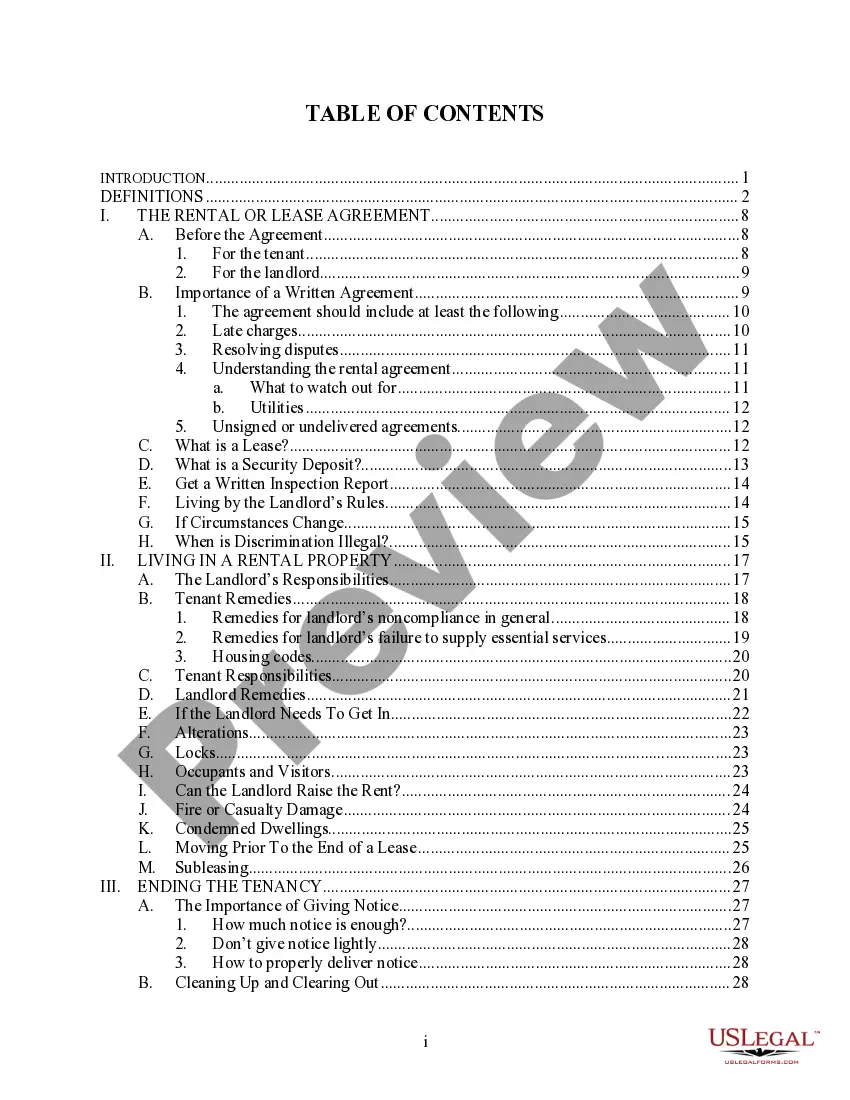
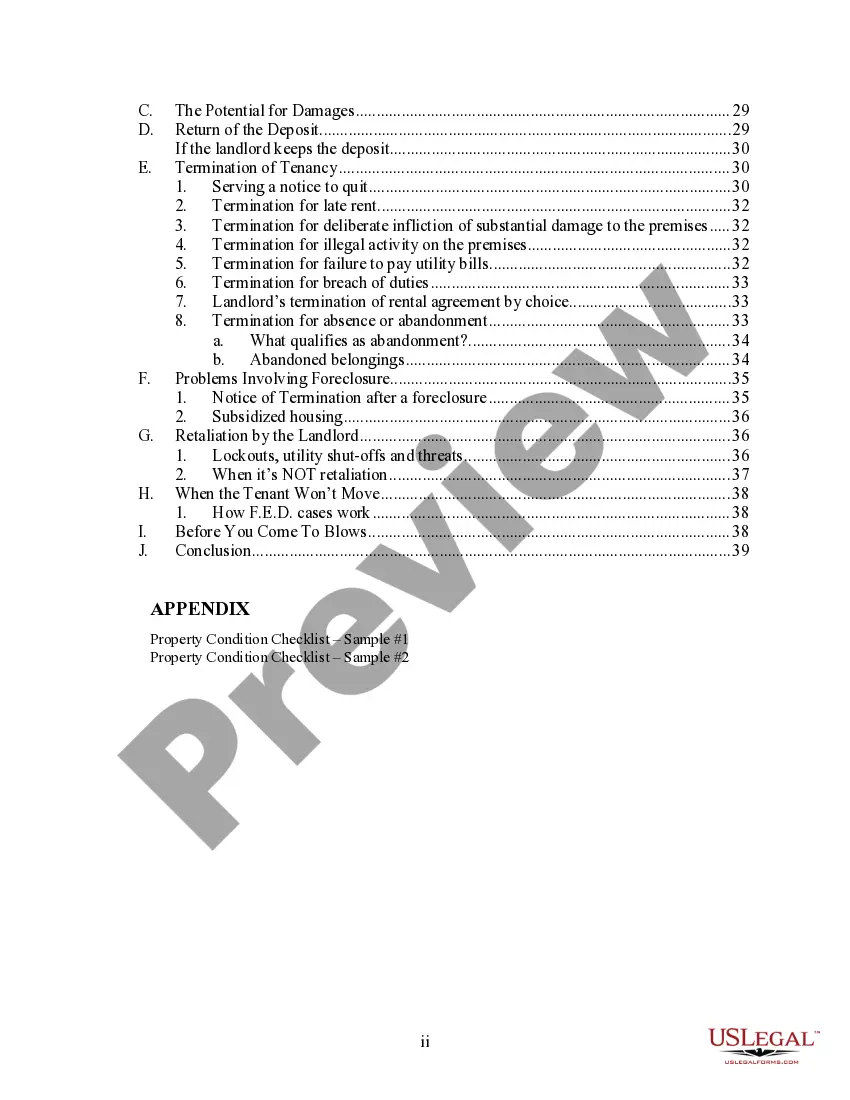
Description
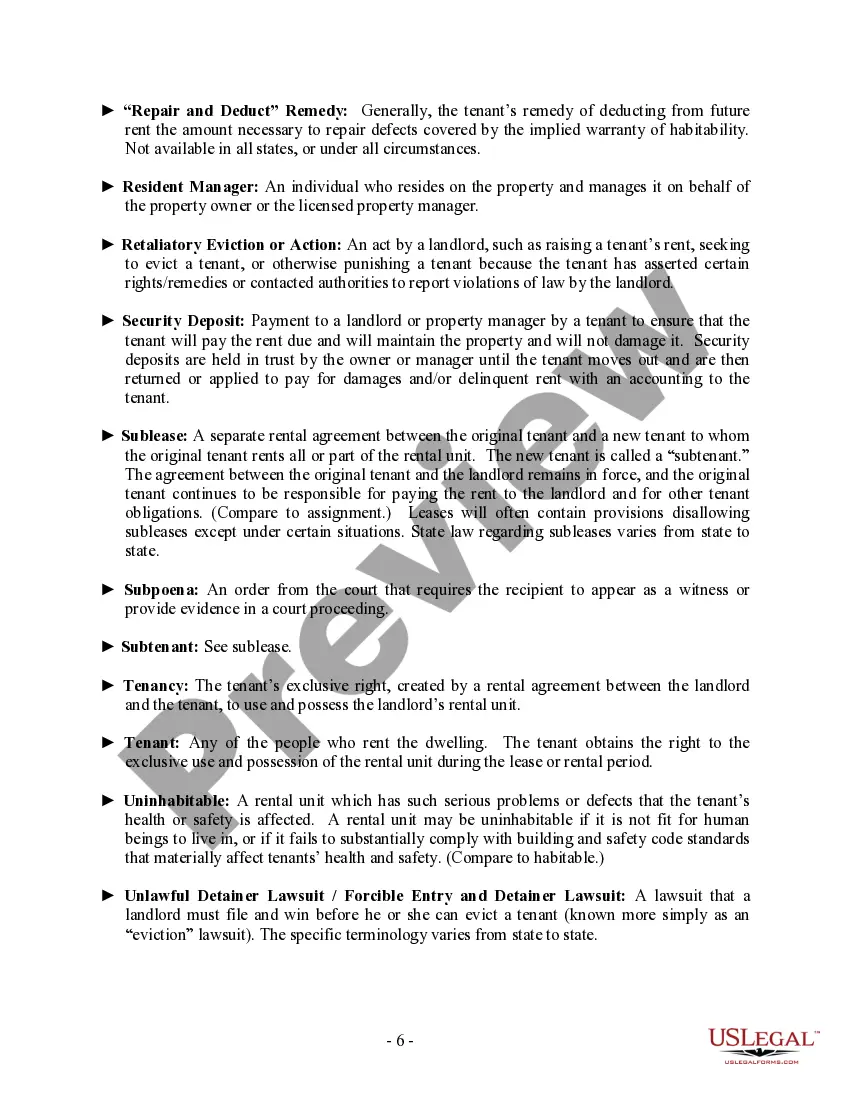

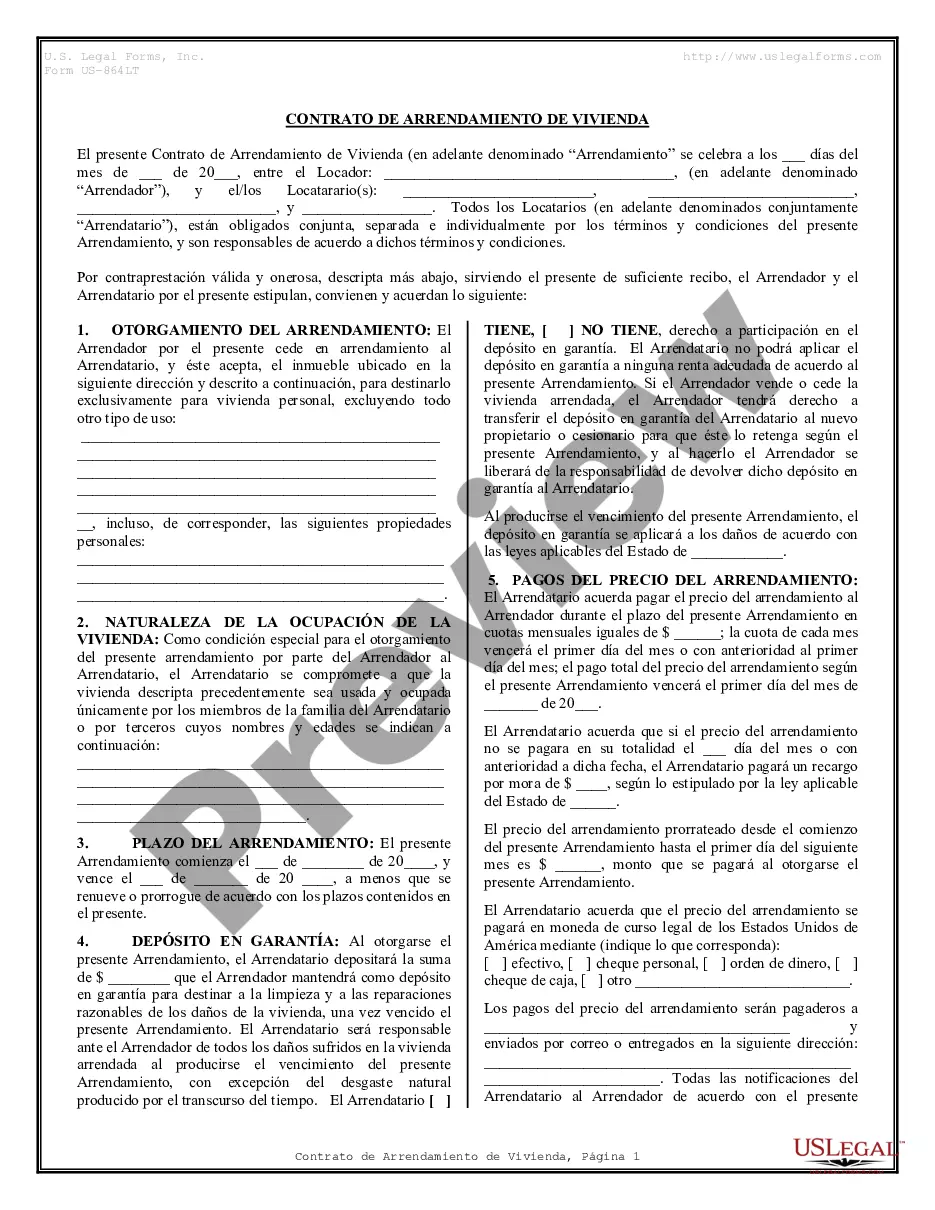
Get your form ready online
Our built-in tools help you complete, sign, share, and store your documents in one place.
Make edits, fill in missing information, and update formatting in US Legal Forms—just like you would in MS Word.
Download a copy, print it, send it by email, or mail it via USPS—whatever works best for your next step.
Sign and collect signatures with our SignNow integration. Send to multiple recipients, set reminders, and more. Go Premium to unlock E-Sign.
If this form requires notarization, complete it online through a secure video call—no need to meet a notary in person or wait for an appointment.
We protect your documents and personal data by following strict security and privacy standards.

Make edits, fill in missing information, and update formatting in US Legal Forms—just like you would in MS Word.

Download a copy, print it, send it by email, or mail it via USPS—whatever works best for your next step.

Sign and collect signatures with our SignNow integration. Send to multiple recipients, set reminders, and more. Go Premium to unlock E-Sign.

If this form requires notarization, complete it online through a secure video call—no need to meet a notary in person or wait for an appointment.

We protect your documents and personal data by following strict security and privacy standards.
Looking for another form?







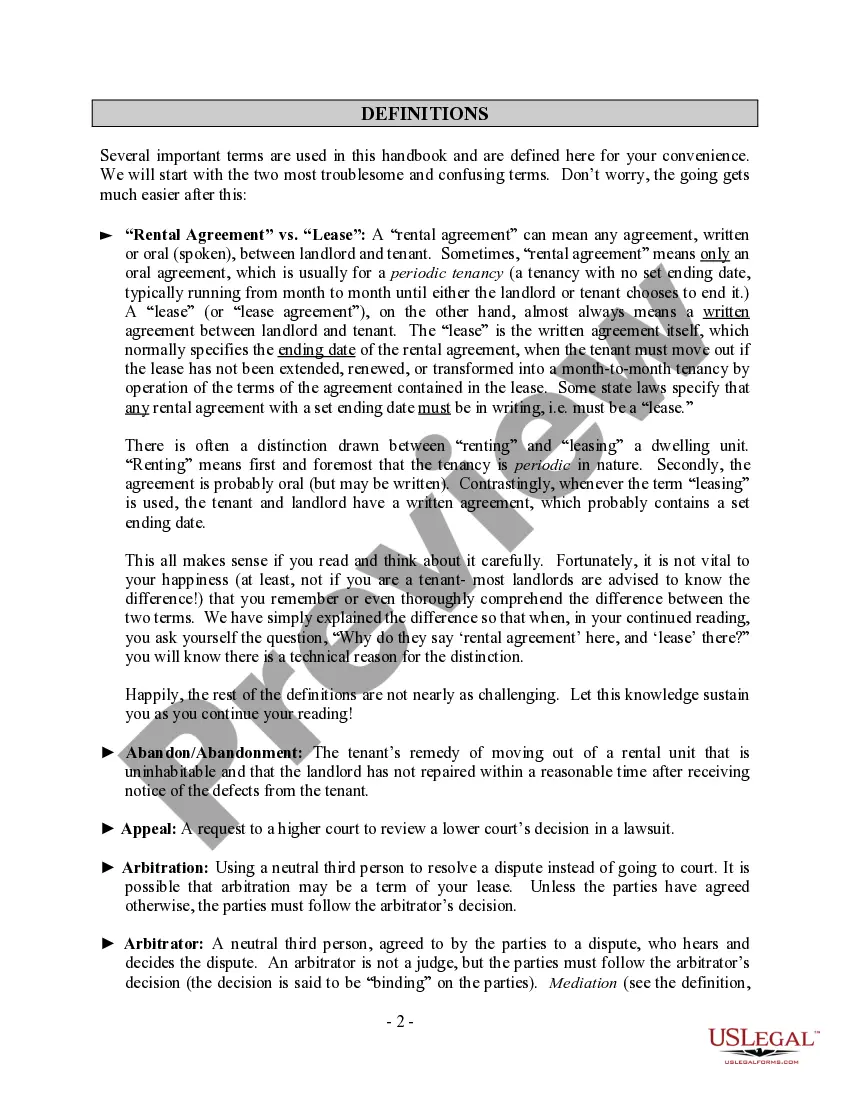
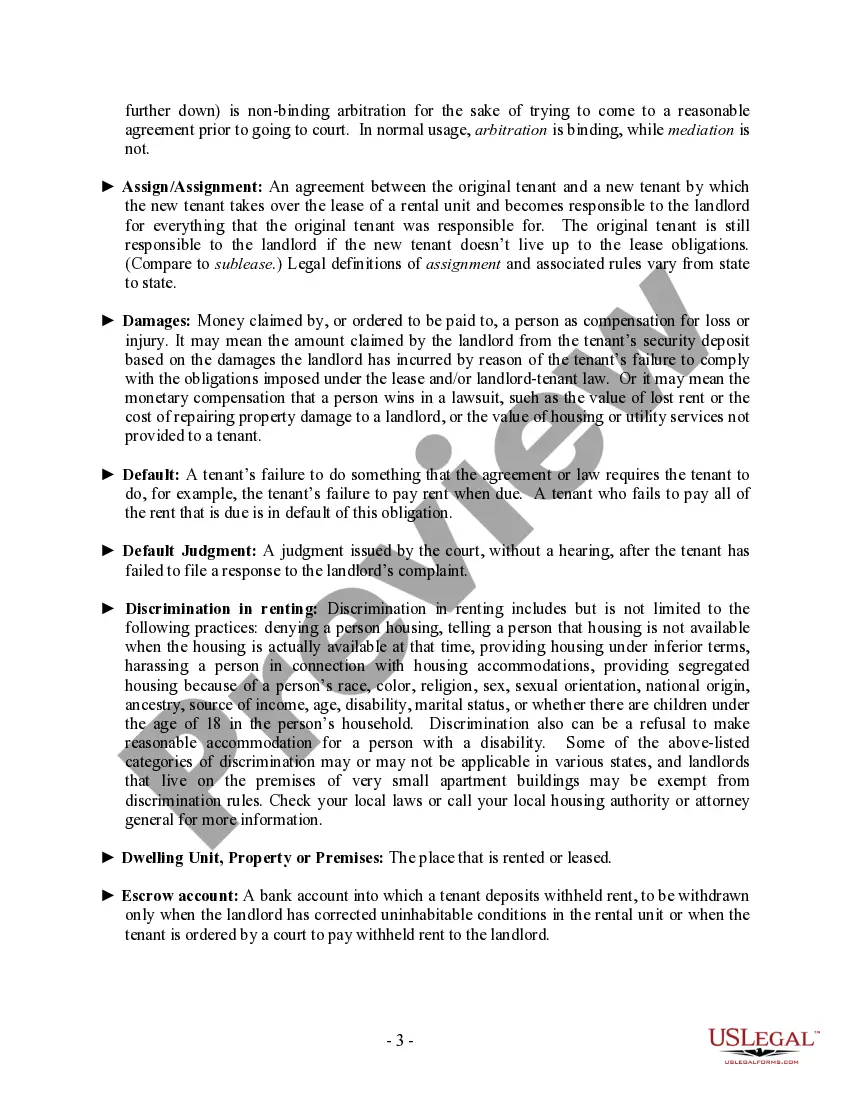
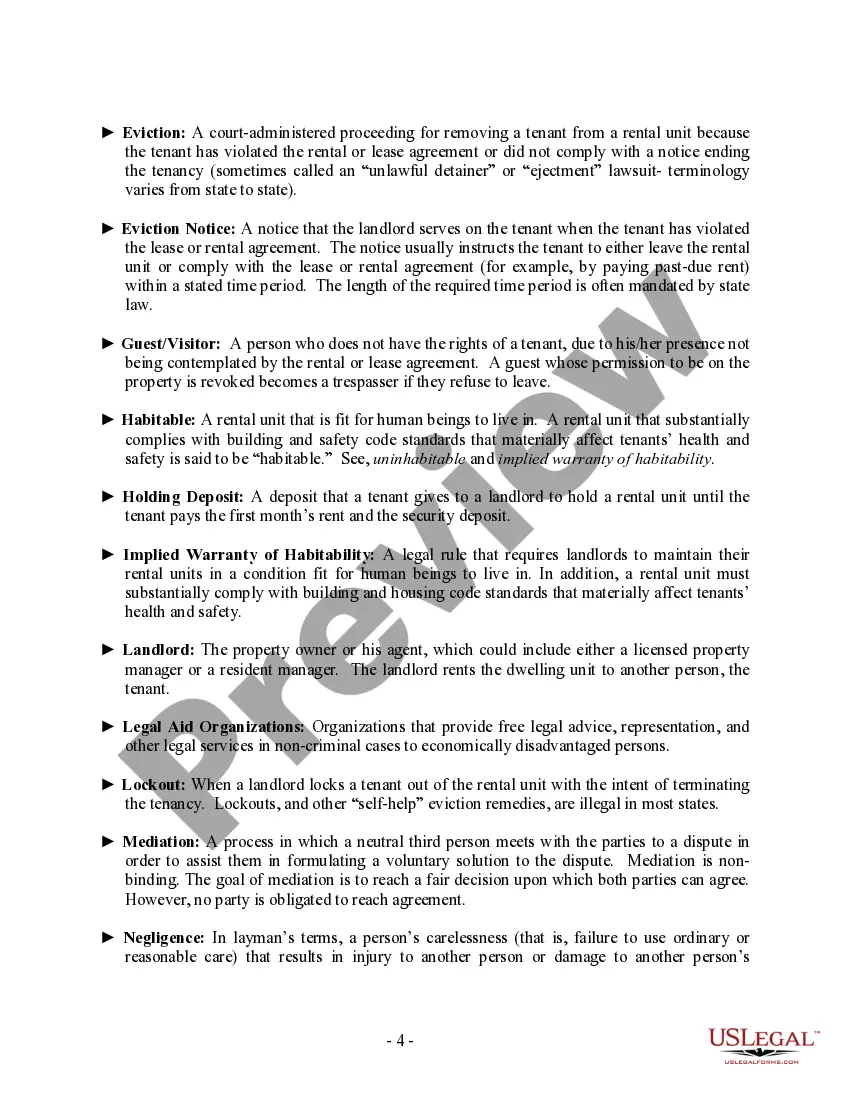
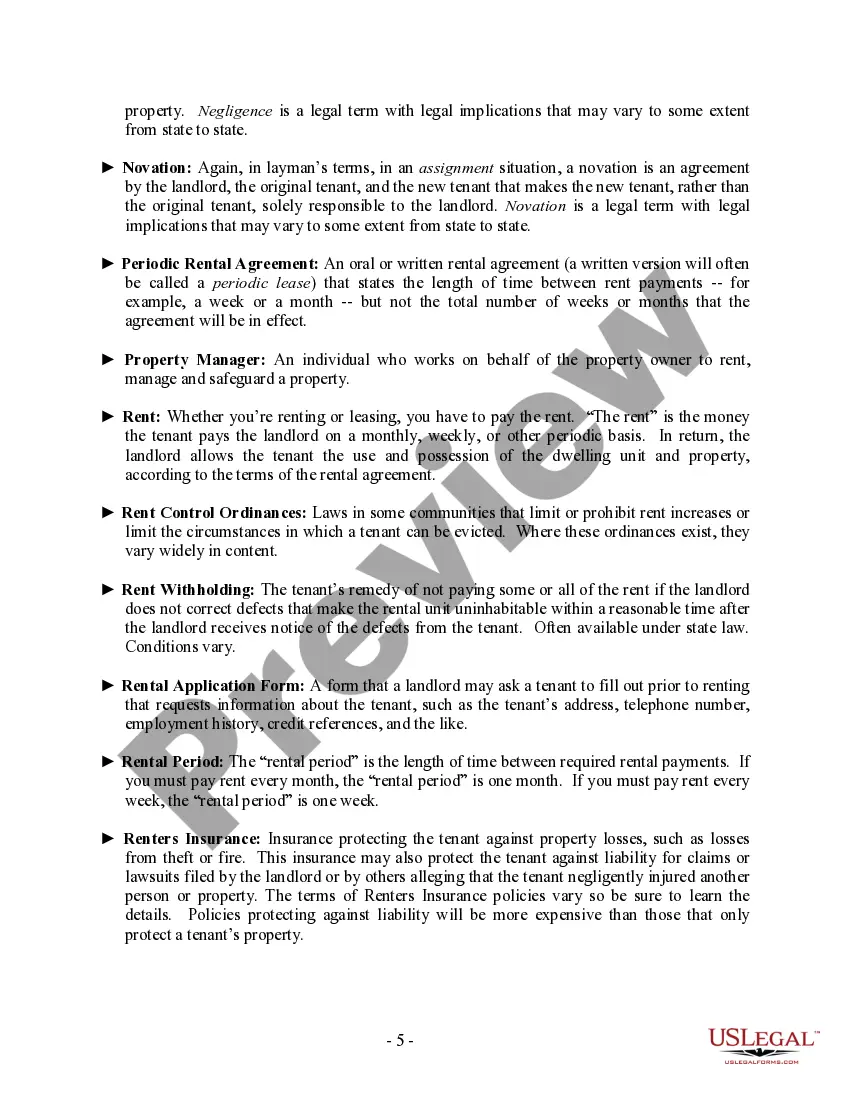
How to fill out Multistate Landlord Tenant Handbook - Guide - Laws?
- Log in to your account if you're a returning user. Click the Download button for the necessary form template after confirming your subscription is valid. If it’s expired, renew your plan accordingly.
- For first-time users, start by previewing the form and its description. Make sure it meets your specific requirements and complies with your local laws.
- If the desired form does not meet your expectations, use the Search tab to locate another template that aligns better with your needs.
- Once you find the suitable document, click on the Buy Now button to select your preferred subscription plan. You will need to register an account to access the full library.
- Complete your purchase by entering your credit card details or using your PayPal account for payment.
- After your payment is processed, download the form to your device. You can also find it later in the My Forms menu under your profile whenever necessary.
In conclusion, using US Legal Forms provides a robust solution for individuals and attorneys seeking legal documents. Their extensive library ensures easy access to over 85,000 editable forms, while premium experts are available to assist you in the completion process.
Take charge of your legal documentation today by exploring US Legal Forms and simplify your tenants ti experience!
Form popularity
FAQ
When accounting for TI allowance, recognize it as an expense on your balance sheet and allocate it across the lease term. This method provides a clear representation of how the TI impacts your financial situation over time. Additionally, using platforms like US Legal Forms can streamline the documentation and ensure compliance with local regulations.
A reasonable TI allocation typically depends on the type of business and the specific needs for the space. Generally, a range of $10 to $50 per square foot is considered reasonable for most tenants. Factors such as location and industry can influence this number, so it’s beneficial to conduct research and consult with experts.
TI stands for Tenant Improvements, which refers to the alterations made to a rental space according to the tenant's specifications. These improvements enhance the functionality and appeal of the leased space, benefiting both the tenant and the landlord. Understanding TI can help tenants negotiate better lease terms and create a more enjoyable environment.
To calculate TI allowance for tenants, first determine the total improvement costs and then assess how much the landlord agrees to cover. Divide this amount by the agreed upon lease length to find the monthly TI allowance. This method establishes clear expectations for both parties and ensures a fair distribution of costs over time.
Recording TI allowance for tenants is straightforward. You should create a detailed log in your accounting system that captures the amount allocated for tenant improvements. Ensure you include the specific improvements associated with the allowance and document any agreements made. This clarity helps in transparency and reduces potential disputes.
Recording a tenant improvement allowance involves documenting the financial support landlords provide to cover renovation costs. This allowance, part of tenants ti agreements, should be clearly outlined in your lease. Keeping accurate records of expenses and invoices not only helps you manage your budget effectively but also clarifies responsibilities. For guidance on lease documentation and managing tenants ti allowances, the US Legal Forms platform offers valuable templates and resources.
In the context of leasing, 'ti' refers to 'tenant improvements.' These are modifications or enhancements made to a rental space to meet the specific needs of the tenant. Understanding tenants ti can help you negotiate better lease terms, ensuring that any upgrades or alterations align with your business goals. For clarity on lease agreements and tenants ti standards, consider exploring resources available on the US Legal Forms platform.
In leasing, TI stands for Tenant Improvements, which encompass the changes made to a rental unit to make it suitable for a tenant's operations. These adjustments are essential for creating a functional and welcoming environment for both employees and customers. Clear communication about TI in your lease agreement helps set expectations for costs and responsibilities. Our solutions can assist you in ensuring that your TI requirements are met through well-structured lease documents.
TI refers to Tenant Improvements, while LC stands for Lease Concessions. Together, they are vital components of commercial lease negotiations, affecting how beneficial a lease agreement can be for tenants. While TI focuses on the physical space enhancements, LC may include rent reductions or other incentives. Grasping the nuances of TI and LC can lead to more favorable leasing terms for your business.
A TI in contracting refers to the agreed-upon improvements that a landlord will make to a space before a tenant occupies it. These could include renovations, repairs, or customizations needed for the tenant's business operations. TI provisions in contracts outline the scope of work, timelines, and financial responsibilities of both parties. Understanding these clauses helps ensure you get a space optimized for your needs.