Self Employed Bookkeeper Form 1040
Description
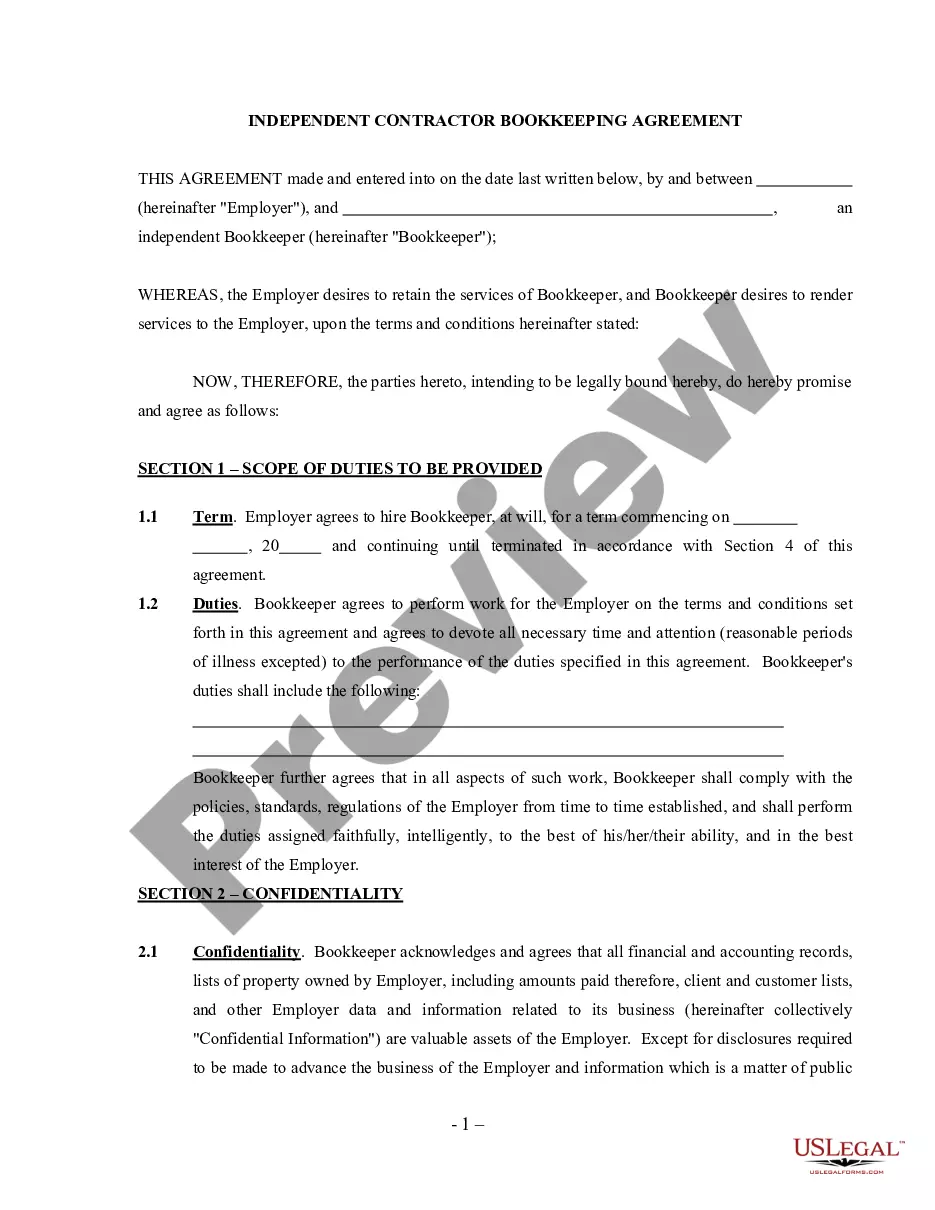
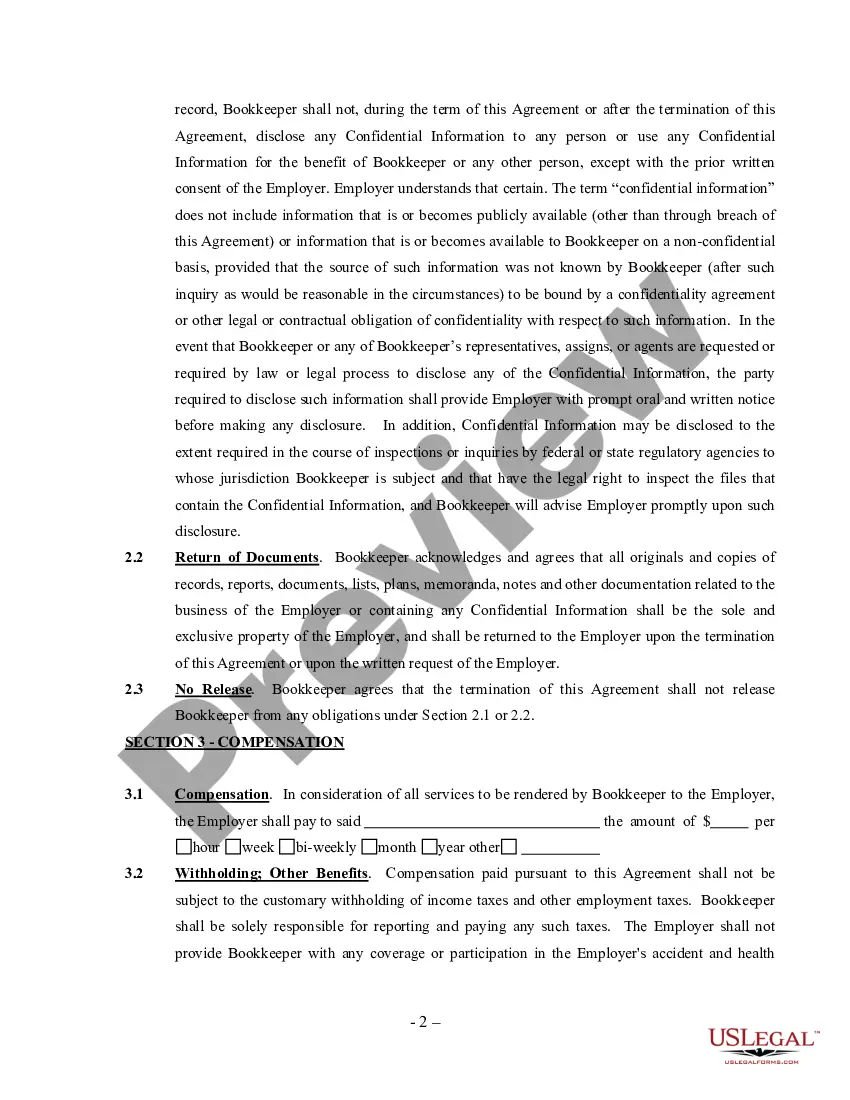
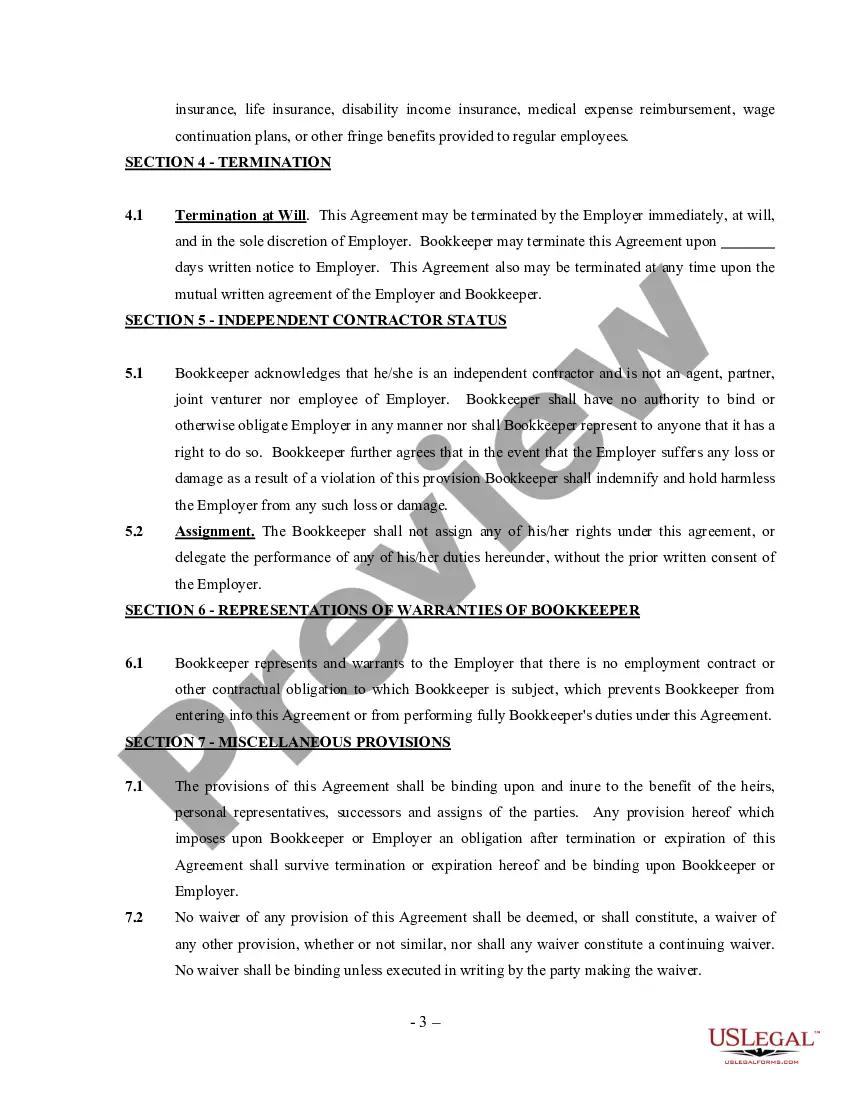
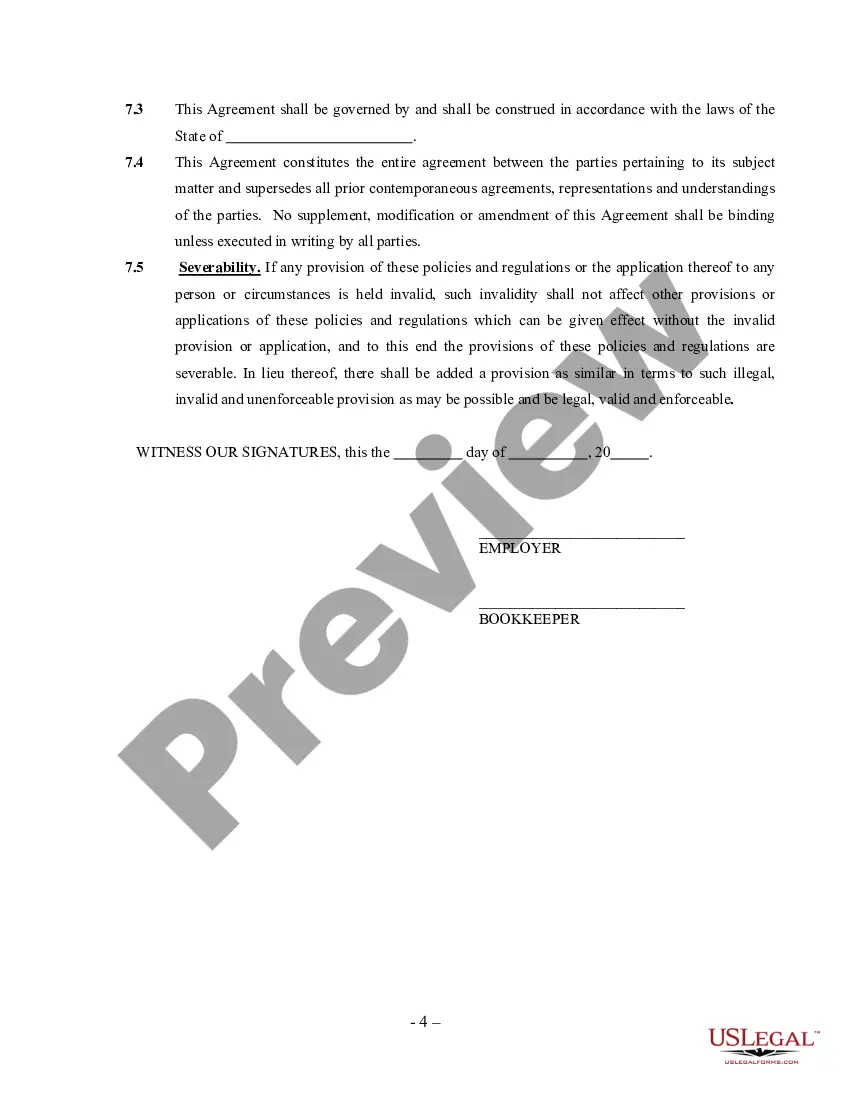
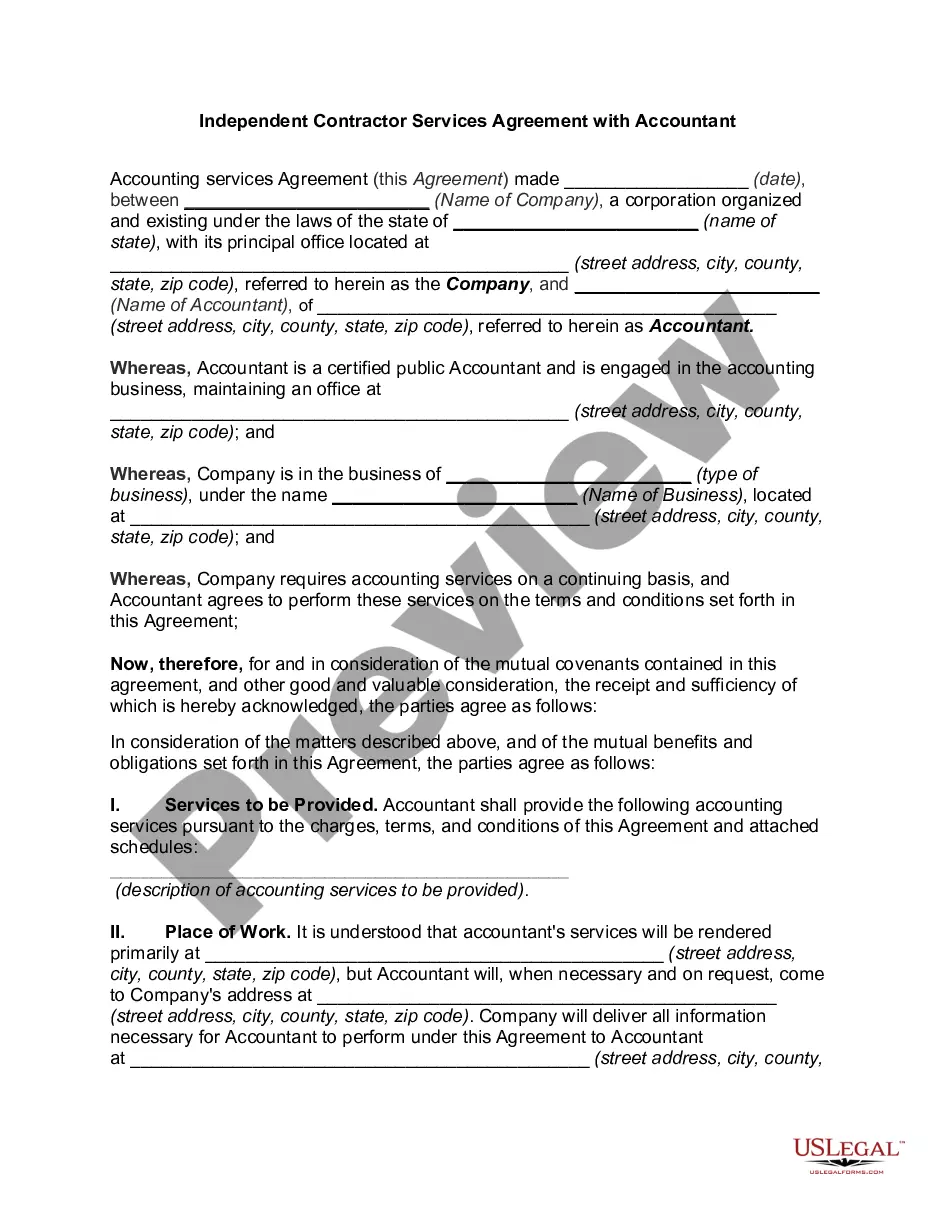
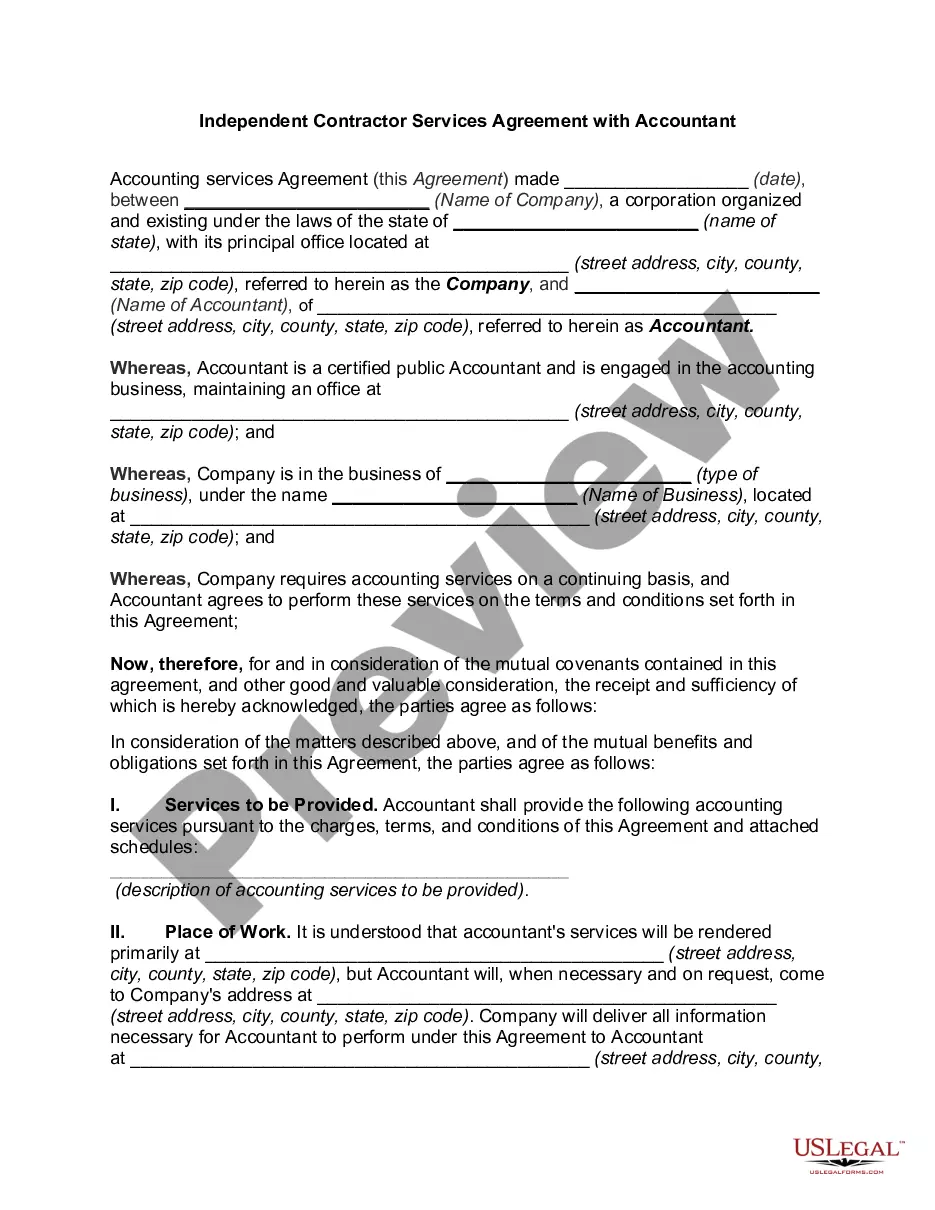
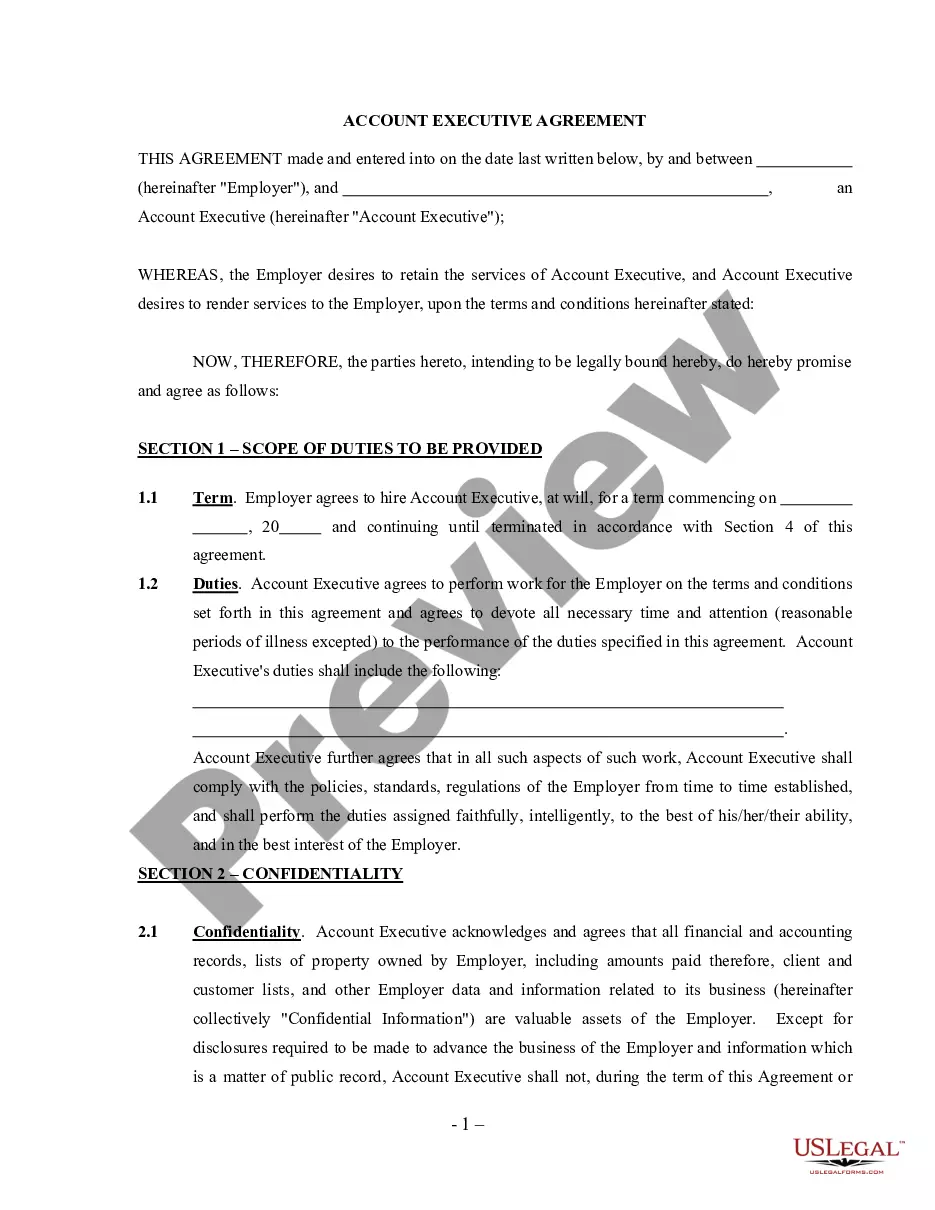
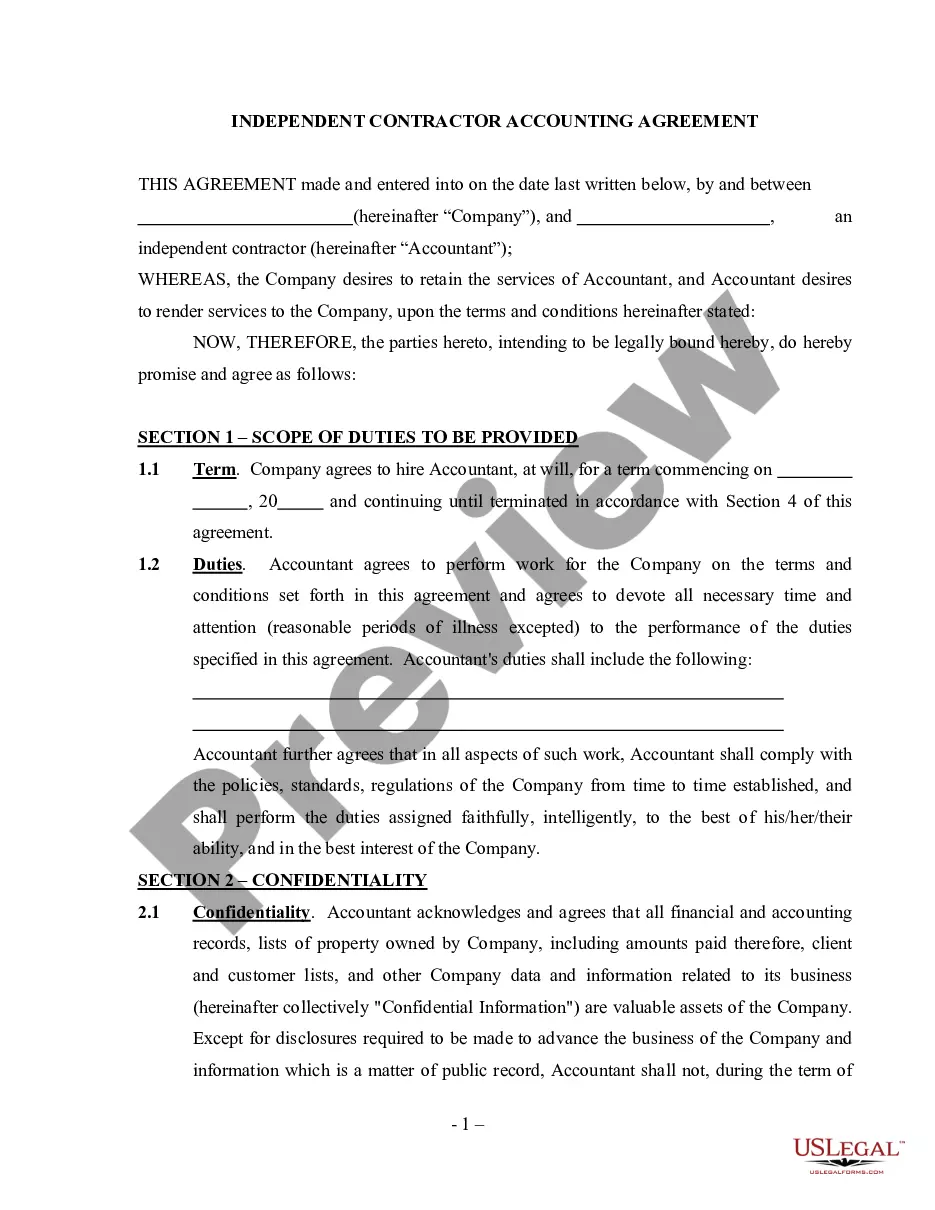
Get your form ready online
Our built-in tools help you complete, sign, share, and store your documents in one place.
Make edits, fill in missing information, and update formatting in US Legal Forms—just like you would in MS Word.
Download a copy, print it, send it by email, or mail it via USPS—whatever works best for your next step.
Sign and collect signatures with our SignNow integration. Send to multiple recipients, set reminders, and more. Go Premium to unlock E-Sign.
If this form requires notarization, complete it online through a secure video call—no need to meet a notary in person or wait for an appointment.
We protect your documents and personal data by following strict security and privacy standards.

Make edits, fill in missing information, and update formatting in US Legal Forms—just like you would in MS Word.

Download a copy, print it, send it by email, or mail it via USPS—whatever works best for your next step.

Sign and collect signatures with our SignNow integration. Send to multiple recipients, set reminders, and more. Go Premium to unlock E-Sign.

If this form requires notarization, complete it online through a secure video call—no need to meet a notary in person or wait for an appointment.

We protect your documents and personal data by following strict security and privacy standards.
Looking for another form?






How to fill out Bookkeeping Agreement - Self-Employed Independent Contractor?
Managing legal documentation and processes can be a lengthy addition to your routine.
Self Employed Bookkeeper Form 1040 and similar forms typically require you to locate them and comprehend the most effective way to fill them out accurately.
As a result, if you are overseeing financial, legal, or personal issues, utilizing a comprehensive and user-friendly online repository of forms when needed will be very beneficial.
US Legal Forms is the premier online platform for legal templates, featuring over 85,000 state-specific forms and a variety of tools to help you complete your documentation swiftly.
Simply Log In to your account, locate Self Employed Bookkeeper Form 1040, and obtain it instantly from the My documents section. You can also access previously downloaded forms.
- Explore the collection of relevant documents available to you with a single click.
- US Legal Forms provides state- and county-specific forms accessible at any time for download.
- Protect your document management procedures by using a high-quality service that allows you to prepare any form within moments without extra or undisclosed fees.
Form popularity
FAQ
Filling out the 1040 form as a self-employed bookkeeper requires attention to detail. Start by reporting your income on Schedule C, which is part of your 1040. Include all relevant business deductions to accurately calculate your net income. Additionally, remember to self-report your self-employment tax on Schedule SE, ensuring you comply with IRS regulations while maximizing your deductions.
No, a 1040 and a W-2 serve different purposes. The Form 1040 is your annual income tax return, while the W-2 is a form employers send to employees detailing their annual wages and taxes withheld. As a self-employed bookkeeper, you will primarily use Form 1040 to report your income, rather than relying on a W-2. Understanding these differences is crucial for accurate tax filing.
To fill out Form 1040 as a self-employed bookkeeper, start by reporting your income on Schedule C. Next, calculate your net profit or loss, which will flow into your Form 1040. Remember to include any business expenses you can deduct, like office supplies and software. Using the US Legal Forms platform can simplify this process, providing you with templates and guides tailored for self-employed individuals.
The 30% rule suggests that self-employed individuals should set aside approximately 30% of their income for taxes. This guideline helps you prepare for your tax obligations, ensuring you have enough funds when tax season arrives. As a self-employed bookkeeper, understanding this rule can prevent surprises and financial strain. Employing resources from USLegalForms can assist you in managing your finances and maintaining compliance with tax requirements effectively.
Yes, self-employed individuals use the IRS Form 1040 to report their income. When you operate as a self-employed bookkeeper, you must include your earnings on this form along with Schedule C to provide detailed information about your business. This process allows you to accurately calculate your taxable income and any deductions you may qualify for. Utilizing USLegalForms can simplify this process by providing easy-to-use templates tailored for self-employed bookkeepers.
Yes, you will use a 1040 if you are self-employed. This form is essential for reporting your total income, including any earnings from self-employment. To accurately reflect your business income, utilize Schedule C alongside your 1040 when filing your taxes.
Yes, if you are self-employed, you will file a Form 1040. This form serves as your individual income tax return, and you will include any business income on this form. Additionally, you will use Schedule C to report your self-employment income as part of your overall tax filing.
Yes, you can complete your own tax return without an accountant. Many self-employed individuals, including bookkeepers, successfully file their taxes using available resources and forms. With tools like uslegalforms, you can find guidance and templates to help you navigate the filing of your Form 1040 effectively.
Yes, you must declare your self-employed income on your tax return. The IRS requires you to report all income, regardless of the source. As a self-employed bookkeeper, declaring this income on your Form 1040 is crucial for compliance and to avoid any penalties.
Self-employment income should be reported on Form 1040 by including it on Schedule C, which outlines your business income and expenses. After calculating your net profit or loss from the business, you will transfer that figure to your 1040. This process ensures you accurately reflect your earnings as a self-employed bookkeeper.