Self Employed Bookkeeper For A Company
Description
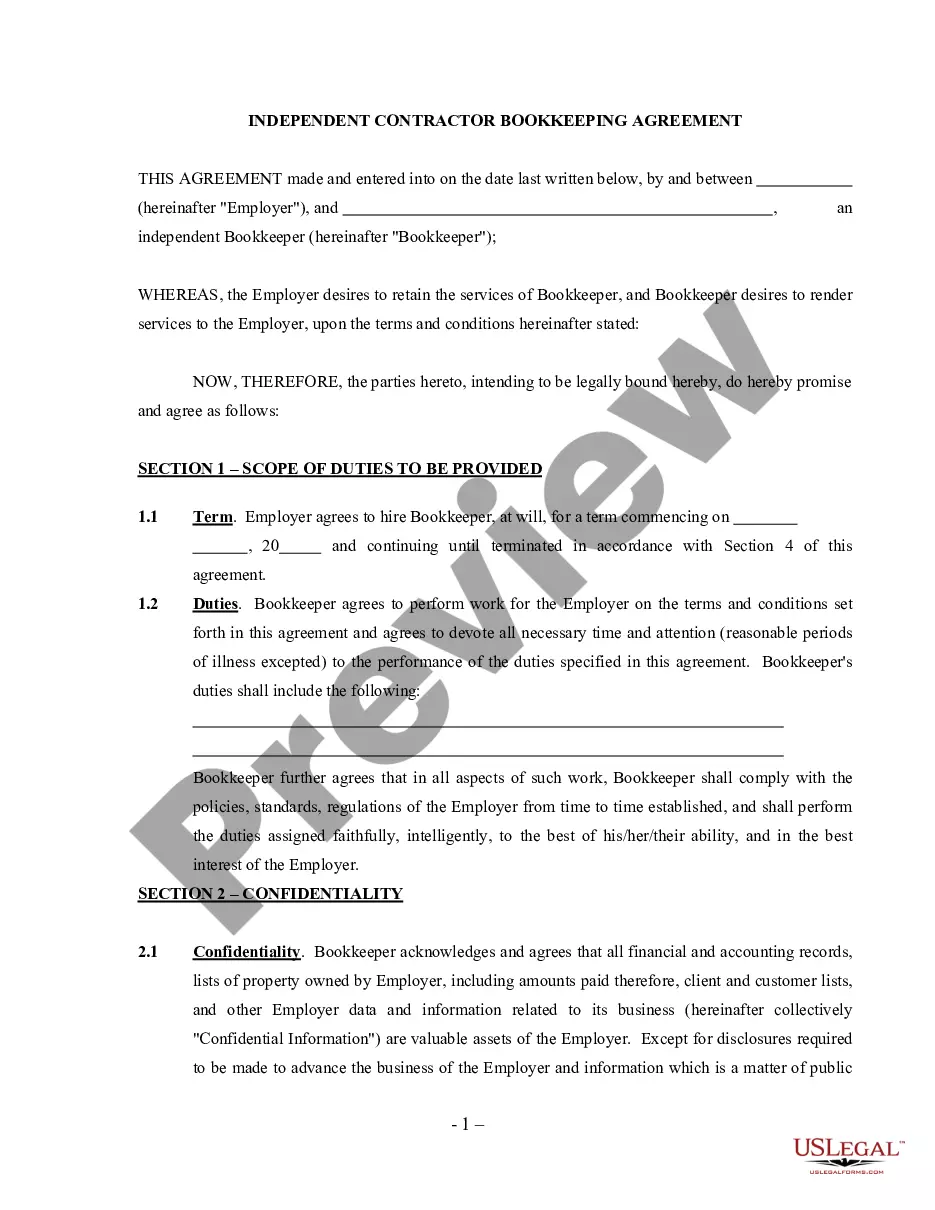
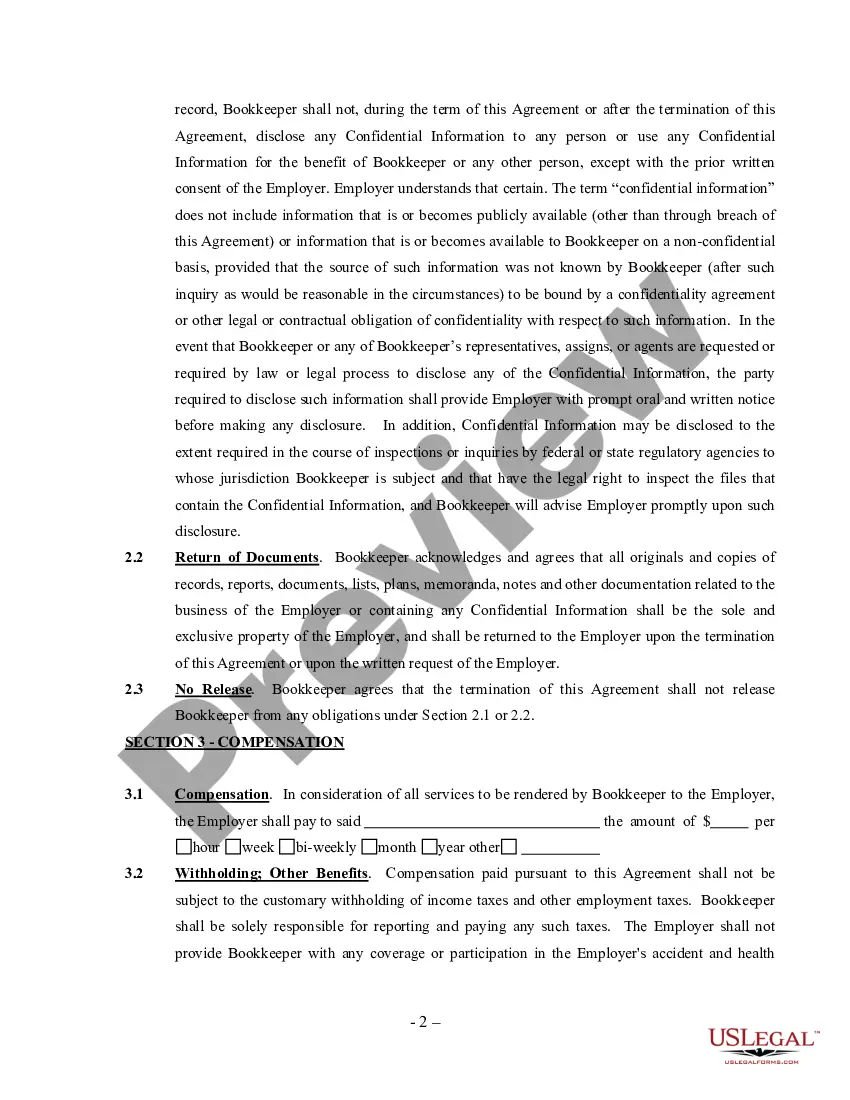
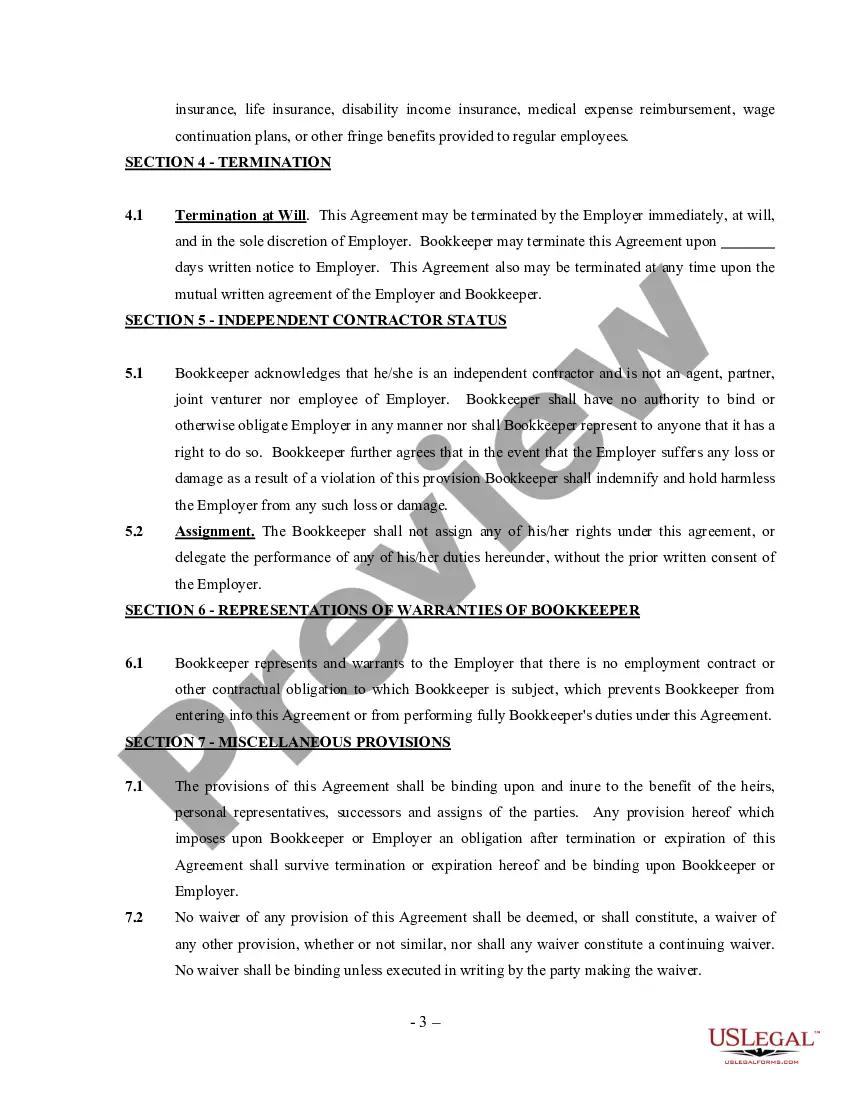
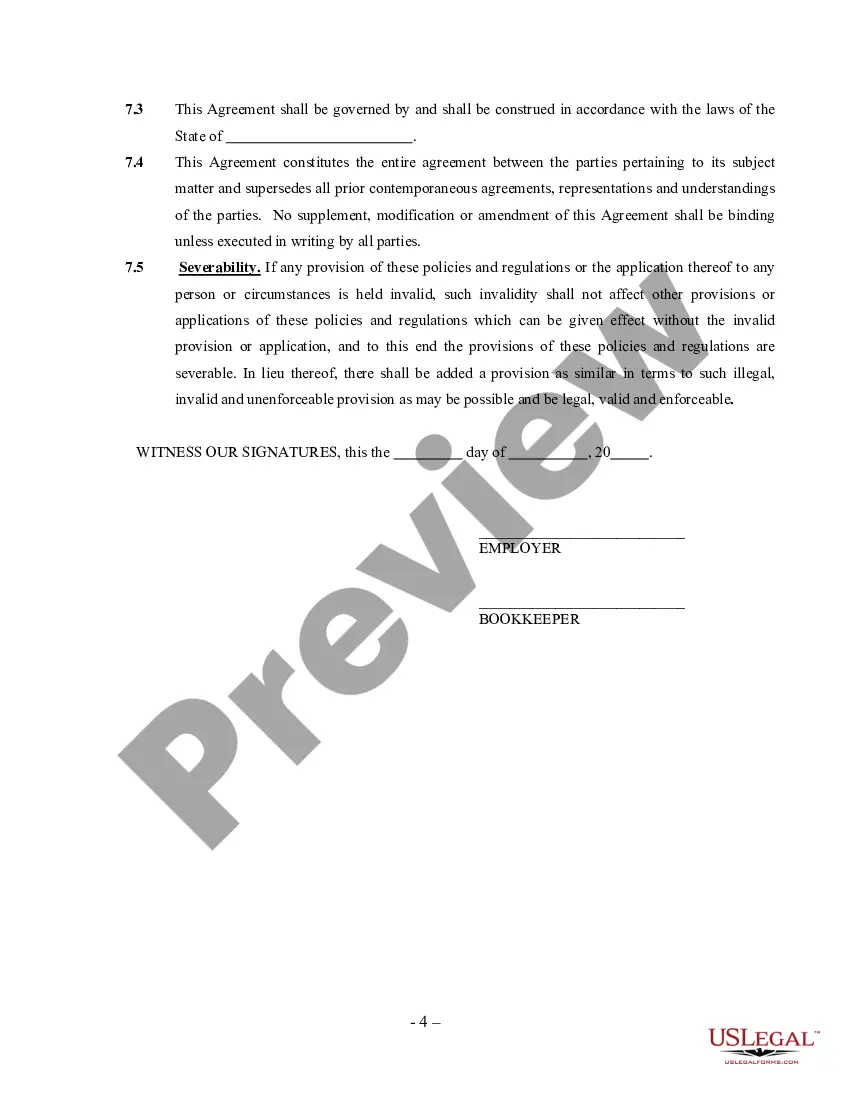
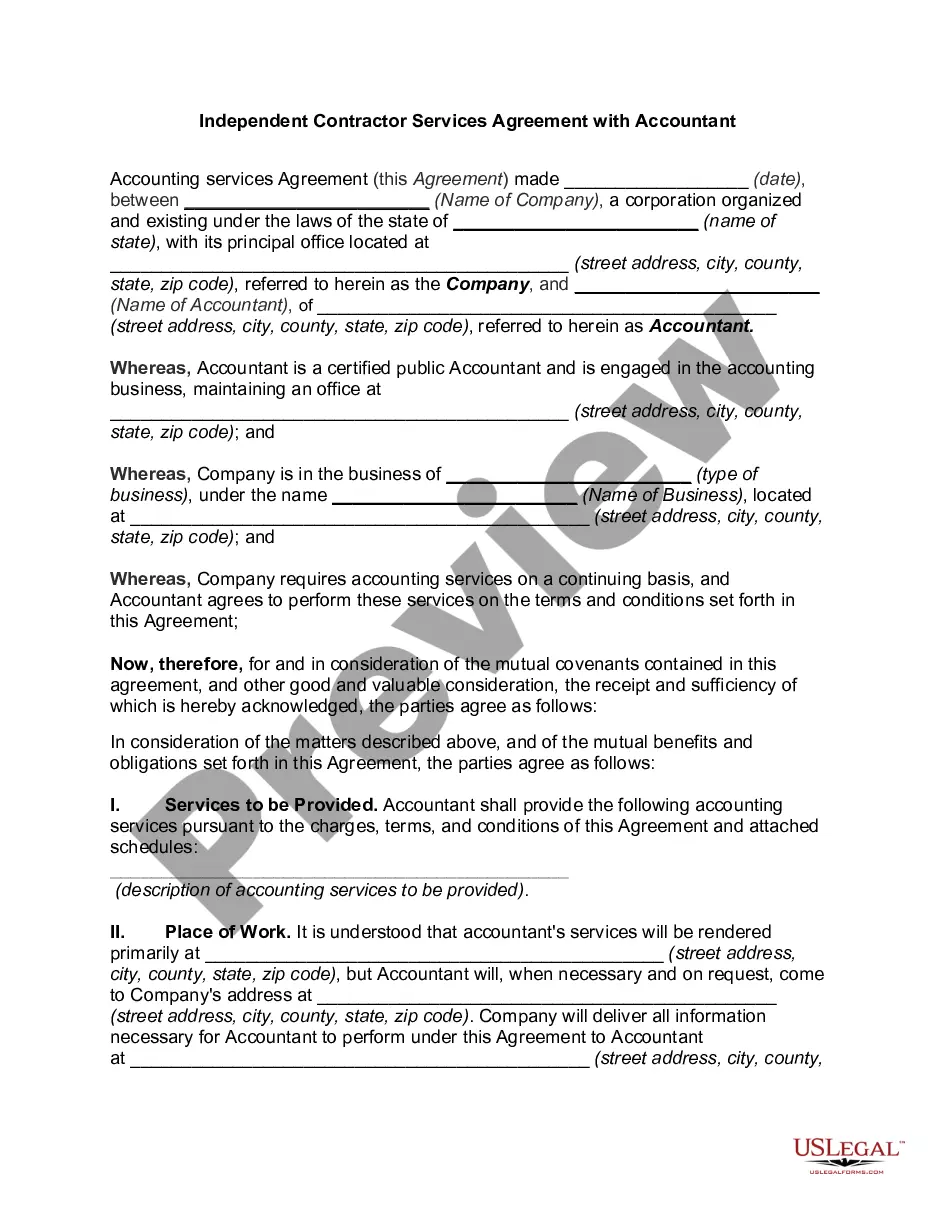
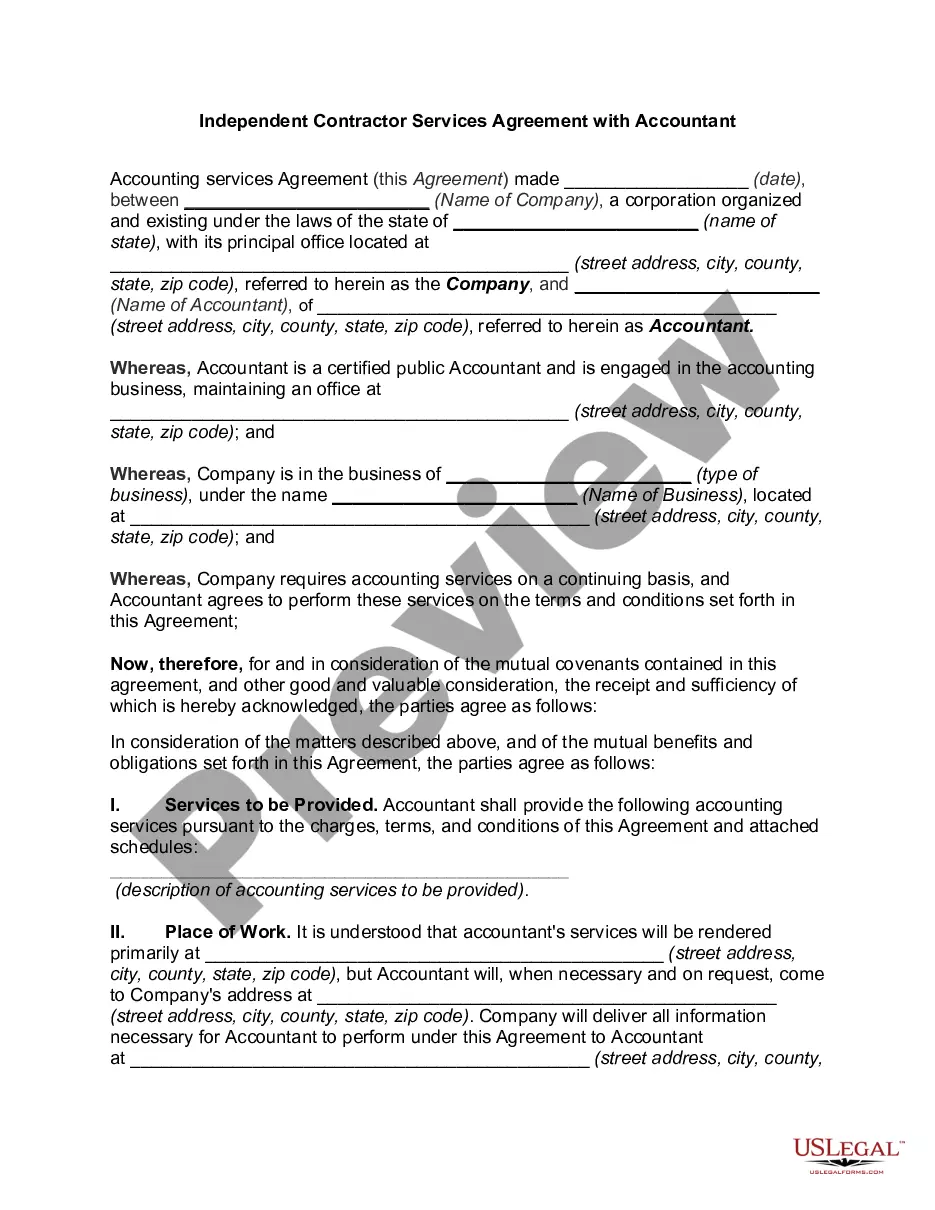
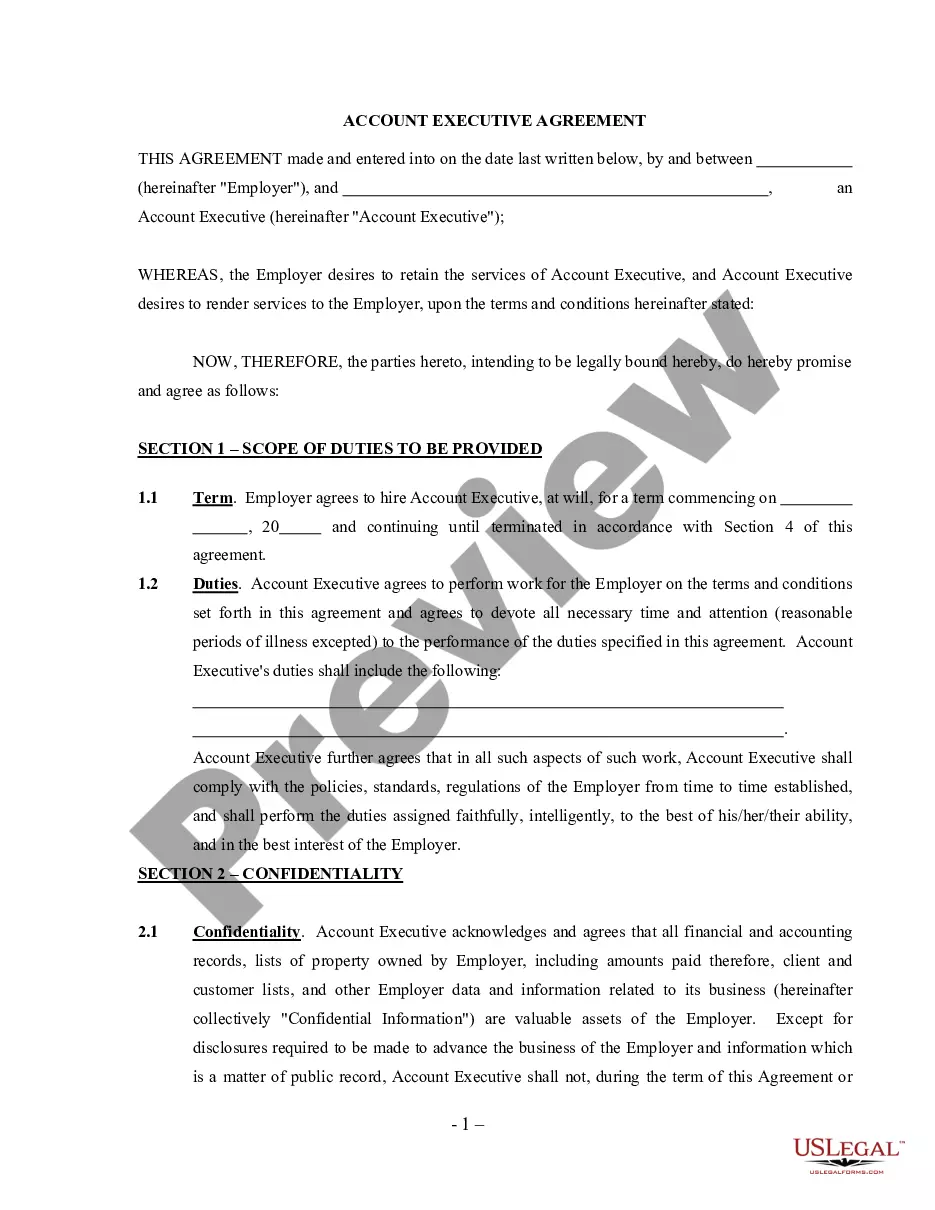
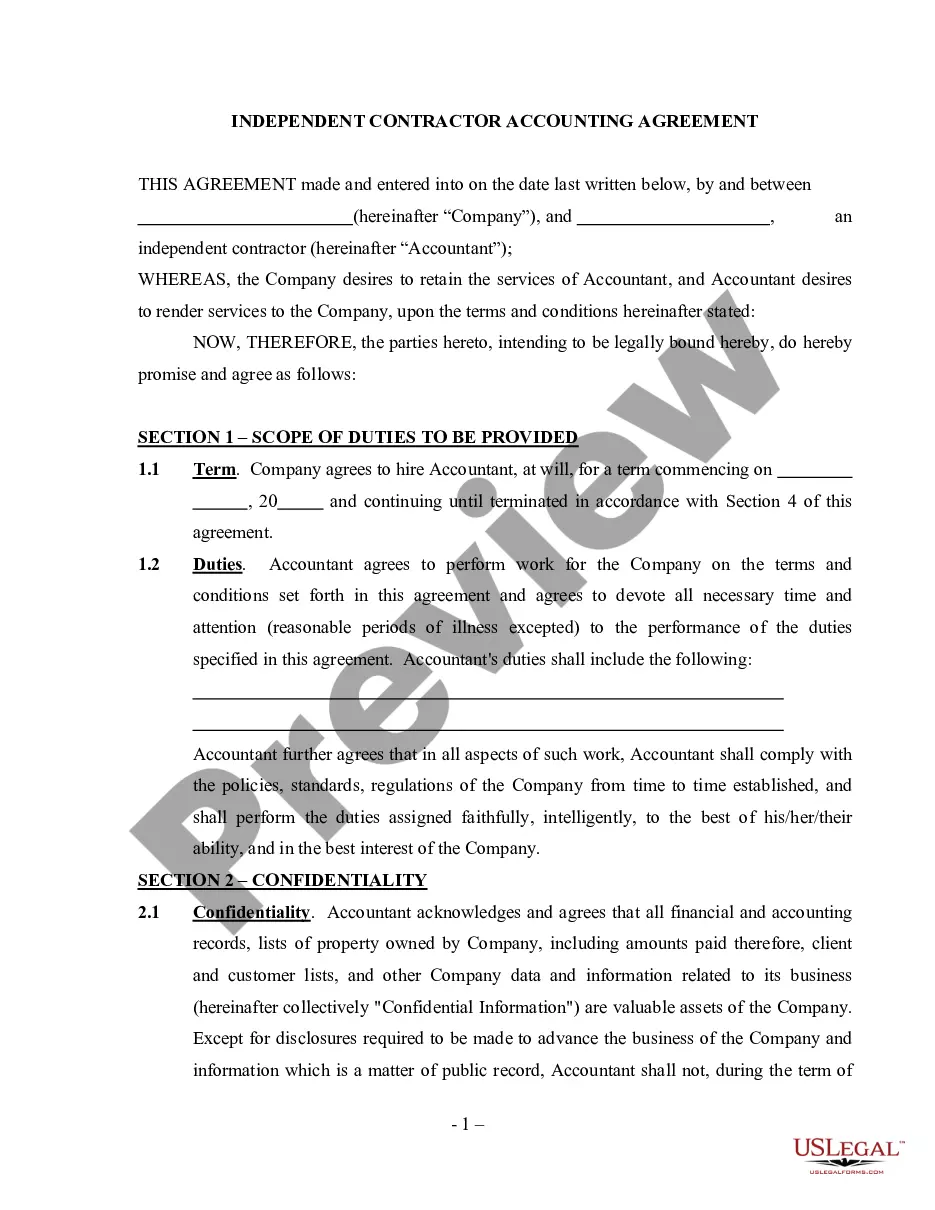
Get your form ready online
Our built-in tools help you complete, sign, share, and store your documents in one place.
Make edits, fill in missing information, and update formatting in US Legal Forms—just like you would in MS Word.
Download a copy, print it, send it by email, or mail it via USPS—whatever works best for your next step.
Sign and collect signatures with our SignNow integration. Send to multiple recipients, set reminders, and more. Go Premium to unlock E-Sign.
If this form requires notarization, complete it online through a secure video call—no need to meet a notary in person or wait for an appointment.
We protect your documents and personal data by following strict security and privacy standards.

Make edits, fill in missing information, and update formatting in US Legal Forms—just like you would in MS Word.

Download a copy, print it, send it by email, or mail it via USPS—whatever works best for your next step.

Sign and collect signatures with our SignNow integration. Send to multiple recipients, set reminders, and more. Go Premium to unlock E-Sign.

If this form requires notarization, complete it online through a secure video call—no need to meet a notary in person or wait for an appointment.

We protect your documents and personal data by following strict security and privacy standards.
Looking for another form?








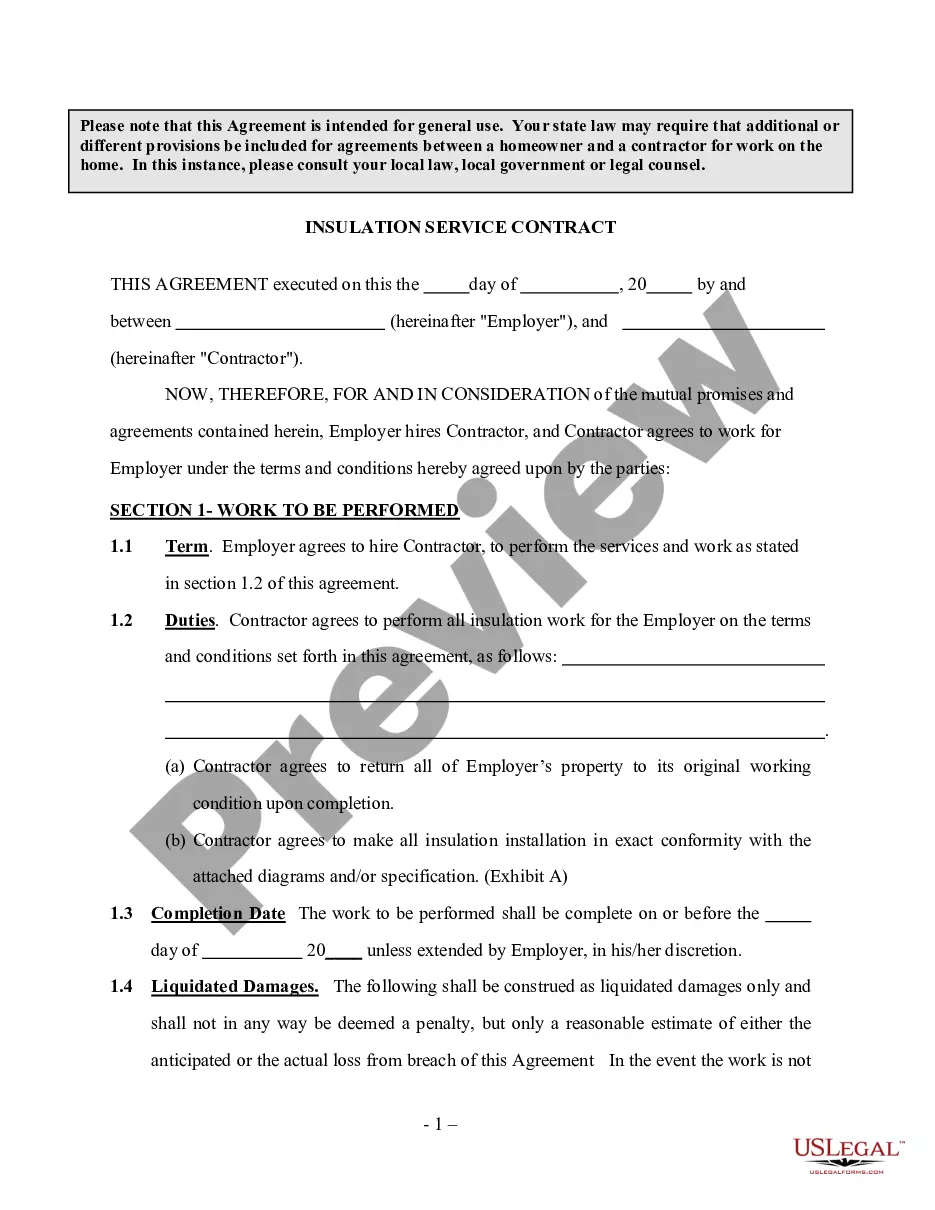

How to fill out Bookkeeping Agreement - Self-Employed Independent Contractor?
The Freelance Accountant For A Business you observe on this page is a reusable formal template crafted by expert attorneys in accordance with federal and state laws and regulations.
For over 25 years, US Legal Forms has supplied individuals, organizations, and legal professionals with more than 85,000 validated, state-specific forms for any business and personal events. It’s the fastest, easiest, and most dependable method to obtain the documentation you require, as the service ensures bank-level data security and anti-malware protection.
Select the format you desire for your Freelance Accountant For A Business (PDF, Word, RTF) and save the template on your device.
- Search for the document you require and examine it.
- Explore the sample you searched and preview it or review the form summary to confirm it meets your requirements. If it does not, utilize the search bar to locate the correct one. Click Buy Now when you have found the template you need.
- Subscribe and sign in.
- Choose the pricing plan that fits you and create an account. Use PayPal or a credit card for a swift payment. If you already have an account, Log In and check your subscription to proceed.
- Obtain the fillable template.
Form popularity
FAQ
The income of a self employed bookkeeper for a company can vary based on experience, location, and the complexity of the work. On average, a private bookkeeper can earn between $40,000 and $70,000 annually. However, skilled bookkeepers working with larger companies or offering specialized services may earn even more. It’s important to consider the value they bring to your business when evaluating their rates.
Finding a self employed bookkeeper for a company requires a strategic approach. Start by asking for referrals from fellow business owners or checking online freelance platforms. You can also visit specialized websites like USLegalForms, which connect you with qualified self employed bookkeepers tailored to your company's needs. Make sure to review their qualifications and experience before making a decision.
One common mistake business owners make is neglecting to keep accurate records of their expenses. This oversight can lead to financial discrepancies and missed tax deductions. As a self-employed bookkeeper for a company, you can help clients avoid this mistake by implementing effective record-keeping practices and using reliable accounting software.
If you are self-employed, you need to fill out specific tax forms, including Schedule C to report income and expenses. Additionally, you must file a Schedule SE for self-employment tax. Consider using platforms like US Legal Forms, which can guide you through the required paperwork and help you stay compliant.
The income of a self-employed bookkeeper for a company can vary widely depending on experience and location. On average, you might expect to earn between $25 to $75 per hour, or even more based on your expertise and the complexity of the work. As you build your client base and reputation, your earning potential can significantly increase.
To set up as a self-employed bookkeeper for a company, start by choosing a business structure, such as a sole proprietorship or LLC. Next, register your business name and obtain any necessary licenses or permits. You should also set up a dedicated business bank account and consider getting accounting software to manage your finances effectively.
Yes, bookkeepers can absolutely be self-employed. This arrangement allows bookkeepers to work with multiple clients and offer diverse services tailored to each company's needs. As a self-employed bookkeeper for a company, you can enjoy the freedom of choosing your clients and managing your workload. Tools like USLegalForms can help you navigate the administrative aspects of starting your business, including contracts and forms.
Whether you need a business license to operate as a self-employed bookkeeper for a company depends on your location. Many states and municipalities require a business license to ensure compliance with local regulations. Additionally, obtaining a license can enhance your credibility and demonstrate your commitment to professionalism. It's best to check with your local authorities to understand the specific requirements for your area.
Yes, you can be a self-employed bookkeeper for a company. Many individuals choose this path to enjoy the flexibility and independence that comes with running their own business. As a self-employed bookkeeper, you can manage your own clients, set your own rates, and create a work schedule that fits your lifestyle. This option also allows you to tailor your services to meet the specific needs of each company.