Unless Acting Employee With The Right
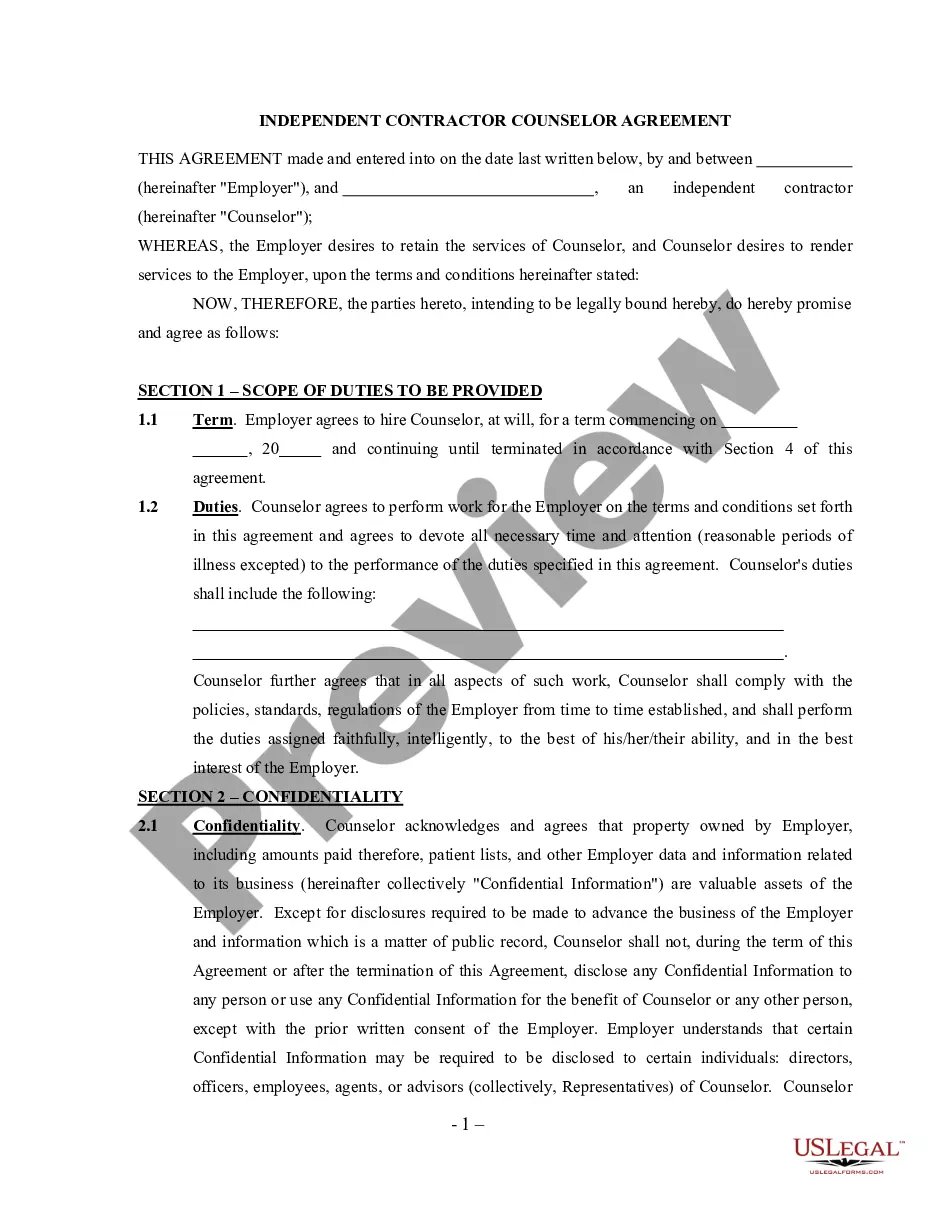
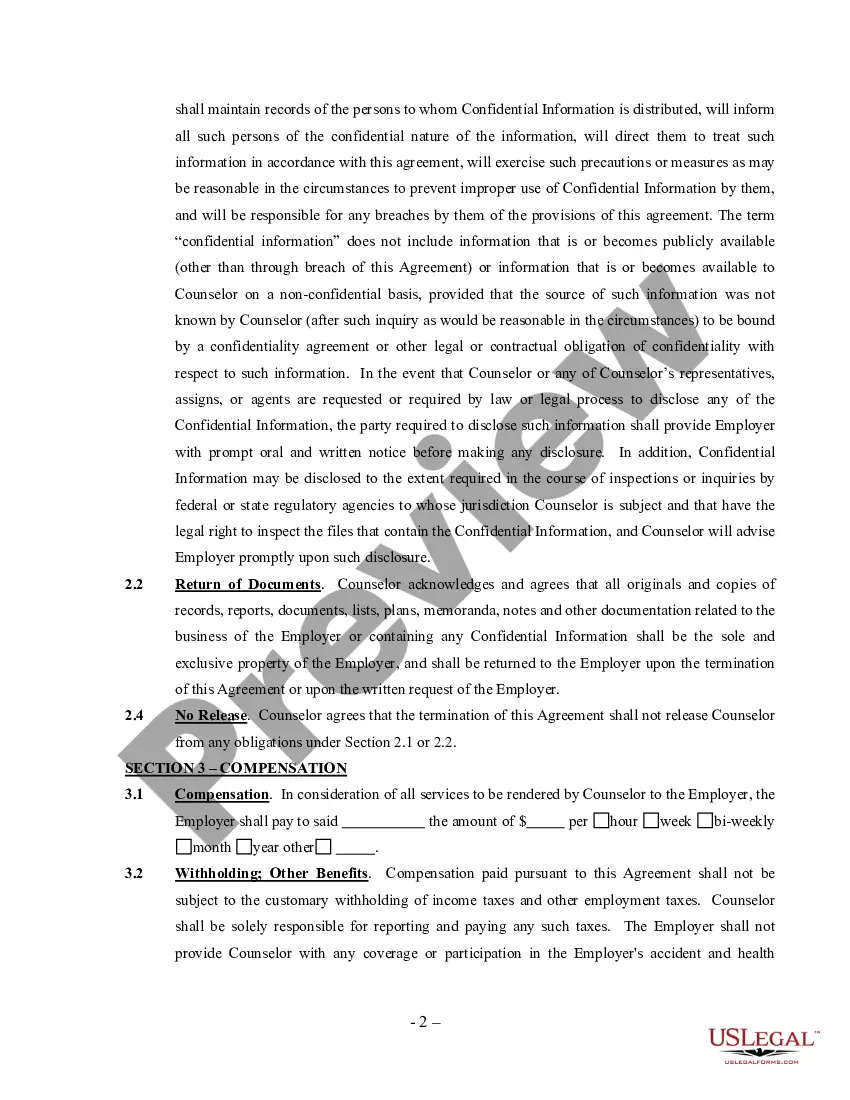
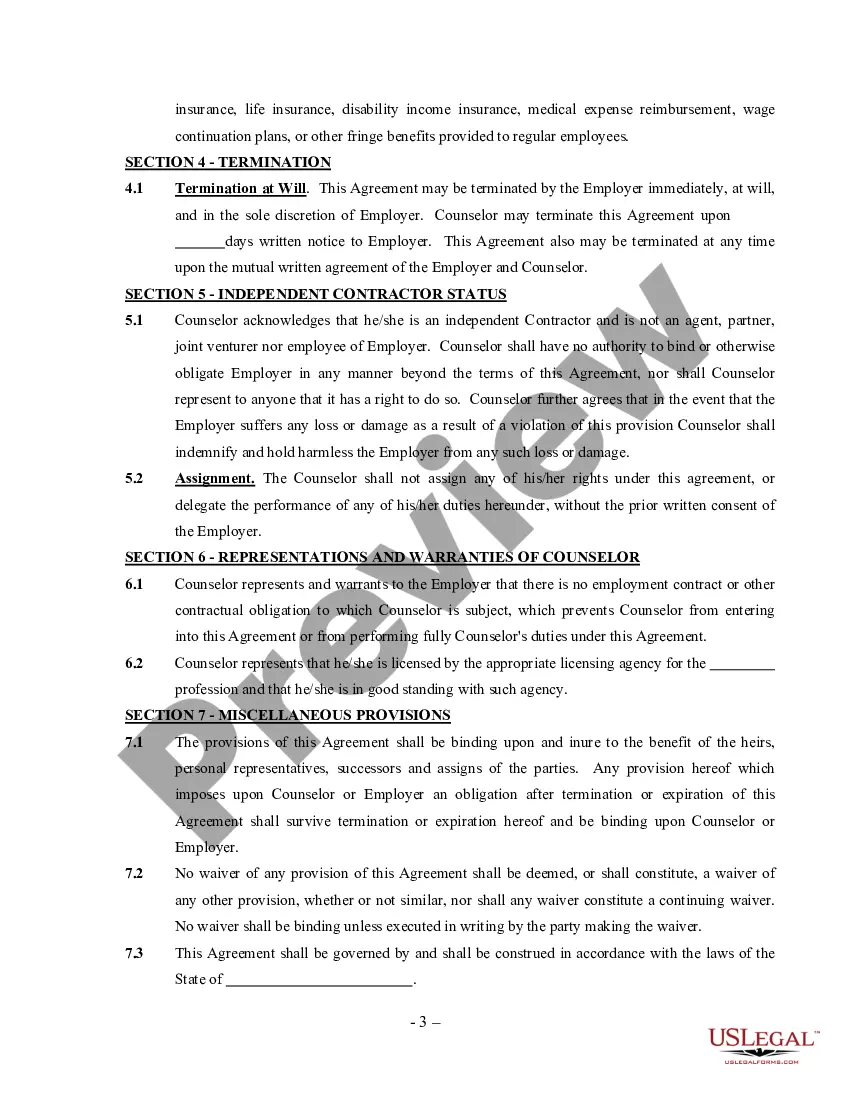
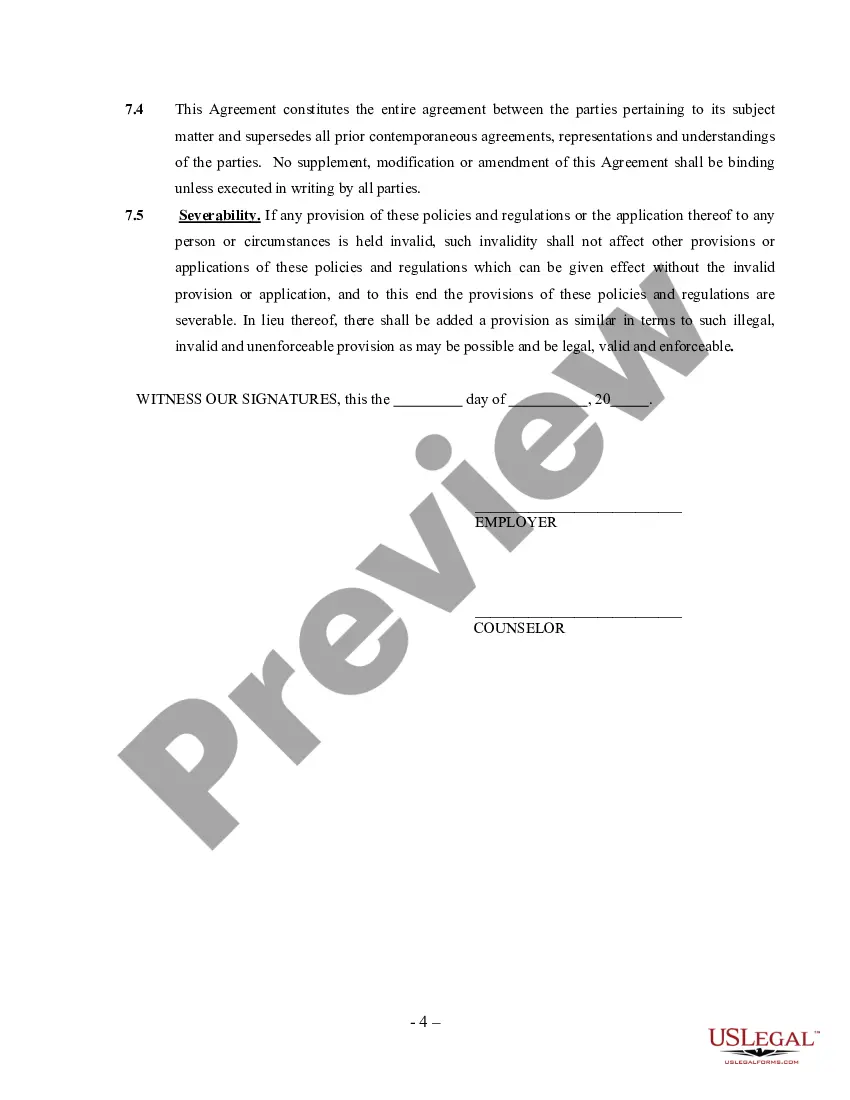
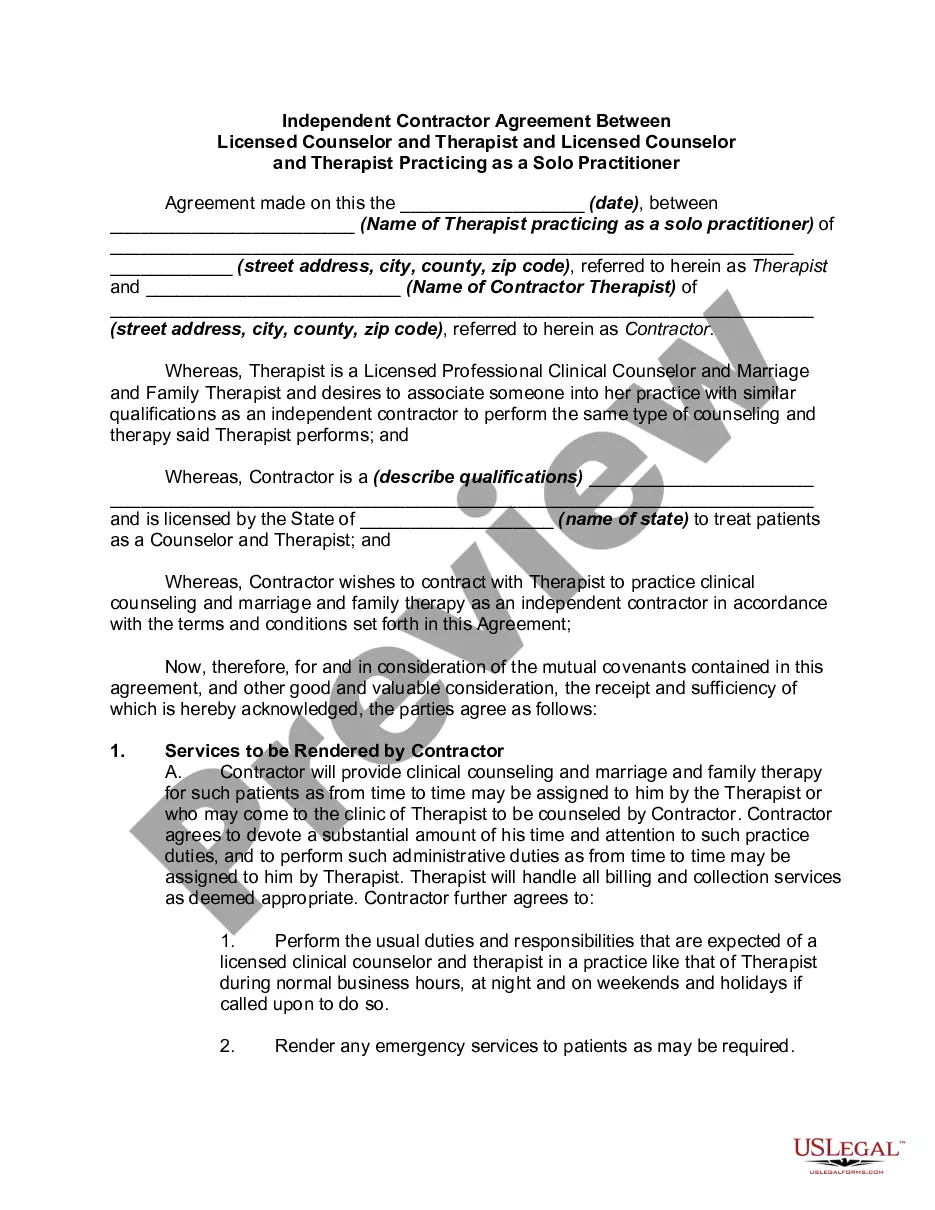
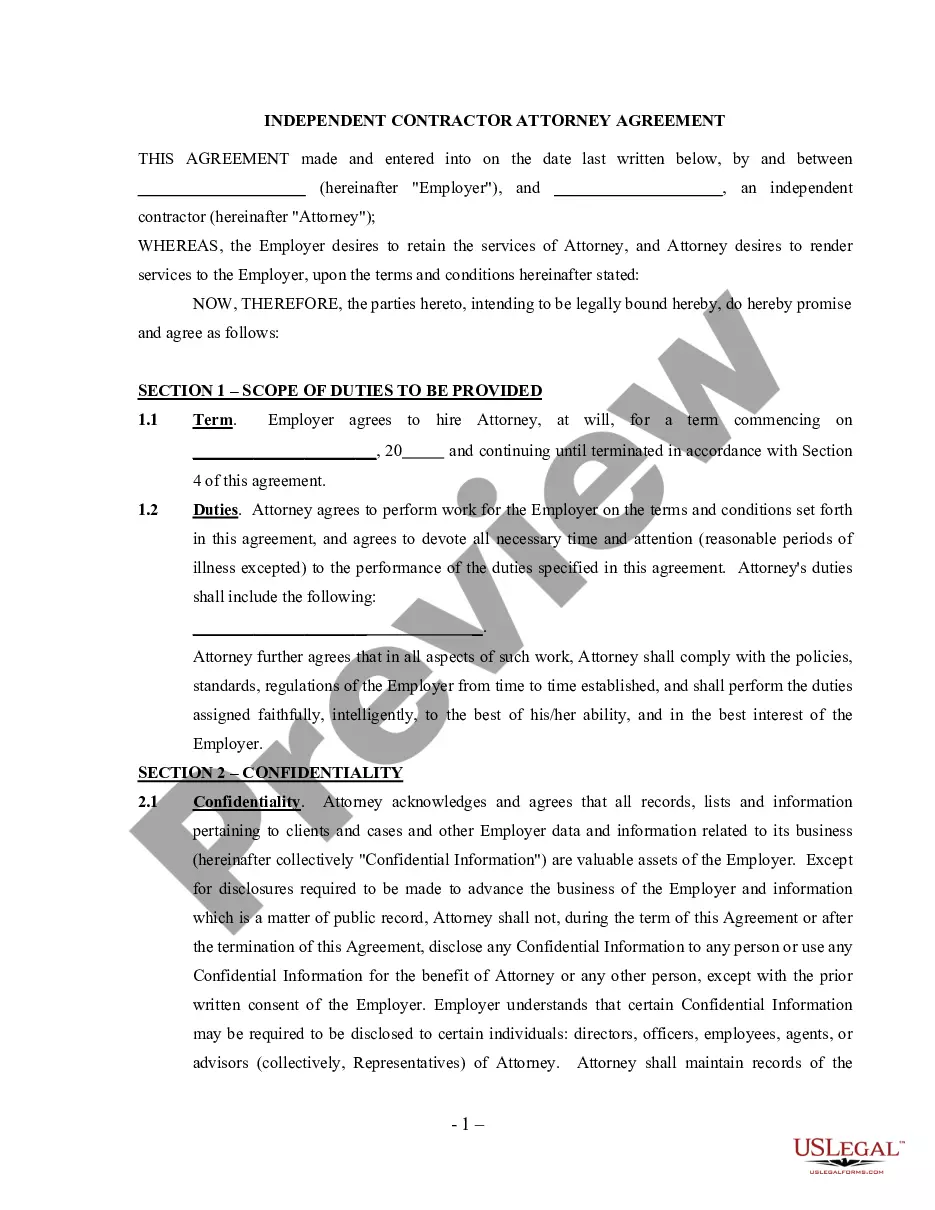
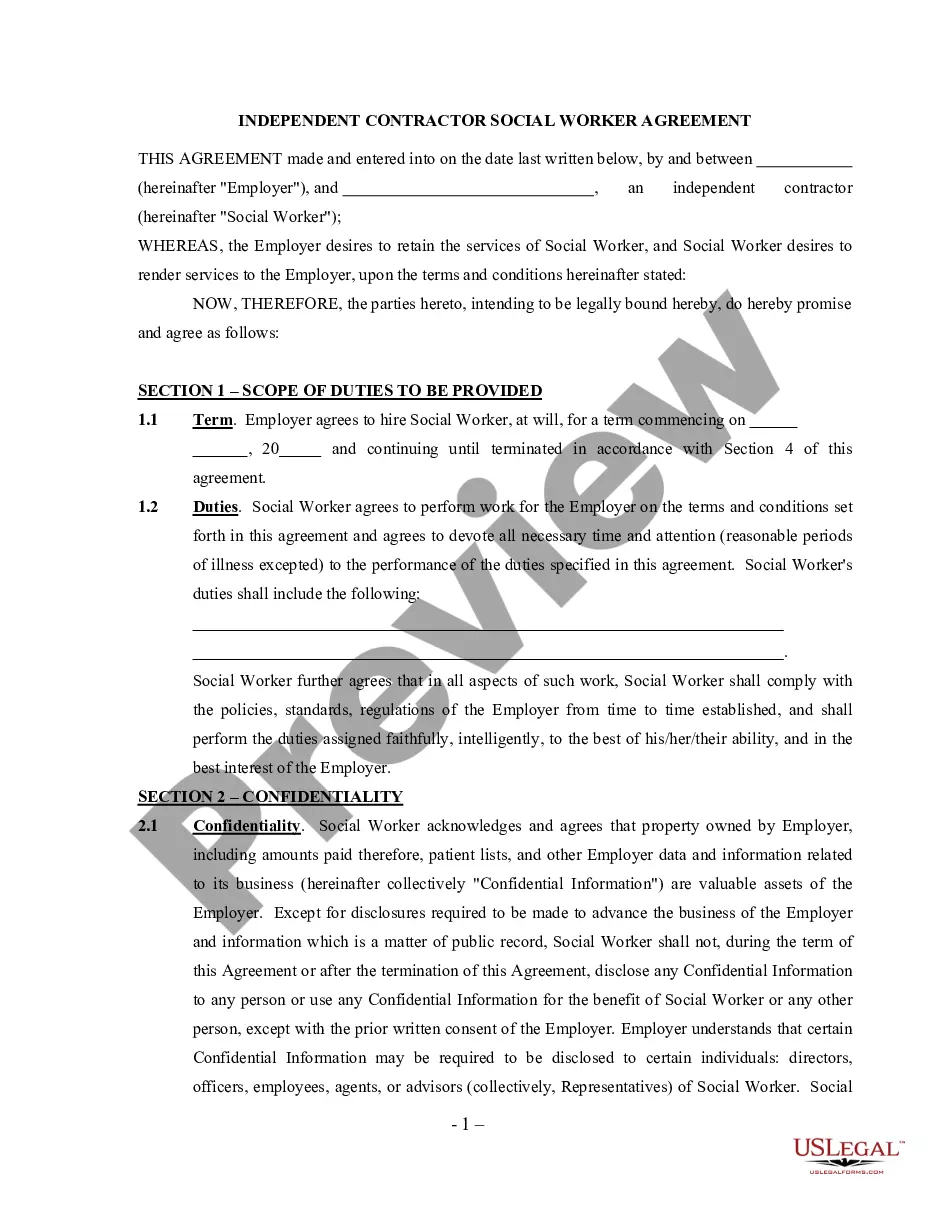
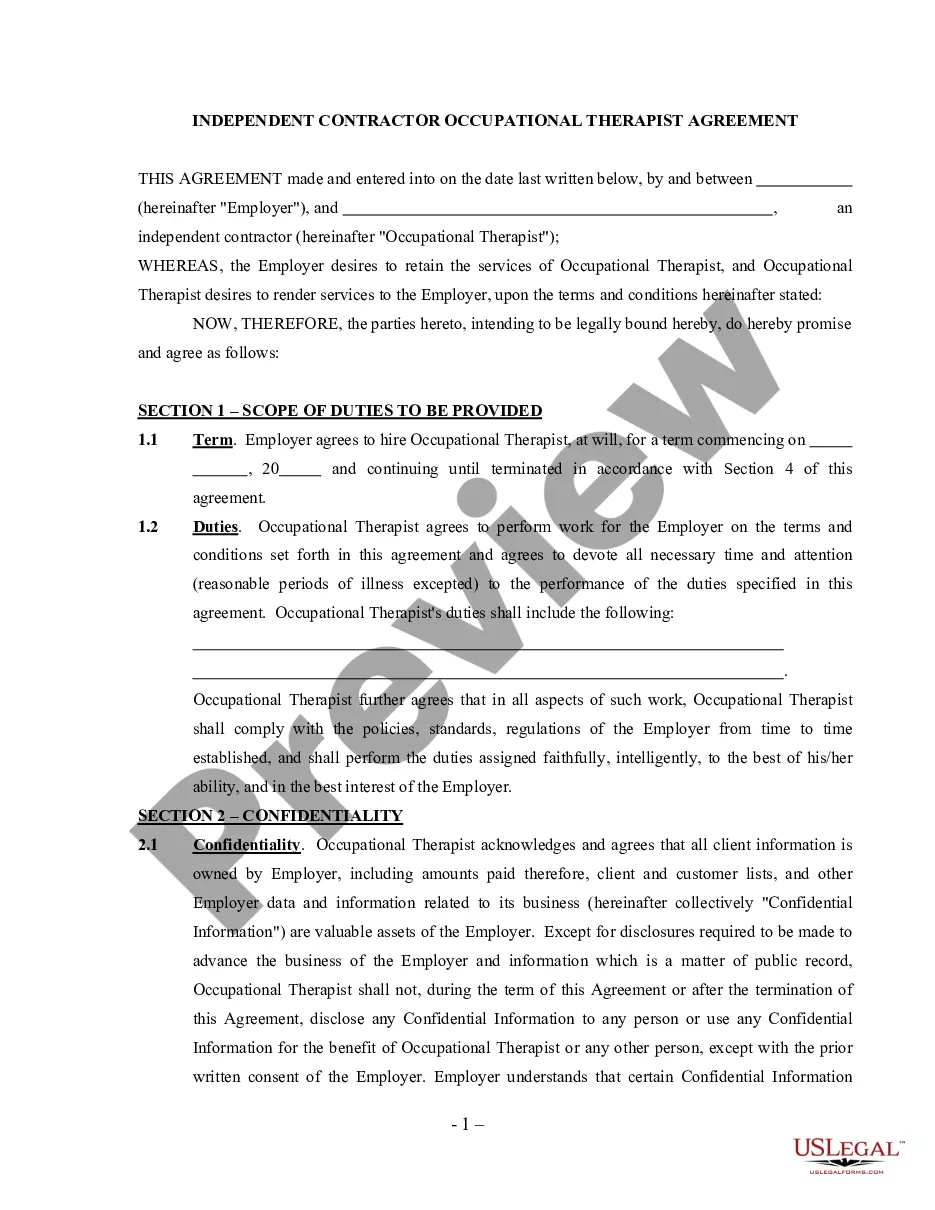
Description
Get your form ready online
Our built-in tools help you complete, sign, share, and store your documents in one place.
Make edits, fill in missing information, and update formatting in US Legal Forms—just like you would in MS Word.
Download a copy, print it, send it by email, or mail it via USPS—whatever works best for your next step.
Sign and collect signatures with our SignNow integration. Send to multiple recipients, set reminders, and more. Go Premium to unlock E-Sign.
If this form requires notarization, complete it online through a secure video call—no need to meet a notary in person or wait for an appointment.
We protect your documents and personal data by following strict security and privacy standards.

Make edits, fill in missing information, and update formatting in US Legal Forms—just like you would in MS Word.

Download a copy, print it, send it by email, or mail it via USPS—whatever works best for your next step.

Sign and collect signatures with our SignNow integration. Send to multiple recipients, set reminders, and more. Go Premium to unlock E-Sign.

If this form requires notarization, complete it online through a secure video call—no need to meet a notary in person or wait for an appointment.

We protect your documents and personal data by following strict security and privacy standards.
Looking for another form?

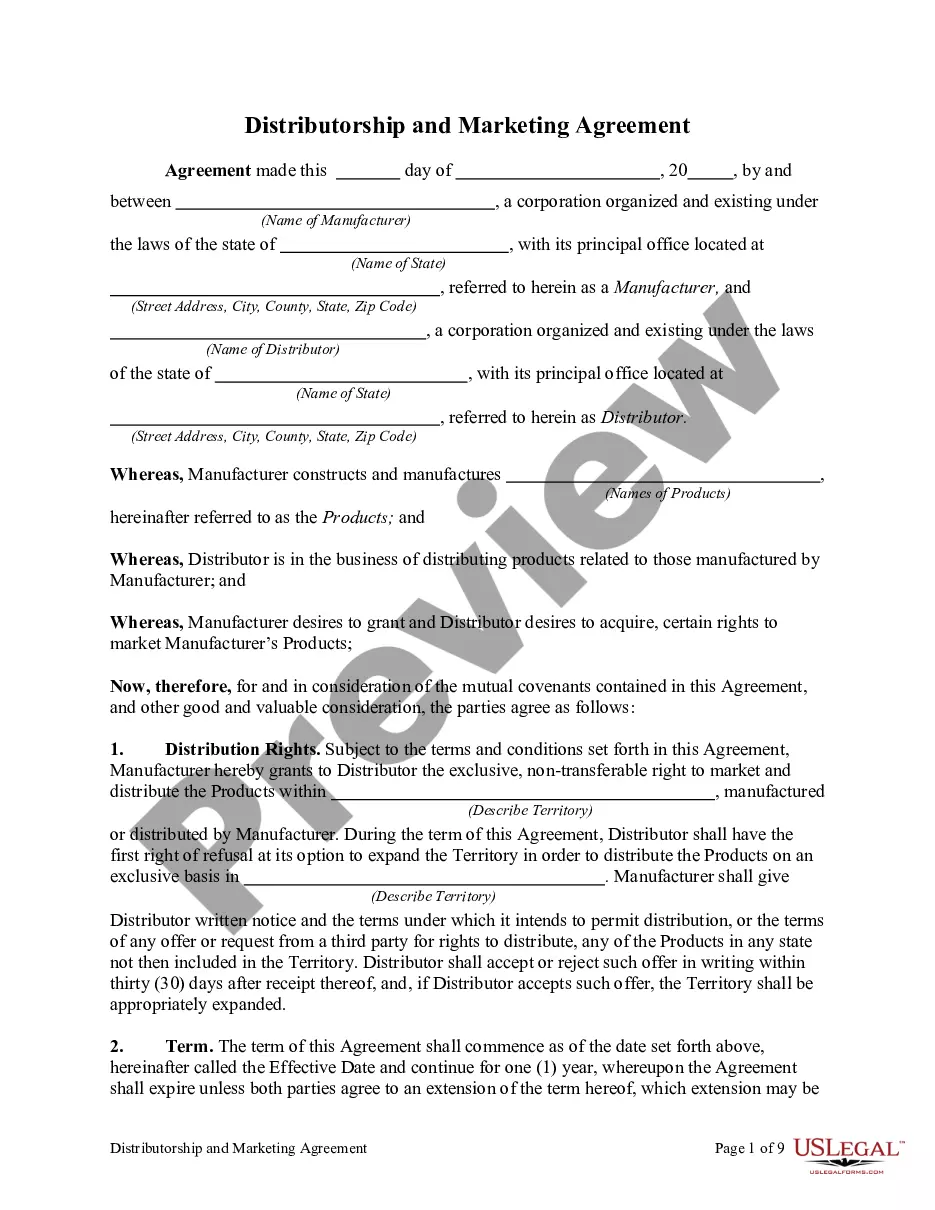





How to fill out Counselor Agreement - Self-Employed Independent Contractor?
- Log in to your account if you're a returning user. Ensure your subscription is active to access form templates.
- Preview the forms to confirm they meet your requirements. Check their descriptions for alignment with local legal standards.
- Search for additional templates if necessary. Use the Search tab to find the correct document swiftly.
- Proceed to purchase the selected form by clicking 'Buy Now'. Choose your subscription plan and create an account for full access.
- Complete your transaction by entering your payment details via credit card or your PayPal account.
- Download the form directly to your device for completion. You'll also find it in the 'My Forms' section of your profile for future reference.
Once you follow these steps, you will quickly harness the power of US Legal Forms to fulfill your legal documentation needs.
Don't hesitate to explore our library and get your documents today. Streamline your legal processes with US Legal Forms now!
Form popularity
FAQ
Handling an employee who believes they know it all involves creating an environment that welcomes learning and improvement. Show appreciation for their knowledge while gently pointing out areas where collaboration may yield better results. Engage them in training opportunities that can broaden their perspectives. Remember, using a platform like US Legal Forms can assist in formalizing employee development plans.
Dealing with an employee who thinks he is always right starts with fostering a culture of respectful debate. Encourage open-ended questions that invite different perspectives. Provide constructive feedback that focuses on performance rather than personal traits. When necessary, outline consequences clearly to help guide their behavior.
Dealing with a toxic employee requires a strategic approach. Document their behaviors and how they impact the team, as this information is vital for future discussions. Maintain professionalism and focus on fostering a positive workplace culture. Consider utilizing resources from US Legal Forms to navigate potential legal implications while resolving the issue.
Working with someone who believes they are always right can be challenging. First, listen to their perspective and acknowledge their opinions to create a respectful dialogue. Encourage open discussions where you present facts and data, allowing for a collaborative approach. If necessary, involve a neutral party to mediate the conversation.
Communicating to an employee that they are not the right fit requires sensitivity and clarity. Schedule a private meeting where you can discuss your observations and concerns honestly. Focus on specific examples of performance issues while being respectful. Consider offering support, such as career transition resources, to help them move forward.
Selecting the right employee involves a clear understanding of your job requirements and a well-structured interview process. Start by defining the skills and traits you need, then screen applicants thoroughly. Look for experiences that align with your company's values and objectives. Using tools like US Legal Forms can help streamline the hiring process and ensure you comply with legal requirements.
To bring up unfair treatment at work, prepare your case by collecting evidence and noting specific examples of the conduct. Approach your supervisor or HR in a professional manner, articulating your concerns clearly and calmly. Maintain a focus on seeking resolution rather than placing blame. It's important to understand your rights as an employee, unless acting employee with the right, to ensure your voice is heard.
Unfair treatment qualifies when an employee receives disparate treatment based on personal characteristics like race, gender, or age. It may also encompass a lack of opportunity for advancement or exclusion from important meetings or activities. If you feel this treatment affects your job performance or wellbeing, gather your thoughts and consider your options. Engage with resources like uslegalforms to understand your rights better, unless acting employee with the right.
If you feel unfairly treated at work, first document specific incidents that demonstrate the unfair treatment. Gather any evidence, such as emails or witness accounts, which support your claims. Then, consider addressing your concerns directly with your supervisor or human resources. Remember, unless acting employee with the right, you have the power to advocate for yourself.
Two examples of unfair treatment in the workplace include being passed over for promotions despite strong performance, and facing harassment or discrimination based on race, gender, or other characteristics. Both scenarios violate workplace ethics and can undermine employee morale. Unless acting employee with the right, addressing these issues promptly through proper channels is essential for a fair resolution.