Unless Acting Employee With No Work
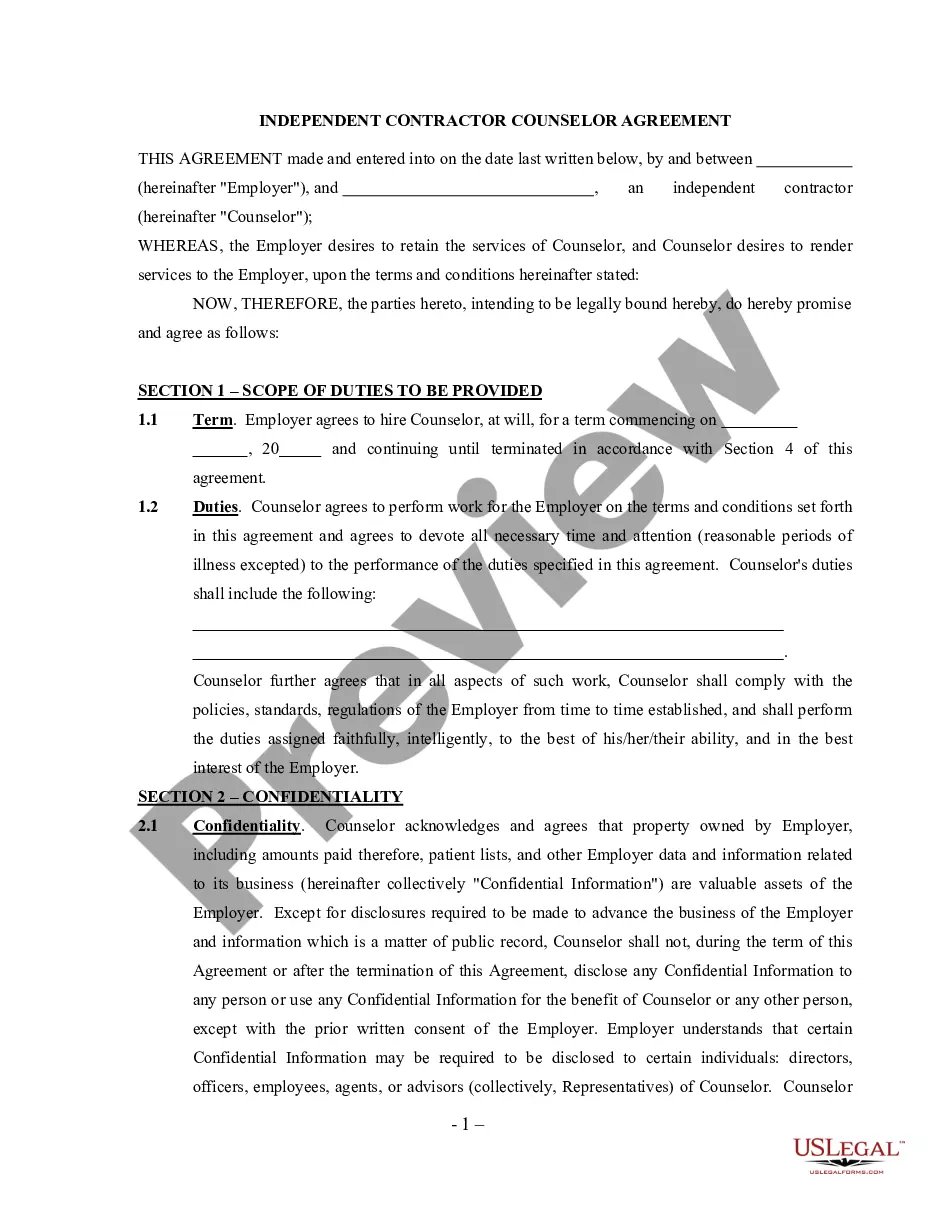
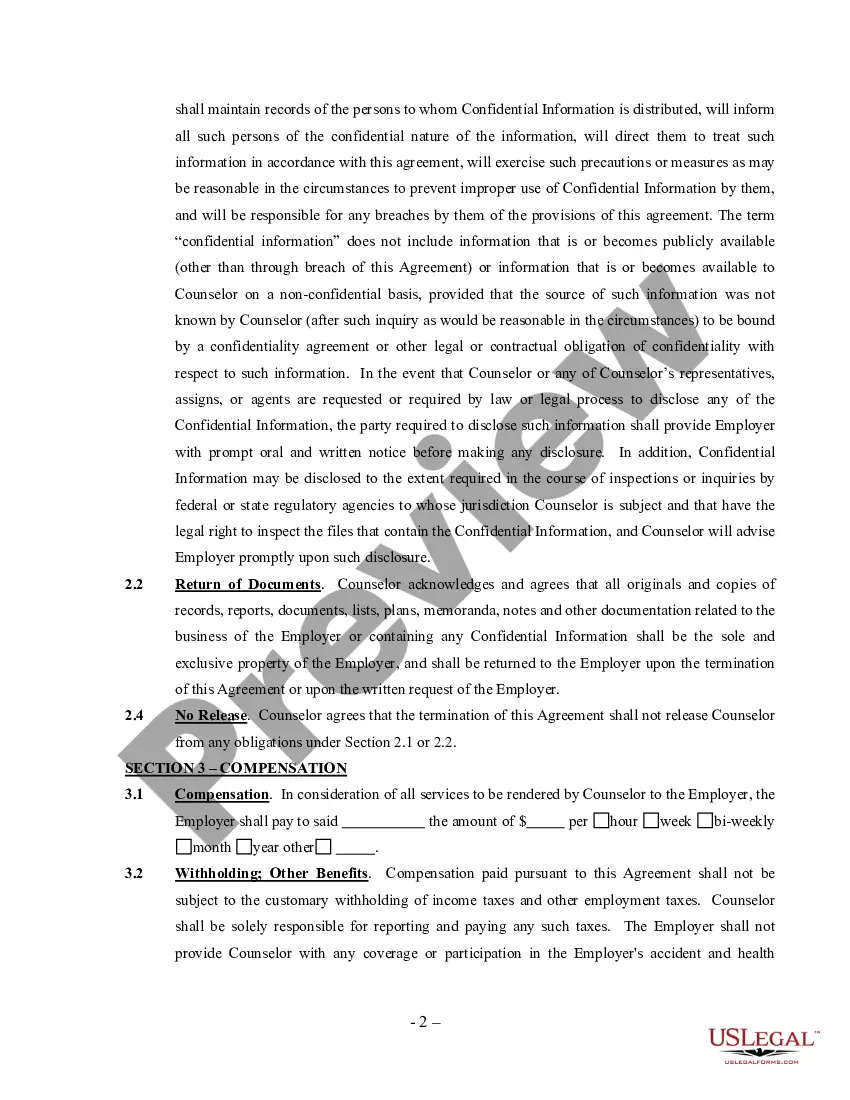
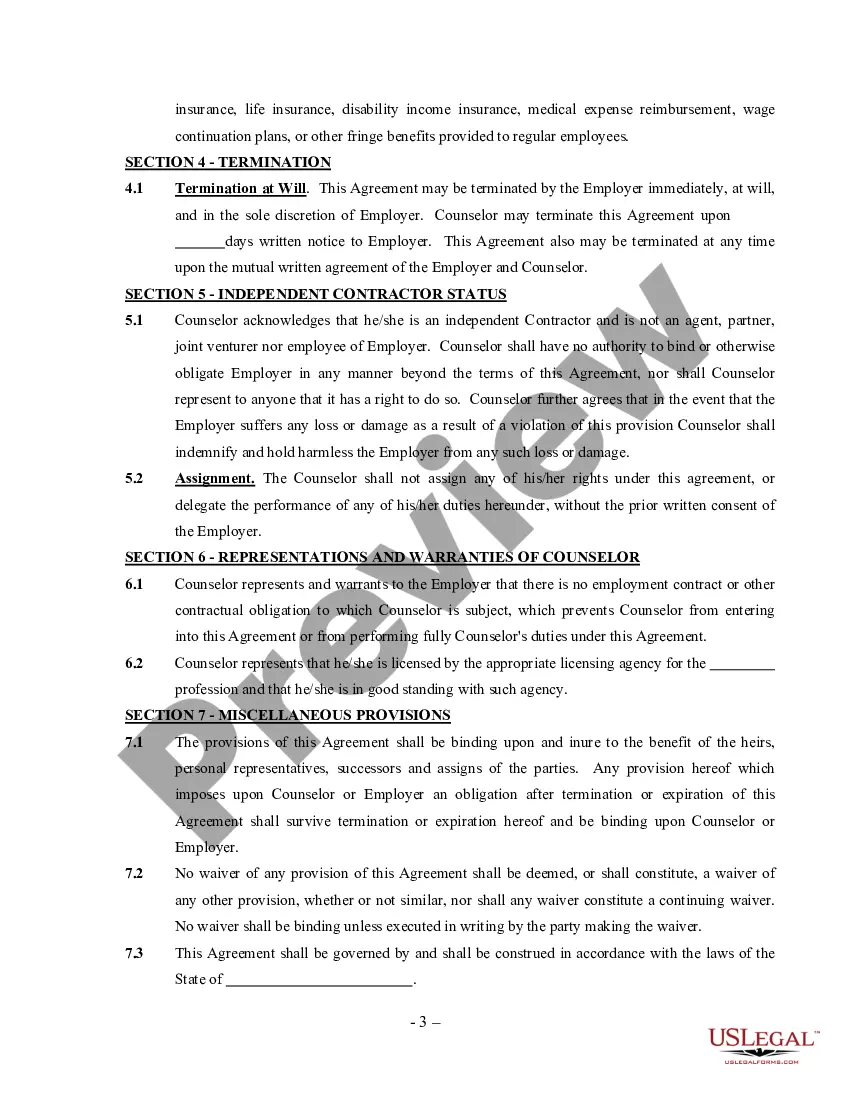
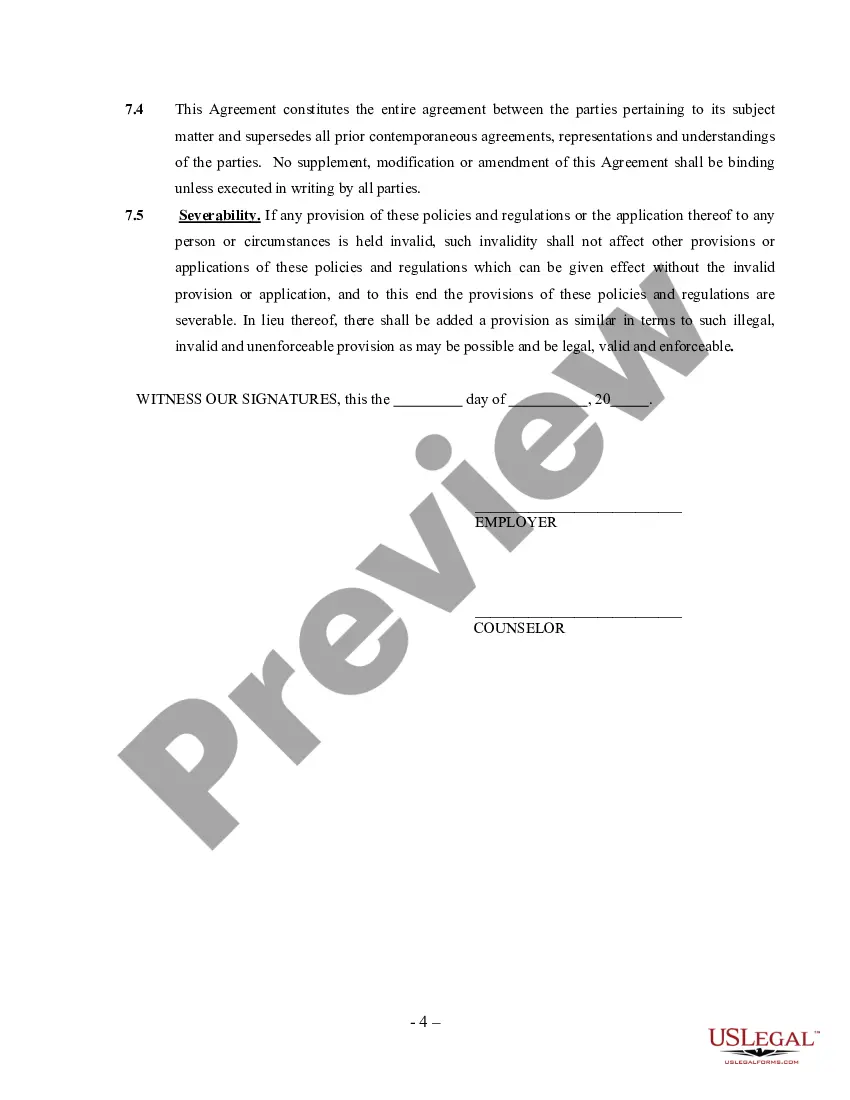
Description
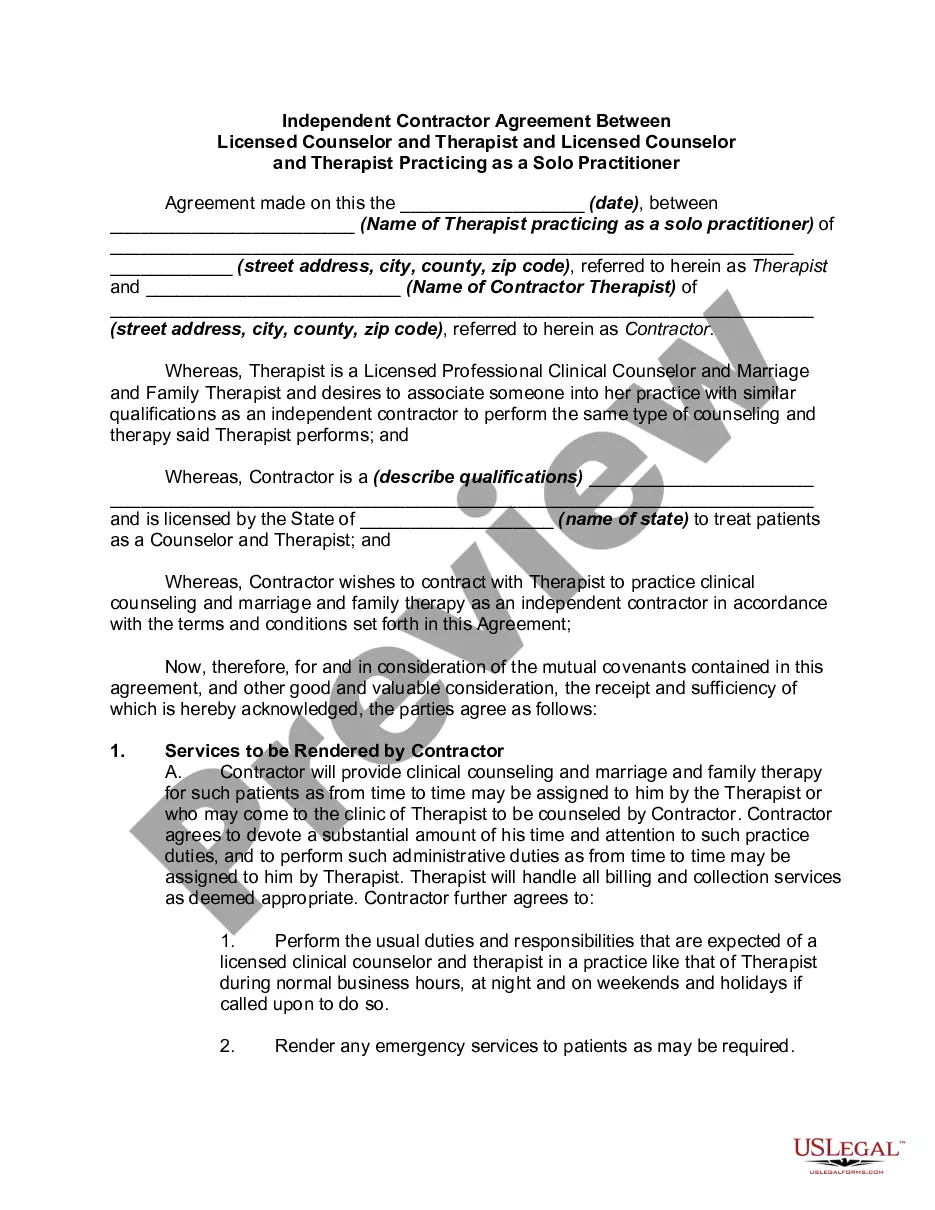
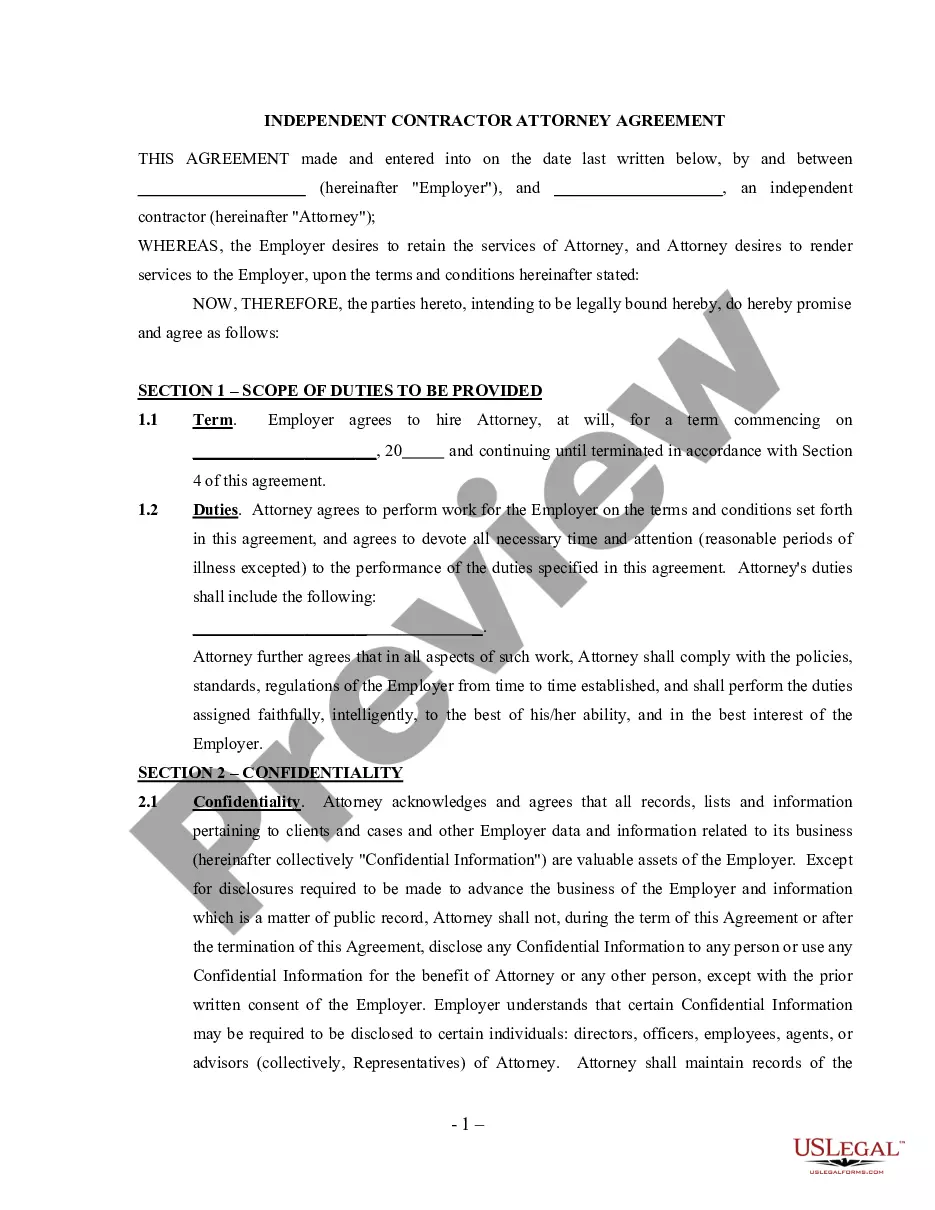
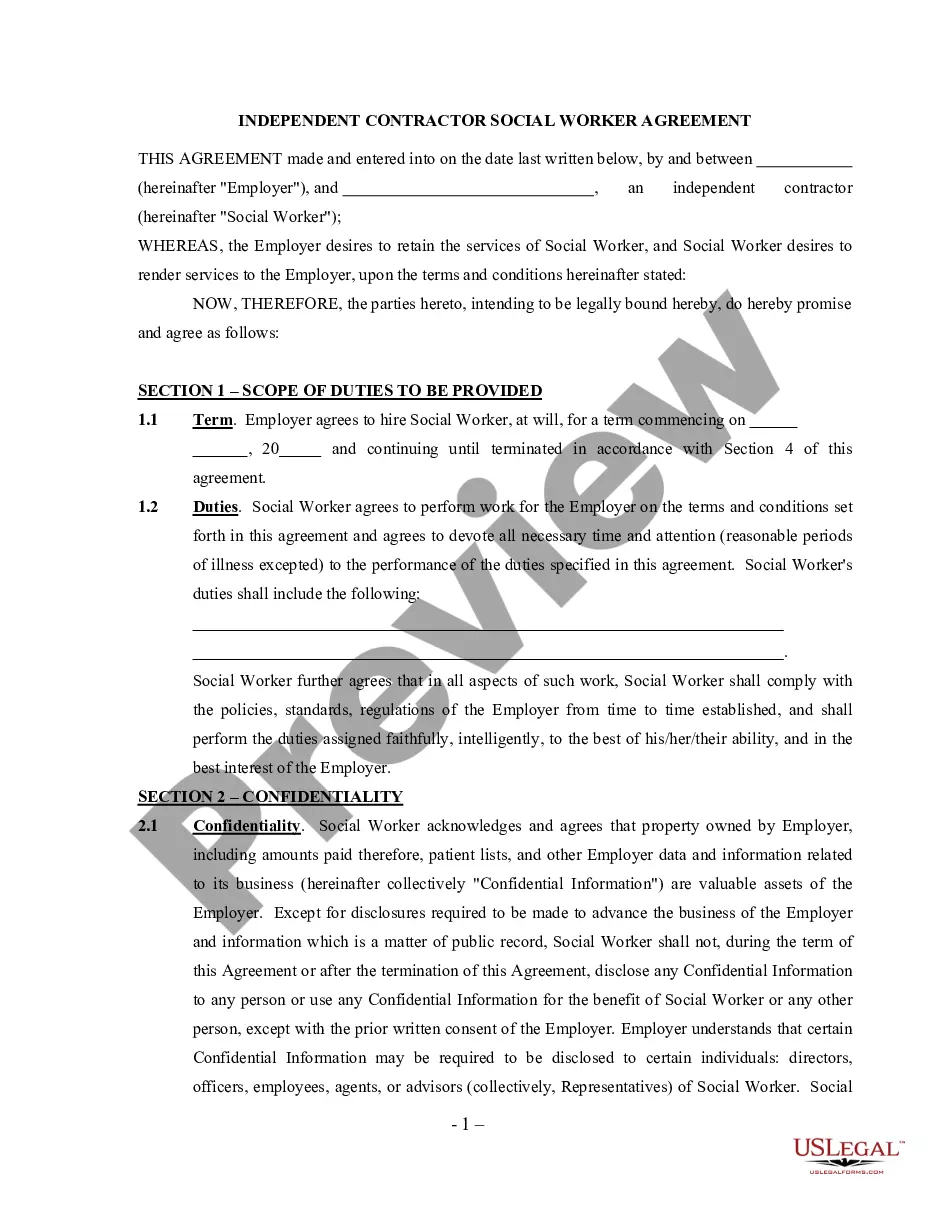
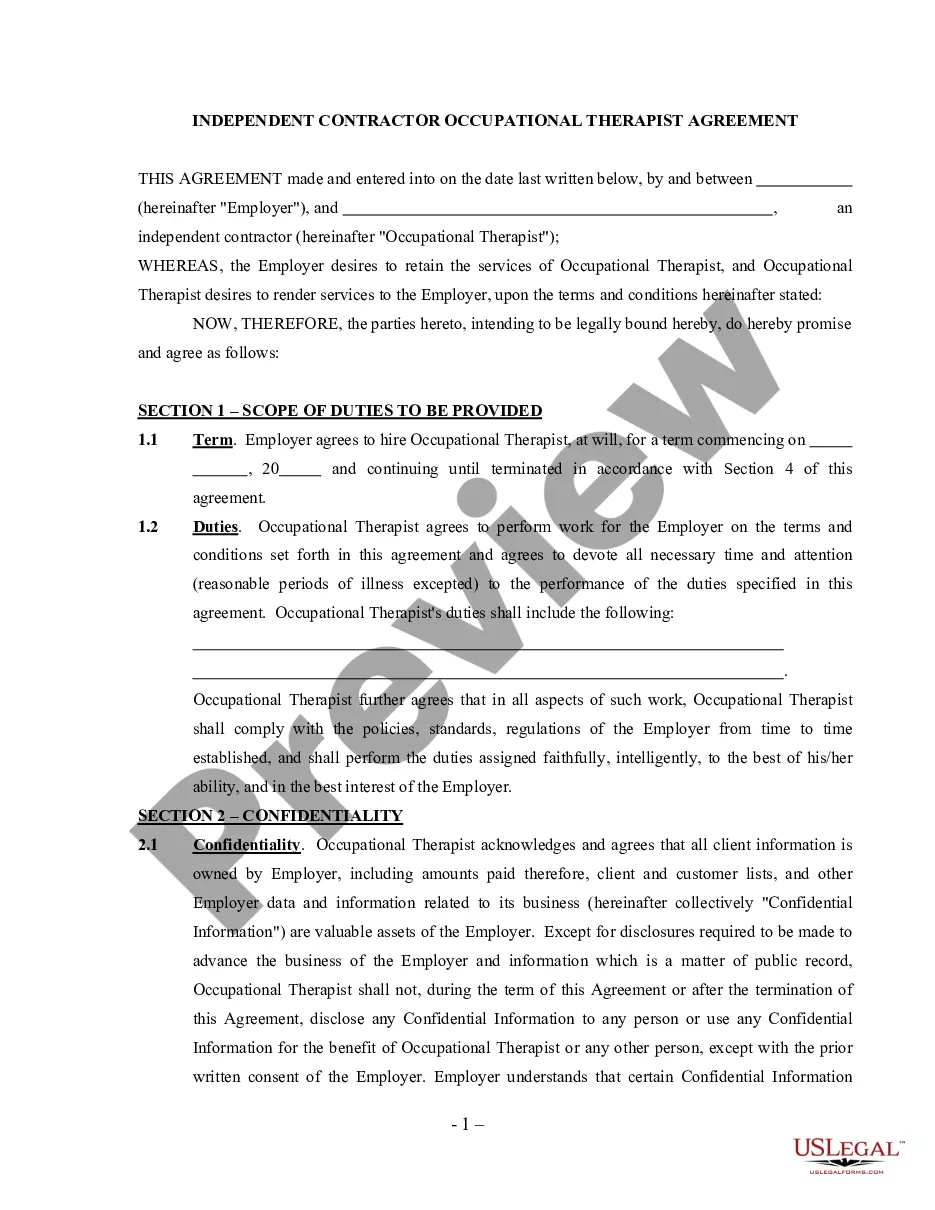
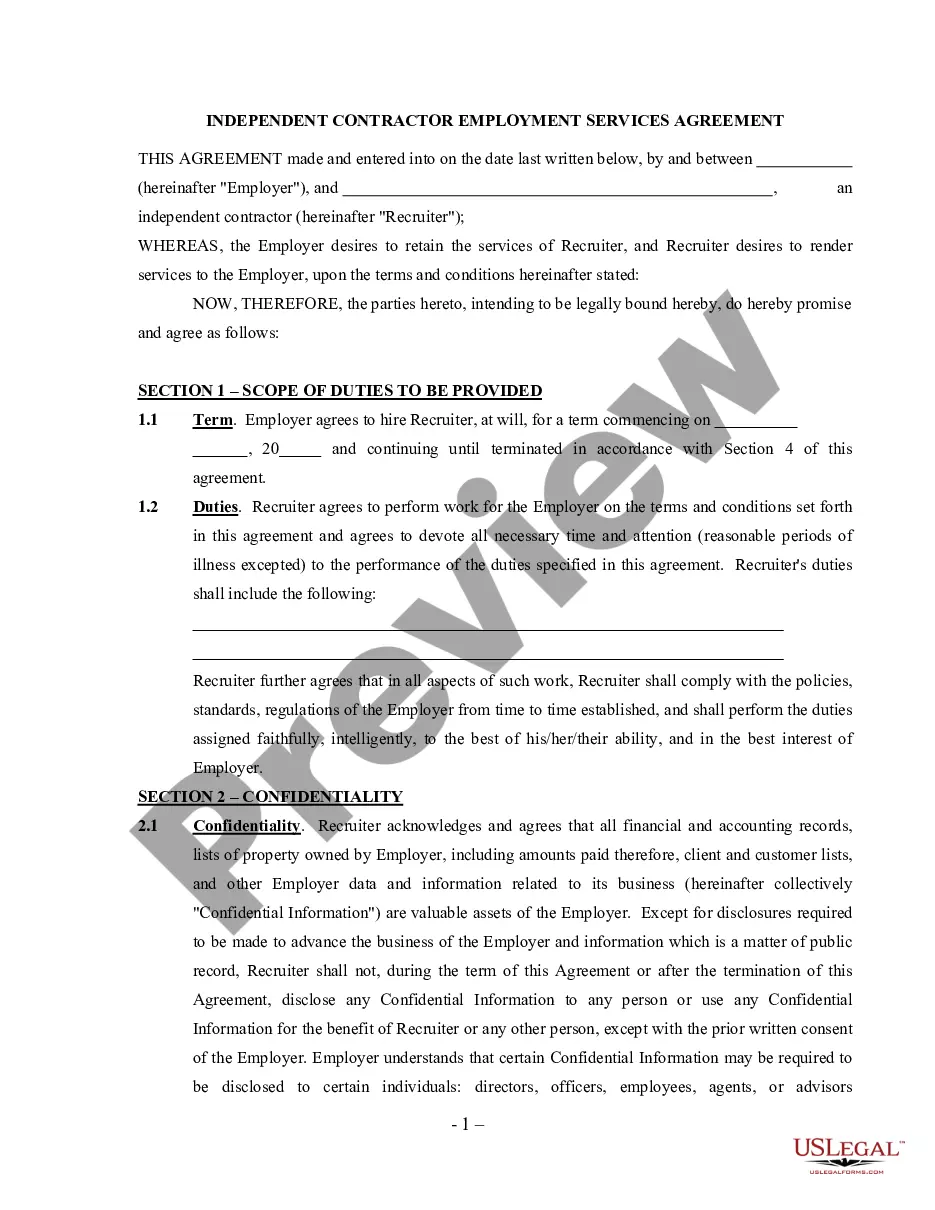
Get your form ready online
Our built-in tools help you complete, sign, share, and store your documents in one place.
Make edits, fill in missing information, and update formatting in US Legal Forms—just like you would in MS Word.
Download a copy, print it, send it by email, or mail it via USPS—whatever works best for your next step.
Sign and collect signatures with our SignNow integration. Send to multiple recipients, set reminders, and more. Go Premium to unlock E-Sign.
If this form requires notarization, complete it online through a secure video call—no need to meet a notary in person or wait for an appointment.
We protect your documents and personal data by following strict security and privacy standards.

Make edits, fill in missing information, and update formatting in US Legal Forms—just like you would in MS Word.

Download a copy, print it, send it by email, or mail it via USPS—whatever works best for your next step.

Sign and collect signatures with our SignNow integration. Send to multiple recipients, set reminders, and more. Go Premium to unlock E-Sign.

If this form requires notarization, complete it online through a secure video call—no need to meet a notary in person or wait for an appointment.

We protect your documents and personal data by following strict security and privacy standards.
Looking for another form?


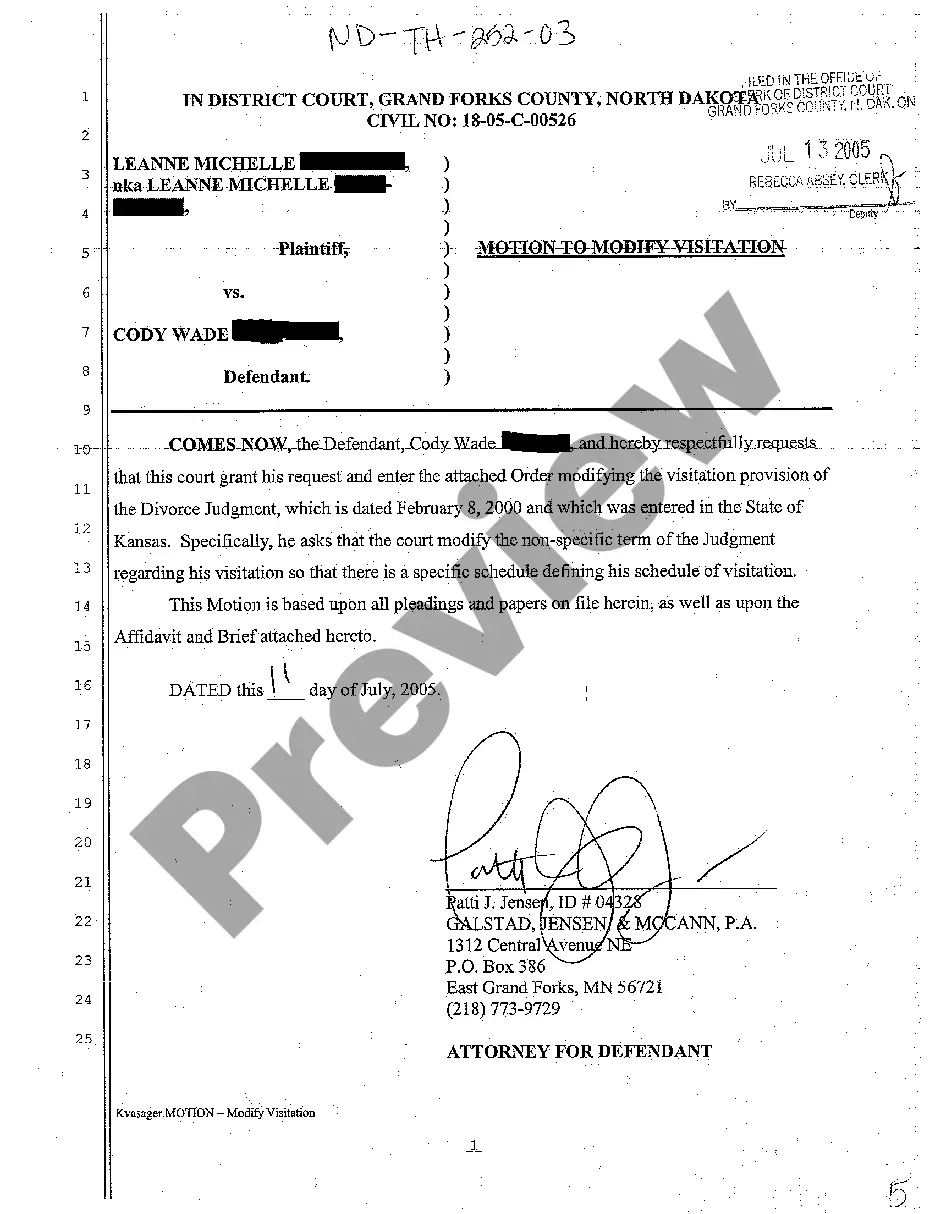





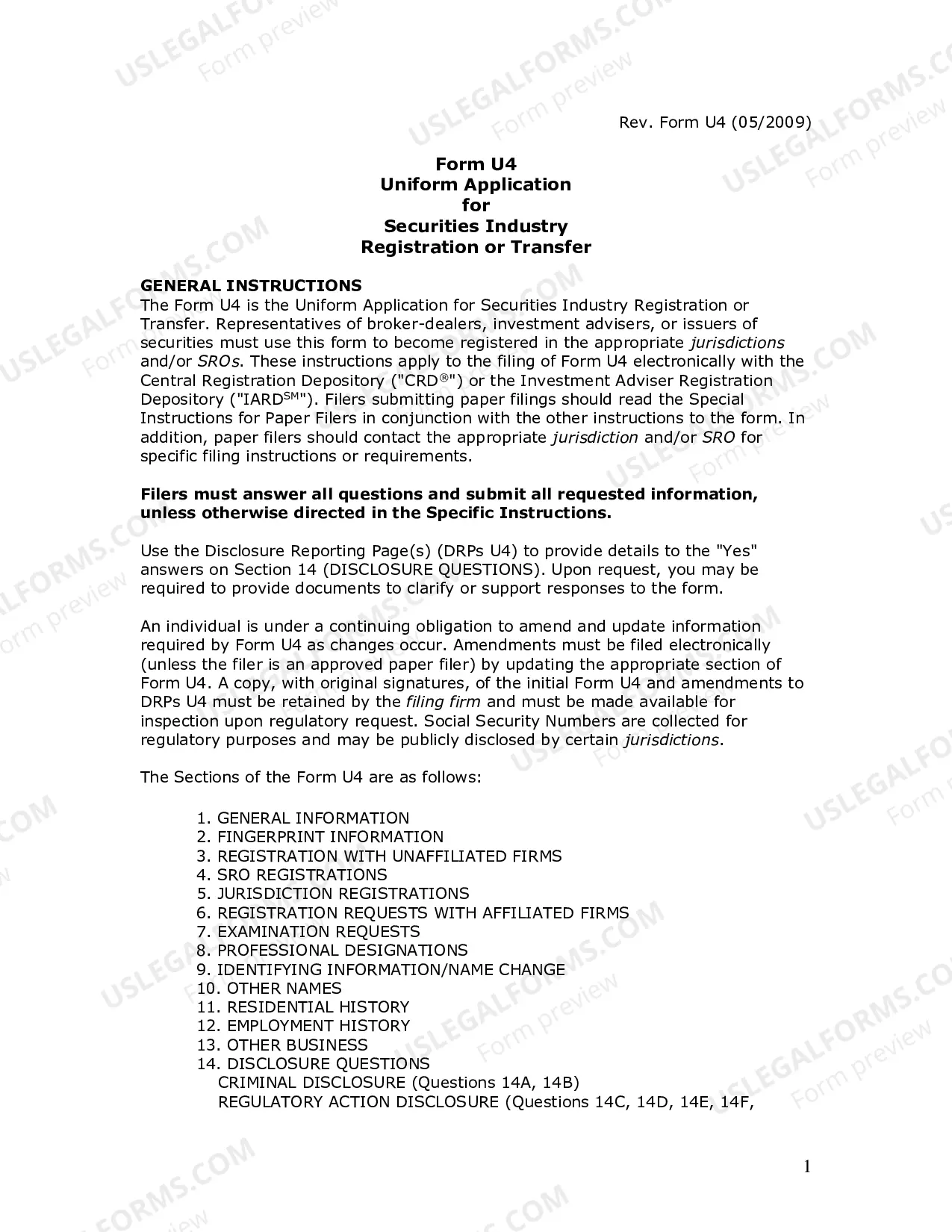
How to fill out Counselor Agreement - Self-Employed Independent Contractor?
- Visit the US Legal Forms website and log into your existing account, ensuring your subscription remains active.
- If you are new, start by exploring the Preview mode and carefully reading the form descriptions to confirm you select the correct legal document that meets your requirements.
- Should you find any discrepancies, use the Search tab to locate the appropriate template before proceeding.
- Once you settle on a suitable document, click the Buy Now button and choose a subscription plan that works for you, creating an account in the process.
- Finalize your purchase by entering your payment details, either via credit card or PayPal.
- After completing the transaction, download the form and save it on your device, allowing you to access it from the My Forms section whenever necessary.
Utilizing US Legal Forms significantly reduces the time and effort involved in preparing legal documents. Their extensive library and expert assistance guarantee that you will have access to exactly what you need.
Don't wait—start your journey to hassle-free legal documentation today and empower yourself with the right tools to succeed.
Form popularity
FAQ
Addressing an unresponsive employee requires patience and clarity. Reach out to them directly to understand their perspective and offer assistance based on their needs. Implement structured check-ins and feedback sessions to encourage engagement over time. Don't hesitate to refer to resources like U.S. Legal Forms to navigate any complexities that arise when dealing with an acting employee with no work.
Dealing with individuals who are not performing can be complex, but proactive steps can lead to resolution. Begin with open dialogue to understand their motivations and challenges. Building a supportive environment fosters accountability, and it often encourages better performance. When necessary, consult U.S. Legal Forms for guidance on policies regarding an acting employee with no work.
Handling an employee who does not fulfill their responsibilities requires a thoughtful approach. Start by having a candid conversation about their performance and inquire about any underlying issues impacting their work. Use this opportunity to set achievable benchmarks that guide them back to productivity. If the situation persists, consider using U.S. Legal Forms to ensure that you are following proper procedures for managing an acting employee with no work.
To effectively manage a team member lacking productivity, begin by discussing their current workload and responsibilities. Encourage them to express any barriers they may be facing, as this can lead to solutions that enhance their efficiency. Setting clear expectations and measurable goals can help them shift back into a productive rhythm. Remember, addressing issues early can prevent an extended situation of an acting employee with no work.
When you encounter an employee who isn't contributing, it’s essential to first identify possible reasons for their lack of engagement. Open communication can reveal any challenges they face, allowing you to offer support or resources. Document their performance, and consider developing a structured plan to help them improve. If performance does not change, you may explore options available to address an acting employee with no work.
If an employee does not come to work, it's important to address the issue promptly. Begin by reaching out to the employee to inquire about their absence. Depending on company policy, repeated absences may lead to disciplinary measures or termination. To navigate this process correctly, you can refer to resources from US Legal Forms to ensure that you follow legal protocols when managing such situations.
Dealing with an employee who is not performing effectively requires a proactive approach. First, have an open conversation to understand any underlying issues impacting their work. Set clear expectations moving forward, and provide guidance or tools to assist them. If they remain an acting employee with no work, consider options like training or reevaluating their role within the company.
When you need to lay off an employee due to lack of work, clarity is key. Start by reviewing the employee's performance and employment contract. Document the reasons for the layoff thoroughly. You can utilize platforms like US Legal Forms to generate the necessary paperwork, ensuring compliance with labor laws and protecting your company.
When you experience having no work at work, it's essential to remain proactive. Engage with colleagues or management to seek out tasks that need attention. You could also use this downtime to enhance your knowledge through online learning platforms. Staying active and involved can help you turn the situation around and add value to your role.
If you find yourself acting as an employee with no work, look for productive ways to utilize your time. Consider asking your supervisor for additional responsibilities or project opportunities. This initiative can demonstrate your dedication and may lead to new development avenues. Additionally, use this time to develop skills that benefit your career.