Contract For Moving Services
Description
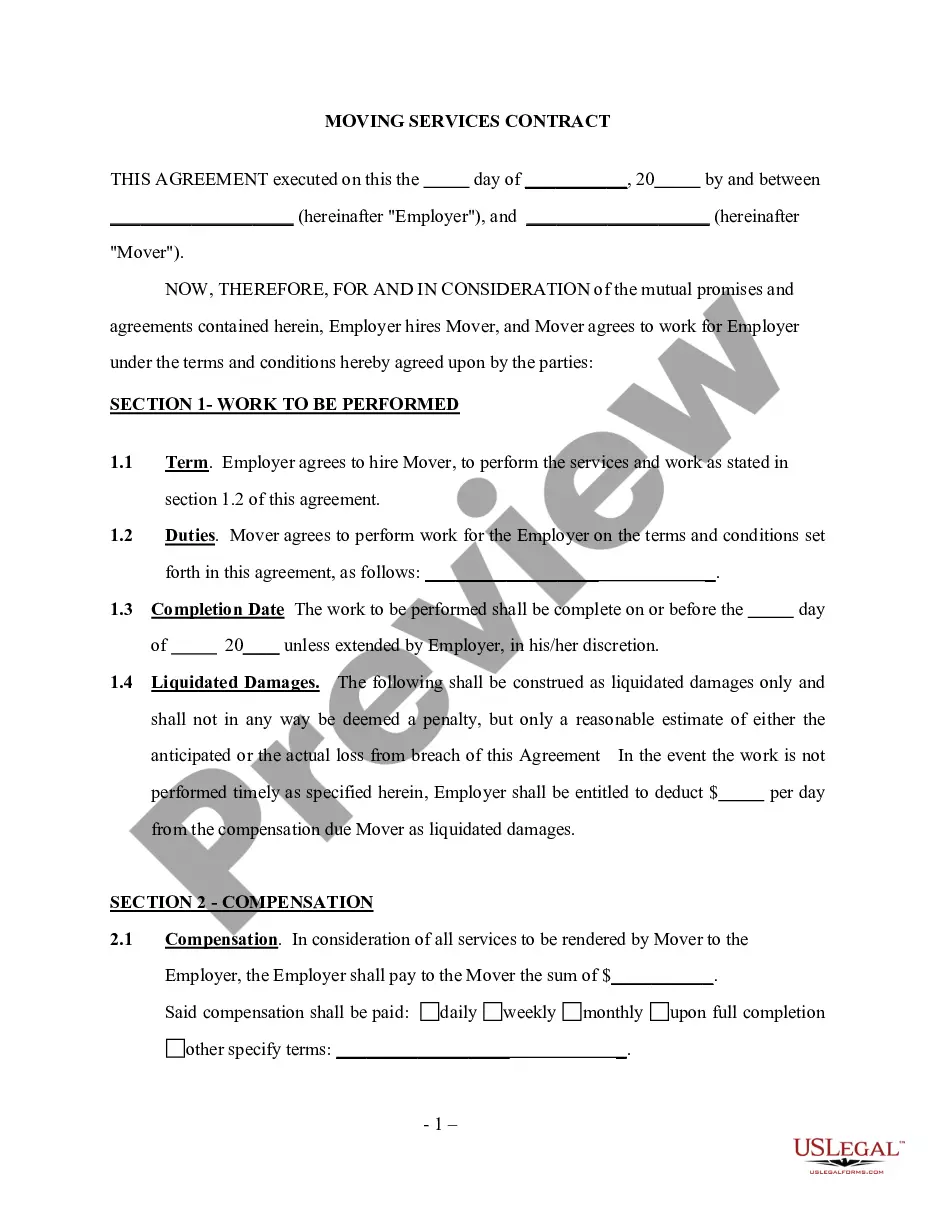
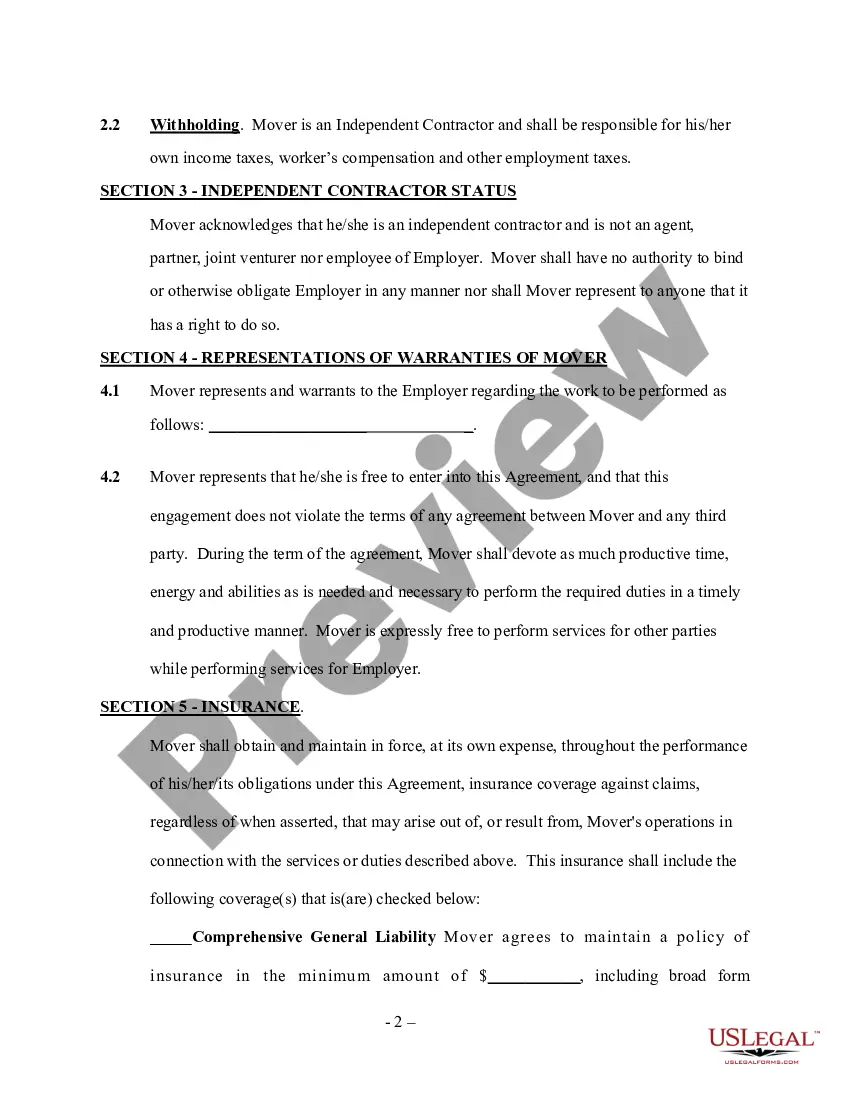
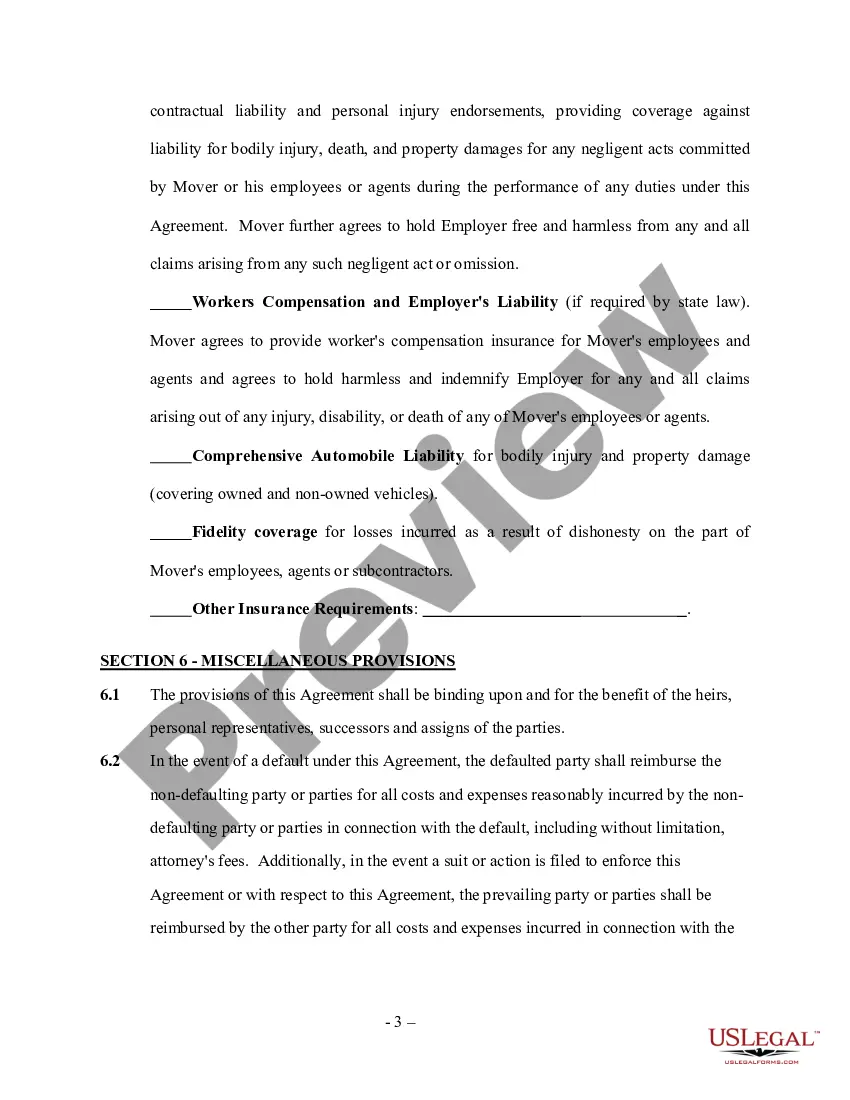
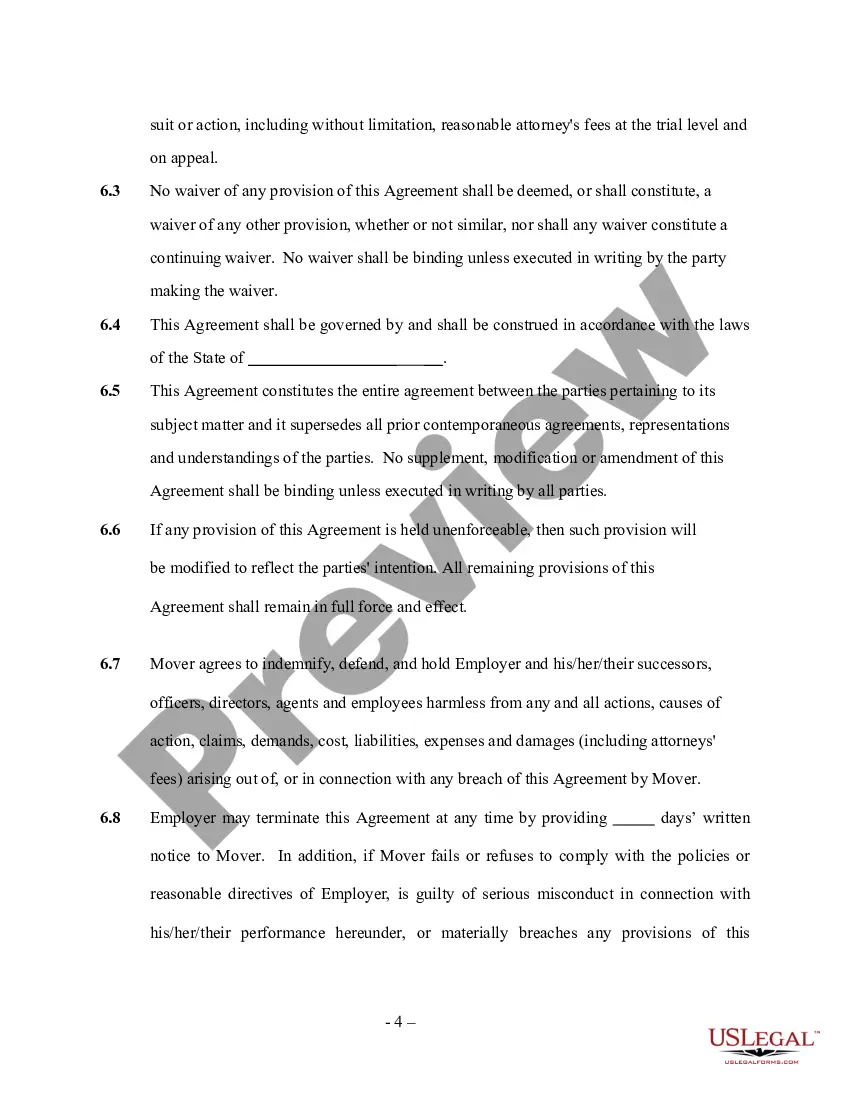
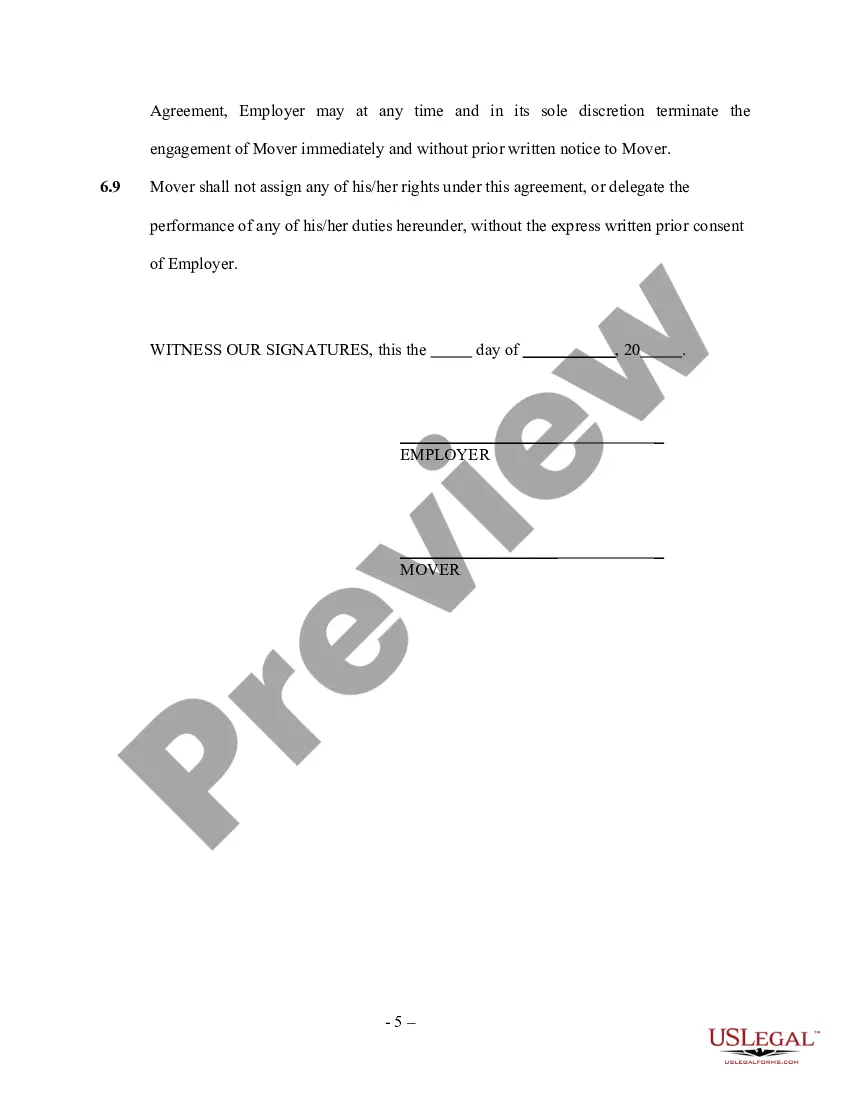
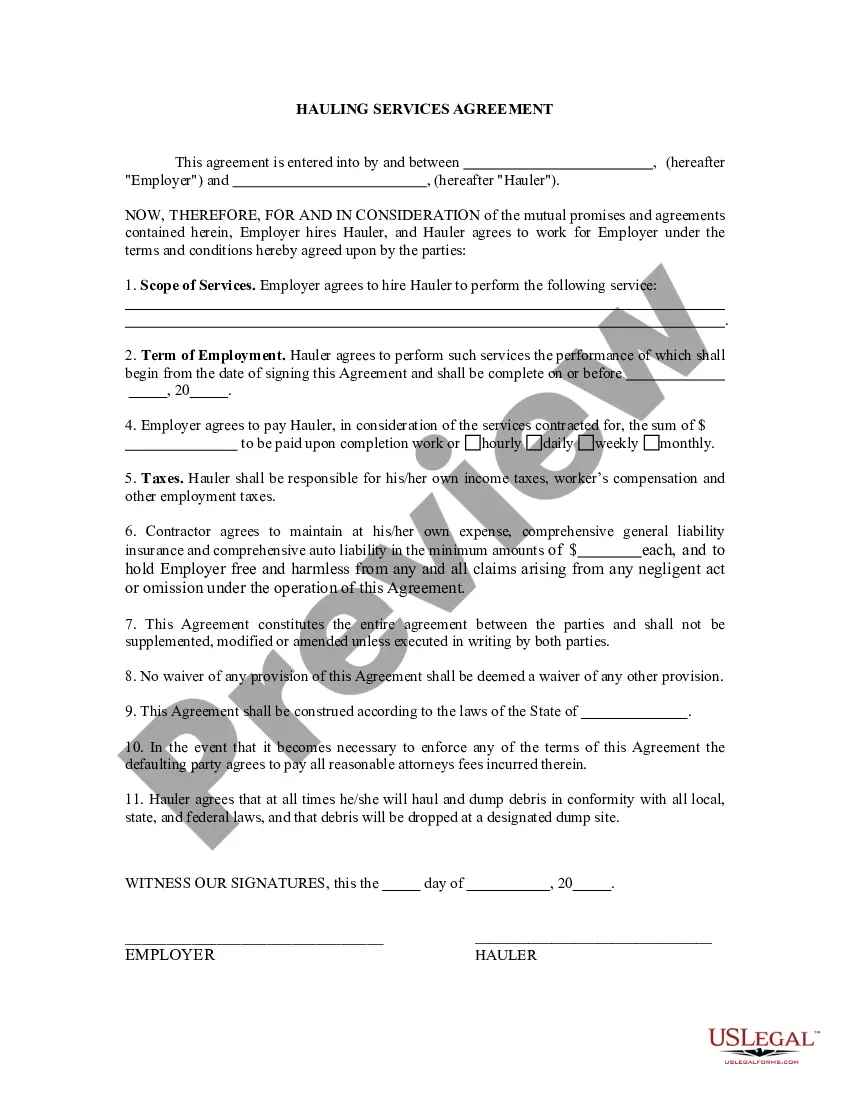
How to fill out Moving Services Contract - Self-Employed?
Regardless of whether it's for corporate reasons or for individual matters, everyone eventually has to handle legal issues at some point in their lives.
Completing legal documents necessitates meticulous care, starting from selecting the correct form template.
With an extensive US Legal Forms catalog available, you won't have to waste time searching for the correct sample online. Utilize the library’s user-friendly navigation to find the suitable template for any occasion.
- Obtain the sample you require using the search bar or catalog navigation.
- Review the form’s details to ensure it aligns with your situation, state, and locality.
- Click on the form’s preview to display it.
- If it's the incorrect document, return to the search tool to locate the Contract For Moving Services template you need.
- Acquire the template if it suits your requirements.
- If you already possess a US Legal Forms account, click Log in to access previously saved documents in My documents.
- If you haven't created an account yet, you can obtain the form by clicking Buy now.
- Select the appropriate payment option.
- Complete the profile registration form.
- Choose your payment method: use a credit card or PayPal account.
- Select the file format you prefer and download the Contract For Moving Services.
- After downloading, you can fill out the form using editing software or print it and complete it manually.
Form popularity
FAQ
How to Read a Moving Contract A moving contract (also referred to as an order for service) outlines the terms and conditions of your move. ... Additional charges. ... Bill of lading. ... Binding estimate. ... Full-value replacement and released-value replacement. ... High-value inventory. ... Line haul charges. ... Non-binding estimate.
Key Clauses That Every Moving Services Contract Should Contain Define the services. The scope of services for a moving company may seem obvious, but this assumption is misguided. ... Where the move will take place. ... Make arrangements for compensation. ... Protect the client's confidentiality.
If you decide to use a moving company for your upcoming relocation, you'll need to enter into a contract. A moving contract can be beneficial for you and your moving company. It ensures that both parties agree on what is to be moved and are on the same page about what will happen if something is damaged in transit.
What You Need to Know First Plan Ahead. The most important thing you need to know is that leverage is everything. ... Your Move's Specifications. ... Avoid Peak Moving Season. ... Ask for a Better Deal. ... Price Matching. ... Consider Cutting Services. ... Types of Estimates. ... Ask About Insurance and Liability.
The mover should conduct either an in-person inspection or a video survey of your belongings before giving you a quote. Don't trust quotes you receive over the internet. For the most accurate quote possible, make sure that the mover is aware of any specialty items that require extra care.