Statutory Rape In The Philippines
Description
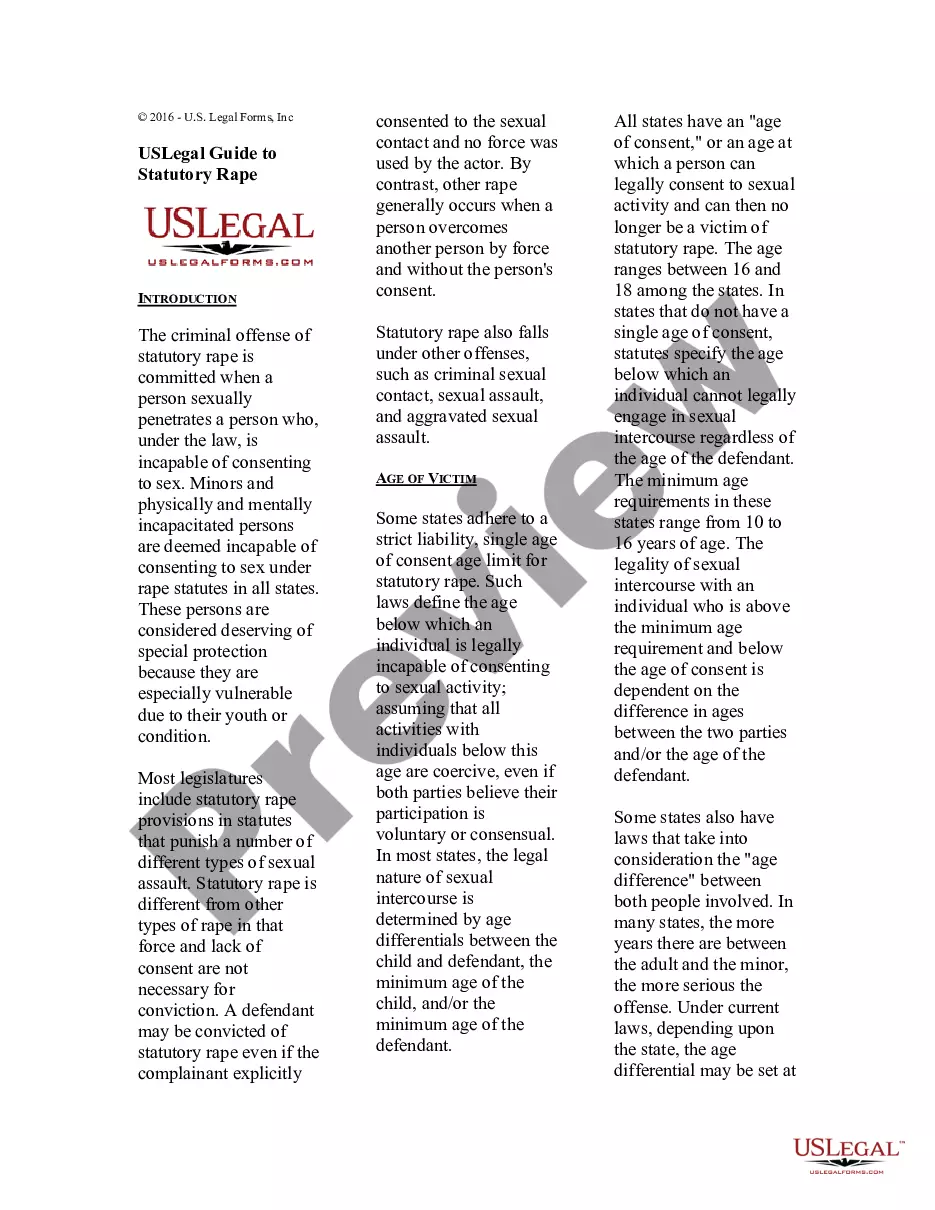
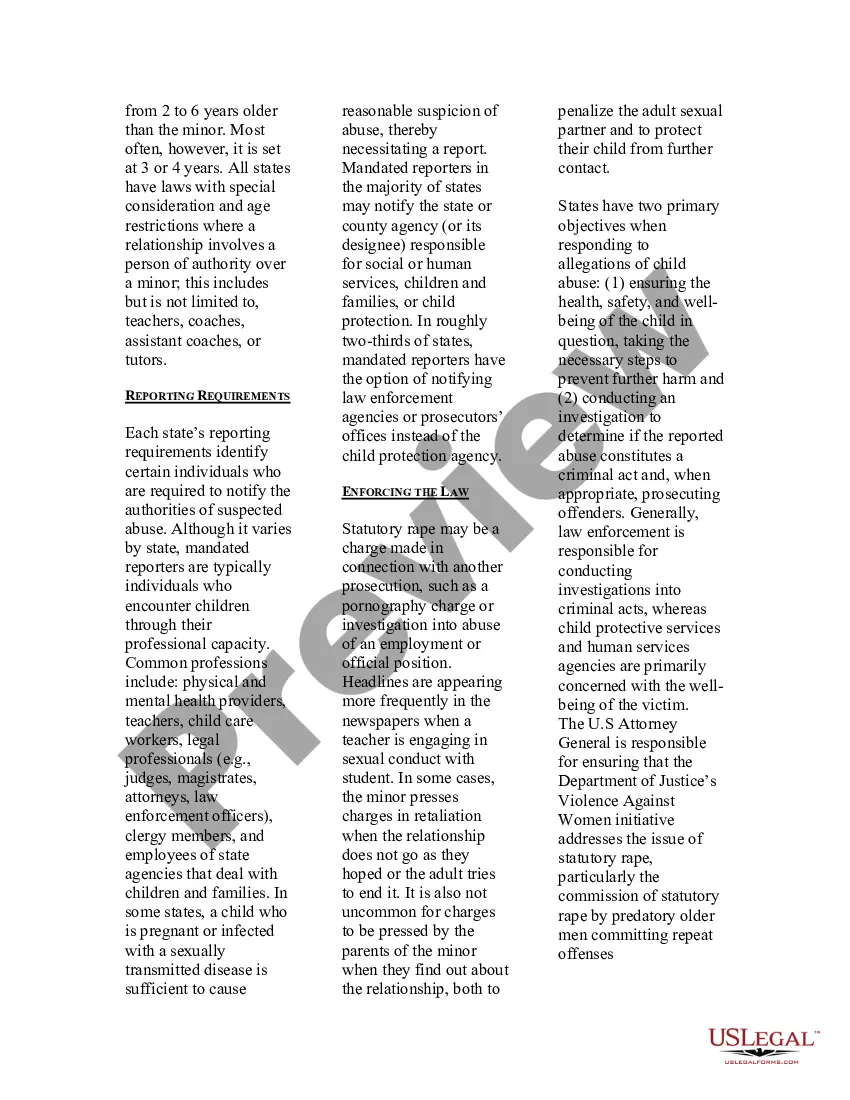
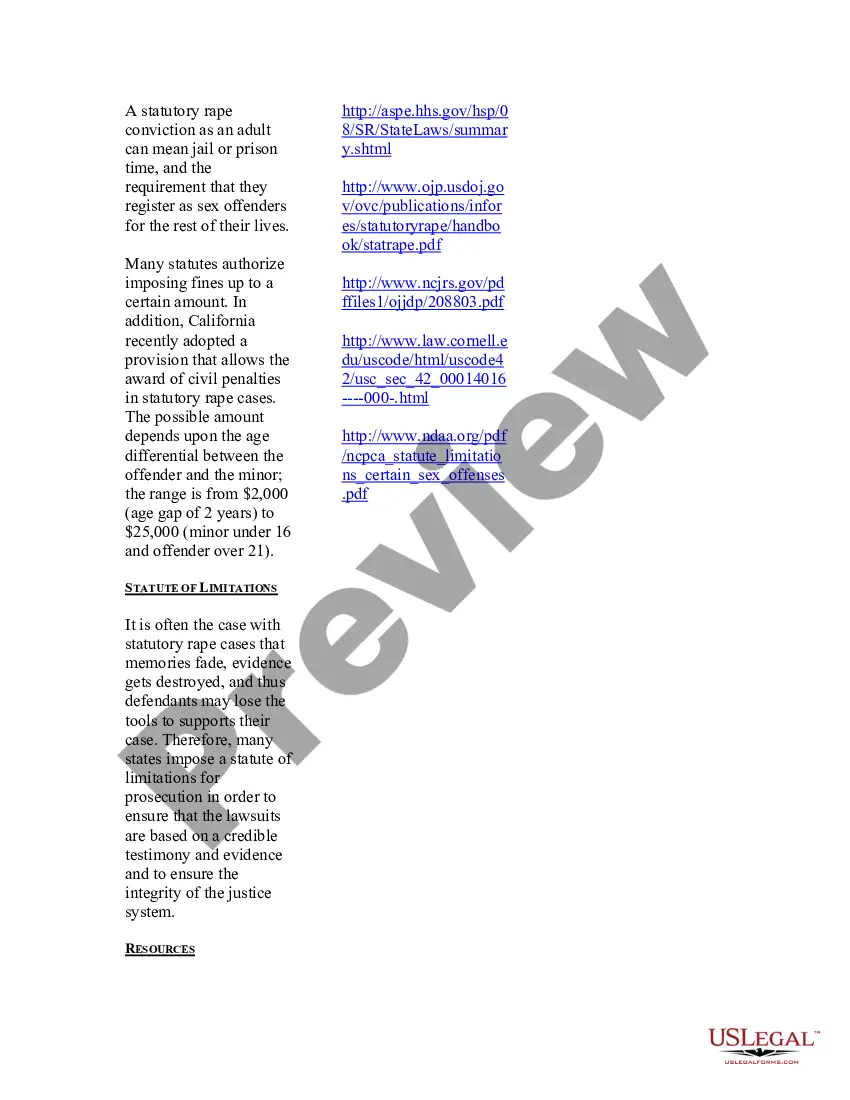
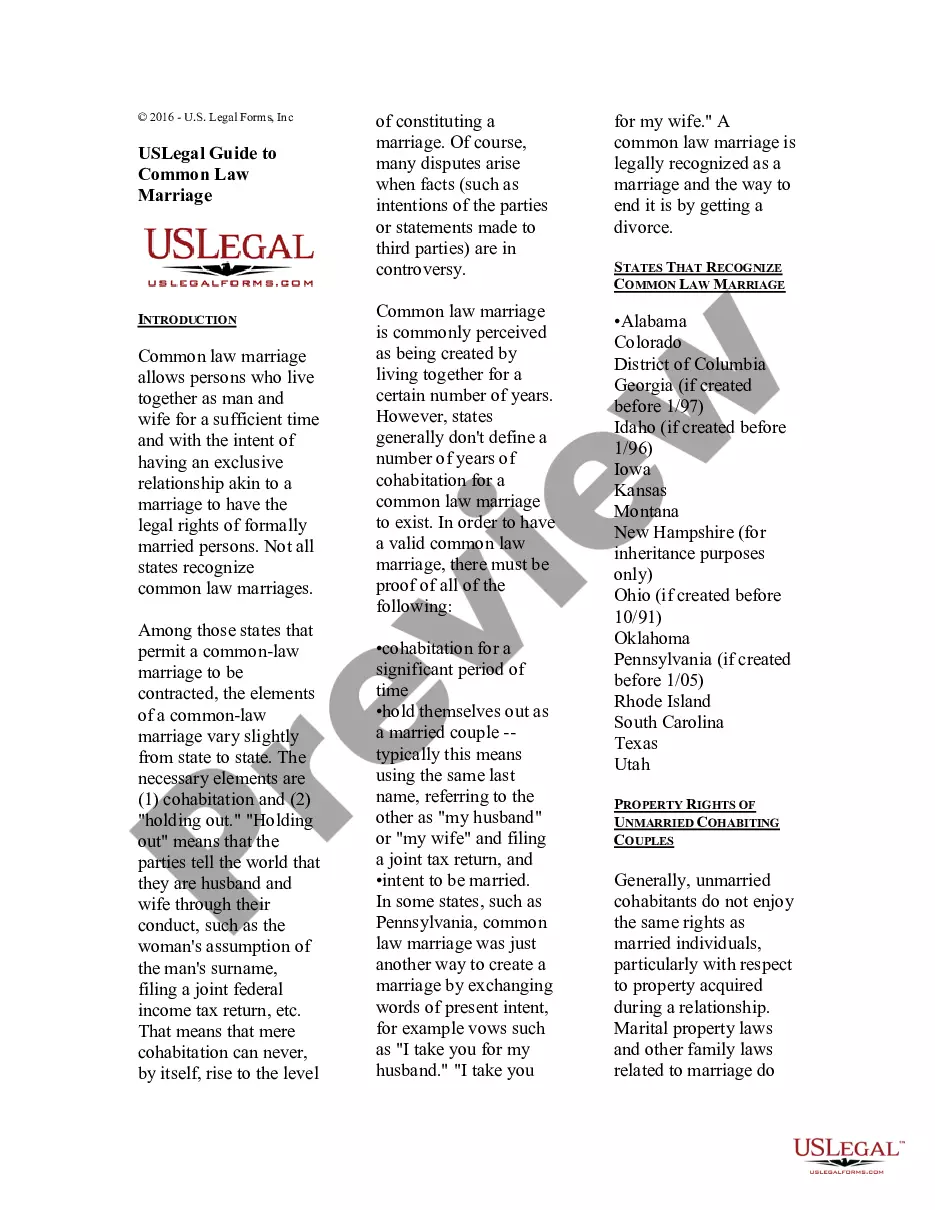
Get your form ready online
Our built-in tools help you complete, sign, share, and store your documents in one place.
Make edits, fill in missing information, and update formatting in US Legal Forms—just like you would in MS Word.
Download a copy, print it, send it by email, or mail it via USPS—whatever works best for your next step.
Sign and collect signatures with our SignNow integration. Send to multiple recipients, set reminders, and more. Go Premium to unlock E-Sign.
If this form requires notarization, complete it online through a secure video call—no need to meet a notary in person or wait for an appointment.
We protect your documents and personal data by following strict security and privacy standards.

Make edits, fill in missing information, and update formatting in US Legal Forms—just like you would in MS Word.

Download a copy, print it, send it by email, or mail it via USPS—whatever works best for your next step.

Sign and collect signatures with our SignNow integration. Send to multiple recipients, set reminders, and more. Go Premium to unlock E-Sign.

If this form requires notarization, complete it online through a secure video call—no need to meet a notary in person or wait for an appointment.

We protect your documents and personal data by following strict security and privacy standards.
Looking for another form?







How to fill out USLegal Guide To Statutory Rape?
Finding a reliable spot to obtain the most up-to-date and suitable legal templates is a significant part of managing bureaucracy.
Selecting the appropriate legal documents demands precision and carefulness, which is why it's crucial to obtain samples of Statutory Rape In The Philippines exclusively from trustworthy sources, such as US Legal Forms.
Eliminate the hassle associated with your legal paperwork. Explore the vast US Legal Forms library where you can locate legal templates, assess their appropriateness to your situation, and download them instantaneously.
- Utilize the library navigation or search bar to locate your template.
- Review the form’s description to verify if it meets your state's and county's requirements.
- Check the form preview, if available, to confirm that the template is precisely what you are looking for.
- Return to the search and find the correct template if the Statutory Rape In The Philippines does not meet your expectations.
- If you are confident about the form’s applicability, download it.
- As an authorized customer, click Log in to verify and access your chosen templates in My documents.
- If you don’t have an account yet, click Buy now to acquire the form.
- Choose the pricing plan that suits your needs.
- Proceed with registration to finalize your purchase.
- Complete your transaction by selecting a payment option (credit card or PayPal).
- Select the file format for downloading Statutory Rape In The Philippines.
- Once you have the document on your device, you can edit it using the editor or print it out and finish it manually.
Form popularity
FAQ
The age of a minor in the Philippines is defined as anyone under the age of 18. This specification is critical in legal cases and protections surrounding minors, particularly in the realm of statutory rape in the Philippines. Since minors are viewed as vulnerable, the law provides them with essential protections to prevent exploitation and abuse.
In the Philippines, youth is generally considered to be between the ages of 15 and 30. This demographic plays a crucial role in the social and economic development of the country. Understanding the legal definitions surrounding youth is important, especially in discussions of statutory rape in the Philippines, as it affects various policies and support systems available to young individuals.
The law on minors in the Philippines is guided by the Child Protection Act, which aims to safeguard children from abuse and exploitation. Under this law, any sexual contact with an individual under 18 years of age is defined as statutory rape in the Philippines, regardless of consent. The law emphasizes the need for protective measures to ensure the rights and welfare of minors are upheld.
In the Philippines, the age of majority is 18 years old. At this age, individuals legally transition from being minors to adults. However, when discussing statutory rape in the Philippines, it's crucial to note that the law considers individuals under 18 to be minors. This distinction plays a significant role in the legal framework surrounding consent and sexual activity.
The legal age for various actions, including marriage and sexual consent, is set at 18 years in the Philippines. However, the laws surrounding statutory rape in the Philippines provide distinct guidelines for protecting minors. Understanding these laws can prevent serious repercussions and ensure compliance. For those seeking clarity, UsLegalForms is an excellent resource for detailed legal guidelines and age-related laws.
In the Philippines, senior citizens, PWDs (persons with disabilities), and certain pensioners qualify for tax exemptions. These exemptions are designed to support vulnerable populations by reducing their tax burden. While discussing legal topics like statutory rape in the Philippines, it's crucial to recognize how laws impact individuals differently. UsLegalForms can assist in providing detailed information on who qualifies for various exemptions.
The close in age exemption in the Philippines allows for some leniency in the prosecution of statutory rape cases when both parties are close in age. This rule aims to distinguish between exploitative and consensual acts among young individuals. Knowing the nuances of statutory rape in the Philippines can help you navigate potential legal issues. UsLegalForms provides helpful information to clarify these legal distinctions.
The close to age exemption is a legal provision designed to prevent individuals close in age from being prosecuted for statutory rape in the Philippines. This exemption recognizes the importance of age proximity in consensual relationships, ensuring fair treatment under the law. As you explore topics like statutory rape in the Philippines, it's essential to understand how these exemptions can affect legal cases. UsLegalForms offers guidance on age-related laws pertinent to your situation.
In the Philippines, senior citizens can enjoy various tax exemptions, including discounts on goods and services. These exemptions help alleviate the financial burden faced by individuals aged 60 and above. Understanding laws like statutory rape in the Philippines illustrates the serious legal matters that even seniors must navigate. Utilizing resources like UsLegalForms can help seniors access the necessary information on tax exemptions for their benefit.
Statutory law in the Philippines consists of laws created through legislative processes, including the Constitution, statutes, and municipal regulations. Specifically, statutory rape in the Philippines falls under the Revised Penal Code, which defines offenses and establishes penalties for crimes against minors. This framework aims to protect vulnerable individuals from exploitation and abuse. Engaging with platforms like UsLegalForms can provide you with essential legal documents and information to navigate these laws.