Restraining Order With Child Involved
Description
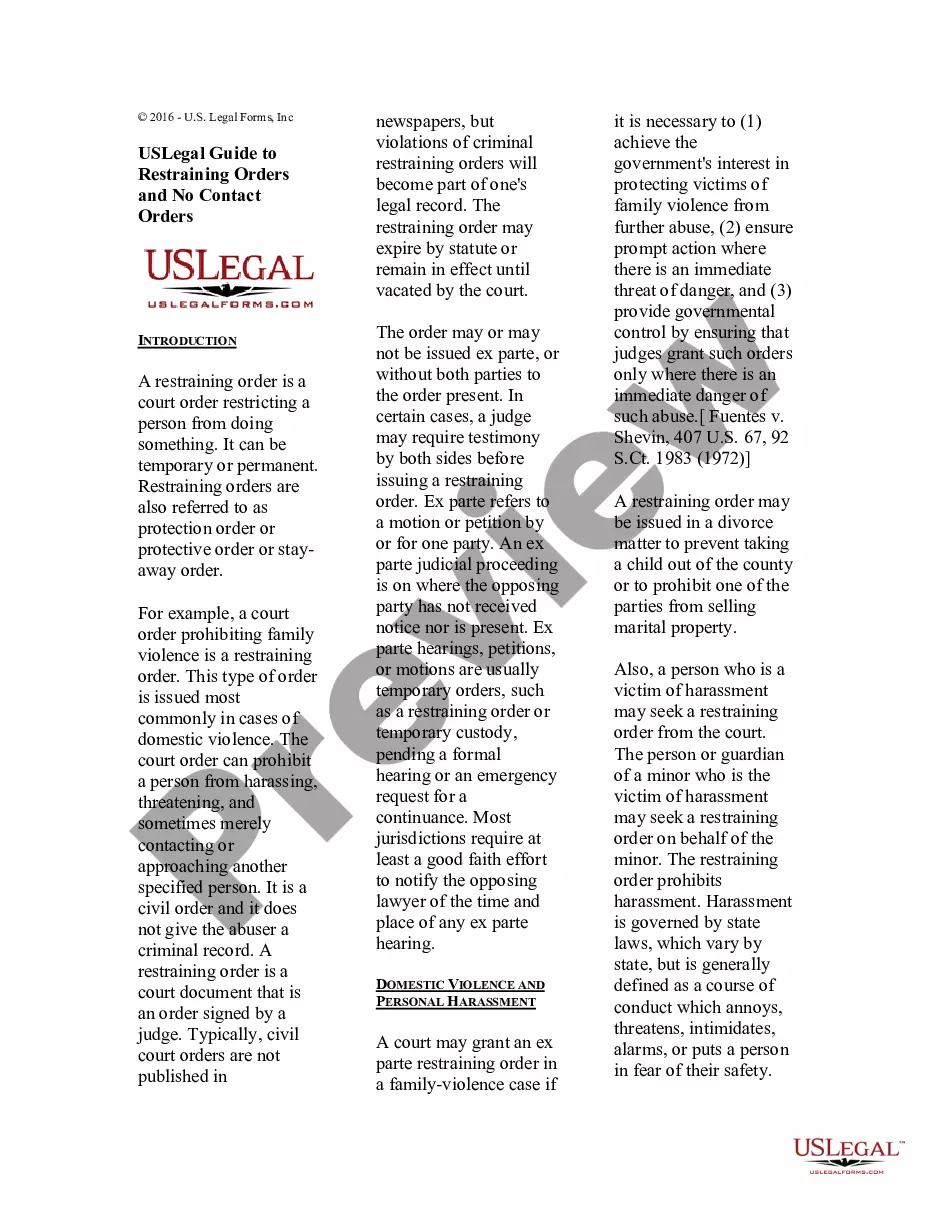
Get your form ready online
Our built-in tools help you complete, sign, share, and store your documents in one place.
Make edits, fill in missing information, and update formatting in US Legal Forms—just like you would in MS Word.
Download a copy, print it, send it by email, or mail it via USPS—whatever works best for your next step.
Sign and collect signatures with our SignNow integration. Send to multiple recipients, set reminders, and more. Go Premium to unlock E-Sign.
If this form requires notarization, complete it online through a secure video call—no need to meet a notary in person or wait for an appointment.
We protect your documents and personal data by following strict security and privacy standards.

Make edits, fill in missing information, and update formatting in US Legal Forms—just like you would in MS Word.

Download a copy, print it, send it by email, or mail it via USPS—whatever works best for your next step.

Sign and collect signatures with our SignNow integration. Send to multiple recipients, set reminders, and more. Go Premium to unlock E-Sign.

If this form requires notarization, complete it online through a secure video call—no need to meet a notary in person or wait for an appointment.

We protect your documents and personal data by following strict security and privacy standards.
Looking for another form?


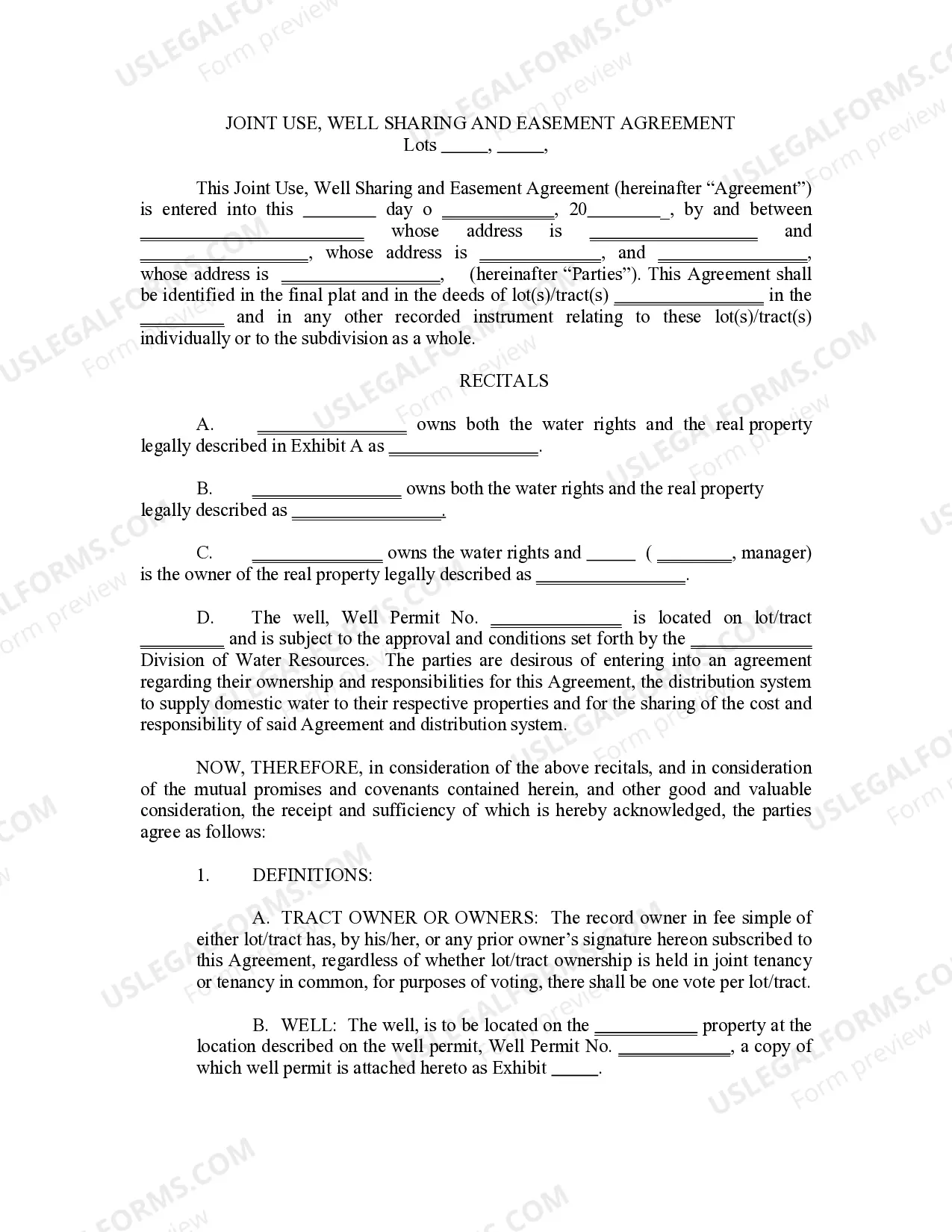





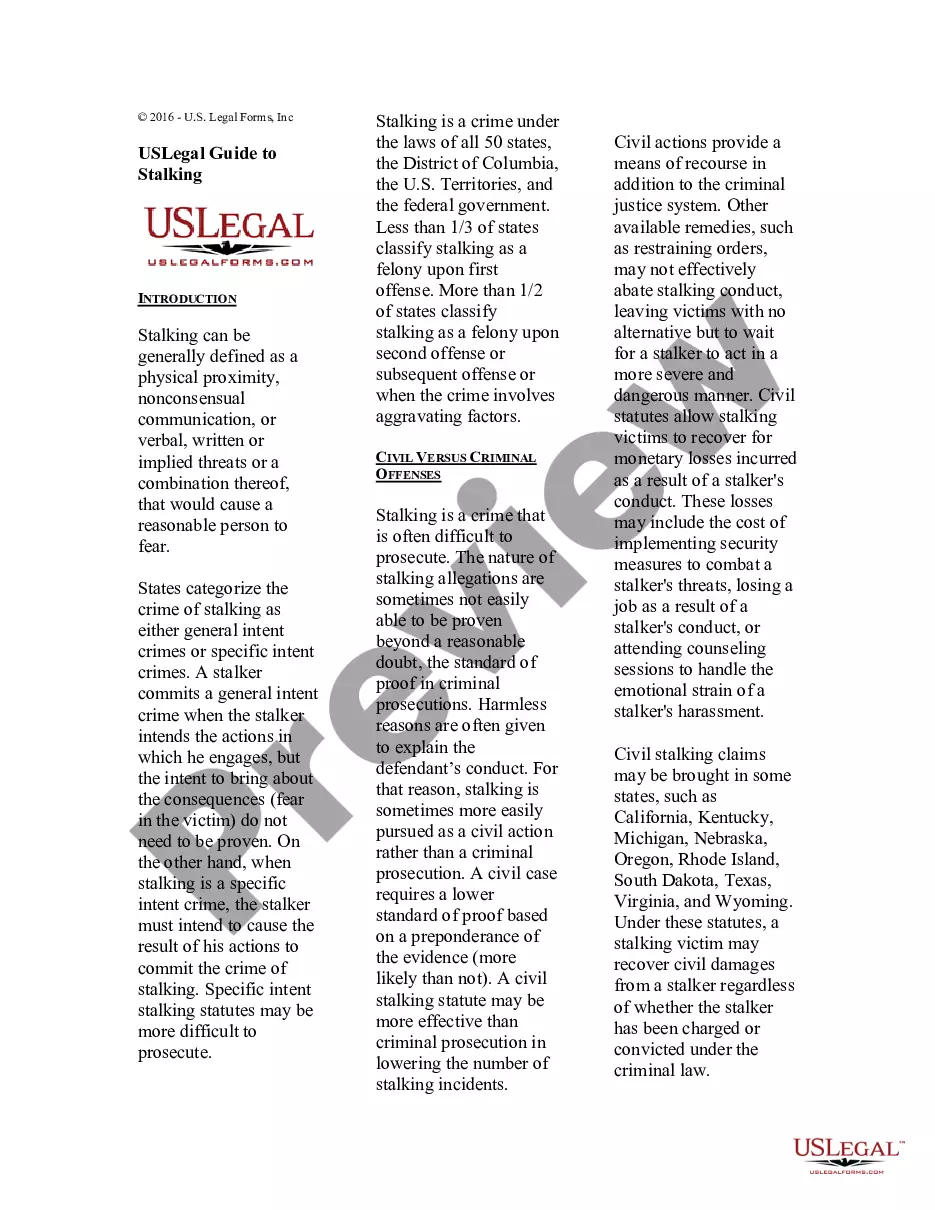
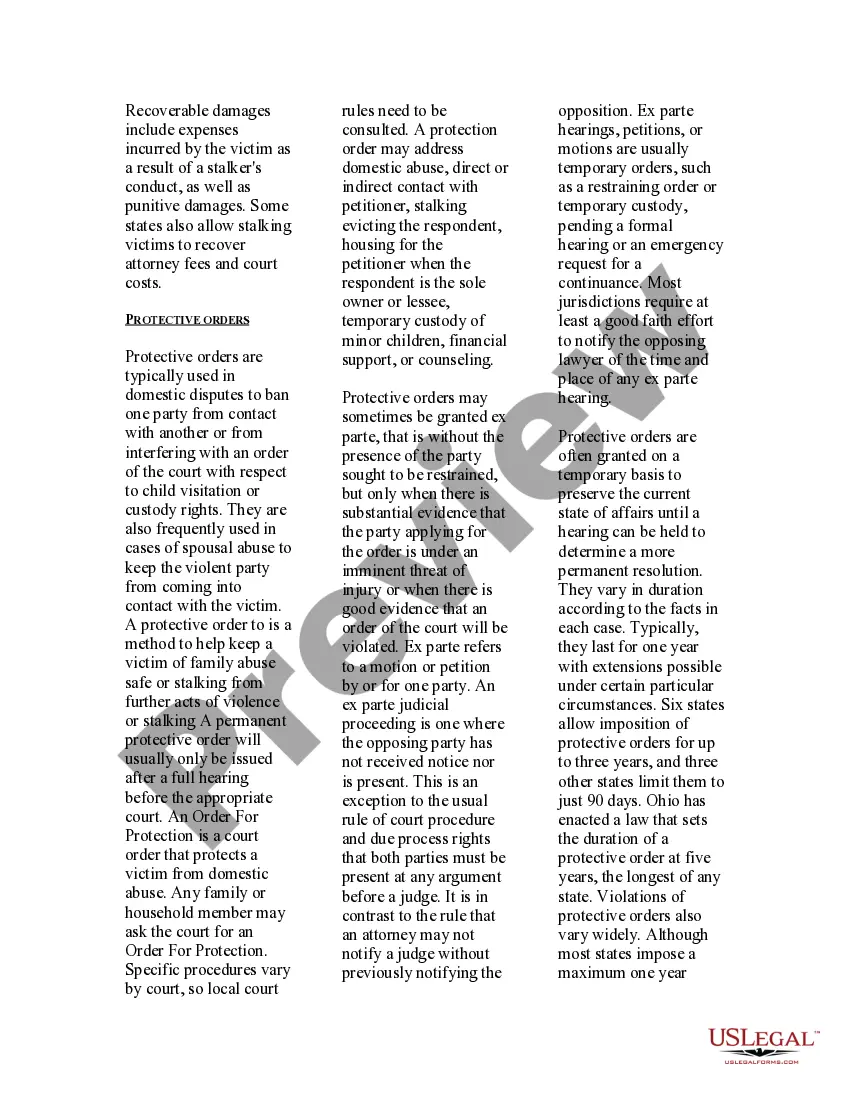
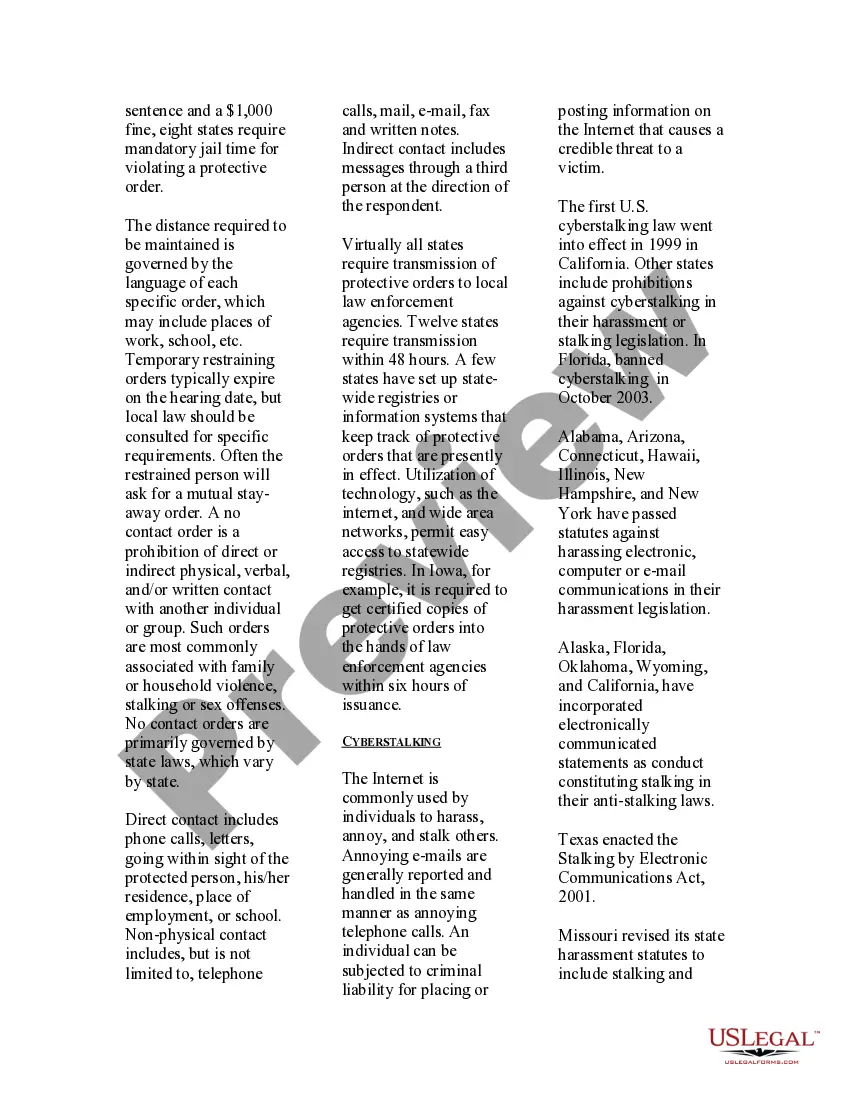
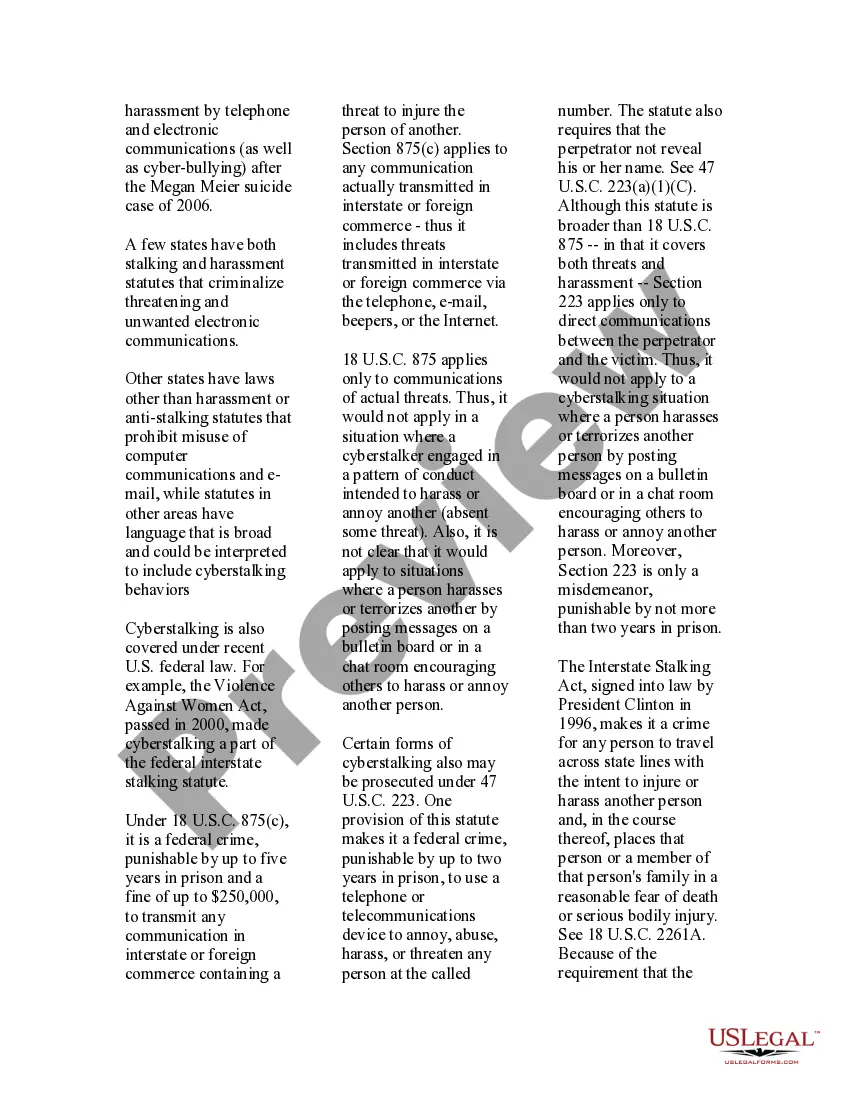
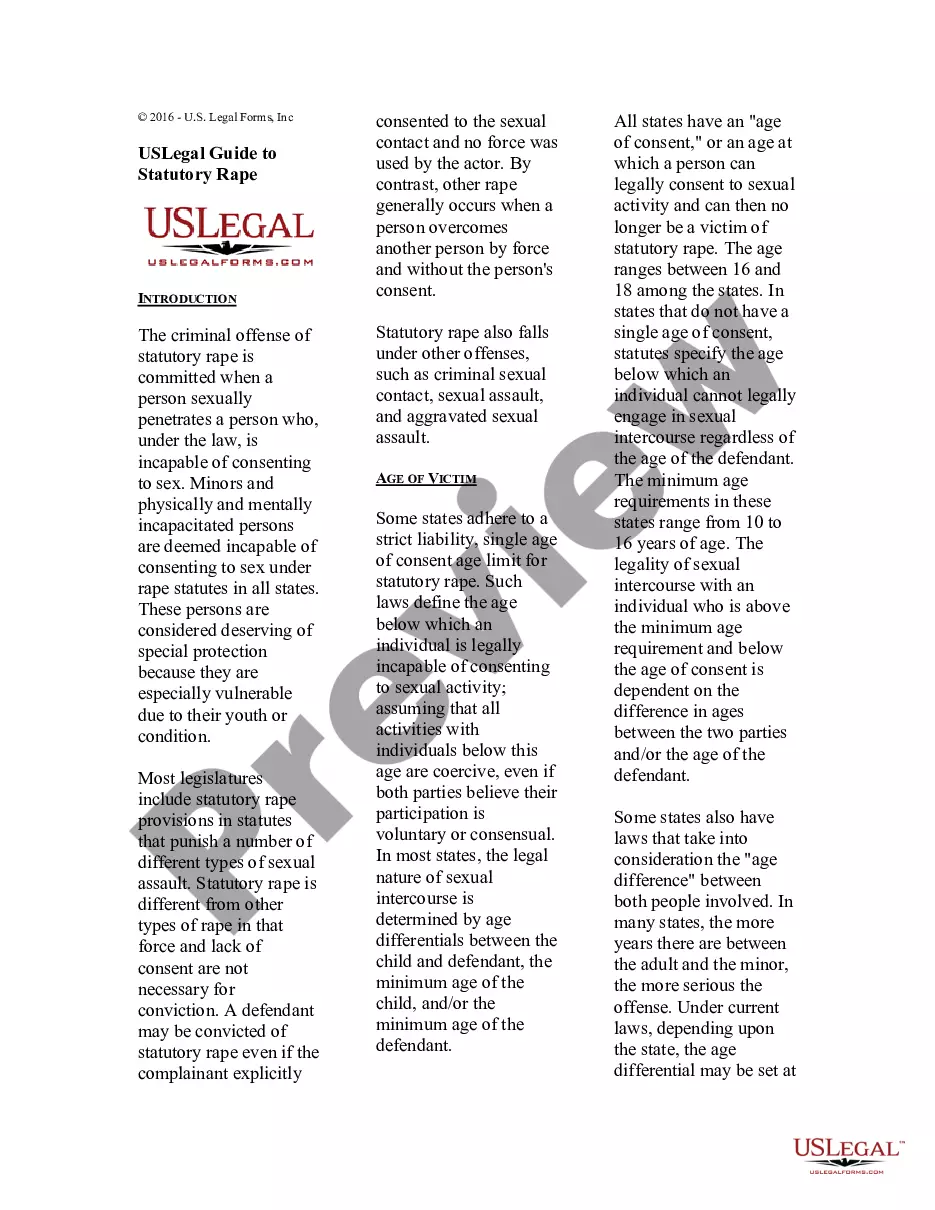
How to fill out USLegal Guide To Stalking?
It’s clear that you cannot become a legal expert instantly, nor can you discover how to swiftly prepare a Restraining Order With Child Involved without the necessity of a specialized background.
Assembling legal documents is a lengthy process that demands specific training and expertise. So why not entrust the creation of the Restraining Order With Child Involved to the specialists.
With US Legal Forms, one of the most comprehensive legal document repositories, you can discover anything from court documents to templates for internal corporate communication.
Initiate your search again if you require any other template.
Register for a complimentary account and select a subscription plan to acquire the form. Choose Buy now. Once the payment is finalized, you can download the Restraining Order With Child Involved, complete it, print it, and send or post it to the necessary individuals or organizations.
- We recognize how crucial compliance and adherence to federal and state regulations are.
- That’s why, on our platform, all forms are location-specific and current.
- Here’s how you can begin with our website and obtain the document you require in just minutes.
- Locate the form you need using the search bar at the top of the page.
- Preview it (if this option is available) and review the supporting description to confirm whether Restraining Order With Child Involved is what you’re seeking.
Form popularity
FAQ
In New Jersey, qualifying factors for a restraining order with child involved include acts of domestic violence, such as physical harm, threats, or emotional abuse. The law considers various behaviors, including intimidation and harassment, as grounds for filing. It's important to demonstrate how these actions affect you and your child’s safety. Consulting with resources like US Legal Forms can simplify the process and help you understand your rights.
In Indiana, grounds for a restraining order with child involved include situations of domestic violence, stalking, or any form of harassment. Additionally, if you believe the other party poses a physical or emotional threat to you or your child, that can also support your case. It’s essential to gather evidence and provide clear details about your circumstances. Utilizing services like US Legal Forms can guide you in preparing the necessary documentation.
You should file a restraining order with child involved when you feel threatened or unsafe in your current situation. If there is a history of abuse, harassment, or intimidation, taking legal action promptly is crucial. This process can help protect you and your child from potential harm. By acting swiftly, you can create a safer environment for both of you.
A protective order can significantly impact child custody arrangements. Courts prioritize the child's safety, and a restraining order with child involved may lead to modifications in custody or visitation rights. It's essential to understand that these legal measures aim to protect the child from harm while balancing parental rights. Seeking assistance from US Legal Forms can help clarify your situation and guide you through the legal implications.
Co-parenting with someone you have a restraining order against can be challenging but is often necessary for the sake of the child. Establish clear communication channels that respect the boundaries set by the restraining order with child involved. Focus on the child’s needs and maintain a professional tone in all interactions. Consider using a mediator or legal professional to facilitate discussions and ensure a healthy co-parenting relationship.
The first step in filing a restraining order with child involved is to gather your documentation and evidence. This may include incidents of abuse, threats, or other behaviors that justify the order. Next, you will need to complete the necessary forms, which can often be found on platforms like US Legal Forms. Once you have everything prepared, you can file the order at your local court.
Restraining orders with child involved are designed to protect both the parent and the child from harm. Courts assess the situation to determine the best interests of the child, often including provisions for visitation and custody. It’s crucial to understand that these orders can impact parenting arrangements, so seeking legal advice can help clarify your rights and obligations. Utilizing platforms like US Legal Forms can assist you in navigating these complexities.
Many individuals overlook essential documentation when seeking a restraining order with child involved. Failing to provide adequate evidence or not understanding the legal criteria can lead to denial. Additionally, some may misjudge the urgency of their situation, delaying the process unnecessarily. It’s critical to prepare thoroughly and consider using resources like US Legal Forms for guidance.
Yes, you can lose custody due to child endangerment. Courts prioritize the child's safety, and any actions that jeopardize their well-being can result in serious consequences. If a restraining order with a child involved is issued against you, it may indicate that your behavior poses a risk. To navigate these complex situations, consider using US Legal Forms for guidance and legal support.