Common Law Rules
Description

Get your form ready online
Our built-in tools help you complete, sign, share, and store your documents in one place.
Make edits, fill in missing information, and update formatting in US Legal Forms—just like you would in MS Word.
Download a copy, print it, send it by email, or mail it via USPS—whatever works best for your next step.
Sign and collect signatures with our SignNow integration. Send to multiple recipients, set reminders, and more. Go Premium to unlock E-Sign.
If this form requires notarization, complete it online through a secure video call—no need to meet a notary in person or wait for an appointment.
We protect your documents and personal data by following strict security and privacy standards.

Make edits, fill in missing information, and update formatting in US Legal Forms—just like you would in MS Word.

Download a copy, print it, send it by email, or mail it via USPS—whatever works best for your next step.

Sign and collect signatures with our SignNow integration. Send to multiple recipients, set reminders, and more. Go Premium to unlock E-Sign.

If this form requires notarization, complete it online through a secure video call—no need to meet a notary in person or wait for an appointment.

We protect your documents and personal data by following strict security and privacy standards.
Looking for another form?




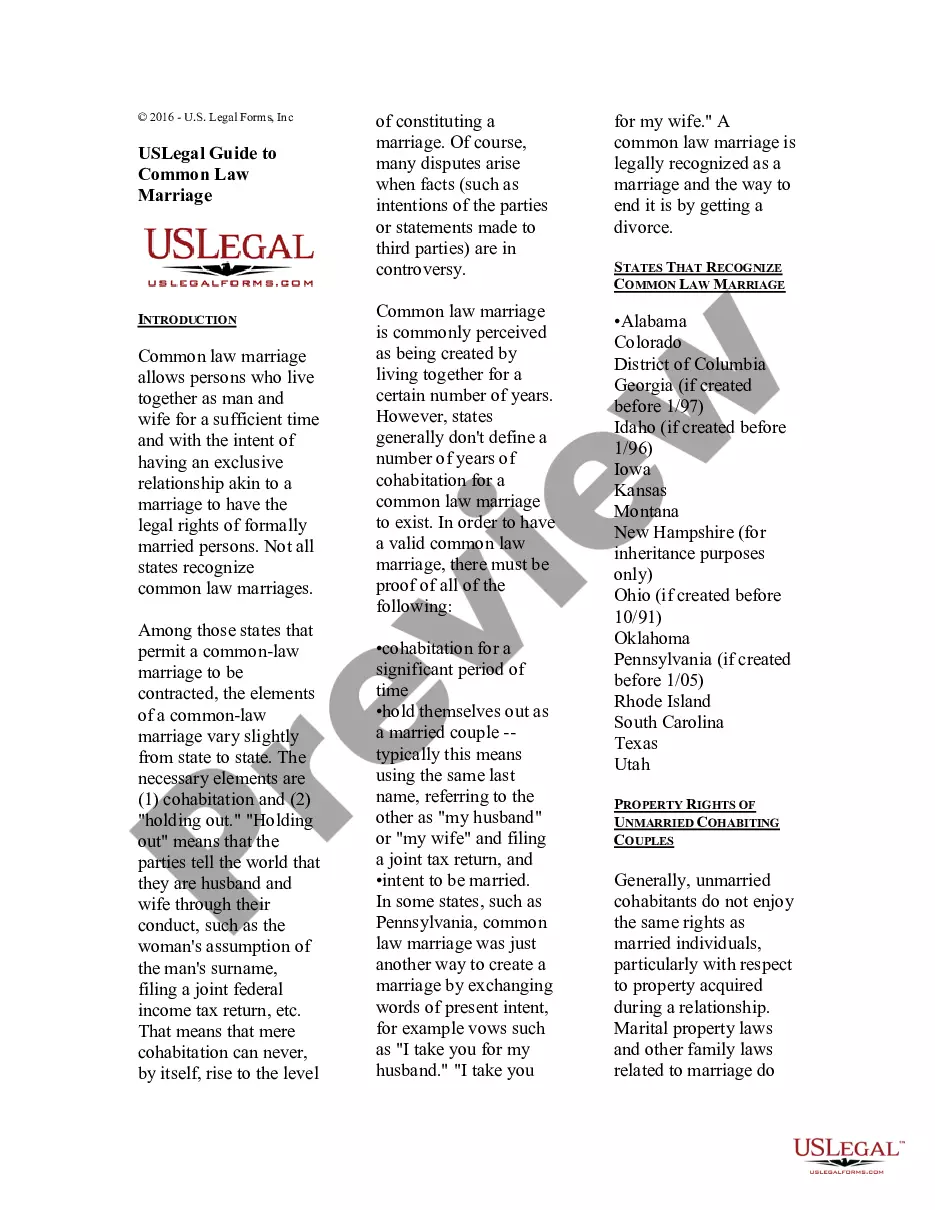
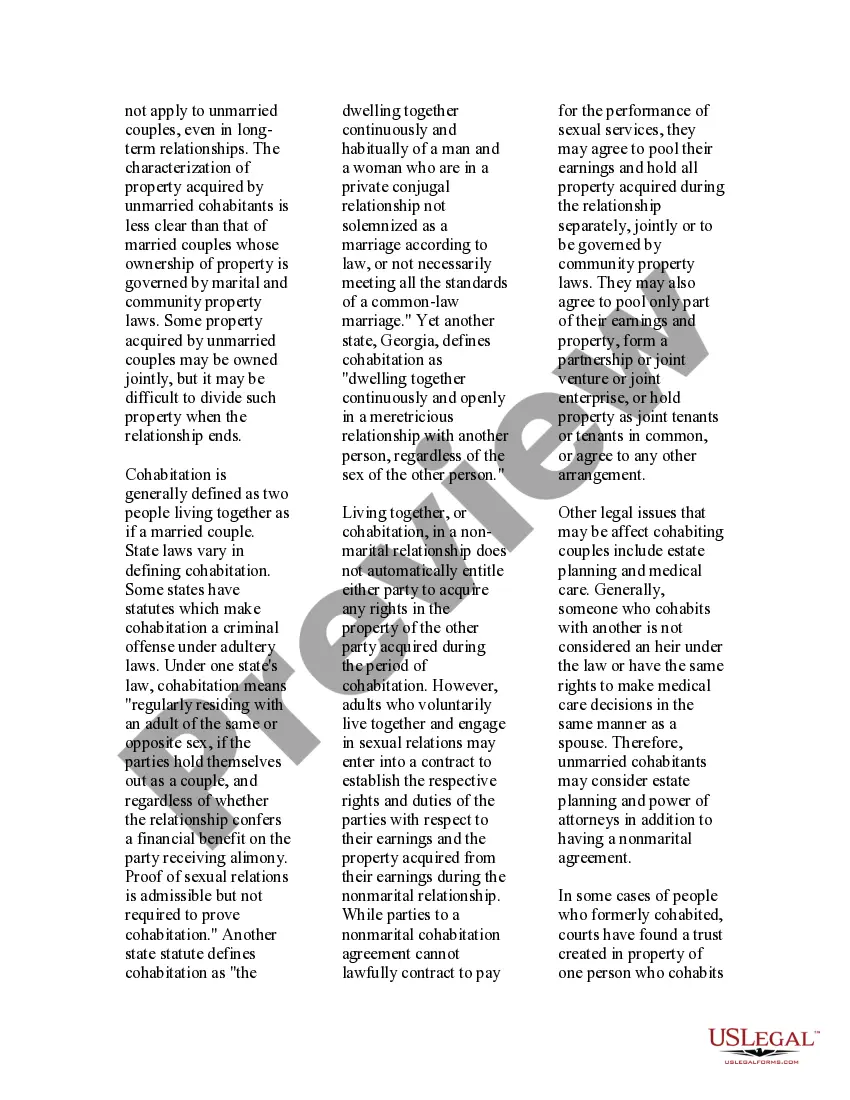
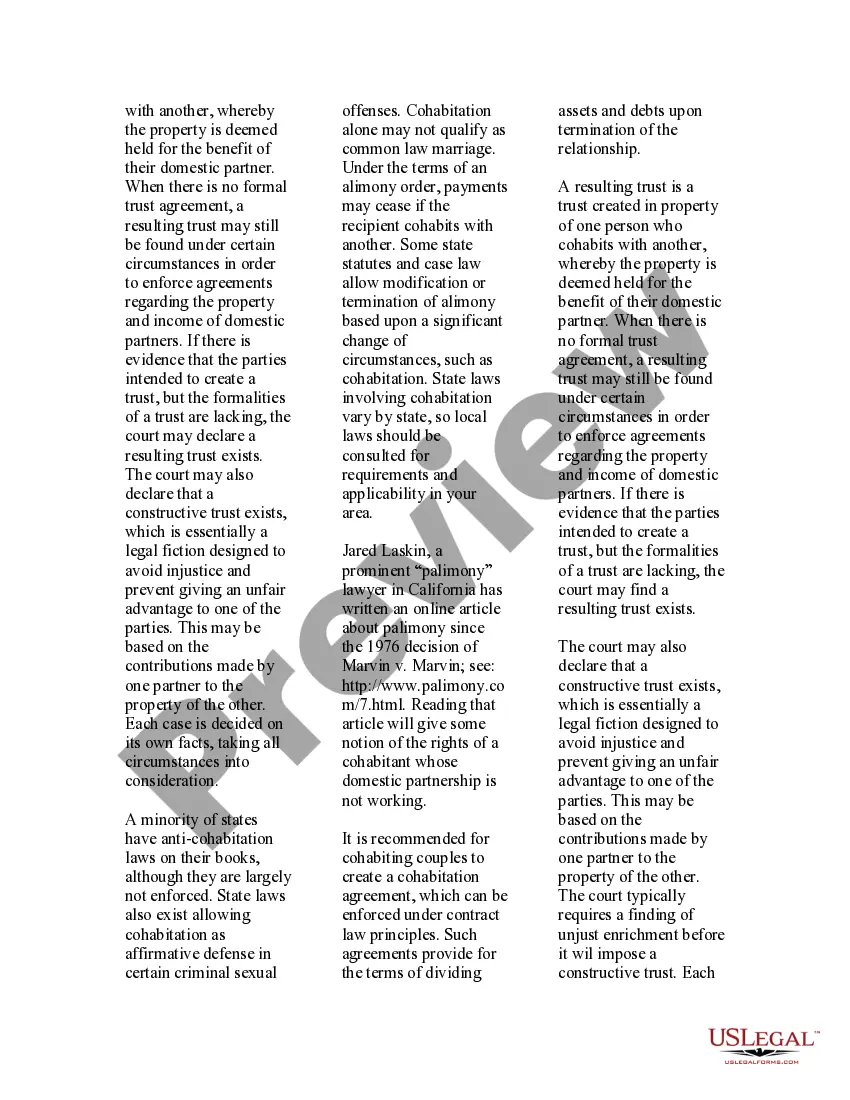
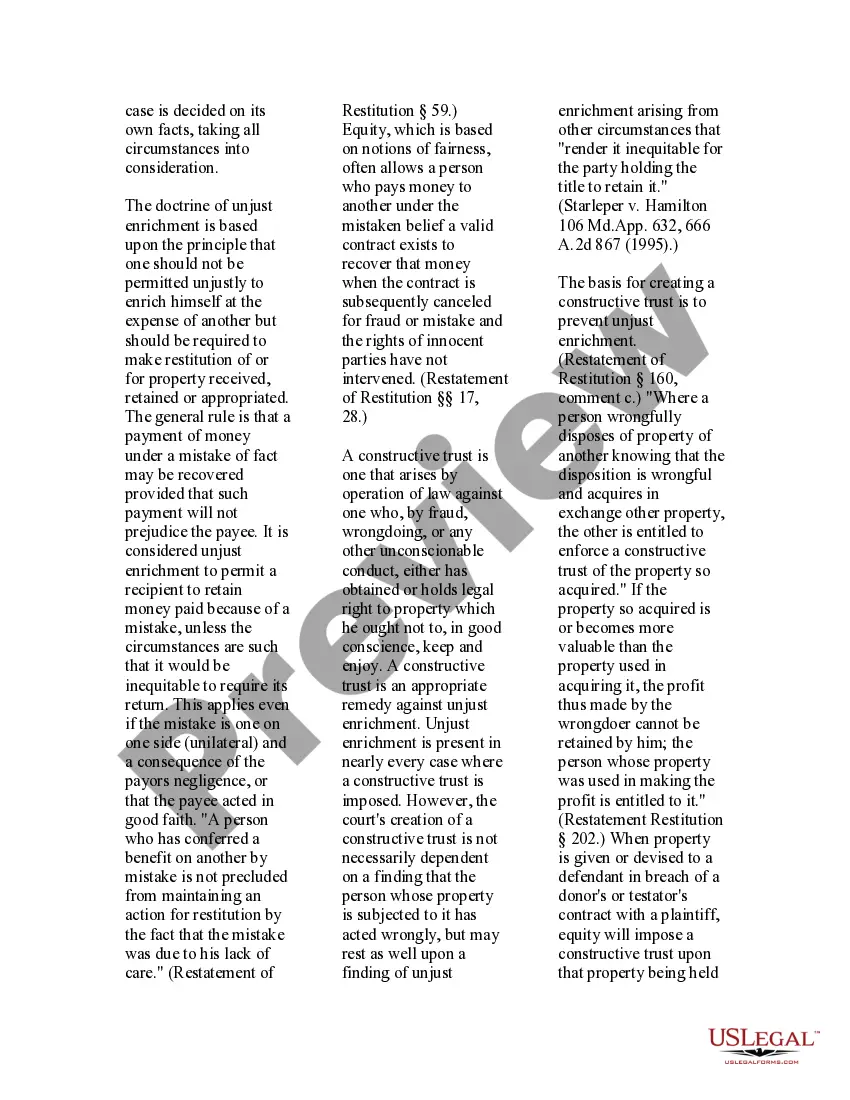
How to fill out USLegal Guide To Common Law Marriage?
It’s no secret that you can’t become a legal expert overnight, nor can you figure out how to quickly draft Common Law Rules without having a specialized set of skills. Creating legal documents is a time-consuming venture requiring a certain education and skills. So why not leave the preparation of the Common Law Rules to the specialists?
With US Legal Forms, one of the most extensive legal document libraries, you can access anything from court papers to templates for in-office communication. We know how crucial compliance and adherence to federal and local laws are. That’s why, on our platform, all forms are location specific and up to date.
Here’s how you can get started with our platform and get the document you require in mere minutes:
- Find the form you need by using the search bar at the top of the page.
- Preview it (if this option available) and read the supporting description to figure out whether Common Law Rules is what you’re looking for.
- Begin your search again if you need any other form.
- Set up a free account and select a subscription option to purchase the form.
- Choose Buy now. As soon as the payment is through, you can get the Common Law Rules, fill it out, print it, and send or mail it to the designated individuals or organizations.
You can re-access your forms from the My Forms tab at any time. If you’re an existing customer, you can simply log in, and locate and download the template from the same tab.
Regardless of the purpose of your forms-whether it’s financial and legal, or personal-our platform has you covered. Try US Legal Forms now!
Form popularity
FAQ
Common law is a body of unwritten laws based on legal precedents established by the courts. Common law influences the decision-making process in unusual cases where the outcome cannot be determined based on existing statutes or written rules of law.
What is an example of common law? The concept of common-law marriage, which acknowledges similar rights as those that have a marriage license to couples that are not officially married if several conditions are met, is one example of common law in action today.
Common law is law that is derived from judicial decisions instead of from statutes.
A: Common law is based on all previous legal rulings made by judges in a common law court. Examples of such rulings are common law requirements for people to read contracts, doctor-patient confidentiality, copyright, and common law marriage.
Financial statements from any joint bank or credit accounts. tax returns that you filed as a married couple. leases, deeds, or mortgage documents showing that you jointly held property. insurance, employment, or other benefit forms or policies listing your partner as your spouse.