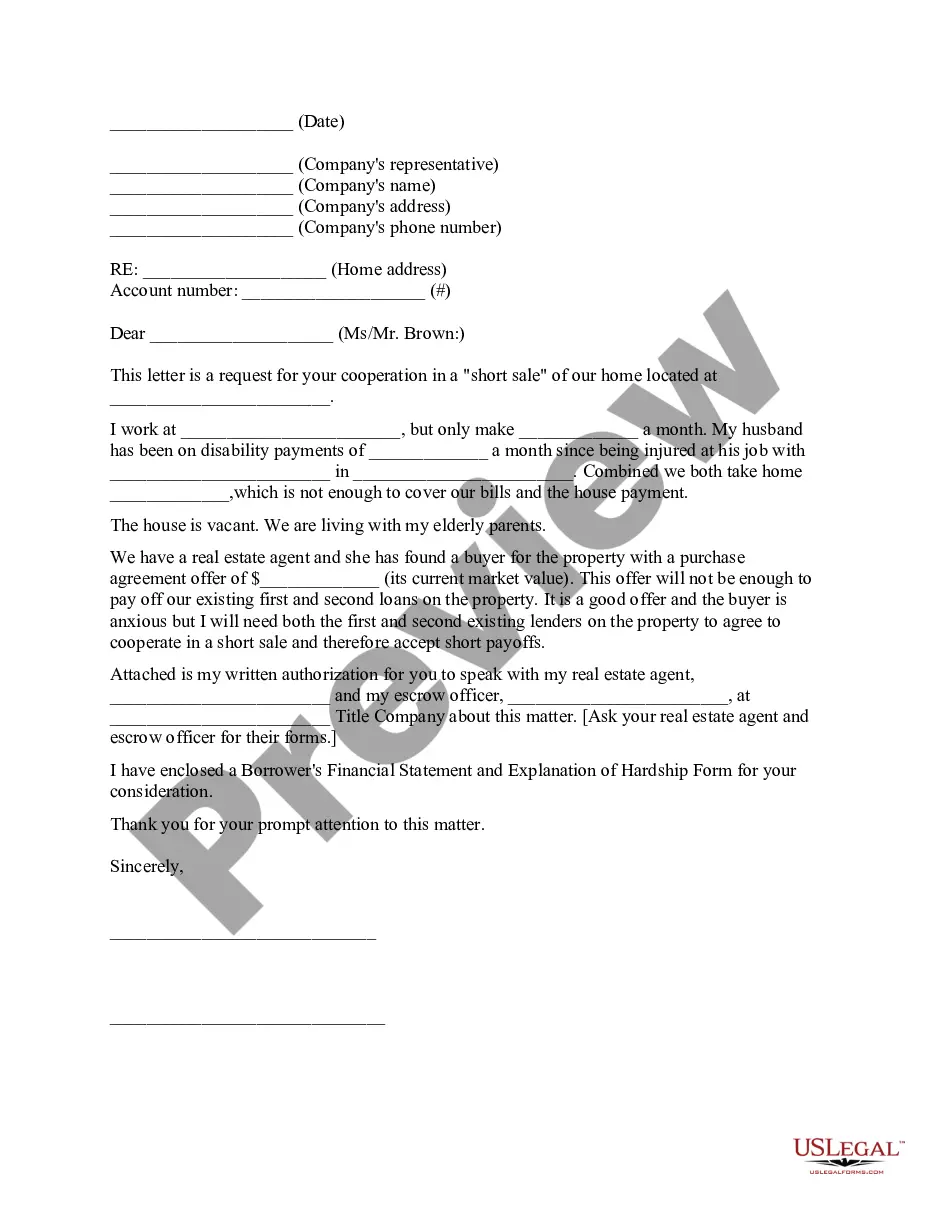
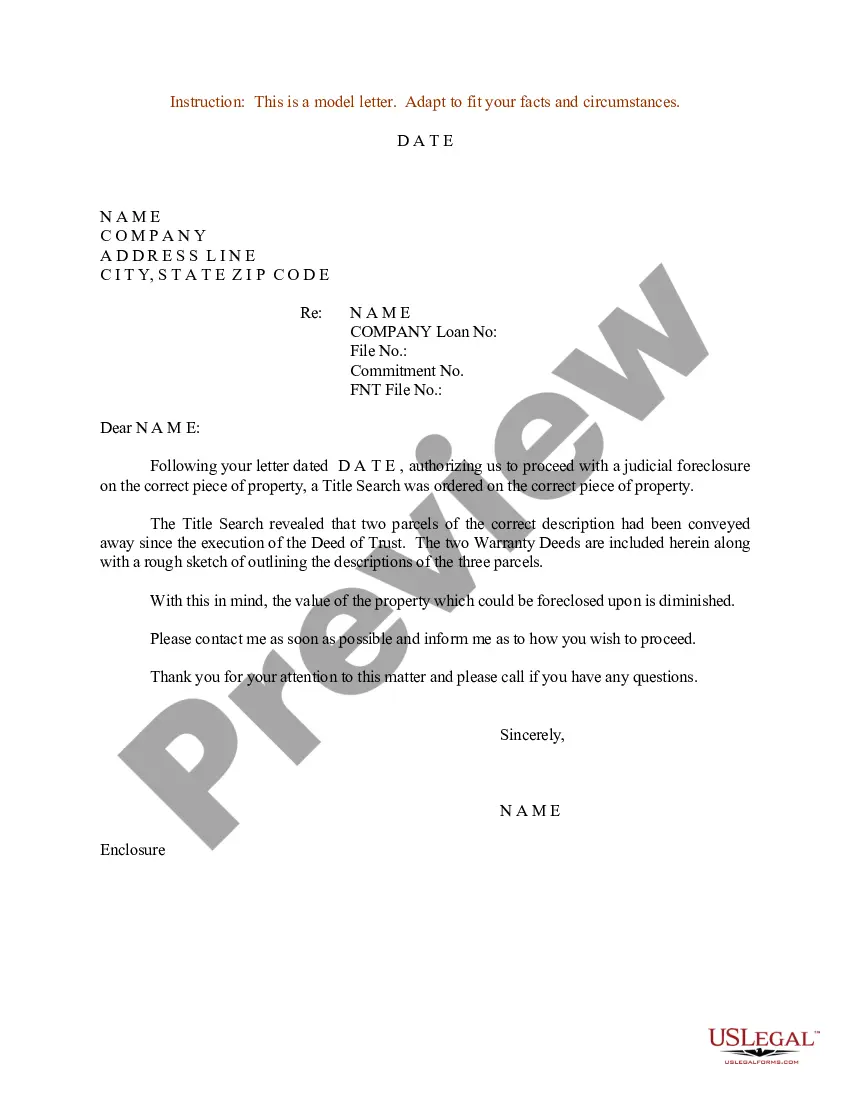
Short Sale Letter Format
Description
Get your form ready online
Our built-in tools help you complete, sign, share, and store your documents in one place.
Make edits, fill in missing information, and update formatting in US Legal Forms—just like you would in MS Word.
Download a copy, print it, send it by email, or mail it via USPS—whatever works best for your next step.
Sign and collect signatures with our SignNow integration. Send to multiple recipients, set reminders, and more. Go Premium to unlock E-Sign.
If this form requires notarization, complete it online through a secure video call—no need to meet a notary in person or wait for an appointment.
We protect your documents and personal data by following strict security and privacy standards.

Make edits, fill in missing information, and update formatting in US Legal Forms—just like you would in MS Word.

Download a copy, print it, send it by email, or mail it via USPS—whatever works best for your next step.

Sign and collect signatures with our SignNow integration. Send to multiple recipients, set reminders, and more. Go Premium to unlock E-Sign.

If this form requires notarization, complete it online through a secure video call—no need to meet a notary in person or wait for an appointment.

We protect your documents and personal data by following strict security and privacy standards.
Looking for another form?

How to fill out Sample Letter For Short Sale Request To Lender?
Dealing with legal documents and processes can be a lengthy addition to the day.
Short Sale Letter Format and similar forms often necessitate you to search for them and navigate the most effective way to complete them.
As a result, whether you are managing financial, legal, or personal issues, utilizing a detailed and accessible online catalog of forms when needed will significantly aid you.
US Legal Forms is the premier online platform for legal templates, featuring over 85,000 state-specific forms and a variety of tools to help you prepare your documents effortlessly.
Is this your first time using US Legal Forms? Register and create an account in a few minutes to gain access to the forms library and Short Sale Letter Format. Then, follow the steps below to finalize your form.
- Browse the collection of relevant materials available to you with a single click.
- US Legal Forms provides state- and county-specific templates accessible anytime for download.
- Safeguard your document management processes by using a superior service that allows you to assemble any form in moments without additional or undisclosed fees.
- Simply Log In to your account, locate Short Sale Letter Format, and obtain it immediately from the My documents section.
- You can also access previously downloaded documents.
Form popularity
FAQ
How to Make a Short Sale Offer Offer a Strong Earnest Money Deposit. Check the Comparable Sales. Don't Ask for Special Reports or Repairs. Give the Bank Some Time. Assure the Seller You'll Wait. Offer to Pay the Seller's Fees. Shorten Your Inspection Period. Provide a Strong Preapproval Letter.
A short sale approval letter is a letter that a lender issues to the seller if a short sale offer is approved for less than the amount the borrower owes on a mortgage. It's issued by the lender at the end of a short sale to demand the "short" loan payoff in return for releasing the lien on the property.
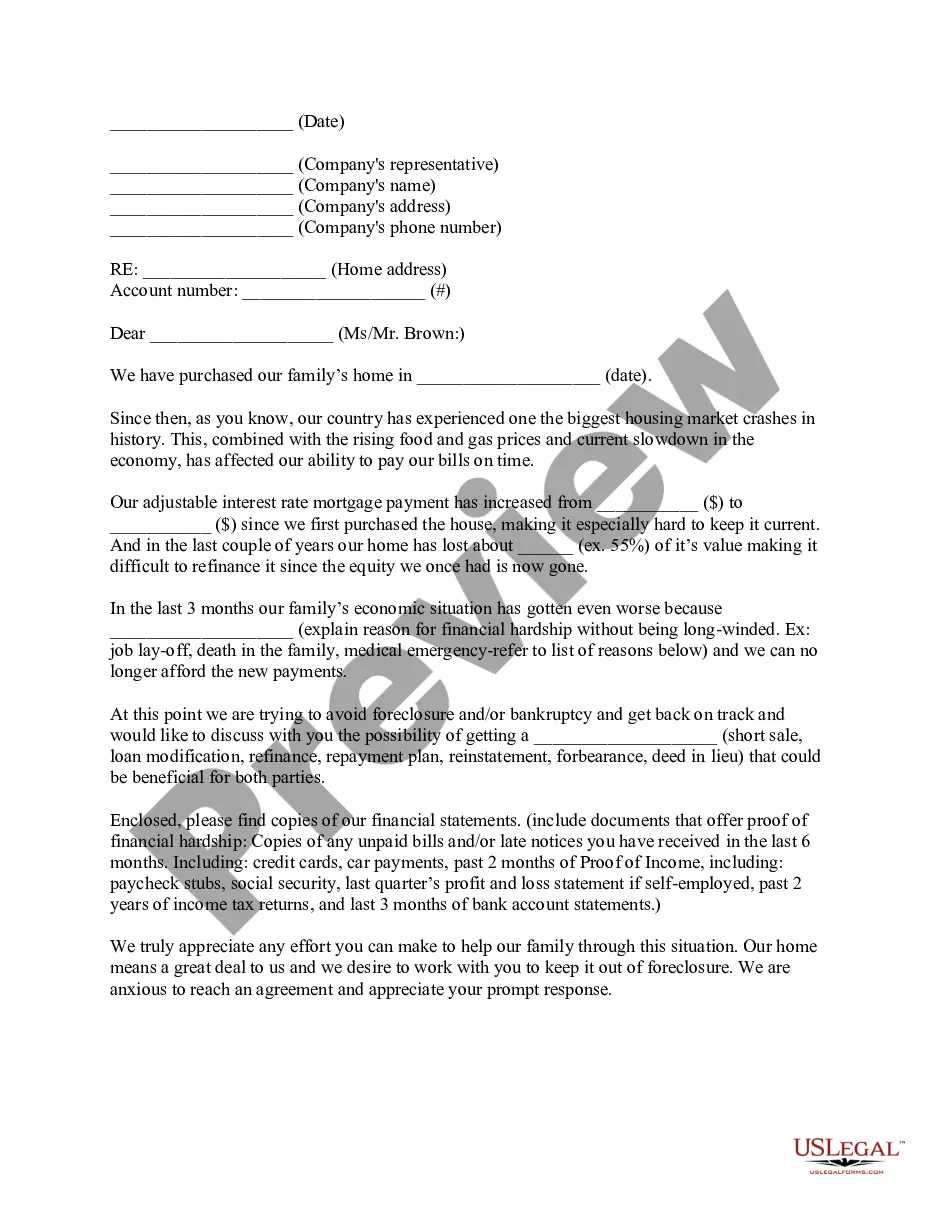
Lenders may use them to determine whether or not to offer relief through reduced, deferred, or suspended payments. Hardship Examples. ... Keep it original. ... Be honest. ... Keep it concise. ... Don't cast blame or shirk responsibility. ... Don't use jargon or fancy words. ... Keep your objectives in mind. ... Provide the creditor an action plan.
In the body of the letter, state the hardship that led you to fall behind on your mortgage payments. Explain to the lender what happened and why it was beyond your control. Keep your explanation brief. The goal of the hardship letter is to explain to the lender the nature of your hardship.
A short sale is an agreement of sale where the owner owes more money to the bank than the property is worth. Typically, the borrower (seller) can't maintain mortgage payments, and the bank allows the property to be sold at a loss instead of going all the way through the foreclosure process.