Self-Employed Precast Concrete Contract
What this document covers
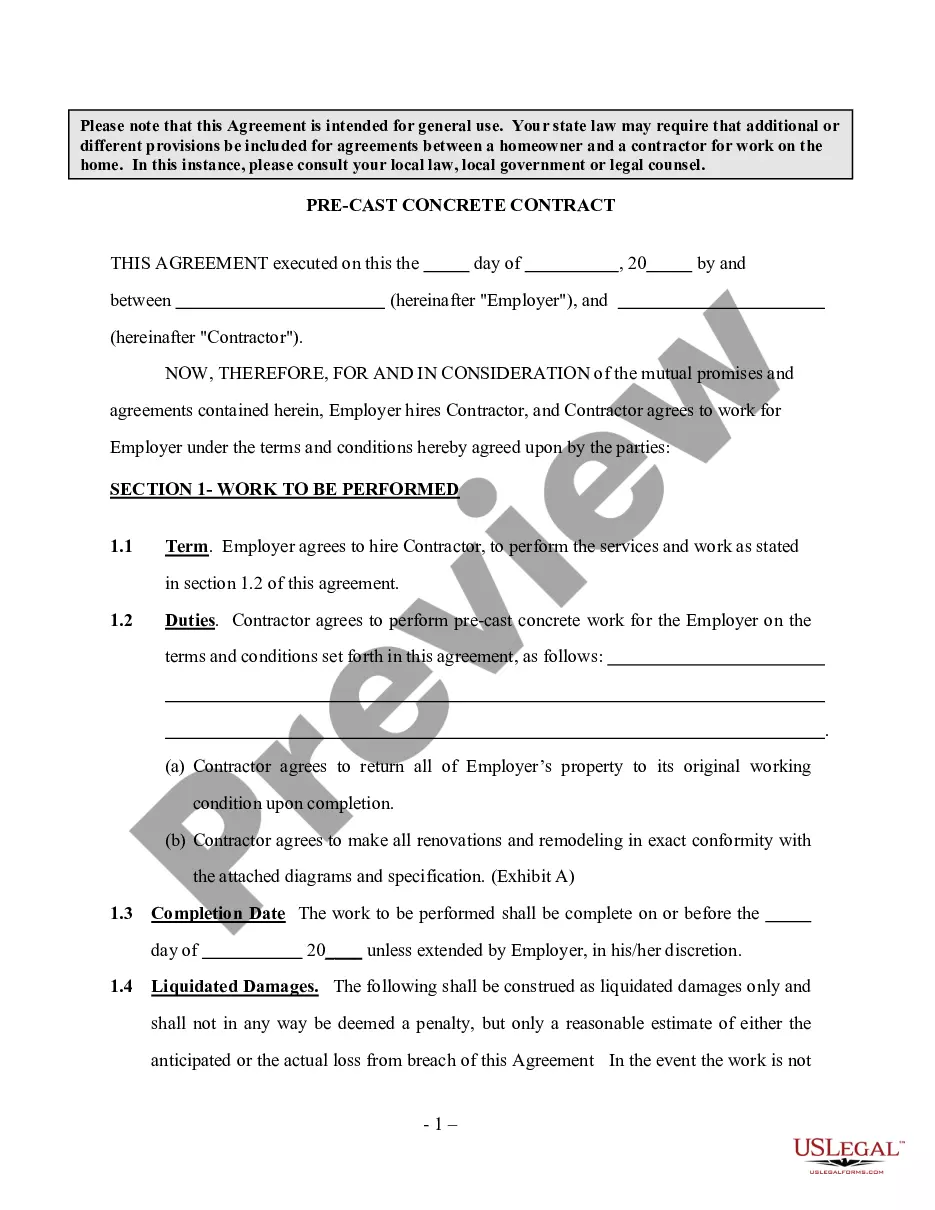
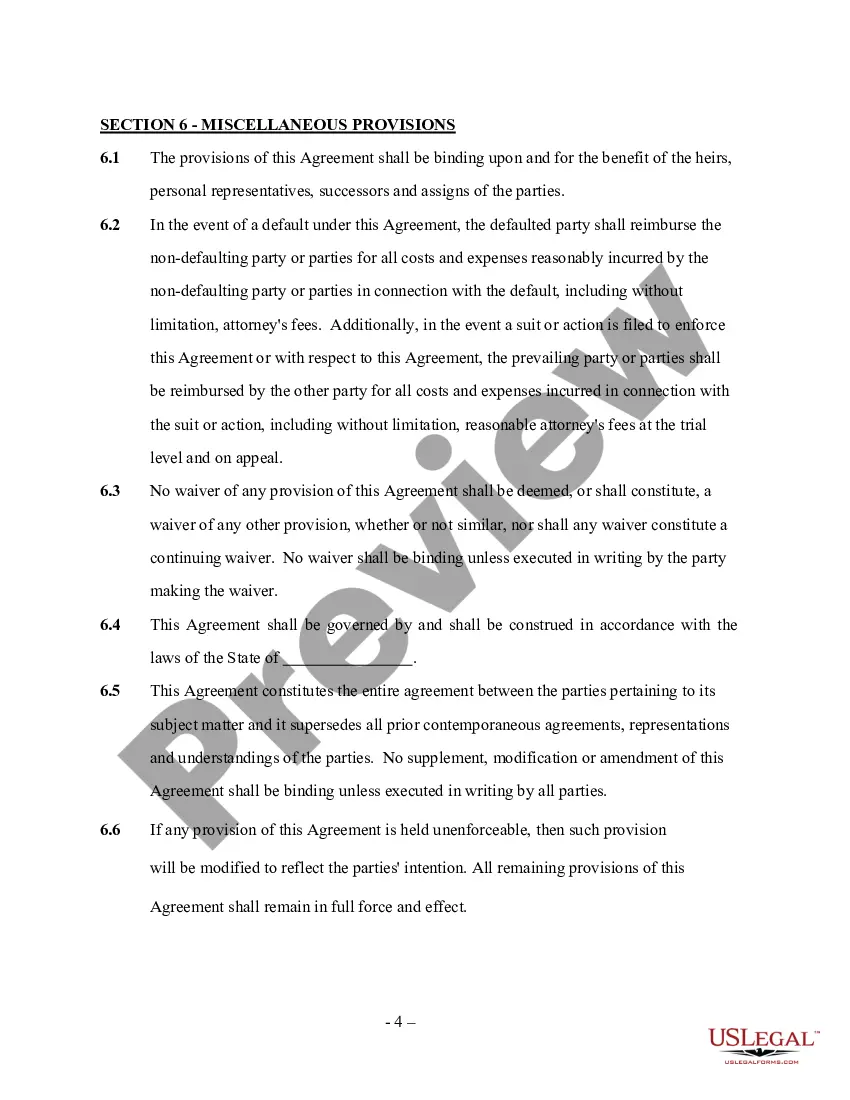
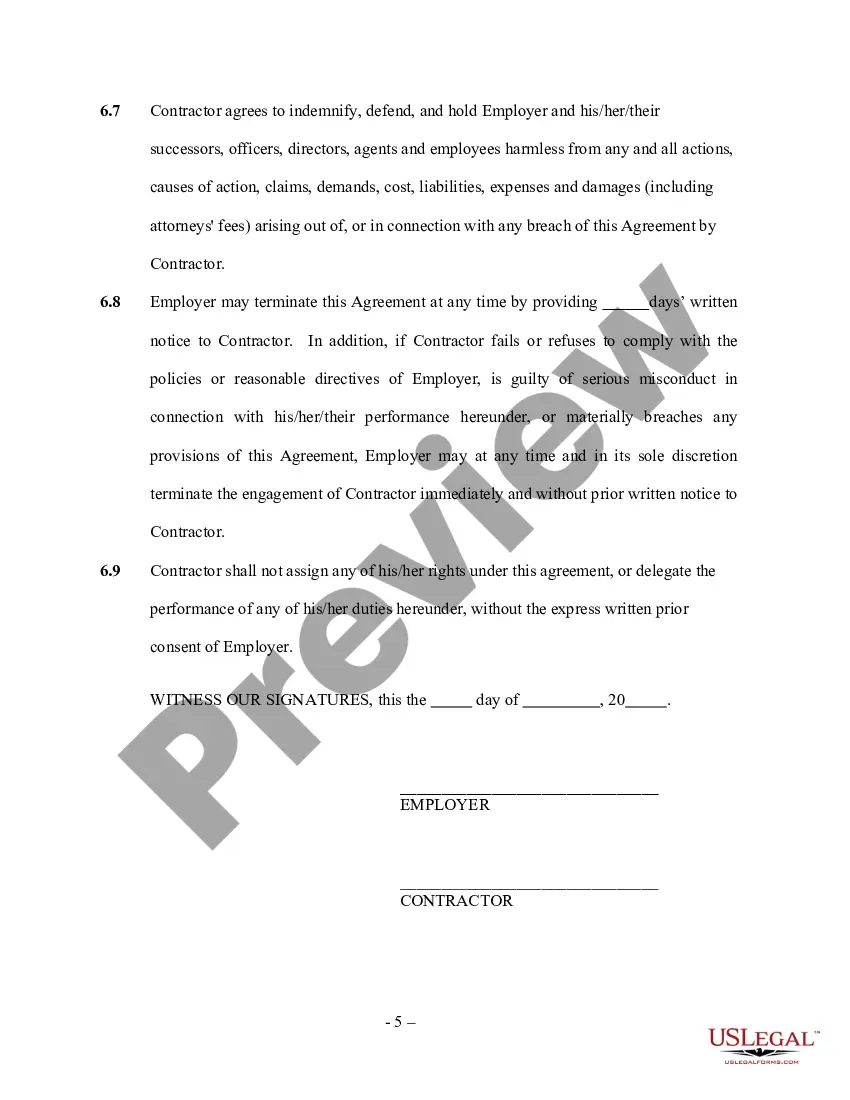
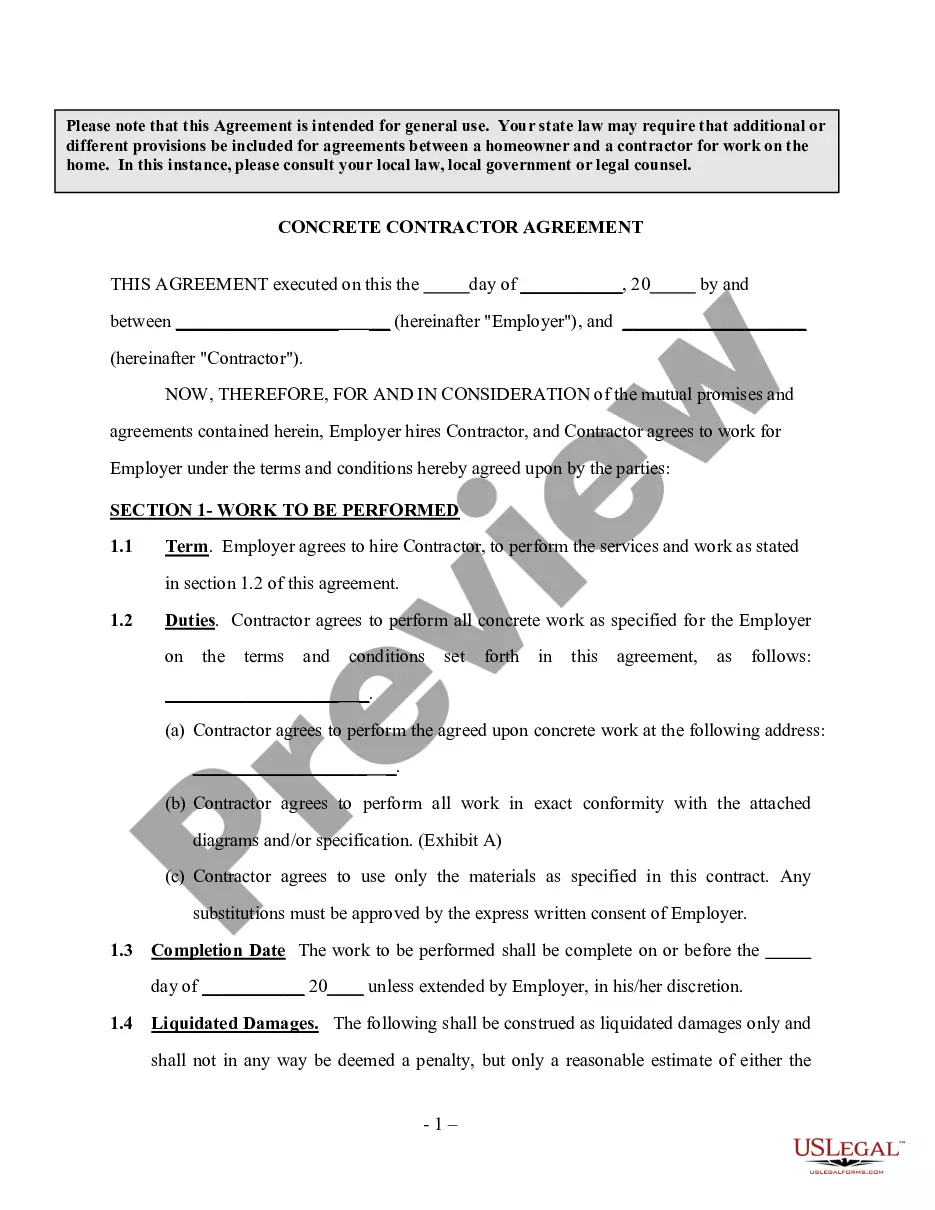
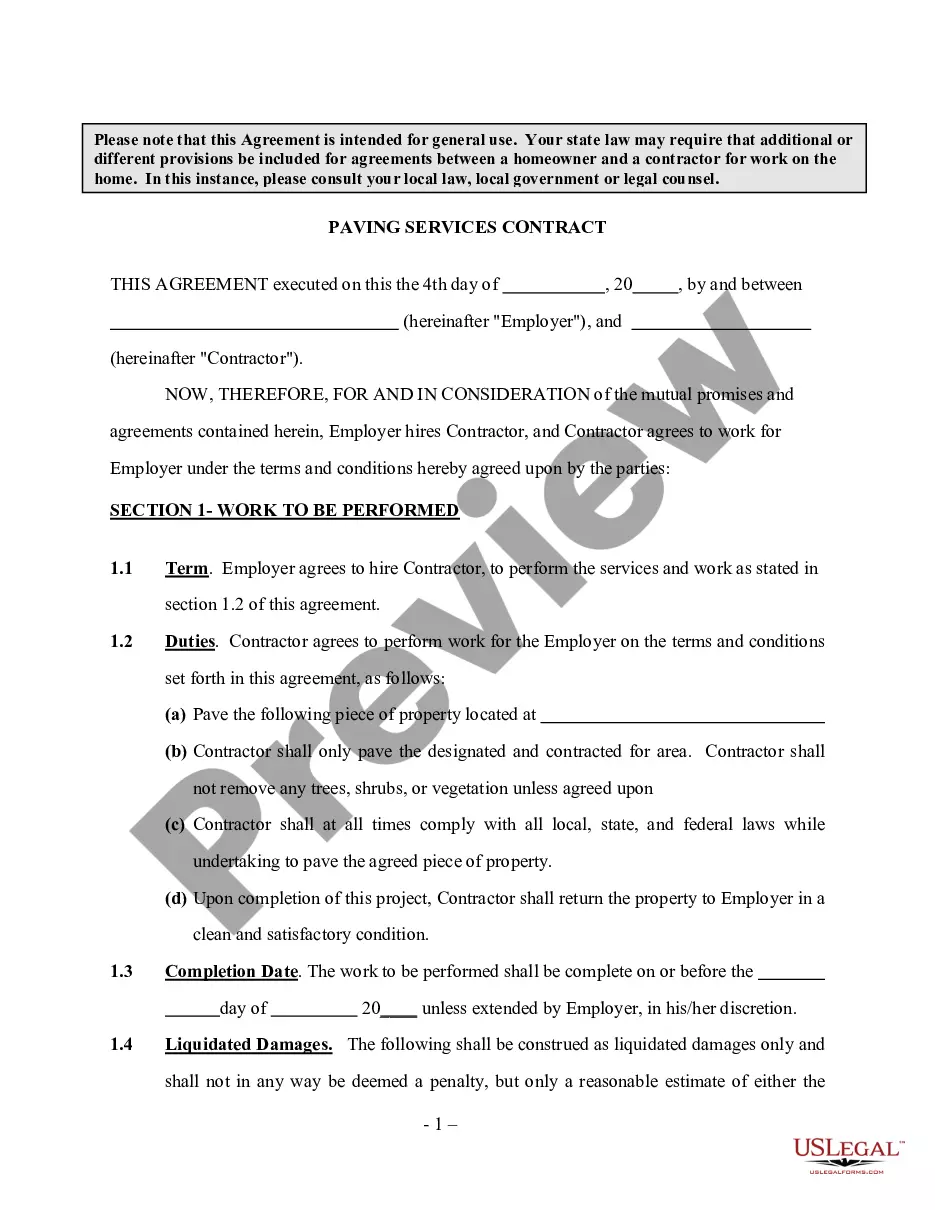
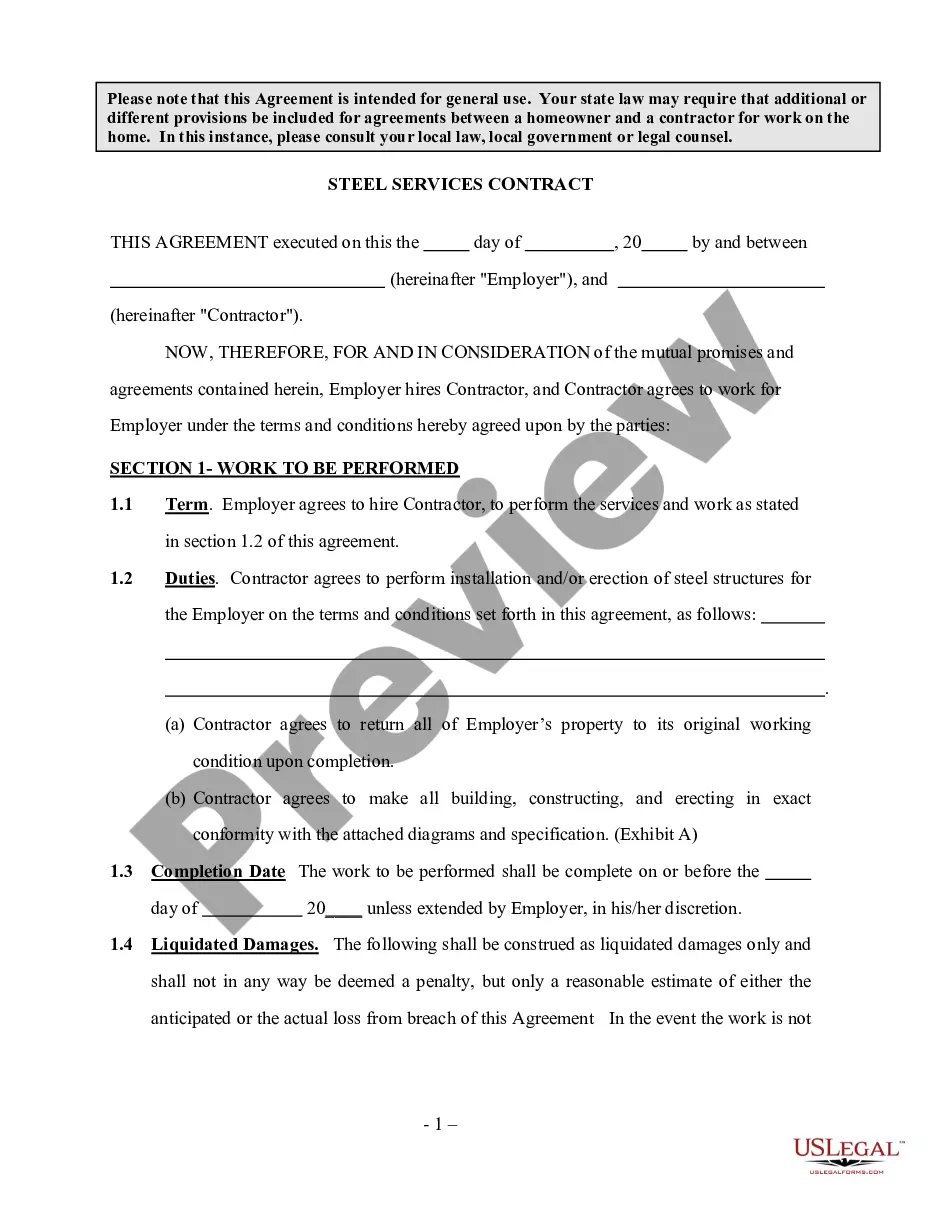
The Self-Employed Precast Concrete Contract is a legal agreement between an employer and an independent contractor for the installation or pre-casting of concrete foundations. This contract clarifies the responsibilities and expectations of both parties, differentiating it from other construction contracts. It's designed for use by independent contractors specializing in precast concrete work, ensuring legally binding terms are established for both parties involved in the project.
Form components explained
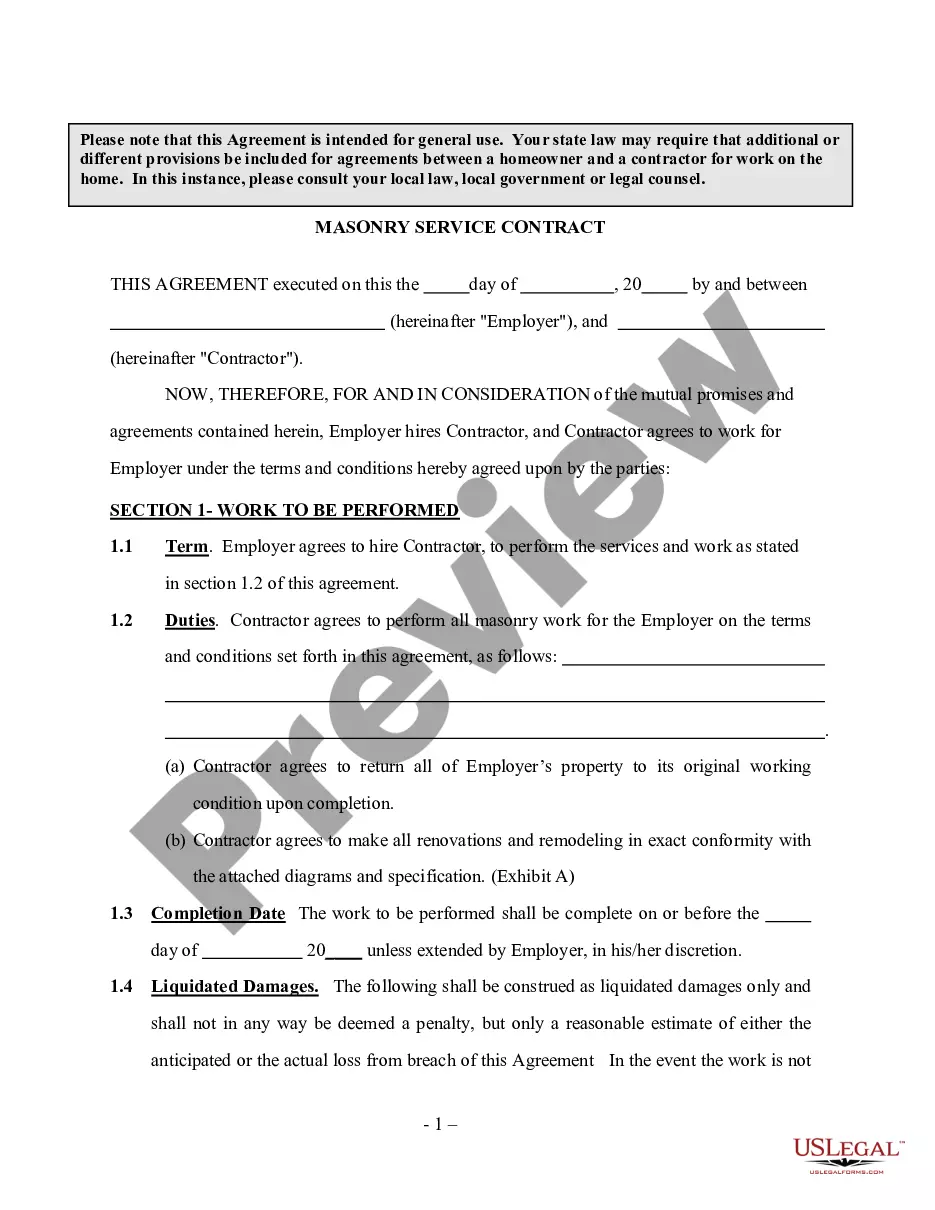
- Work to be performed: Details the specific services and obligations of the contractor.
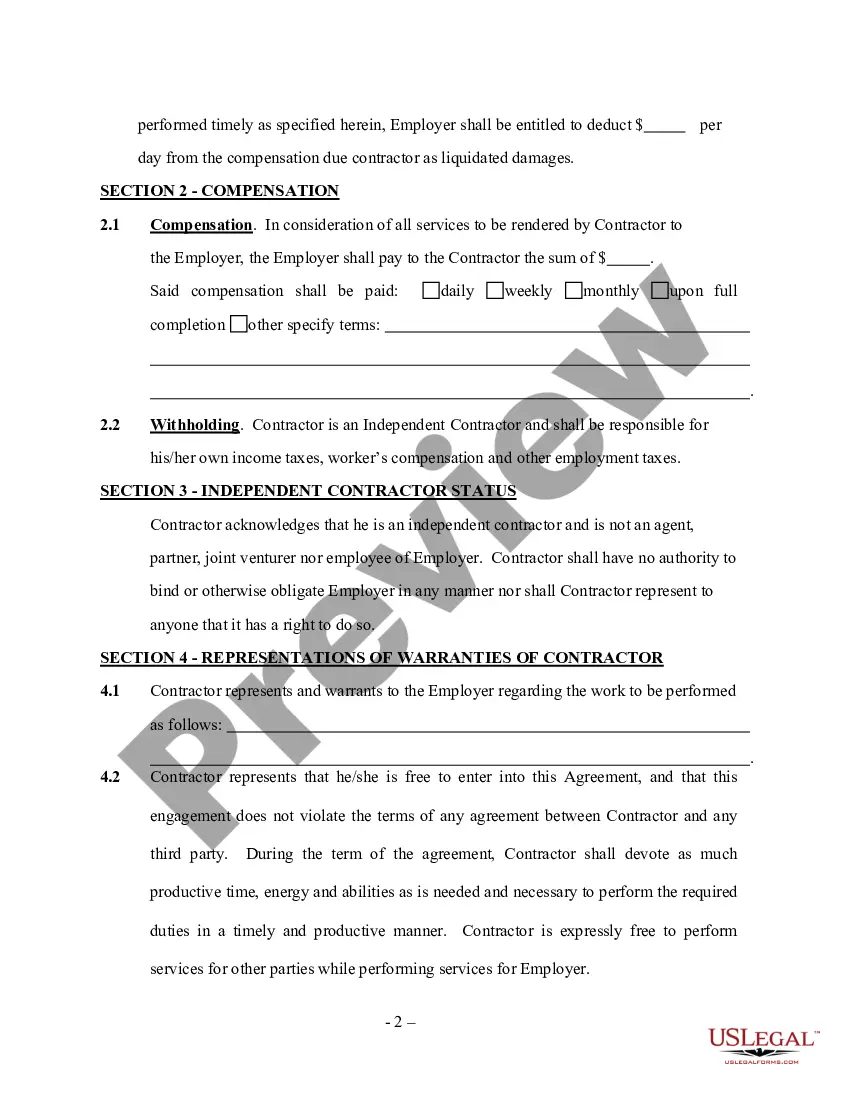
- Independent contractor status: Affirms the contractor's legal classification and limits their authority to bind the employer.
- Agreement terms: Outlines the mutual promises and agreements between the parties.
When to use this document
This form is essential when a homeowner or business hires an independent contractor to install or pre-cast concrete foundations. Use this contract when clarity in expectations and duties is needed, especially for significant construction or remodeling projects involving concrete work.
Intended users of this form
- Homeowners hiring independent contractors for concrete work.
- Small business owners looking to contract concrete installation services.
- Independent contractors specializing in precast concrete projects.
Completing this form step by step
- Identify the parties involved: Enter the names and addresses of both the employer and contractor.
- Specify the work to be performed: Clearly describe the services the contractor will provide.
- Detail the term of agreement: Include start and end dates for the contract.
- Set payment terms: Outline how and when the contractor will be compensated.
- Sign and date the agreement: Ensure both parties sign the contract to make it legally binding.
Notarization guidance
This form does not typically require notarization unless specified by local law. Always check local regulations to ensure compliance with notarization requirements.
Get your form ready online
Our built-in tools help you complete, sign, share, and store your documents in one place.
Make edits, fill in missing information, and update formatting in US Legal Forms—just like you would in MS Word.
Download a copy, print it, send it by email, or mail it via USPS—whatever works best for your next step.
Sign and collect signatures with our SignNow integration. Send to multiple recipients, set reminders, and more. Go Premium to unlock E-Sign.
If this form requires notarization, complete it online through a secure video call—no need to meet a notary in person or wait for an appointment.
We protect your documents and personal data by following strict security and privacy standards.

Make edits, fill in missing information, and update formatting in US Legal Forms—just like you would in MS Word.

Download a copy, print it, send it by email, or mail it via USPS—whatever works best for your next step.

Sign and collect signatures with our SignNow integration. Send to multiple recipients, set reminders, and more. Go Premium to unlock E-Sign.

If this form requires notarization, complete it online through a secure video call—no need to meet a notary in person or wait for an appointment.

We protect your documents and personal data by following strict security and privacy standards.
Mistakes to watch out for
- Failing to clearly specify the scope of work.
- Not including payment terms or details about deliverables.
- Neglecting to obtain signatures from both parties.
Benefits of completing this form online
- Easy access to downloadable forms tailored for your needs.
- Convenience of filling out and editing forms at home.
- Reliability of legal templates drafted by licensed attorneys.
Legal use & context
- The contract is enforceable in court provided all parties have duly signed it.
- Specific provisions may vary based on state law, necessitating careful review before use.
- Legal counsel is recommended to ensure that the contract meets local and federal regulations.
Main things to remember
- The Self-Employed Precast Concrete Contract formalizes the working relationship between employers and independent contractors.
- Ensure to comply with any state-specific laws when using this contract.
- Clearly outline the scope of work and payment terms to avoid misunderstandings.
Looking for another form?

Form popularity
FAQ
Terms. This is the first section of any agreement or contract and states the names and locations of the parties involved. Responsibilities & Deliverables. Payment-Related Details. Confidentiality Clause. Contract Termination. Choice of Law.
Identifying/Contact Information. Title and Description of the Project. Projected Timeline and Completion Date. Cost Estimate and Payment Schedule. Stop Work Clause and Stop Payment Clause. Act of God Clause. Change Order Agreement. Warranty.
Timeframe or key milestones of the project; hours of work; deliverables of the project; and. way the business will pay the contractor for their services.
Identify Your Market. Before you start, define the market that you want to target. Obtain the Proper Licenses and Insurance. Plan to Make a Profit. Purchase the Necessary Equipment. Find a Source of Supply for Materials. Identify How to Fund the Activities of the Business. Market Your Services.
There are three main types of construction contract, identified according to the mechanism for calculating the sum due to be paid by the employer: lump sum contracts, re-measurement contracts and cost-reimbursable contracts.
Get it in writing. Keep it simple. Deal with the right person. Identify each party correctly. Spell out all of the details. Specify payment obligations. Agree on circumstances that terminate the contract. Agree on a way to resolve disputes.
Identifying/Contact Information. Title and Description of the Project. Projected Timeline and Completion Date. Cost Estimate and Payment Schedule. Stop Work Clause and Stop Payment Clause. Act of God Clause. Change Order Agreement. Warranty.
Step 1: Title of the Contract. The title is an important part of the contract as it shows what your contract is basically about. Step 2: Project Description. Step 3: Schedule of the Project. Step 4: Laws, Terms, and Conditions. Step 5: Review and Signatures.
Identifying/Contact Information. Title and Description of the Project. Projected Timeline and Completion Date. Cost Estimate and Payment Schedule. Stop Work Clause and Stop Payment Clause. Act of God Clause. Change Order Agreement. Warranty.