Asset Purchase Agreement And Goodwill
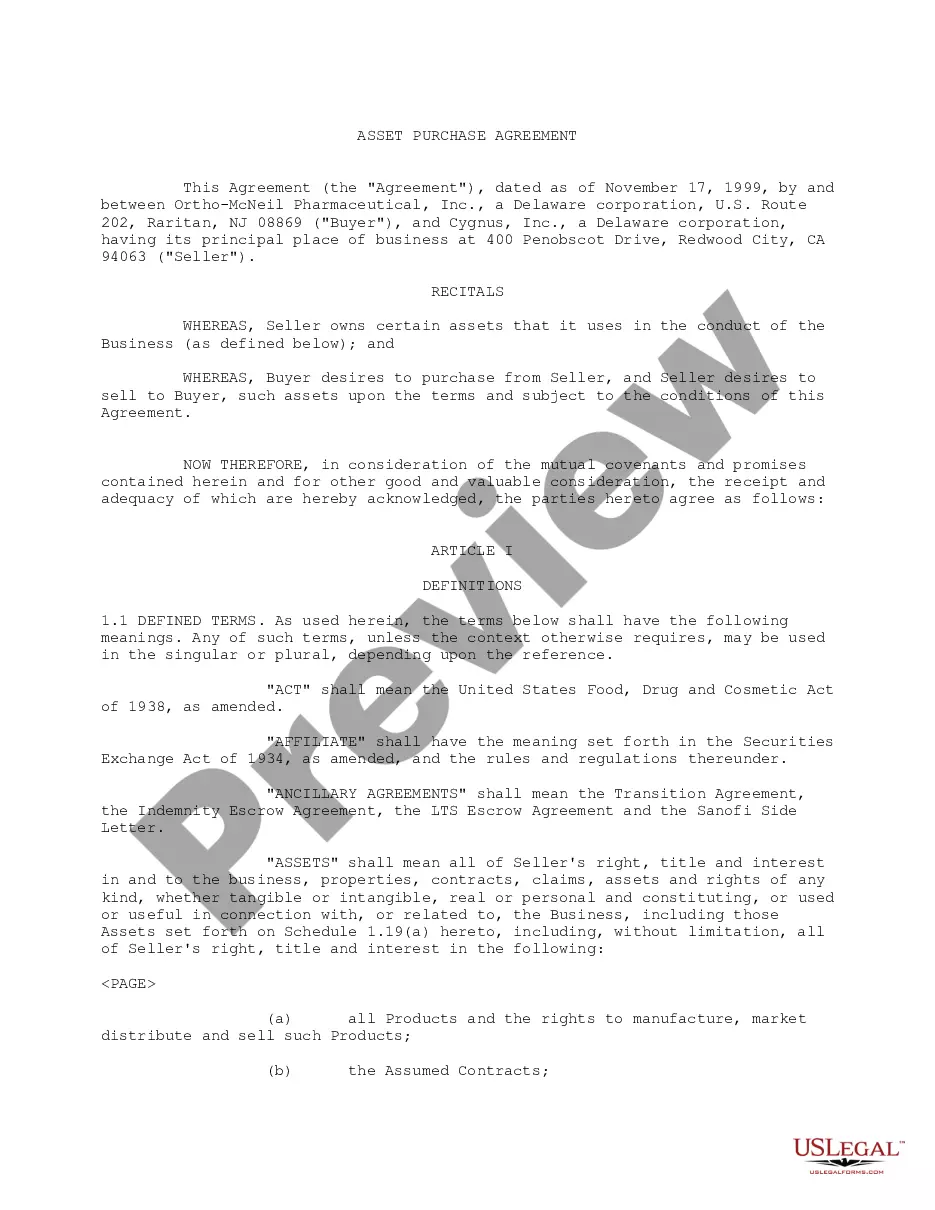
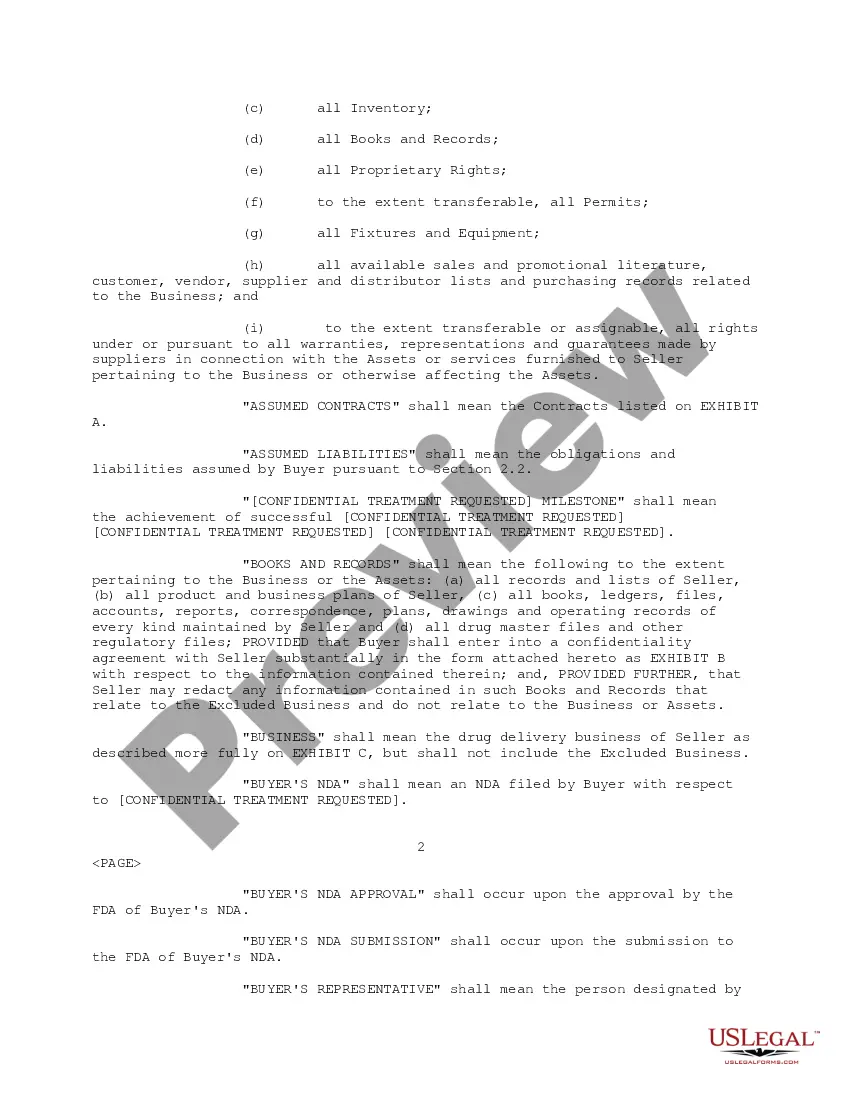
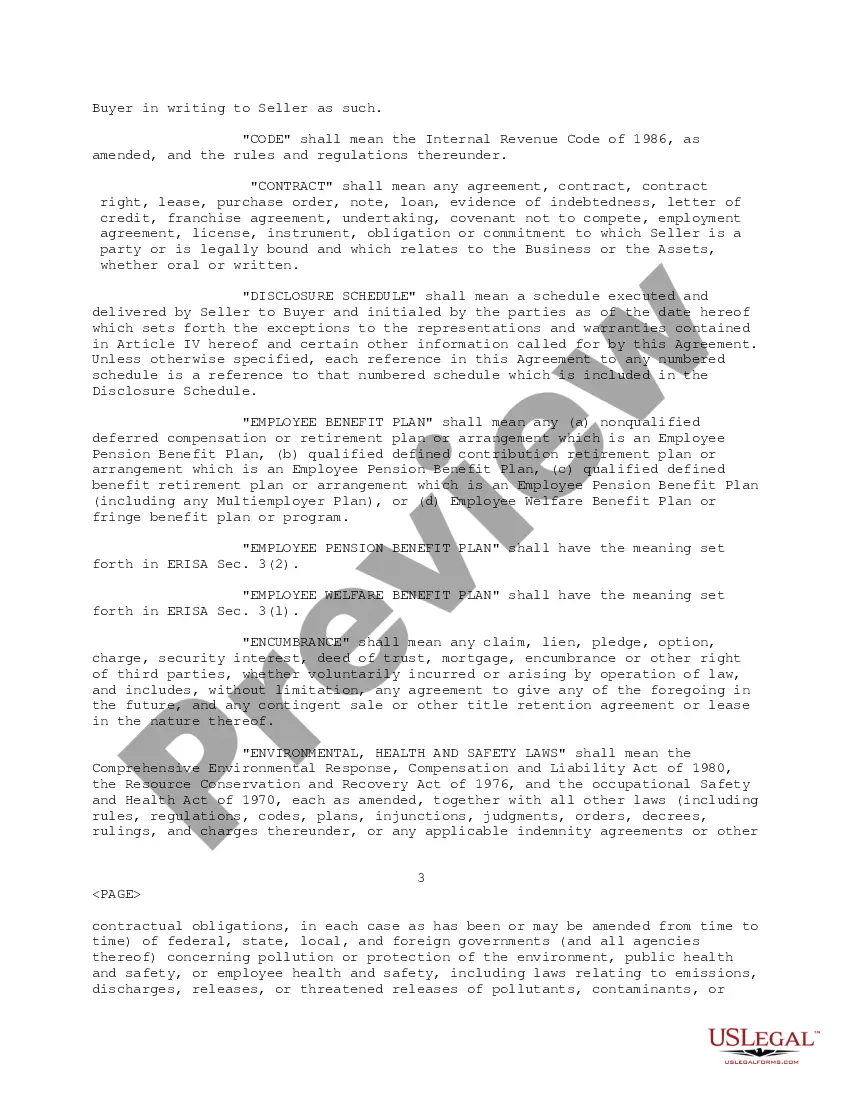
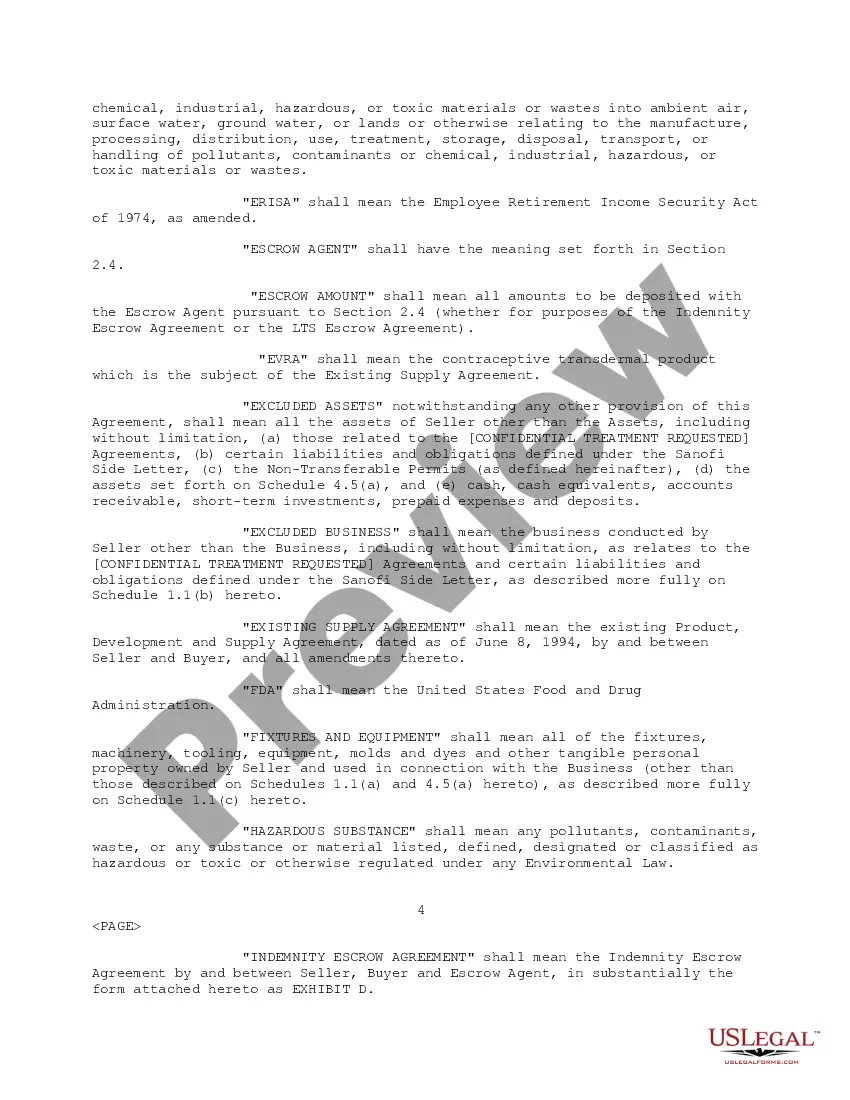
Description

Get your form ready online
Our built-in tools help you complete, sign, share, and store your documents in one place.
Make edits, fill in missing information, and update formatting in US Legal Forms—just like you would in MS Word.
Download a copy, print it, send it by email, or mail it via USPS—whatever works best for your next step.
Sign and collect signatures with our SignNow integration. Send to multiple recipients, set reminders, and more. Go Premium to unlock E-Sign.
If this form requires notarization, complete it online through a secure video call—no need to meet a notary in person or wait for an appointment.
We protect your documents and personal data by following strict security and privacy standards.

Make edits, fill in missing information, and update formatting in US Legal Forms—just like you would in MS Word.

Download a copy, print it, send it by email, or mail it via USPS—whatever works best for your next step.

Sign and collect signatures with our SignNow integration. Send to multiple recipients, set reminders, and more. Go Premium to unlock E-Sign.

If this form requires notarization, complete it online through a secure video call—no need to meet a notary in person or wait for an appointment.

We protect your documents and personal data by following strict security and privacy standards.
Looking for another form?







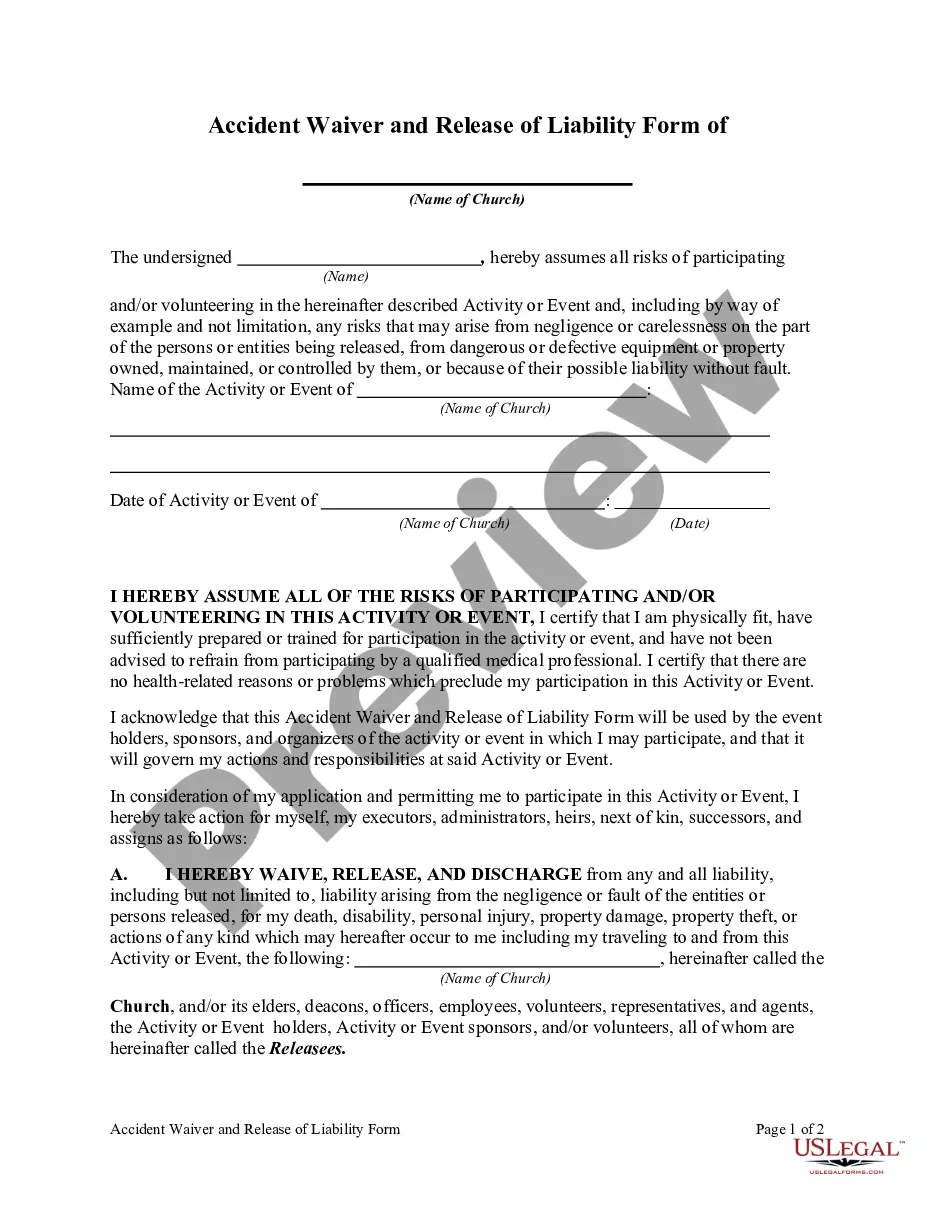


How to fill out Sample Asset Purchase Agreement Between Orth-McNeil Pharmaceutical, Inc. And Cygnus, Inc. Regarding The Sale And Purchase Of Assets Of Company - Sample?
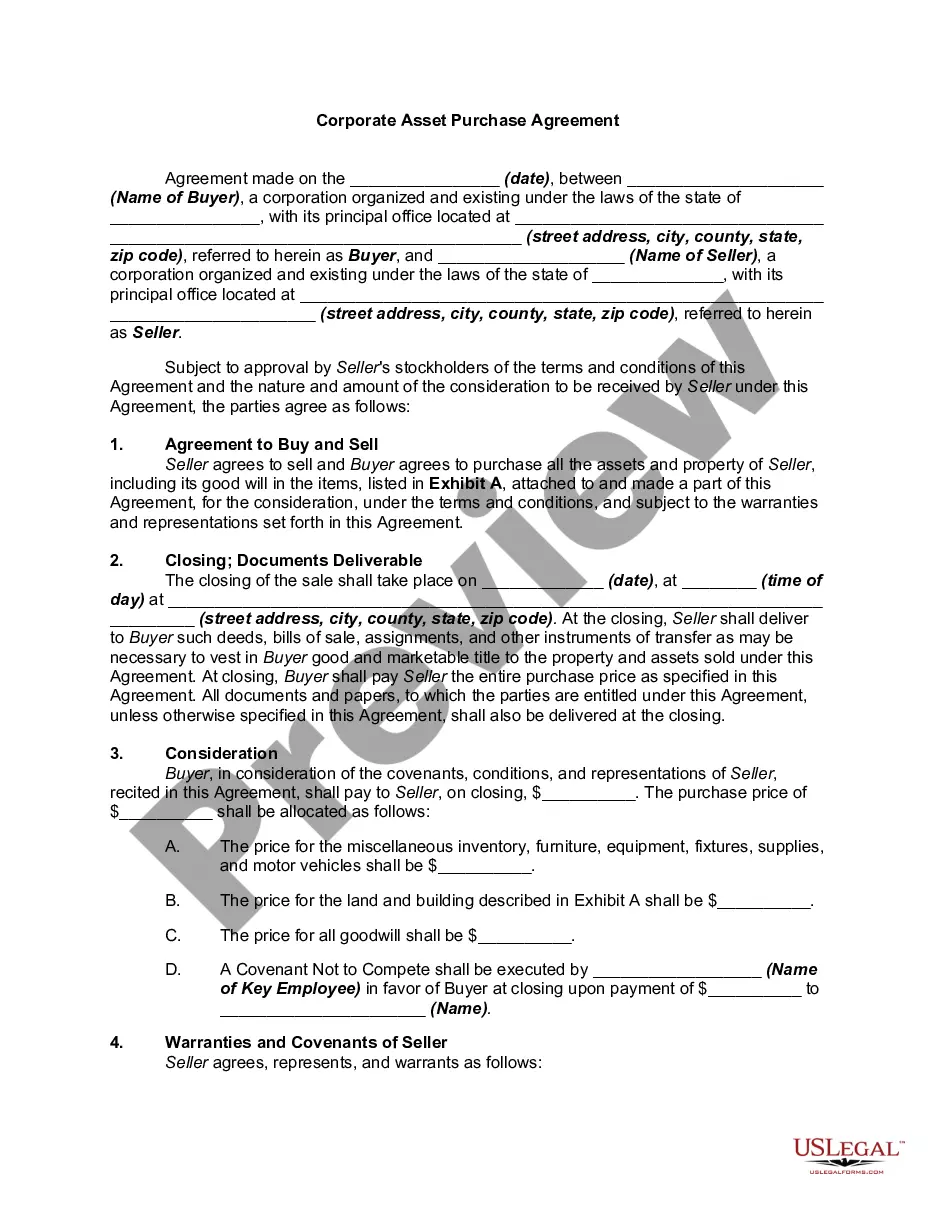
The Asset Purchase Agreement and Goodwill displayed on this page is a reusable legal template created by experienced attorneys in accordance with federal and local laws and regulations.
For over 25 years, US Legal Forms has supplied individuals, businesses, and legal practitioners with more than 85,000 verified, state-specific forms for any professional and personal circumstance. It is the quickest, easiest, and most dependable method to acquire the documents you require, as the service guarantees top-notch data protection and anti-malware security.
Subscribe to US Legal Forms to have authenticated legal templates for all of life's situations at your fingertips.
- Search for the document you require and verify it.
- Choose the pricing plan that works for you and sign up for an account.
- Select the format you prefer for your Asset Purchase Agreement and Goodwill (PDF, DOCX, RTF) and download the template to your device.
- Print the template to fill it out manually. Alternatively, use an online multifunctional PDF editor to fill out and sign your form with a legally-binding electronic signature with speed and accuracy.
- Reuse the same document whenever necessary. Access the My documents tab in your profile to redownload any previously acquired forms.
Form popularity
FAQ
To account for a contract asset, you must recognize the asset in your financial statements when a revenue-generating contract is in place. This involves detailing the amount you expect to receive in exchange for goods or services provided. The asset represents future economic benefits tied to the asset purchase agreement and goodwill. Engaging a financial advisor can simplify this process and ensure accurate accounting practices.
Yes, you can assign goodwill. When a business is sold, goodwill often transfers as part of the asset purchase agreement. This transfer can enhance the value of the transaction, as goodwill reflects the reputation and customer loyalty of the business. To effectively manage this process, consult a legal expert familiar with asset purchase agreements and goodwill.
A goodwill agreement is an essential component of an asset purchase agreement that outlines the intangible value of a business, including reputation and customer relationships. When purchasing a business, this agreement ensures that the buyer recognizes and values the business's goodwill. It serves as a safeguard for both parties, clarifying how the intangible assets contribute to the overall transaction. Using a platform like US Legal Forms can streamline the process of drafting an asset purchase agreement and goodwill, providing reliable templates and guidance.
For tax purposes, you can amortize the amount allocated to goodwill over 15 years, because purchased goodwill is considered an intangible.
Goodwill is a premium paid over the fair value of assets during the purchase of a company. Hence, it is tagged to a company or business and cannot be sold or purchased independently. In contrast, other intangible assets like licenses, patents, etc., can be sold and purchased separately.
Specifically, a goodwill definition is the portion of the purchase price that is higher than the sum of the net fair value of all of the assets purchased in the acquisition and the liabilities assumed in the process.
Goodwill is taxed to the seller at capital gains tax rates. The tax rates on capital gains have changed several times over the last 20 years, and it's important to discuss the current capital gains tax rates with a CPA. Taxes are just one of a number of issues to consider when you sell your company.
Goodwill is not recognized in an asset acquisition. Any excess consideration transferred over the fair value of the net assets acquired is allocated to the identifiable assets based on their relative fair values (see ASC 805-50-30-3).