Holding Company With High Book Value
Description

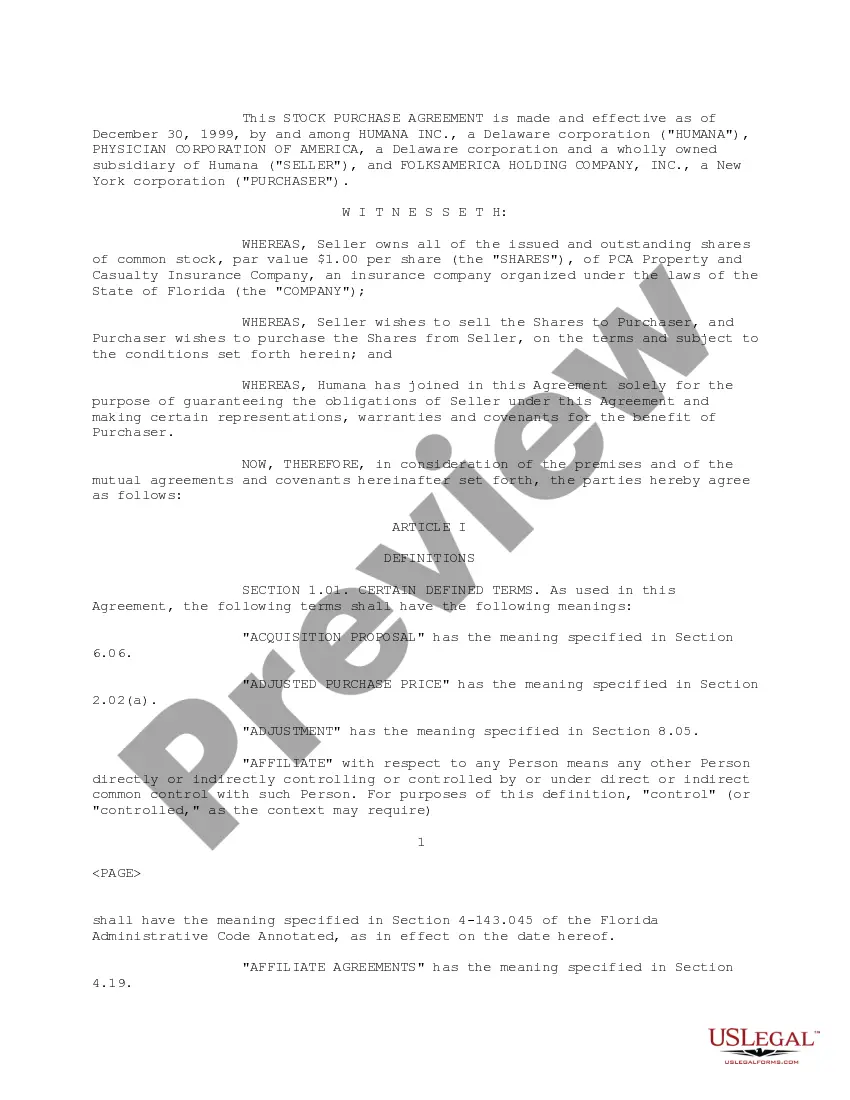
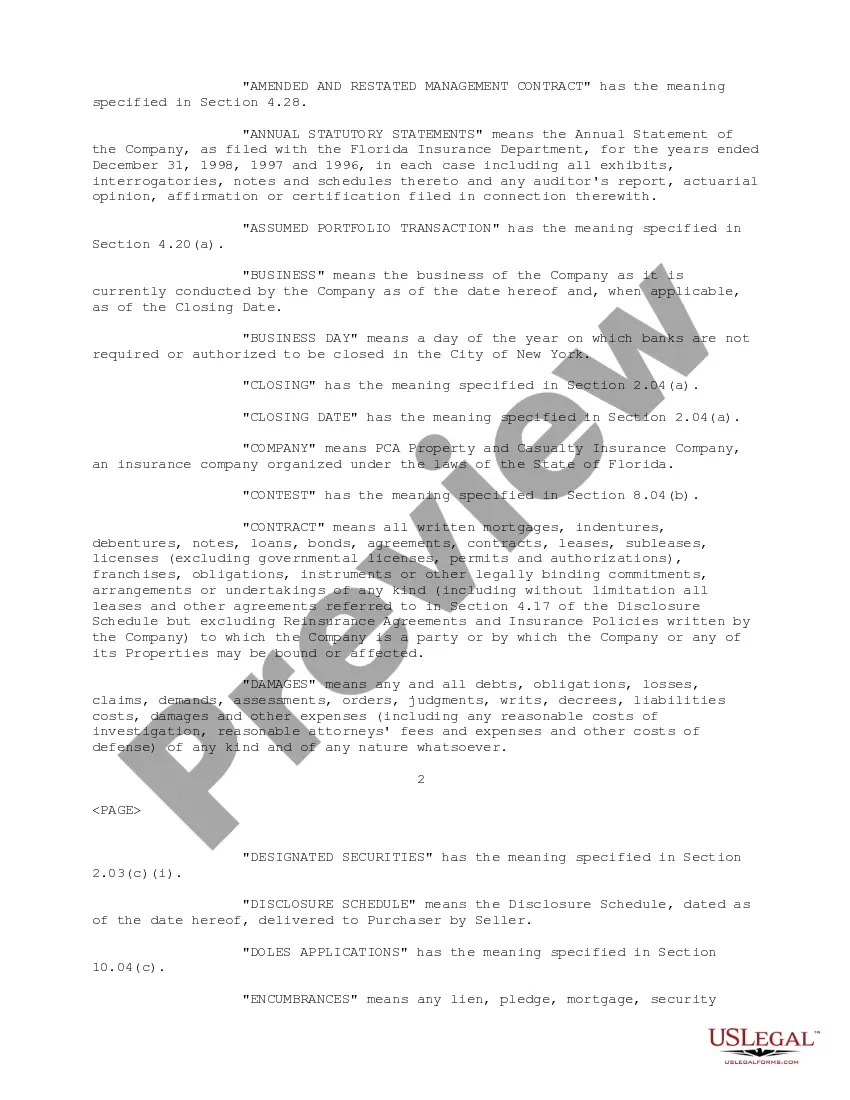
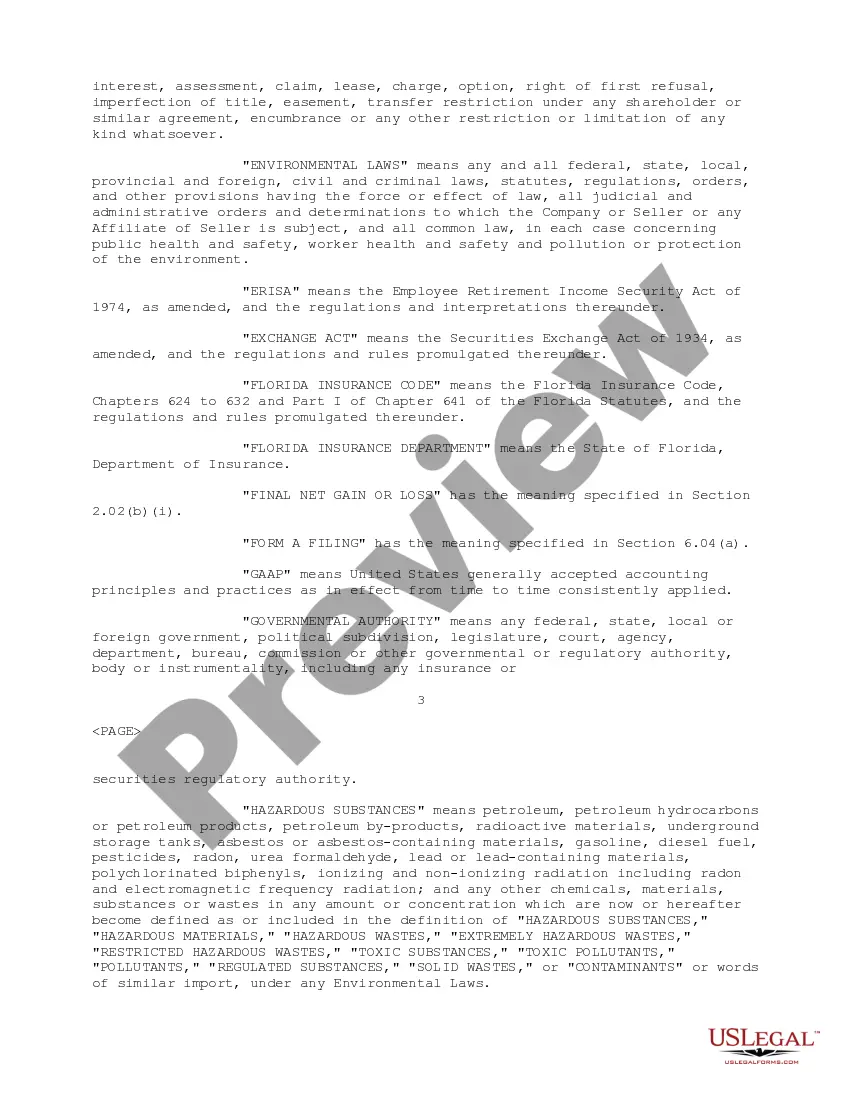
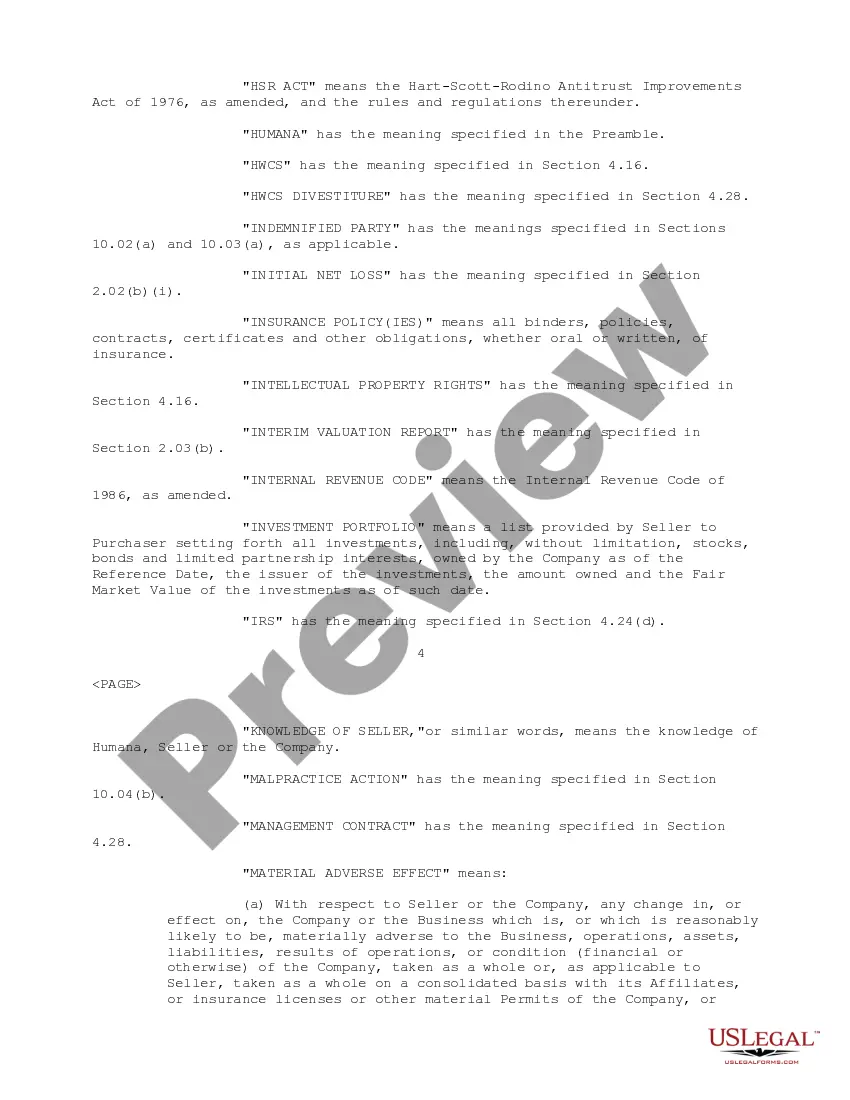

Get your form ready online
Our built-in tools help you complete, sign, share, and store your documents in one place.
Make edits, fill in missing information, and update formatting in US Legal Forms—just like you would in MS Word.
Download a copy, print it, send it by email, or mail it via USPS—whatever works best for your next step.
Sign and collect signatures with our SignNow integration. Send to multiple recipients, set reminders, and more. Go Premium to unlock E-Sign.
If this form requires notarization, complete it online through a secure video call—no need to meet a notary in person or wait for an appointment.
We protect your documents and personal data by following strict security and privacy standards.

Make edits, fill in missing information, and update formatting in US Legal Forms—just like you would in MS Word.

Download a copy, print it, send it by email, or mail it via USPS—whatever works best for your next step.

Sign and collect signatures with our SignNow integration. Send to multiple recipients, set reminders, and more. Go Premium to unlock E-Sign.

If this form requires notarization, complete it online through a secure video call—no need to meet a notary in person or wait for an appointment.

We protect your documents and personal data by following strict security and privacy standards.
Looking for another form?







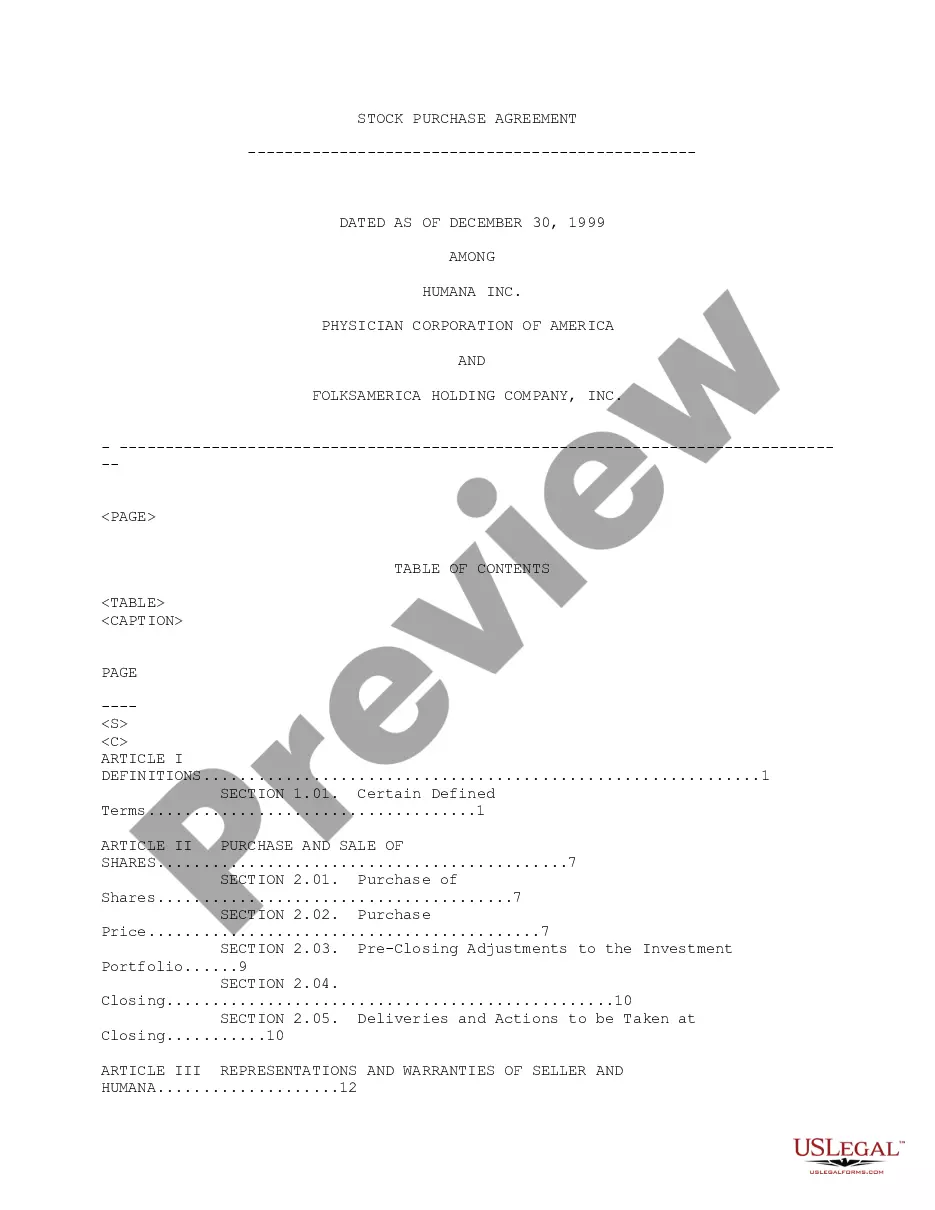
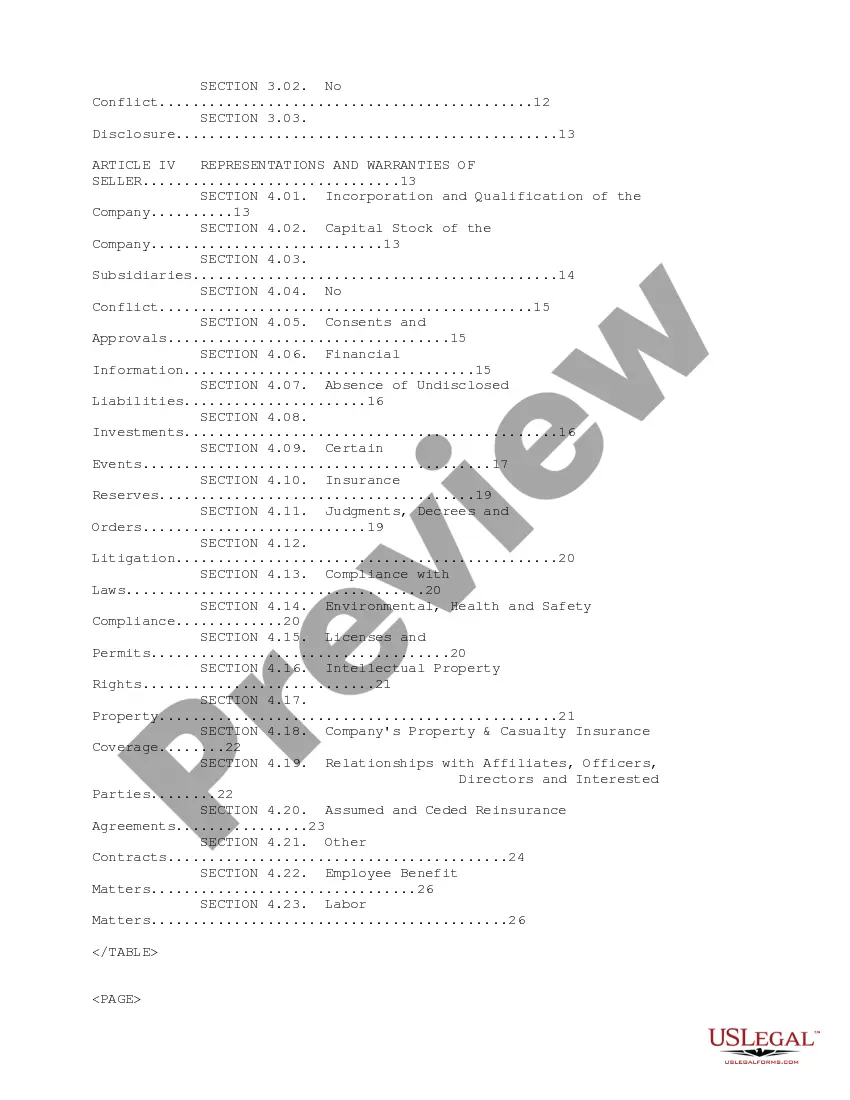
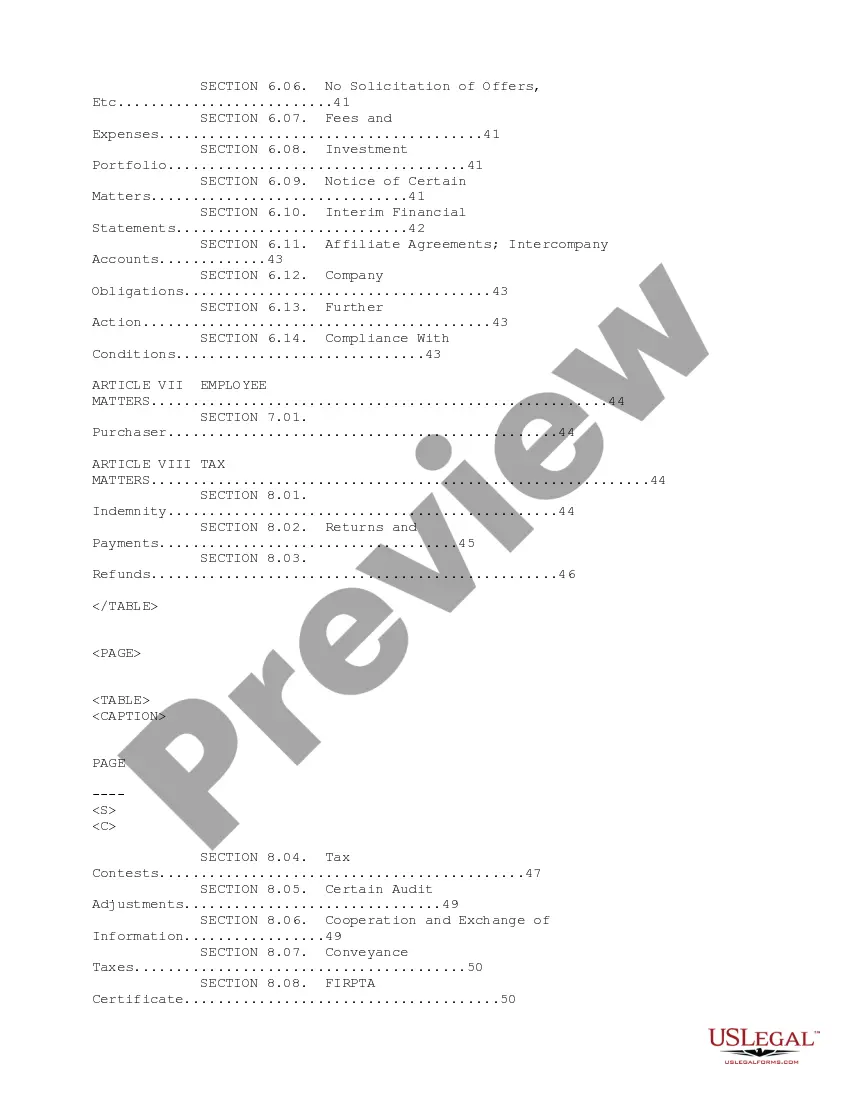
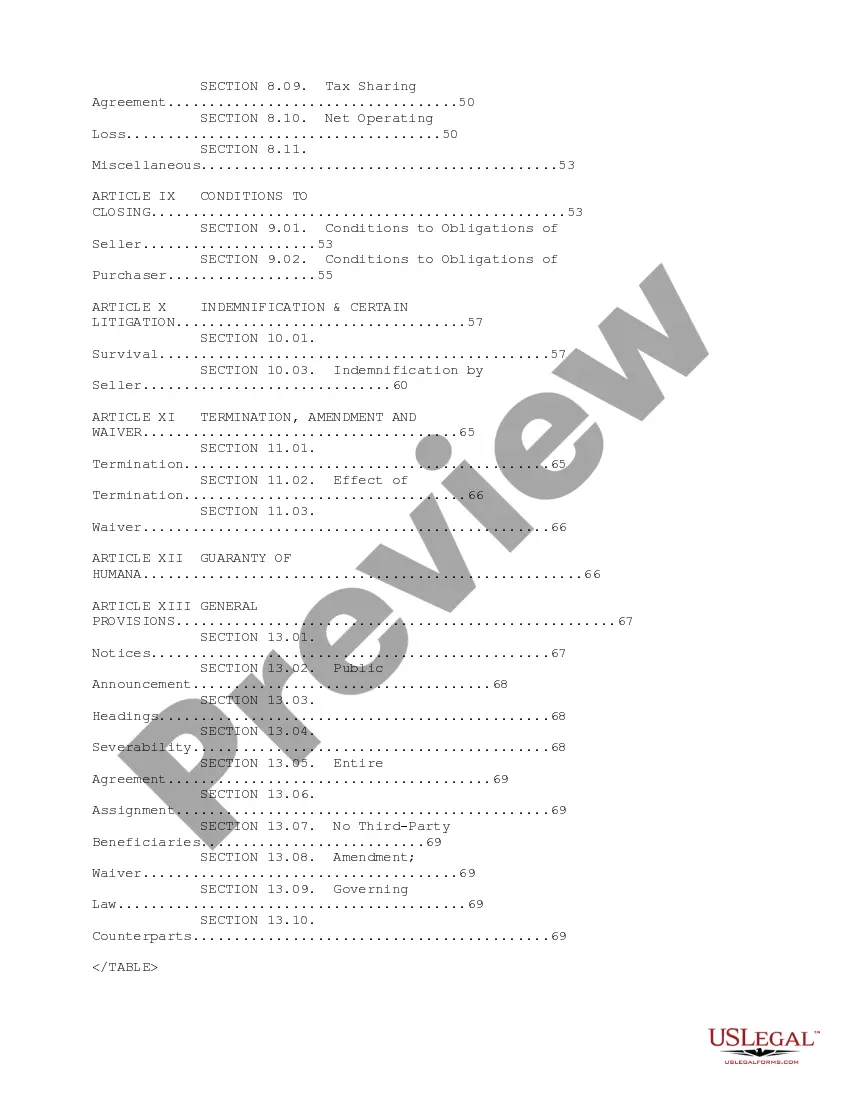
How to fill out Sample Stock Purchase Agreement Between Humana, Inc., Physician Corporation Of America And Folksamerica Holding Company, Inc?
- If you're a returning user, log in to your account and select the form template you require by clicking the Download button. Make sure your subscription remains active. If needed, renew it based on your payment plan.
- For first-time users, verify the Preview mode and form description to confirm it meets your needs and complies with local jurisdiction requirements.
- If you need a different template, utilize the Search feature to find the correct one. Once you find a suitable form, proceed to the next step.
- Purchase the document by clicking the Buy Now button, then select your preferred subscription plan. Registration for an account is necessary to access the library.
- Complete your purchase by entering your credit card details or logging in through PayPal.
- Finally, download your form to save the template on your device. You can access it anytime from the My Forms section of your profile.
US Legal Forms stands out with its robust collection of legal forms and unmatched access to over 85,000 fillable and editable templates. Users not only benefit from a vast selection but also receive expert guidance to ensure that their documents are accurate and legally sound.
In conclusion, whether you're establishing a holding company with high book value or simply need legal documentation, US Legal Forms makes the process quick and efficient. Don't hesitate to take advantage of our resources—start today!
Form popularity
FAQ
The formula for determining the book value of a company is simple: subtract total liabilities from total assets. This calculation reveals how much equity shareholders have in the holding company with high book value. Understanding this figure helps investors gauge a company's financial health and stability. To calculate accurately, ensure you include all assets and liabilities in the total.
One disadvantage of a holding company is that it may face regulatory scrutiny, especially if it holds substantial assets or stakes in various businesses. Additionally, a holding company with high book value may be at risk during economic downturns, as its investments can lose value quickly. Understanding these factors helps prospective investors navigate the complexities of holding company investments.
When a holding company has a valuation of 1.5 times book value, it indicates that the market values the company's stock at one and a half times its book value. This ratio can suggest that investors expect future growth, leading to a higher market valuation. Therefore, understanding this valuation metric allows investors to assess the potential of a holding company with high book value more accurately.
Yes, a holding company generally needs to file taxes, just like any other corporate entity. The specific tax obligations will vary based on the company's structure and the nature of its income. It's always a wise approach to consult with a tax professional or use resources like USLegalForms to ensure compliance with taxation laws surrounding a holding company with high book value.
Valuing a company's book value involves analyzing its total assets and liabilities. You calculate the book value by subtracting total liabilities from total assets. For a holding company with high book value, this calculation provides an insight into its financial health and potential for profitability, assisting investors in making informed decisions.
Book Value Per Share (BVPS) is indeed a useful indicator, especially for a holding company with high book value. It allows you to evaluate how much equity each share possesses, which can be beneficial when comparing companies. However, consider it alongside other financial metrics to ensure a well-rounded analysis before making investment decisions.
Book value provides insights into the actual worth of a holding company with high book value by revealing the total assets available to shareholders. This metric helps you assess the financial health of a company and its capacity to absorb losses. Essentially, it highlights the net asset strength and can guide your investment decisions.
The book value of holdings is essentially the value of a company's assets as recorded on its balance sheet, minus any liabilities. For a holding company with high book value, this amount can provide insight into the company's intrinsic worth. Investors often look at book value to gauge whether a company's stock is undervalued or overvalued in the market.
A high book value per share indicates that a holding company with high book value has substantial assets compared to its liabilities. This situation often signifies financial stability and can attract investors who seek value. However, it is essential to consider the overall market conditions and company performance for a comprehensive evaluation.
If a holding company's book value is high, it may attract investor interest, indicating strong fundamentals and asset control. This scenario can lead to increased stock prices, greater market confidence, and more significant opportunities for capital raising. Additionally, it can provide leverage for future investments or acquisitions. As you navigate such opportunities, leveraging resources from US Legal Forms can help you manage the complexities of holding company documentation.