Sample Exigent Incorporation With The Us
Description
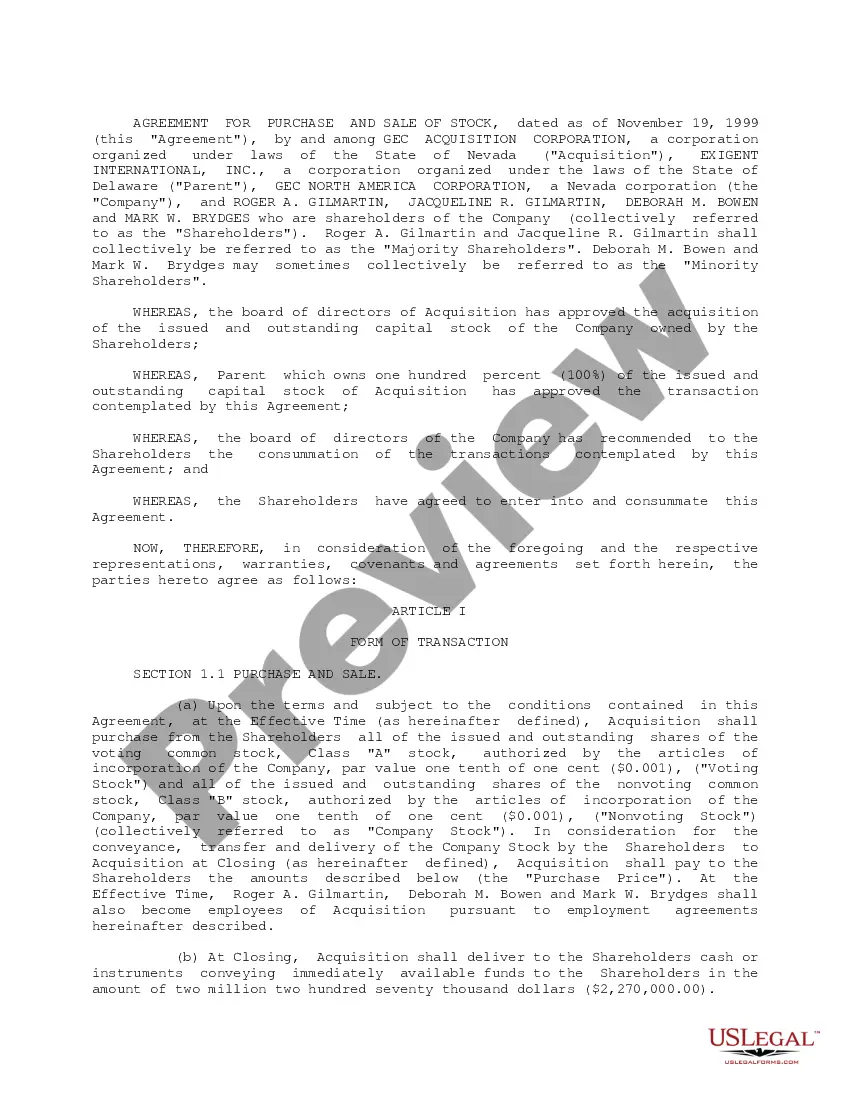
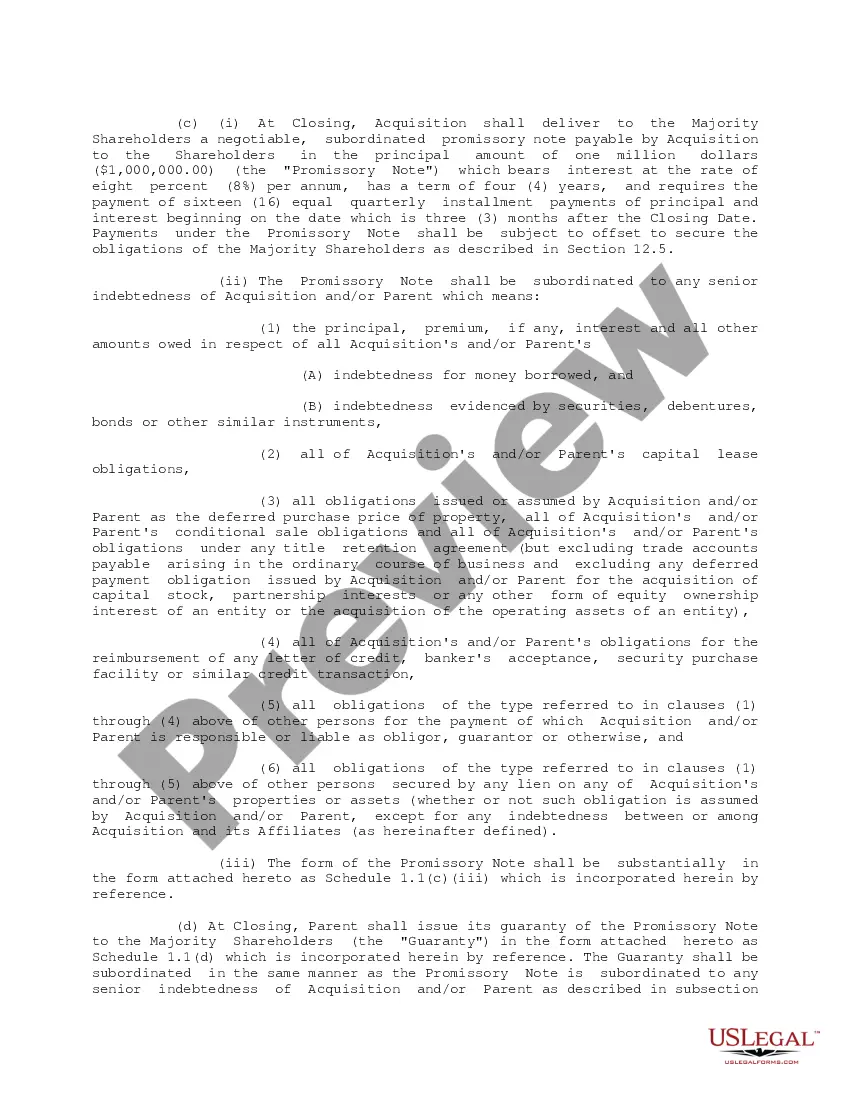
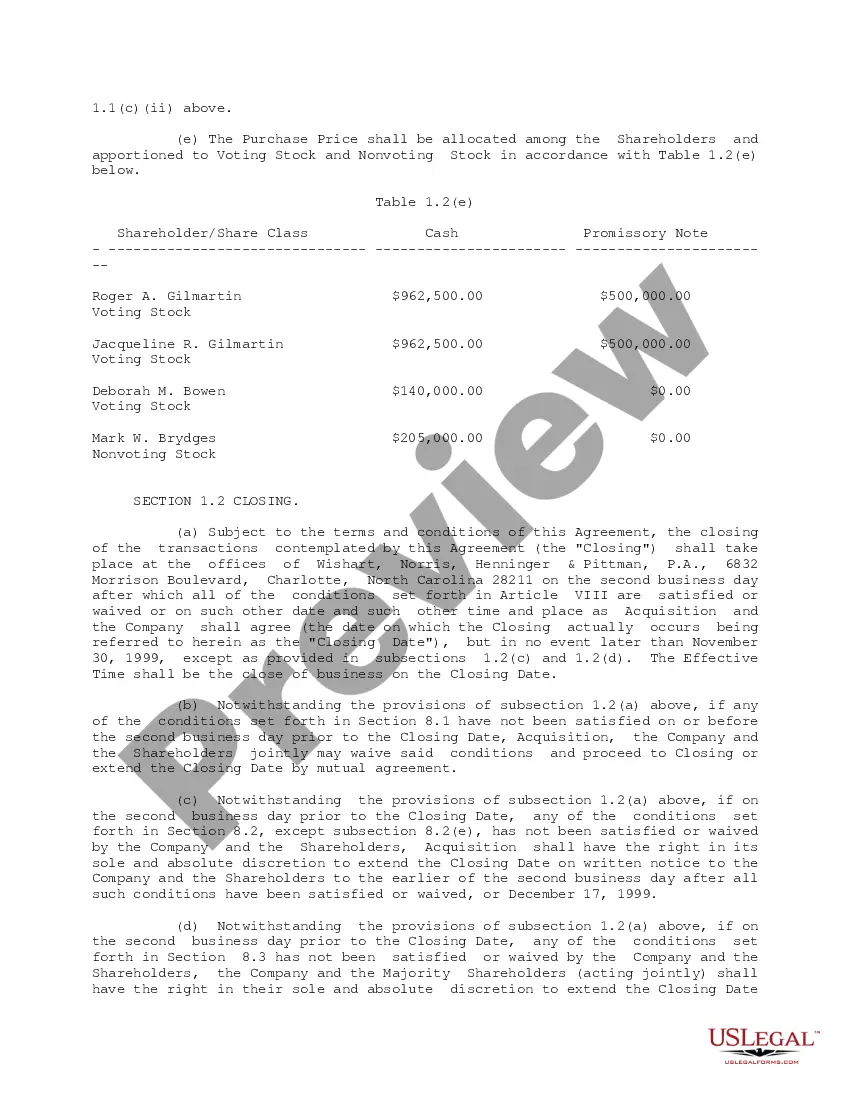
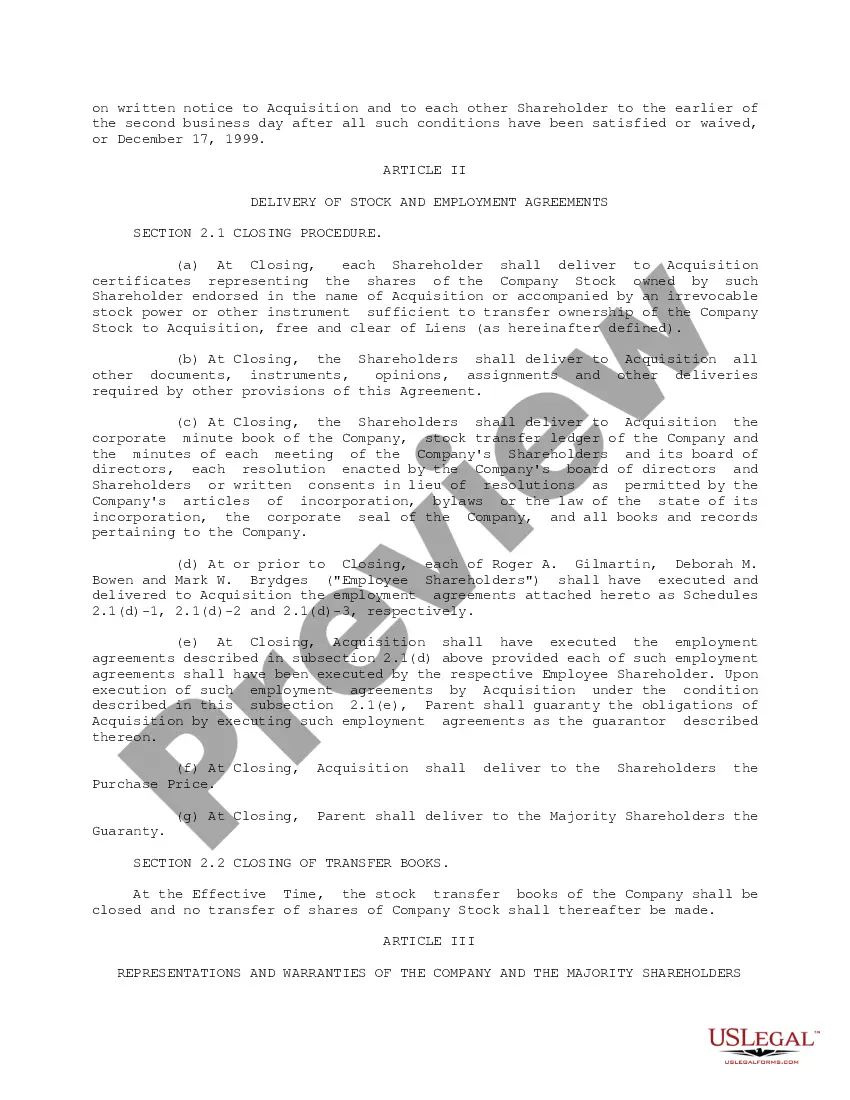

Get your form ready online
Our built-in tools help you complete, sign, share, and store your documents in one place.
Make edits, fill in missing information, and update formatting in US Legal Forms—just like you would in MS Word.
Download a copy, print it, send it by email, or mail it via USPS—whatever works best for your next step.
Sign and collect signatures with our SignNow integration. Send to multiple recipients, set reminders, and more. Go Premium to unlock E-Sign.
If this form requires notarization, complete it online through a secure video call—no need to meet a notary in person or wait for an appointment.
We protect your documents and personal data by following strict security and privacy standards.

Make edits, fill in missing information, and update formatting in US Legal Forms—just like you would in MS Word.

Download a copy, print it, send it by email, or mail it via USPS—whatever works best for your next step.

Sign and collect signatures with our SignNow integration. Send to multiple recipients, set reminders, and more. Go Premium to unlock E-Sign.

If this form requires notarization, complete it online through a secure video call—no need to meet a notary in person or wait for an appointment.

We protect your documents and personal data by following strict security and privacy standards.
Looking for another form?





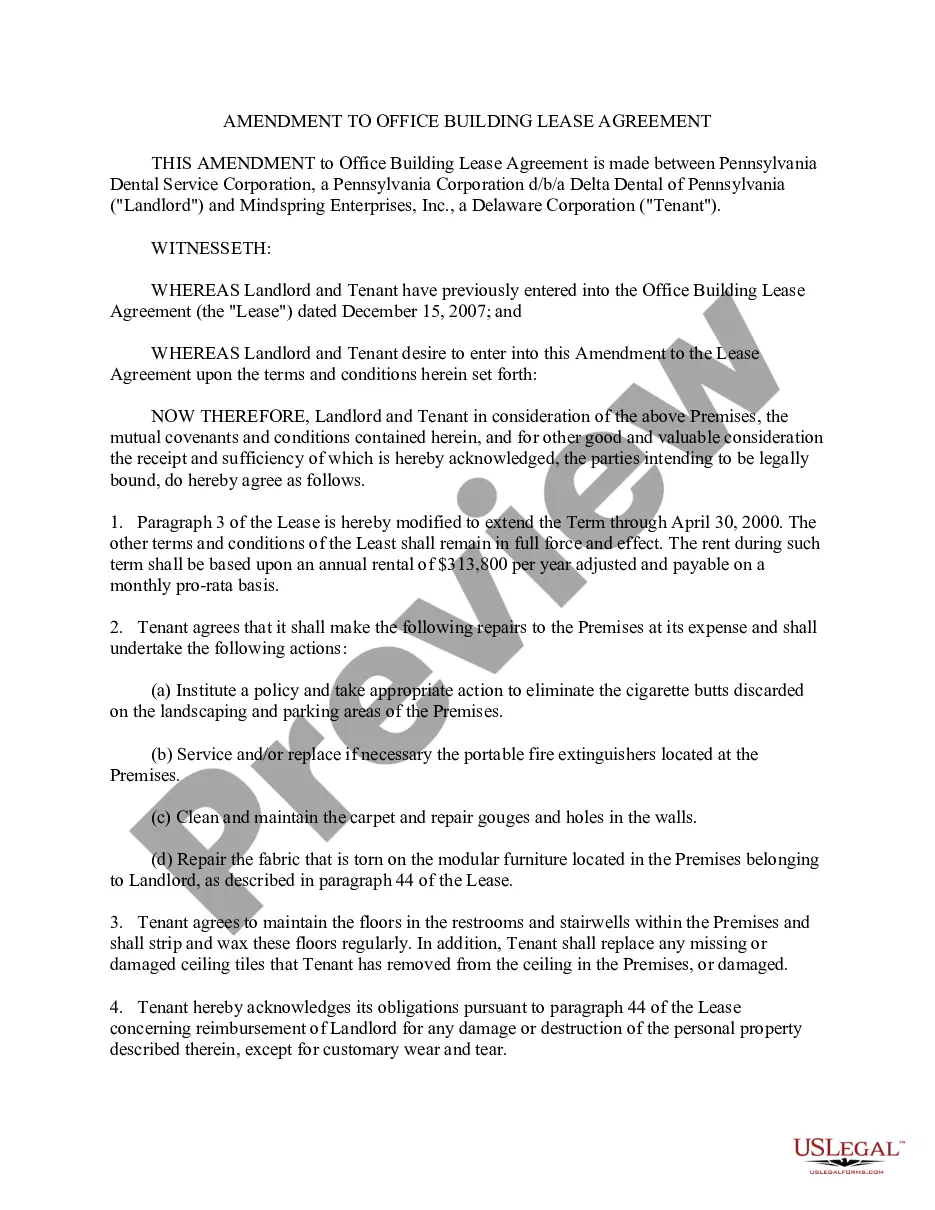


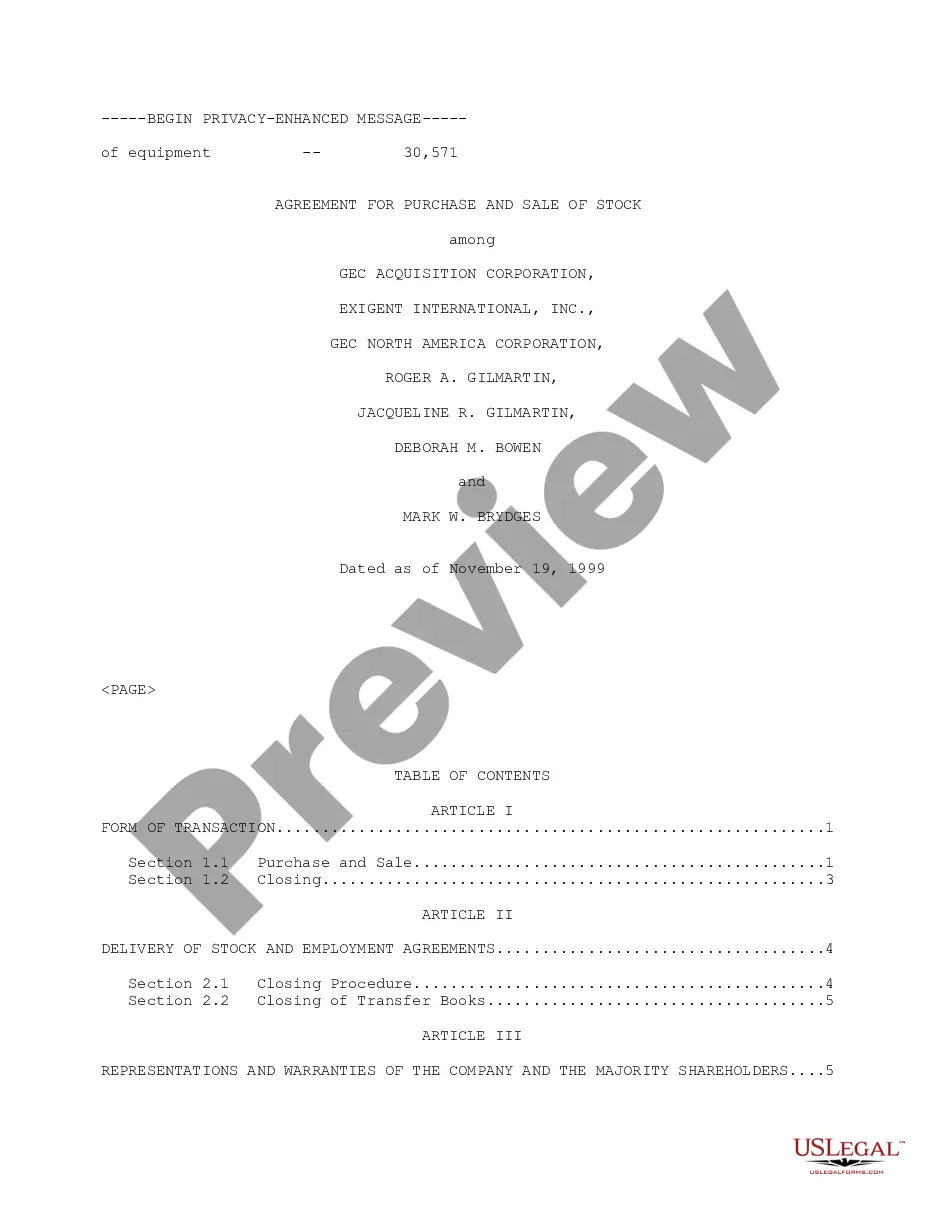
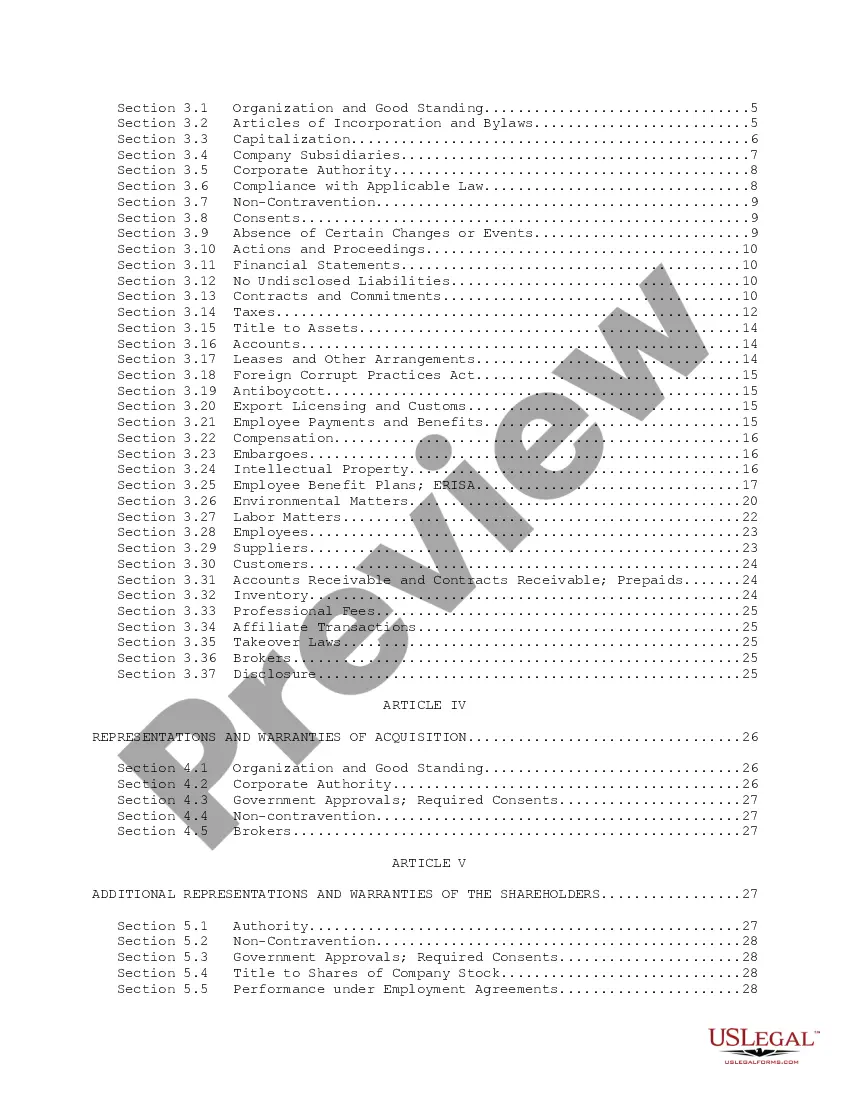
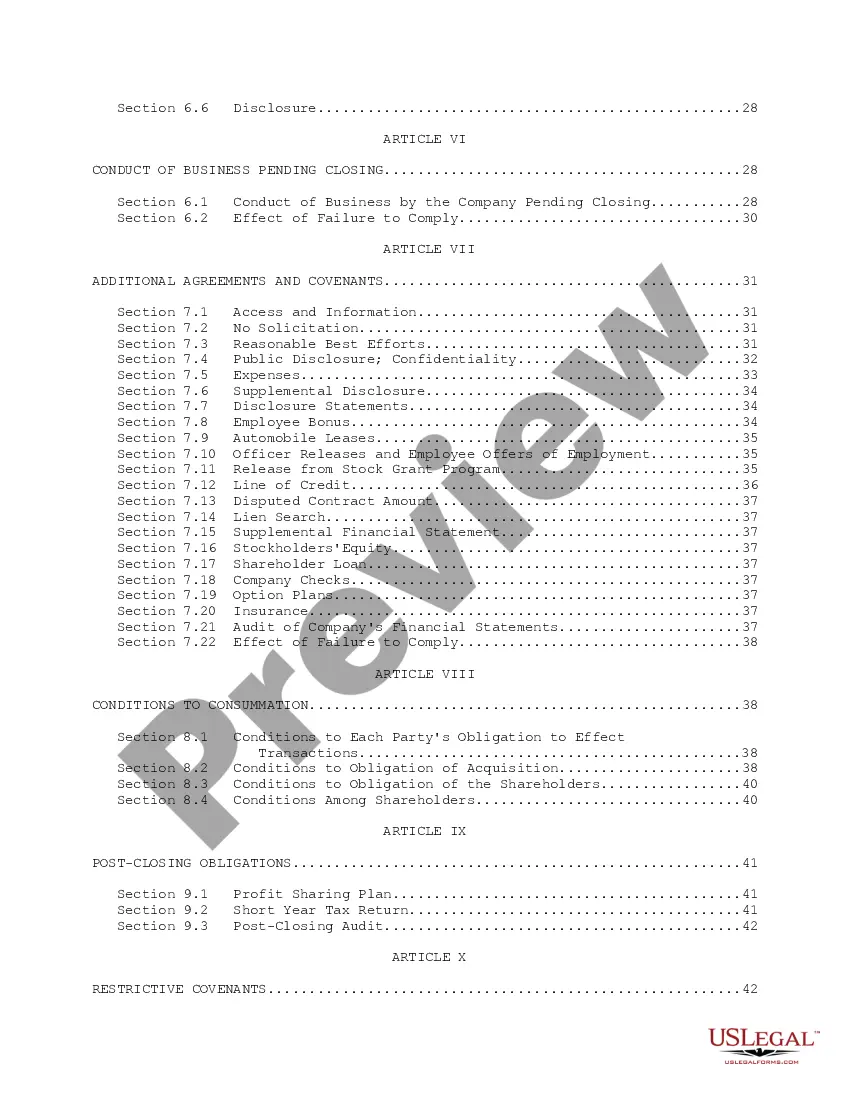
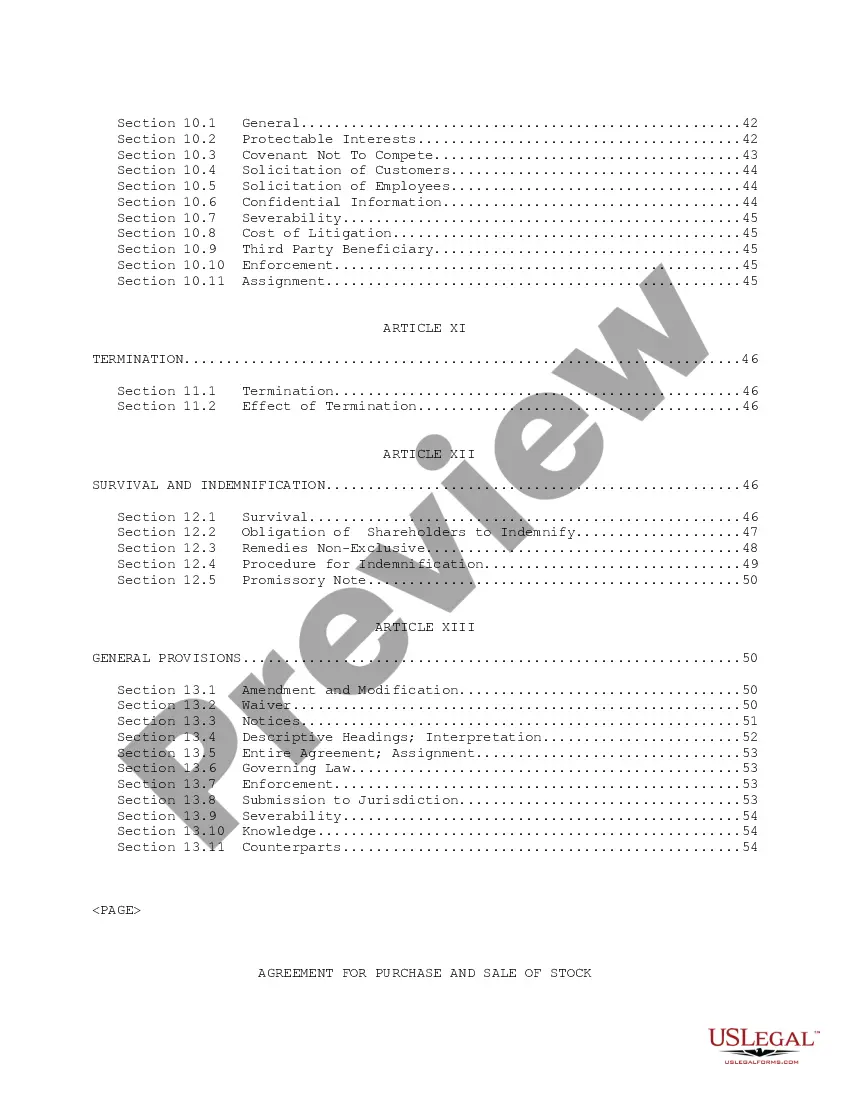
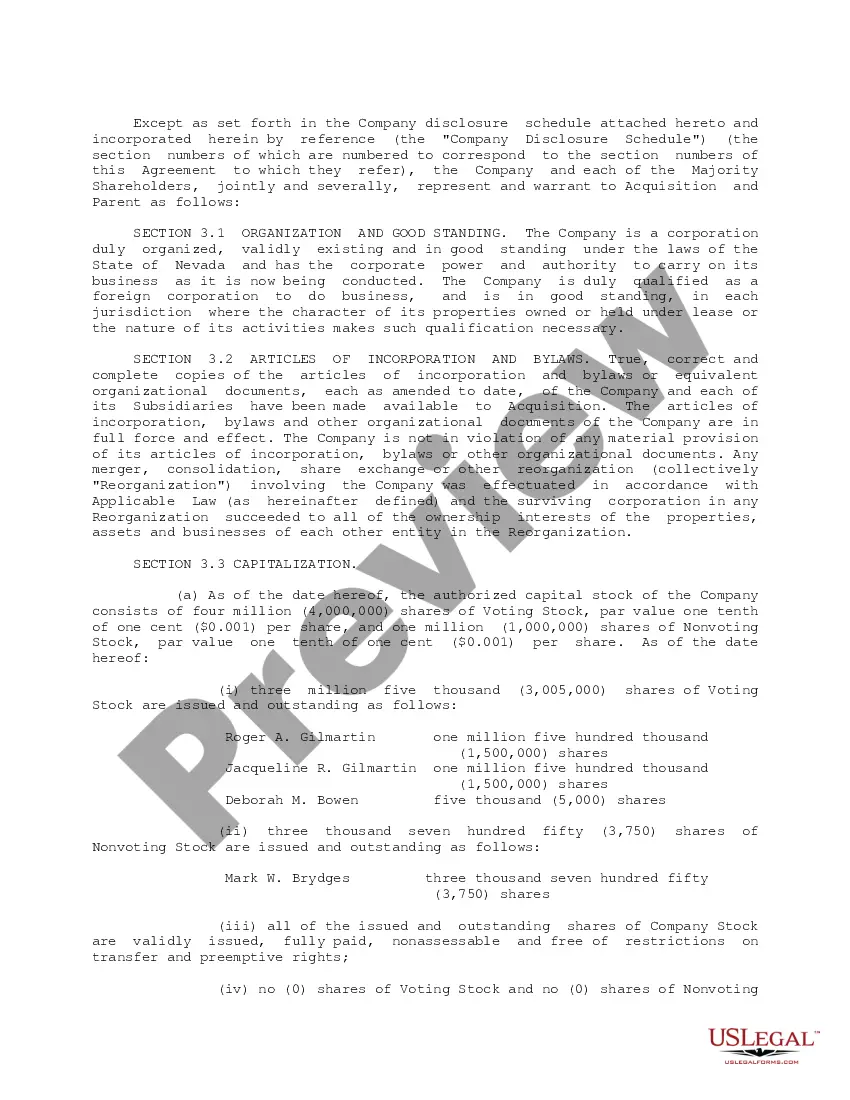
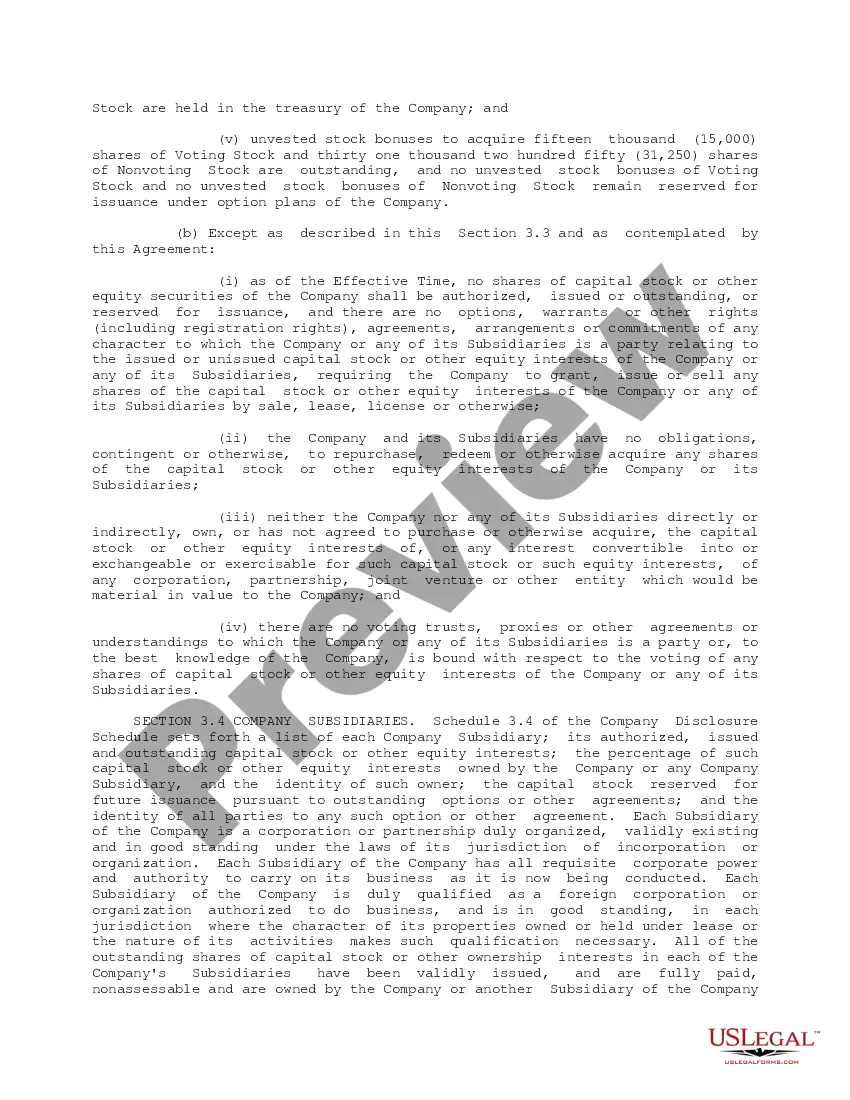
How to fill out Sample Purchase And Sale Agreement Purchase And Sale Of Stock Between GEC Acquisition Corp., Exigent International, Inc., GEC North America Corp.?
- Log into your US Legal Forms account. Ensure your subscription is current; if it's expired, renew according to your payment plan.
- Preview the form. Carefully review the description to ensure it meets your legal requirements and local jurisdiction standards.
- Search for other templates if needed using the search functionality to find the right document.
- Proceed to purchase. Click 'Buy Now' and select your preferred subscription plan, which requires you to create an account.
- Complete your transaction by providing payment details via credit card or PayPal.
- Download the document. Save it to your device and access it later from the 'My Forms' section in your profile.
With US Legal Forms, you gain access to a comprehensive library and premium expert assistance to ensure your legal documents are precise and valid.
Ready to streamline your legal documentation? Join US Legal Forms today and empower yourself with the tools needed for seamless legal execution.
Form popularity
FAQ
Under the 4th Amendment, exigent circumstances allow law enforcement to bypass the warrant requirement when there are urgent situations. These circumstances often involve protecting human life or preventing the destruction of evidence. To gain a better grasp of these legal nuances, consider examining a Sample exigent incorporation with the US to understand how these principles are applied in real-world scenarios.
In US v McConney, the court highlighted that exigent circumstances involve emergency situations where getting a warrant is not feasible. This case emphasized the need for speed in law enforcement to address pressing issues like imminent destruction of evidence. For individuals interested in specifics, a Sample exigent incorporation with the US can shed light on how such legal principles apply in various contexts.
Exigent circumstances in the US refer to situations where law enforcement can act without a warrant due to an immediate threat to safety or evidence. These circumstances justify quick action to prevent danger or loss of evidence. For those seeking a comprehensive understanding of the legal framework, exploring a Sample exigent incorporation with the US can provide clarity on this critical topic.
The exigent circumstances exception allows law enforcement to enter a property without a warrant when immediate action is required to prevent harm or secure evidence. This exception is based on the premise that waiting for a warrant could jeopardize the investigation or public safety. Familiarity with this exception can enhance your understanding of sample exigent incorporation with the US law.
Courts typically consider factors like the seriousness of the offense, the likelihood of evidence being destroyed, and the potential risk to officers or public safety. Each situation is evaluated based on the specific facts and circumstances present at the time of the incident. Knowing these factors can aid in discussions about sample exigent incorporation with the US.
Three types of exigent circumstances include the hot pursuit of a fleeing suspect, imminent destruction of evidence, and emergencies posing a threat to life or safety. In these scenarios, the need for immediate action outweighs the requirement of obtaining a warrant. Understanding these types can be crucial when discussing sample exigent incorporation with the US legal system.
An exigency search involves law enforcement entering a location without a warrant due to urgent circumstances. In cases concerning sample exigent incorporation with the US, officers can conduct these searches if they reasonably believe that immediate action is necessary to prevent harm or the destruction of evidence. Understanding this concept helps users navigate legal challenges effectively, and US Legal Forms provides resources to clarify these situations.
An example of exigency in legal terms refers to a situation that requires immediate action, often to prevent harm or loss of evidence. In the context of sample exigent incorporation with the US, law enforcement may enter a premises without a warrant if they believe that evidence is about to be destroyed. This principle underscores the need for adaptability within legal frameworks, ensuring swift responses to critical situations.
The primary justification for an exigent circumstance is the need to prevent imminent harm or the destruction of evidence. Law enforcement must act swiftly when facing these critical situations. This concept forms the core of the sample exigent incorporation with the US, demonstrating the balance between safety and legal protocols.
In US v McConney, the court addressed exigent circumstances that justified a warrantless entry when officers suspected ongoing drug activity. The rapid action was deemed necessary to prevent the destruction of evidence. This case serves as an important reference point for the sample exigent incorporation with the US.