Transfer Between Mortgage Foreclosures
Description

Get your form ready online
Our built-in tools help you complete, sign, share, and store your documents in one place.
Make edits, fill in missing information, and update formatting in US Legal Forms—just like you would in MS Word.
Download a copy, print it, send it by email, or mail it via USPS—whatever works best for your next step.
Sign and collect signatures with our SignNow integration. Send to multiple recipients, set reminders, and more. Go Premium to unlock E-Sign.
If this form requires notarization, complete it online through a secure video call—no need to meet a notary in person or wait for an appointment.
We protect your documents and personal data by following strict security and privacy standards.

Make edits, fill in missing information, and update formatting in US Legal Forms—just like you would in MS Word.

Download a copy, print it, send it by email, or mail it via USPS—whatever works best for your next step.

Sign and collect signatures with our SignNow integration. Send to multiple recipients, set reminders, and more. Go Premium to unlock E-Sign.

If this form requires notarization, complete it online through a secure video call—no need to meet a notary in person or wait for an appointment.

We protect your documents and personal data by following strict security and privacy standards.
Looking for another form?
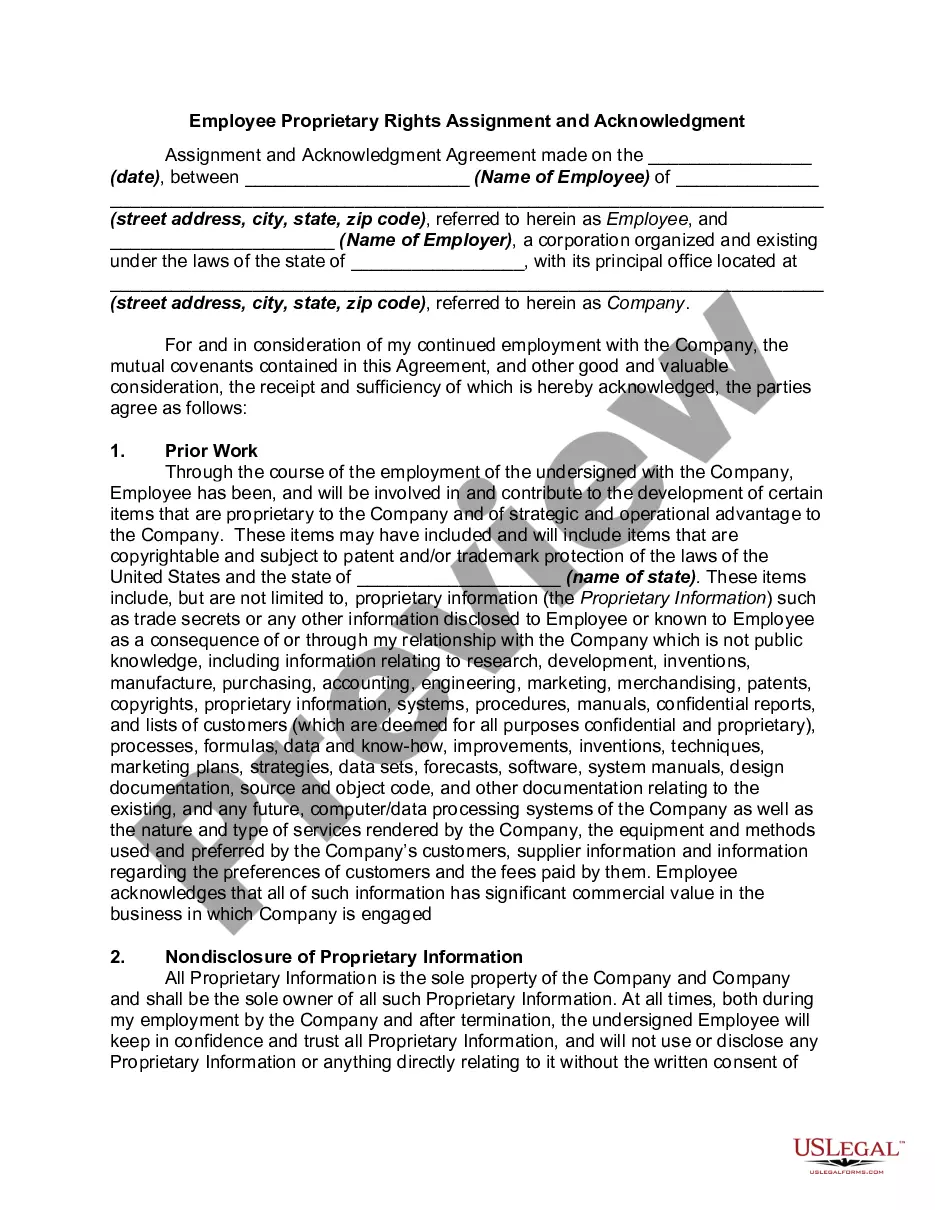







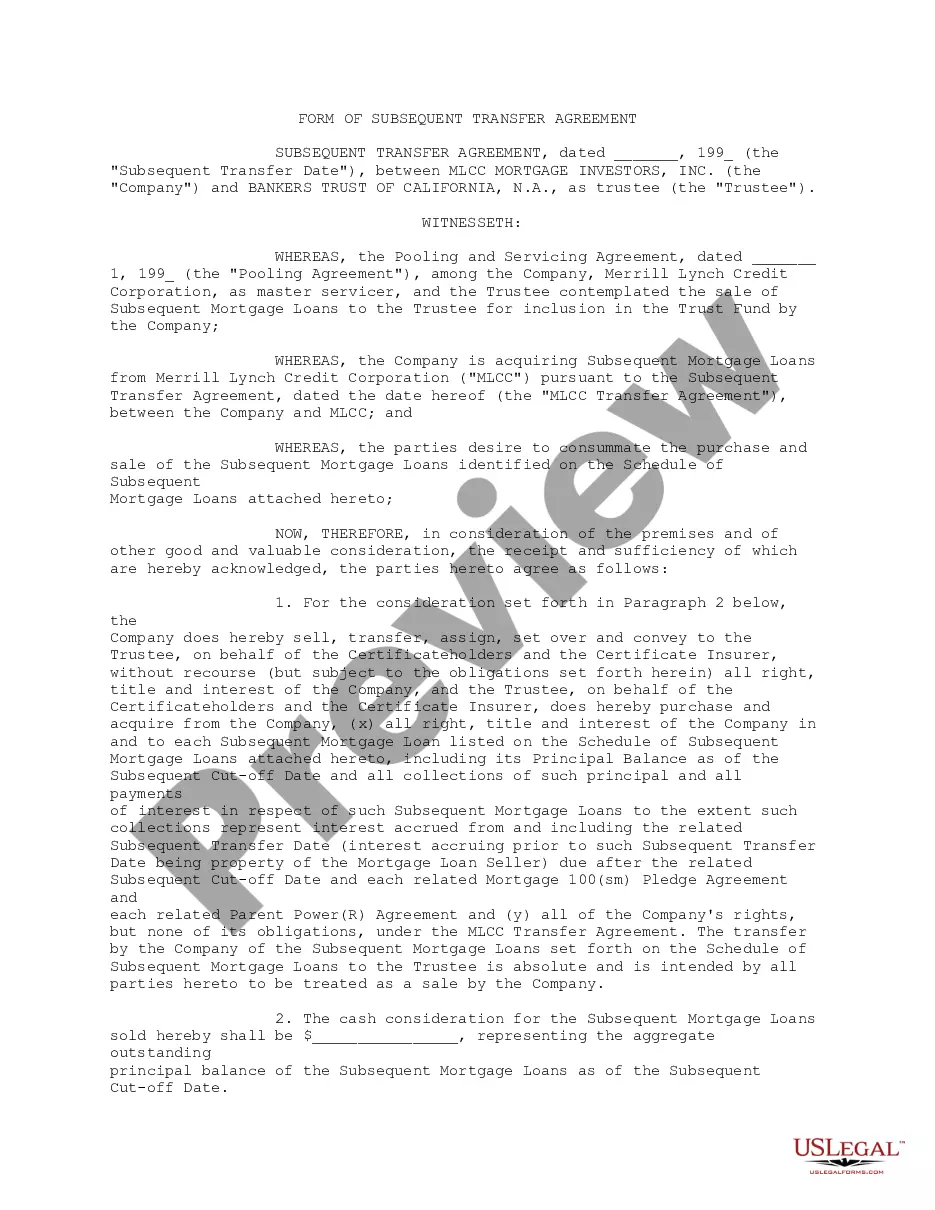
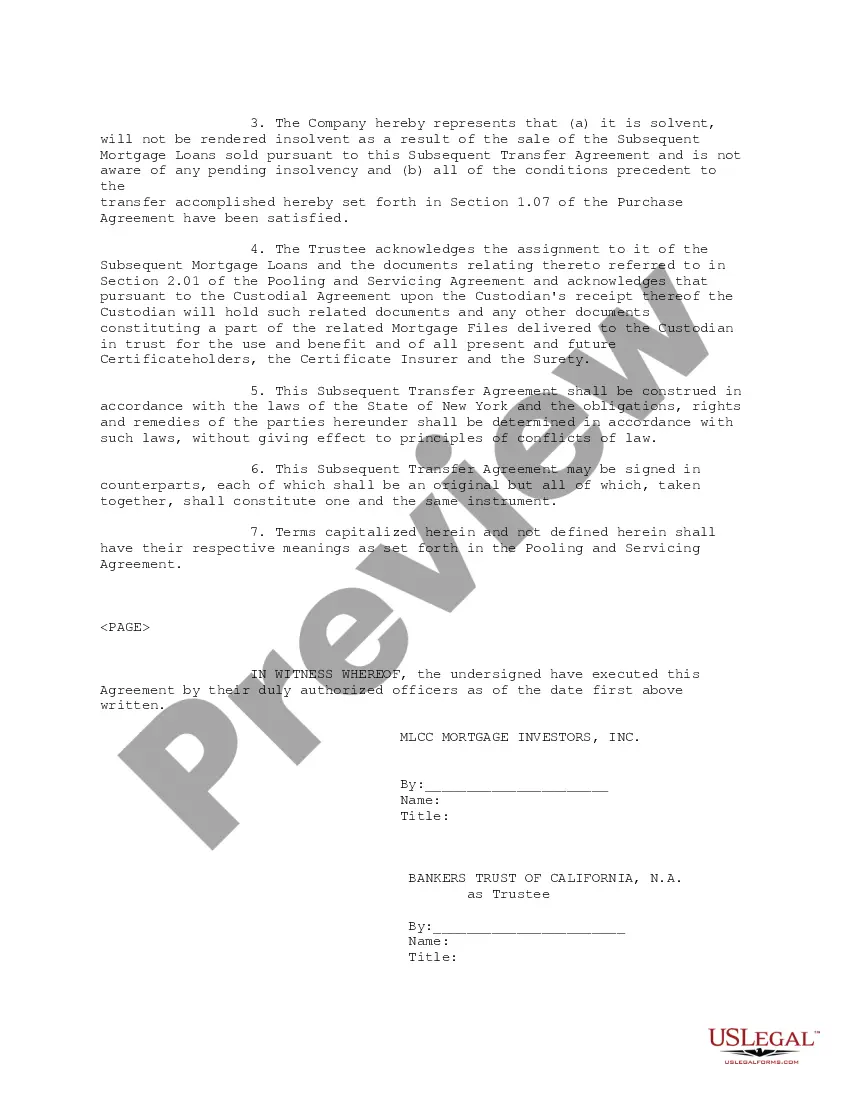
How to fill out Subsequent Transfer Agreement Between MLCC Mortgage Investors, Inc. And Bankers Trust Of CA, N.A. Regarding Consummation For Purchase And Sale Of Mortgage Loans?
Acquiring a reliable source for the most current and suitable legal templates is half the battle of managing bureaucracy.
Selecting the correct legal documents requires accuracy and careful attention, which is why it's crucial to obtain samples of Transfer Between Mortgage Foreclosures solely from credible sources, such as US Legal Forms.
Once you have the form on your device, you can modify it using the editor or print it out to complete it manually. Eliminate the hassle associated with your legal documents. Explore the extensive US Legal Forms collection to find legal templates, assess their relevance to your circumstances, and download them instantly.
- An incorrect template will squander your time and hinder the situation you are facing.
- With US Legal Forms, you have minimal concerns.
- You can access and review all the information regarding the document's applicability and significance for your situation and in your state or county.
- Follow these outlined steps to complete your Transfer Between Mortgage Foreclosures.
- Use the library navigation or search function to find your template.
- Review the form's description to determine if it meets the standards of your state and county.
- Preview the form, if available, to confirm that the template is the one you need.
- Continue the search to locate the appropriate document if the Transfer Between Mortgage Foreclosures does not suit your requirements.
- Once you are certain about the form's relevance, download it.
- If you are a registered user, click Log in to verify your identity and access your chosen templates in My documents.
- If you haven't created an account yet, click Buy now to acquire the form.
- Choose the pricing plan that accommodates your needs.
- Proceed to the registration to complete your transaction.
- Conclude your purchase by selecting a payment option (credit card or PayPal).
- Choose the document format for downloading Transfer Between Mortgage Foreclosures.
Form popularity
FAQ
How to Transfer a Mortgage Review Your Mortgage Documents. It's a good idea to double-check your loan agreement to see if you're allowed to transfer the mortgage. ... Request a Transfer. Contact your lender to initiate the transfer. ... Consider Extra Help. ... Complete the Transfer.
In any jurisdiction, porting can only happen if the lender allows it and, especially in America, few lenders will approve porting. However, if permitted, it can let a homeowner move into a new home without having to go through the process of getting a new mortgage.
Mortgage Porting In order to port a mortgage, the borrower will have to sell the old home at the same time he or she is purchasing a new one. The terms of the loan will stay the same, so the amount of the mortgage must be enough to pay for the new home.
Porting a mortgage means you transfer the terms of your mortgage to a new property. That means keeping the same interest rate, fixed-rate period and fees.
Bank of America Wells Fargo Chase U.S. Bank PNC Bank First Republic Bank Capital One Quicken Loans Mortgage Porting is the process of transferring your existing mortgage from one property to another. This allows you to keep your current interest rate, term, and other terms and conditions when you move.