Leasehold Improvements In Ifrs 16
Description
Get your form ready online
Our built-in tools help you complete, sign, share, and store your documents in one place.
Make edits, fill in missing information, and update formatting in US Legal Forms—just like you would in MS Word.
Download a copy, print it, send it by email, or mail it via USPS—whatever works best for your next step.
Sign and collect signatures with our SignNow integration. Send to multiple recipients, set reminders, and more. Go Premium to unlock E-Sign.
If this form requires notarization, complete it online through a secure video call—no need to meet a notary in person or wait for an appointment.
We protect your documents and personal data by following strict security and privacy standards.

Make edits, fill in missing information, and update formatting in US Legal Forms—just like you would in MS Word.

Download a copy, print it, send it by email, or mail it via USPS—whatever works best for your next step.

Sign and collect signatures with our SignNow integration. Send to multiple recipients, set reminders, and more. Go Premium to unlock E-Sign.

If this form requires notarization, complete it online through a secure video call—no need to meet a notary in person or wait for an appointment.

We protect your documents and personal data by following strict security and privacy standards.
Looking for another form?


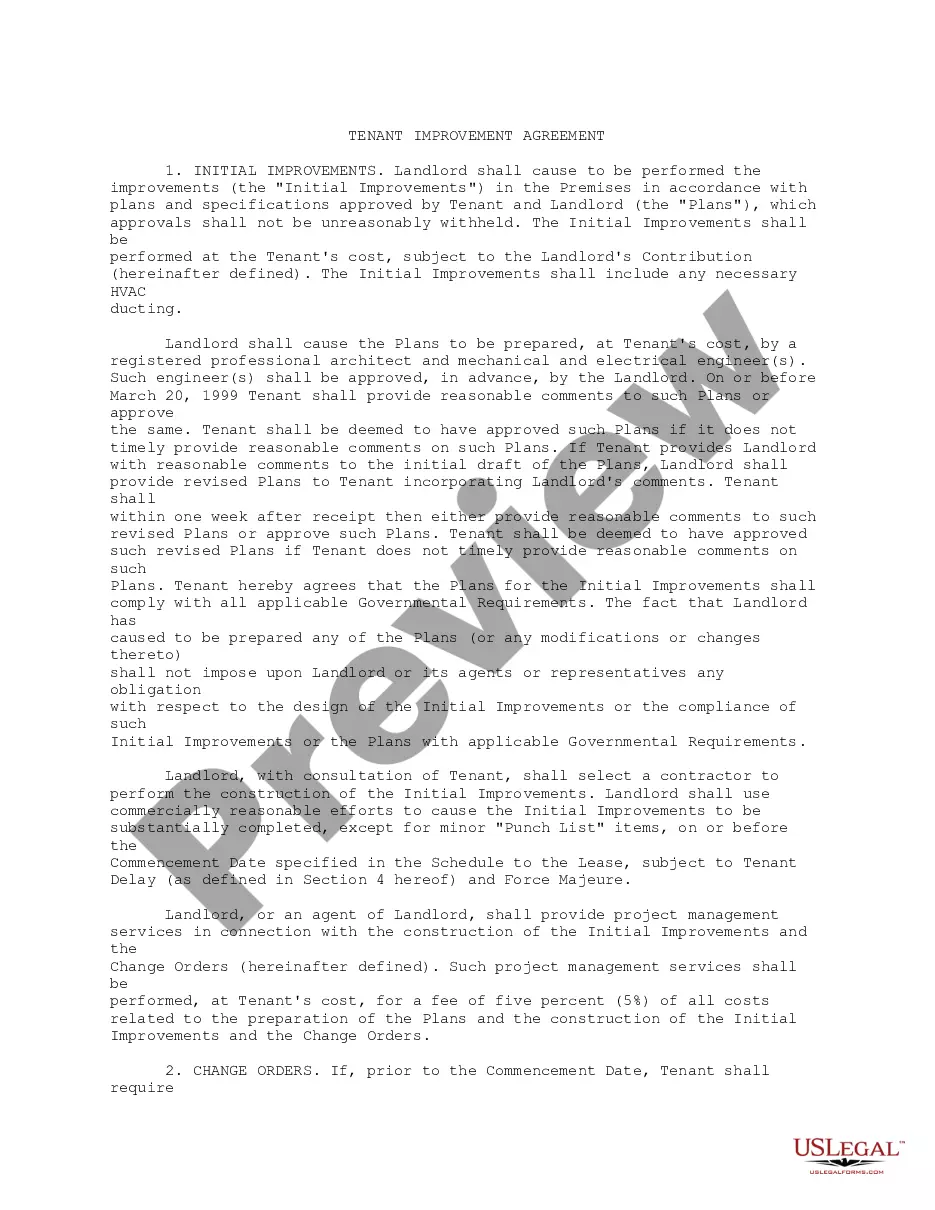
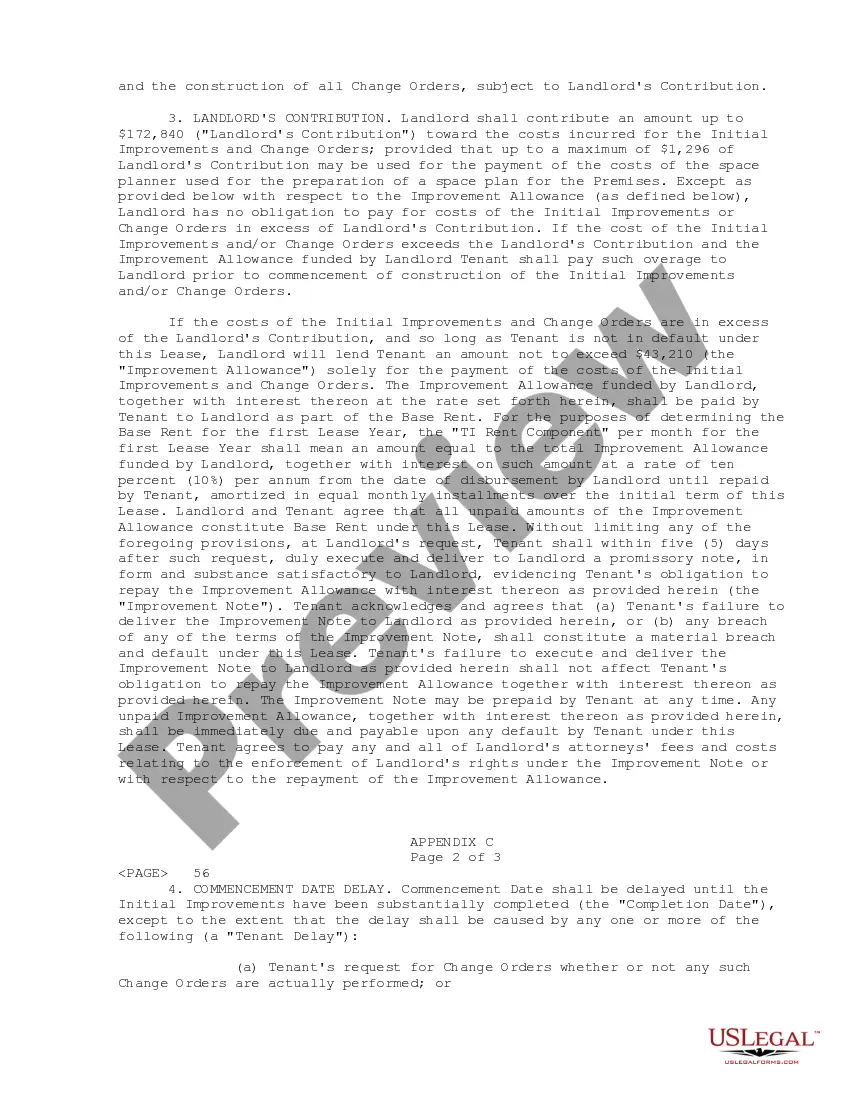
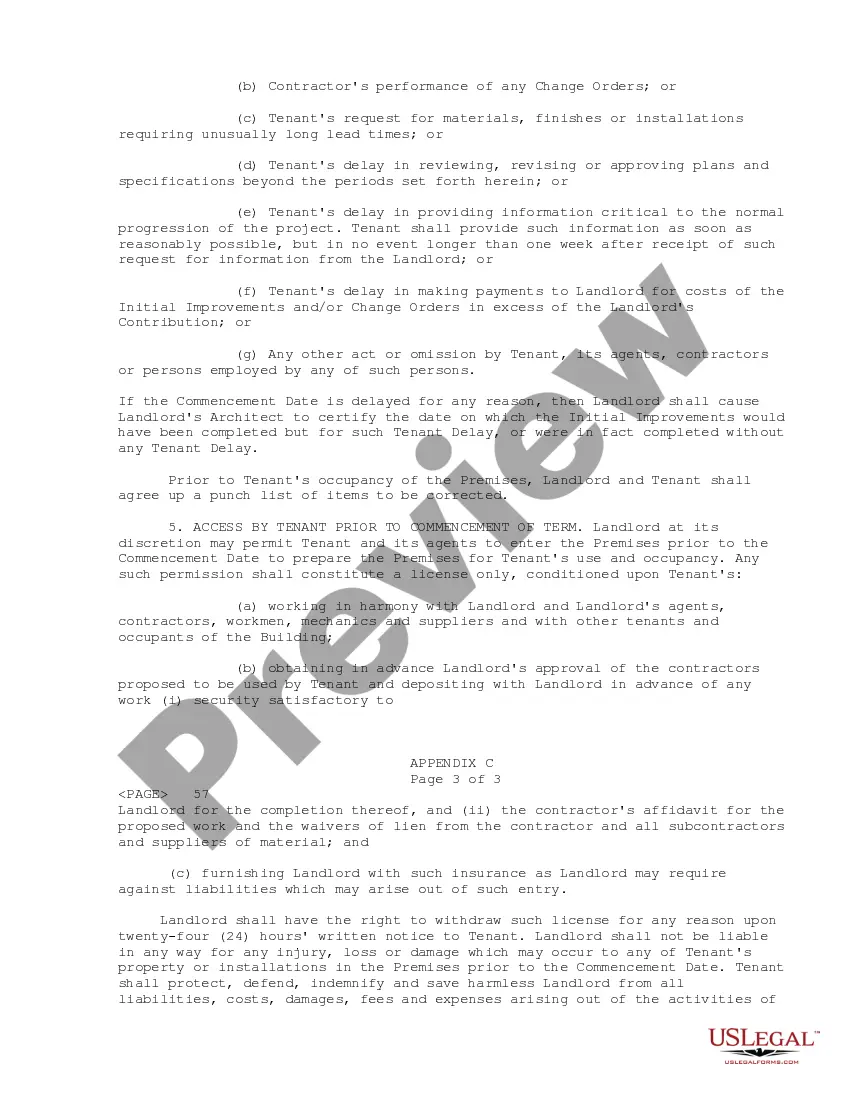
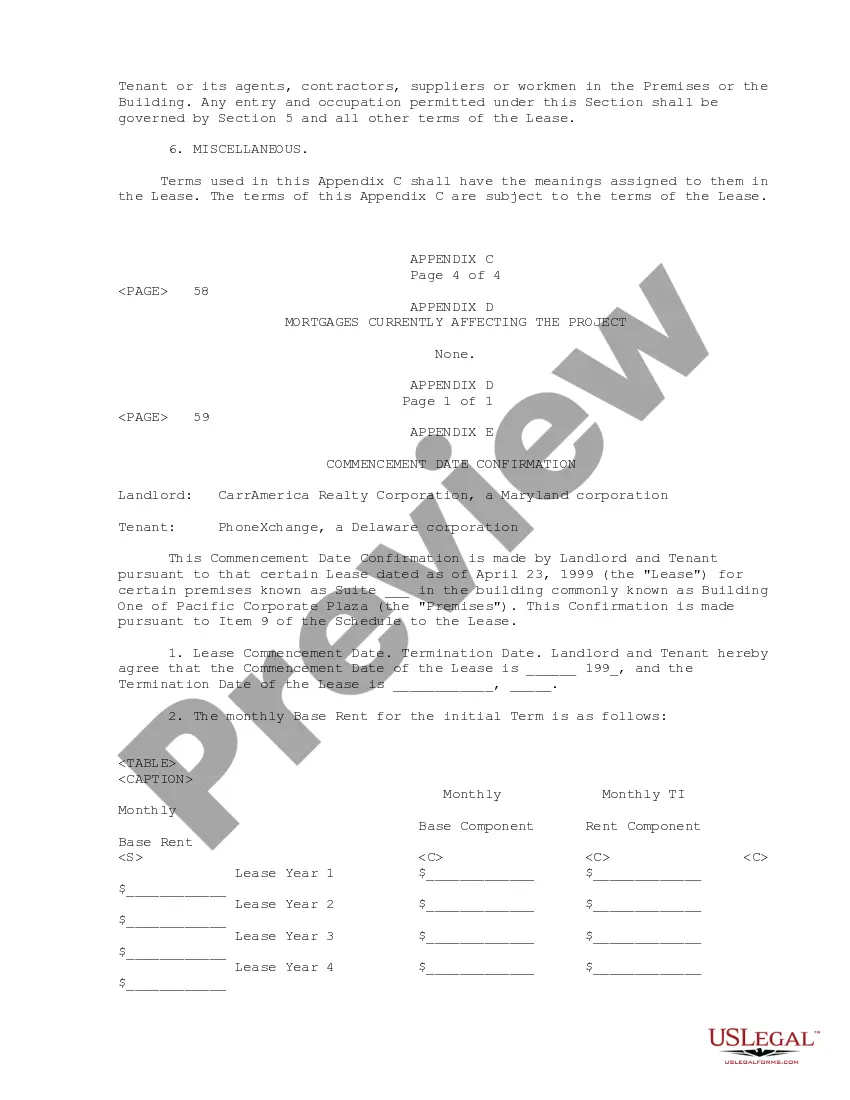
How to fill out Tenant Improvement Lease?
Utilizing legal document examples that adhere to federal and local laws is essential, and the internet provides numerous options to select from.
However, what is the advantage of spending time searching for the right Leasehold Improvements In Ifrs 16 example online when the US Legal Forms online library already compiles such templates in one location.
US Legal Forms is the largest online legal repository with over 85,000 editable templates crafted by attorneys for any business and personal circumstance. They are simple to navigate with all documents categorized by state and purpose of use. Our experts stay updated with legislative changes, so you can always be confident that your documents are current and compliant when obtaining a Leasehold Improvements In Ifrs 16 from our site.
All templates available through US Legal Forms are reusable. To download and complete forms that you previously acquired, access the My documents section in your profile. Take advantage of the most extensive and user-friendly legal documentation service!
- Examine the template using the Preview function or review the text outline to ensure it fulfills your requirements.
- Search for an alternative example using the search feature at the top of the page if necessary.
- Hit Buy Now once you’ve located the appropriate form and select a subscription plan.
- Create an account or Log In and complete your payment via PayPal or credit card.
- Choose the format for your Leasehold Improvements In Ifrs 16 and download it.
Form popularity
FAQ
The treatment of leasehold improvements in IFRS 16 varies regarding their useful life. Generally, they can be depreciated over 15 years or the lease term, whichever is shorter. However, certain circumstances may warrant a different period based on specific lease agreements. It is important to consult with a financial advisor to ensure accurate depreciation aligns with your lease terms.
Leasehold improvements in IFRS 16 specifically include renovations and enhancements made to leased property. However, expenses such as regular repairs, maintenance, and furniture purchases are typically not considered leasehold improvements. These costs do not add significant value to the property itself and are instead treated as operational expenses. Knowing what qualifies can help you better manage your financial statements.
Writing off leasehold improvements means you need to assess when the asset is no longer providing value. Once determined, remove the asset from your balance sheet and record any associated depreciation. This process is essential to maintaining accurate financial records and reflecting the real value of your leasehold improvements in IFRS 16.
To properly record leasehold improvements, start by documenting all related expenses in your accounting system. Under IFRS 16, these costs should be capitalized as part of the leased asset. Ensure you also track the depreciation, as this affects your financial statements over time.
Writing off leasehold improvements involves removing the asset from your books once its useful life has ended. Under IFRS 16, you need to recognize any accumulated depreciation prior to the write-off. This ensures that your financial records reflect the true value of your assets, maintaining accuracy in reporting.
Yes, leasehold improvements are considered part of the Right of Use (ROU) asset. They contribute to the overall value recognized under the lease agreement, along with the present value of lease payments. Accurately including these improvements is vital for maintaining compliance with IFRS 16 and ensuring transparent financial reporting.
Leasehold improvements typically qualify as any permanent alterations made to a leased space. These can include partitions, lighting fixtures, or flooring that enhances the functionality or aesthetic of the premises. Clearly identifying these improvements is essential for capitalizing them and complying with IFRS 16 regulations.
Yes, leasehold improvements are included in the Right of Use (ROU) asset under IFRS 16. This means that when you recognize the lease, you should also incorporate the associated leasehold improvements as part of the total value of the ROU asset. This treatment promotes accurate financial representation and ensures compliance with accounting standards.
You can capitalize costs that enhance the leased property, such as renovations, installations, or upgrades. Ordinary repairs are generally not capitalized, as they do not significantly increase the property's value or extend its useful life. Understanding these distinctions is crucial for accurate financial reporting under IFRS 16.
You account for leasehold improvements by capitalizing the costs associated with them and then depreciating these costs over time. This depreciation reflects the wear and tear that occurs as you use the property. By following IFRS 16 guidelines, you ensure that these improvements are appropriately valued on your financial statements.