Repurchase Agreement Cea
Description
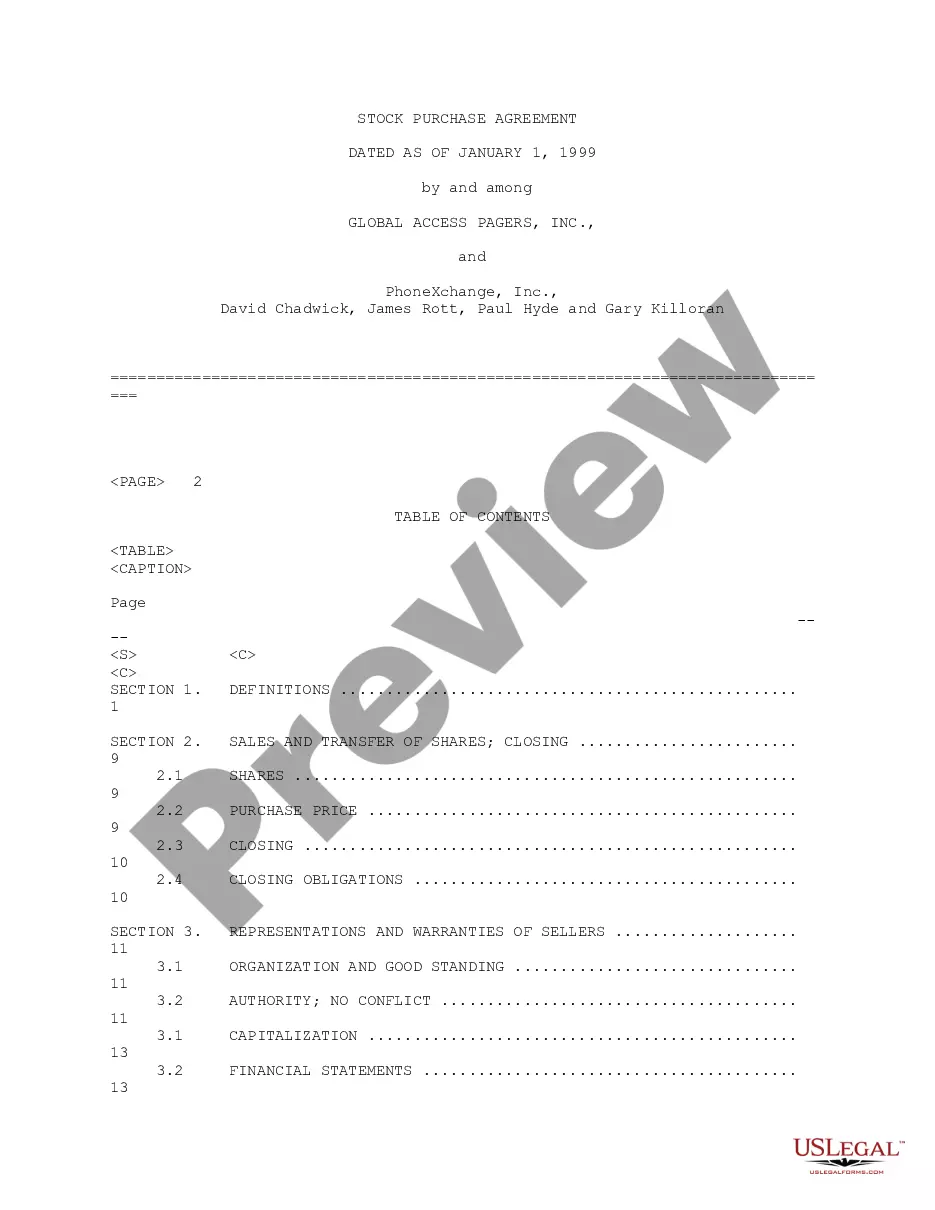
Get your form ready online
Our built-in tools help you complete, sign, share, and store your documents in one place.
Make edits, fill in missing information, and update formatting in US Legal Forms—just like you would in MS Word.
Download a copy, print it, send it by email, or mail it via USPS—whatever works best for your next step.
Sign and collect signatures with our SignNow integration. Send to multiple recipients, set reminders, and more. Go Premium to unlock E-Sign.
If this form requires notarization, complete it online through a secure video call—no need to meet a notary in person or wait for an appointment.
We protect your documents and personal data by following strict security and privacy standards.

Make edits, fill in missing information, and update formatting in US Legal Forms—just like you would in MS Word.

Download a copy, print it, send it by email, or mail it via USPS—whatever works best for your next step.

Sign and collect signatures with our SignNow integration. Send to multiple recipients, set reminders, and more. Go Premium to unlock E-Sign.

If this form requires notarization, complete it online through a secure video call—no need to meet a notary in person or wait for an appointment.

We protect your documents and personal data by following strict security and privacy standards.
Looking for another form?


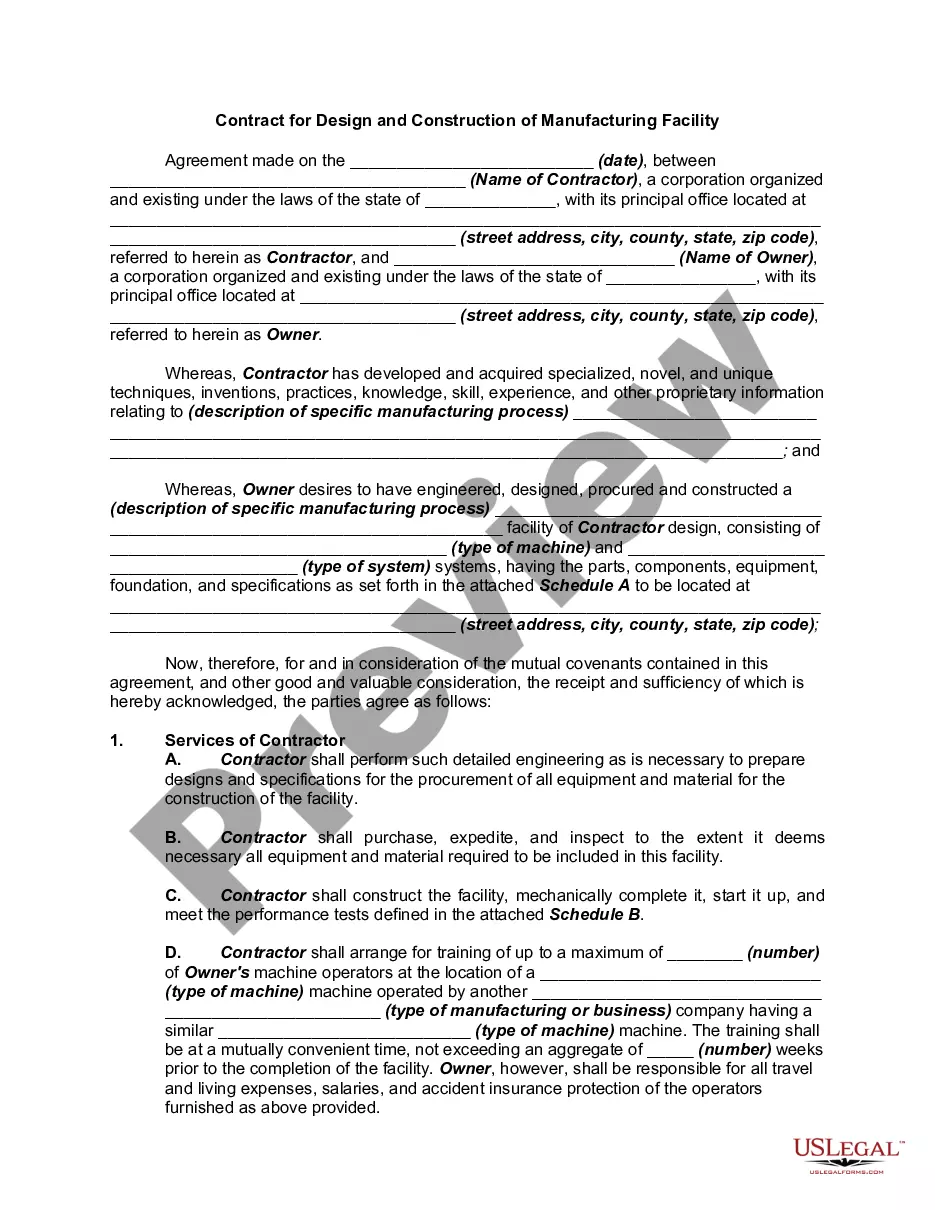







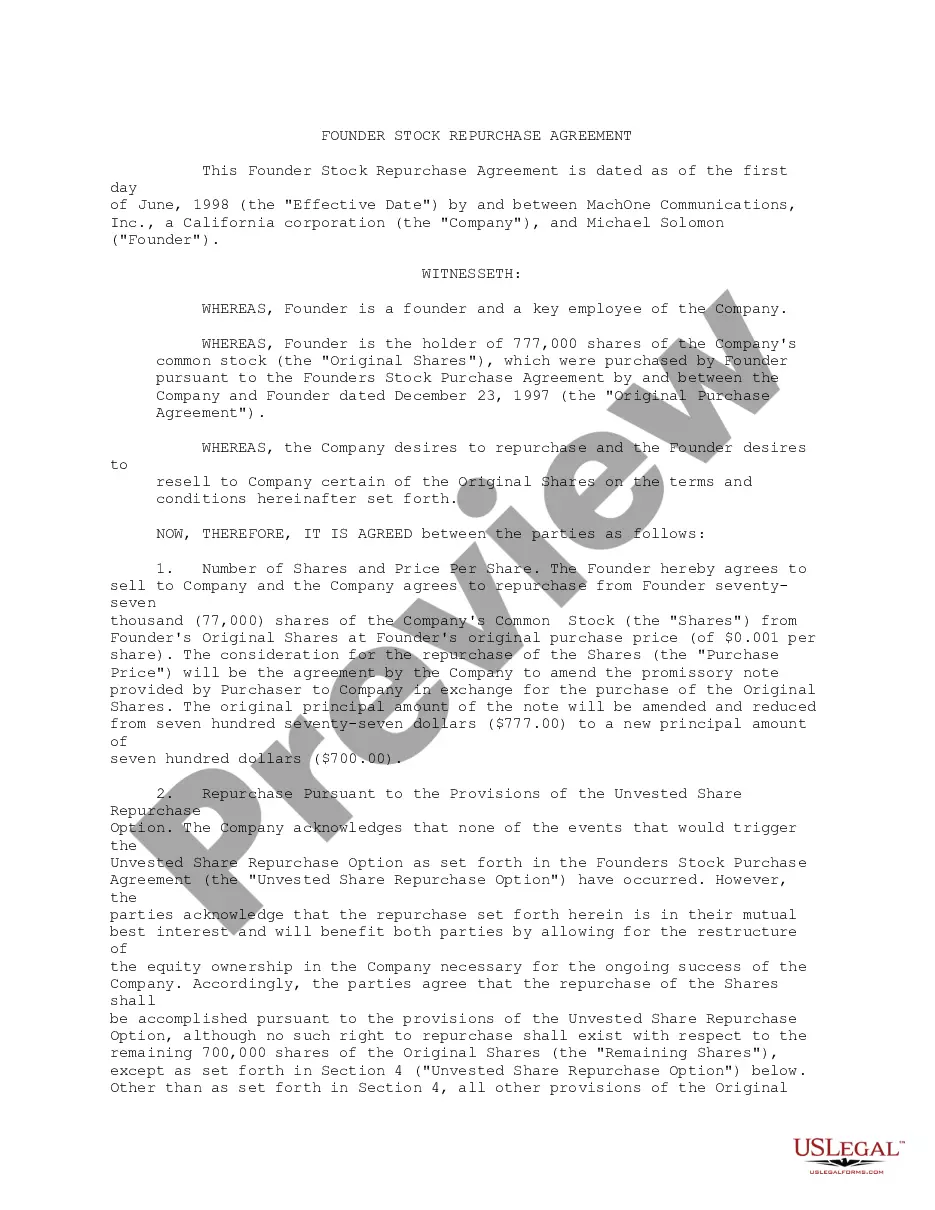
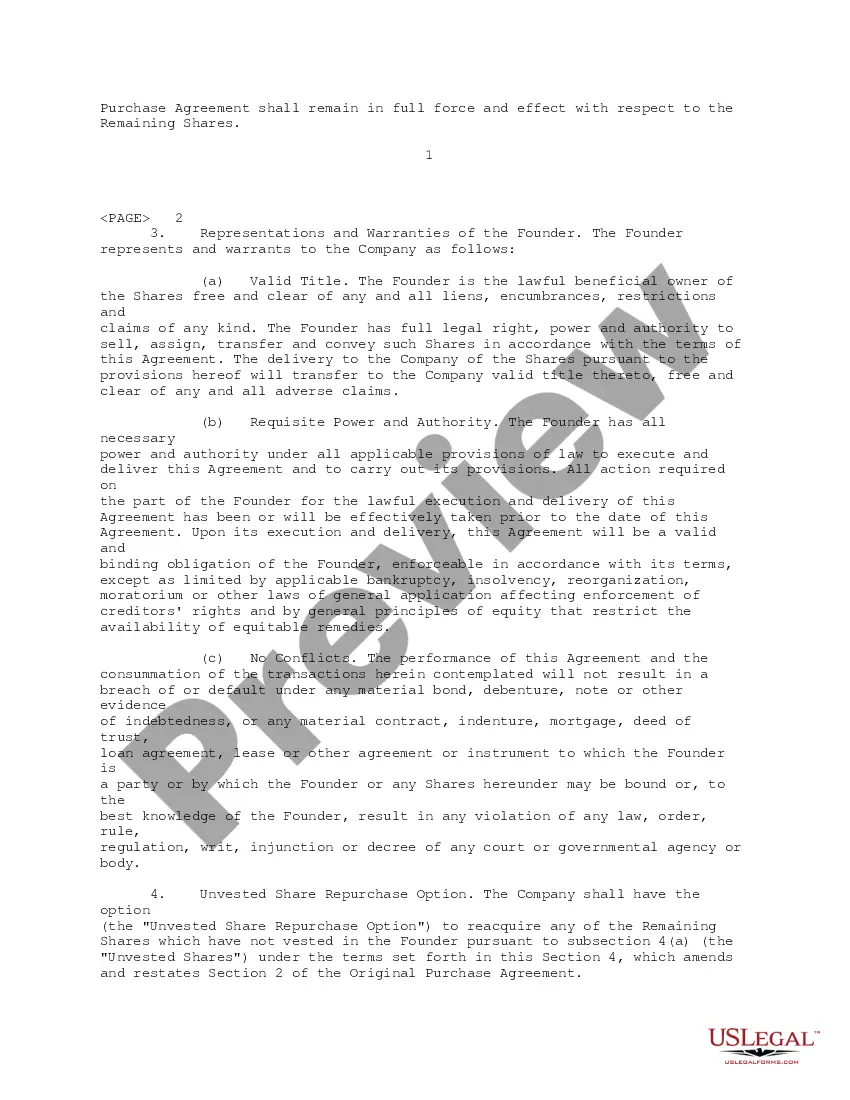
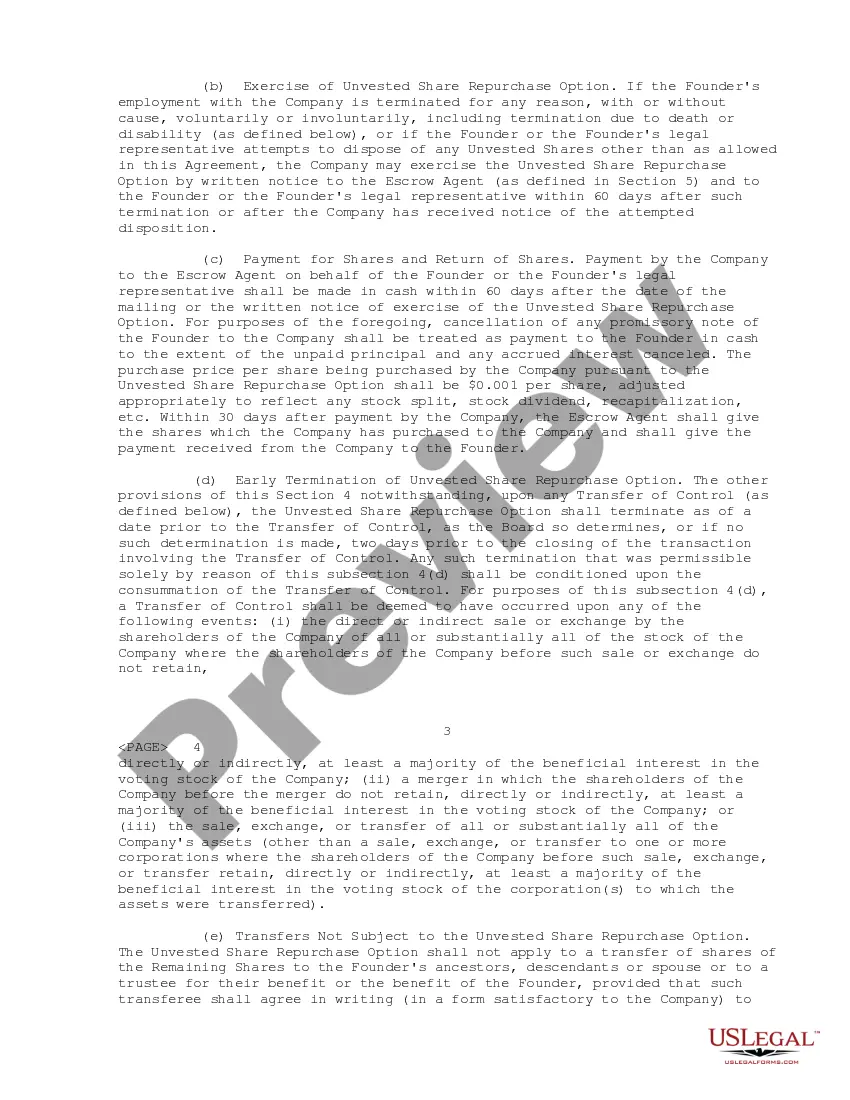
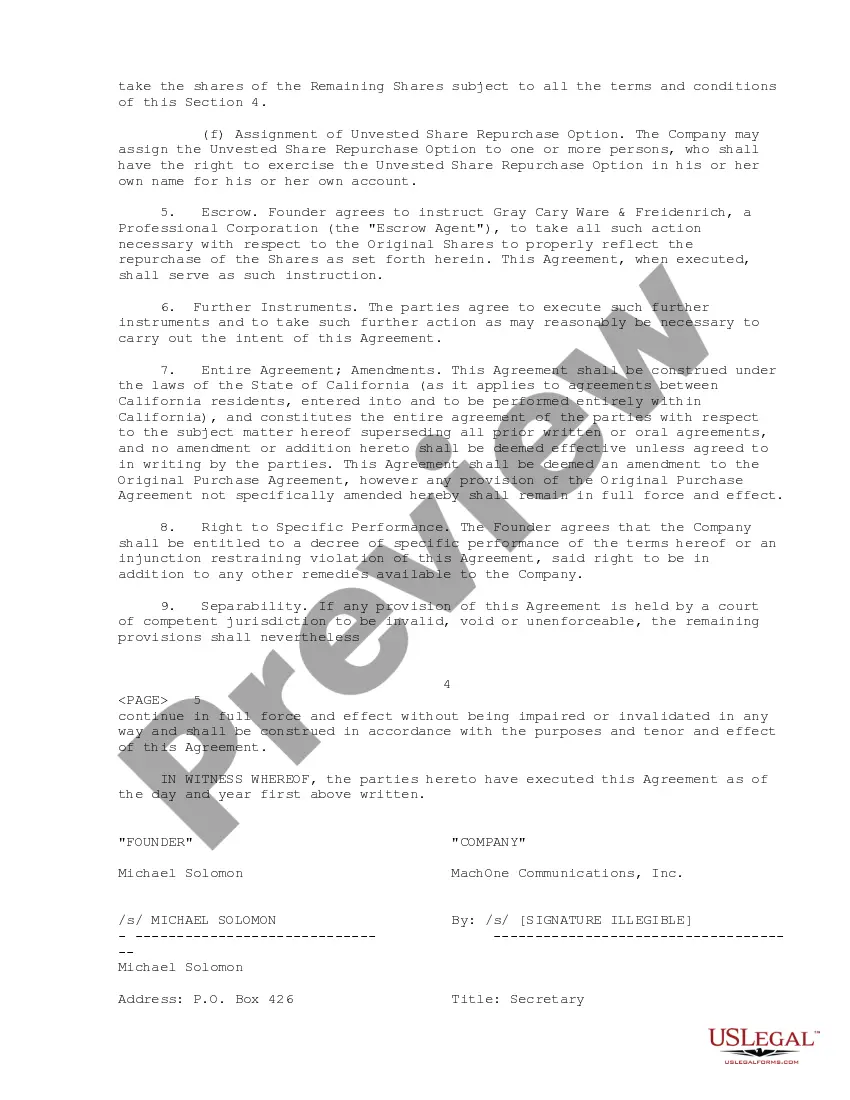
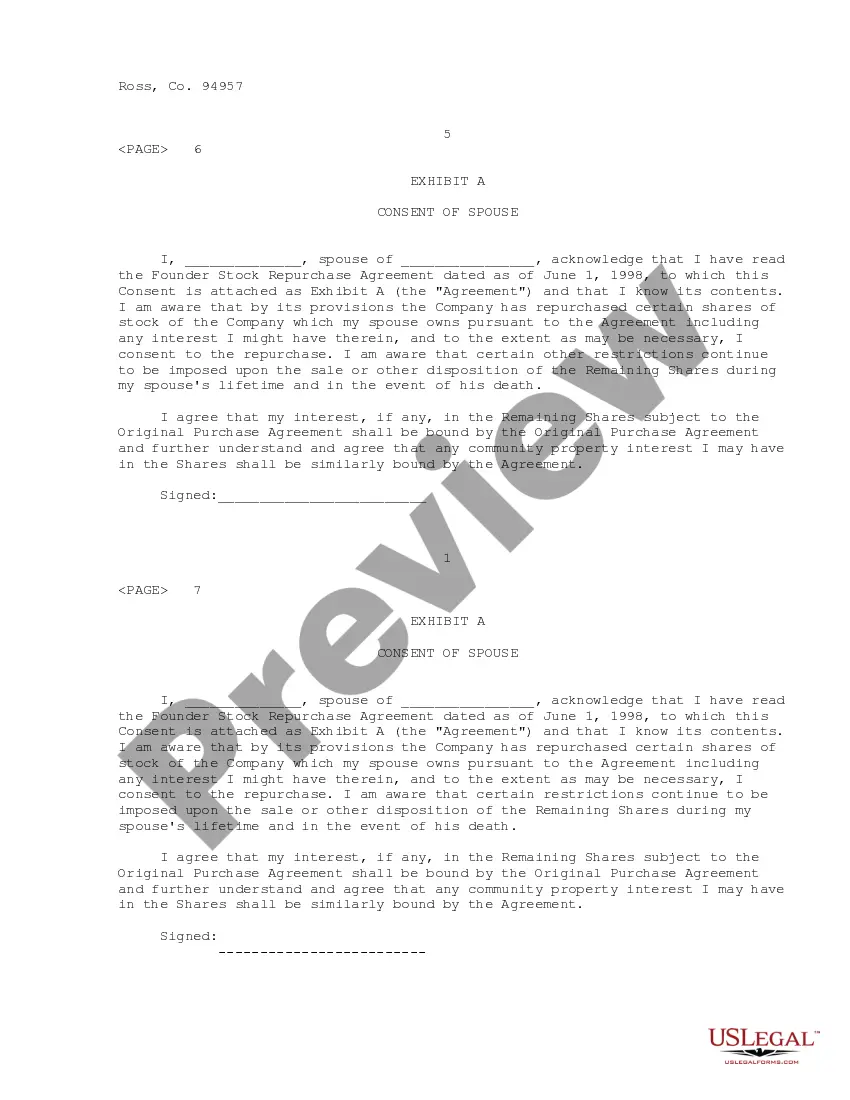
How to fill out Sample Founder Stock Repurchase Agreement Between MachOne Communications, Inc. And Michael Solomon?
- Log in to your US Legal Forms account if you are a returning user, and ensure your subscription is valid. If it's expired, take the time to renew it under your current payment plan.
- For first-time users, begin by selecting the appropriate form template. Use the Preview mode and description to confirm it aligns with your requirements and regulations in your area.
- In case you need a different template, use the Search tab above to find one that fits your needs. Once satisfied, proceed to the next step.
- Purchase the document by clicking the 'Buy Now' button. Choose a subscription plan that suits you and create an account for access to their extensive library.
- Complete your purchase by entering your payment information, either via credit card or PayPal, to finalize your subscription.
- Download your chosen form to your device for completion. You can also access it later in the 'My Forms' section of your profile.
In conclusion, US Legal Forms is a powerful tool that empowers both individuals and legal professionals to create and manage legal documentation with ease. Their extensive library and customer support ensure that you have everything you need at your fingertips.
Start your journey with US Legal Forms today and enjoy the convenience and robustness of their legal document solutions.
Form popularity
FAQ
Buy sell back is a transaction wherein an investor sells an asset and agrees to buy it back later, similar to a classic repo. However, classic repos often involve financial institutions and securities, creating a more structured and regulated environment. Both strategies can be advantageous, and leveraging a repurchase agreement cea can enhance your financial strategy significantly.
The three main types of repo include overnight repo, term repo, and open repo. Each type varies in duration and terms but serves the same fundamental purpose: providing liquidity. By understanding these distinctions, you can utilize a repurchase agreement cea more effectively to match your investment or operational needs.
Typically, US treasury repurchase agreements are not subject to taxation. This aspect makes them attractive to investors seeking tax-advantaged options. When engaging with a repurchase agreement cea, it is important to consult tax professionals for clarity on unique scenarios or state-specific regulations.
A buy back refers to a transaction where a firm repurchases its own shares, while a sell back involves selling those shares back to the market. In the context of a repurchase agreement cea, recognizing the key differences helps investors navigate their options more effectively. Understanding these terms allows for smarter financial decisions, particularly when engaging in guided investments.
Various entities can issue a repurchase agreement cea, including banks, financial institutions, and even some corporations. Typically, these agreements are utilized by professionals seeking short-term financing. The issuer sells securities with a commitment to repurchase them later, allowing both parties to benefit. If you're looking to draft or negotiate such agreements, USLegalForms offers excellent resources and templates.
Generally, repurchase agreements cea are considered off balance sheet items, especially in certain accounting frameworks. This means they do not appear on the balance sheet, allowing firms to manage liquidity with greater flexibility. However, it is crucial to understand the implications, particularly regarding financial reporting. Consulting with a financial professional or using resources from USLegalForms can provide further insights into this topic.
The duration of repurchase agreements can vary significantly, typically ranging from overnight to a few weeks. Short-term repos indicate a quick financing solution, while longer-term agreements allow for extended liquidity management. This flexibility benefits financial institutions and investors alike. If you're exploring options, the repurchase agreement cea can help tailor solutions to your specific financial timeframe.
The terms buyback and repurchase agreement often confuse individuals, but they signify different concepts. A buyback typically implies a company buying back its own shares from the market, reflecting a strategy to reduce outstanding shares. In contrast, a repurchase agreement cea centers on a financial transaction involving the temporary sale of an asset with a commitment to repurchase it. Recognizing these differences is crucial for strategic financial planning.
Yes, repurchase agreements are legal and widely used in the financial market. They serve as a valuable tool for managing liquidity and financing short-term needs. However, it's essential to follow relevant regulations, as they can vary by jurisdiction. By utilizing repurchase agreement cea, participants gain access to a clear framework that supports legal compliance and best practices.
The key distinction between a repurchase agreement and a sale buyback lies in ownership and intent. In a repurchase agreement cea, the seller retains ownership rights until the repurchase occurs, while in a sale buyback, the seller relinquishes ownership and plans to buy back the asset later. This affects how each transaction is recorded in financial statements. Understanding these differences helps investors make informed decisions.