Grantor Between Withdrawals
Description
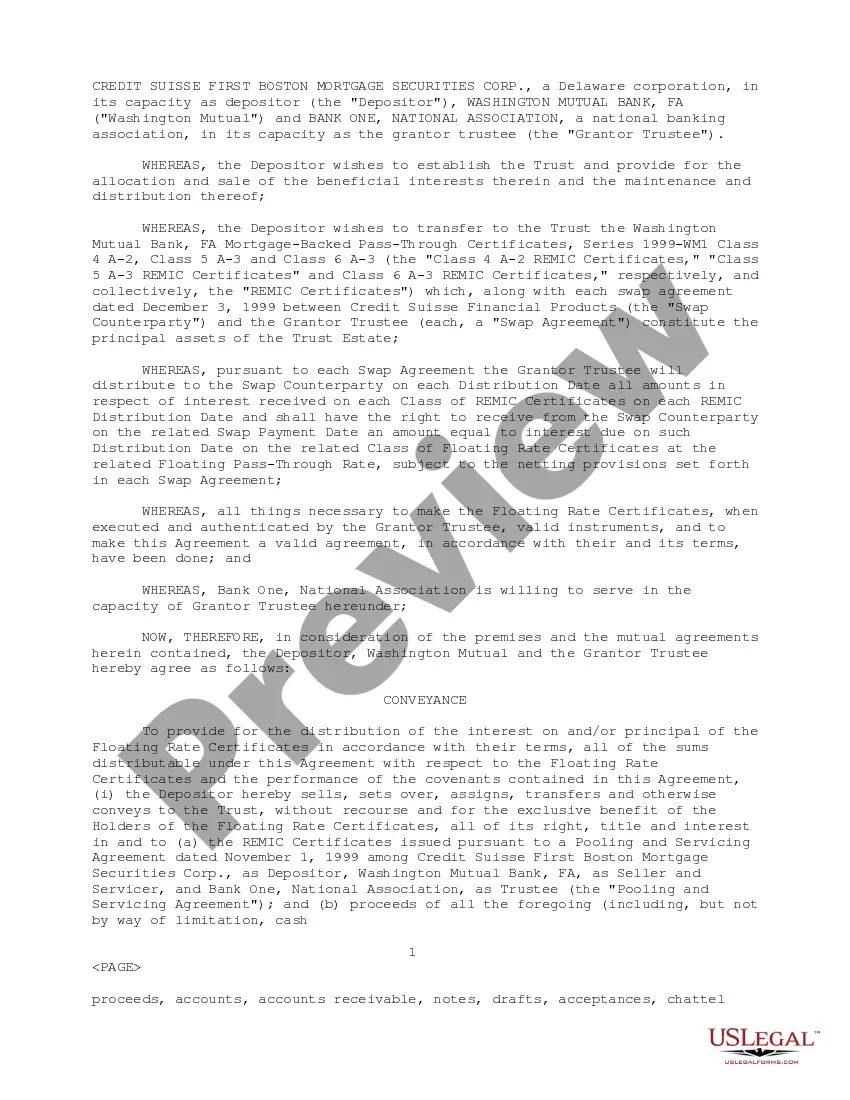
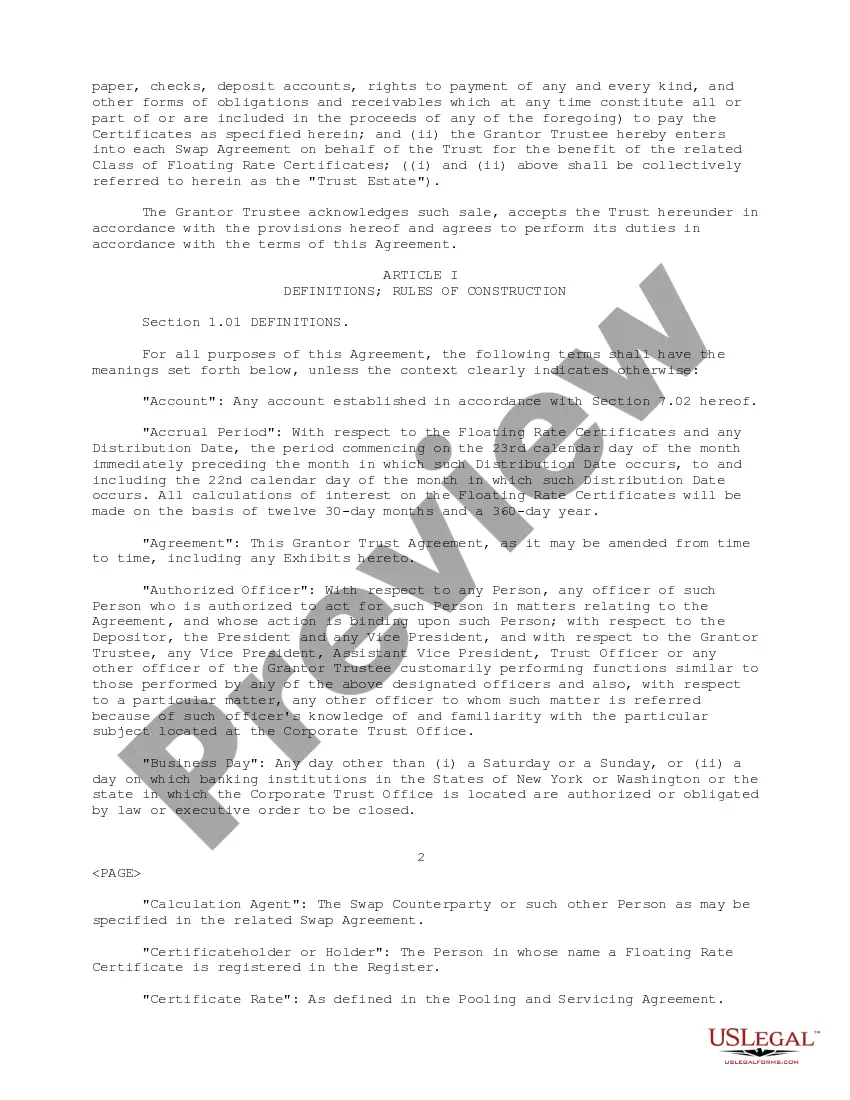
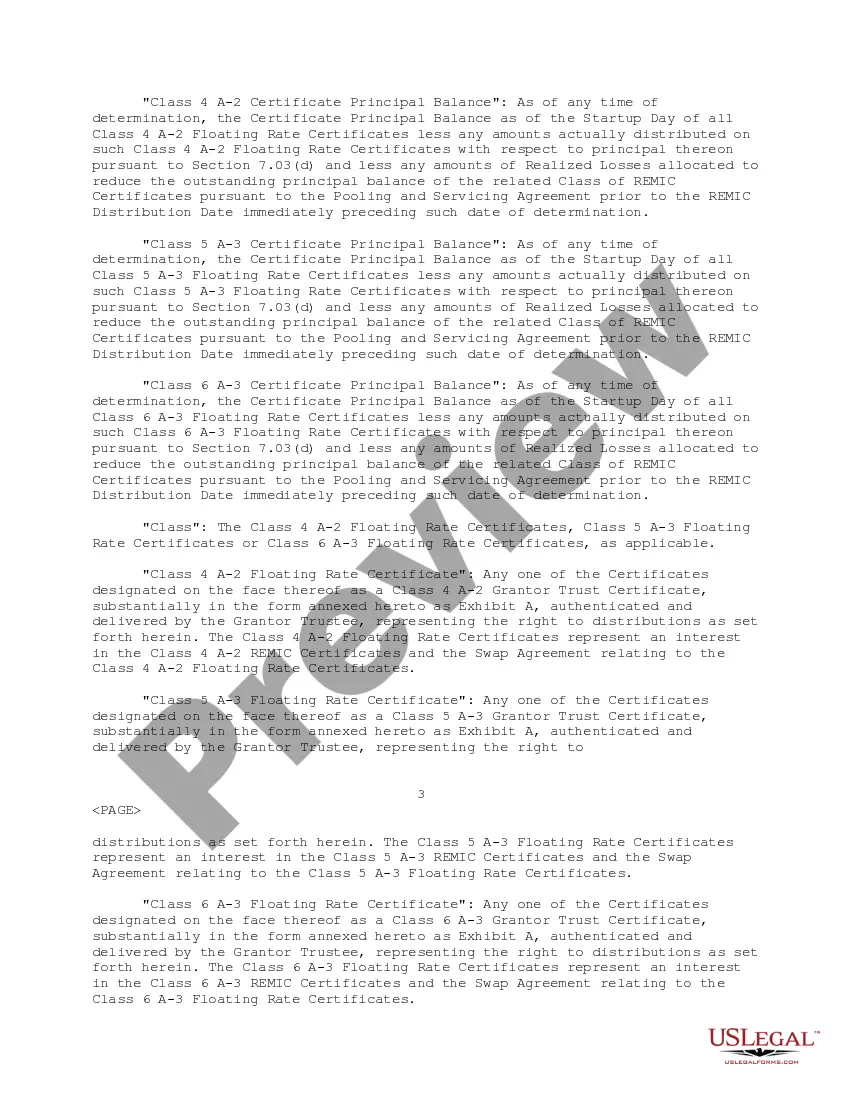
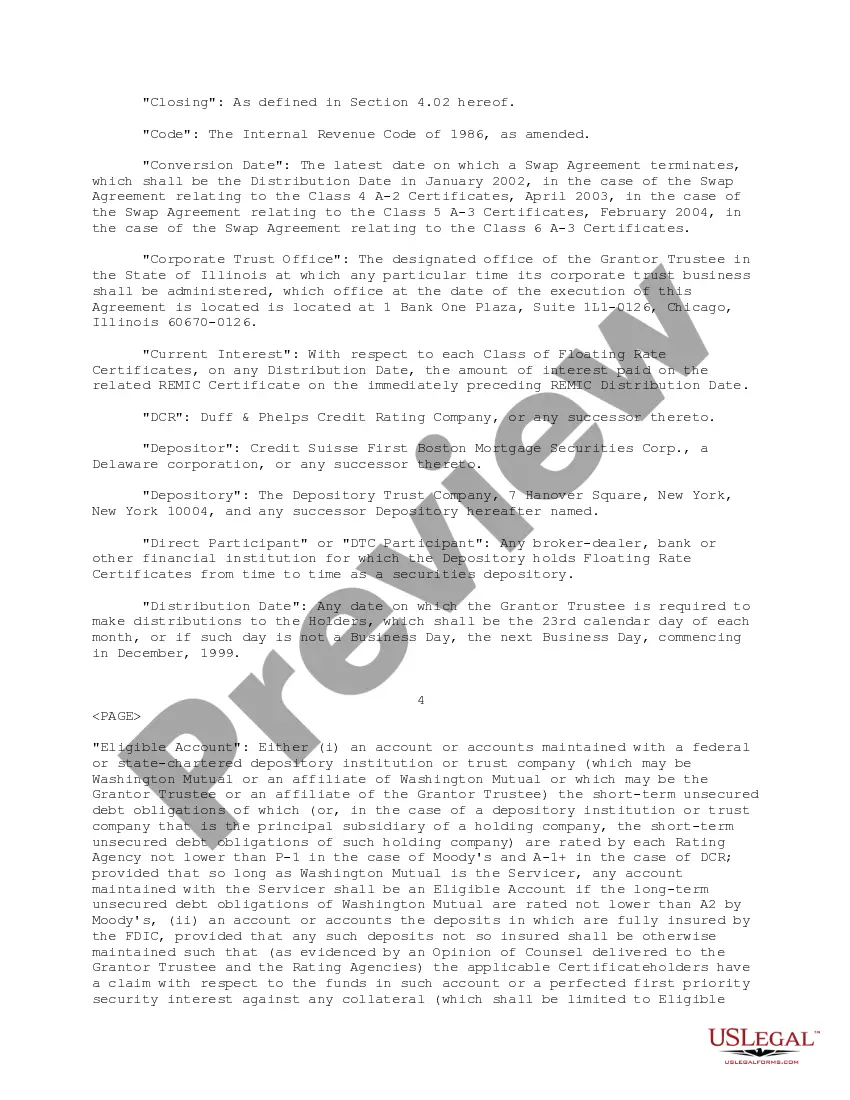

Get your form ready online
Our built-in tools help you complete, sign, share, and store your documents in one place.
Make edits, fill in missing information, and update formatting in US Legal Forms—just like you would in MS Word.
Download a copy, print it, send it by email, or mail it via USPS—whatever works best for your next step.
Sign and collect signatures with our SignNow integration. Send to multiple recipients, set reminders, and more. Go Premium to unlock E-Sign.
If this form requires notarization, complete it online through a secure video call—no need to meet a notary in person or wait for an appointment.
We protect your documents and personal data by following strict security and privacy standards.

Make edits, fill in missing information, and update formatting in US Legal Forms—just like you would in MS Word.

Download a copy, print it, send it by email, or mail it via USPS—whatever works best for your next step.

Sign and collect signatures with our SignNow integration. Send to multiple recipients, set reminders, and more. Go Premium to unlock E-Sign.

If this form requires notarization, complete it online through a secure video call—no need to meet a notary in person or wait for an appointment.

We protect your documents and personal data by following strict security and privacy standards.
Looking for another form?
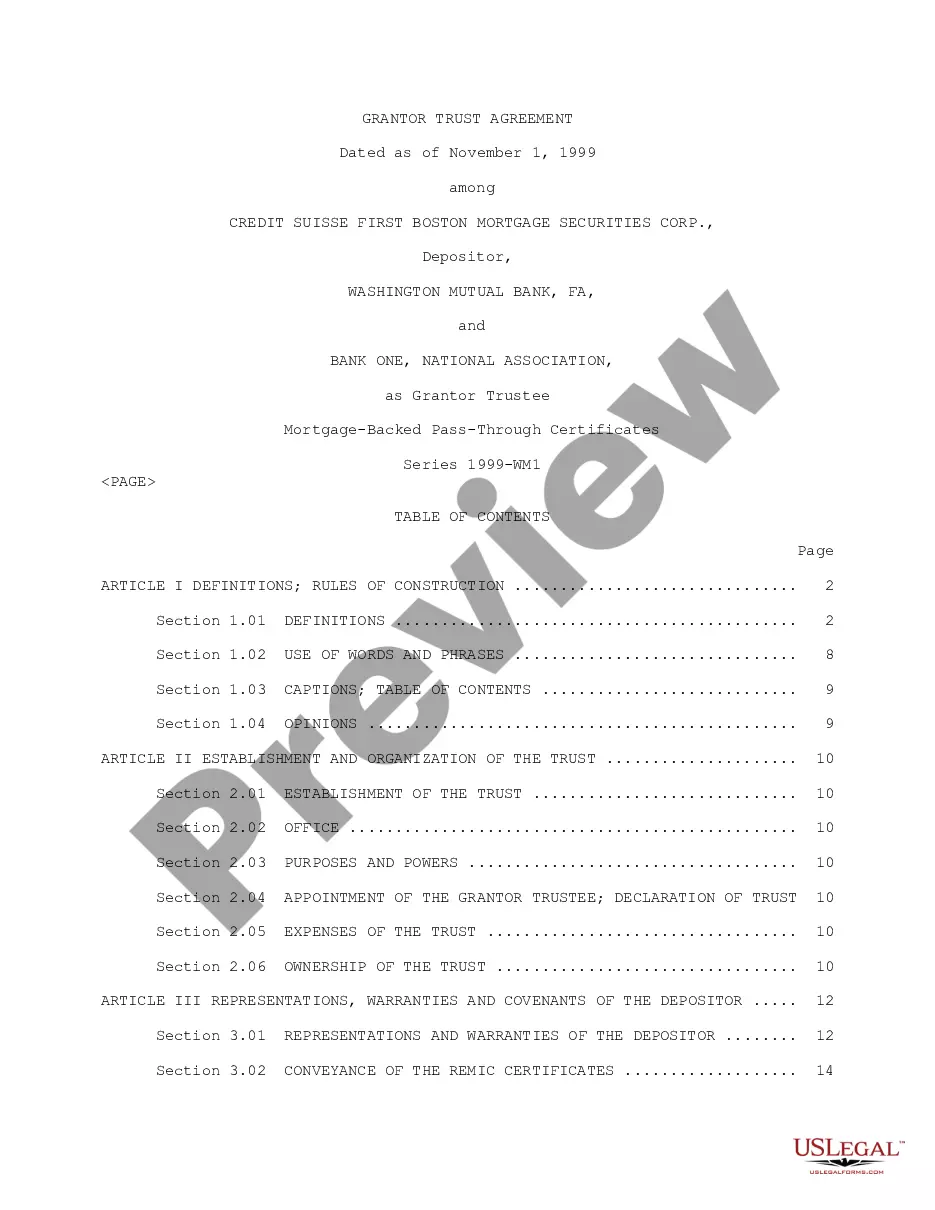
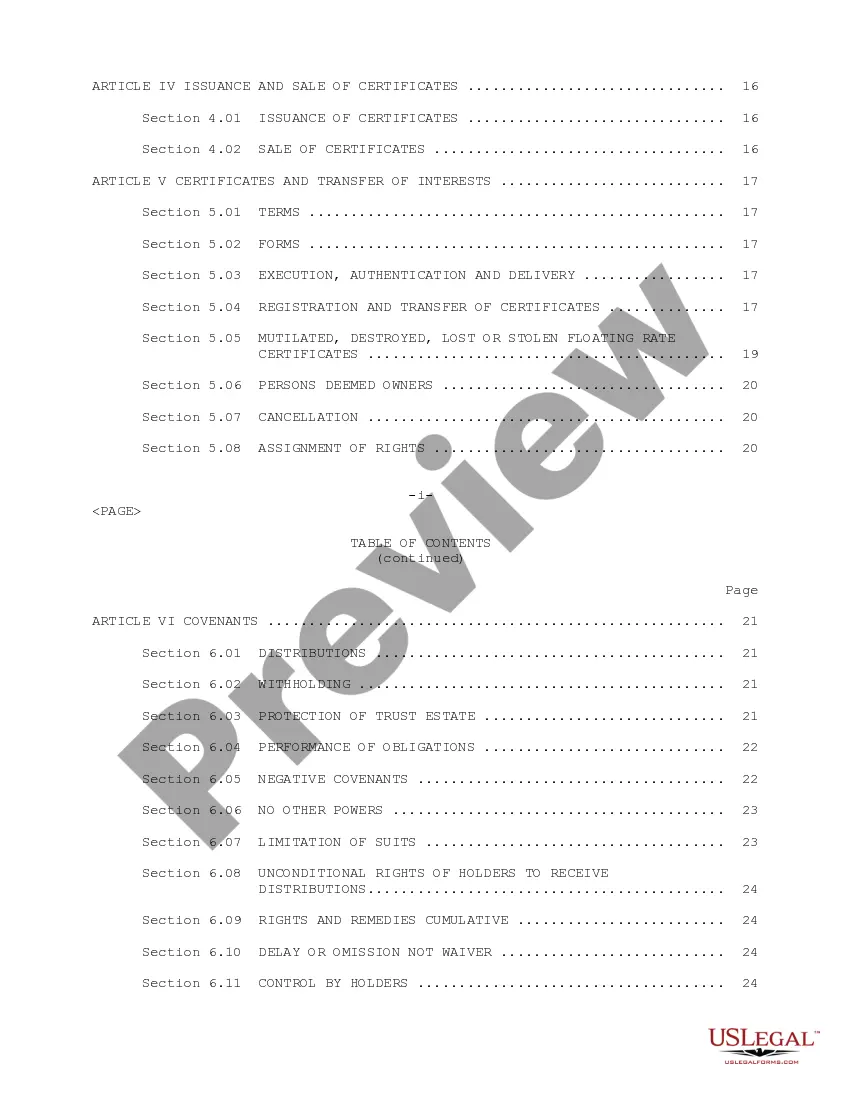
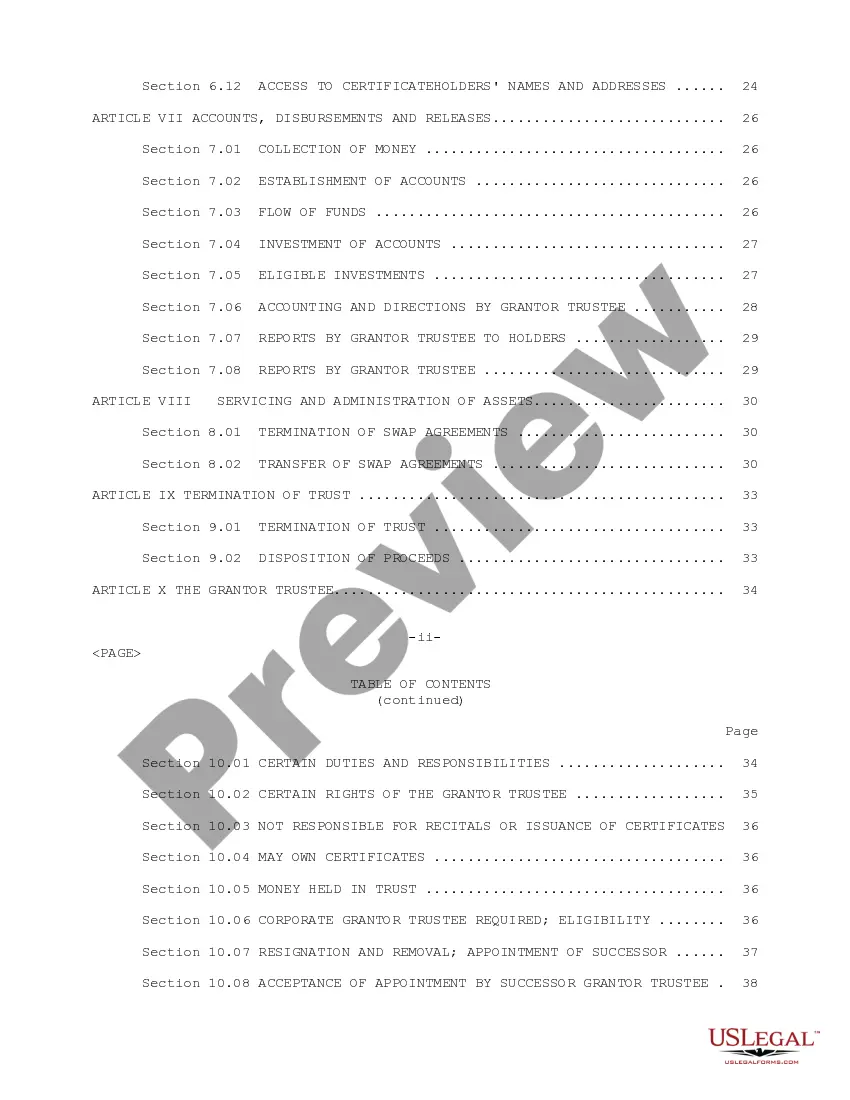
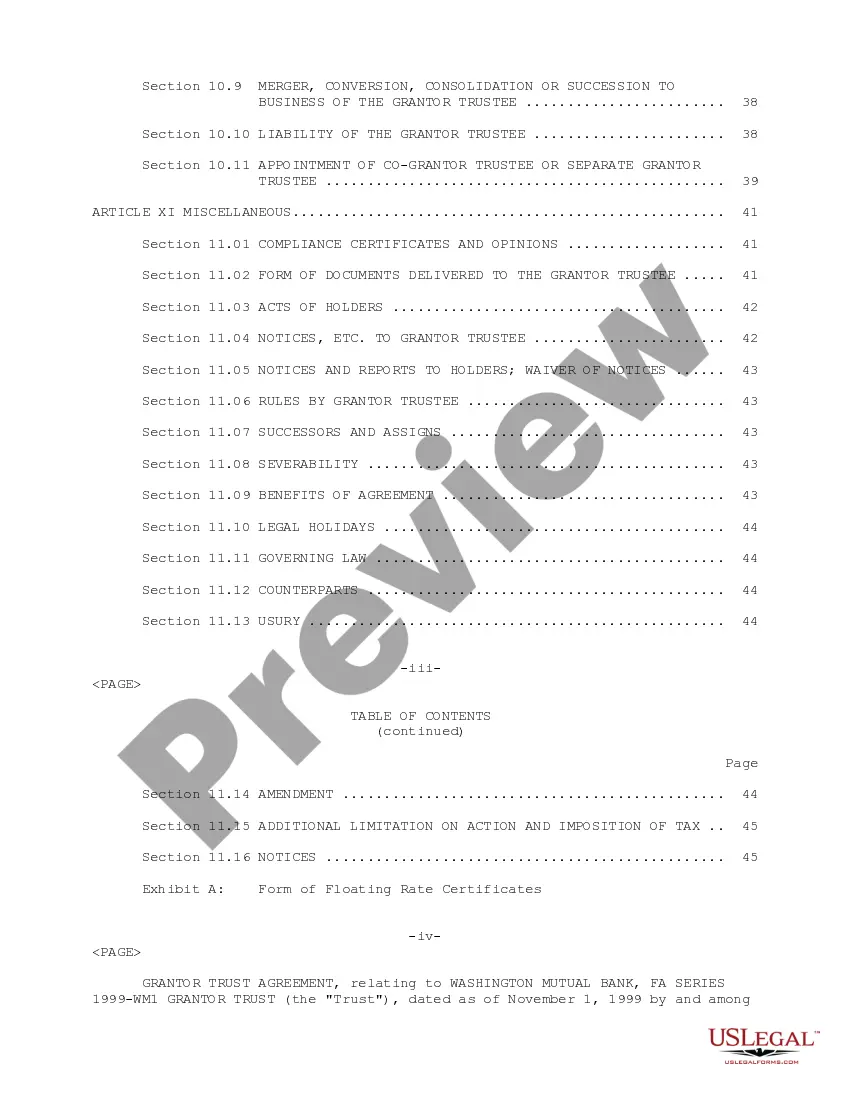
How to fill out Grantor Trust Agreement Between Credit Suisse First Boston Mortgage Securities Corp., Washington Mutual Bank FA And Bank One, National Assoc.?
Regardless of whether for corporate objectives or personal matters, everyone must address legal issues at various points in their lives.
Completing legal paperwork requires meticulous attention, starting with selecting the appropriate form template.
Once downloaded, you can fill out the form with the assistance of editing software or print it and complete it by hand. With an extensive US Legal Forms catalog available, you don't need to waste time searching for the right template online. Utilize the library’s easy navigation to find the appropriate template for any occasion.
- For example, if you select an incorrect version of the Grantor Between Withdrawals, it will be rejected when submitted.
- Thus, it is crucial to have a trustworthy source for legal documents such as US Legal Forms.
- If you need to acquire a Grantor Between Withdrawals template, follow these straightforward steps.
- Find the template required using the search bar or catalog browsing.
- Review the form’s details to ensure it aligns with your situation, state, and county.
- Click on the form’s preview to view it.
- If it is the wrong document, return to the search feature to find the Grantor Between Withdrawals sample you need.
- Obtain the file when it meets your specifications.
- If you possess a US Legal Forms account, simply click Log in to access previously saved templates in My documents.
- If you do not have an account yet, you can acquire the form by clicking Buy now.
- Choose the suitable pricing option.
- Complete the profile registration form.
- Select your payment method: utilize a credit card or PayPal account.
- Choose your desired file format and download the Grantor Between Withdrawals.
Form popularity
FAQ
If a trust is a grantor trust, then the grantor is treated as the owner of the assets, the trust is disregarded as a separate tax entity, and all income is taxed to the grantor.
If a trust is a grantor trust, then the grantor is treated as the owner of the assets, the trust is disregarded as a separate tax entity, and all income is taxed to the grantor.
A "5 by 5 Power in Trust" is a common clause in many trusts that allows the trust's beneficiary to make certain withdrawals. Also also called a "5 by 5 Clause," it gives the beneficiary the ability to withdraw the greater of: $5,000 or. 5% of the trust's fair market value (FMV) from the trust each year.
A withdrawal right is the right, given to the beneficiary of a trust, to withdraw all or a portion of each gift made to the trust. For example, if a $1,000 gift is made to a trust and a beneficiary of the trust has a withdrawal right over that gift, he or she can withdraw up to $1,000 from the trust.
A Grantor letter specifying the income earned by the trust is filed with the 1041 and issued to the a Grantor. The Grantor uses this to report the income on his 1040. The payer issues a 1099 (or K-1) to the trust but uses the Grantors SSN. The income is reported directly on the grantors 1040 and no 1041 is filed.