Securities Underwriting And Distribution
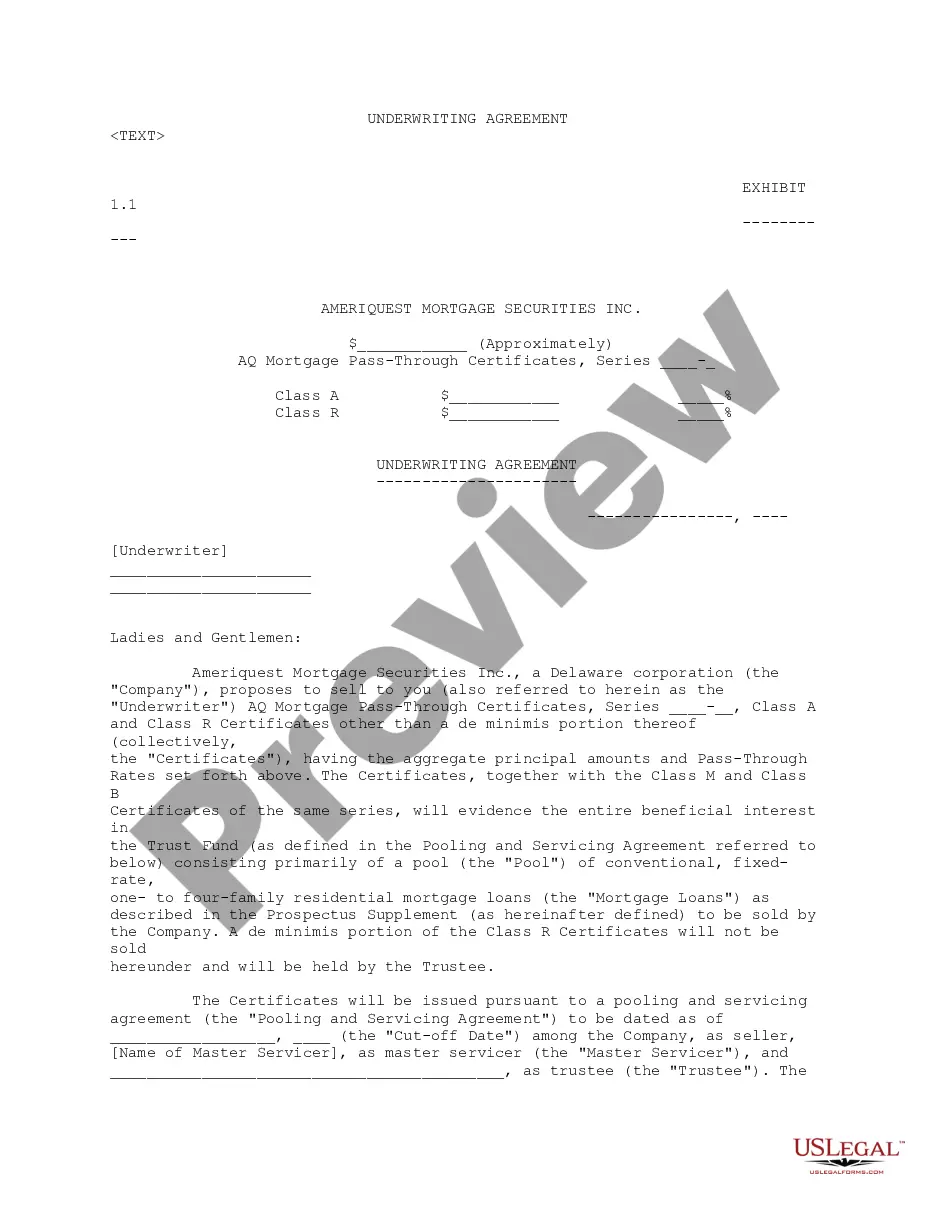
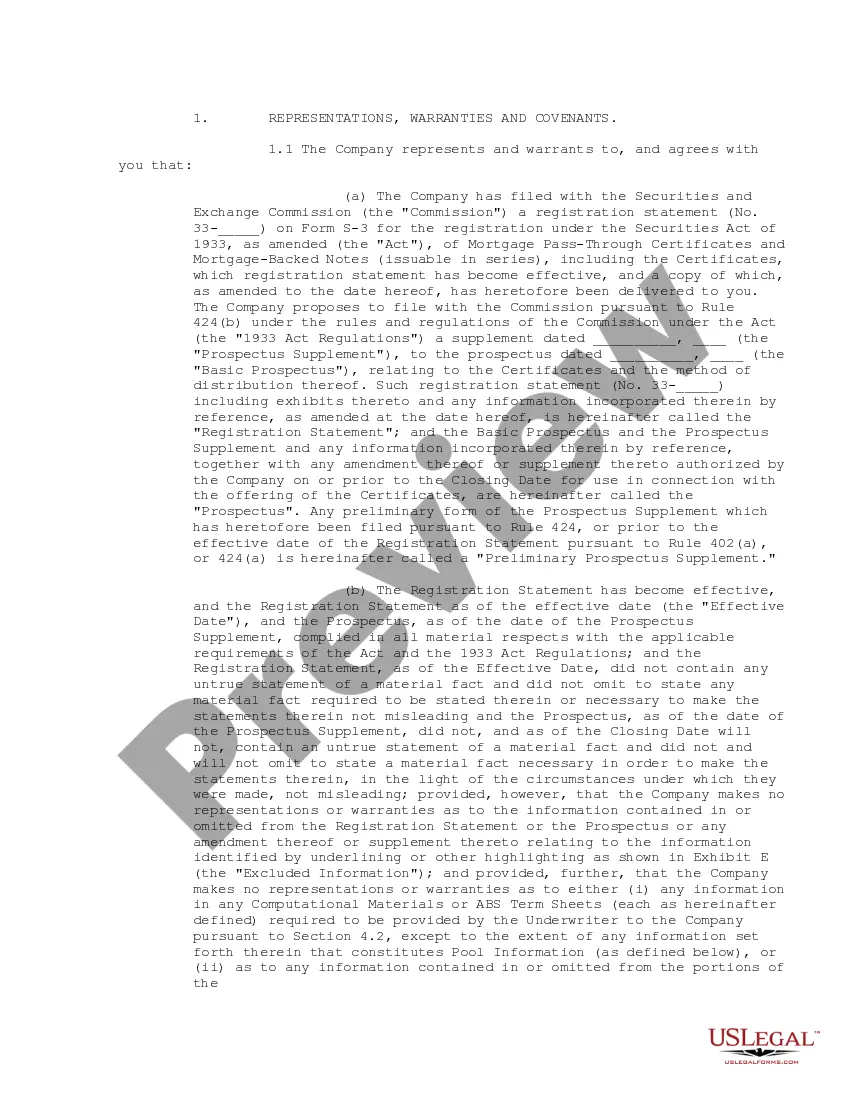
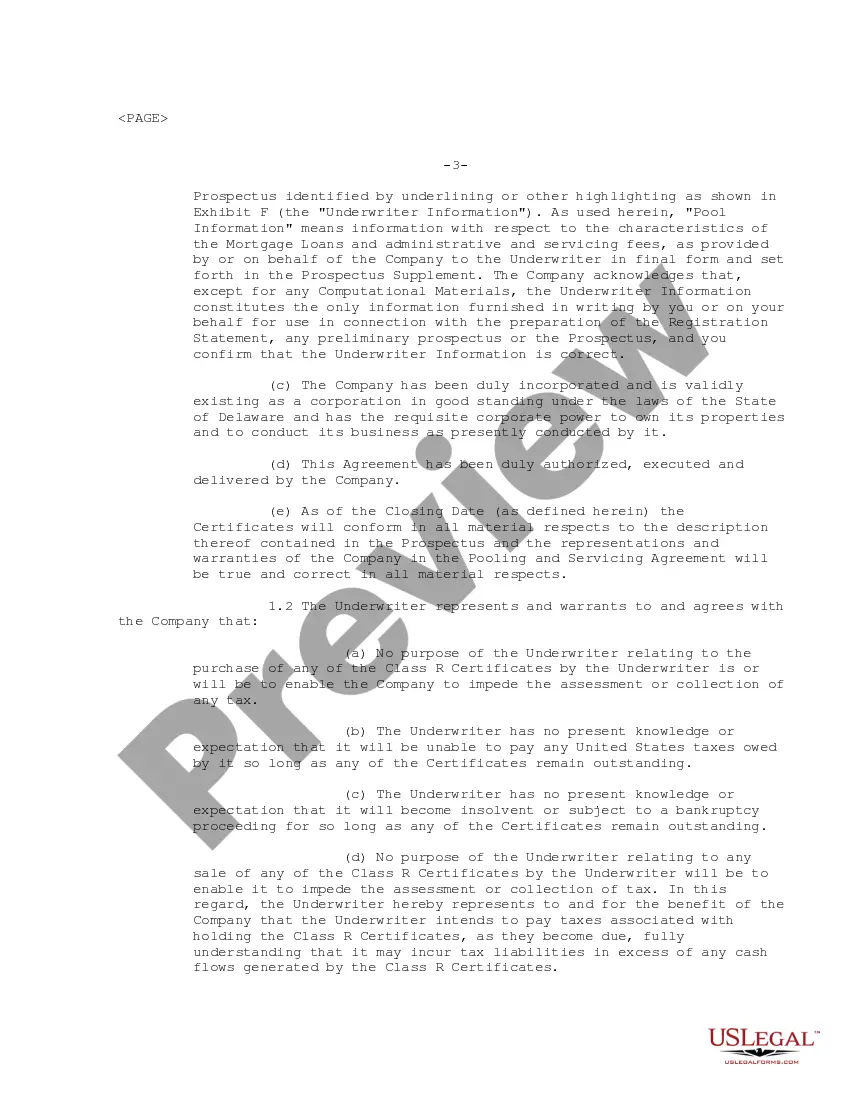
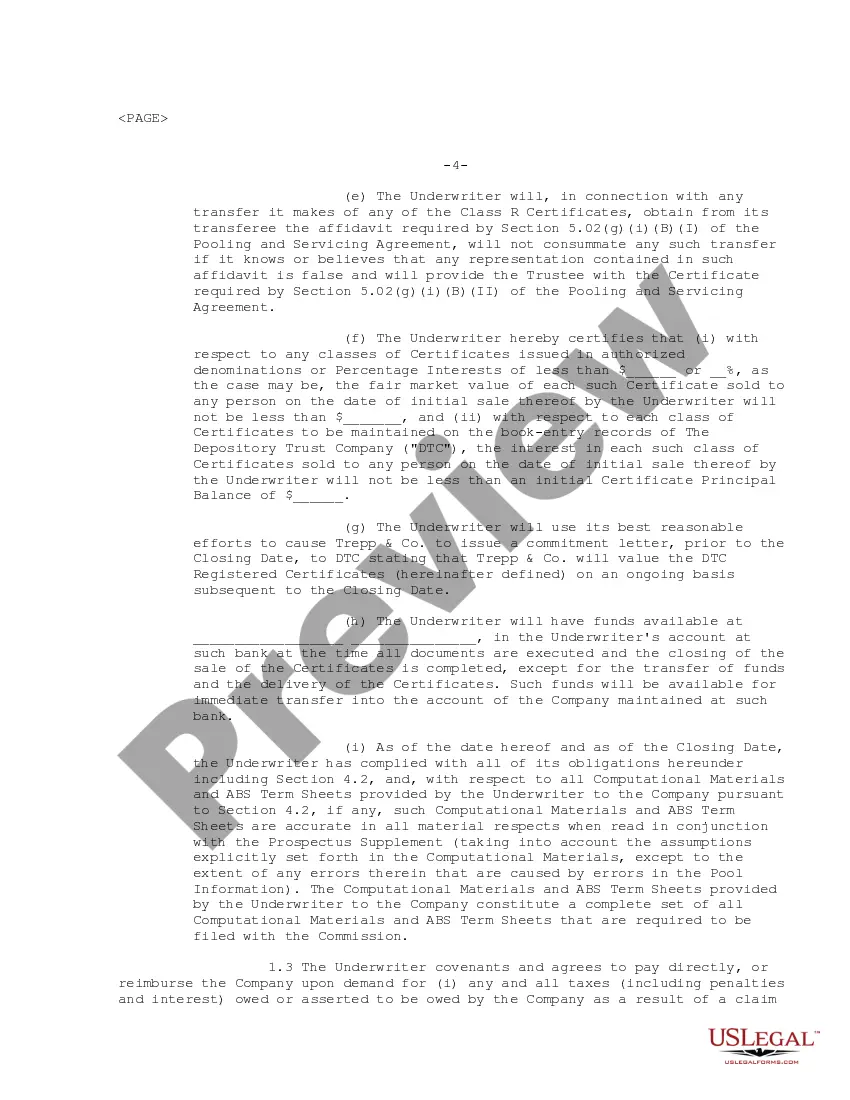
Description

Get your form ready online
Our built-in tools help you complete, sign, share, and store your documents in one place.
Make edits, fill in missing information, and update formatting in US Legal Forms—just like you would in MS Word.
Download a copy, print it, send it by email, or mail it via USPS—whatever works best for your next step.
Sign and collect signatures with our SignNow integration. Send to multiple recipients, set reminders, and more. Go Premium to unlock E-Sign.
If this form requires notarization, complete it online through a secure video call—no need to meet a notary in person or wait for an appointment.
We protect your documents and personal data by following strict security and privacy standards.

Make edits, fill in missing information, and update formatting in US Legal Forms—just like you would in MS Word.

Download a copy, print it, send it by email, or mail it via USPS—whatever works best for your next step.

Sign and collect signatures with our SignNow integration. Send to multiple recipients, set reminders, and more. Go Premium to unlock E-Sign.

If this form requires notarization, complete it online through a secure video call—no need to meet a notary in person or wait for an appointment.

We protect your documents and personal data by following strict security and privacy standards.
Looking for another form?









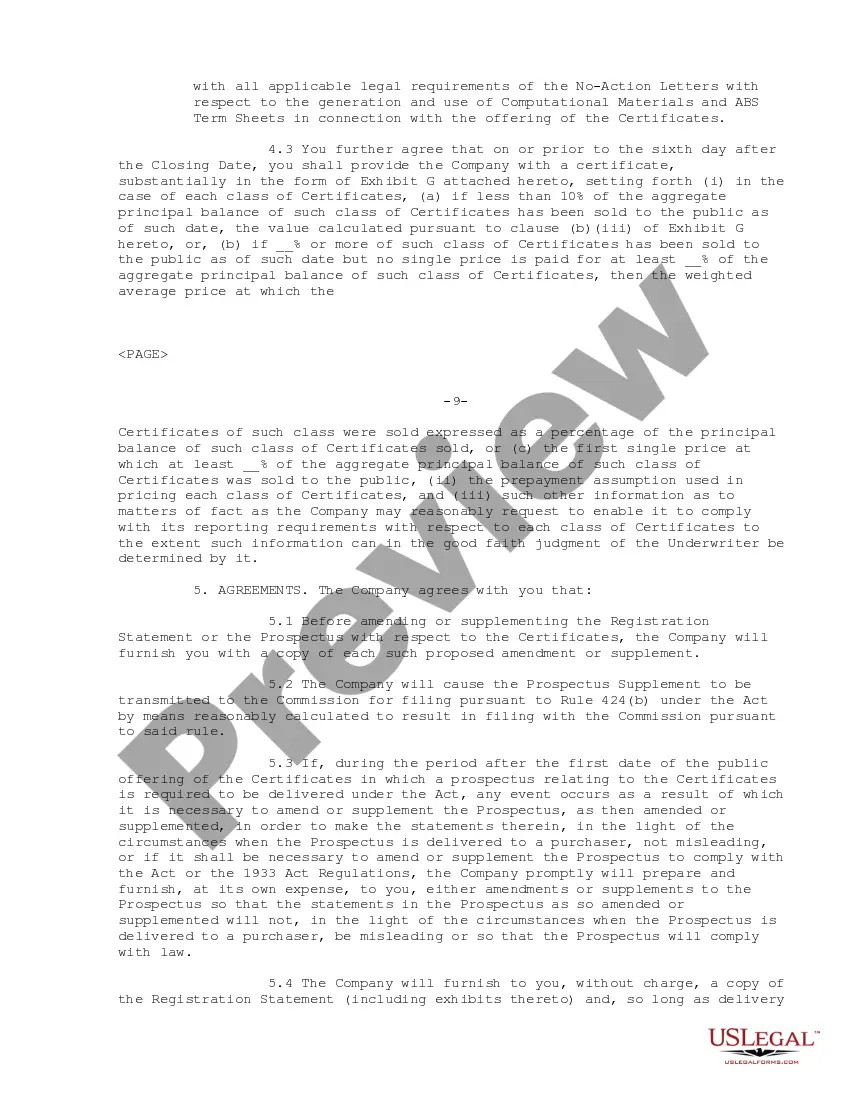
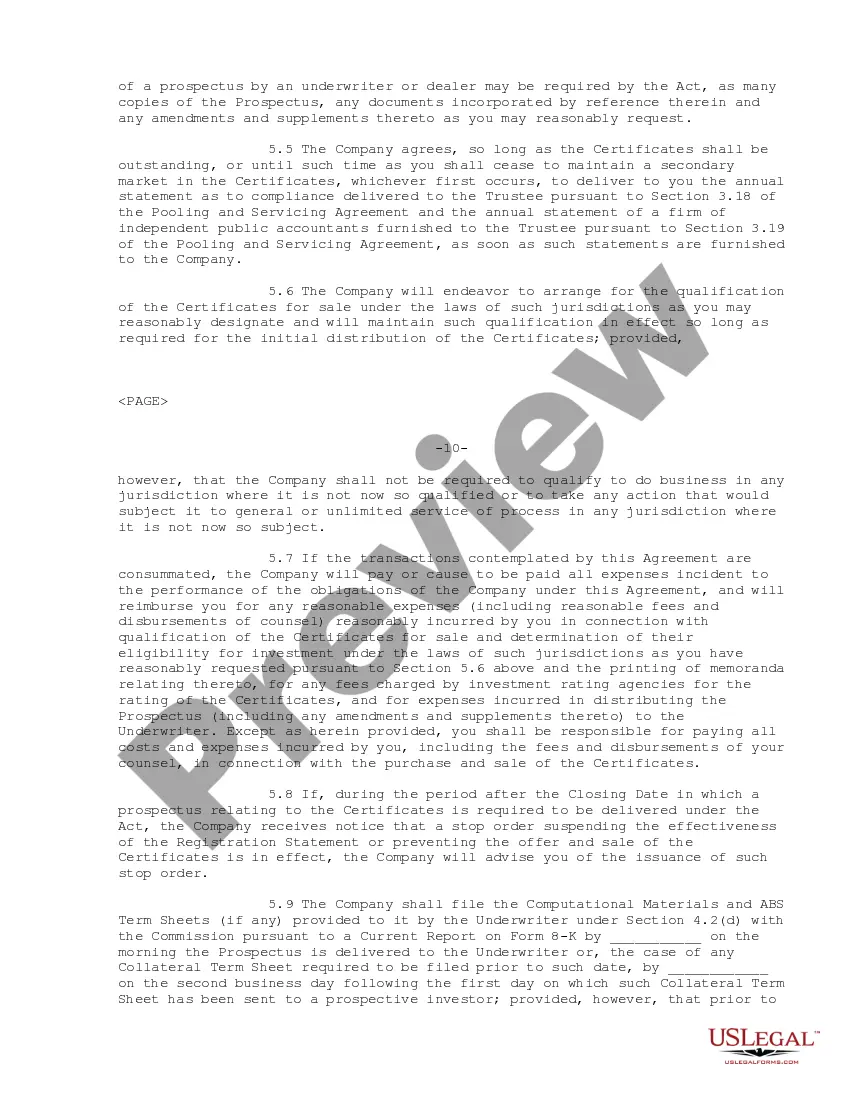
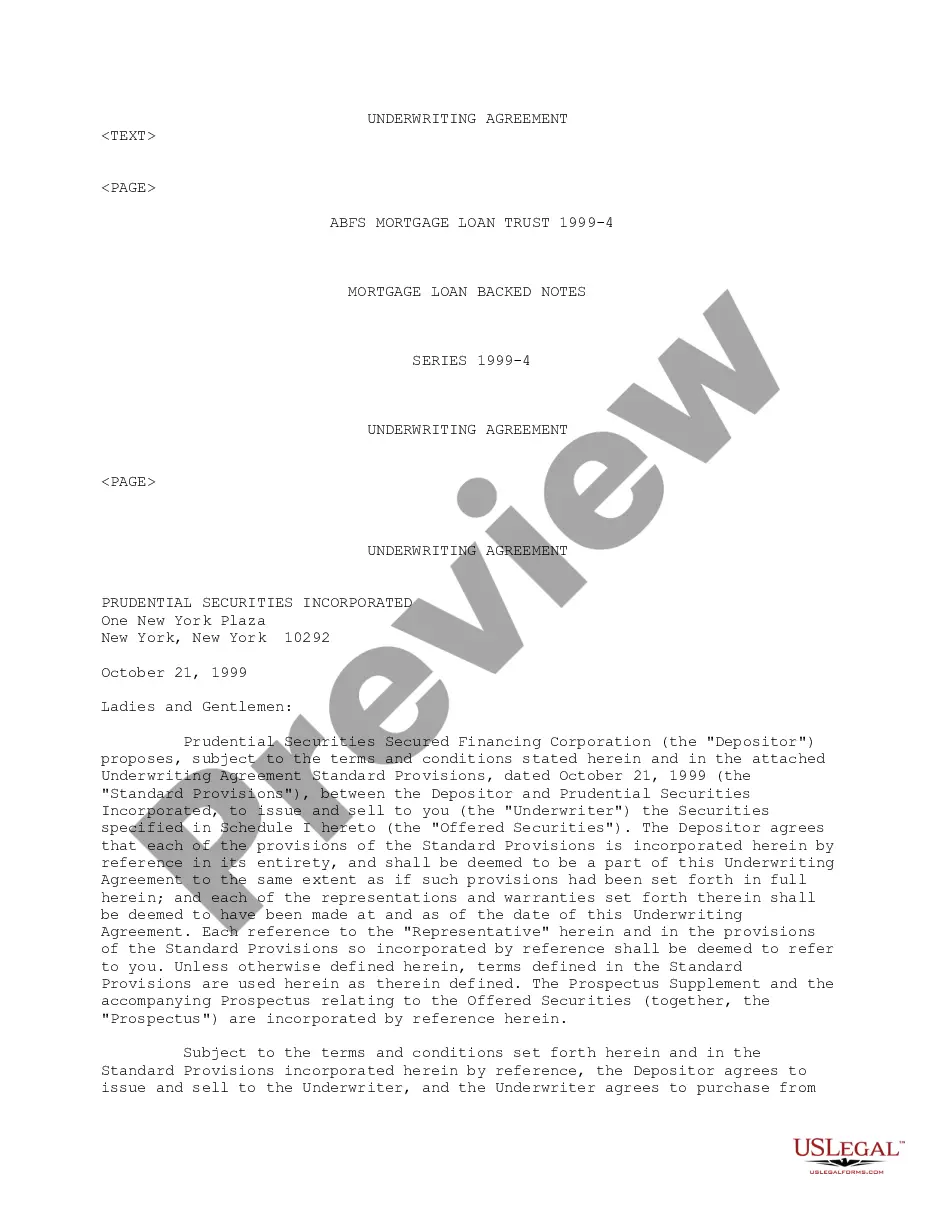
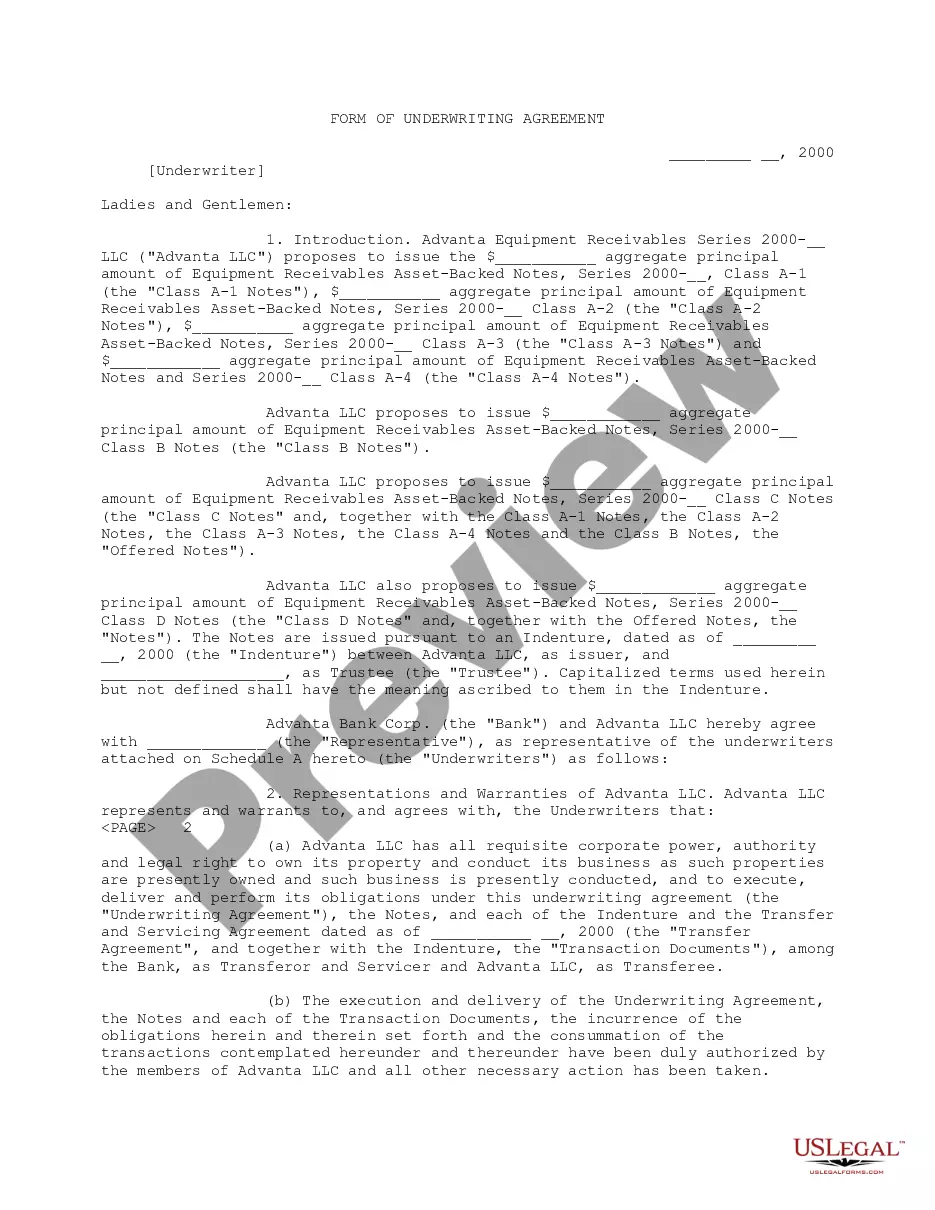
How to fill out Underwriting Agreement Of Ameriquest Mortgage Securities, Inc.?
It’s well-known that you cannot instantly become a legal authority, nor can you swiftly learn how to draft Securities Underwriting And Distribution without possessing a specialized skill set.
Producing legal documents is a lengthy process that necessitates particular education and expertise. So why not entrust the preparation of the Securities Underwriting And Distribution to the experts.
With US Legal Forms, one of the largest repositories of legal templates, you can obtain anything from court documents to templates for internal business communication. We understand how vital compliance and adherence to federal and local laws and regulations are.
Select Buy now. After the payment is completed, you can download the Securities Underwriting And Distribution, complete it, print it, and send or mail it to the relevant individuals or organizations.
You can access your documents again from the My documents tab at any time. If you are an existing client, you can simply Log In and find and download the template from the same tab.
- Here’s how to initiate your experience on our site and acquire the form you need in just a few moments.
- Locate the document you require by utilizing the search bar at the top of the webpage.
- Preview it (if this option is available) and review the accompanying description to determine if Securities Underwriting And Distribution is what you are looking for.
- Start your search anew if you need a different template.
- Create a free account and choose a subscription plan to buy the template.
Form popularity
FAQ
An underwriter is an institutional financial organization that assesses and assumes another party's risk for a fee. Underwriters operate in the context of (1) securities offerings and (2) insurance. (1) In the context of securities offerings, an underwriter markets and sells an issuer's securities.
There are three kinds of underwriting, namely loans, securities, and insurance. Underwriting is a crucial process in the financial world because it helps investors make profitable investment decisions.
In the securities market, underwriting involves determining the risk and price of a particular security. It is a process seen most commonly during initial public offerings, wherein investment banks first buy or underwrite the securities of the issuing entity and then sell them in the market.
In the securities market, underwriting involves determining the risk and price of a particular security. It is a process seen most commonly during initial public offerings, wherein investment banks first buy or underwrite the securities of the issuing entity and then sell them in the market.
For securities, the underwriters will look at the financial situation of the issuer, such as their income statements, cash flow, debts, and any other potential liabilities, before pricing a bond or stock issue. They will also examine the issuer's credit rating, the institutional equivalent of a personal credit score.