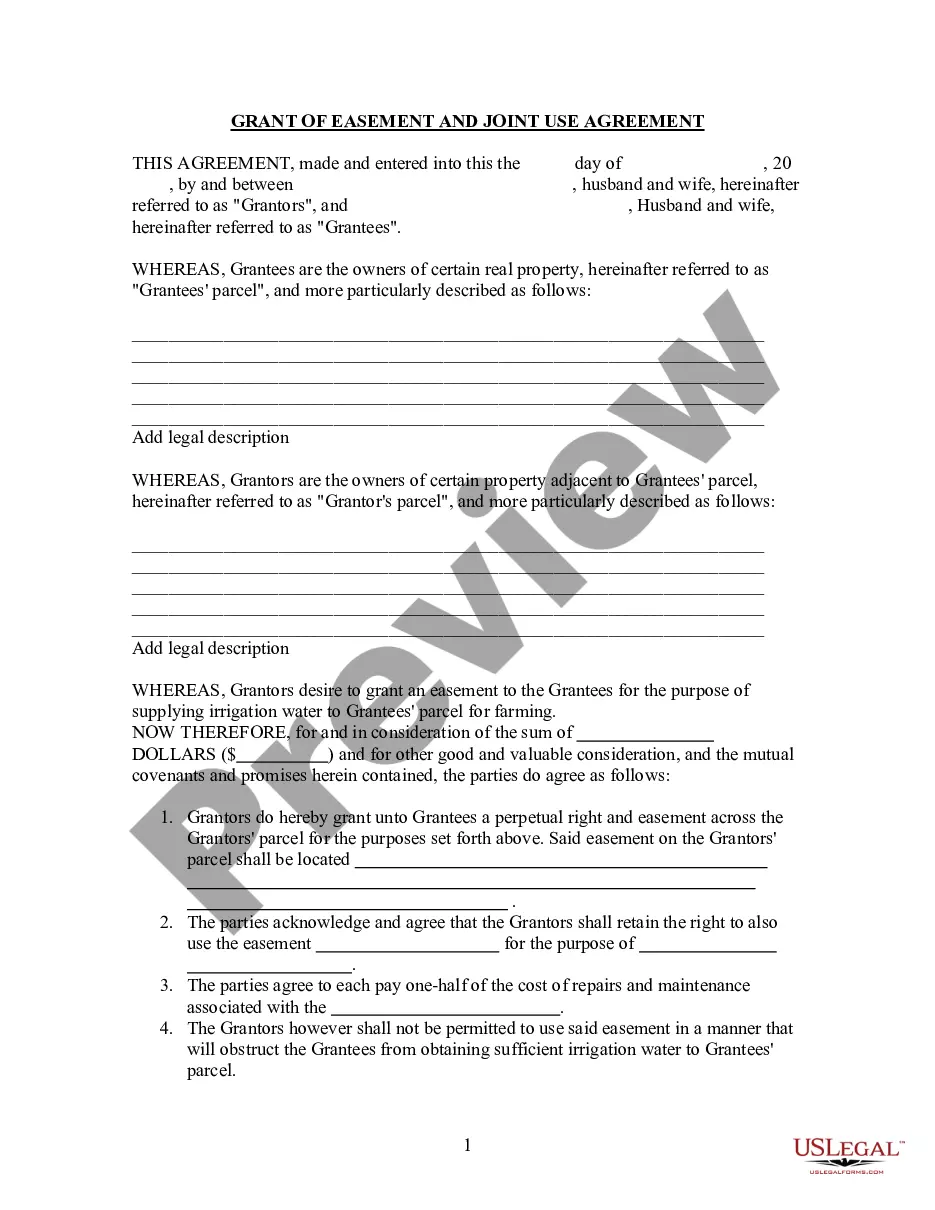
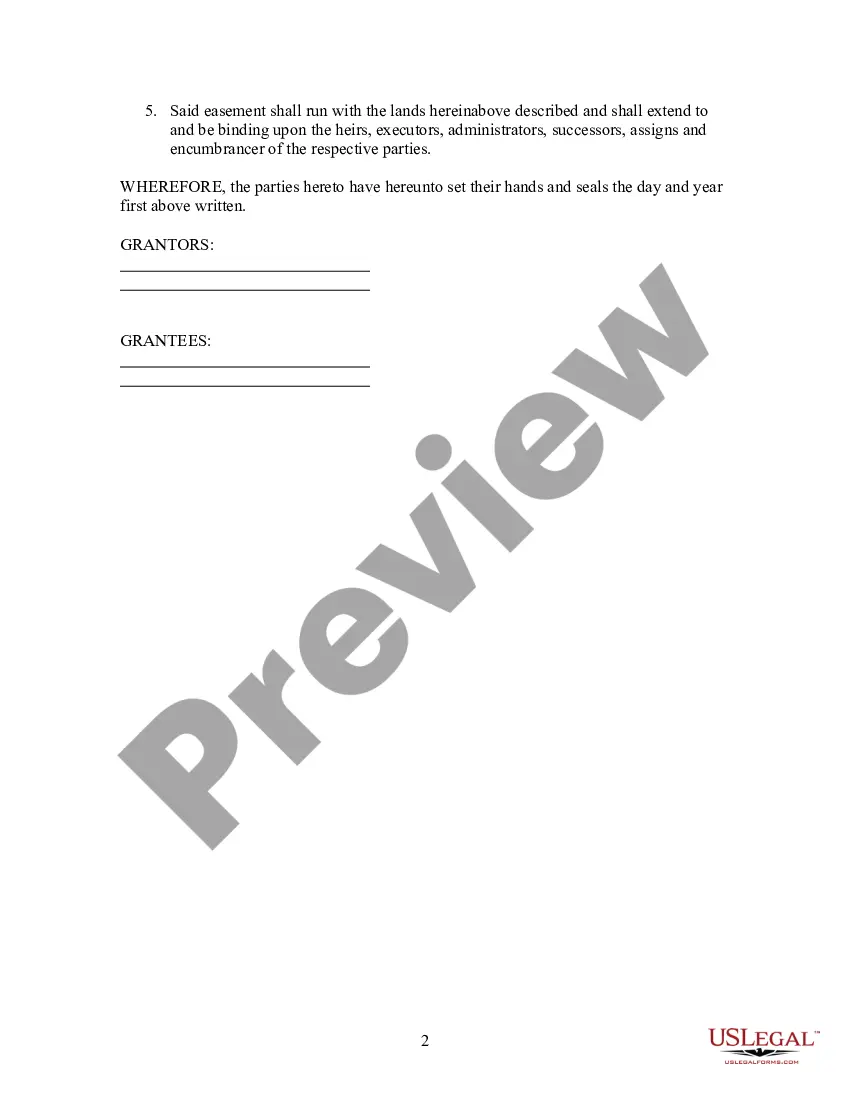
Easement By Necessity In Ohio
Description
Get your form ready online
Our built-in tools help you complete, sign, share, and store your documents in one place.
Make edits, fill in missing information, and update formatting in US Legal Forms—just like you would in MS Word.
Download a copy, print it, send it by email, or mail it via USPS—whatever works best for your next step.
Sign and collect signatures with our SignNow integration. Send to multiple recipients, set reminders, and more. Go Premium to unlock E-Sign.
If this form requires notarization, complete it online through a secure video call—no need to meet a notary in person or wait for an appointment.
We protect your documents and personal data by following strict security and privacy standards.

Make edits, fill in missing information, and update formatting in US Legal Forms—just like you would in MS Word.

Download a copy, print it, send it by email, or mail it via USPS—whatever works best for your next step.

Sign and collect signatures with our SignNow integration. Send to multiple recipients, set reminders, and more. Go Premium to unlock E-Sign.

If this form requires notarization, complete it online through a secure video call—no need to meet a notary in person or wait for an appointment.

We protect your documents and personal data by following strict security and privacy standards.
Looking for another form?
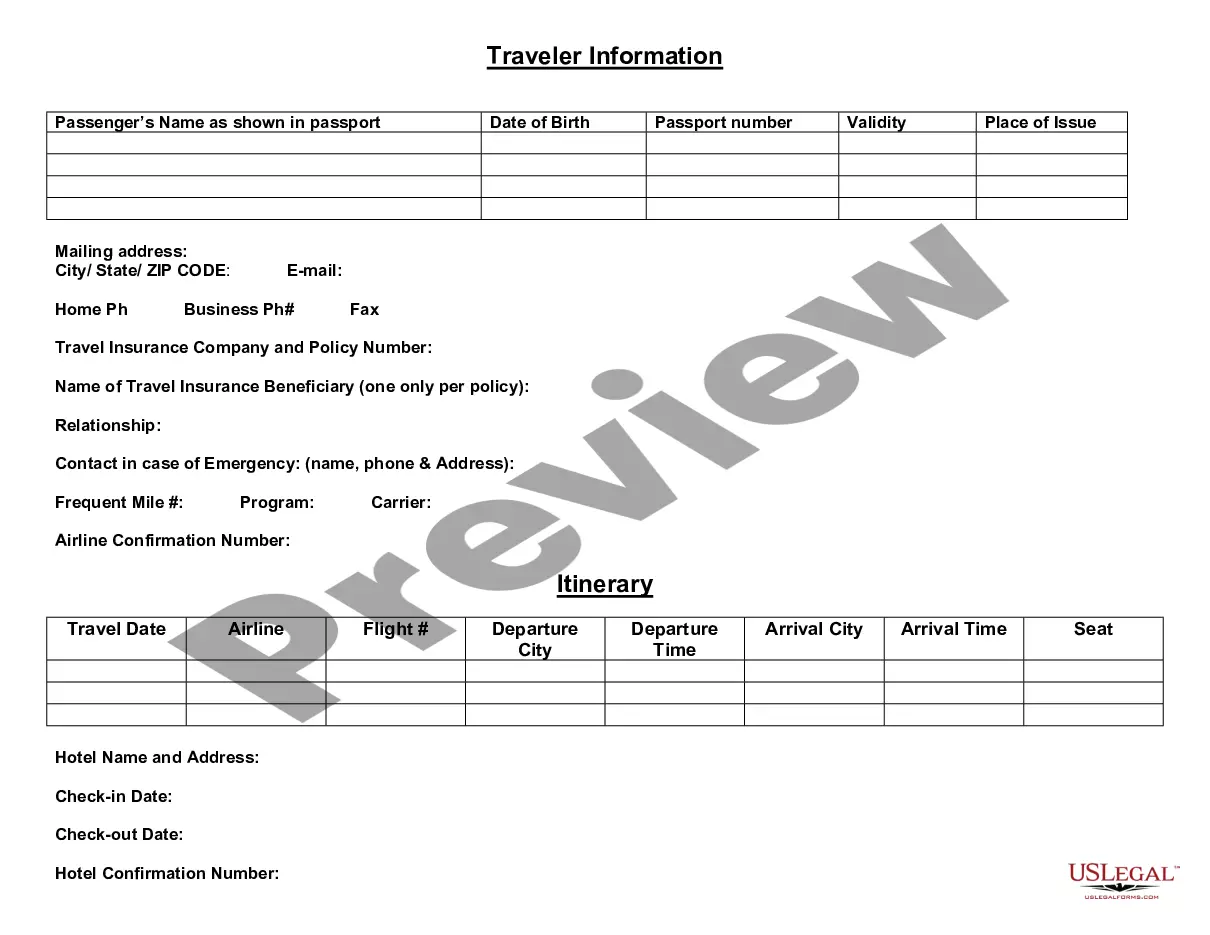





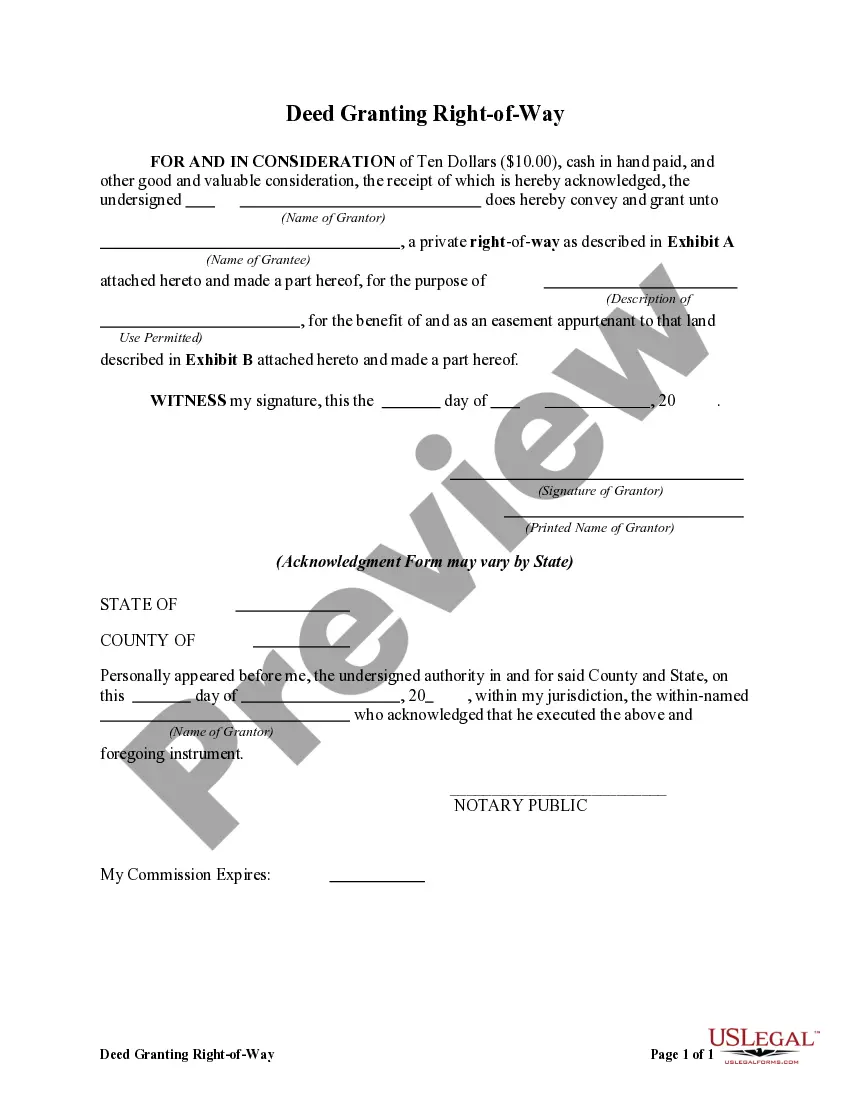
How to fill out Grant Of Easement And Joint Use Agreement?
The Easement By Necessity In Ohio displayed on this page is a versatile official template created by experienced attorneys in alignment with federals and local statutes.
For over 25 years, US Legal Forms has supplied individuals, companies, and legal representatives with more than 85,000 certified, state-specific documents for various business and personal events. It’s the quickest, easiest, and most dependable method to acquire the forms you require, as the service ensures the highest standard of data privacy and anti-malware safeguards.
Subscribe to US Legal Forms to access verified legal templates for every situation in life.
- Search for the document you need and review it.
- Browse through the file you searched and preview it or verify the form description to ensure it meets your needs. If it doesn’t, utilize the search feature to find the accurate one. Click Buy Now when you have found the template you require.
- Subscribe and Log In.
- Choose the pricing option that fits you and create an account. Use PayPal or a credit card to complete the payment swiftly. If you already possess an account, Log In and verify your subscription to proceed.
- Obtain the editable template.
- Choose the format you want for your Easement By Necessity In Ohio (PDF, Word, RTF) and save the document on your device.
- Complete and sign the paperwork.
- Print the template to finish it manually. Alternatively, employ a versatile online PDF editor to quickly and accurately complete and sign your form with an electronic signature.
- Download your documents again.
- Access the same document again whenever required. Navigate to the My documents section in your profile to redownload any previously saved documents.
Form popularity
FAQ
The Do's for Lending to Friends and Family Lend Money Only to People You Trust. Limit Loans to What You Can Afford. Get It in Writing. Don't Lend More Than You Can Afford. Don't Let Guilt Drive Your Decision. Don't Lend Someone Your Credit.
A loan agreement is a written agreement between a lender that lends money to a borrower in exchange for repayment plus interest. The borrower will be required to pay back the loan in ance with a payment schedule (unless there is a balloon payment).
A Loan Agreement is a document between a borrower and lender that details a loan repayment schedule.
A loan agreement should be structured to include information about the borrower and the lender, the loan amount, and repayment terms, including interest charges and a timeline for repaying the loan. It should also spell out penalties for late payments or default and should be clear about expectations between parties.
It's important to make sure that you have a legally binding contract in place, whether you borrow or lend money. Major lenders will require you to sign an agreement before they disperse funds, but if you're setting up an agreement with friends or family, it makes sense to create your own personal loan contract.
To draft a Loan Agreement, you should include the following: The addresses and contact information of all parties involved. The conditions of use of the loan (what the money can be used for) Any repayment options. The payment schedule. The interest rates. The length of the term. Any collateral. The cancellation policy.
Common items in personal loan agreements. The name, address, and contact information of the borrower. The name, address, and contact information of the lender. A plan for loan payment, such as a monthly payment plan with start dates and due dates. The maturity date or the date that the final payment is due on the loan.
What a personal loan agreement should include Legal names and address of both parties. Names and address of the loan cosigner (if applicable). Amount to be borrowed. Date the loan is to be provided. Repayment date. Interest rate to be charged (if applicable). Annual percentage rate (if applicable).