False Imprisonment For Ems
Description
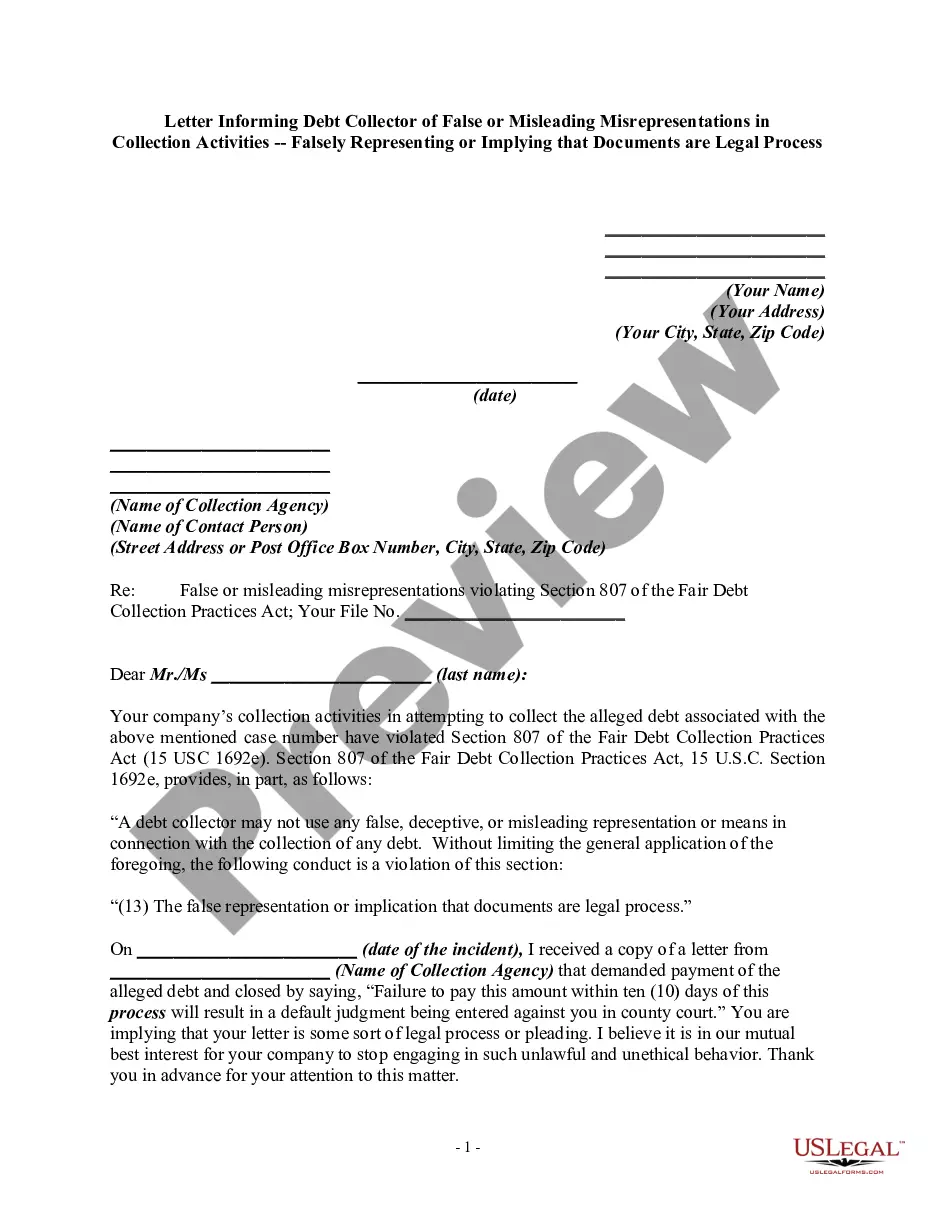
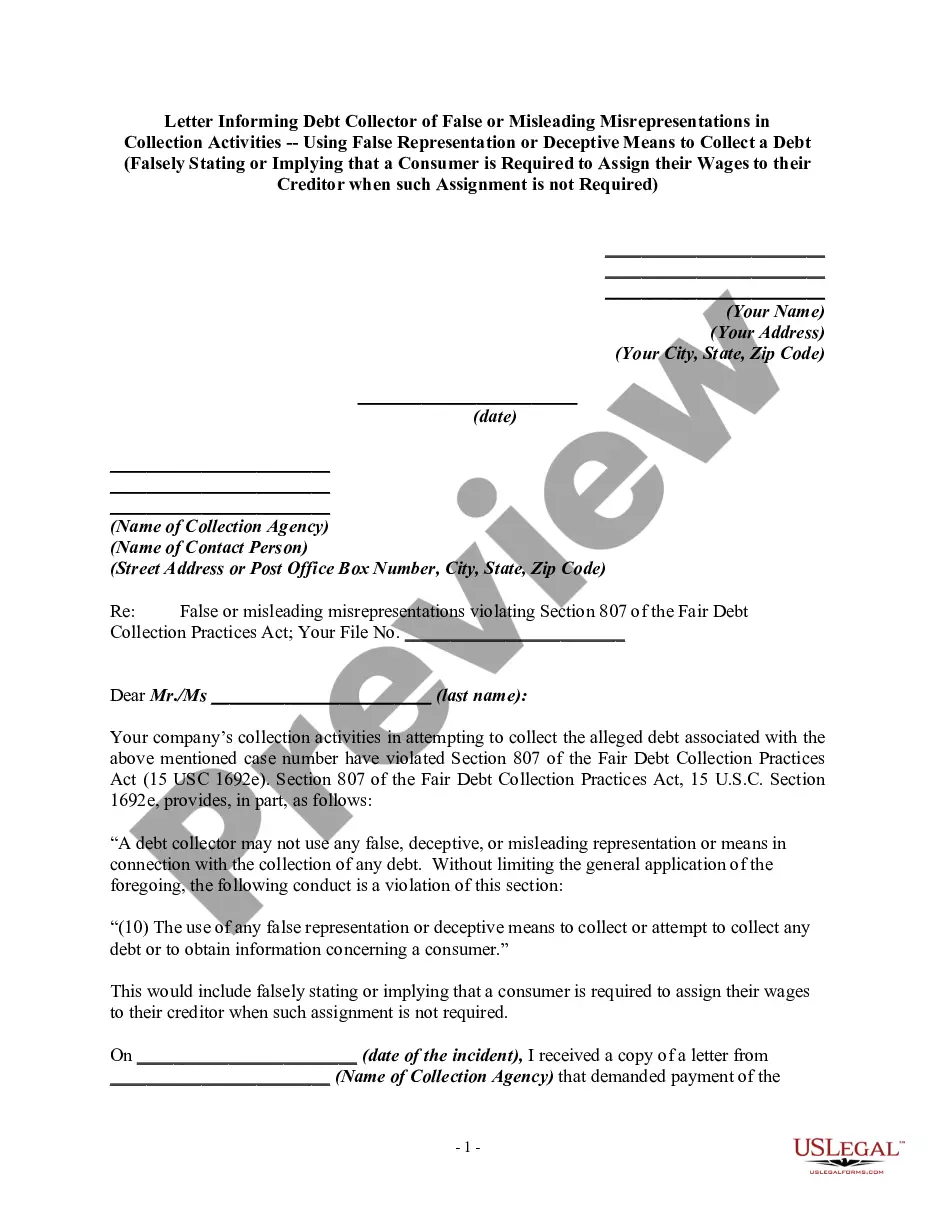
Get your form ready online
Our built-in tools help you complete, sign, share, and store your documents in one place.
Make edits, fill in missing information, and update formatting in US Legal Forms—just like you would in MS Word.
Download a copy, print it, send it by email, or mail it via USPS—whatever works best for your next step.
Sign and collect signatures with our SignNow integration. Send to multiple recipients, set reminders, and more. Go Premium to unlock E-Sign.
If this form requires notarization, complete it online through a secure video call—no need to meet a notary in person or wait for an appointment.
We protect your documents and personal data by following strict security and privacy standards.

Make edits, fill in missing information, and update formatting in US Legal Forms—just like you would in MS Word.

Download a copy, print it, send it by email, or mail it via USPS—whatever works best for your next step.

Sign and collect signatures with our SignNow integration. Send to multiple recipients, set reminders, and more. Go Premium to unlock E-Sign.

If this form requires notarization, complete it online through a secure video call—no need to meet a notary in person or wait for an appointment.

We protect your documents and personal data by following strict security and privacy standards.
Looking for another form?






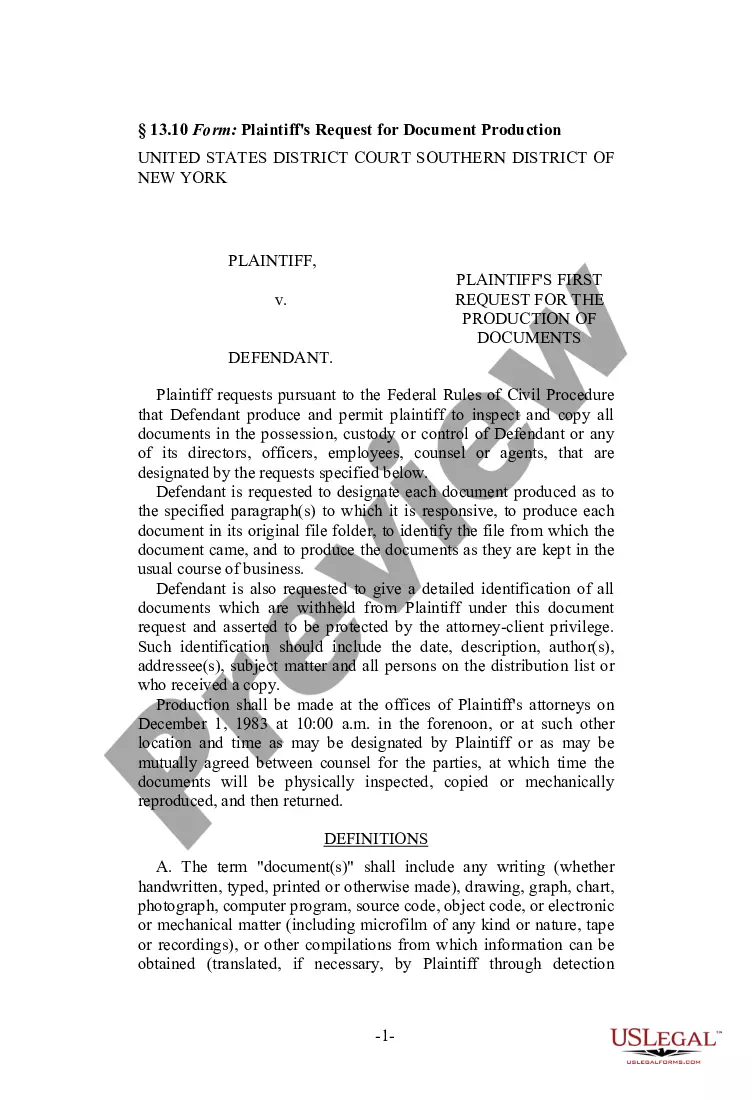
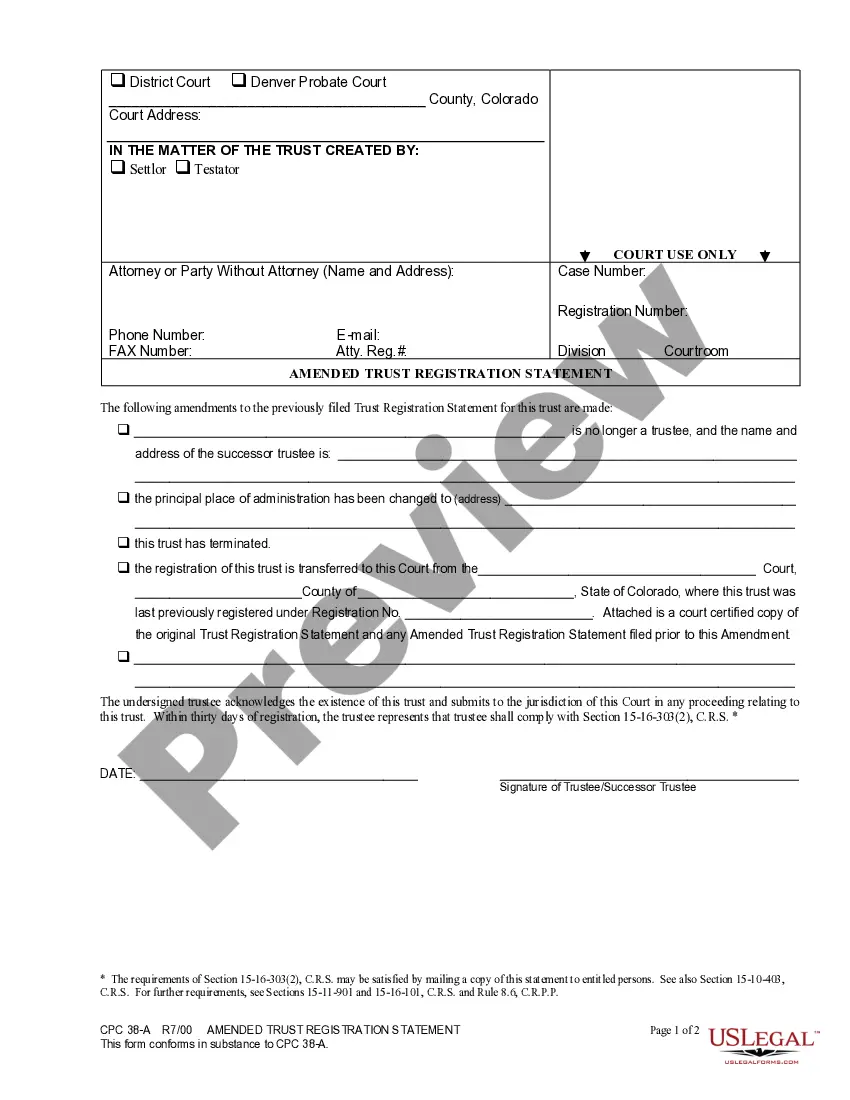

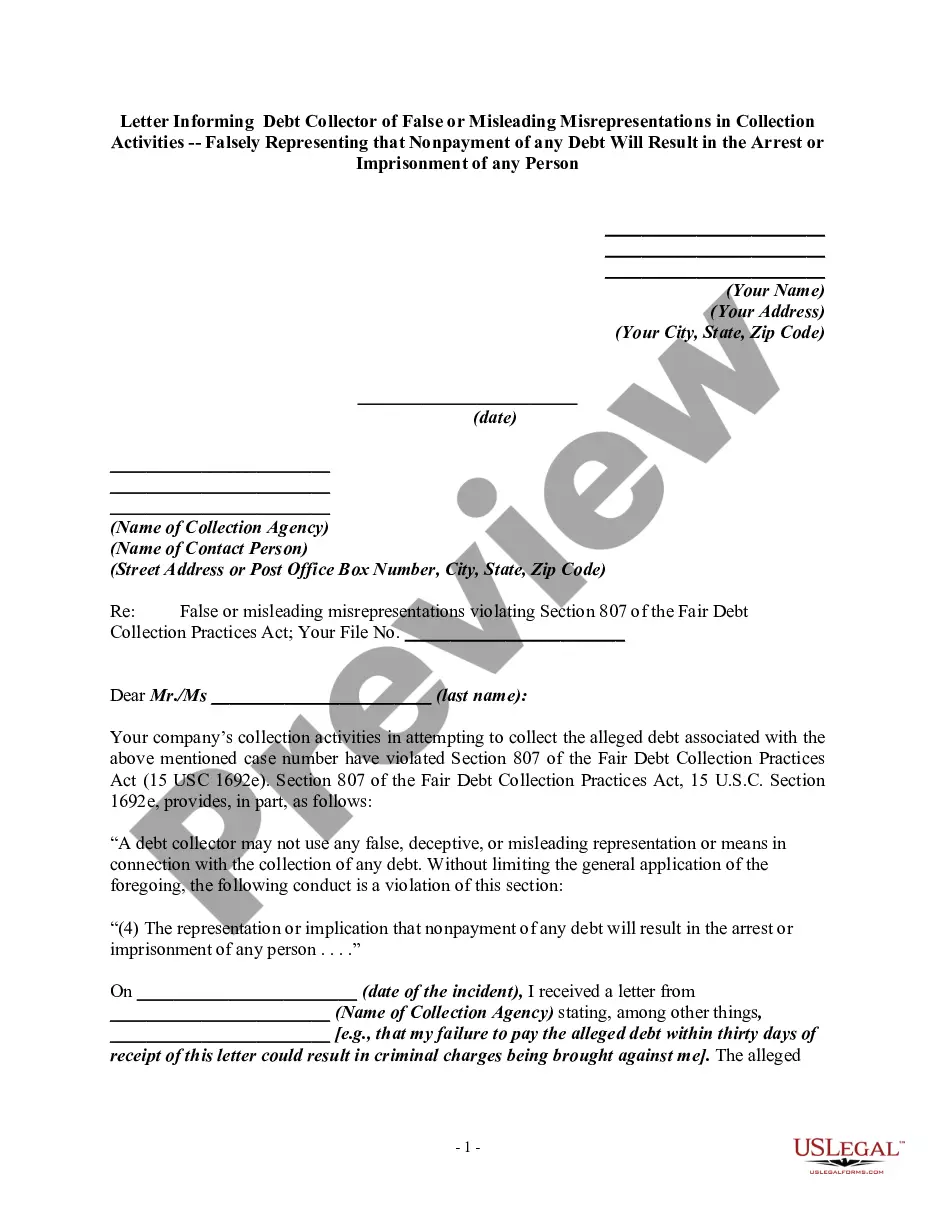
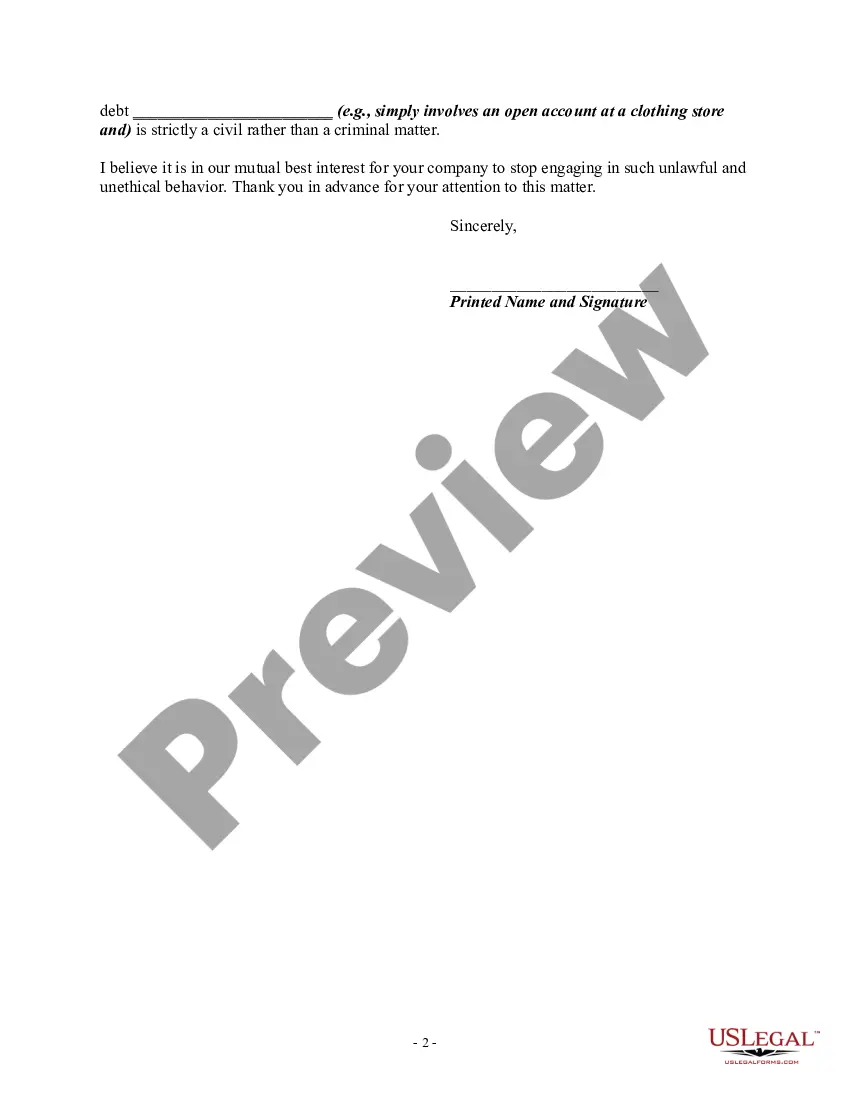
How to fill out Letter Informing Debt Collector Of False Or Misleading Misrepresentations In Collection Activities - Falsely Representing That Nonpayment Of Any Debt Will Result In The Arrest Or Imprisonment Of Any Person?
It’s clear that you can’t transform into a legal authority in a single night, nor can you quickly learn how to draft False Imprisonment For Ems without a specific set of expertise.
Creating legal documents is a labor-intensive task that demands particular education and abilities. So why not entrust the preparation of the False Imprisonment For Ems to the professionals.
With US Legal Forms, one of the most extensive legal document collections, you can discover everything from court documents to templates for office communication.
Initiate your search again if you require a different template.
Create a free account and select a subscription plan to purchase the form. Click Buy now. Once the payment is completed, you can access the False Imprisonment For Ems, fill it out, print it, and send or mail it to the specified parties or organizations.
- We understand how vital compliance and adherence to federal and state laws and regulations are.
- That’s why, on our platform, all documents are location specific and current.
- Here’s how to get started with our platform and acquire the form you need in just minutes.
- Find the form you need using the search bar at the top of the page.
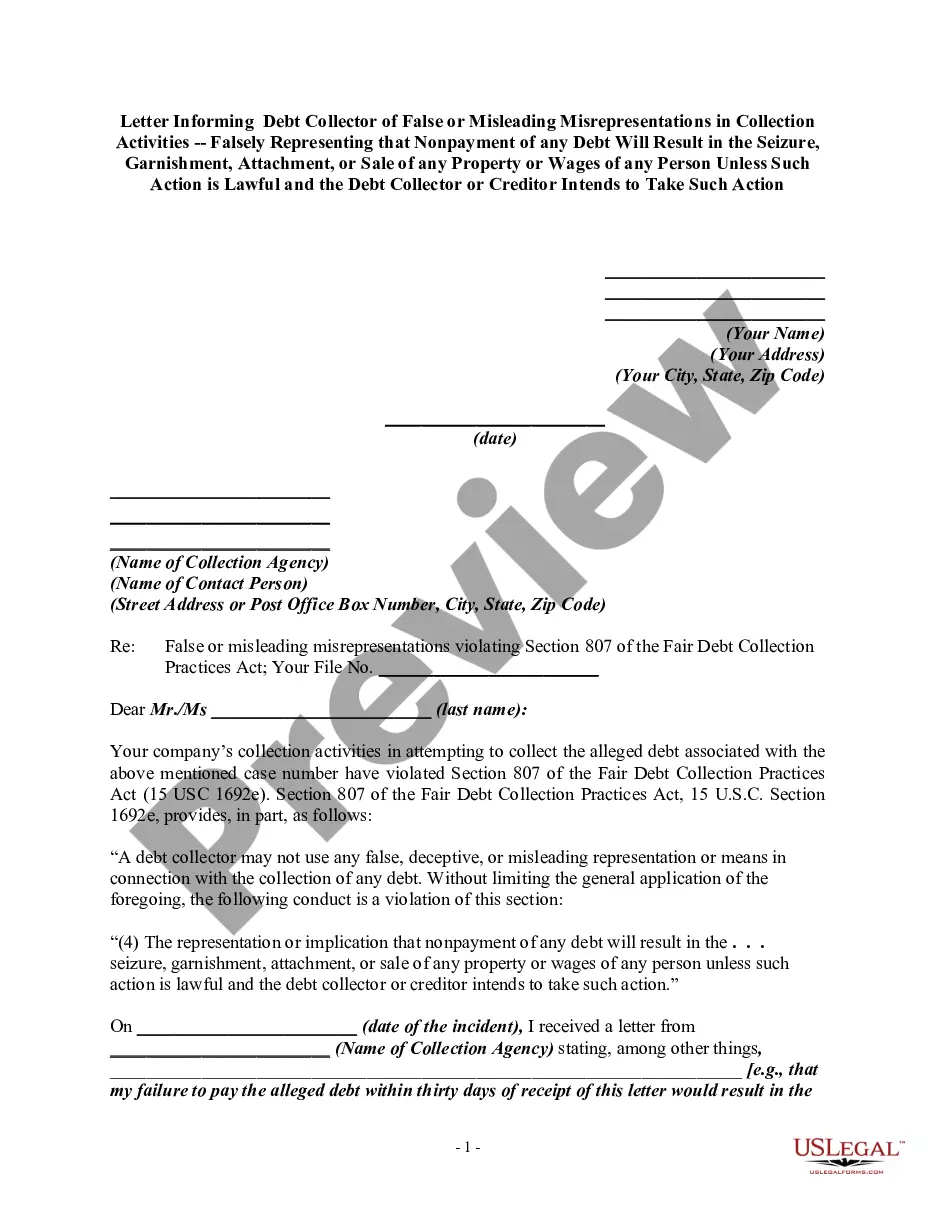
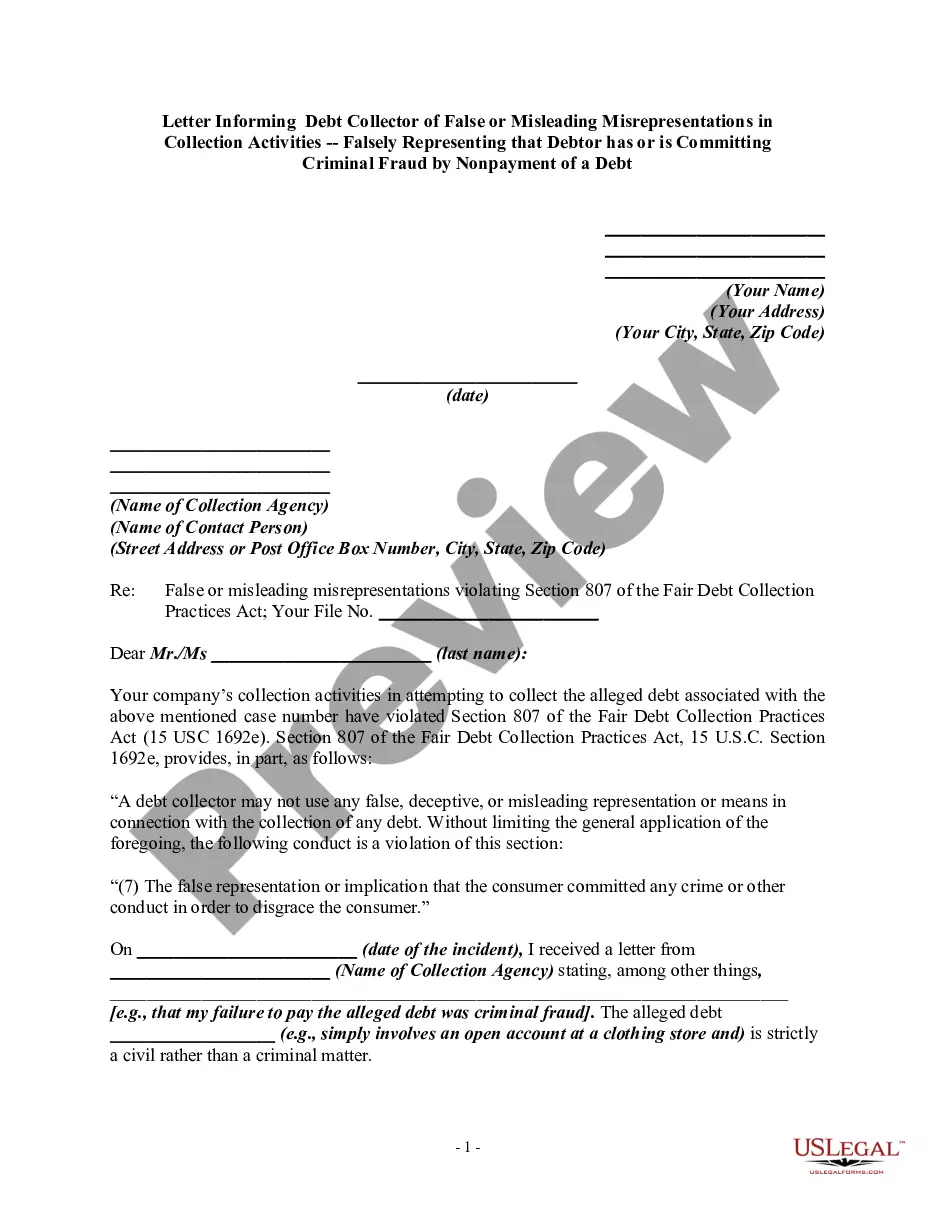
- Preview it (if this feature is available) and read the accompanying description to see if False Imprisonment For Ems is what you’re seeking.
Form popularity
FAQ
The three elements of false imprisonment include the intention to confine, the actual confinement, and the awareness of the confinement by the individual. In the context of false imprisonment for EMS, this means that if a patient is deliberately restrained without consent and is aware of their restriction, all three elements are present. Recognizing these elements is essential for both providers and patients to uphold legal and ethical standards in emergency medical situations. If you need more guidance on this topic, consider visiting USLegalForms for comprehensive legal advice and resources.
False imprisonment in the EMS occurs when an emergency medical service provider unlawfully restricts a patient's freedom of movement. This can happen if a person is held against their will without proper justification, such as when they are not allowed to leave an ambulance or medical facility. Understanding false imprisonment for EMS is crucial, as it ensures that patients receive appropriate care without infringing on their rights. If you believe you have experienced false imprisonment, resources like USLegalForms can assist you in navigating your legal options.
False imprisonment for EMS occurs when a person is confined against their will without legal authority. This can involve physical restraints, verbal threats, or even psychological pressure. It is essential to recognize that even a brief confinement can qualify if it restricts a person's freedom to move. Awareness of these qualifications helps EMS personnel navigate patient interactions responsibly.
An example of false imprisonment for EMS might occur when a paramedic restrains a patient without their consent, despite the patient being capable of making their own decisions. For instance, if an individual in a medical emergency is physically held down to prevent them from leaving, this could qualify as false imprisonment. Understanding these scenarios is crucial for EMS professionals to avoid legal pitfalls and ensure patient rights.
To establish false imprisonment for EMS, four key elements must be proven. First, there must be a willful act that results in confinement. Second, the individual must be aware of their confinement or harmed by it. Third, there should be no legal justification for the confinement. Lastly, the confinement must be complete, meaning the person could not leave or escape.
To prove a false imprisonment claim as a tort in a civil lawsuit, the following elements must be present: There was a willful detention; The detention was without consent; and. The detention was unlawful.
When a person is deprived of his personal liberty, whether by being confined within the four walls or by being prevented from leaving the place where he is, it is false imprisonment. The essentials required for the tort of false imprisonment are: The liberty of an individual should be totally restrained.
Three factors constitute false imprisonment: intention, knowledge of the plaintiff, and wilful detention. Ans. Defences of false arrest are valid arrest, consent to restraint, and probable cause.
Section 340 of the Indian Penal Code addresses false imprisonment by the name of ?wrongful confinement?. The tort of false imprisonment signifies a form of human rights violation as it puts a constraint on the liberty of a person completely.
"Article 19 provides for suits for compensation for false imprisonment, a period of one year from the time the imprisonment ends. This is a suit based on tort.