Letter Harassment Form For Work
Description
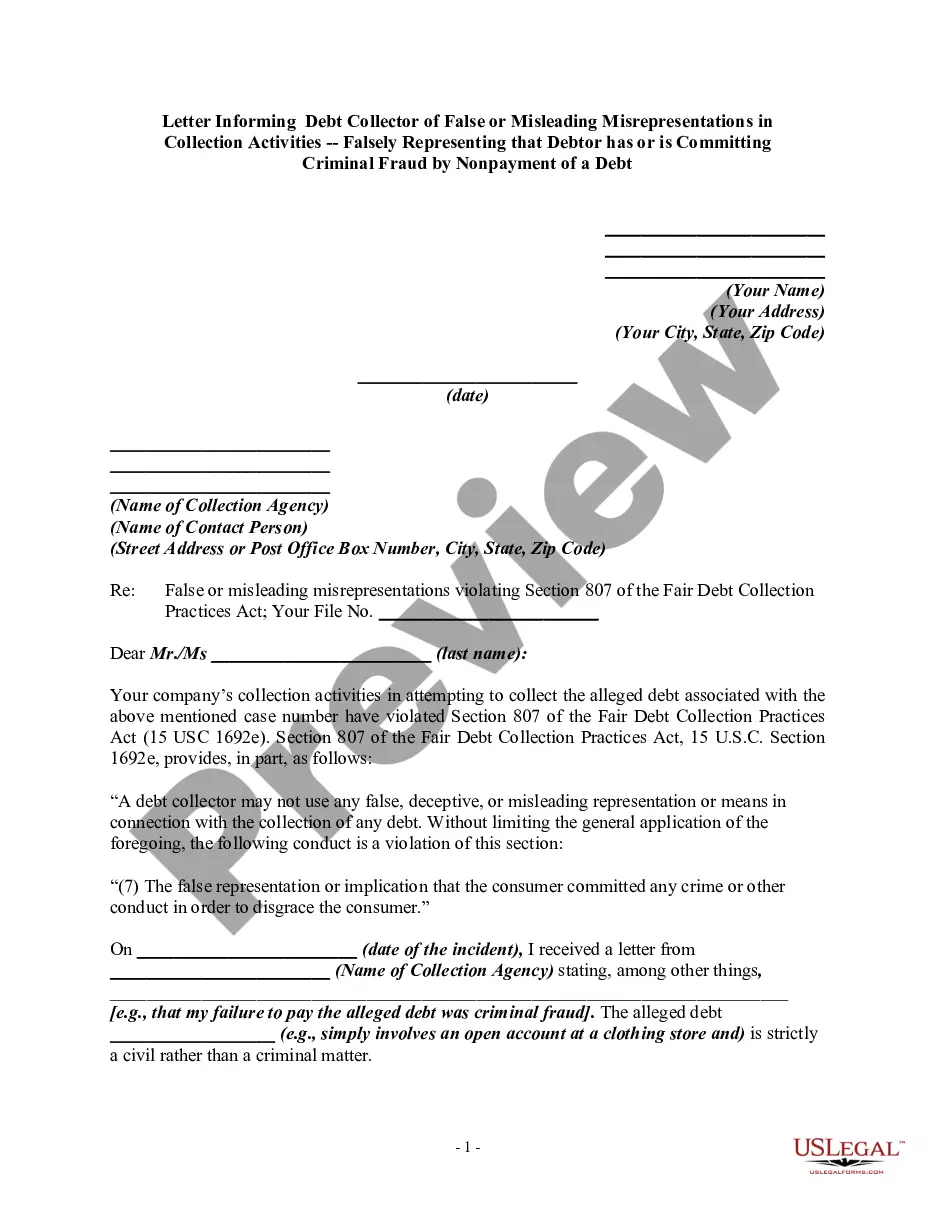
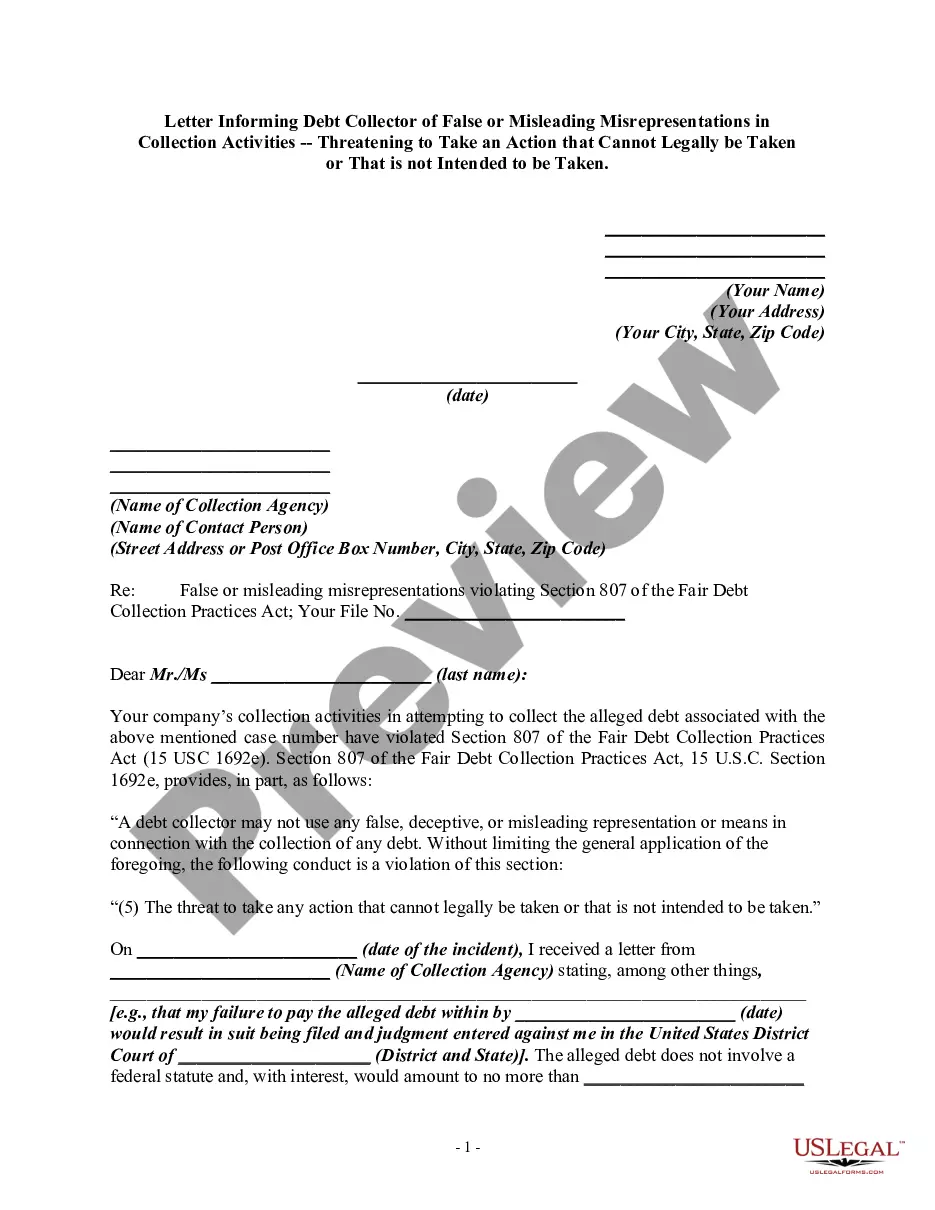
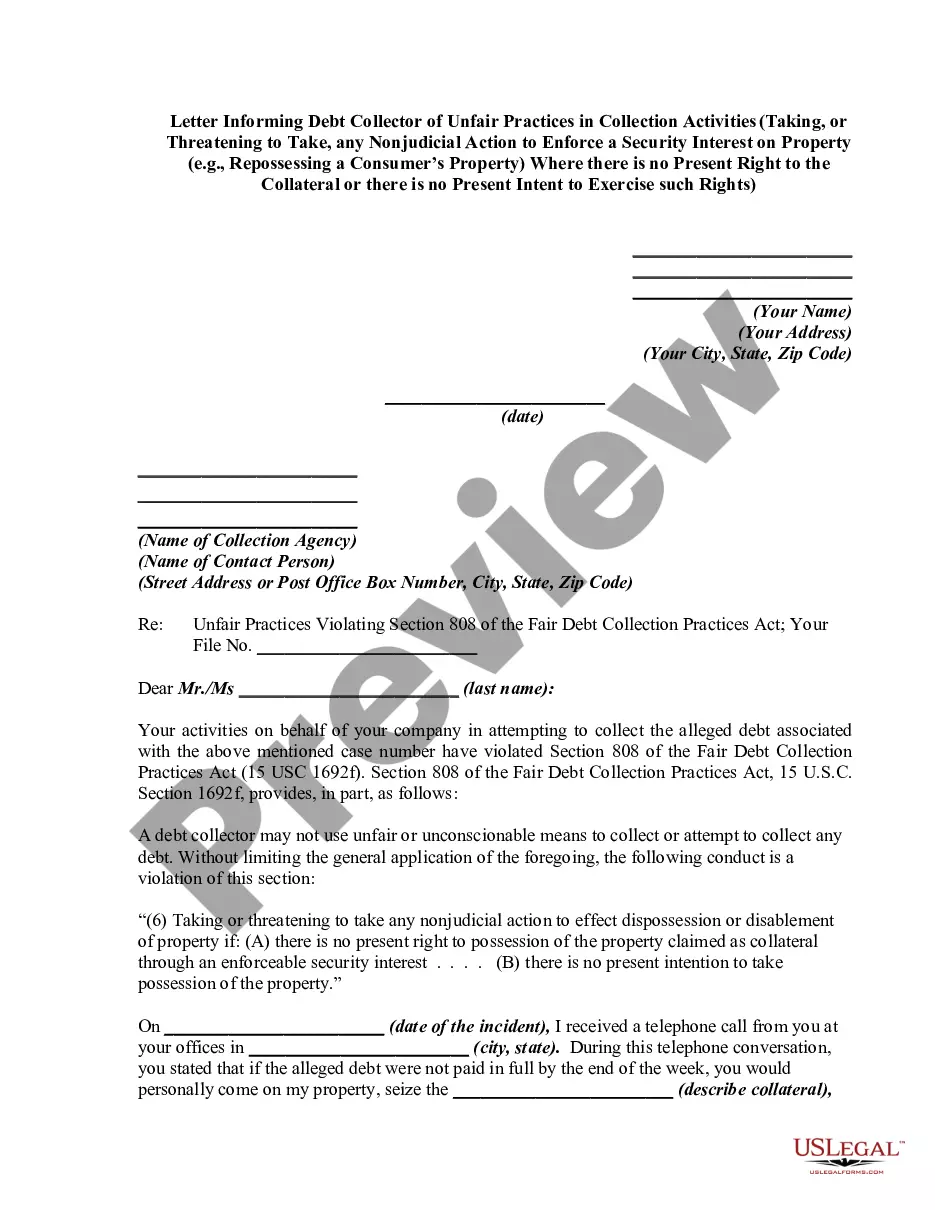
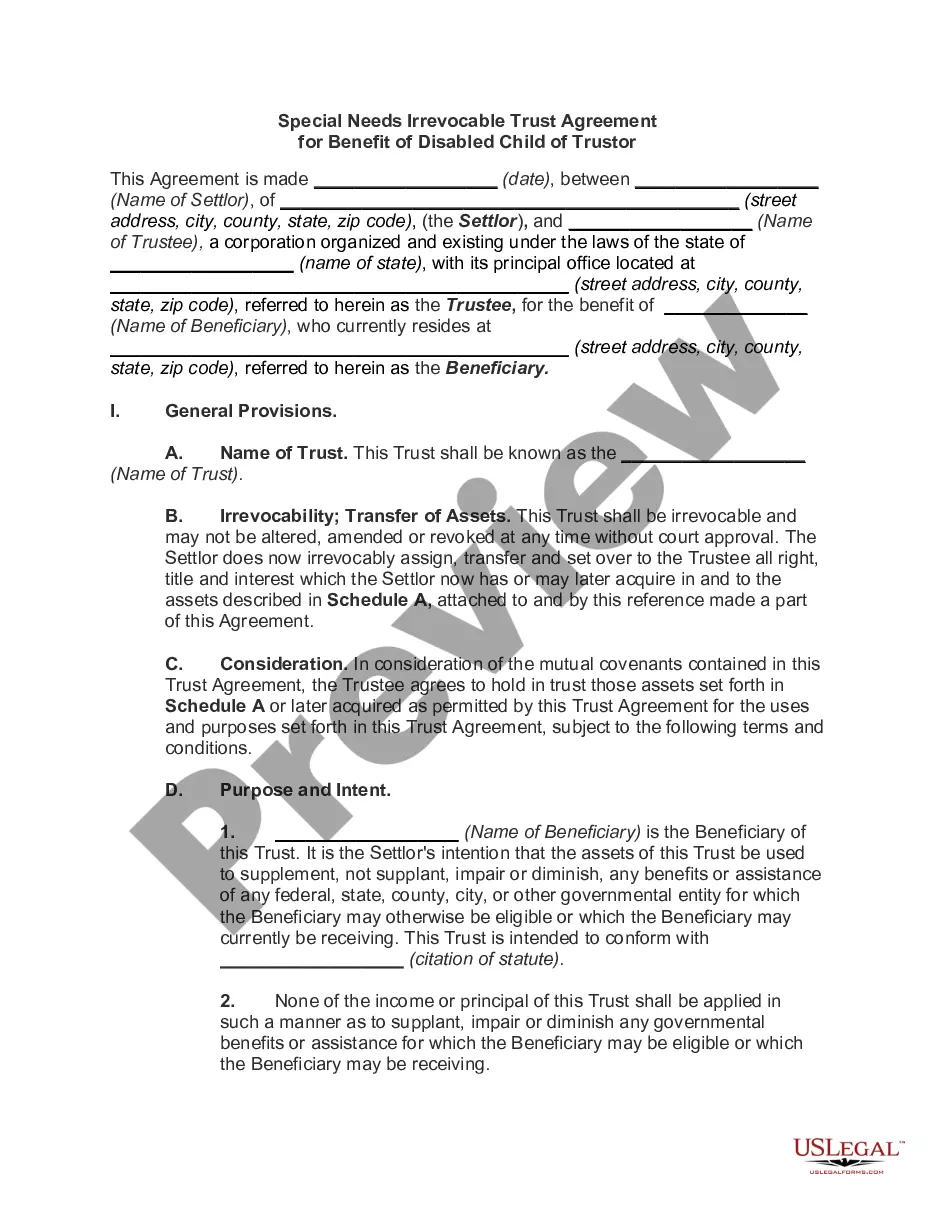
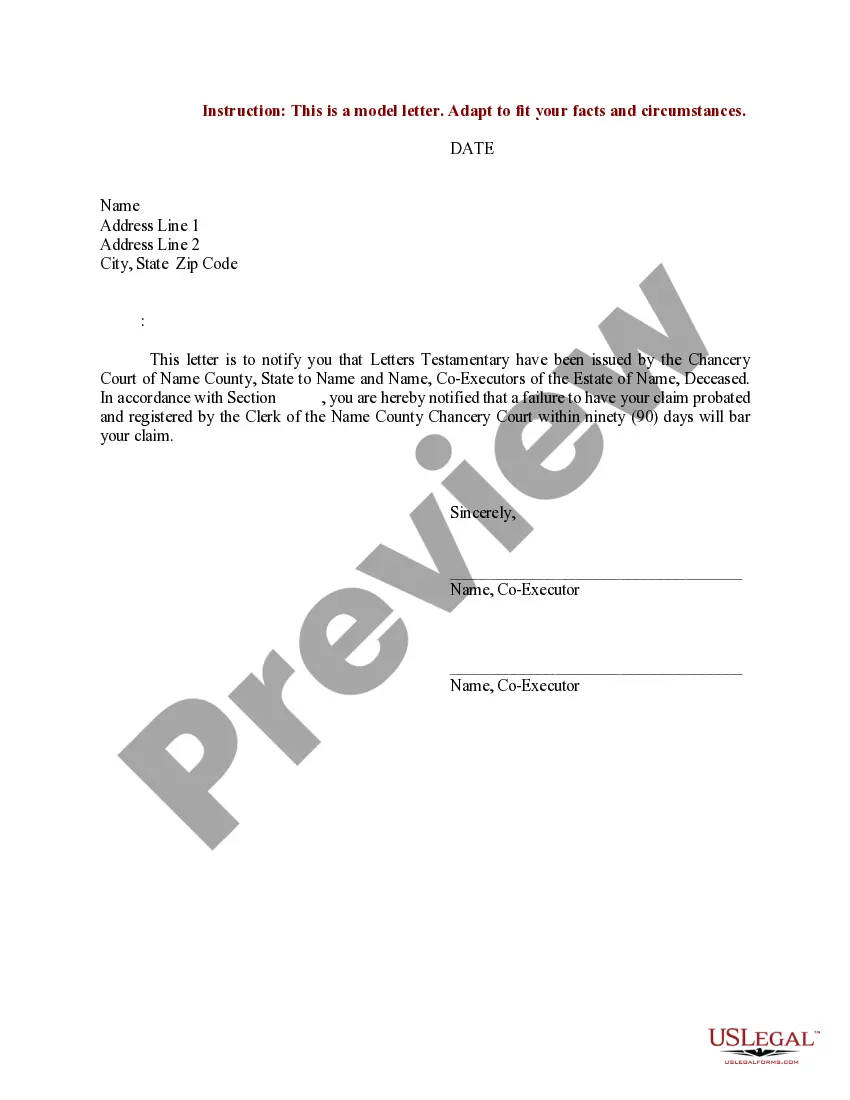
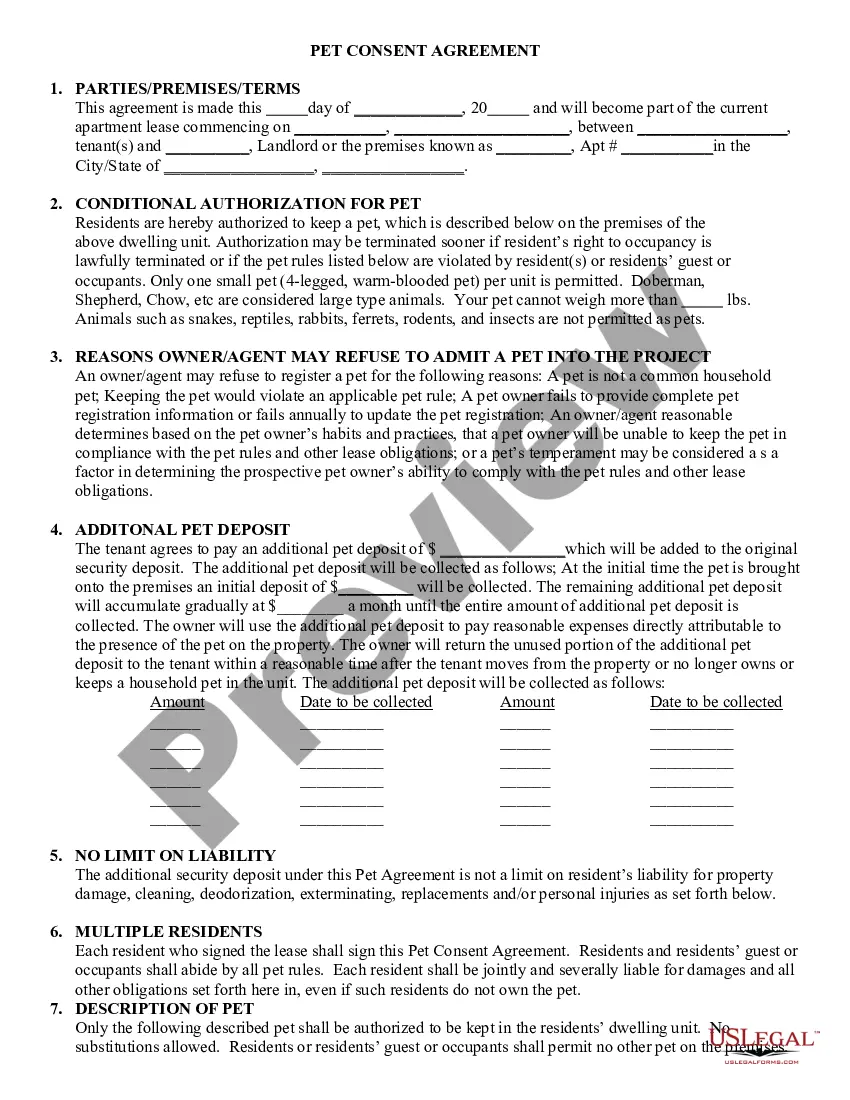

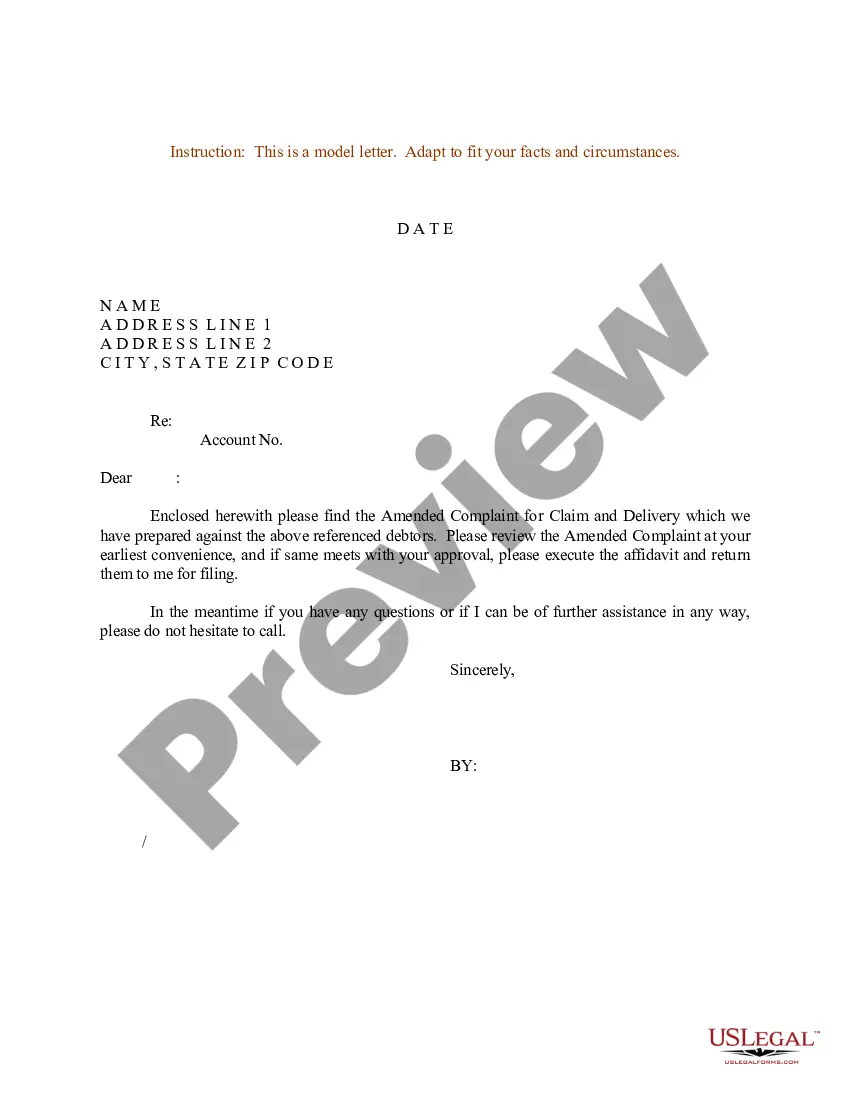



How to fill out Letter Informing Debt Collector Of Harassment Or Abuse In Collection Activities Involving Threats To Use Violence Or Other Criminal Means To Harm The Physical Person, Reputation, And/or Property Of The Debtor?
Dealing with legal paperwork and processes can be a labor-intensive addition to your entire day.
Letter Harassment Form For Work and similar documents frequently necessitate that you search for them and comprehend how to fill them out accurately.
Consequently, if you are managing financial, legal, or personal issues, having a comprehensive and accessible online repository of forms at your disposal will significantly aid you.
US Legal Forms is the leading online platform for legal templates, providing over 85,000 state-specific forms and a variety of tools to help you complete your documents with ease.
Is this your first time using US Legal Forms? Sign up and create a free account in just a few minutes, and you will gain access to the form library and Letter Harassment Form For Work. Then, follow the steps outlined below to complete your form.
- Explore the collection of relevant documents available to you with just one click.
- US Legal Forms provides state- and county-specific forms available for download anytime.
- Protect your document handling processes with a quality service that enables you to create any form in minutes without extra or hidden charges.
- Simply Log In to your account, find Letter Harassment Form For Work and obtain it instantly from the My documents section.
- You can also access forms that you have saved previously.
Form popularity
FAQ
Some of the options available are: Pay the full cash bail directly to the court in the form of cash, cashier's check or money order. Pay the full cash bail in the form of funds from the US Treasury. Accommodation can sometimes be made through the court to use real property as collateral. ... Post a bail bond.
If you can't pay the bail the court has set, you won't be able to get released from jail. Therefore, you will have to remain in jail until the date the court has set for your trial. Not being able to post your bail can be a difficult and stressful situation.
If a defendant can't post bail, they will remain in custody until their court hearing.
Mississippi Bail Bonds Information A judge sets the bail amount of the defendant. The Mississippi bail bondsman will post your bailbond once the premium is paid. The premium fee is 15% or $100.00, which ever is greater. The Sheriff also charges $25 to accept the bond.
A defendant posts bail by paying the required amount to the court. The court holds this money until the court hearing. If the defendant fails to attend a court date, they forfeit the money and may be sent back to jail. If a defendant complies with bail, the court returns their money at the end of their matter.
(1)(a) ?Surrender? means the delivery of the defendant, principal on bond, physically to the sheriff or chief of police or in his absence, his jailer, and it is the duty of the sheriff or chief of police, or his jailer, to accept the surrender of the principal when presented and such act is complete upon the execution ...
?No Bond? Definition The arrested person will remain in custody until a judge potentially sets bail at a later hearing or the case concludes.