Credit Shelter With Fireplace
Description

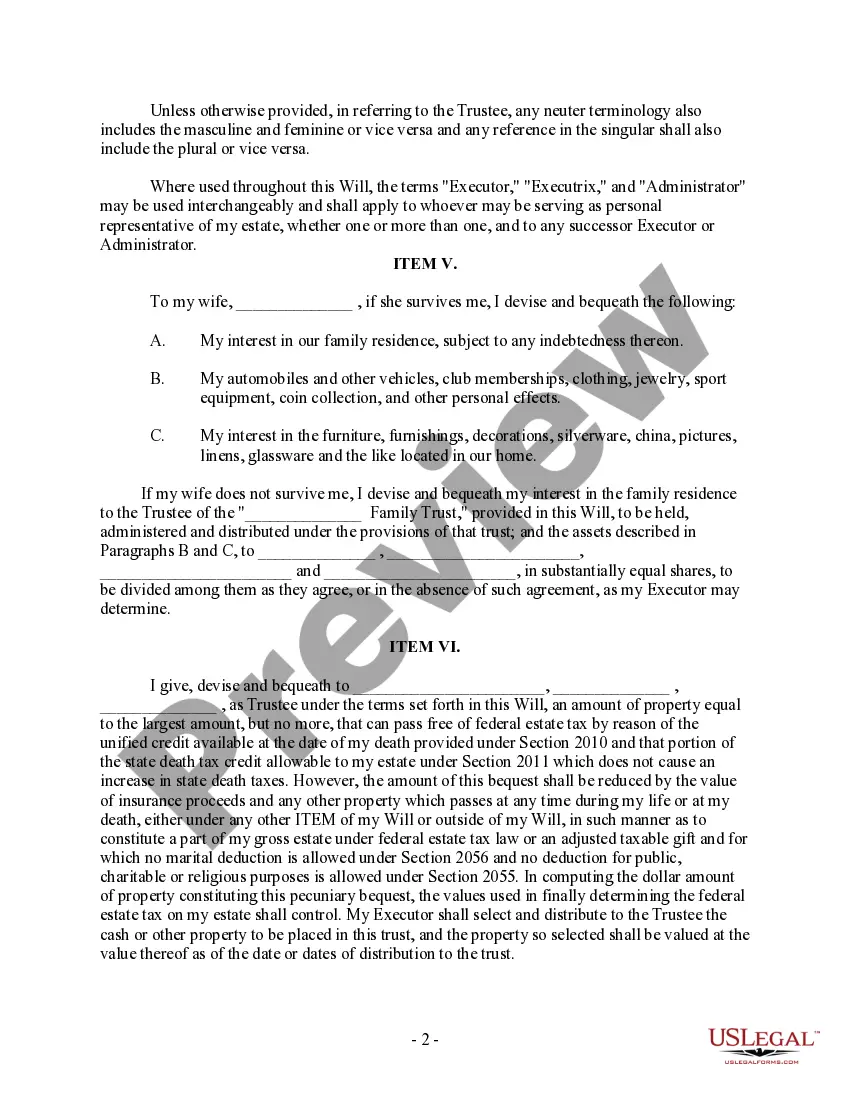
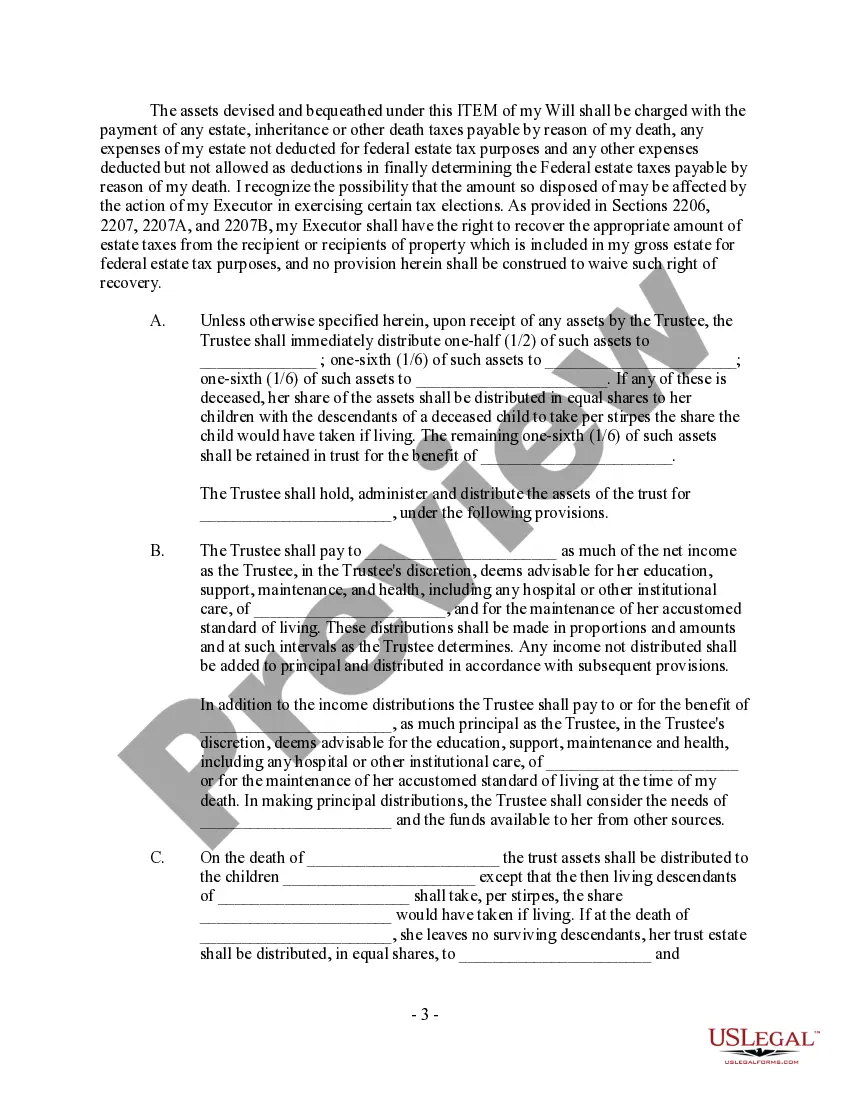
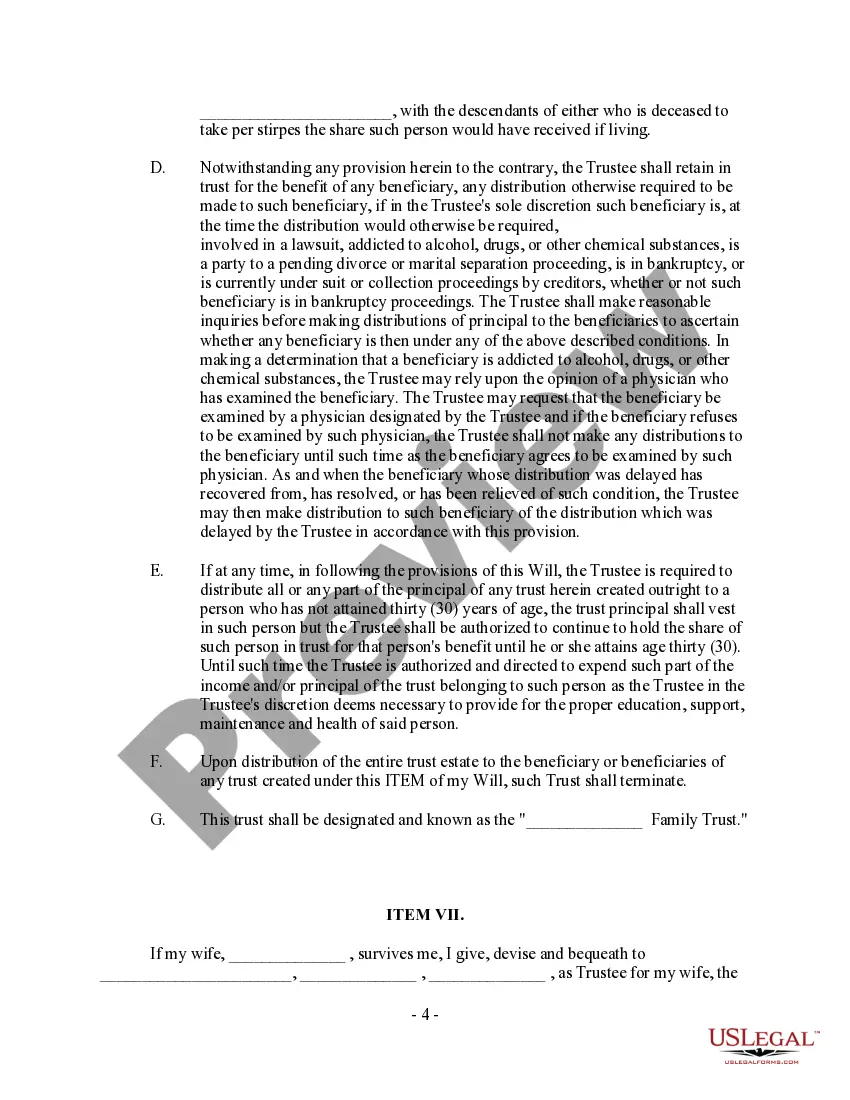
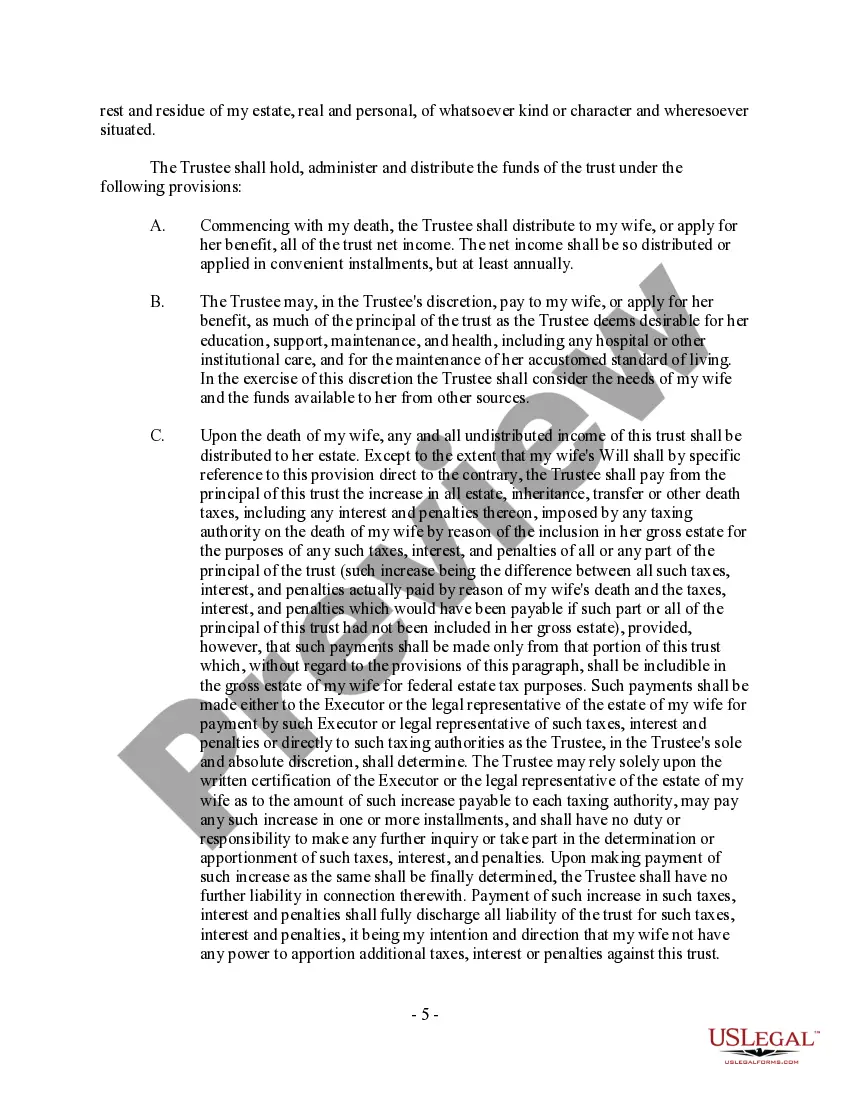



Get your form ready online
Our built-in tools help you complete, sign, share, and store your documents in one place.
Make edits, fill in missing information, and update formatting in US Legal Forms—just like you would in MS Word.
Download a copy, print it, send it by email, or mail it via USPS—whatever works best for your next step.
Sign and collect signatures with our SignNow integration. Send to multiple recipients, set reminders, and more. Go Premium to unlock E-Sign.
If this form requires notarization, complete it online through a secure video call—no need to meet a notary in person or wait for an appointment.
We protect your documents and personal data by following strict security and privacy standards.

Make edits, fill in missing information, and update formatting in US Legal Forms—just like you would in MS Word.

Download a copy, print it, send it by email, or mail it via USPS—whatever works best for your next step.

Sign and collect signatures with our SignNow integration. Send to multiple recipients, set reminders, and more. Go Premium to unlock E-Sign.

If this form requires notarization, complete it online through a secure video call—no need to meet a notary in person or wait for an appointment.

We protect your documents and personal data by following strict security and privacy standards.
Looking for another form?

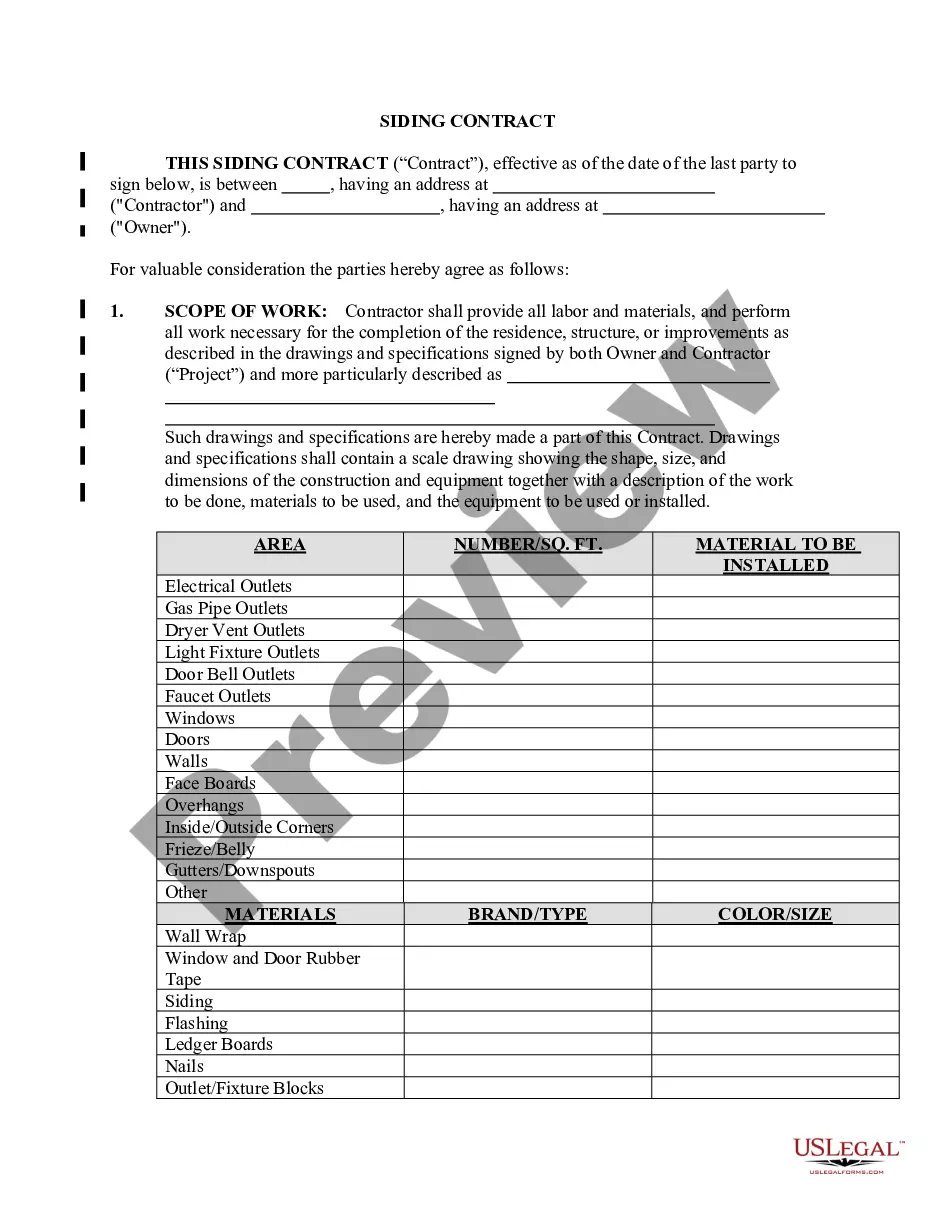





How to fill out Complex Will - Credit Shelter Marital Trust For Spouse?
- If you are a previous user, log in to your account and conveniently download the credit shelter form by clicking the Download button. Ensure your subscription is active, and if it has lapsed, renew according to your payment plan.
- For new users, start by checking the Preview mode and form description. Confirm that you have selected the right credit shelter form that adheres to your local jurisdiction requirements.
- If the credit shelter form doesn’t meet your expectations, utilize the Search tab to locate a more suitable template. Once you find one, proceed to the next step.
- Purchase the form by clicking on the Buy Now button, selecting your preferred subscription plan. Registration is necessary to unlock access to our vast library.
- Complete your purchase by entering your credit card information or using your PayPal account for payment.
- Finally, download your credit shelter form. Save it to your device and find it anytime in the My Forms section of your profile.
In conclusion, US Legal Forms equips both individuals and attorneys with the tools needed to navigate legal documentation effortlessly. With a robust collection of forms and expert support, you'll ensure all your legal needs are met swiftly and accurately.
Don't wait any longer; access the resources you need for legal success today!
Form popularity
FAQ
Certain types of trusts, like charitable remainder trusts and some special needs trusts, can be tax-exempt. These trusts are designed to fulfil specific goals, such as supporting a charitable cause or providing for a beneficiary with special needs. However, a credit shelter with fireplace trusts typically does not qualify for tax exemption, as they focus on tax deferral and estate planning. For detailed information, consider exploring the resources available through US Legal Forms.
Whether your trust needs to file a tax return largely depends on the type of trust you have. Generally, revocable trusts do not require separate tax returns as they are considered part of your estate. However, if you establish a credit shelter with fireplace trust after your death, it may necessitate a tax return. You can use services like US Legal Forms to get guidance on your specific trust's needs.
After death, a credit shelter trust typically becomes irrevocable, and the assets are managed according to the trust's terms. Beneficiaries will begin to receive benefits as stipulated, which can include income generated from the assets. The trust also continues to shield assets from estate taxes, ensuring that your beneficiaries gain the maximum financial benefit from your legacy. Coordinating with an estate planner is advisable to ensure compliance with all aspects of trust management.
The maximum amount for a credit shelter trust often aligns with the federal estate tax exemption. This threshold can change due to new tax laws or updates in financial regulations. Thus, it is crucial to stay informed about current limits as they can directly impact your estate planning. Utilizing resources like uslegalforms can provide insight and assistance in organizing your trust appropriately.
Like a credit shelter trust, there is no strict maximum amount for a trust fund; however, tax considerations can come into play with larger amounts. If you contribute beyond the federal estate tax exemption, you may face tax obligations. Therefore, it is wise to strategize contributions carefully. Always consider professional advice to navigate the complexities involved.
The limit of a credit shelter trust is typically tied to the federal estate tax exemption amount. Currently, this amount can cover a substantial sum, often exceeding several million dollars, depending on the year and legislation. Understanding these limits is critical for effective estate planning and to maximize your benefits from the credit shelter with fireplace. Consulting a legal professional can clarify these numbers for your specific circumstances.
The maximum amount for a trust fund varies based on specific types of trusts and state laws. Generally, there isn't a defined cap on how much you can place in a trust. However, you should consider tax implications, as large amounts can trigger certain tax burdens. Consulting with a financial expert is beneficial to understand your unique situation.
A credit shelter trust can involve complexity and higher initial costs for setting up. Additionally, since the trust is irrevocable, you lose control over the assets placed in it. It might also lead to increased administrative responsibilities that require attention and expertise. However, many people find that the benefits, such as protecting assets, outweigh these disadvantages.
The maximum care credit amount depends on various factors, including the type of expenses you qualify for under tax regulations. It typically reflects the costs associated with caregiving services. Using strategies like a credit shelter with fireplace can contribute to securing funds while providing necessary care, safeguarding both your health and tax position.
The current credit shelter amount takes into account the federal estate tax exemption, which is over $12 million for individuals. This amount allows for comprehensive planning to preserve family wealth. By utilizing assets effectively, such as a credit shelter with fireplace, families can ensure their legacies endure without unnecessary tax impacts.