Credit Shelter With A Will
Description

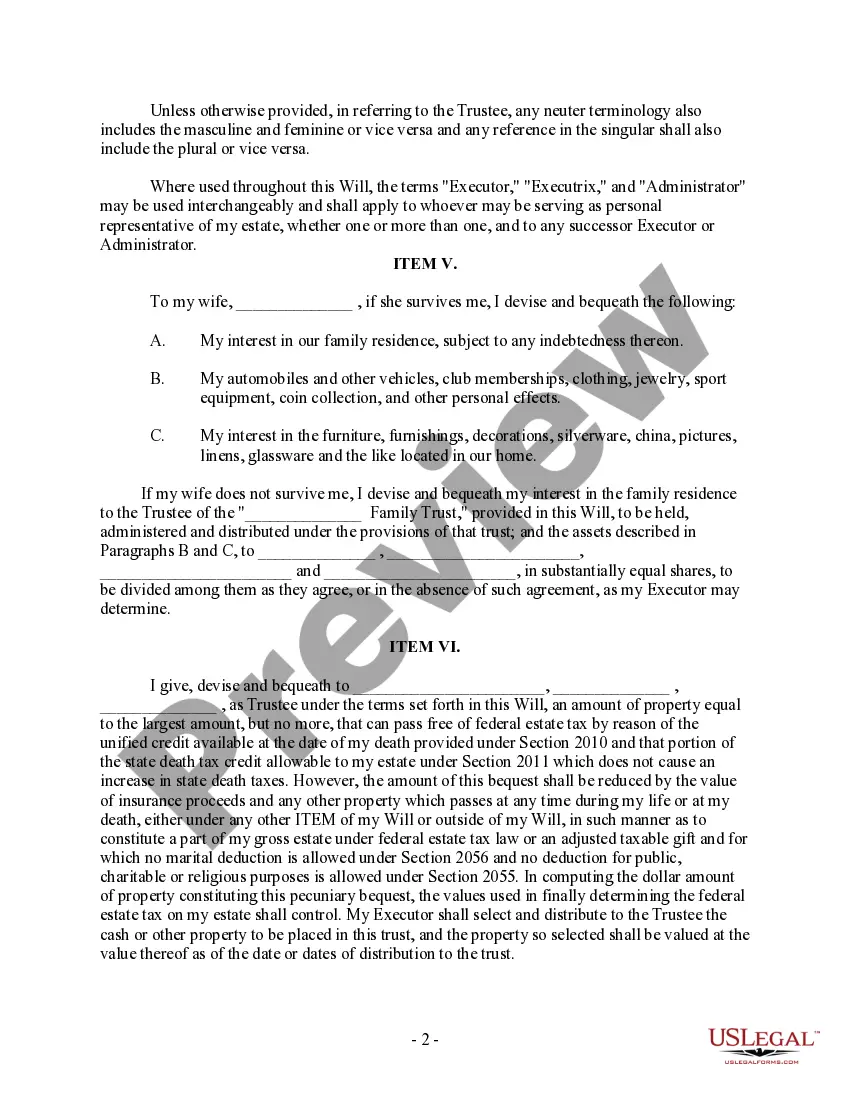
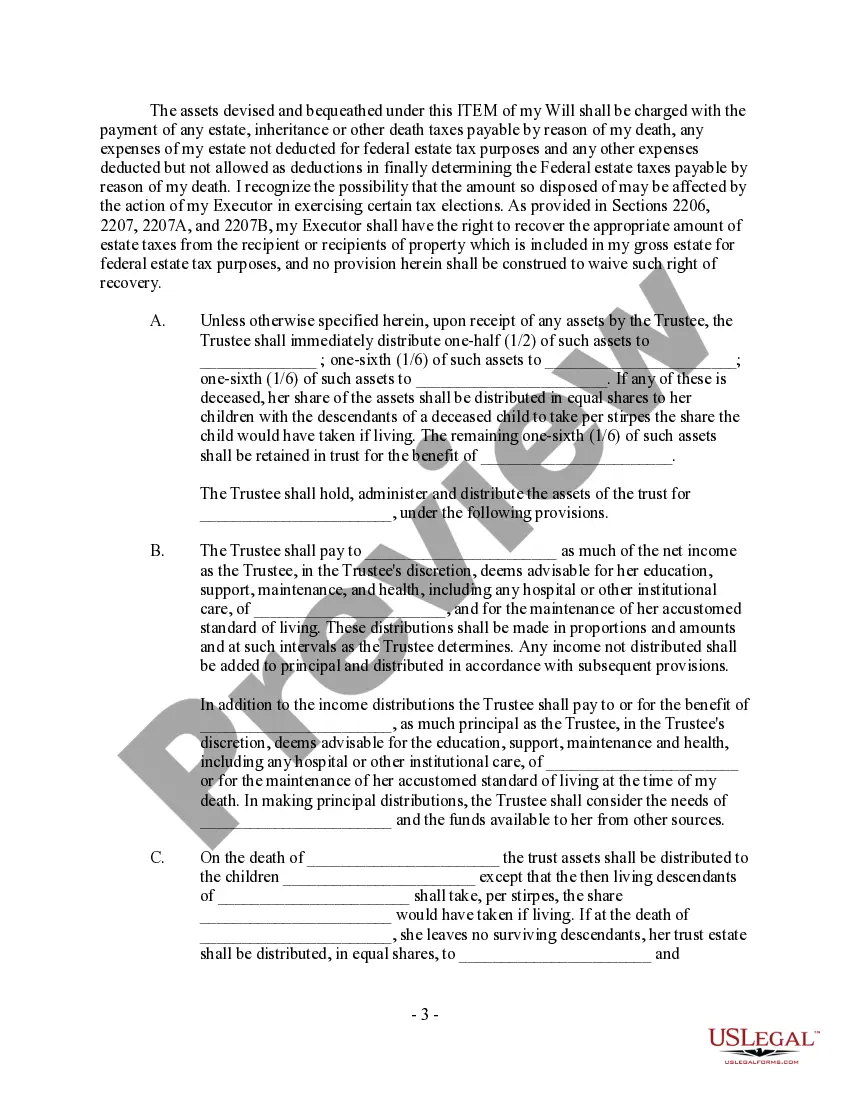
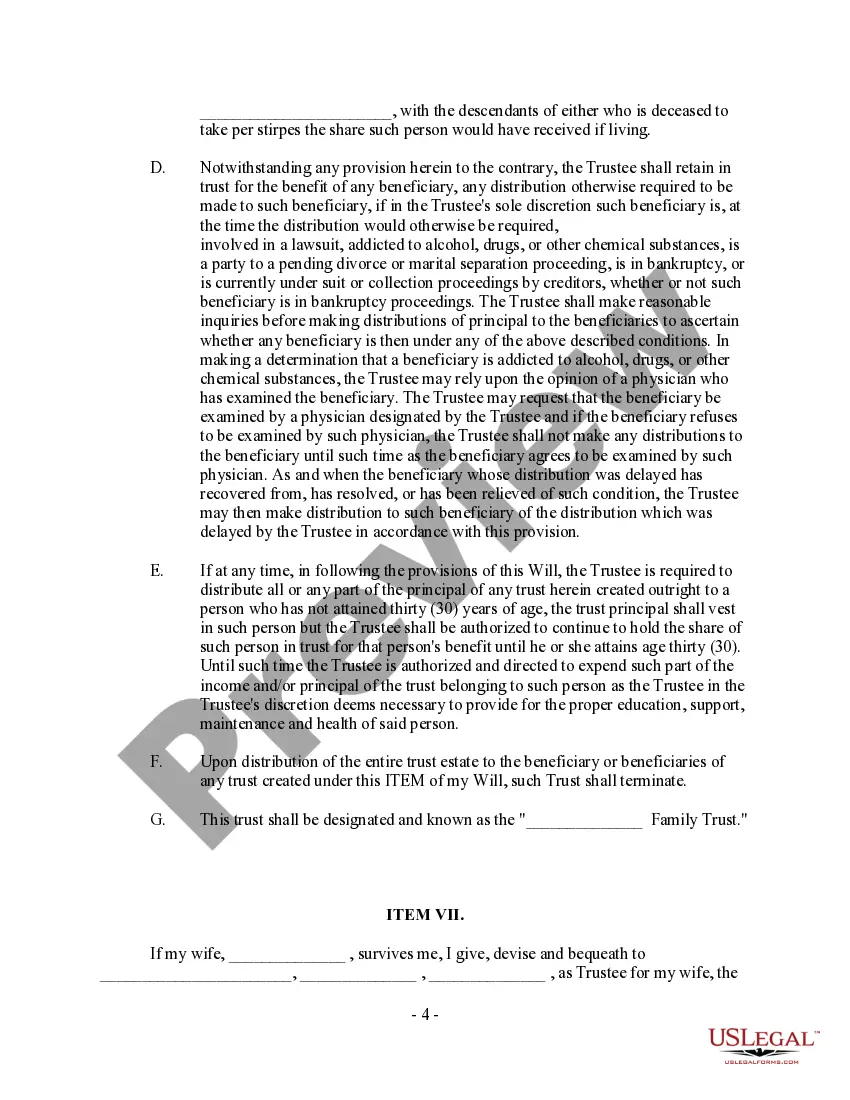
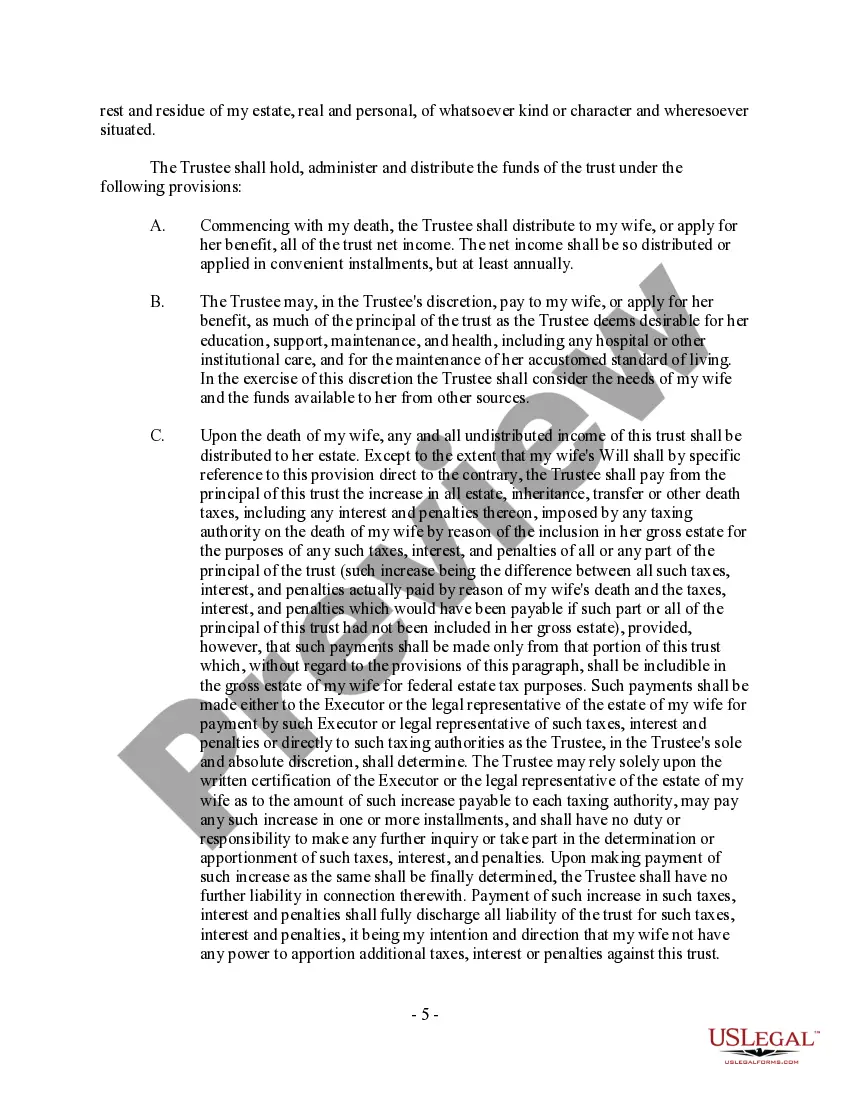
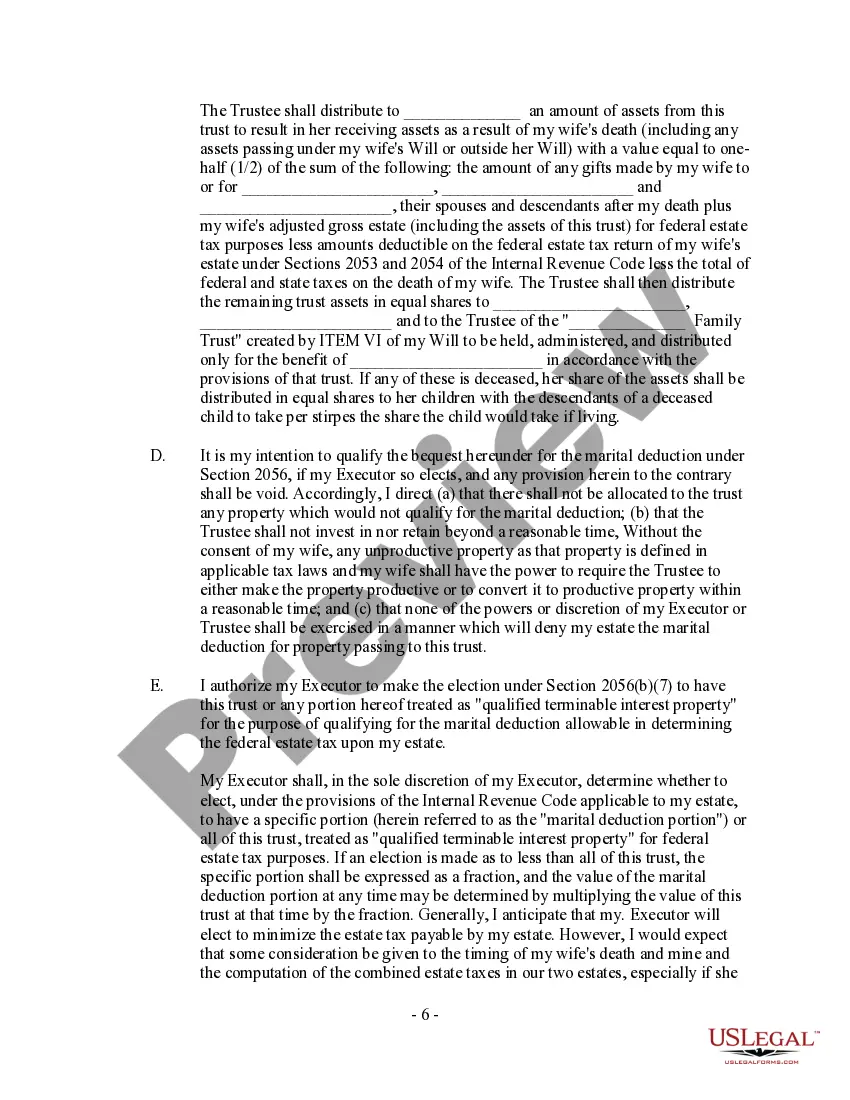
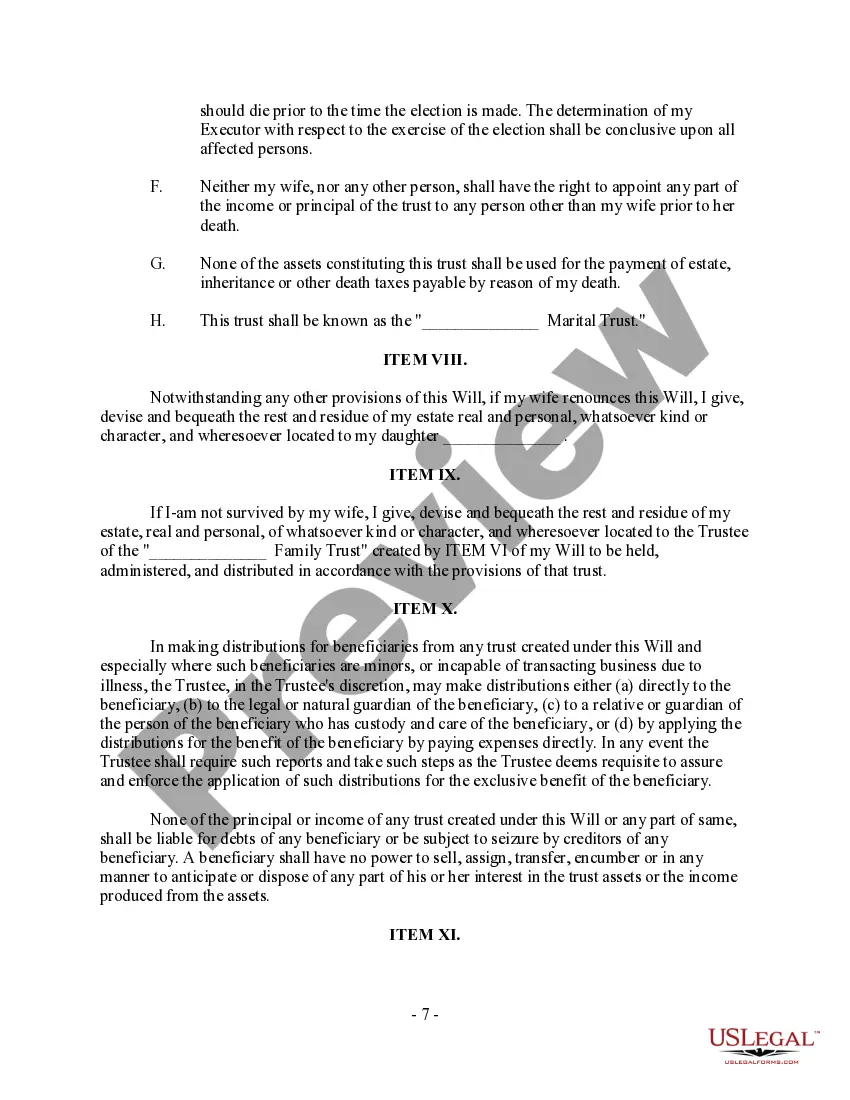
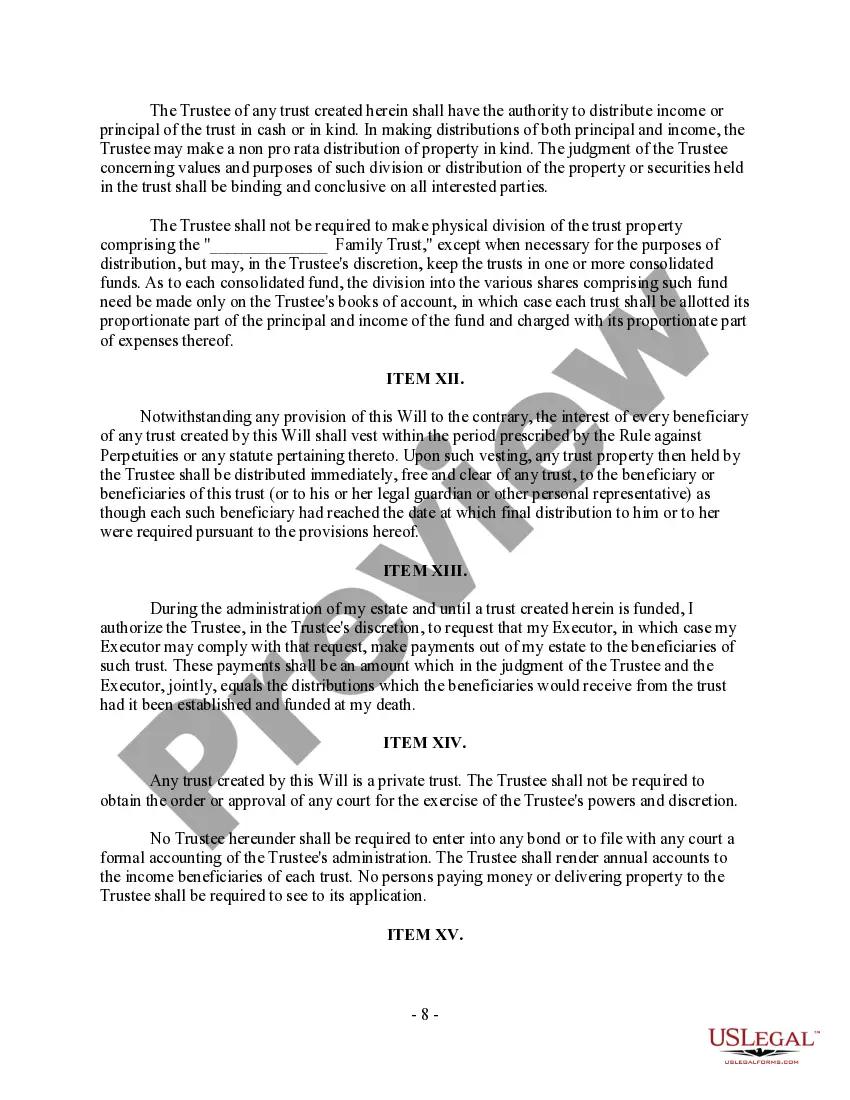
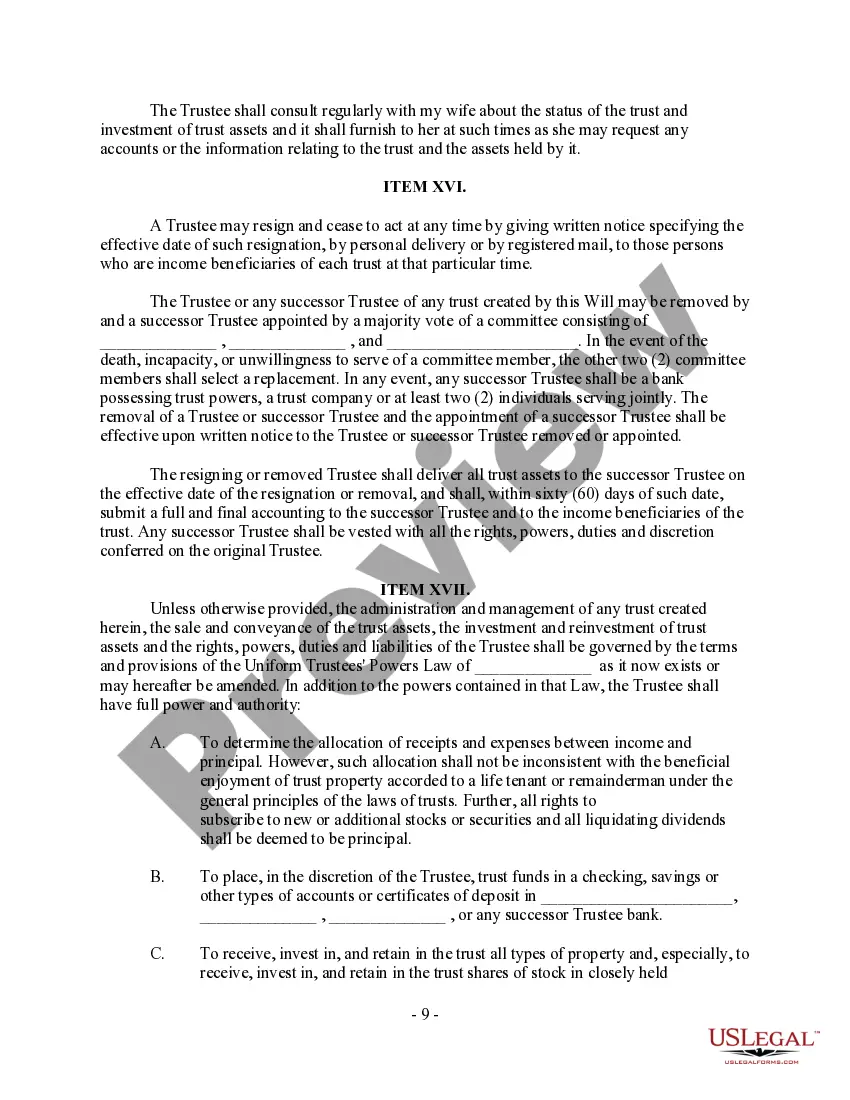
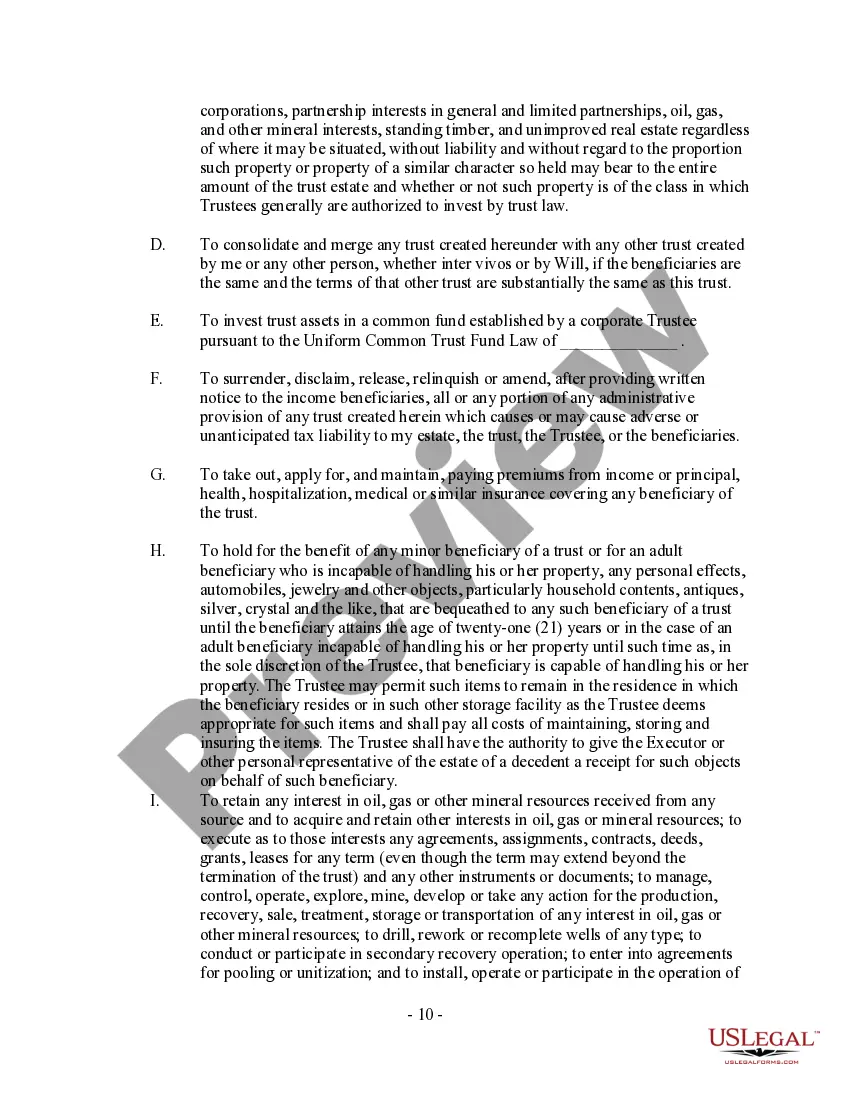



Get your form ready online
Our built-in tools help you complete, sign, share, and store your documents in one place.
Make edits, fill in missing information, and update formatting in US Legal Forms—just like you would in MS Word.
Download a copy, print it, send it by email, or mail it via USPS—whatever works best for your next step.
Sign and collect signatures with our SignNow integration. Send to multiple recipients, set reminders, and more. Go Premium to unlock E-Sign.
If this form requires notarization, complete it online through a secure video call—no need to meet a notary in person or wait for an appointment.
We protect your documents and personal data by following strict security and privacy standards.

Make edits, fill in missing information, and update formatting in US Legal Forms—just like you would in MS Word.

Download a copy, print it, send it by email, or mail it via USPS—whatever works best for your next step.

Sign and collect signatures with our SignNow integration. Send to multiple recipients, set reminders, and more. Go Premium to unlock E-Sign.

If this form requires notarization, complete it online through a secure video call—no need to meet a notary in person or wait for an appointment.

We protect your documents and personal data by following strict security and privacy standards.
Looking for another form?




How to fill out Complex Will - Credit Shelter Marital Trust For Spouse?
- Log in to your US Legal Forms account if you're a returning user, and ensure your subscription is active.
- If you're new to US Legal Forms, start by browsing the extensive library of over 85,000 legal forms to find the credit shelter with a will template that fits your needs.
- Review the form description carefully to ensure it meets your jurisdiction's requirements before proceeding.
- In case you need a different template, utilize the search feature to locate the exact form you need.
- Once you find the right document, select the 'Buy Now' button and choose a subscription plan that suits you, registering for an account if necessary.
- Complete your purchase using your credit card or PayPal information.
- Finally, download the document to your device, and access it any time under your 'My Documents' section.
By choosing US Legal Forms, you gain access to a robust library of legal resources tailored to meet diverse needs. Their extensive collection surpasses competitors, providing you with more options at a similar price.
Don't leave your estate planning to chance. Start with US Legal Forms today for a seamless experience in acquiring your credit shelter with a will.
Form popularity
FAQ
The point of a credit shelter trust is to minimize estate taxes while allowing your beneficiaries to inherit your assets. By using a credit shelter with a will, you can effectively utilize your estate tax exemption, making more assets available to your heirs. This approach helps in preserving wealth across generations, ensuring that your loved ones benefit from your estate. If you are considering this strategy, our platform provides helpful resources and documents to create a well-structured credit shelter with a will.
A credit trust in a will refers to a provision within your will that establishes a credit shelter trust upon your death. This type of trust aims to protect your estate from taxes by allocating a specific amount to the trust. Effectively, a credit shelter with a will is designed to secure the financial future of your heirs while optimizing tax benefits.
The best type of trust to avoid probate is a revocable living trust, as it allows the assets to pass directly to beneficiaries without court involvement. Unlike other trusts, a revocable living trust gives you the freedom to modify or revoke the trust during your lifetime. However, incorporating a credit shelter with a will can still provide tax advantages and additional estate planning strategies when used wisely.
While credit shelter trusts have notable benefits, they come with some disadvantages as well. For example, they can complicate the estate administration process, requiring more legal and accounting work. Additionally, once established, a credit shelter with a will cannot be altered, which may limit flexibility in future estate planning decisions.
A credit trust serves to reduce estate taxes for the beneficiaries by setting aside a portion of the estate that will not be taxed upon the death of the grantor. This mechanism protects the wealth while ensuring that heirs can access funds without facing hefty tax burdens. Ultimately, a credit shelter with a will aims to provide financial security for your family by managing tax obligations effectively.
The maximum amount for a credit shelter trust typically corresponds to the federal estate tax exemption limit, which can change annually. Currently, this amount exceeds several million dollars, allowing you to transfer significant wealth to your heirs without incurring estate taxes. Utilizing a credit shelter with a will is a strategic way to maximize these benefits for your loved ones.
After a person passes away, the credit shelter trust becomes irrevocable, meaning it cannot be changed. The assets in the trust go to the beneficiaries designated in the trust document, allowing them to avoid estate taxes on that portion. Essentially, a credit shelter with a will ensures that your heirs can benefit from the trust without facing immediate tax liabilities.
The limit of a credit shelter trust primarily revolves around the estate tax exemption limits set by current laws, which may change over time. A credit shelter with a will allows assets to bypass estate taxes up to certain thresholds, effectively maximizing the benefits for your beneficiaries. Staying informed about these limits is crucial for effective estate planning. US Legal Forms can guide you through the documentation necessary to establish a credit shelter trust that meets your needs.
There isn't a strict limit on the amount you can place in a trust fund, but there are tax implications to consider when setting up a credit shelter with a will. The goal is to maximize your wealth transfer while minimizing tax burdens for your heirs. Working with a financial advisor can help you structure your trust effectively. US Legal Forms offers resources to assist you with the legal documentation needed.
The maximum amount for a trust fund varies based on state regulations and the specific terms set within the trust document. Generally, a credit shelter with a will can hold significant assets, strategically allowing you to take advantage of exemptions during estate tax calculations. It is essential to consult with a legal expert to determine the best approach for your situation. US Legal Forms can provide you with the necessary documents to help set this up correctly.