Credit Shelter Trust Explained
Description

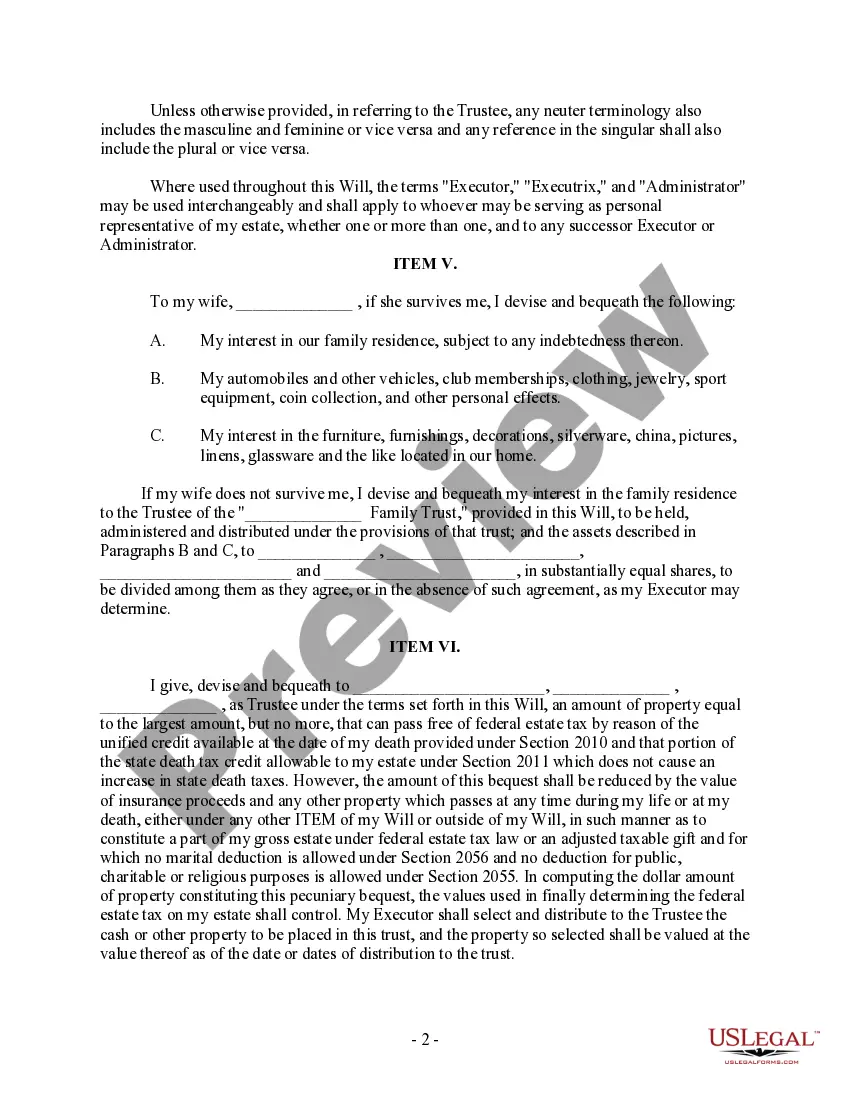
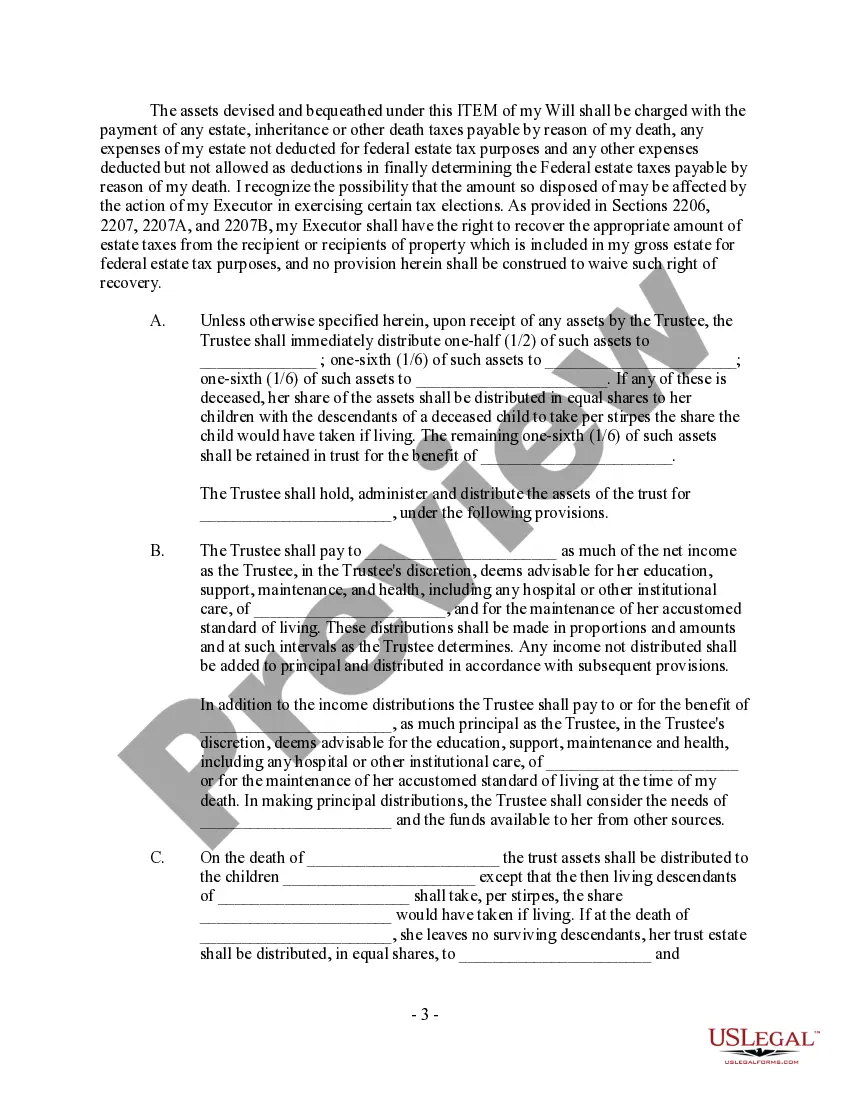
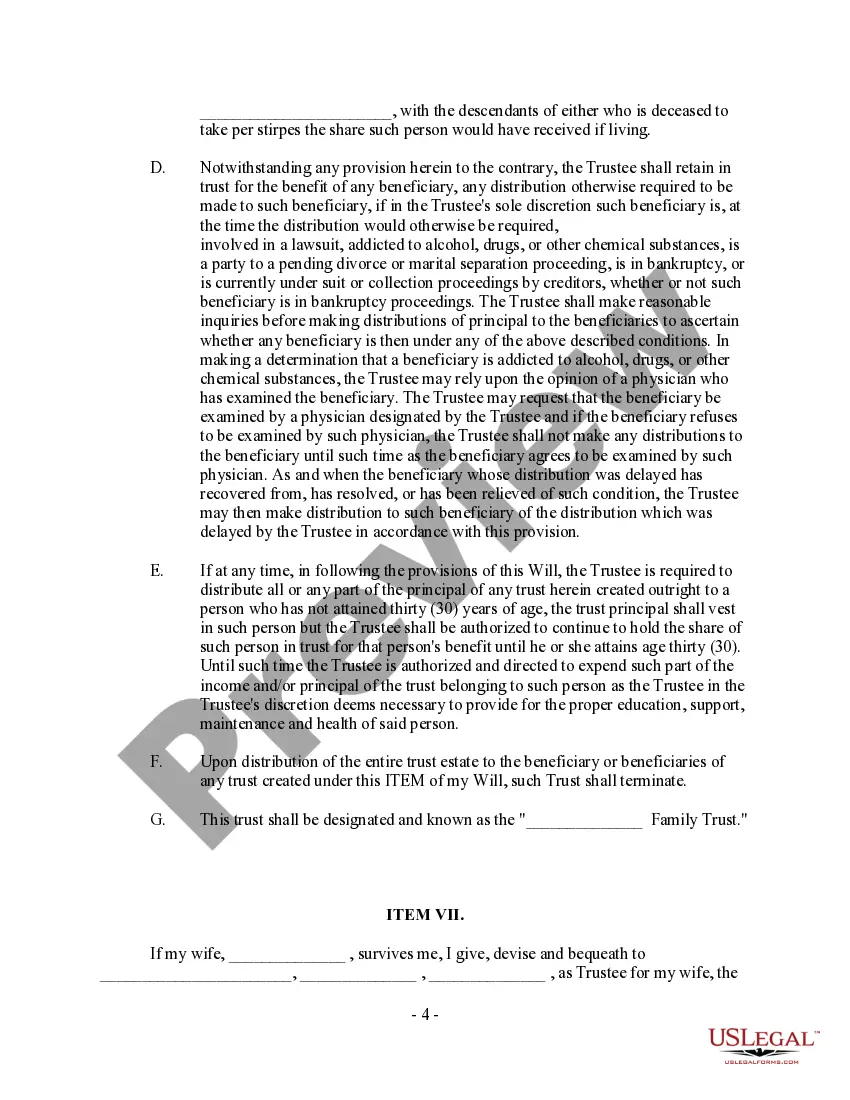
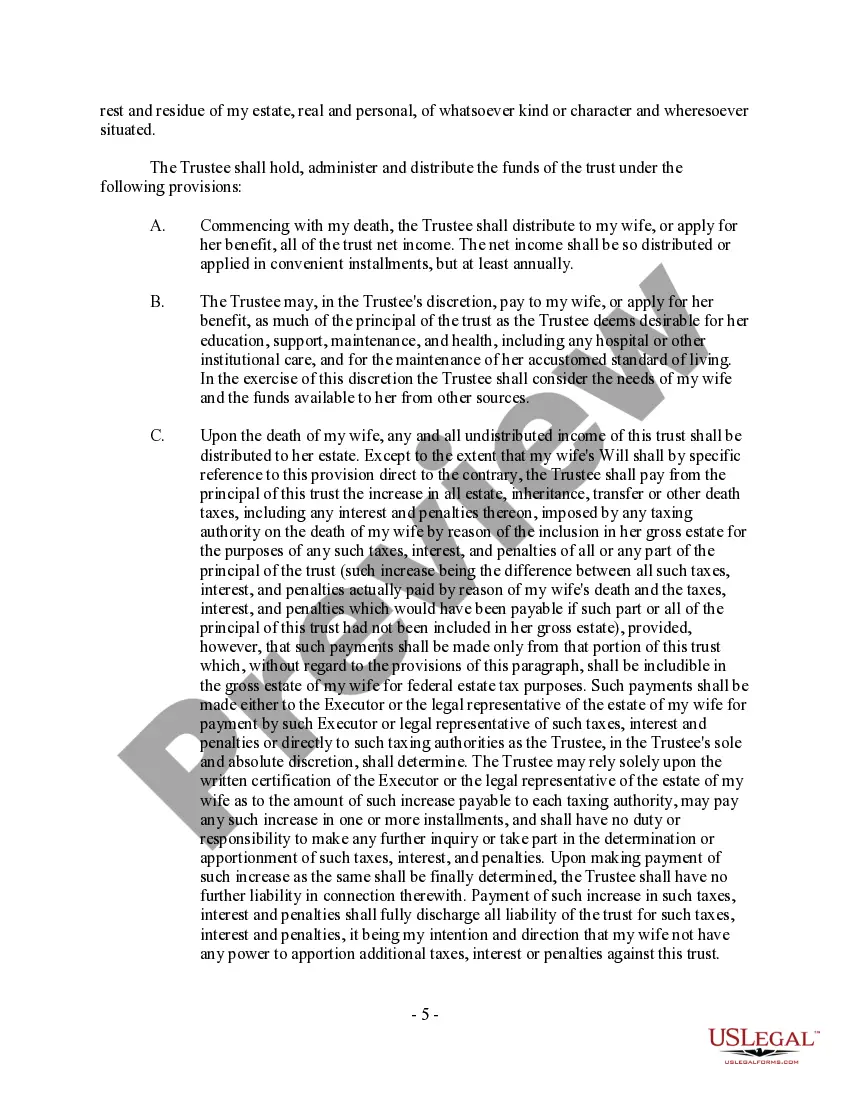
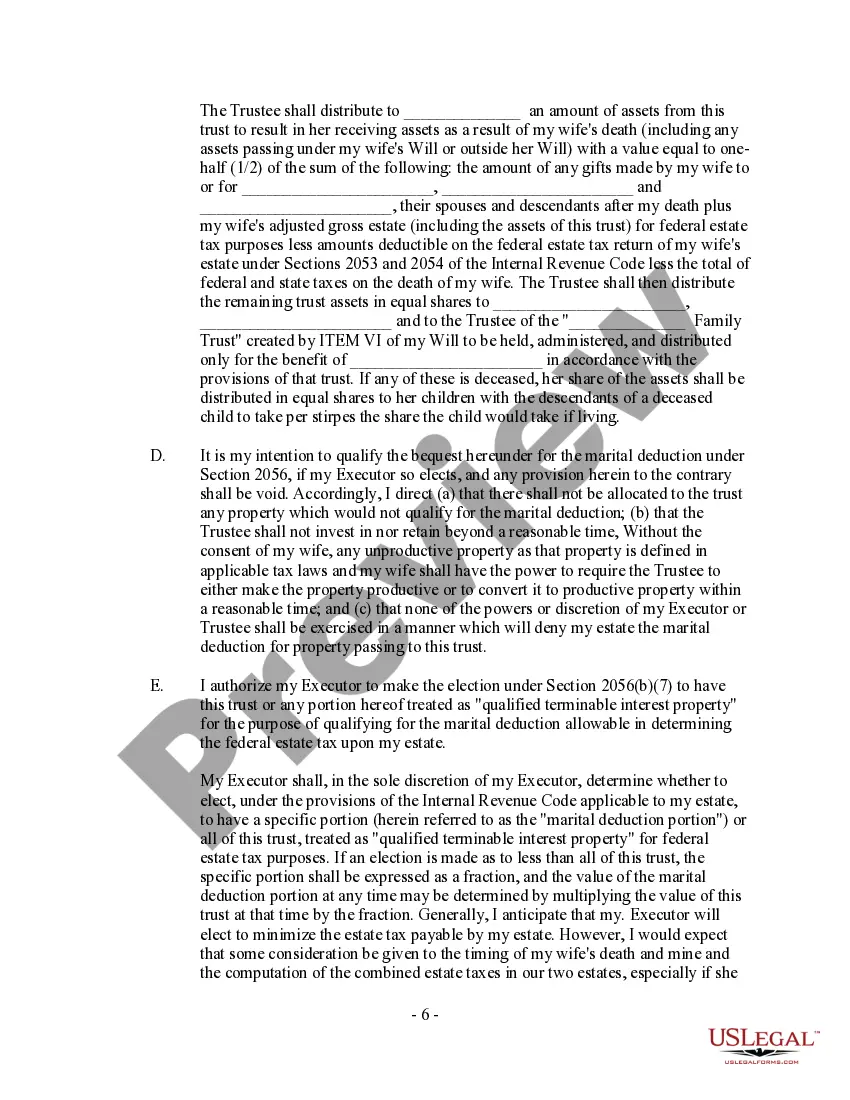
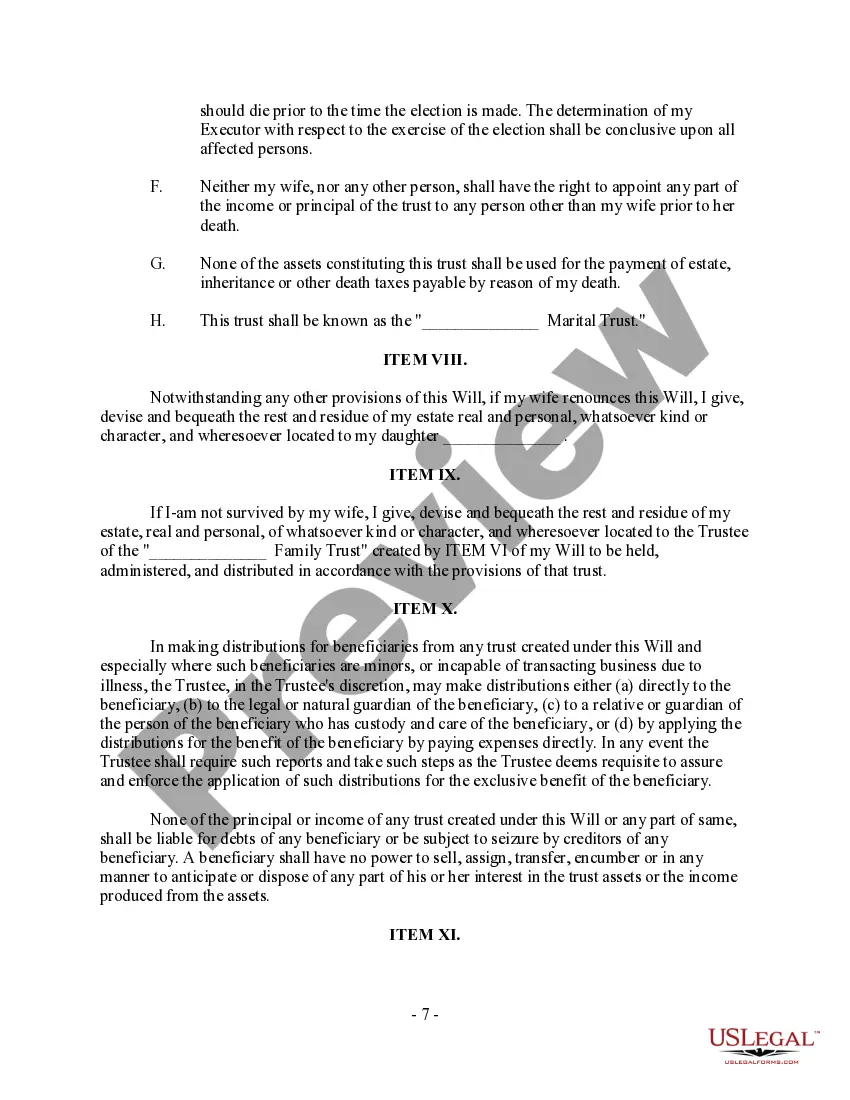
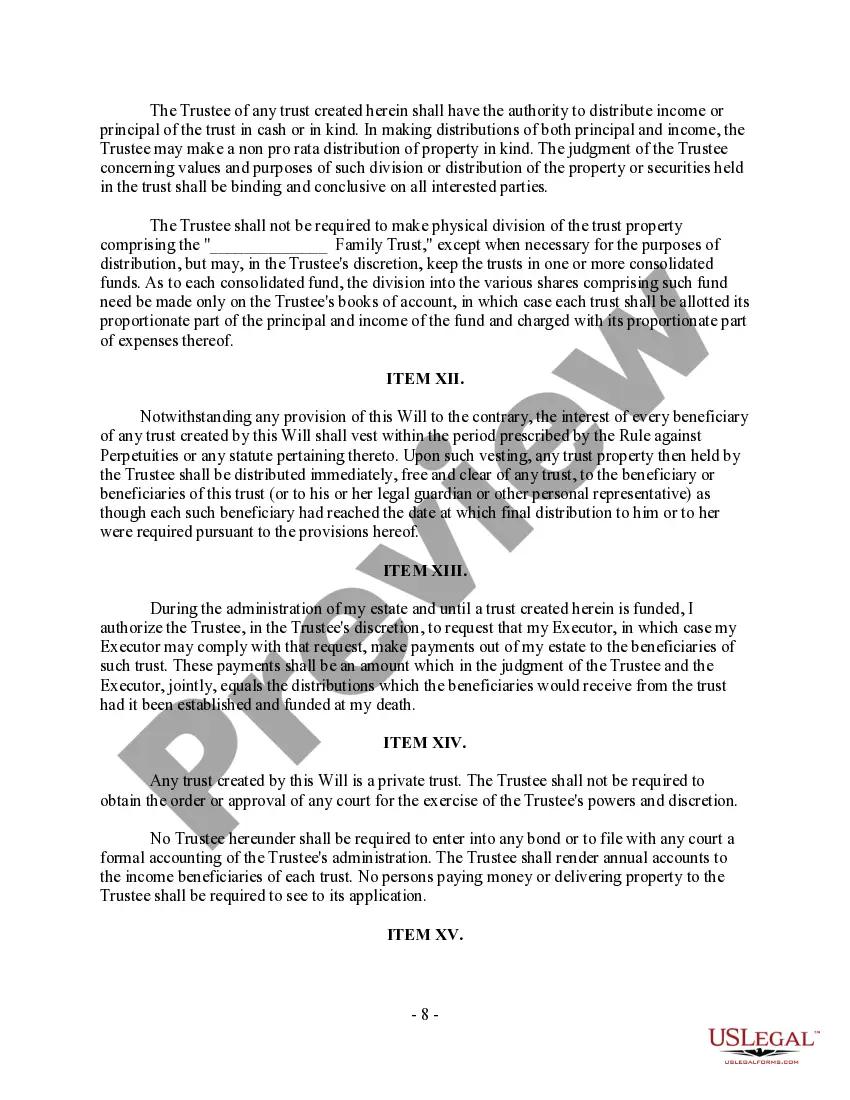
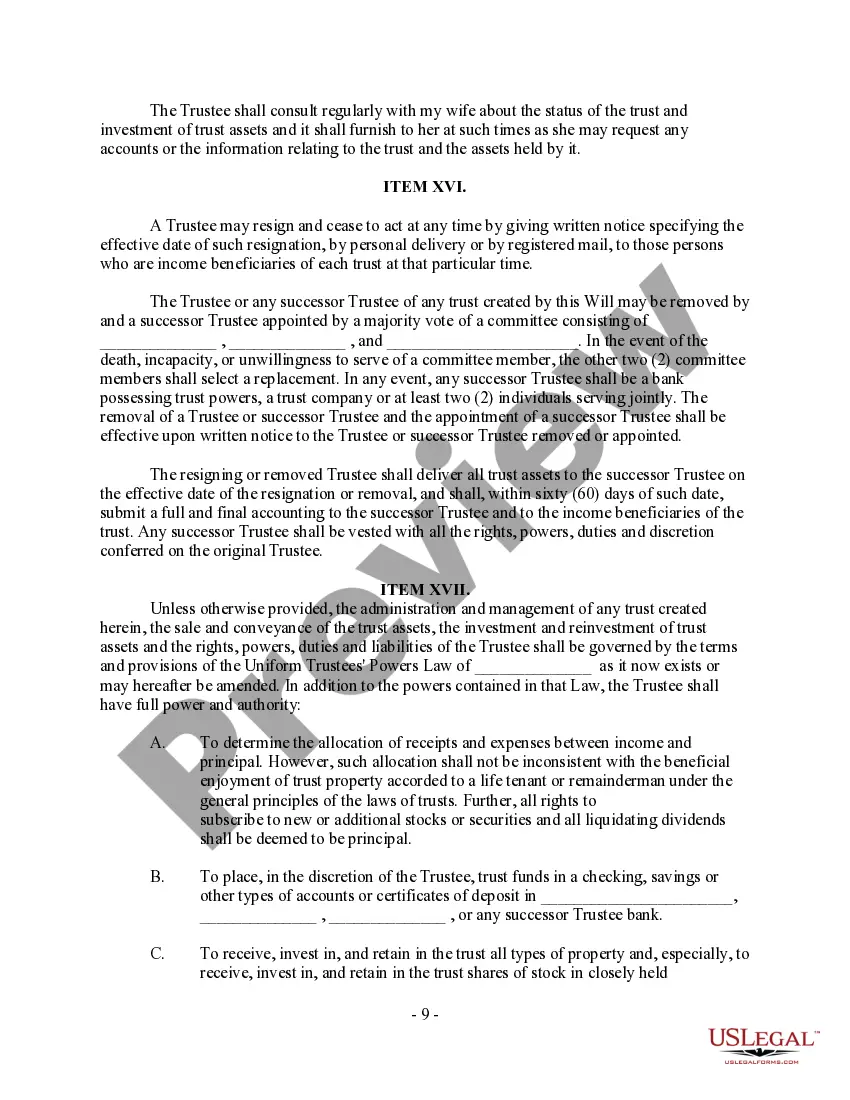



Get your form ready online
Our built-in tools help you complete, sign, share, and store your documents in one place.
Make edits, fill in missing information, and update formatting in US Legal Forms—just like you would in MS Word.
Download a copy, print it, send it by email, or mail it via USPS—whatever works best for your next step.
Sign and collect signatures with our SignNow integration. Send to multiple recipients, set reminders, and more. Go Premium to unlock E-Sign.
If this form requires notarization, complete it online through a secure video call—no need to meet a notary in person or wait for an appointment.
We protect your documents and personal data by following strict security and privacy standards.

Make edits, fill in missing information, and update formatting in US Legal Forms—just like you would in MS Word.

Download a copy, print it, send it by email, or mail it via USPS—whatever works best for your next step.

Sign and collect signatures with our SignNow integration. Send to multiple recipients, set reminders, and more. Go Premium to unlock E-Sign.

If this form requires notarization, complete it online through a secure video call—no need to meet a notary in person or wait for an appointment.

We protect your documents and personal data by following strict security and privacy standards.
Looking for another form?









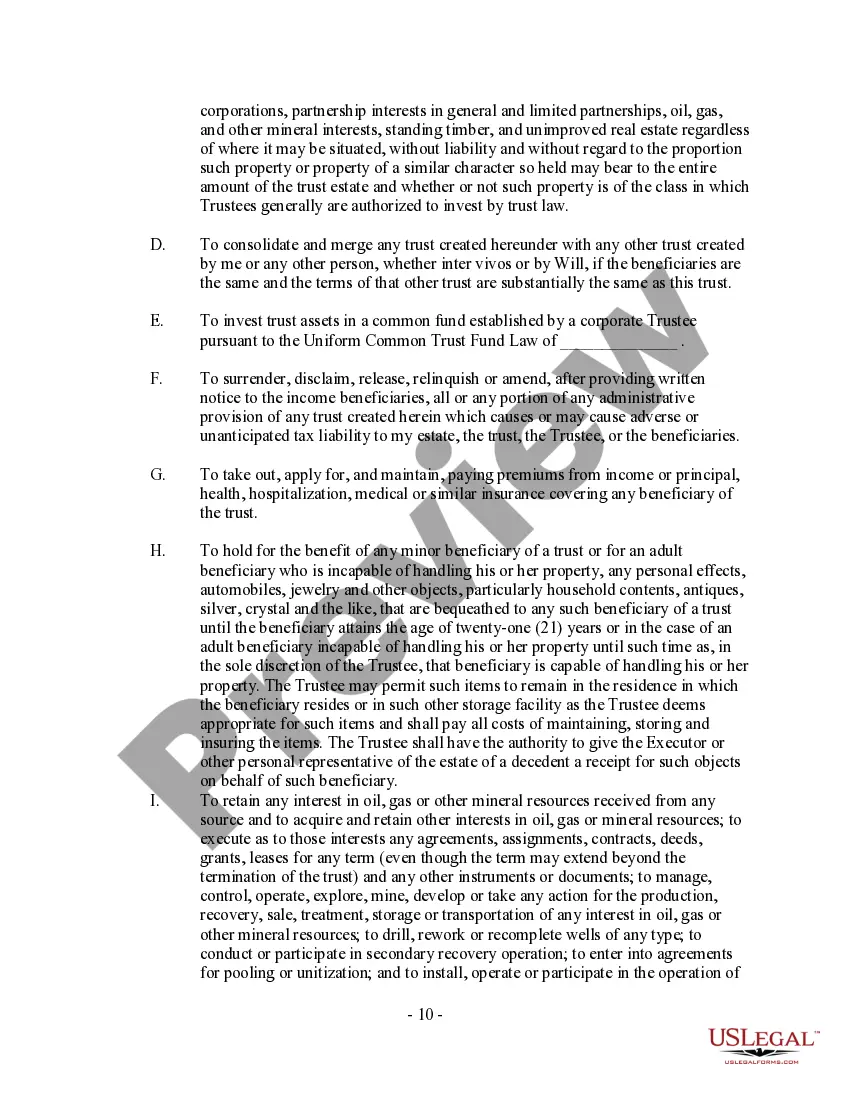
How to fill out Complex Will - Credit Shelter Marital Trust For Spouse?
- If you are a returning user, log in to your account and download the required form by clicking the 'Download' button. Ensure your subscription is current; renew if necessary.
- For new users, start by previewing the form description to confirm you have selected the correct document meeting your jurisdiction's requirements.
- In case you need a different template, use the Search tab at the top to find the right one that fits your needs.
- Purchase your chosen document by clicking on the 'Buy Now' button and select your desired subscription plan; you'll need to register to access the resources.
- Complete your purchase by entering your payment details using a credit card or PayPal.
- Download your completed form to your device and access it anytime via the My Forms section of your profile.
Using US Legal Forms empowers you to easily generate legal documents tailored to your unique situation. With their extensive library containing over 85,000 customizable forms, you're assured of finding what you need without hassle.
In conclusion, navigating the documentation for a credit shelter trust can be straightforward with US Legal Forms. Take advantage of their resources today to secure your legacy. Start your estate planning journey now!
Form popularity
FAQ
When we talk about trusts, it's important to know that certain types can provide tax benefits. Common examples of tax-exempt trusts include charitable trusts, certain irrevocable trusts, and, of course, credit shelter trusts. Credit shelter trusts explained ensure that the assets passed down to beneficiaries can avoid estate taxes, maximizing their value. By utilizing such trusts, you can effectively manage your estate and potentially reduce your tax burden.
A credit shelter trust works by allowing you to allocate assets up to the federal estate tax exemption limit into the trust. This trust effectively avoids estate taxes upon your passing, ensuring your heirs receive more of your wealth. Understanding how a credit shelter trust explained works can assist you in making informed decisions about your estate planning strategies.
Filling out a trust fund requires clear documentation detailing the assets, beneficiaries, and the terms of the trust. You will also need to include the trust's purpose and how you wish the assets to be distributed. Using a platform like UsLegalForms can simplify this process, providing essential templates and guidance for setting up your trust effectively.
There is no defined maximum for a trust fund, allowing you to contribute as you see fit. However, large contributions may lead to gift tax implications. It is vital to consult with an estate planning expert to effectively manage contributions and to learn about the role of credit shelter trust explained in this process.
Despite their benefits, a credit shelter trust may come with certain disadvantages. These can include complex administrative requirements and potential costs for setting up and maintaining the trust. Additionally, if not properly managed, the trust could trigger unintended tax consequences. Understanding these drawbacks is important when considering a credit shelter trust explained.
The maximum amount for a credit shelter trust directly aligns with the estate tax exemption limit, which is $12.92 million as of 2023. This means you can effectively utilize this entire amount to reduce estate taxes. It's essential to plan accordingly with a qualified professional to ensure you make the most of a credit shelter trust.
There's generally no limit on the amount you can place in a trust fund, but there are tax implications to consider. While you can establish a trust with any amount, contributions may affect your lifetime gift tax exemption. A credit shelter trust explained helps you to navigate these complexities and optimize your estate planning.
The limit of a credit shelter trust is typically tied to the federal estate tax exemption amount. As of 2023, this limit is $12.92 million per individual. Therefore, a credit shelter trust can hold this amount to shield it from estate taxes, maximizing the inheritance for beneficiaries. Understanding the limits of credit shelter trust is crucial for effective estate planning.
Typically, a revocable living trust is the best type of trust to avoid the probate process. It allows you to maintain control of your assets during your lifetime and to seamlessly transfer them upon death without court involvement. However, using a credit shelter trust effectively in conjunction with a revocable living trust can provide tax benefits while also allowing for a smoother transition of assets. For more details on creating these trusts, consider exploring US Legal Forms for comprehensive support.
A credit shelter trust, also known as a bypass trust, is a legal arrangement designed to protect your assets from estate taxes. When you fund this trust, the assets are not included in your taxable estate, allowing you to utilize your estate tax exemption fully. The trust provides income to your beneficiaries during their lifetime, while principal amounts stay protected. Understanding this concept is crucial for effective estate planning, and our platform offers various resources to help you navigate this trust.