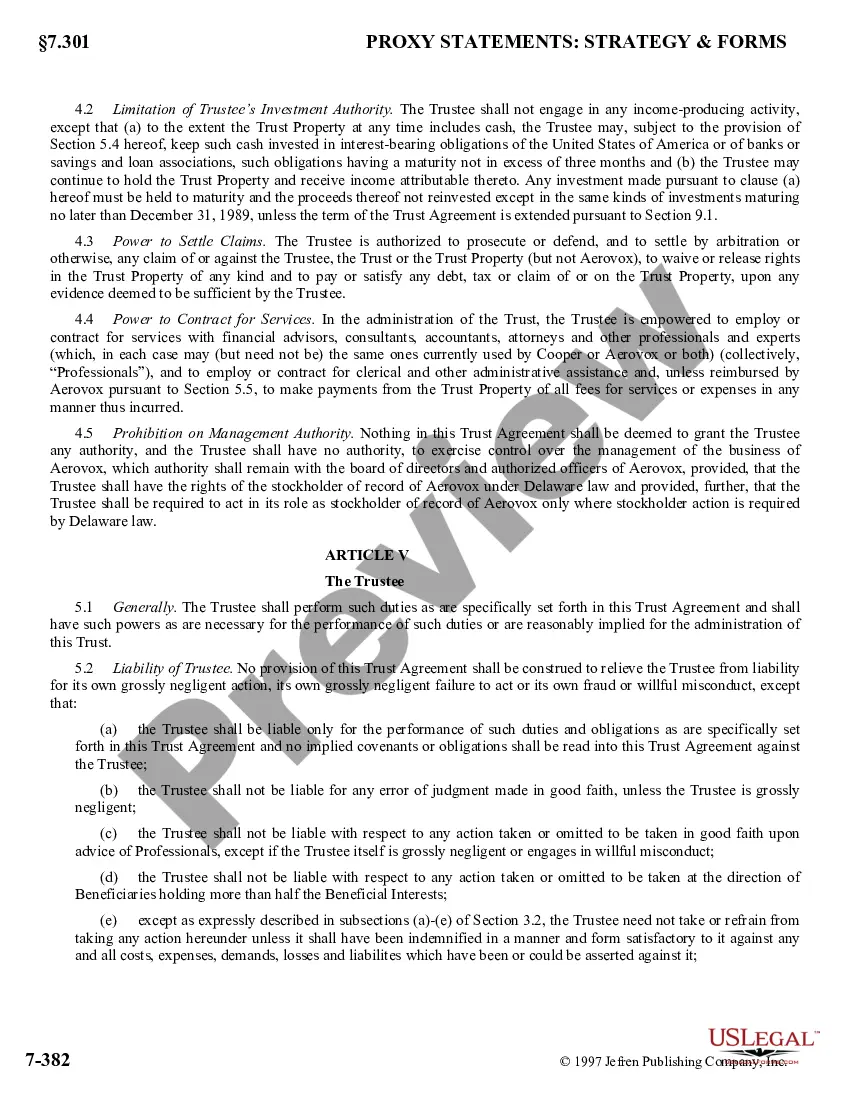
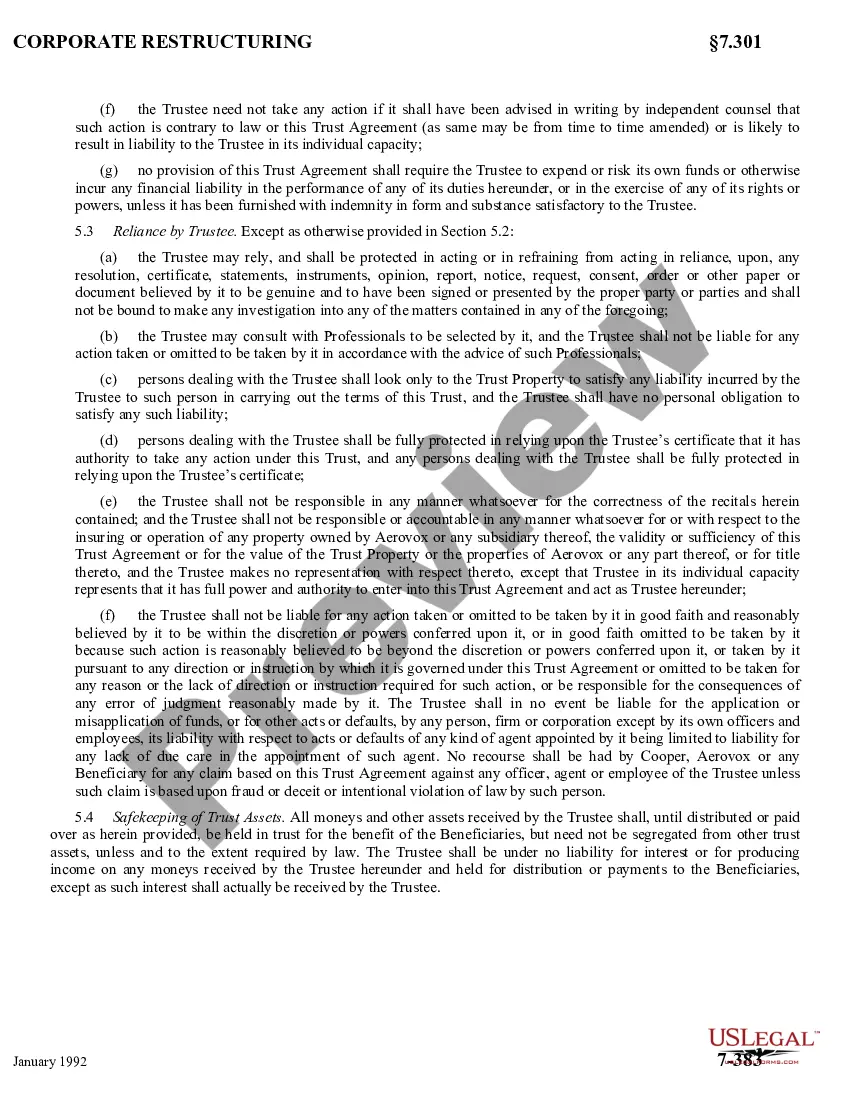
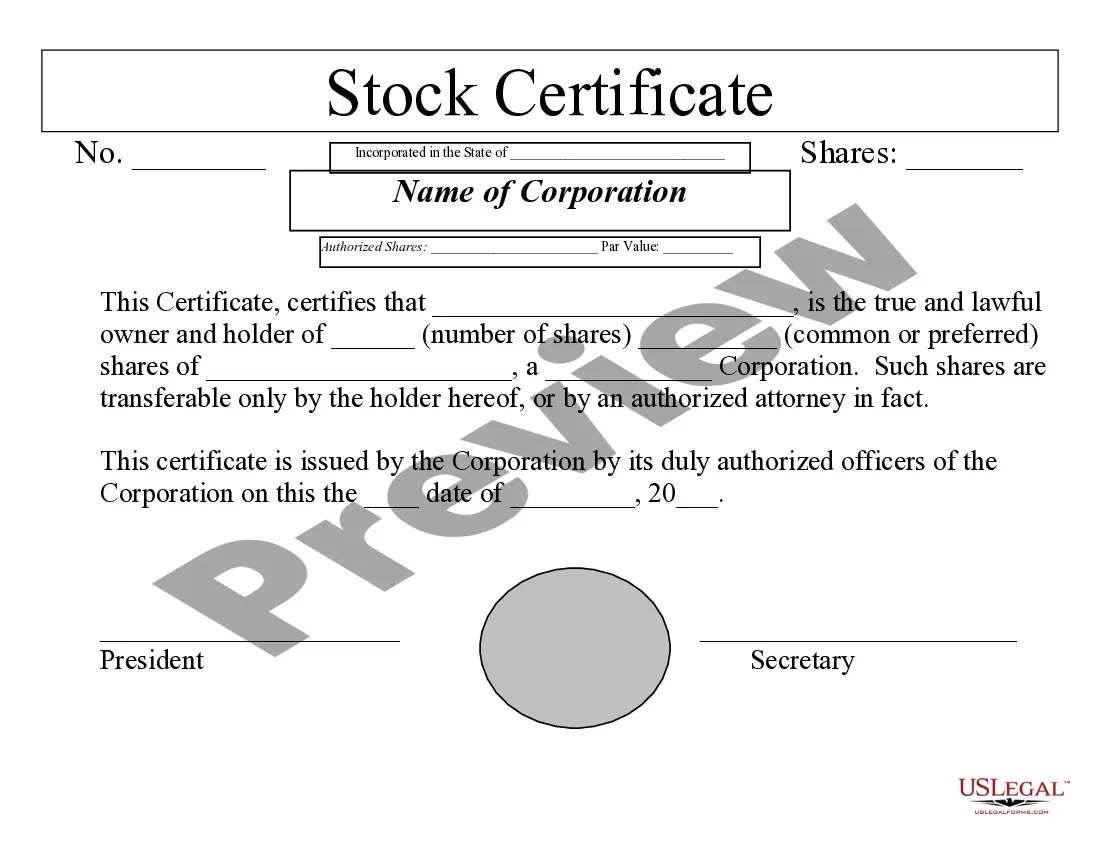
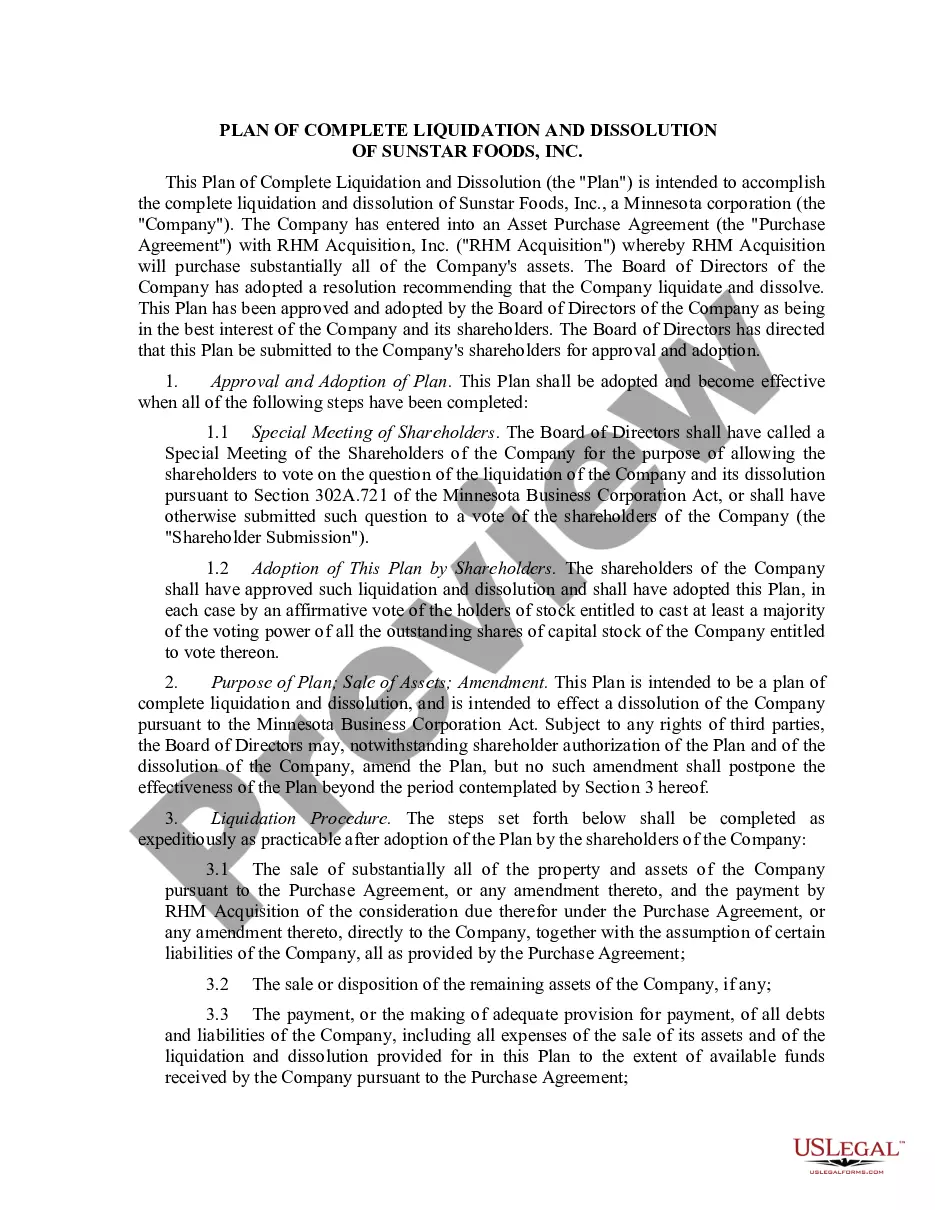
Stock Trust Agreement For Property
Description
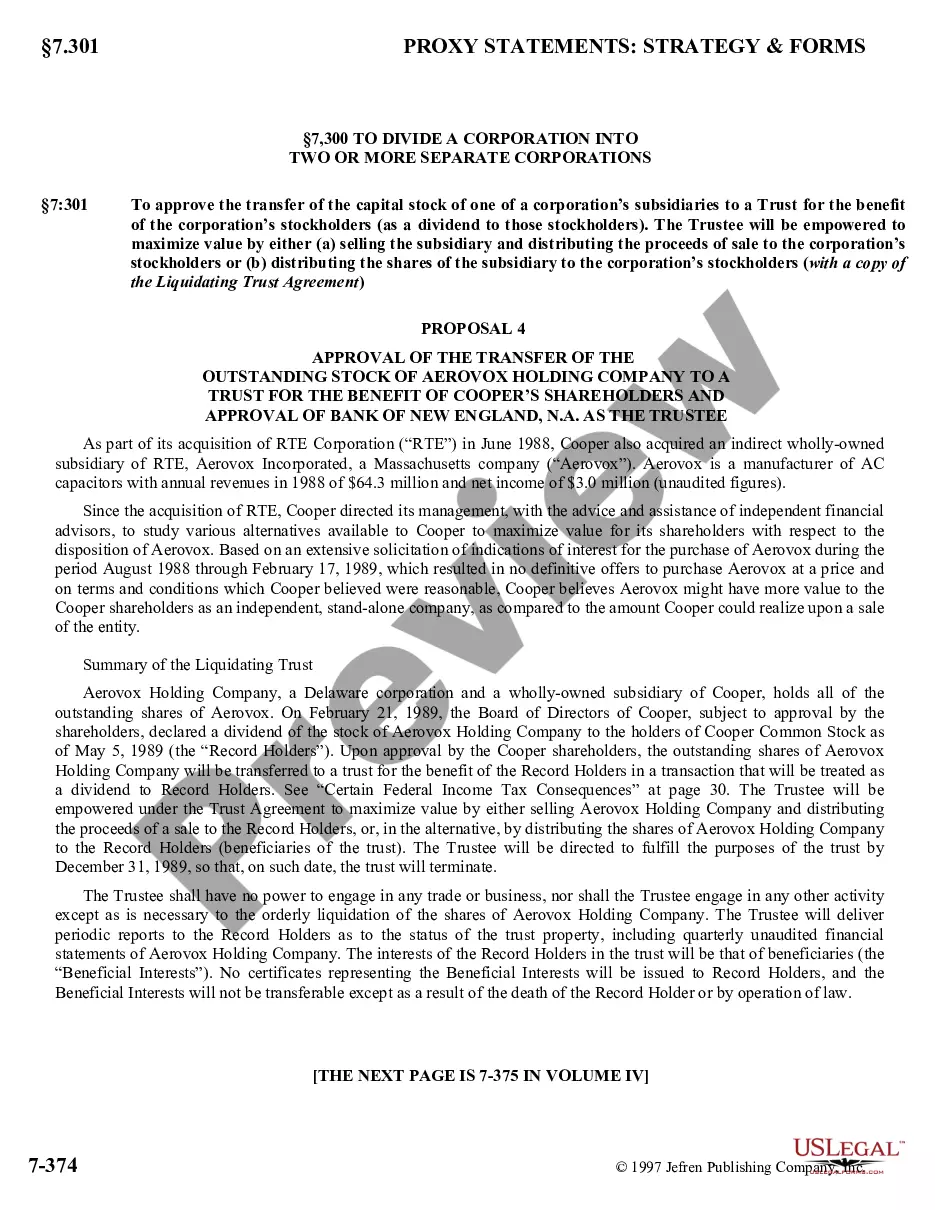
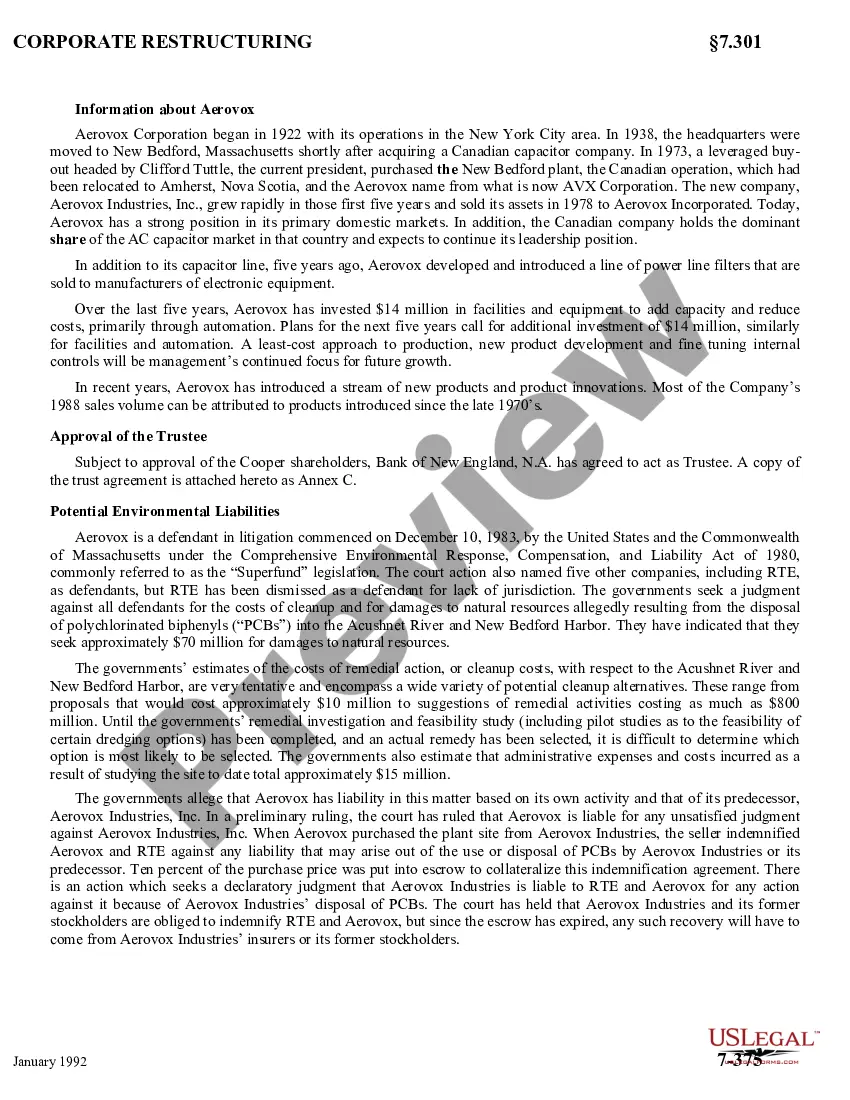
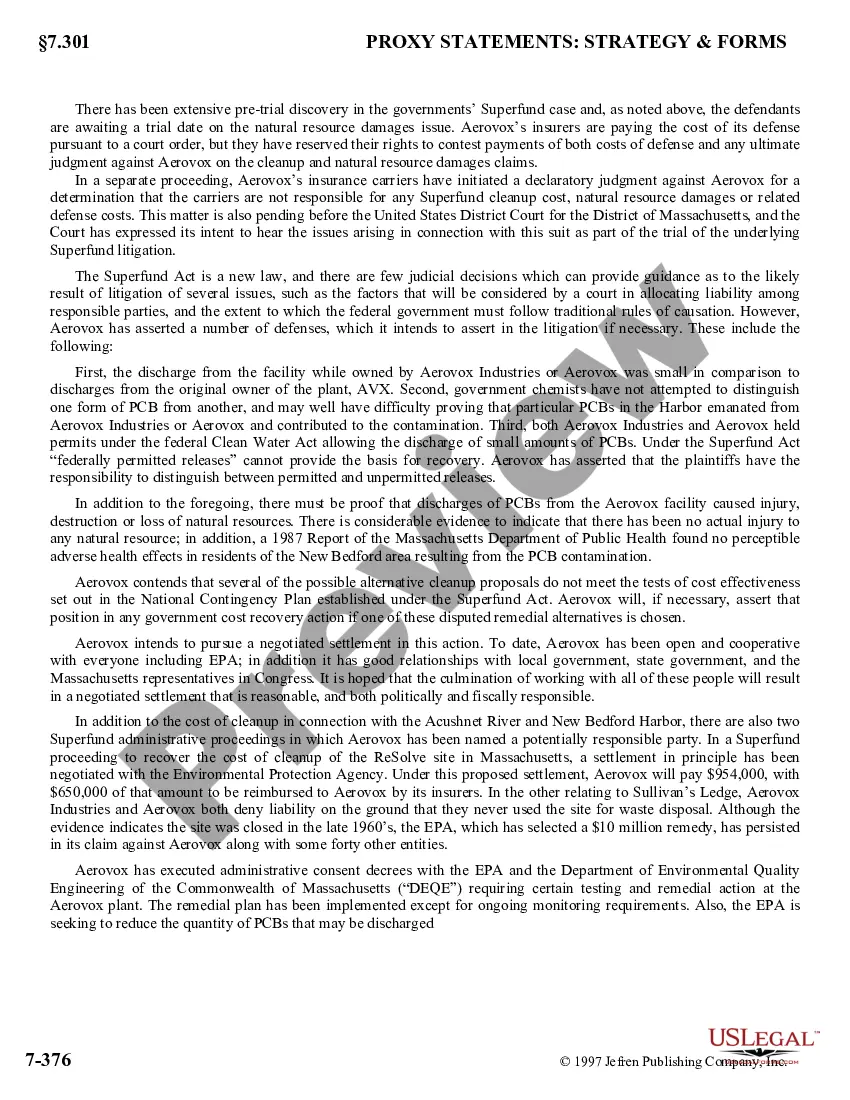
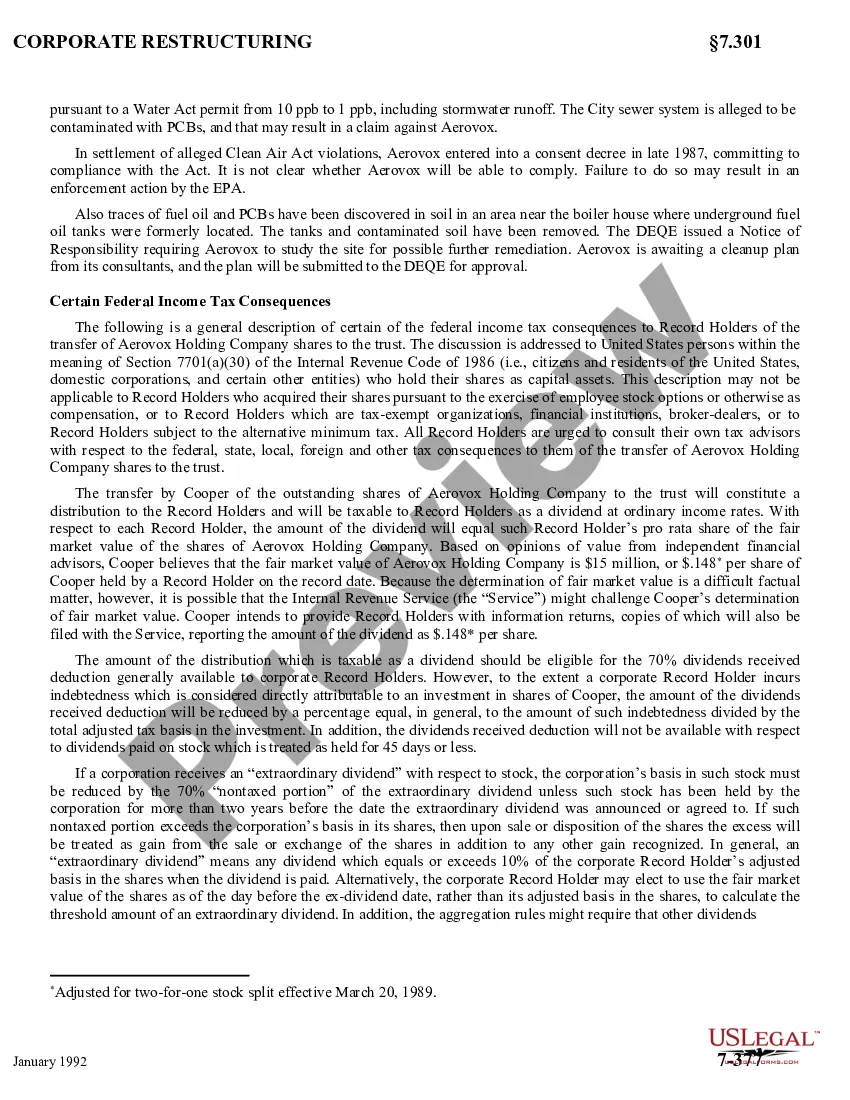

Get your form ready online
Our built-in tools help you complete, sign, share, and store your documents in one place.
Make edits, fill in missing information, and update formatting in US Legal Forms—just like you would in MS Word.
Download a copy, print it, send it by email, or mail it via USPS—whatever works best for your next step.
Sign and collect signatures with our SignNow integration. Send to multiple recipients, set reminders, and more. Go Premium to unlock E-Sign.
If this form requires notarization, complete it online through a secure video call—no need to meet a notary in person or wait for an appointment.
We protect your documents and personal data by following strict security and privacy standards.

Make edits, fill in missing information, and update formatting in US Legal Forms—just like you would in MS Word.

Download a copy, print it, send it by email, or mail it via USPS—whatever works best for your next step.

Sign and collect signatures with our SignNow integration. Send to multiple recipients, set reminders, and more. Go Premium to unlock E-Sign.

If this form requires notarization, complete it online through a secure video call—no need to meet a notary in person or wait for an appointment.

We protect your documents and personal data by following strict security and privacy standards.
Looking for another form?



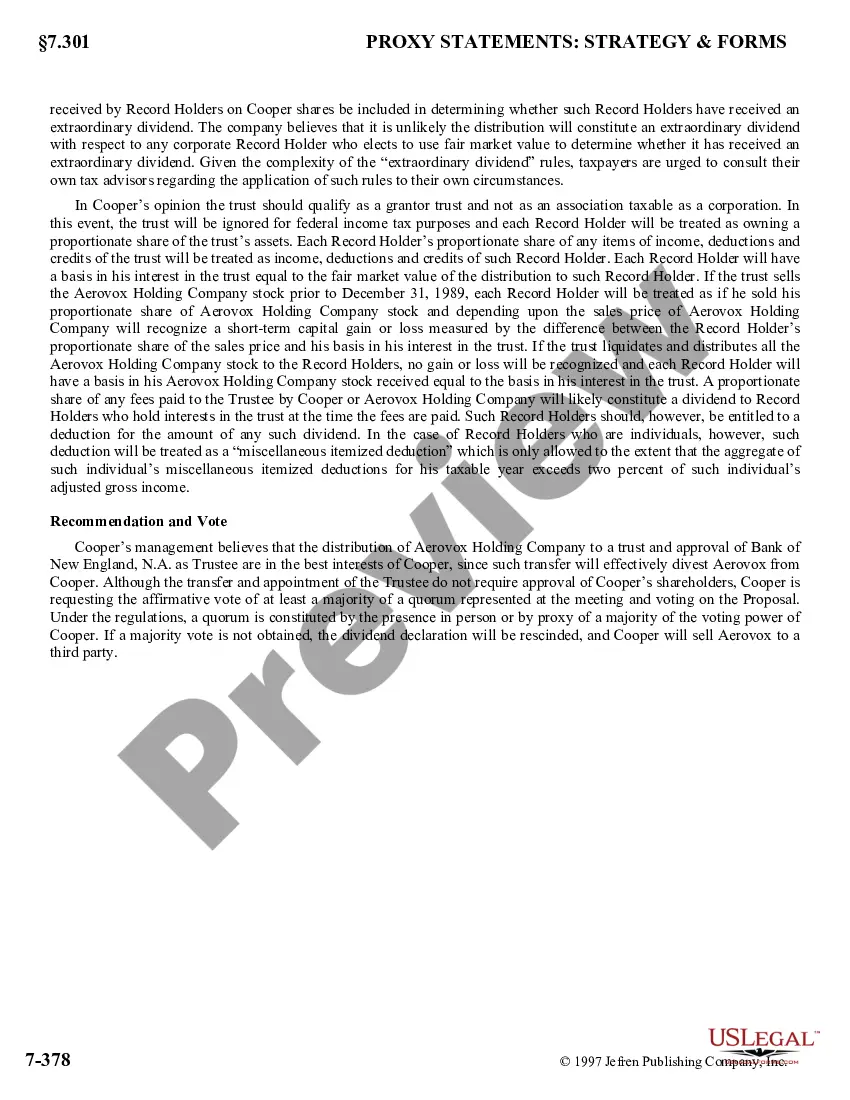
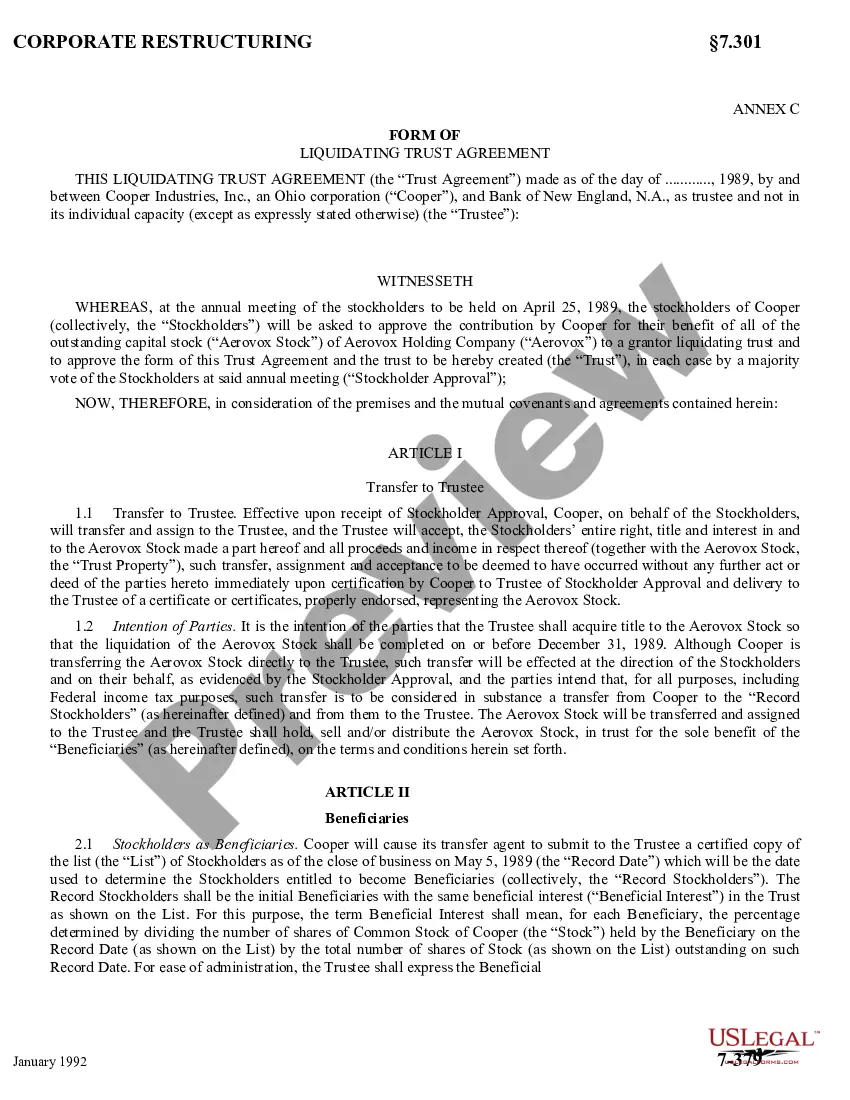
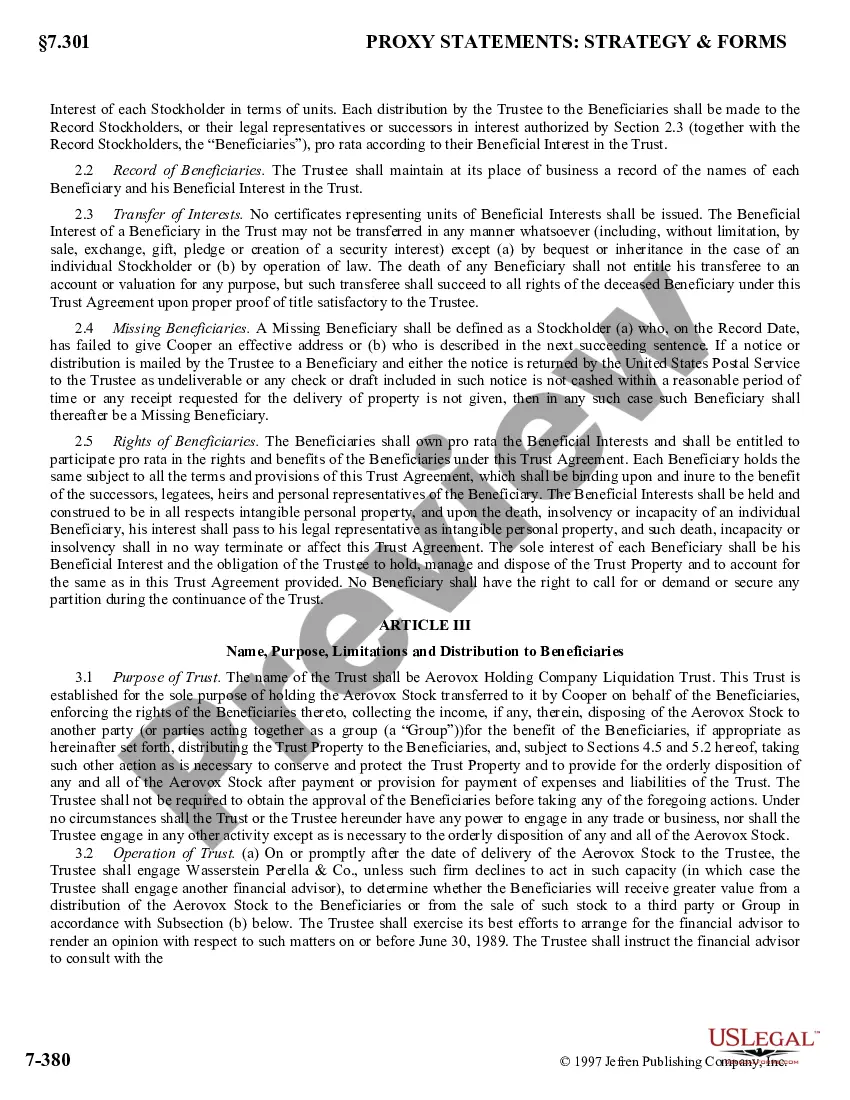
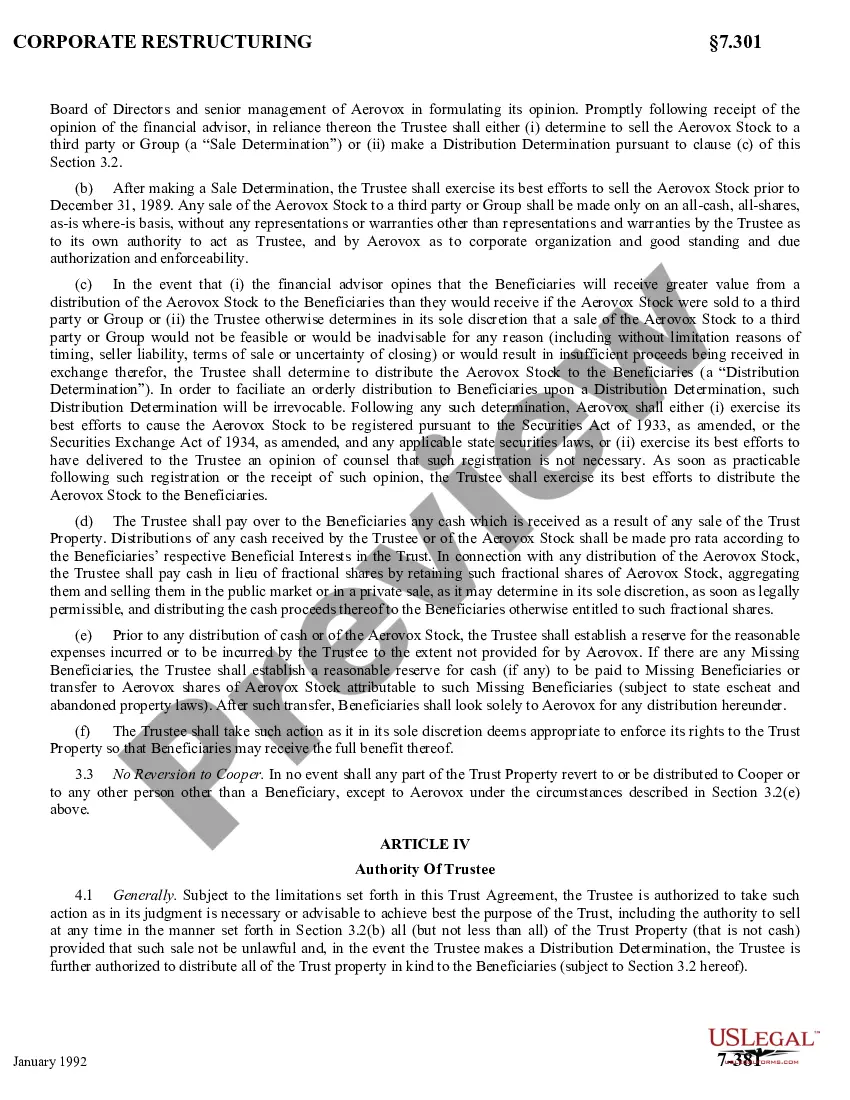
How to fill out Approval Of Transfer Of Outstanding Stock With Copy Of Liquidating Trust Agreement?
It’s well-known that you cannot transform into a legal specialist instantly, nor can you swiftly learn to draft a Stock Trust Agreement For Property without possessing a distinctive expertise. Crafting legal documents is a labor-intensive process necessitating specific education and abilities. So why not entrust the development of the Stock Trust Agreement For Property to the experts.
With US Legal Forms, one of the most extensive libraries of legal documents, you can discover everything from court documents to templates for internal business communications. We understand how vital compliance and adherence to both federal and local regulations are. That’s why, on our platform, all forms are tailored to the location and are current.
Here’s how you can initiate your journey with our platform and acquire the form you require in just a few minutes.
You can re-access your documents from the My documents tab at any time. If you’re a returning client, you can simply Log In, and find and download the template from the same tab.
Regardless of the purpose of your documents—whether financial, legal, or personal—our platform has you covered. Experience US Legal Forms today!
- Locate the form you require using the search bar at the top of the page.
- Preview it (if this option is accessible) and read the accompanying description to determine if Stock Trust Agreement For Property is what you’re looking for.
- Restart your search if you need a different form.
- Create a free account and select a subscription plan to purchase the template.
- Click Buy now. Once the transaction is finalized, you can download the Stock Trust Agreement For Property, fill it out, print it, and send it or post it to the necessary recipients or entities.
Form popularity
FAQ
To place a piece of property in a trust, you need to prepare a deed that transfers the property title to the trust. This involves filling out the necessary documents and stating the trust's name and details clearly. Consider using US Legal Forms for templates that assist you in creating a stock trust agreement for property, ensuring the transfer is executed properly and legally.
To draft a trust agreement for property, start by determining the type of trust that best fits your needs. Clearly outline the purpose of the trust, the assets involved, and the beneficiaries. You can simplify this process by using platforms like US Legal Forms, which provide templates and guidance. This approach ensures your stock trust agreement for property meets legal requirements and reflects your intentions.
While a stock trust agreement for property offers many advantages, it does come with some disadvantages. Establishing a trust can incur upfront costs, including legal fees for drafting the agreement. Additionally, once your property is in a trust, you may have less flexibility to make changes or access the asset without the designated trustee’s consent.
A stock trust agreement for property allows you to manage your assets effectively while maintaining control over your property. By placing your house in a trust, you simplify the transfer of ownership, reduce probate costs, and ensure your property is handled according to your wishes. This arrangement also helps protect your assets from creditors and legal disputes, giving you peace of mind for the future.
Yes, a deed of trust generally needs to be filed to publicly document the property transfer to the trust. This filing creates a legal record and ensures that all interested parties are aware of the trust's existence. When you use a stock trust agreement for property, this step is crucial to maintain clear title and avoid potential disputes later.
To put property in a trust, start by creating a trust document that details your wishes regarding the property. Next, execute a stock trust agreement for property to formally transfer the title of the property into the trust. Finally, you should file the necessary paperwork with your local government to ensure the transfer is legally recognized.
The 2-year rule for trusts typically refers to the look-back period for certain asset transfers. Essentially, if you transfer property into a trust within two years of applying for Medicaid, the state may consider that asset when determining your eligibility. A stock trust agreement for property can help you plan ahead to avoid these issues and protect your home.
The primary reason for putting property in a trust is to ensure a smooth transfer of ownership upon your passing. A stock trust agreement for property can help avoid the lengthy probate process, allowing beneficiaries to access assets more quickly. It also provides a layer of privacy, as trusts generally do not go through public probate records.
One disadvantage of placing your house in a trust involves the initial setup costs and ongoing maintenance fees. Additionally, a stock trust agreement for property may complicate matters during tax time, as some individuals face unique tax implications. It's also important to remember that if not managed properly, a trust can lead to legal disputes that may affect your property's intended distribution.
You can get a stock trust agreement for property from various online legal services like uslegalforms that offer ready-to-use templates. These resources simplify the process, providing both ease and accessibility. After customizing your agreement, ensure it is executed properly by following legal guidelines to avoid future issues.