Asset Transfer Form For Texas
Description
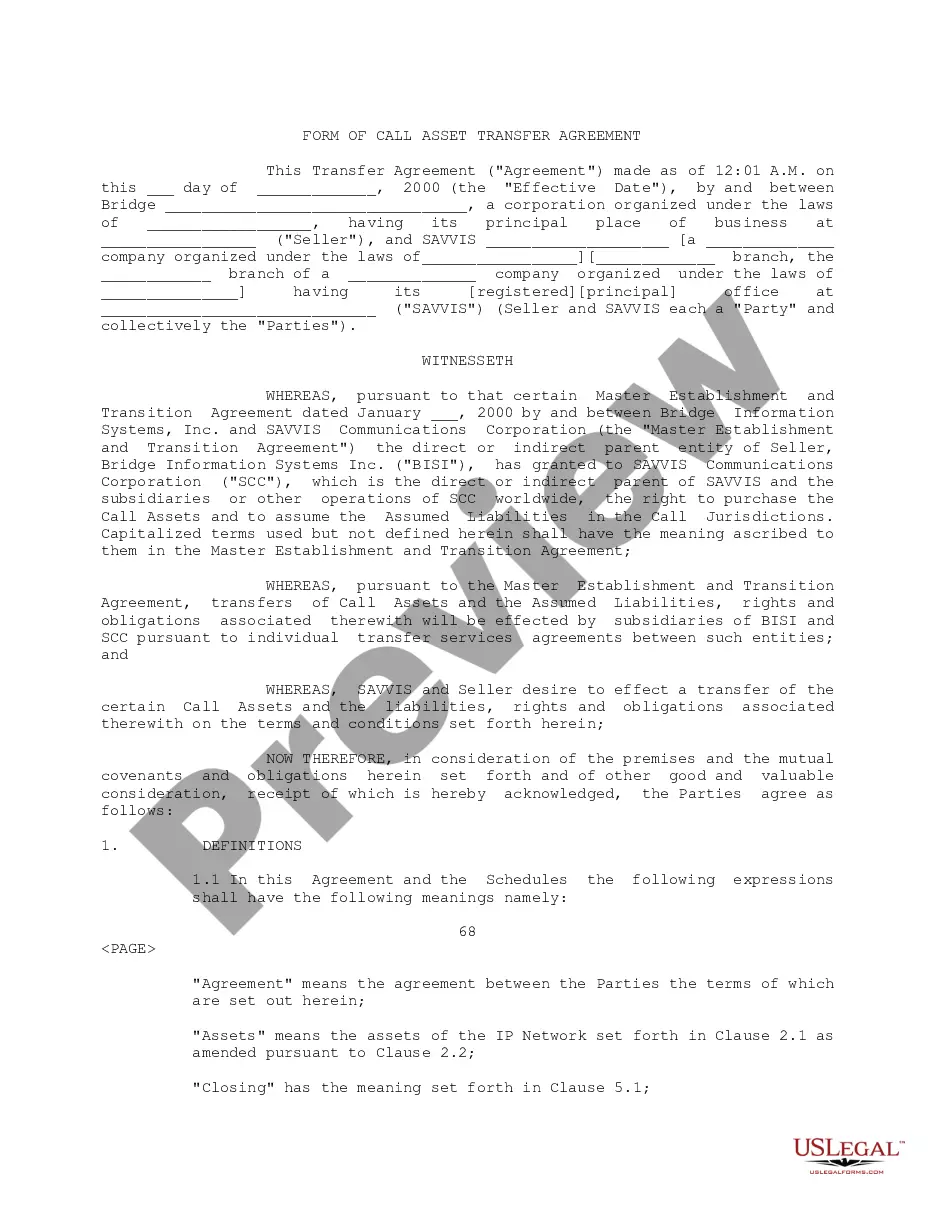
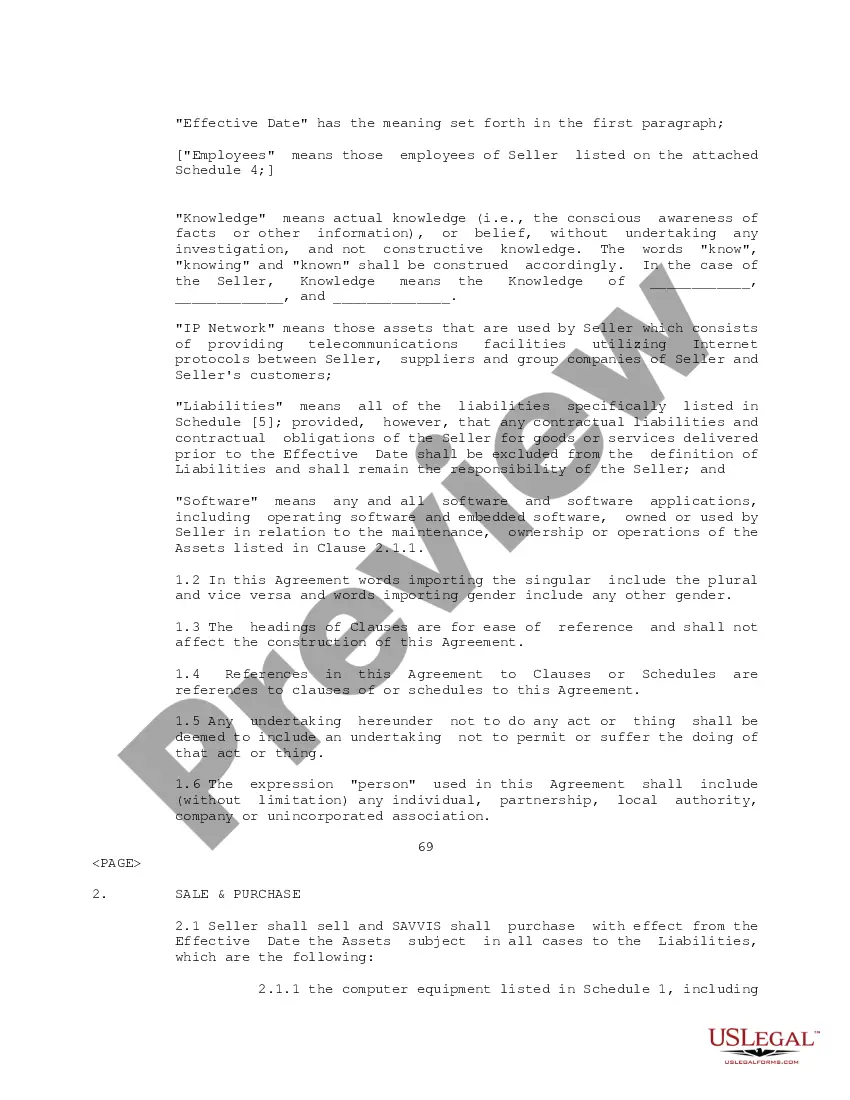
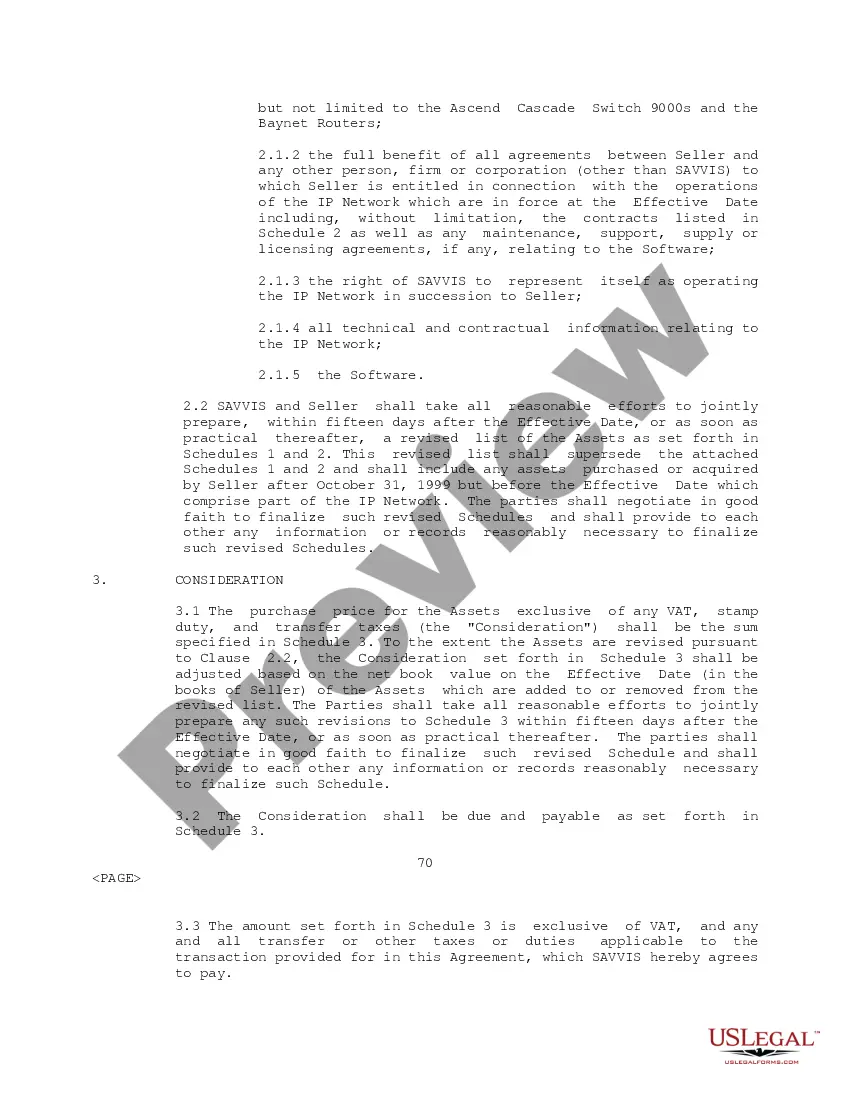
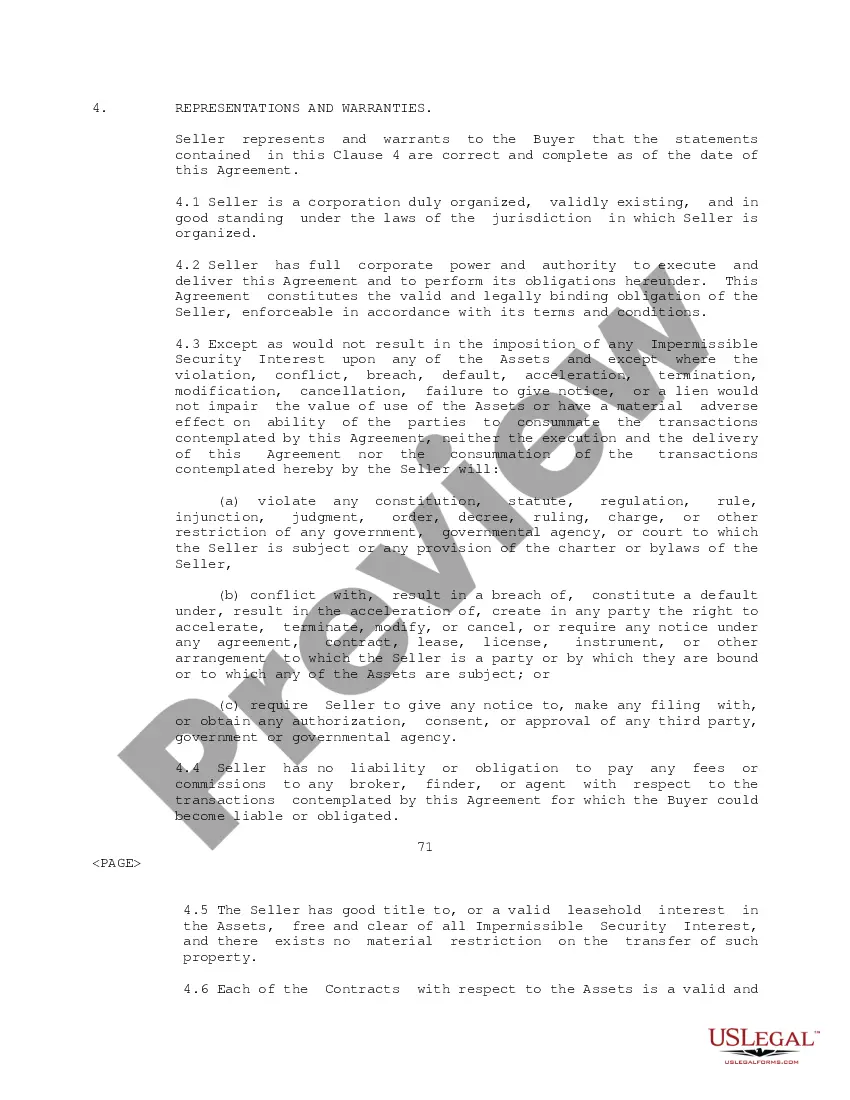
Get your form ready online
Our built-in tools help you complete, sign, share, and store your documents in one place.
Make edits, fill in missing information, and update formatting in US Legal Forms—just like you would in MS Word.
Download a copy, print it, send it by email, or mail it via USPS—whatever works best for your next step.
Sign and collect signatures with our SignNow integration. Send to multiple recipients, set reminders, and more. Go Premium to unlock E-Sign.
If this form requires notarization, complete it online through a secure video call—no need to meet a notary in person or wait for an appointment.
We protect your documents and personal data by following strict security and privacy standards.

Make edits, fill in missing information, and update formatting in US Legal Forms—just like you would in MS Word.

Download a copy, print it, send it by email, or mail it via USPS—whatever works best for your next step.

Sign and collect signatures with our SignNow integration. Send to multiple recipients, set reminders, and more. Go Premium to unlock E-Sign.

If this form requires notarization, complete it online through a secure video call—no need to meet a notary in person or wait for an appointment.

We protect your documents and personal data by following strict security and privacy standards.
Looking for another form?
How to fill out Call Asset Transfer Agreement?
Regardless of whether for professional objectives or personal issues, all individuals encounter legal circumstances at various points in their lives.
Finalizing legal documents requires meticulous consideration, starting with selecting the appropriate form template.
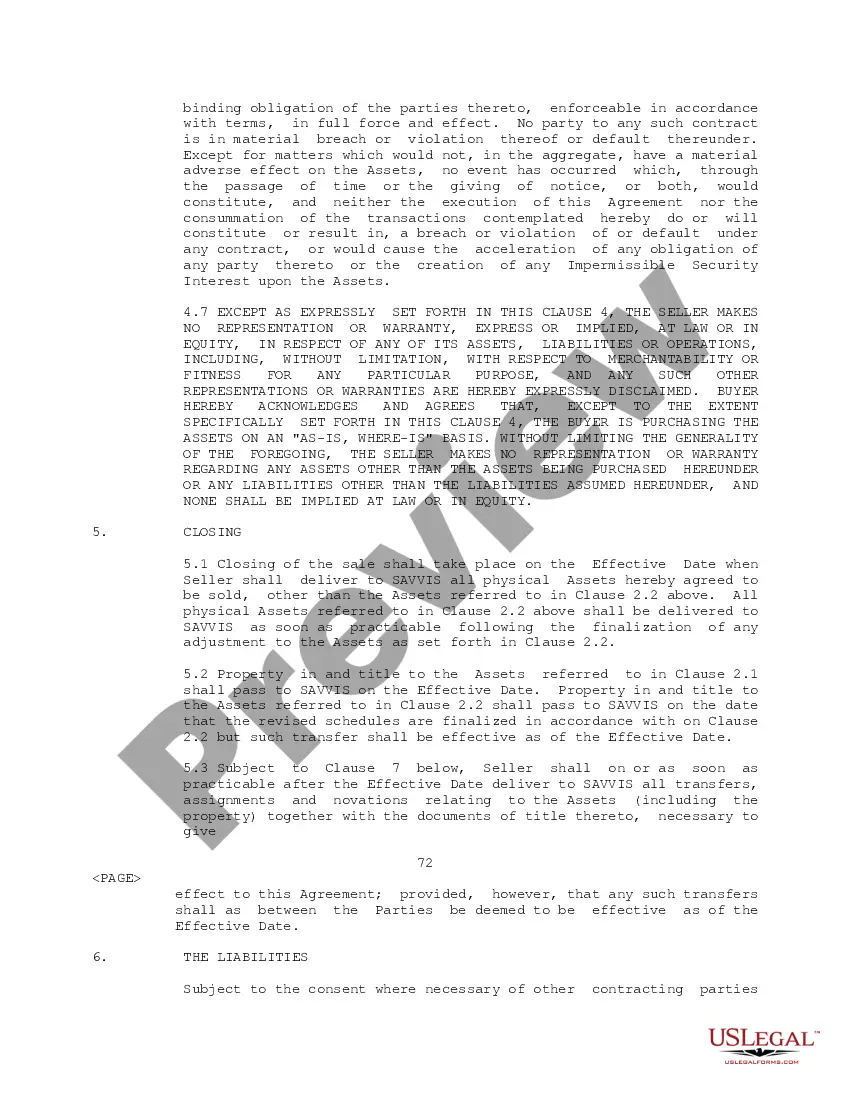
Once downloaded, you can fill out the form using editing software or print it out to complete it manually. With a comprehensive US Legal Forms catalog available, you will never have to waste time searching for the right template online. Utilize the library’s user-friendly navigation to find the suitable template for any situation.
- For example, if you choose an incorrect version of the Asset Transfer Form For Texas, it will be rejected upon submission.
- Thus, it is crucial to obtain a reliable source of legal documents such as US Legal Forms.
- To acquire an Asset Transfer Form For Texas template, follow these straightforward steps.
- Locate the template you require by using the search function or catalog browsing.
- Review the form’s details to ensure it meets your needs, state, and locality.
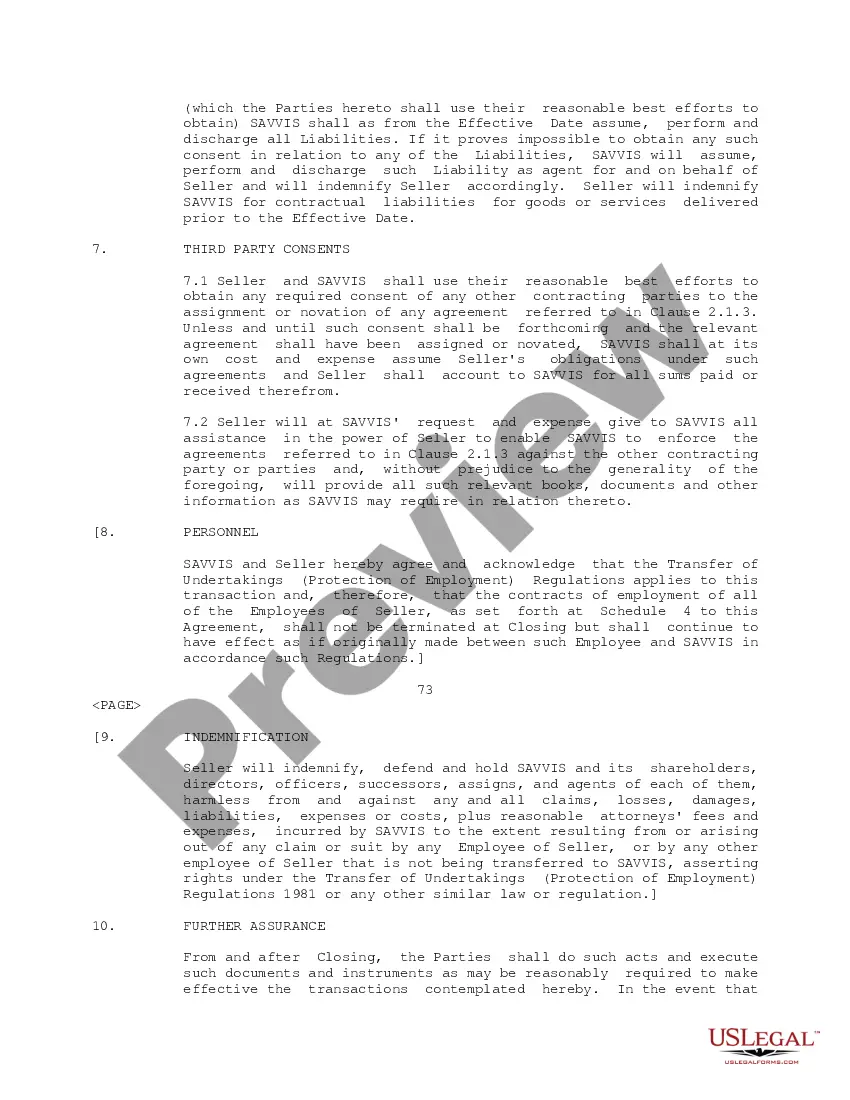
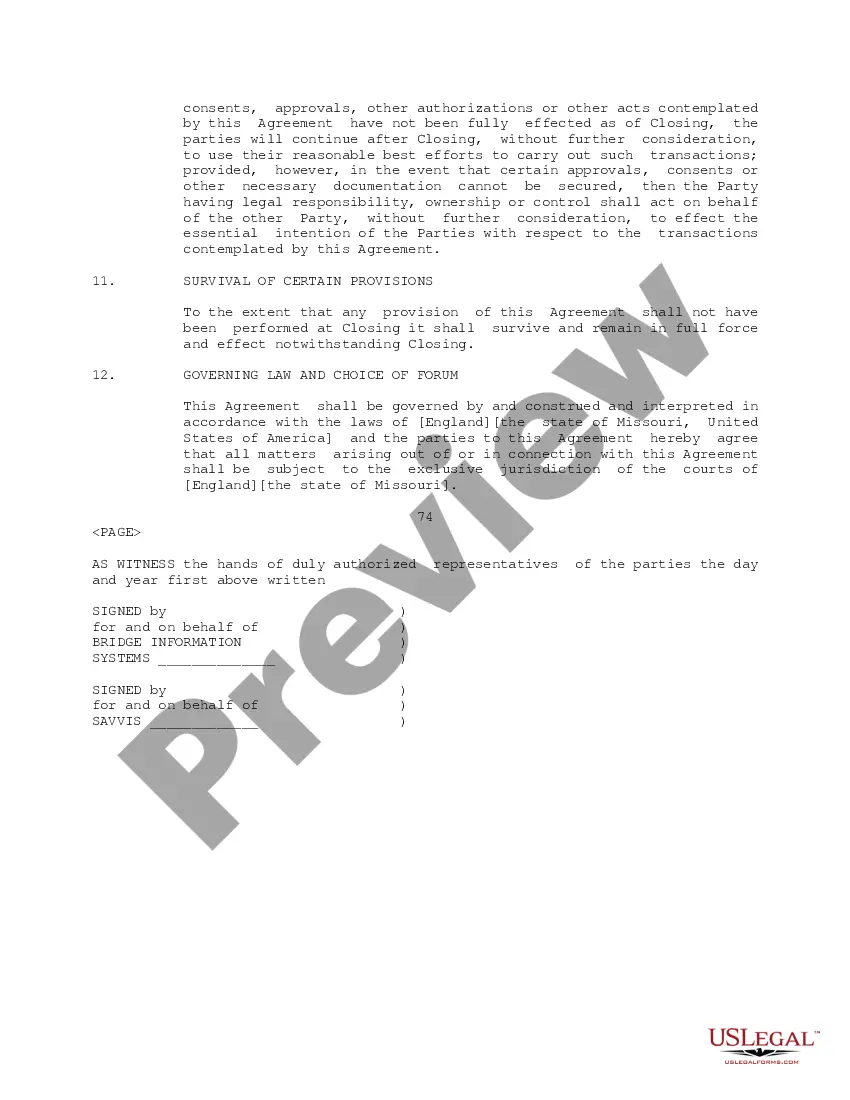
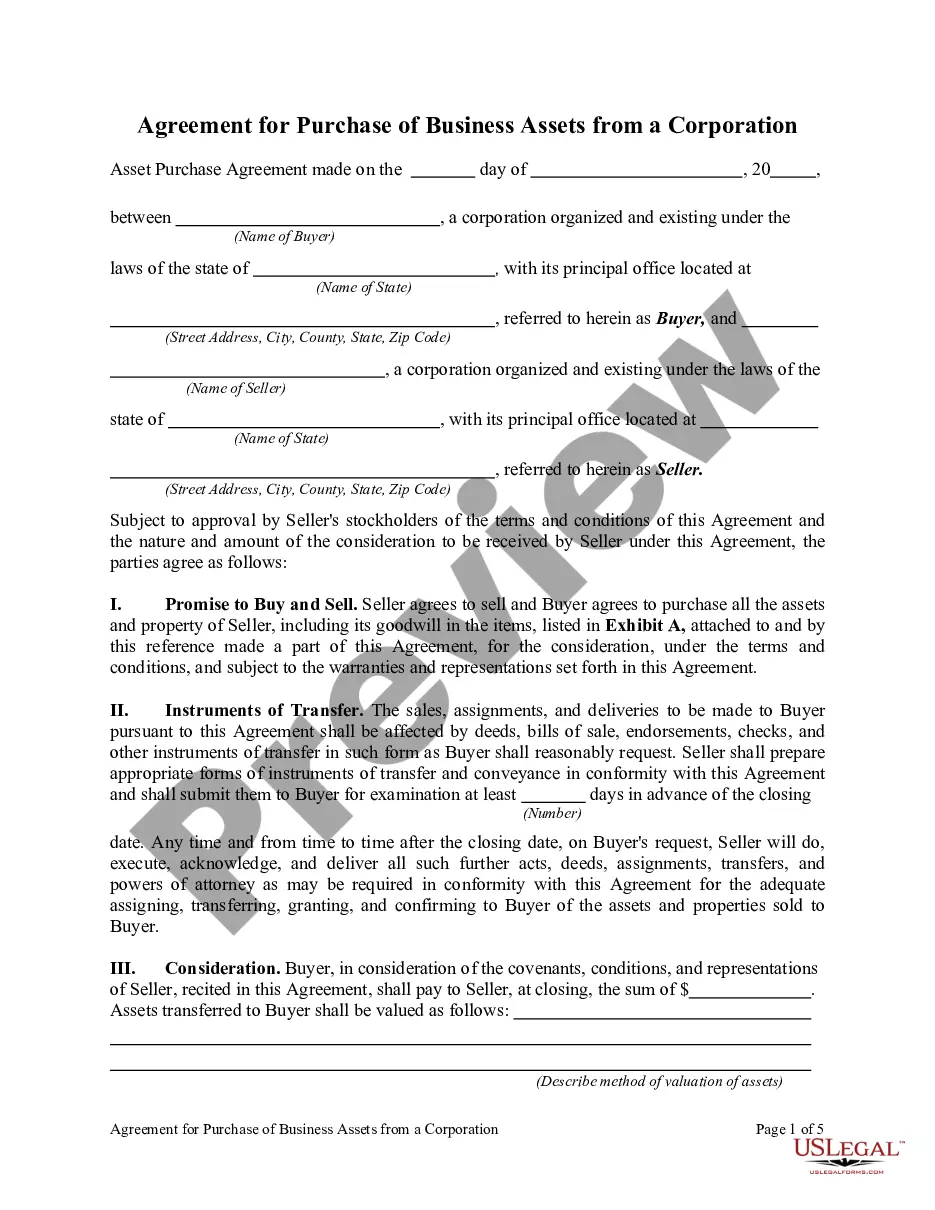
- Click on the form’s preview to inspect it.
- If it is not the correct form, return to the search feature to find the Asset Transfer Form For Texas example you require.
- Obtain the document once it aligns with your specifications.
- If you have an existing US Legal Forms account, click Log in to access previously saved files in My documents.
- Should you not have an account yet, you can acquire the form by clicking Buy now.
- Select the appropriate pricing option.
- Complete the profile registration form.
- Choose your payment method: credit card or PayPal.
- Select the document format you desire and download the Asset Transfer Form For Texas.
Form popularity
FAQ
In Texas, you record your deed with the County Clerk in the county where the property exists. If the property is in more than one county, record it in each. It is important to record your deed. In Texas, the property is legally transferred when the grantee accepts the signed deed.
On the back of the title you will fill out completely the upper block of information that says ASSIGNMENT OF TITLE in the left margin. Print the buyer(s) name and complete address on the first line. Fill in the odometer reading in the space provided. Enter your mileage EXACTLY AS IT APPEARS ON YOUR ODOMETER.
When a property owner wants to transfer property title to any family member, such as a parent, child, brother, sister, aunt, uncle, niece, nephew, or spouse, the property owner simply needs to sign a Warranty Deed to transfer the property. You cannot simply scratch out a name on a prior deed and write in the new name.
On the back of the title you will fill out completely the upper block of information that says ASSIGNMENT OF TITLE in the left margin. Print the buyer(s) name and complete address on the first line. Fill in the odometer reading in the space provided. Enter your mileage EXACTLY AS IT APPEARS ON YOUR ODOMETER.
The Transfer on Death Deed must: Be in writing, signed by the owner, and notarized, Have a legal description of the property (The description is found on the deed to the property or in the deed records. ... Have the name and address of one or more beneficiaries, State that the transfer will happen at the owner's death,