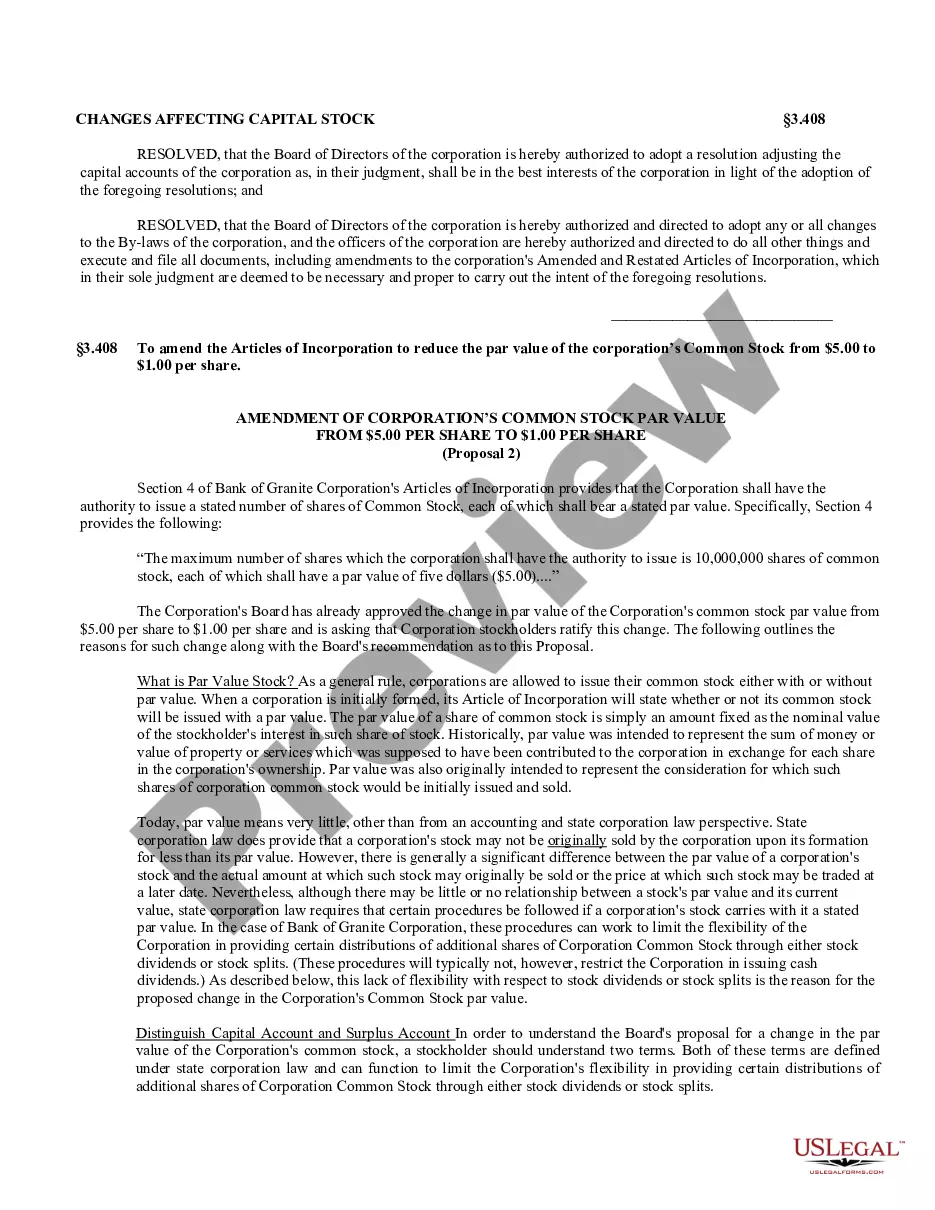
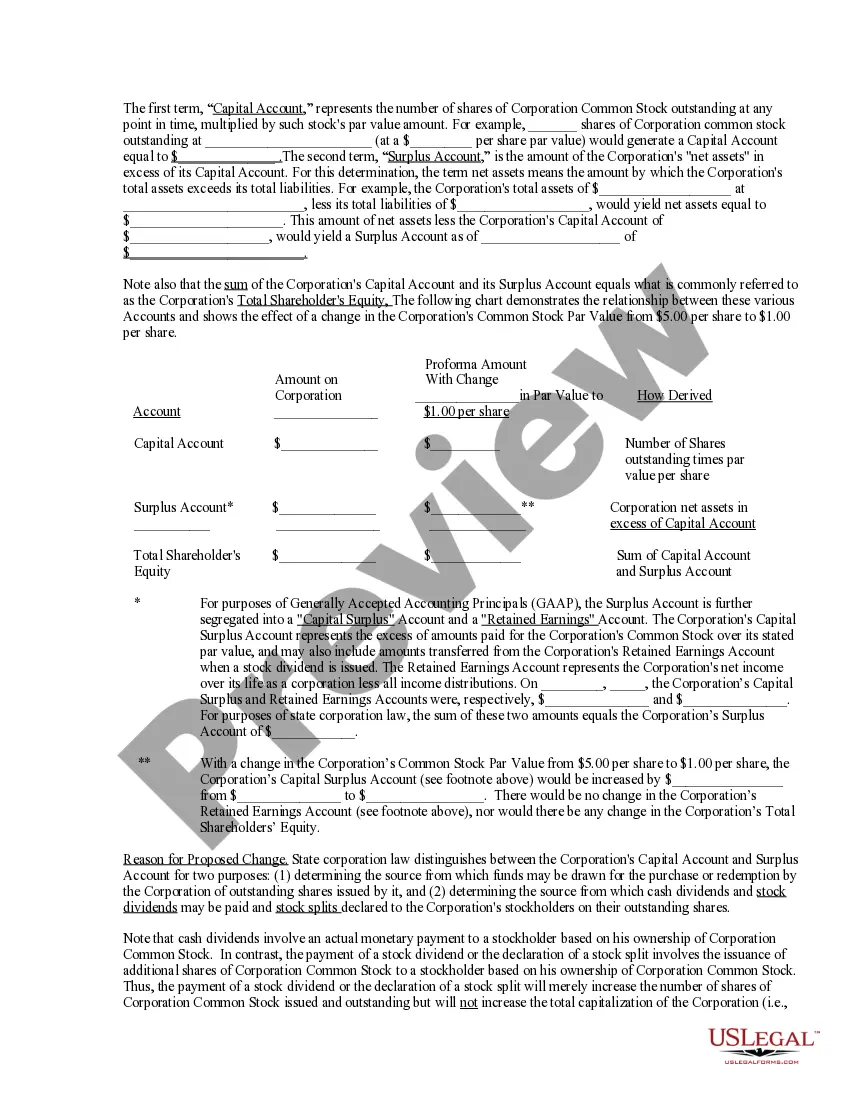
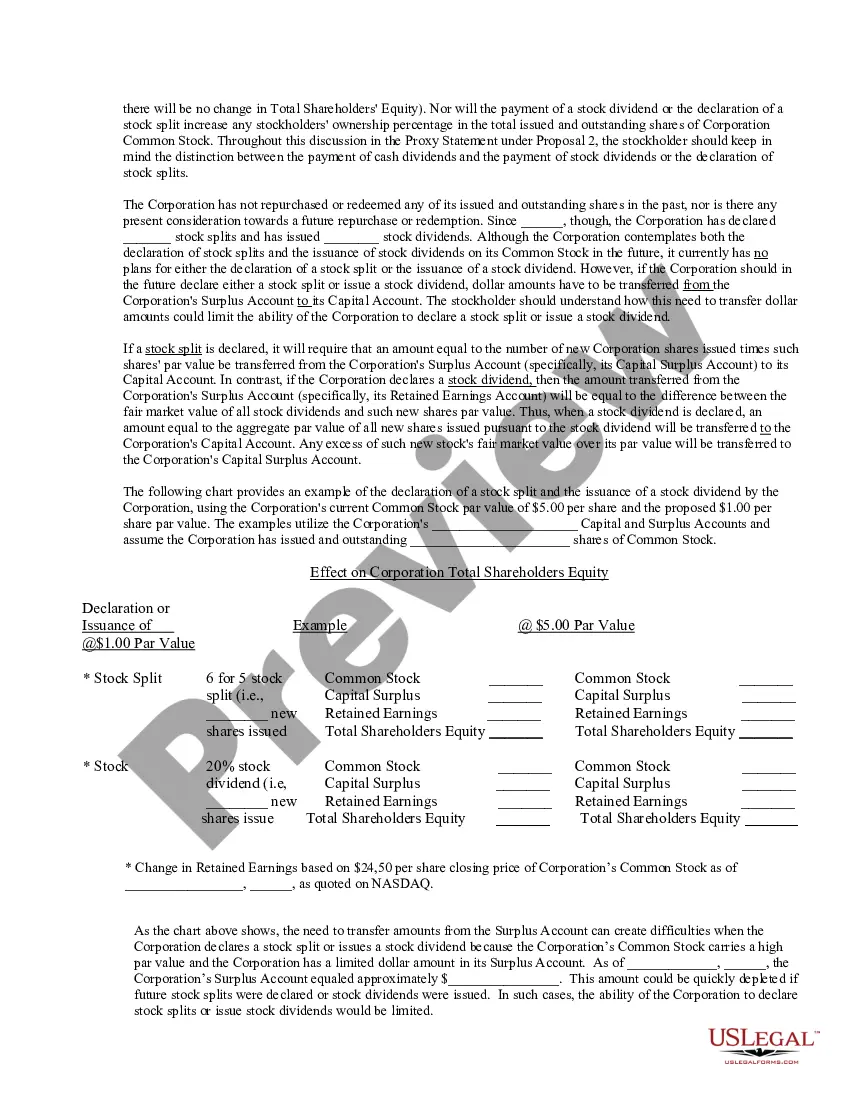
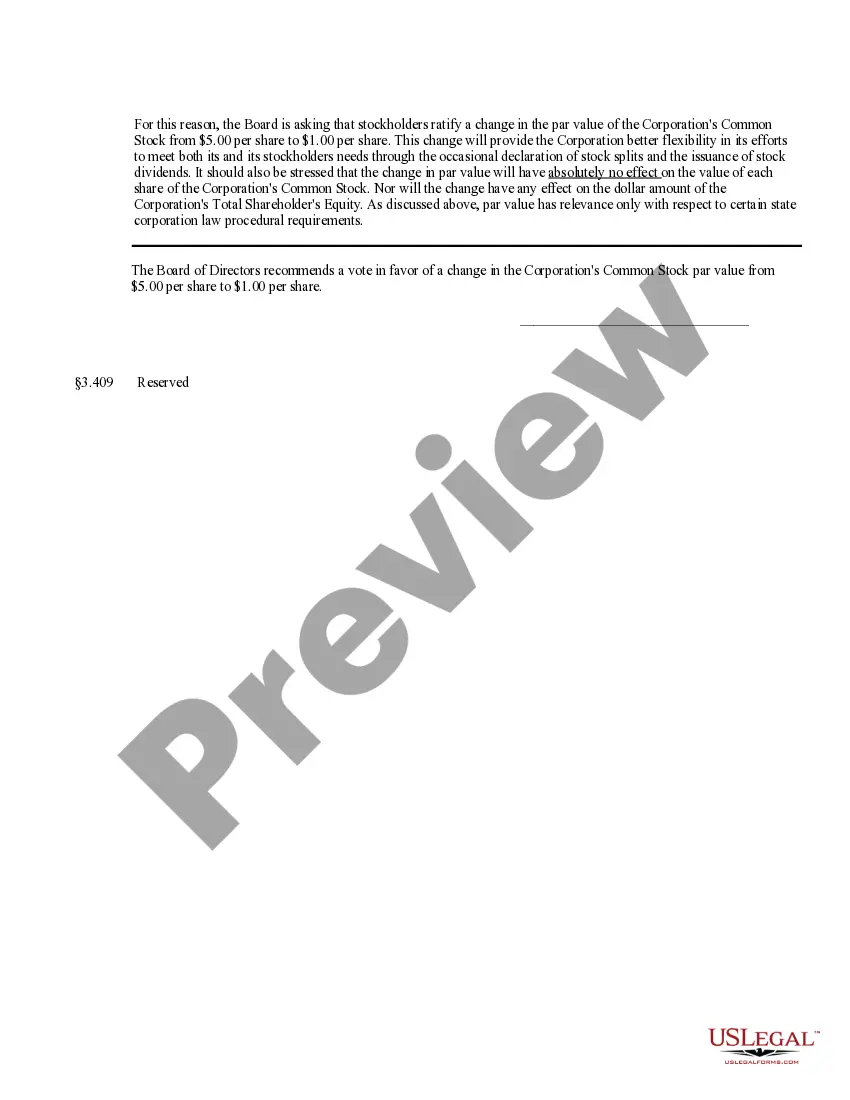
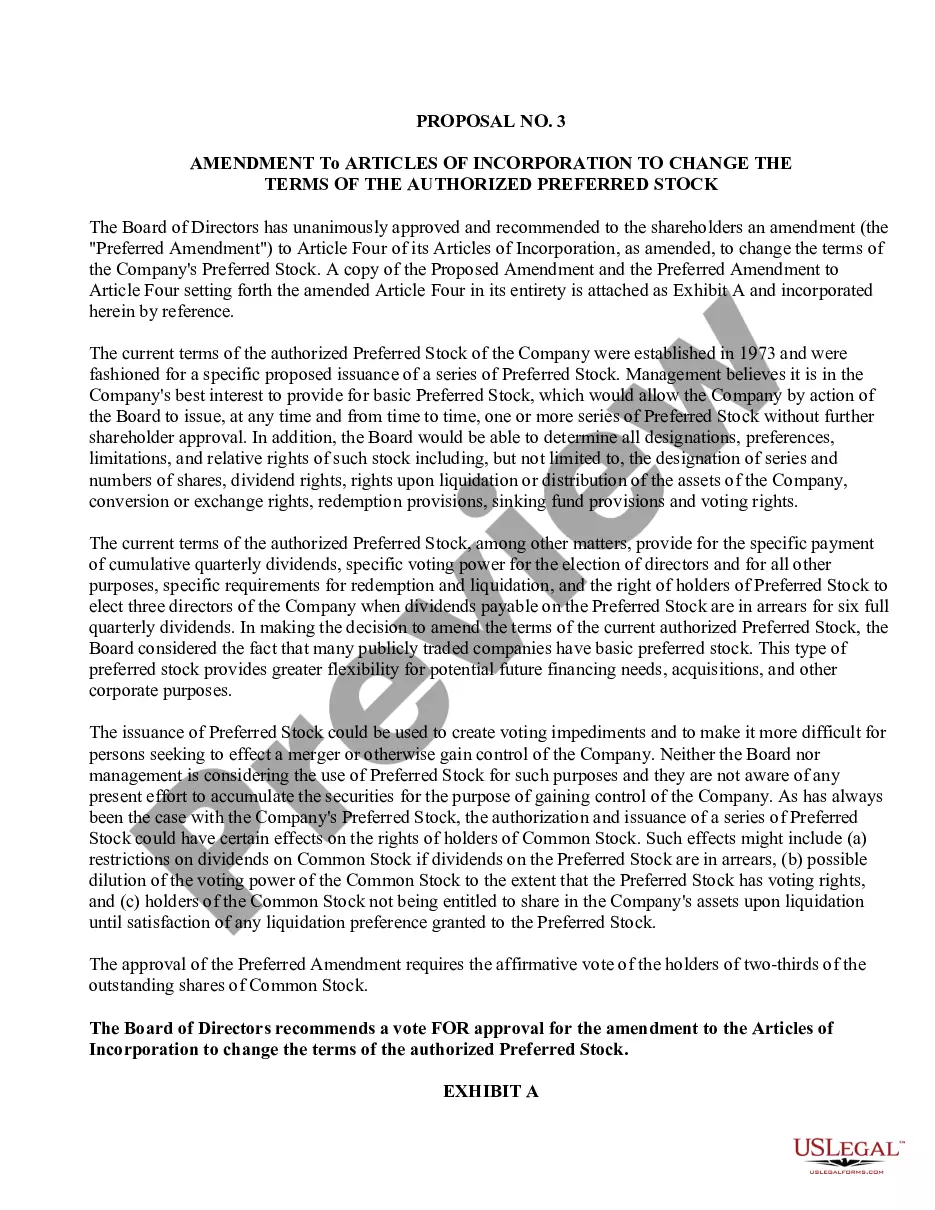
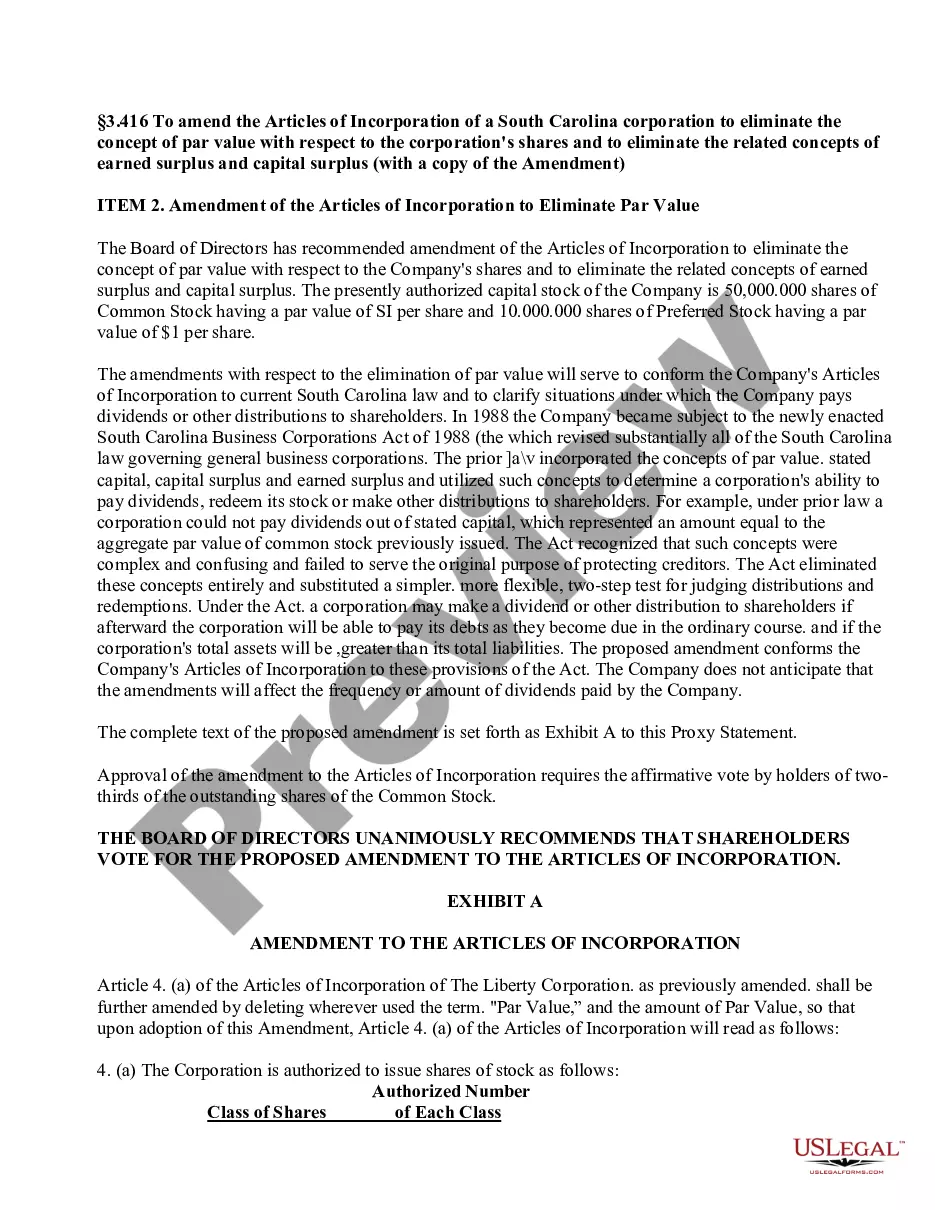
Common Stock With No Par Value
Description
Get your form ready online
Our built-in tools help you complete, sign, share, and store your documents in one place.
Make edits, fill in missing information, and update formatting in US Legal Forms—just like you would in MS Word.
Download a copy, print it, send it by email, or mail it via USPS—whatever works best for your next step.
Sign and collect signatures with our SignNow integration. Send to multiple recipients, set reminders, and more. Go Premium to unlock E-Sign.
If this form requires notarization, complete it online through a secure video call—no need to meet a notary in person or wait for an appointment.
We protect your documents and personal data by following strict security and privacy standards.

Make edits, fill in missing information, and update formatting in US Legal Forms—just like you would in MS Word.

Download a copy, print it, send it by email, or mail it via USPS—whatever works best for your next step.

Sign and collect signatures with our SignNow integration. Send to multiple recipients, set reminders, and more. Go Premium to unlock E-Sign.

If this form requires notarization, complete it online through a secure video call—no need to meet a notary in person or wait for an appointment.

We protect your documents and personal data by following strict security and privacy standards.
Looking for another form?









How to fill out Amendment Of Common Stock Par Value?
The Common Stock Without Par Value displayed on this site is a versatile official template created by experienced lawyers in compliance with federal and local regulations.
For over 25 years, US Legal Forms has offered individuals, companies, and legal experts more than 85,000 confirmed, state-specific templates for any business and personal situation. It’s the quickest, simplest, and most reliable method to acquire the documents you require, as the service ensures bank-level data security and anti-virus protection.
Access your documents once again. Reuse the same form anytime needed. Open the My documents tab in your profile to redownload any previously acquired templates. Subscribe to US Legal Forms to have validated legal templates for all of life's situations available to you.
- Explore the document you require and verify it.
- Browse the file you found and preview it or review the form description to confirm it meets your criteria. If it doesn’t, utilize the search bar to locate the appropriate one. Click Buy Now once you have found the template you need.
- Choose and sign in.
- Select the pricing plan that best fits you and create an account. Use PayPal or a credit card for a quick payment. If you already possess an account, Log In and verify your subscription to proceed.
- Acquire the editable template.
- Select the format you desire for your Common Stock Without Par Value (PDF, DOCX, RTF) and store the document on your device.
- Complete and sign the document.
- Print out the template to fill it in manually. Alternatively, use an online multifunctional PDF editor to swiftly and accurately fill out and sign your form with an eSignature.
Form popularity
FAQ
To record common stock with no par value, you should first determine the amount received from the issuance. This amount is credited to the Common Stock account. Unlike par stock, there is no minimum value to record, so the entire proceeds from the sale go into this account. Additionally, you can use the US Legal Forms platform to find templates and resources that guide you through the recording process, ensuring compliance and accuracy.
Yes, shares can be issued without par value, and this practice is common among many corporations. Issuing common stock with no par value offers companies flexibility in making financial decisions and capital allocation. Investors often appreciate this feature as it reflects a company's commitment to growth and adaptability. By choosing this route, companies can streamline their processes and align more closely with investor interests.
To account for common stock with no par value, record the shares issued in the equity section of your balance sheet. You will reflect the total amount received from stockholders as the entry, since there is no set par value to designate. This method simplifies your accounting process, making it easier to manage your company's equity.
Any stock certificate issued for shares purchased shows the par value. When authorizing shares, a company can choose to assign a par value or not.
The entire issue price of no-par stock with no stated value is credited to the capital stock account. Preferred stock issued at par or stated value creates an additional paid-in capital account for the excess of the issue price over the par value.
No-Par Value Stock Example. Imagine a company issues 100,000 shares of stock at $15/share. The company has decided to issue no-par stock. As part of the sale, the company received $1.5 million (100,000 shares * $15/share).
If a company has sold no-par-value stocks, the proceeds from the transaction will be credited to the common stock account only. Hence, the accounting entry will be a debit to cash and credit to the common stock account.