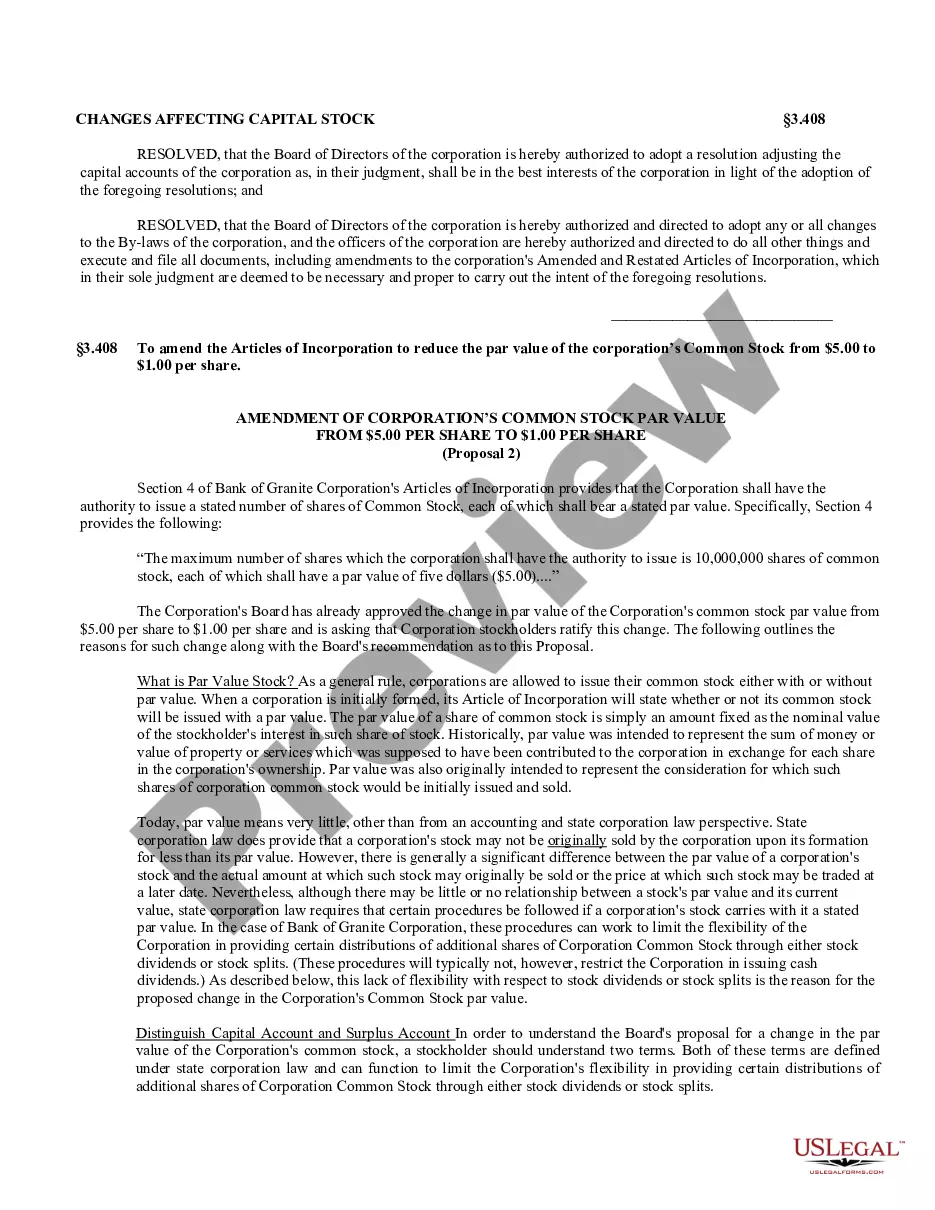
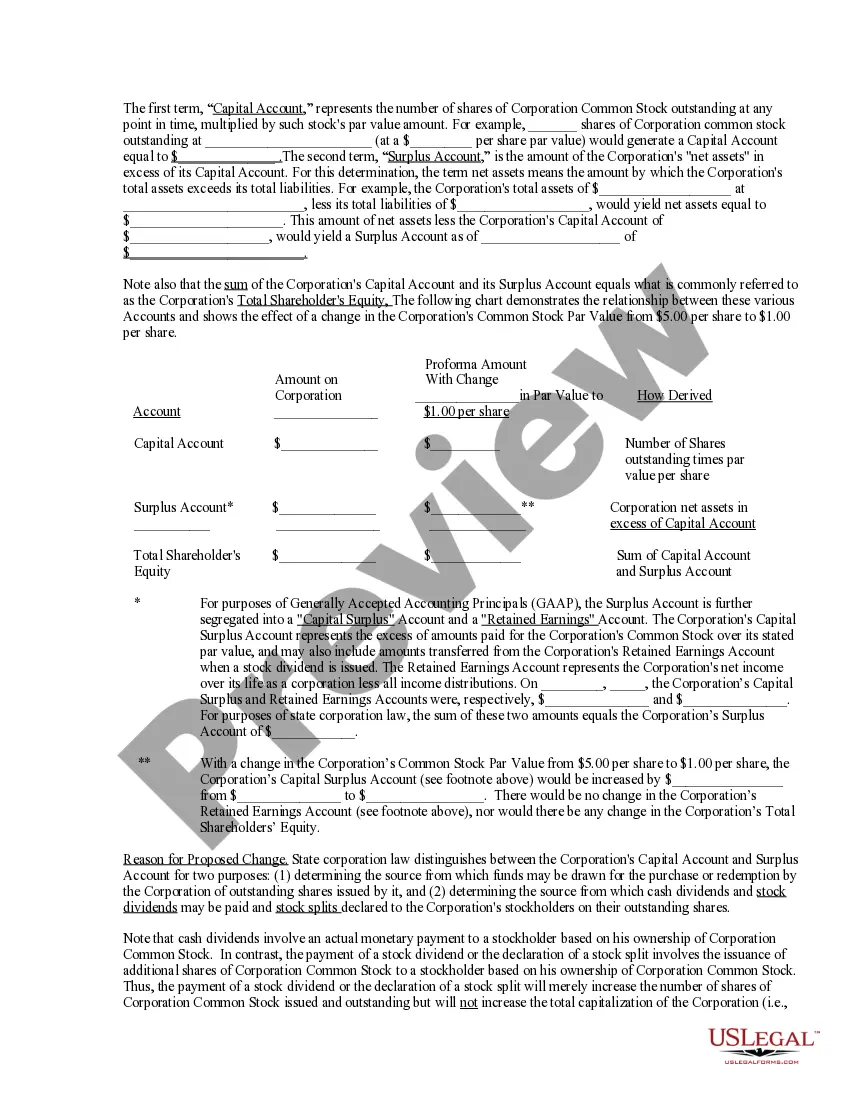
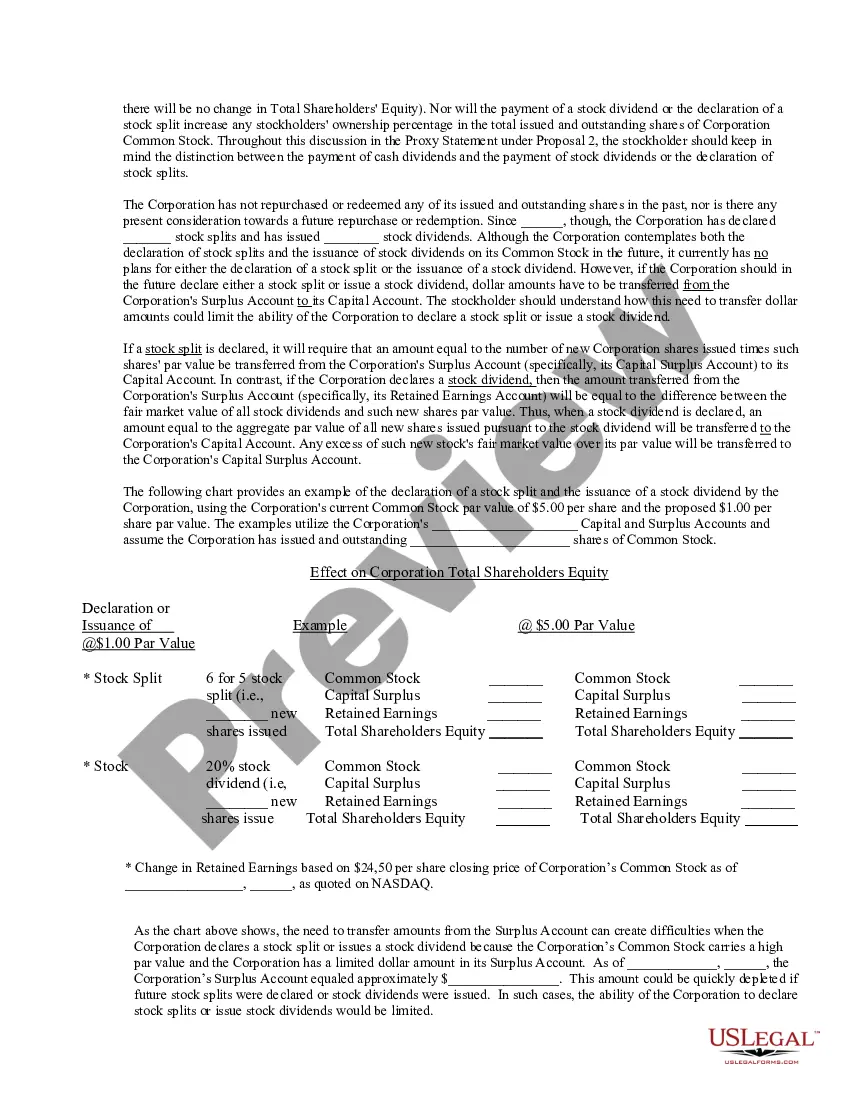
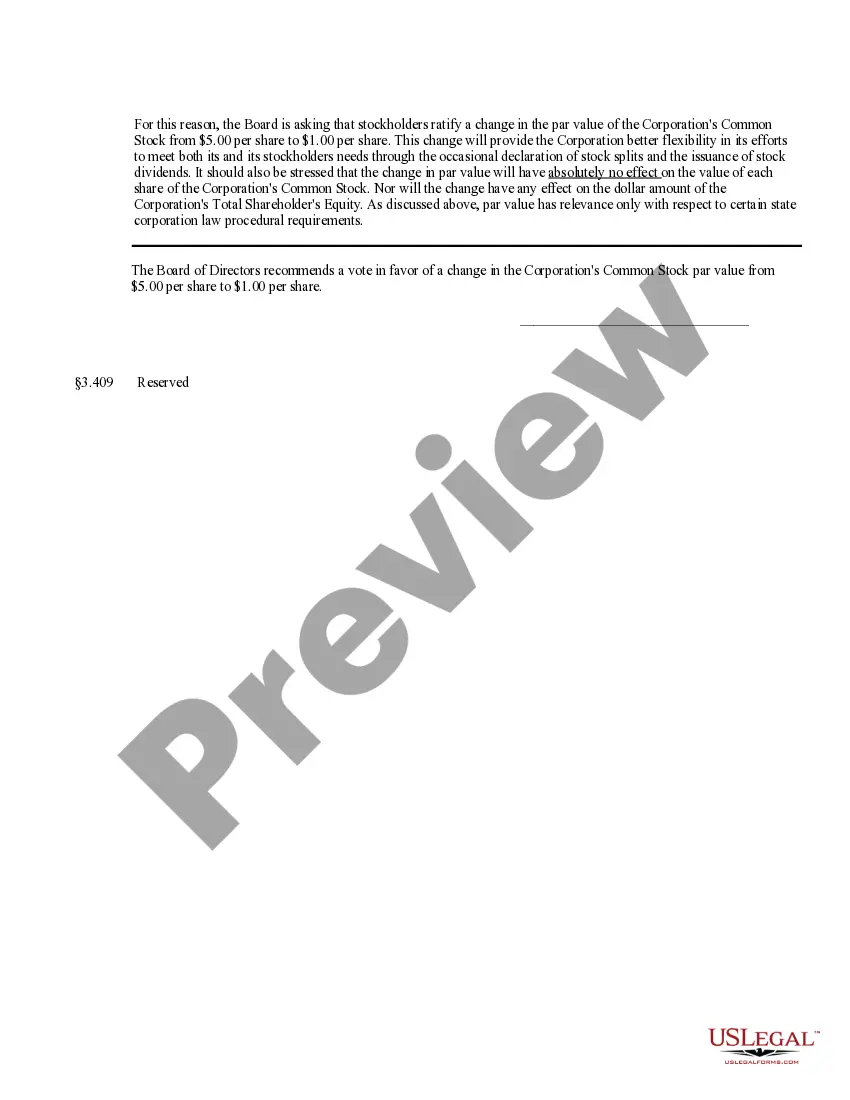
Common Stock At Par Value On Balance Sheet
Description
Get your form ready online
Our built-in tools help you complete, sign, share, and store your documents in one place.
Make edits, fill in missing information, and update formatting in US Legal Forms—just like you would in MS Word.
Download a copy, print it, send it by email, or mail it via USPS—whatever works best for your next step.
Sign and collect signatures with our SignNow integration. Send to multiple recipients, set reminders, and more. Go Premium to unlock E-Sign.
If this form requires notarization, complete it online through a secure video call—no need to meet a notary in person or wait for an appointment.
We protect your documents and personal data by following strict security and privacy standards.

Make edits, fill in missing information, and update formatting in US Legal Forms—just like you would in MS Word.

Download a copy, print it, send it by email, or mail it via USPS—whatever works best for your next step.

Sign and collect signatures with our SignNow integration. Send to multiple recipients, set reminders, and more. Go Premium to unlock E-Sign.

If this form requires notarization, complete it online through a secure video call—no need to meet a notary in person or wait for an appointment.

We protect your documents and personal data by following strict security and privacy standards.
Looking for another form?







How to fill out Amendment Of Common Stock Par Value?
Creating legal papers from the ground up can frequently be intimidating.
Certain situations may require extensive research and a significant amount of money expended.
If you are looking for a more straightforward and economical method for preparing Common Stock At Par Value On Balance Sheet or any other paperwork without encountering obstacles, US Legal Forms is readily available for you.
Our online repository of over 85,000 current legal documents encompasses nearly every aspect of your financial, legal, and personal affairs.
But before proceeding directly to downloading the Common Stock At Par Value On Balance Sheet, adhere to these suggestions: Check the form preview and descriptions to verify that you have located the document you need. Ensure the form you select is in accordance with the statutes and regulations of your state and county. Choose the best-suited subscription plan to obtain the Common Stock At Par Value On Balance Sheet. Download the file. Then complete, sign, and print it. US Legal Forms has an impeccable reputation and over 25 years of experience. Join us today and make document completion simple and efficient!
- With just a few clicks, you can swiftly access state- and county-compliant templates meticulously arranged for you by our legal experts.
- Utilize our site whenever you require dependable services through which you can promptly find and download the Common Stock At Par Value On Balance Sheet.
- If you are familiar with our services and have previously established an account with us, simply Log In to your account, select the template, and download it or re-download it anytime from the My documents section.
- Not registered yet? No problem. It takes minimal time to register and browse the catalog.
Form popularity
FAQ
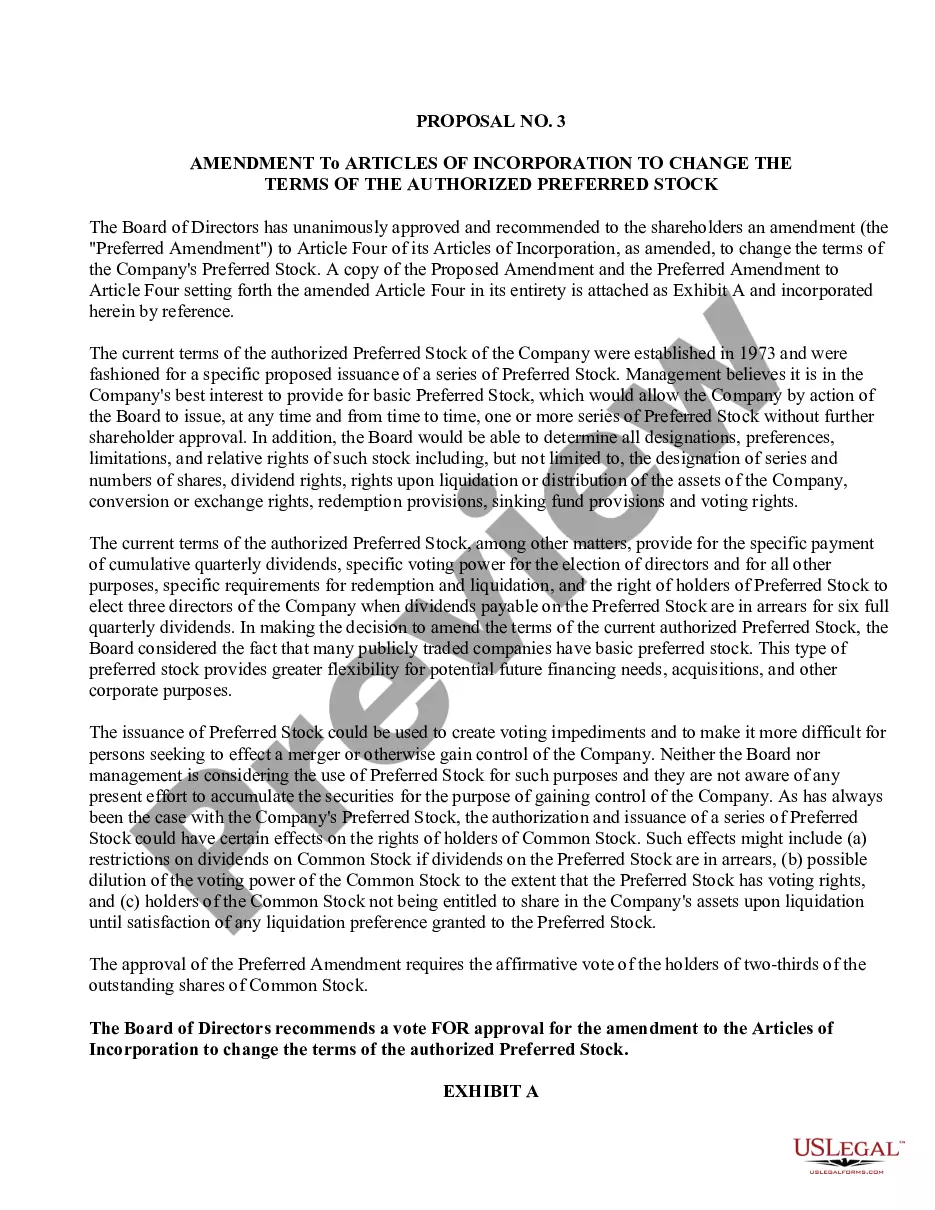
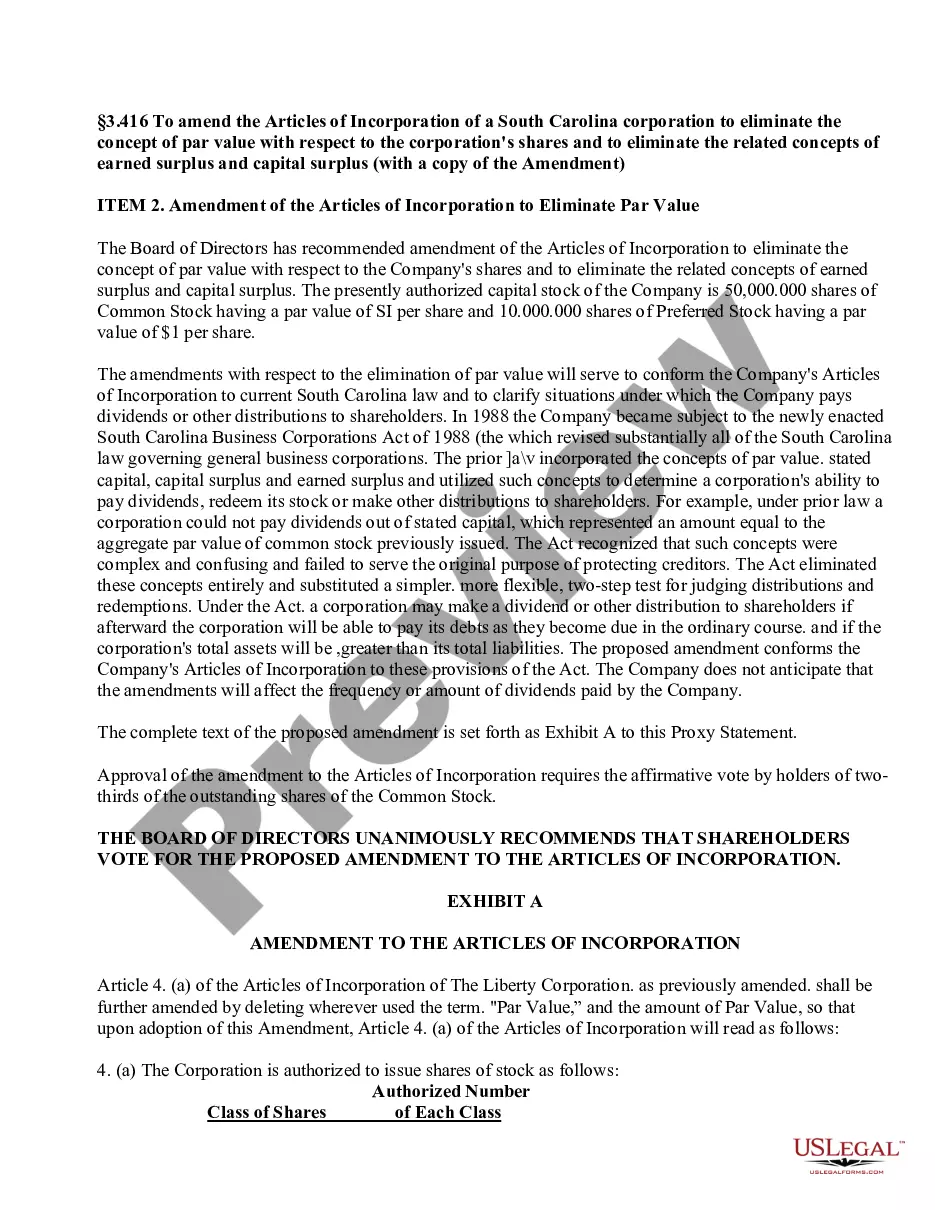
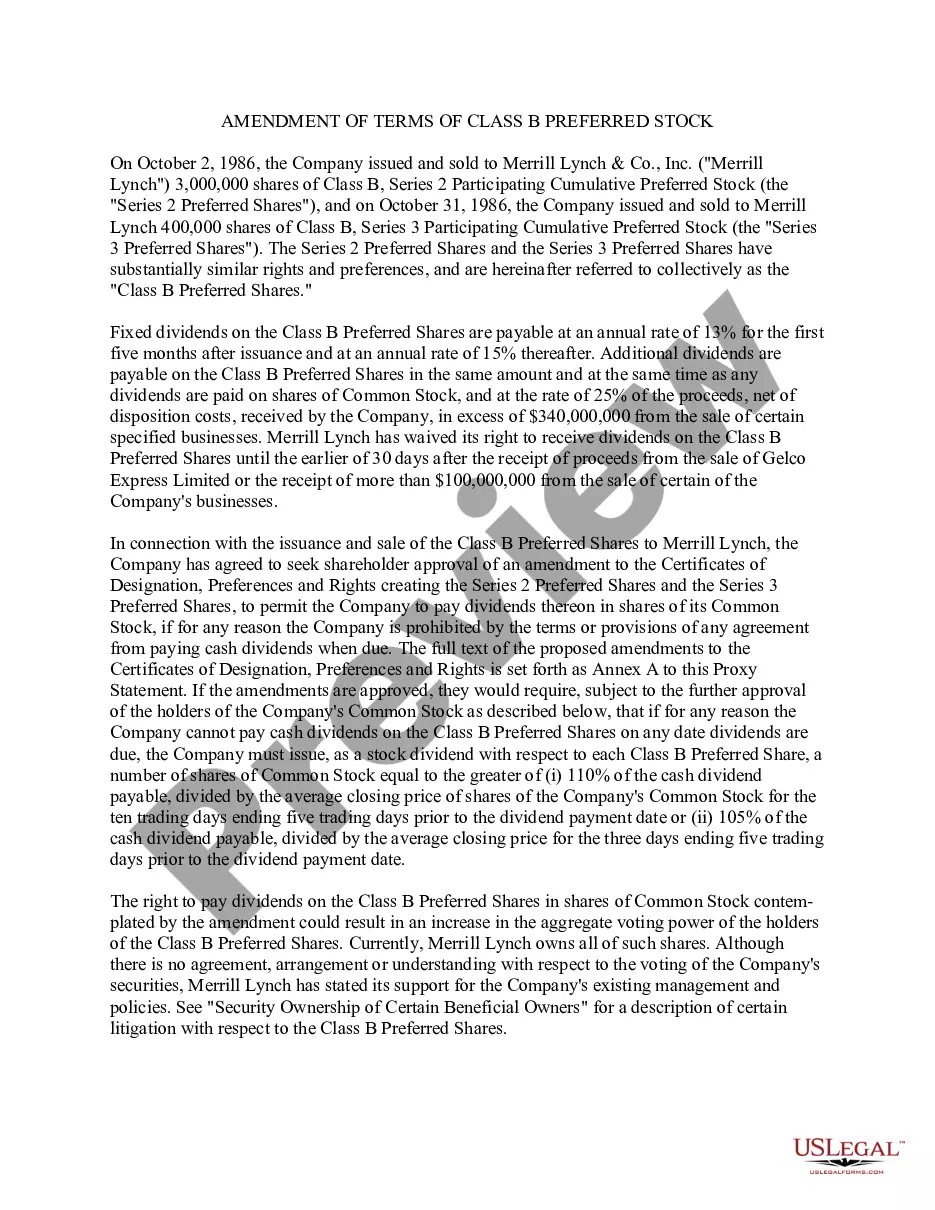
The par value of a stock on a balance sheet is the nominal value assigned to each share of stock. It is a set figure determined by the company, often used for accounting purposes. Common stock at par value on the balance sheet indicates the total dollar amount attributed to the issued shares, providing insights into the company's equity. If you need guidance on how to present this information accurately, consider using US Legal Forms to find templates that meet your needs.
Yes, common stock does show up on a balance sheet as part of shareholders' equity. This section details the total amount of capital raised through issuing shares, and it offers an overview of the company's financial health. Understanding how common stock at par value on balance sheet reflects a company's financing strategy is essential for investors and stakeholders alike. For those looking to dive deeper into their financials, UsLegalForms can provide tailored solutions to help interpret these figures.
To record common stock with par value, first determine the number of shares issued and multiply this by the par value per share. Then, enter this amount within the shareholders' equity section on the balance sheet. This approach captures the correct information, aiding anyone reviewing the common stock at par value on balance sheet for better financial analysis.
You can find par value common stock details in the financial statements of public companies, typically within the equity section of their balance sheets. Additionally, financial analysis tools and legal platforms like US Legal offer insights and assistance in tracking common stock at par value on balance sheet for various companies.
To calculate par stock, simply multiply the total number of shares issued by the par value assigned to them. This calculation produces the figure that appears under common stock on the balance sheet. Knowing how to accurately determine par stock can enhance your financial statements, so utilize platforms like US Legal for better management.
Yes, common stock is usually recorded at par value on the balance sheet. This value represents the nominal amount assigned to each share and is part of the company's equity. Understanding how common stock at par value on balance sheet works is crucial for both investors and companies.
Calculating common stock at par involves taking the number of shares issued and applying the par value of those shares. The result is the total common stock reflecting its par value on the balance sheet. If you need help with your calculations, consider using resources available at US Legal.
To find common stock with par value, take the total number of shares issued and multiply it by the par value per share. This calculation shows the total common stock at par value on balance sheet. Accurate calculations are vital for financial reporting, and platforms like US Legal can assist with record-keeping.
To calculate common stock, you need to multiply the number of shares issued by the par value of each share. This gives you the total amount of common stock listed on the balance sheet. Remember, common stock at par value on balance sheet reflects the basic equity that shareholders own.