Phantom Stock Plans Pros And Cons
Description
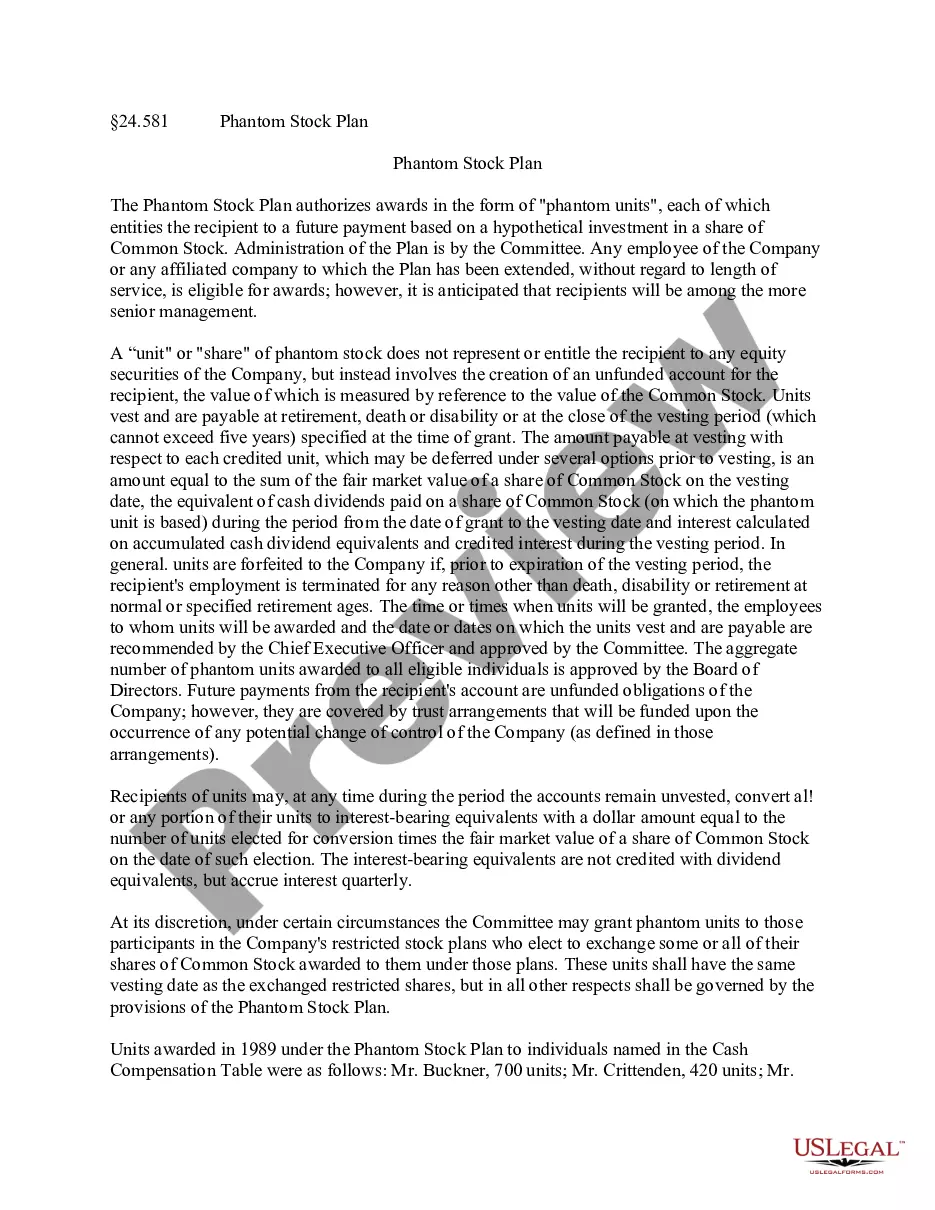

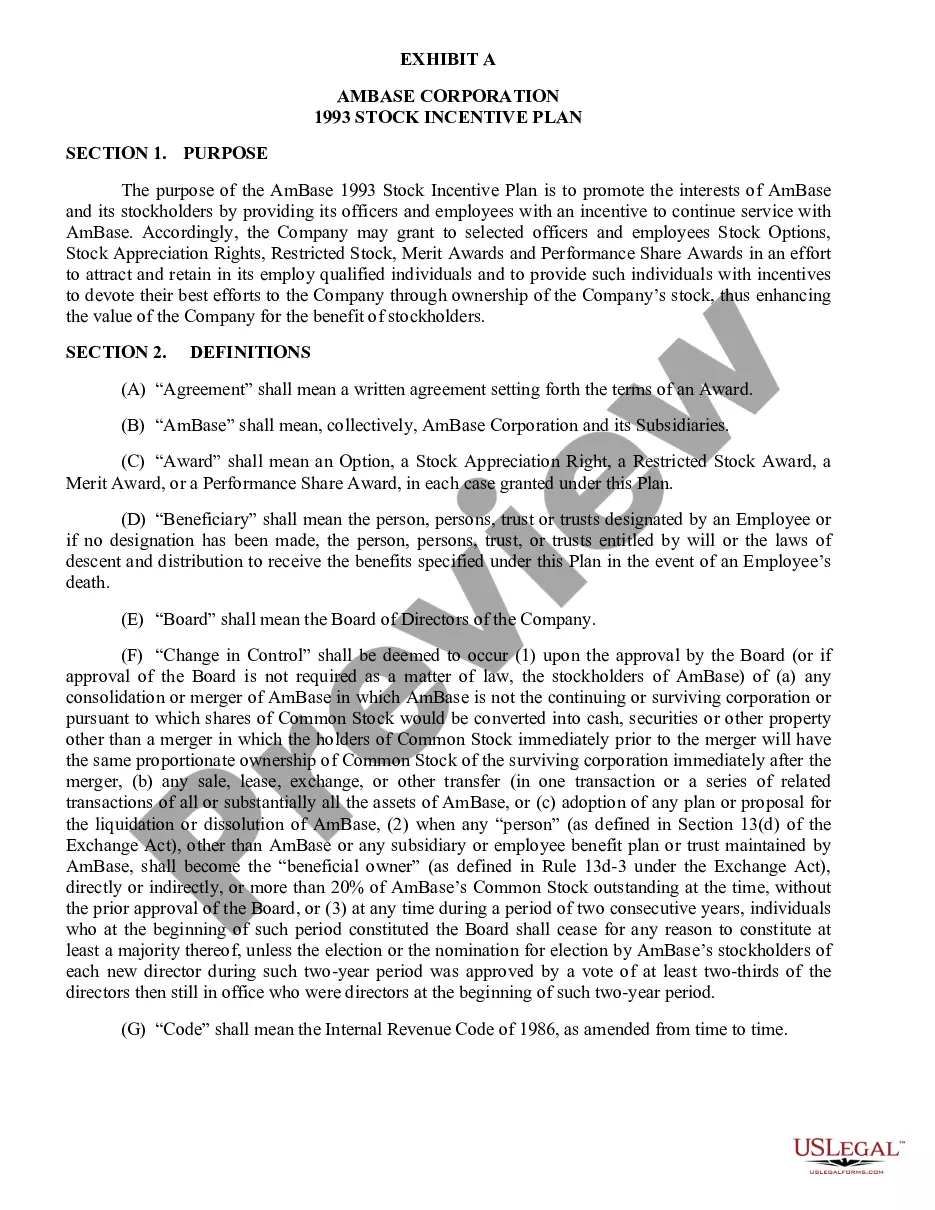
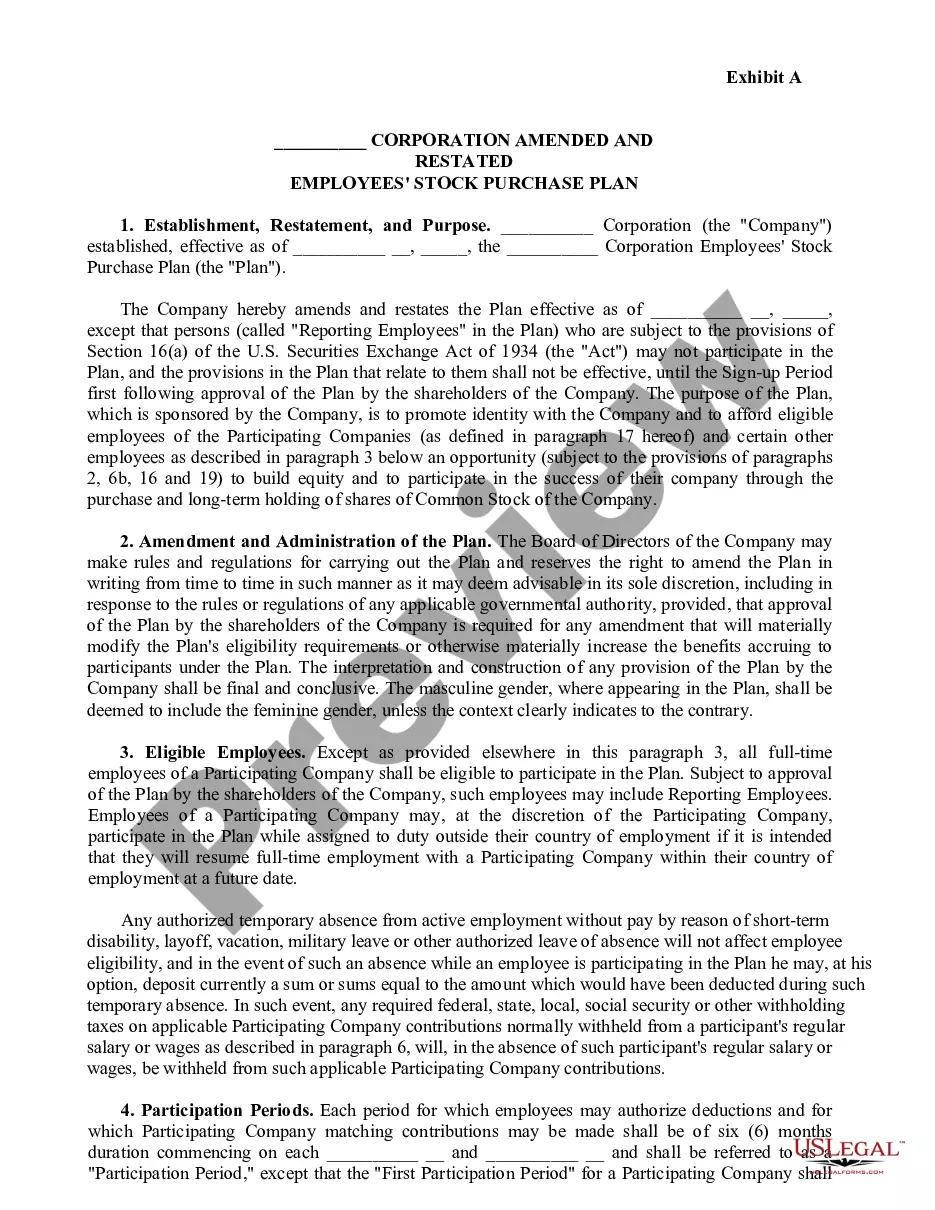
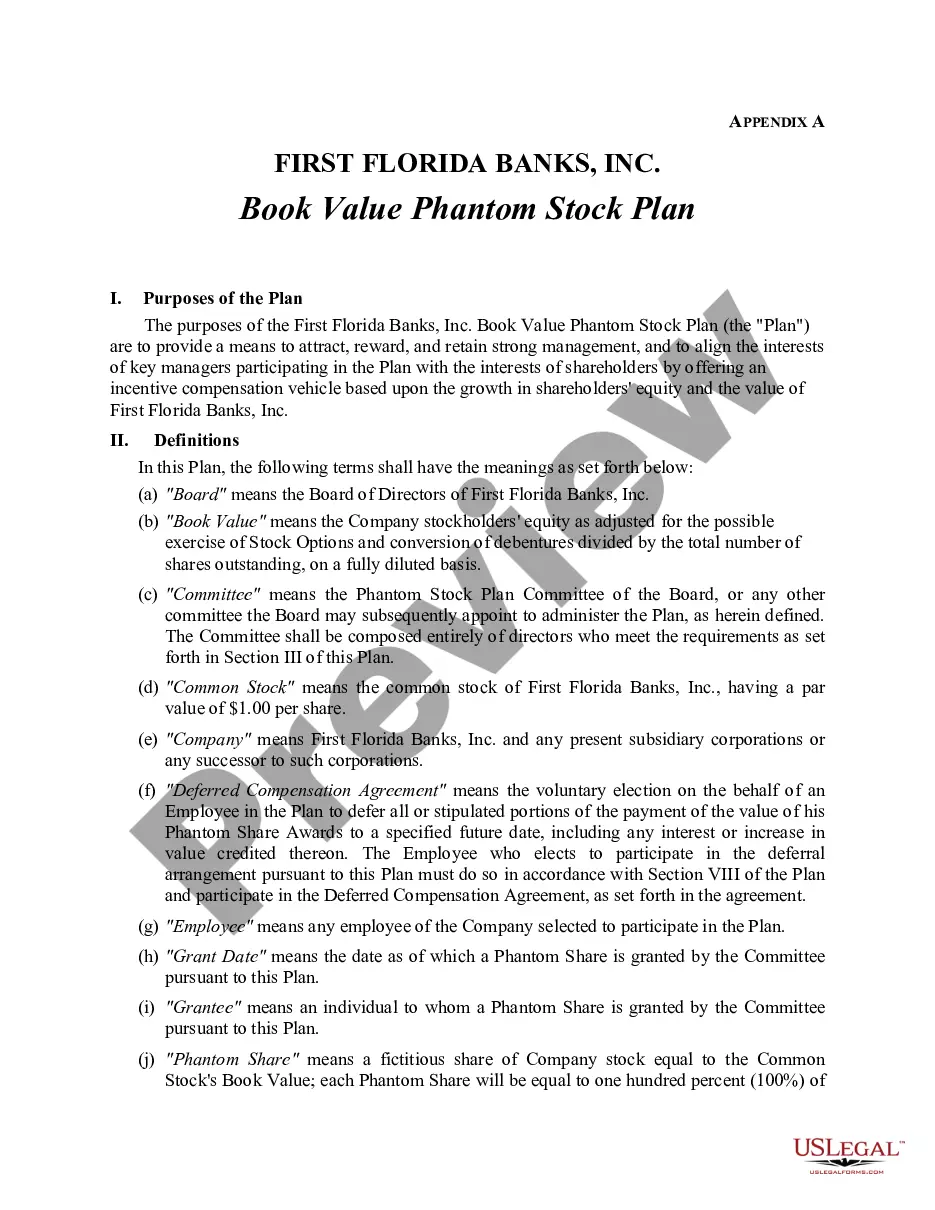






How to fill out Phantom Stock Plan Of Hercules, Inc.?
- If you're an existing US Legal Forms user, log into your account and locate the desired document. Ensure your subscription is current; otherwise, renew it based on your plan.
- For first-time users, begin by reviewing the preview mode and description of the legal form. Confirm that it aligns with your requirements and complies with local regulations.
- If the initial template does not meet your needs, use the Search tab to explore other options until you find the right one.
- Purchase the selected document by clicking the Buy Now button and selecting your preferred subscription plan. You'll need to create an account to unlock access to our extensive library.
- Complete your purchase by entering your credit card details or utilizing your PayPal account for seamless payment.
- Finally, download your form onto your device for completion. You can always revisit it via the My Forms section in your profile.
US Legal Forms empowers both individuals and attorneys by providing a robust library of legal documents, making it easier to execute necessary agreements like phantom stock plans.
Don't hesitate to maximize your legal form experience today. Start your journey with US Legal Forms for precise, legally sound documents!
Form popularity
FAQ
Phantom stock, while appealing, has its drawbacks. Employees do not have actual ownership rights, which means no voting power or dividends. Moreover, the taxation on payouts can be quite high, affecting the overall benefit. When weighing the pros and cons of phantom stock plans, it's wise to consider these factors and how they align with your financial goals.
Yes, phantom stock is subject to the terms outlined in the plan document. Companies generally reserve the right to modify or terminate these plans, which means that employees could lose their phantom stock benefits under certain conditions. It is crucial for employees to understand the specific terms of their phantom stock agreements to know their rights. As you navigate the pros and cons of phantom stock plans, consulting resources like US Legal Forms can provide clarity on your rights.
Phantom stock plans can be highly beneficial for companies looking to motivate and retain employees. They offer employees a stake in the company’s success without the need for actual stocks. This means employees can enjoy potential financial benefits tied to company growth, which enhances their loyalty. Considering the pros and cons of phantom stock plans, it is important to evaluate your company’s specific circumstances.
Phantom stock plans can lead to taxable events, making understanding their implications vital. When an employee receives a payout from a phantom stock plan, that amount is typically taxed as ordinary income. Thus, considering the pros and cons of phantom stock plans is crucial for both employers and employees. For tailored solutions and clear guidance on navigating the complexities of phantom stock taxation, consider exploring resources available on the US Legal Forms platform.
While phantom stock plans have their advantages, they also come with notable downsides. One major concern is the potential tax burden when payouts occur, which may lead to dissatisfaction among employees. Additionally, because phantom shares do not confer actual ownership, employees might feel a lack of true investment in the company. Evaluating the phantom stock plans pros and cons can help companies determine if this compensation strategy aligns with their goals.
Phantom stock plans provide several advantages for both employers and employees. They can align employee interests with company performance by offering the potential for financial gain based on the company's value. Additionally, phantom shares do not require companies to issue actual stock, which helps maintain ownership control. Overall, understanding the phantom stock plans pros and cons is crucial before implementation.
One downside to phantom stock lies in its non-ownership nature, which may not provide the same motivational impact as actual shares. Employees might feel less invested in the company since they do not hold real equity. Additionally, because payouts are tied to company performance, fluctuations in valuation can lead to disappointment.
Despite the advantages, phantom stocks also come with some drawbacks, such as potential liquidity issues at payout time. If a company experiences a downturn, the perceived value may drop, leading to dissatisfaction among employees. Furthermore, the complexity of structuring these plans may require diligence and careful consideration.
Phantom stock provides a flexible way for companies to reward employees based on company performance. They enhance engagement and loyalty, as employees invest their efforts into the company's success. This innovative compensation method can bolster a company’s growth and strengthen its culture.
Phantom stock can be an excellent strategy for many companies, particularly those wanting to incentivize employees without diluting ownership. However, weighing the phantom stock plans pros and cons is essential before implementing them. Companies should also assess their financial goals, employee engagement levels, and long-term strategies to make an informed decision.