Phantom Stock
Description
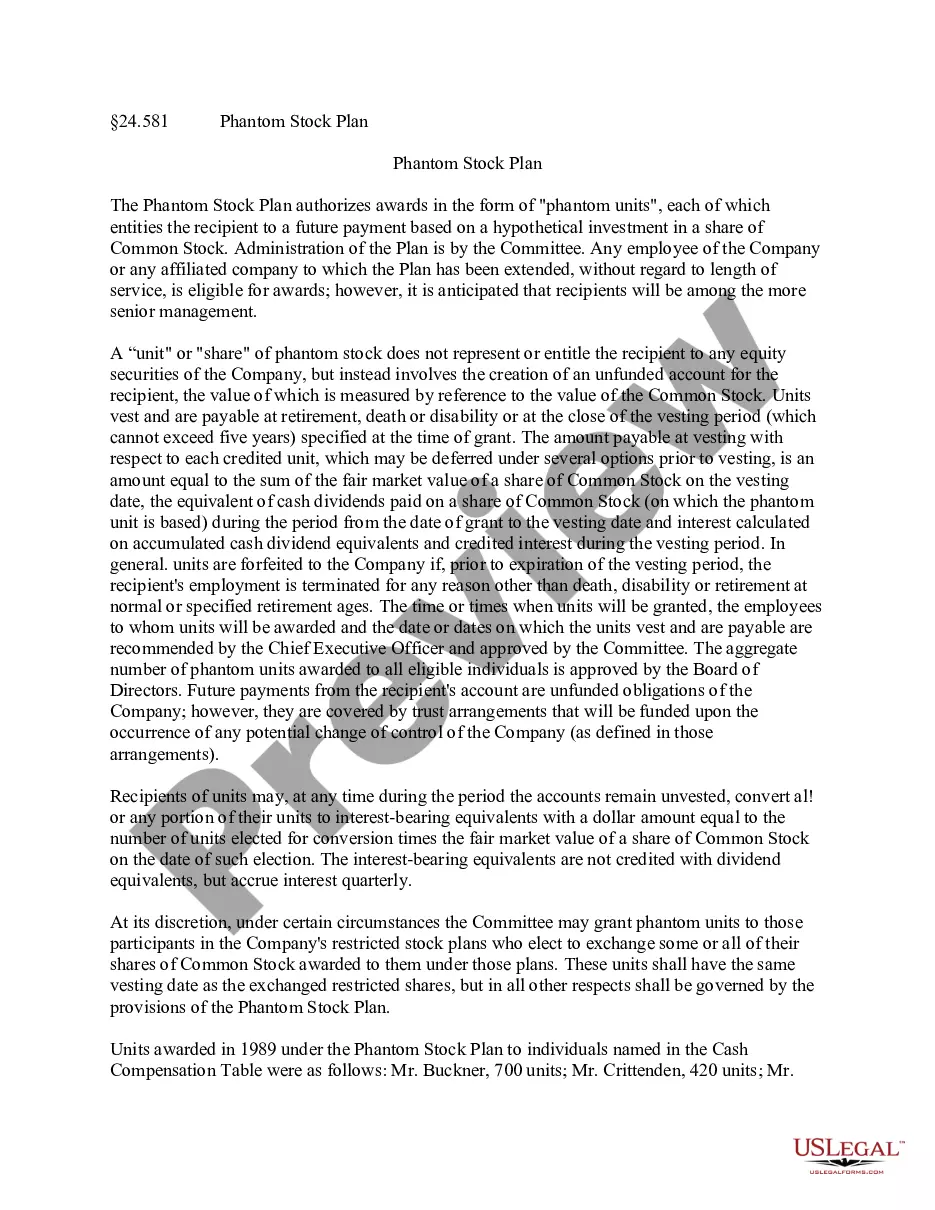

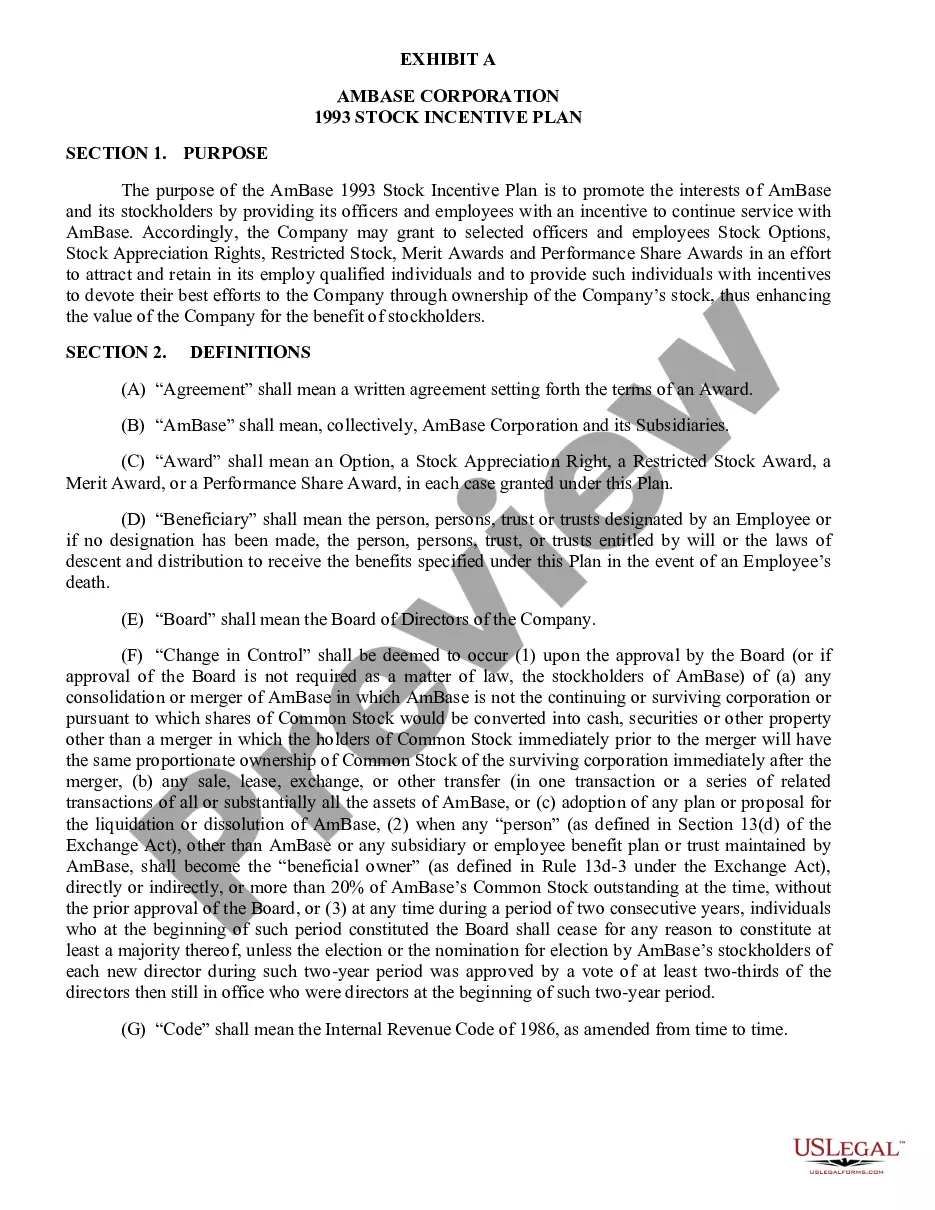
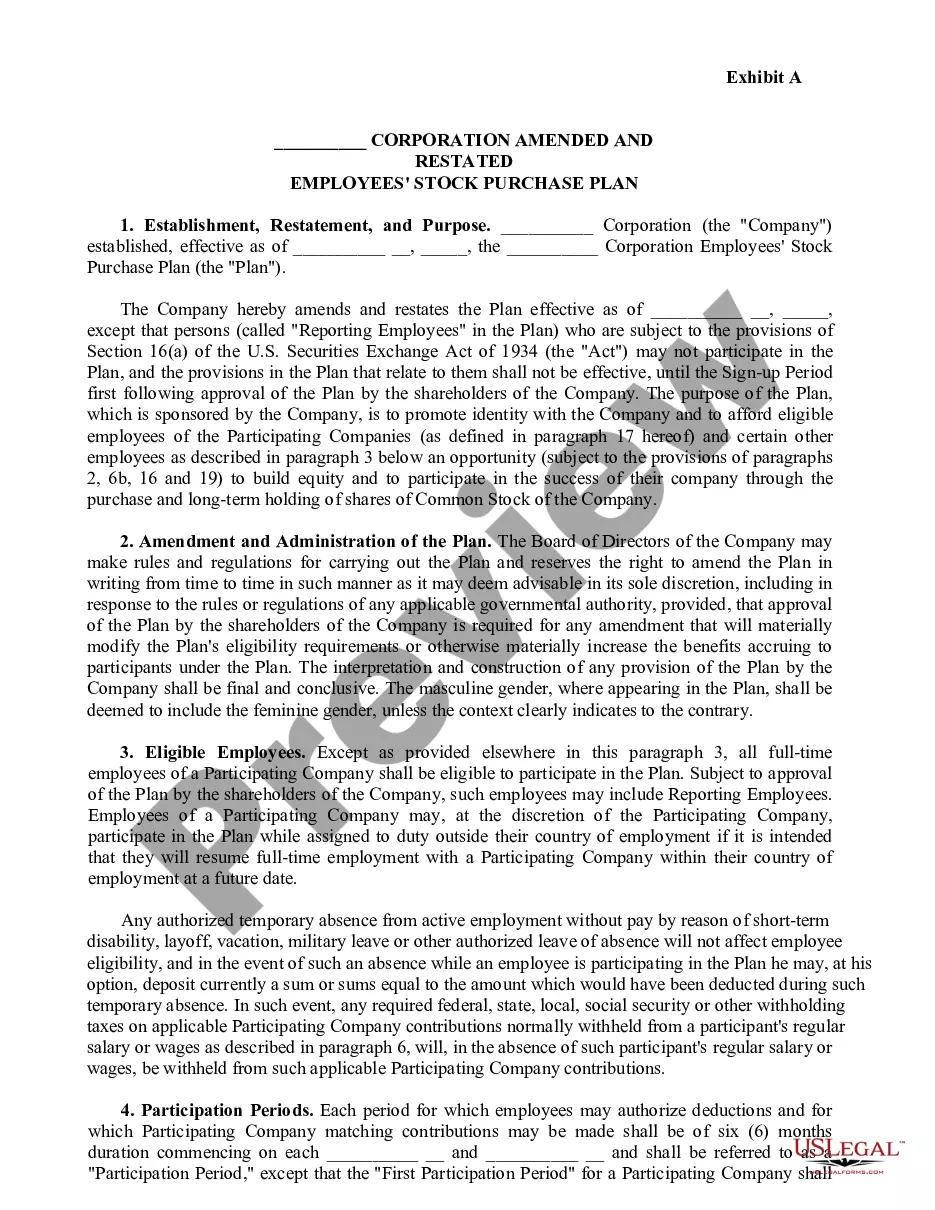
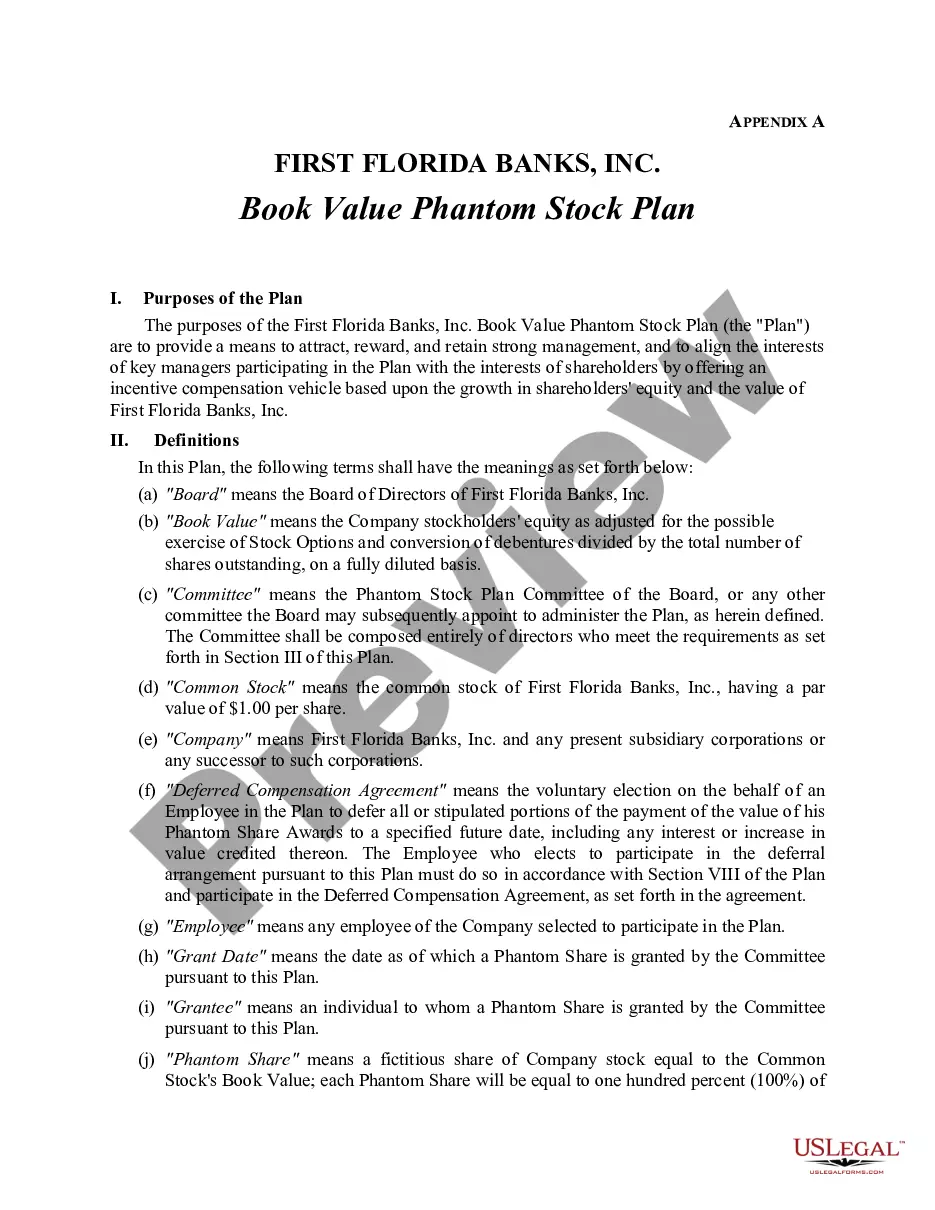
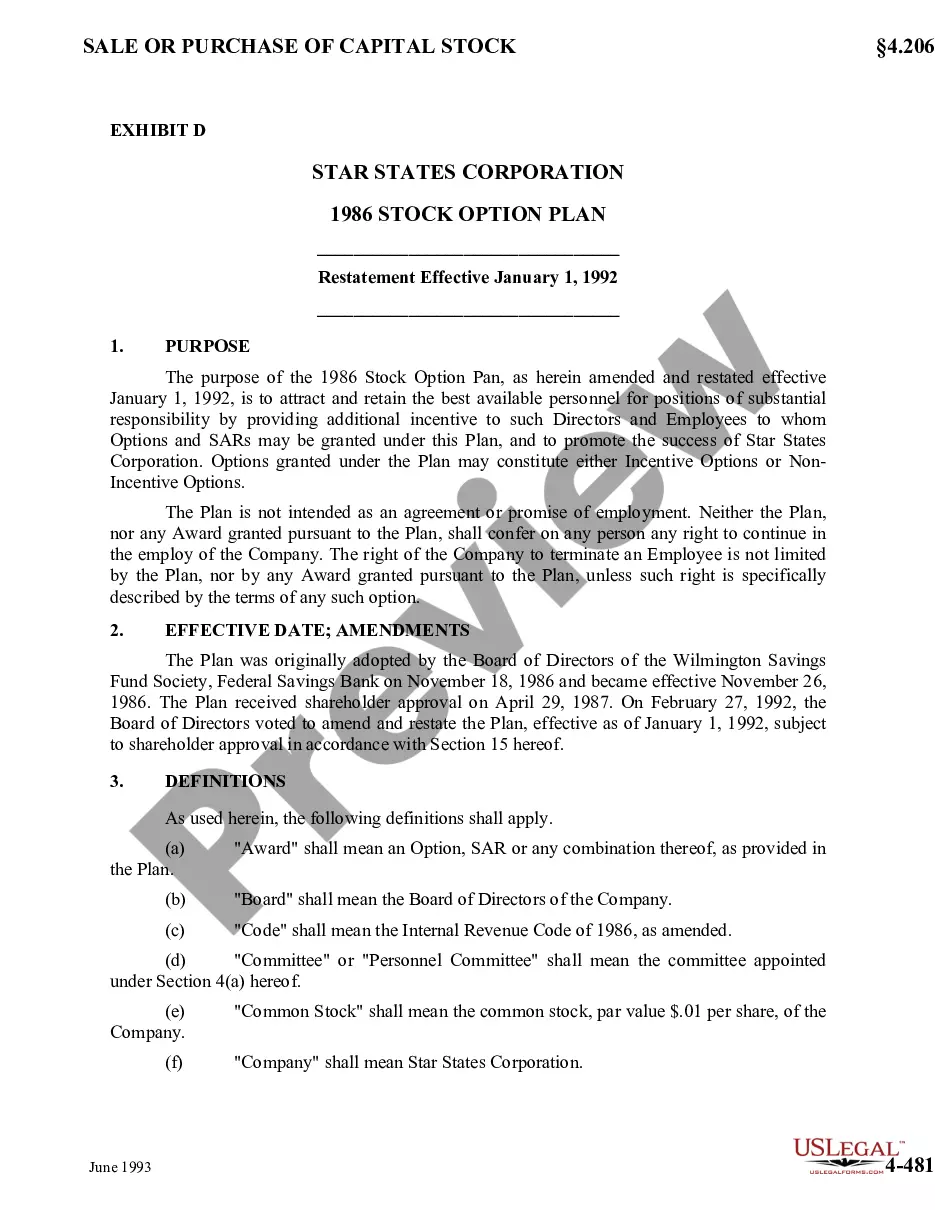



How to fill out Phantom Stock Plan Of Hercules, Inc.?
- Log in to your US Legal Forms account. Ensure your subscription plan is active. If it isn’t, you’ll need to renew it according to your payment terms.
- Preview the form. Check the description and make sure it meets your specific requirements and aligns with your jurisdiction's laws.
- Search for alternatives if necessary. If you find any discrepancies, use the Search feature to find a more suitable form.
- Purchase the document. Click ‘Buy Now’ and select your desired subscription plan. You’ll need to create an account for full access.
- Complete the purchase. Enter your payment details or pay via PayPal for your subscription.
- Download your form. After payment, save the template to your device. You can access it anytime through the ‘My Forms’ section in your profile.
Following these steps will help you efficiently secure your phantom stock documentation using US Legal Forms, making the legal process smoother and more accessible.
Don't hesitate to take the next step towards efficient legal documentation. Explore the vast library of US Legal Forms now!
Form popularity
FAQ
The vesting period for phantom stock varies by organization, but it usually reflects a timeline similar to traditional stock options, often ranging from three to five years. During this time, employees earn their phantom stock incrementally. Understanding the vesting schedule is crucial for planning your financial future, so make sure to clarify this aspect with your employer.
Several events can trigger the payout of phantom stock, such as a company sale, merger, or initial public offering. A defined trigger event can prompt a payout, ensuring employees benefit from their contributions to the company's growth. It's essential to review your plan documents for specifics on what events might activate this benefit.
Issuing phantom stock involves creating a plan that outlines the terms and conditions for employees. Employers generally need to establish a formula for calculating the value of the phantom stock based on company performance. Legal guidance is often recommended, and platforms like US Legal Forms can provide templates and resources to help ensure compliance with relevant laws.
Typically, phantom stock cannot be purchased like traditional shares. Instead, it is usually granted by employers as part of an incentive plan to motivate employees. However, you might explore options for stock options or other equity programs if you're interested in making a financial investment in your company.
Phantom stock can indeed hold value, depending on the company's financial performance. If the company grows and increases its valuation, phantom stock could translate into a substantial financial benefit for you. However, it's essential to assess your company's trajectory to determine the potential worth. Consulting with financial experts can help you understand this better.
While phantom stock offers employees a stake in the company’s success, it also comes with risks. Employees do not receive actual shares, which means they do not have voting rights or dividends. Additionally, the value of phantom stock relies on the company’s performance, which can fluctuate significantly, impacting potential payouts.
Phantom stock, while beneficial, can be rescinded under specific conditions. Typically, if an employee leaves the company before the vesting period concludes, they may lose their rights to the phantom stock. Understanding your company's policies is crucial, as these details often govern how phantom stock is handled. Always review your plan documents for clarity.
The valuation of phantom shares typically aligns with the company's actual stock value, reflecting its performance over time. Commonly, companies will establish a formula to determine the fair market value of the shares, considering various financial metrics. If you're looking to better understand phantom stock and its valuation, US Legal Forms can help guide you through the nuances involved.
Phantom shares can be quite valuable, especially when businesses perform well. They provide a way for employees to benefit from the company's success without having to deal with actual stock ownership. Ultimately, the worth of phantom shares depends on the company's growth and how well it has performed, making them an attractive option for both employees and businesses.
Phantom stock has some drawbacks that you should be aware of. First, it does not provide actual ownership of the company, so you won't have voting rights or direct influence on company decisions. Additionally, the value of phantom stock can be uncertain, depending on the company's performance, which may lead to mismatched expectations for employees.