Further Issue For Shares
Description

Get your form ready online
Our built-in tools help you complete, sign, share, and store your documents in one place.
Make edits, fill in missing information, and update formatting in US Legal Forms—just like you would in MS Word.
Download a copy, print it, send it by email, or mail it via USPS—whatever works best for your next step.
Sign and collect signatures with our SignNow integration. Send to multiple recipients, set reminders, and more. Go Premium to unlock E-Sign.
If this form requires notarization, complete it online through a secure video call—no need to meet a notary in person or wait for an appointment.
We protect your documents and personal data by following strict security and privacy standards.

Make edits, fill in missing information, and update formatting in US Legal Forms—just like you would in MS Word.

Download a copy, print it, send it by email, or mail it via USPS—whatever works best for your next step.

Sign and collect signatures with our SignNow integration. Send to multiple recipients, set reminders, and more. Go Premium to unlock E-Sign.

If this form requires notarization, complete it online through a secure video call—no need to meet a notary in person or wait for an appointment.

We protect your documents and personal data by following strict security and privacy standards.
Looking for another form?










How to fill out Authority To Issue Additional Shares?
Finding a reliable source for the latest and suitable legal templates is a significant part of navigating through bureaucracy.
Selecting the appropriate legal documents requires precision and meticulousness, which is why it's essential to obtain Further Issue For Shares samples exclusively from trustworthy providers like US Legal Forms.
Eliminate the complications associated with your legal documentation. Browse through the extensive US Legal Forms library to discover legal samples, verify their applicability to your situation, and download them instantly.
- Use the catalog browsing or search bar to find your template.
- Examine the form details to ensure it meets your state and regional criteria.
- View the form preview, if available, to confirm the template is the one you want.
- Return to the search if the Further Issue For Shares template does not align with your requirements.
- If you are confident about the form's applicability, proceed to download it.
- If you are a registered user, click Log in to verify and access your chosen templates in My documents.
- If you do not yet have an account, click Buy now to acquire the form.
- Select the pricing plan that meets your needs.
- Move forward to the registration to finalize your purchase.
- Complete your purchase by selecting a payment method (credit card or PayPal).
- Choose the format for downloading Further Issue For Shares.
- After you have the form on your device, you can modify it with an editor or print it out and fill it in by hand.
Form popularity
FAQ
Yes, a company can issue further shares when it needs to raise more capital. This further issue for shares can take various forms, such as rights issues or public offerings, depending on the company’s strategy and goals. By issuing additional shares, the company can attract new investors and strengthen its position in the market. It’s important for investors to stay informed about these opportunities.
No, a company cannot issue more shares than it is authorized to by its corporate charter. The authorized shares represent the maximum number of shares a company can legally issue. If a company wants to issue more shares than authorized, it must go through the process of amending its charter, which often requires shareholder approval. This ensures that the interests of current shareholders are protected.
When a company issues more shares, it is typically referred to as a further issue for shares. This process allows the company to raise additional capital by increasing the number of shares available in the market. By doing so, the company can enhance its financial stability and fund new projects. Understanding this process is essential for investors and stakeholders alike.
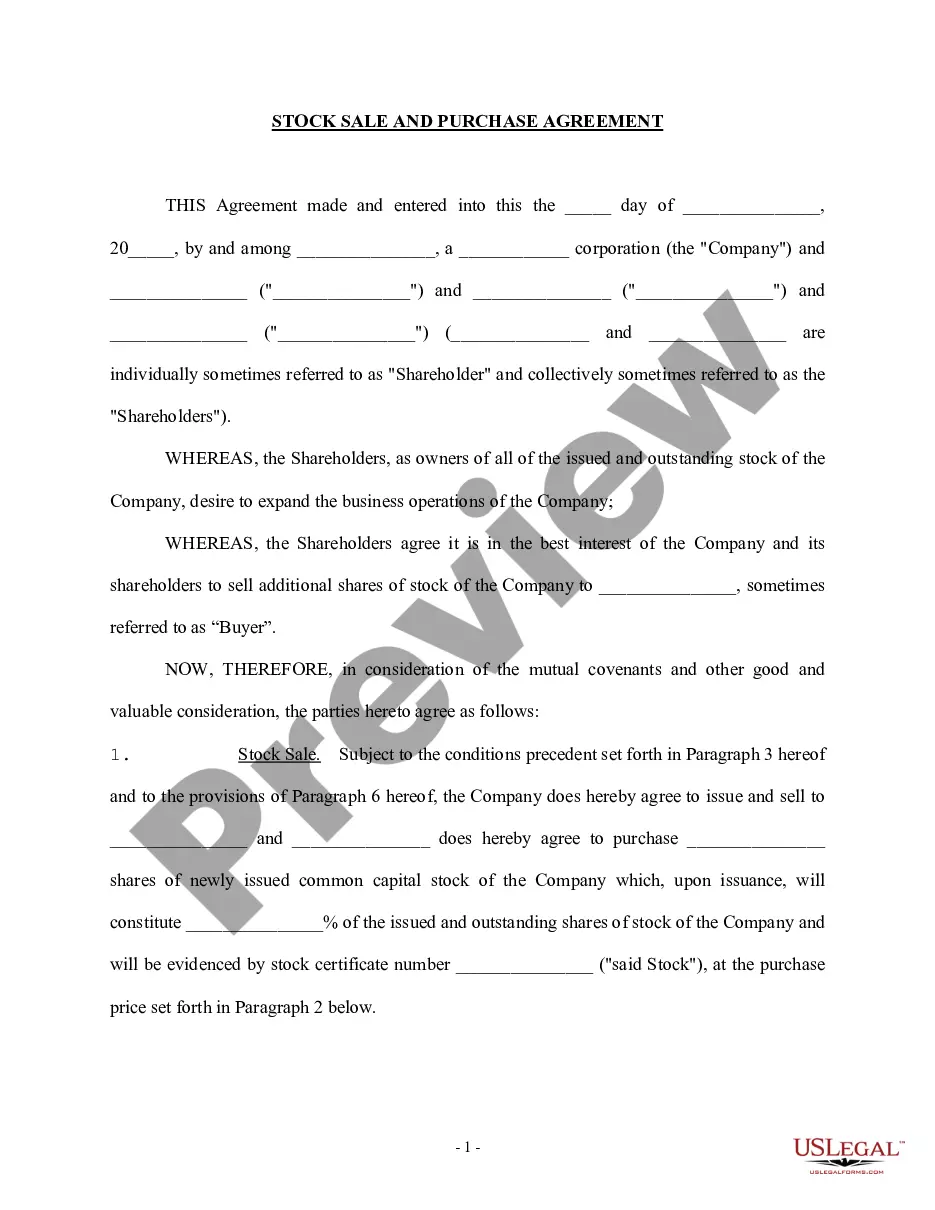
To issue more shares, a company typically needs to follow a structured process. First, the company’s board of directors must approve the further issue for shares during a meeting. After this approval, the company should update its articles of incorporation and file the necessary paperwork with the state. Finally, it’s essential to inform existing shareholders about the new shares being issued, ensuring transparency and compliance with all regulations.
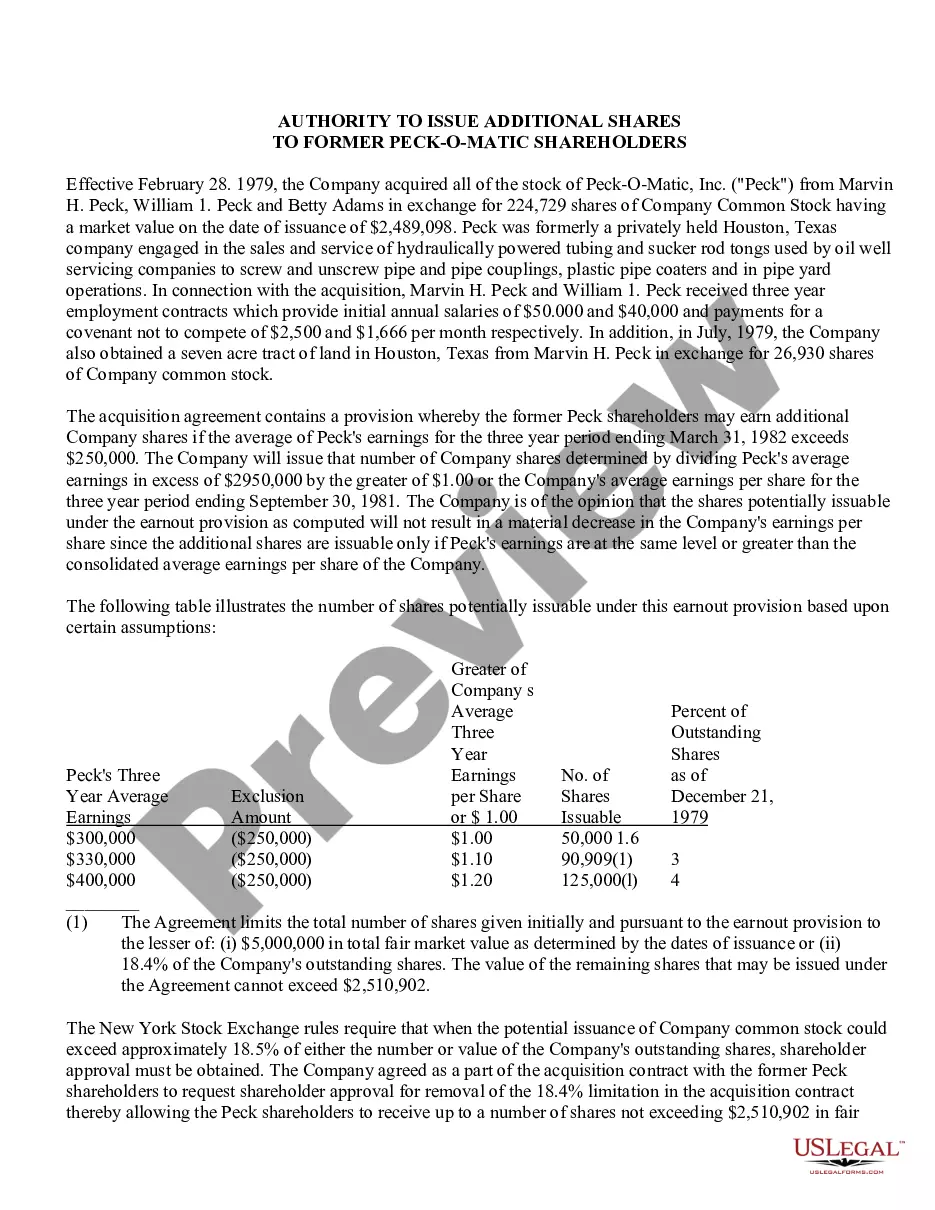
The further issue for shares is a strategic decision made by companies to issue additional shares to meet financial needs or to capitalize on market opportunities. This process can enhance the company's capital base, allowing for investment in new projects or debt reduction. If you are considering participating in a further issue for shares, US Legal Forms can assist you in understanding the legal implications and processes involved.
The two primary types of issue of shares are equity shares and preference shares. Equity shares represent ownership in the company and come with voting rights, while preference shares offer fixed dividends and priority over equity shares during liquidation. Understanding the differences between these types can help investors make informed decisions about their participation in a company's further issue for shares.
A further issue typically refers to a situation where a company decides to issue more shares after its initial offering. This move can enhance liquidity and provide necessary funds for various projects. It is essential for companies to communicate clearly with shareholders about the reasons and benefits of a further issue for shares, ensuring that all parties are informed and engaged in the process.
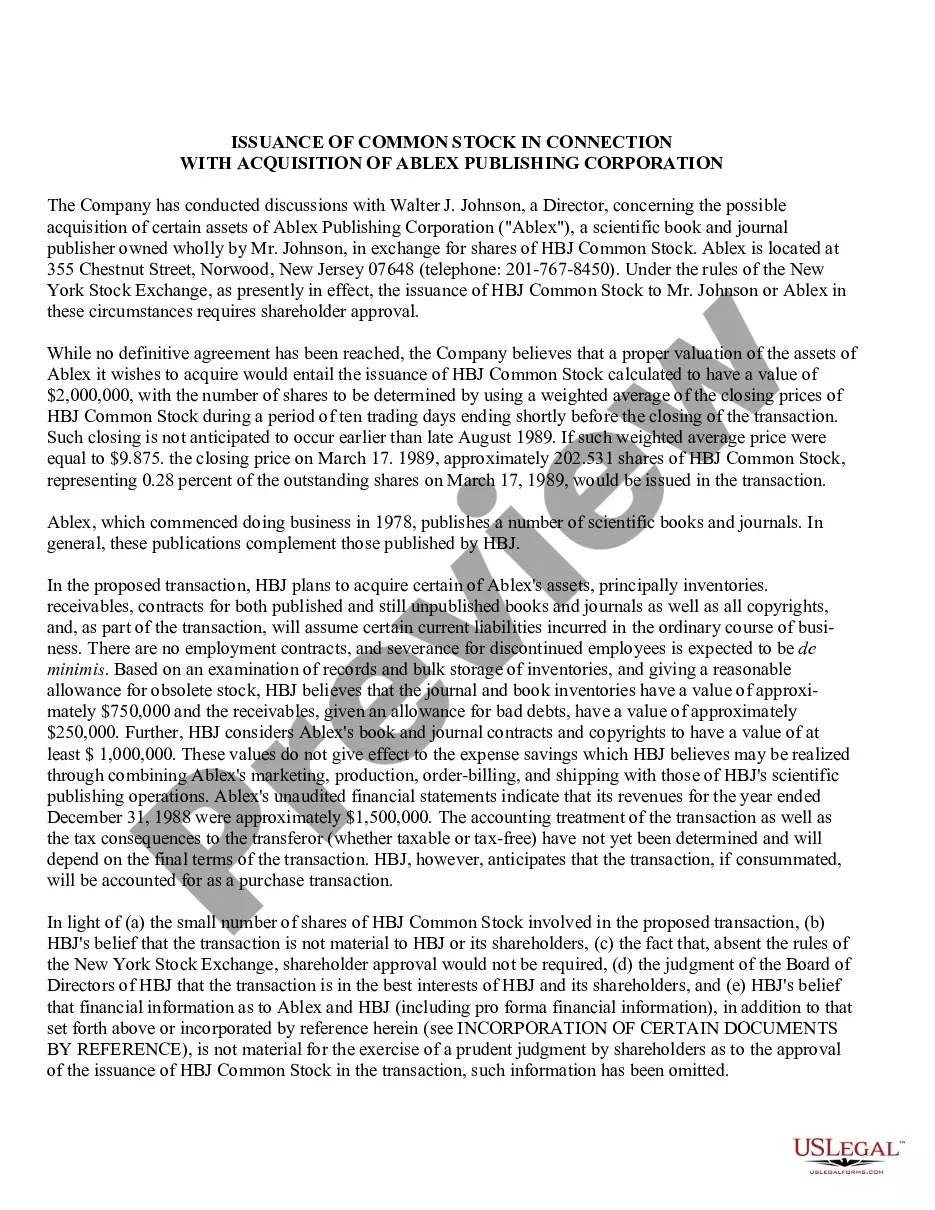
The additional issue of shares involves a company's decision to create more shares beyond its existing authorized amount. This process is often used to attract new investors or reward current shareholders. Understanding the implications of additional share issues is crucial, as it can affect shareholder equity and overall company valuation. US Legal Forms provides resources to navigate these processes effectively.
The further issue for shares refers to the process where a company offers additional shares to existing shareholders or the public. This action typically aims to raise more capital for growth, debt repayment, or other corporate purposes. By issuing further shares, companies can strengthen their financial position and expand their operations, benefiting both the business and its investors.