Schedule C Form Print Without Grey
Description
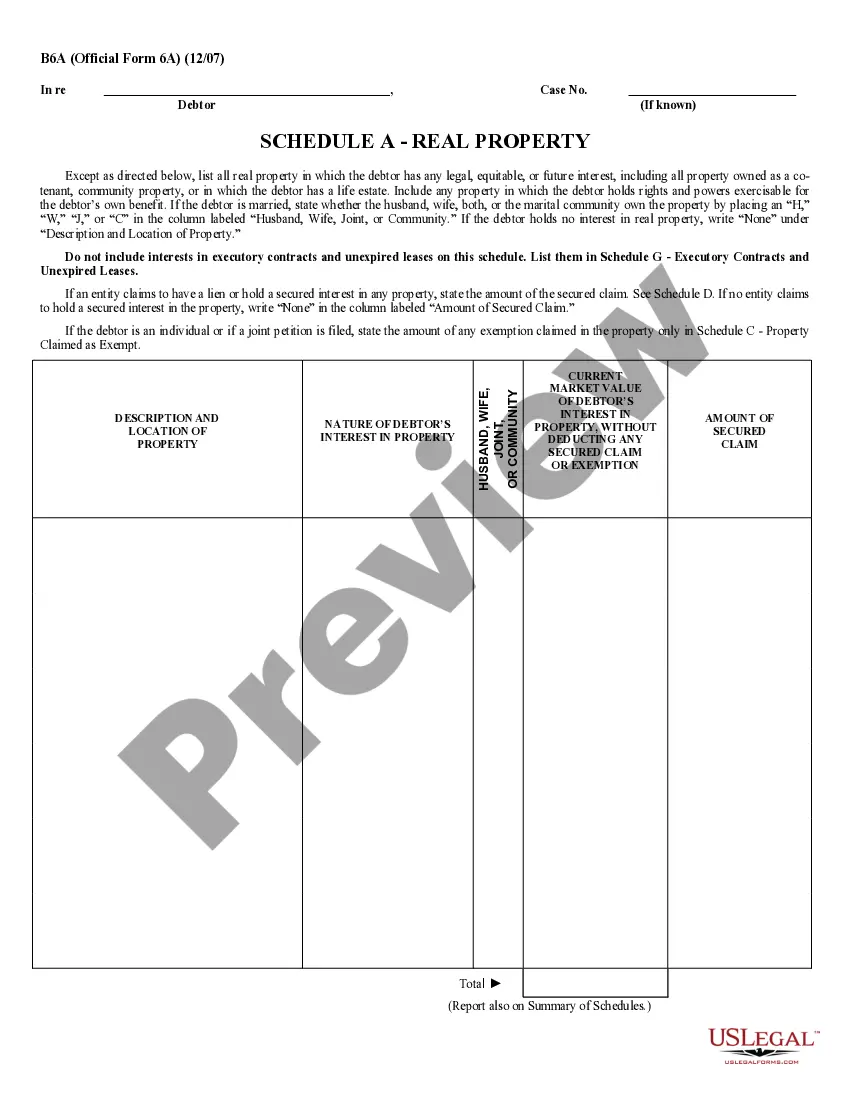
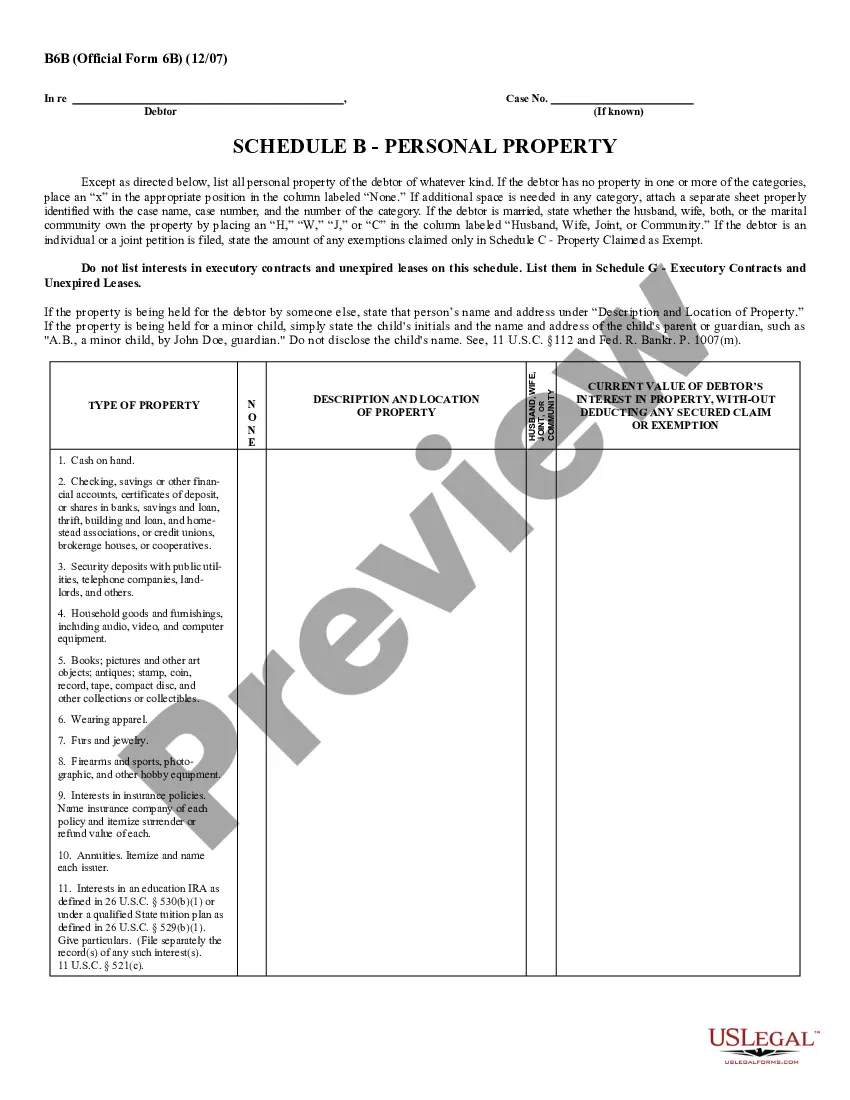

How to fill out Property Claimed As Exempt - Schedule C - Form 6C - Post 2005?
Securing a reliable source for accessing the most up-to-date and pertinent legal templates is half the battle when navigating bureaucracy.
Selecting the appropriate legal documents requires accuracy and careful attention to detail, which underlines the significance of obtaining samples of Schedule C Form Print Without Grey exclusively from trustworthy providers, like US Legal Forms. An incorrect template will squander your time and delay your situation.
Eliminate the stress associated with your legal documentation. Explore the comprehensive US Legal Forms collection, where you can discover legal templates, evaluate their applicability to your situation, and download them instantly.
- Utilize the catalog navigation or search bar to find your template.
- Check the form’s description to determine if it meets your state and county requirements.
- Examine the form preview, if available, to confirm the template is indeed the one you need.
- Continue your search for the appropriate template if the Schedule C Form Print Without Grey does not fulfill your needs.
- If you are confident about the form’s relevance, download it.
- If you are a registered user, click Log in to verify and access your chosen templates in My documents.
- If you lack a profile yet, click Buy now to acquire the template.
- Select the pricing plan that aligns with your preferences.
- Proceed to the registration to finalize your purchase.
- Complete your purchase by selecting a payment method (credit card or PayPal).
- Select the document format for downloading Schedule C Form Print Without Grey.
- Once you have the form on your device, you may modify it using the editor or print it to complete manually.
Form popularity
FAQ
Signing Requirements for South Dakota Deeds. A South Dakota deed must include the current owner's original signature. The owner's signature should be dated. A deed transferring real estate owned by two or more owners must include all co-owners' signatures?unless only one owner is transferring an interest.
1. You're Buying the Least Amount of Protection of Any Deed. Also called a non-warranty deed, a quitclaim deed conveys whatever interest the grantor currently has in the property if any.
General warranty deeds: A general warranty deed provides the most protection to the buyer but gives the grantor the highest degree of liability. The grantor of a general warranty deed fully warrants good, clear title to the property. This type of deed is used in most real estate deed transfers.
The quitclaim deed, also called a non-warranty deed, offers the grantee the least amount of protection. This type of deed conveys whatever interest the grantor currently has in the property?if any. No warranties or promises regarding the quality of the title are made.
Quitclaim Deed There are no covenants or warranties by the grantor and this deed offers the lowest amount of protection to the grantee.
Quitclaim Deed ? provides the grantee with the least protection; it contains no promises or warranties, and only conveys whatever title and interest the grantor has.
A contract for deed is a contract where the seller remains the legal owner of the property and the buyer makes monthly payments to the seller to buy the house. The seller remains the legal owner of the property until the contract is paid.