Schedule C Form Print For Self Employed
Description
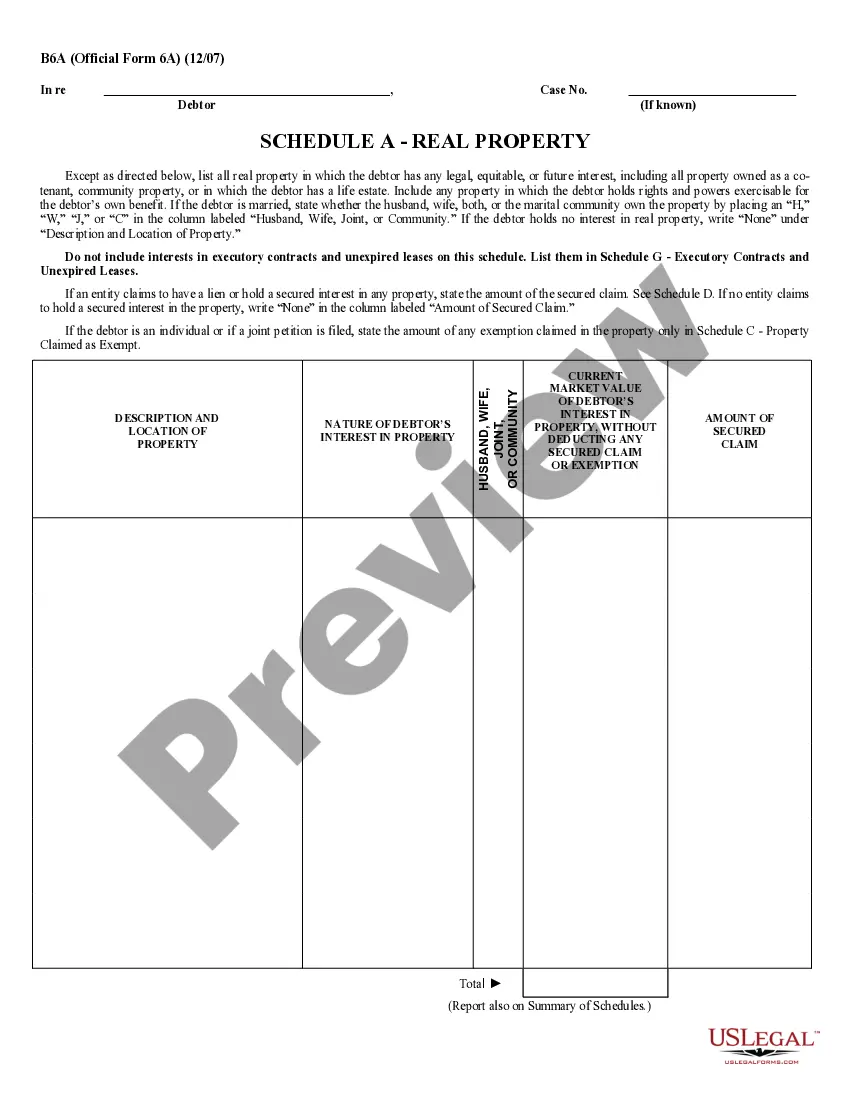
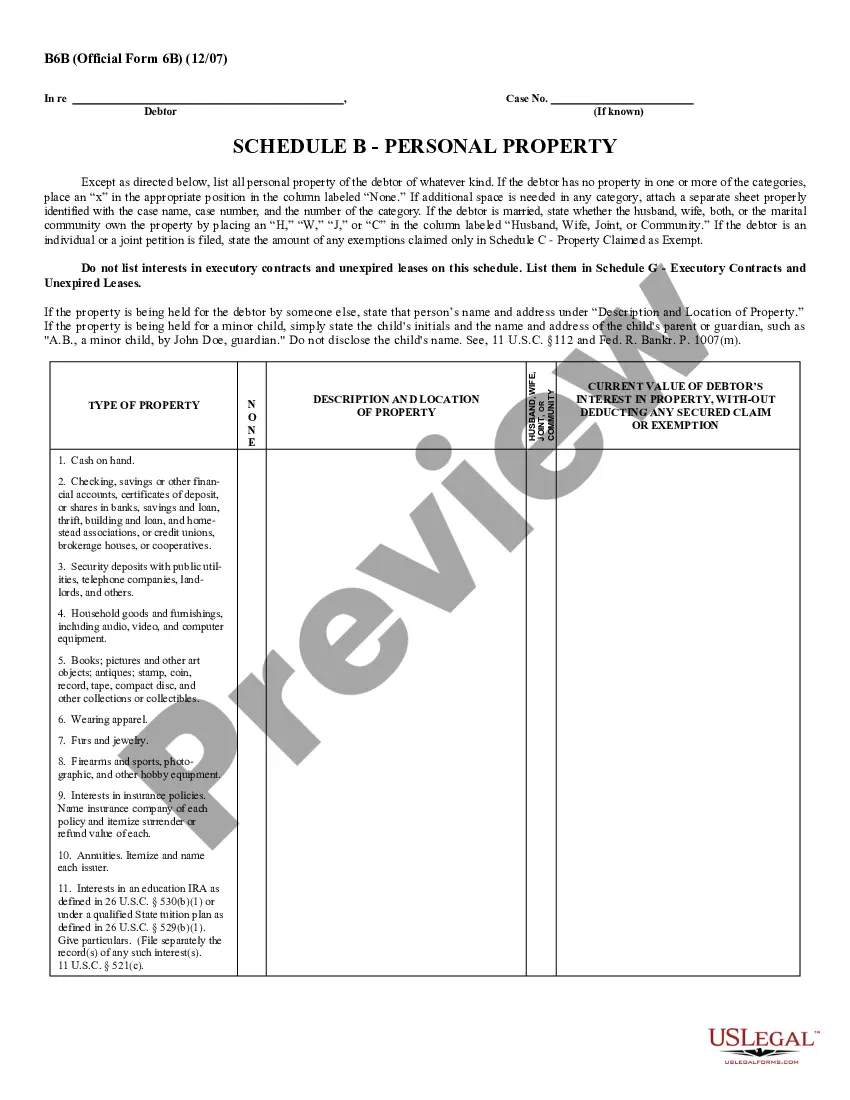




How to fill out Property Claimed As Exempt - Schedule C - Form 6C - Post 2005?
Utilizing legal templates that comply with federal and state regulations is crucial, and the internet provides a plethora of options. However, what's the purpose of spending time searching for the accurately prepared Schedule C Form Print For Self Employed sample online when the US Legal Forms digital library already consolidates such templates in one location.
US Legal Forms is the premier online legal repository with over 85,000 editable templates crafted by lawyers for any business and personal scenario. They are straightforward to navigate with all documents organized by state and intended use. Our experts stay informed on legislative changes, enabling you to trust that your documentation is current and compliant when acquiring a Schedule C Form Print For Self Employed from our site.
Acquiring a Schedule C Form Print For Self Employed is quick and easy for both existing and new users. If you already possess an account with an active subscription, Log In and save the document sample you require in the appropriate format. If you're new to our website, adhere to the following steps.
All documents you find through US Legal Forms are reusable. To retrieve and fill out previously saved forms, access the My documents tab in your profile. Enjoy the most comprehensive and user-friendly legal paperwork service!
- Examine the template using the Preview feature or through the text description to ensure it suits your requirements.
- Find another sample using the search tool at the top of the page if needed.
- Click Buy Now when you've identified the correct form and select a subscription plan.
- Set up an account or Log In and complete the payment with PayPal or a credit card.
- Choose the format for your Schedule C Form Print For Self Employed and download it.
Form popularity
FAQ
If you are self-employed, you need to fill out the Schedule C form print for self-employed to report your income and expenses. This form allows you to detail your business activities and claim deductions. Be sure to gather all relevant financial documents, as they will help you complete this form accurately.
You can prove your self-employed status by providing documentation like business licenses, client contracts, and tax returns. Bank statements that show deposits from clients can also serve as evidence. Additionally, use the Schedule C form print for self-employed when filing your taxes, as this form provides an official record of your self-employment income and expenses.
UK Unmarried Partner Visa. It's FREE, fast & no obligation! The Unmarried Partner visa (also known as the UK defacto visa) allows the unmarried partner to enter or remain in the UK on the basis that they are in a relationship with a person who is present and 'settled in the UK'.
Cohabitation simply means living together. In the domestic relations context, it implies the existence of an intimate/romantic relationship and a long-term or permanent residence together. When two people in a relationship live together and are not married, they are said to be unmarried cohabitants.
What to include in a cohabitation agreement: Individual assets which belong to each party ? savings, investments etc. Shared assets and debts ? joint property and/or mortgages & loans. The intention of how assets and debts should be divided if the cohabiting relationship ends.
The agreement states what happens to the parties' property and finances should they end their relationship. As a result, the cohabitation agreement will protect the interests of both parties and avoid any potential legal conflict that could arise from a breakup.
You can use things like: a marriage certificate or civil partnership certificate. a tenancy agreement, utility bills or council tax bills confirming that you live at the same address or pay bills together. a bank statement from a joint bank account, or confirming that you live at the same address.
A cohabitation agreement is a legal document between unmarried couples who are living together. It sets out arrangements for finances, property and children while you're living together and if you split up, become ill or die. You can make an agreement at any time. It's good to do it before you move in together.
How can I prove cohabitation in the UK? To get a cohabitation agreement, you and your partner will need to prove that you are cohabitating. Evidence you can show to demonstrate this includes joint leases, letters that are addressed to both individuals, and joint utility bills such as gas, electricity or water.
Building a solid case with effective evidence ? Records of vehicles visiting the premises you believe cohabitation exists. ? Covert surveillance including image gathering. ? Background checks on the parties involved. ? An asset and financial check.