Property Claimed Exempt Withholding
Description
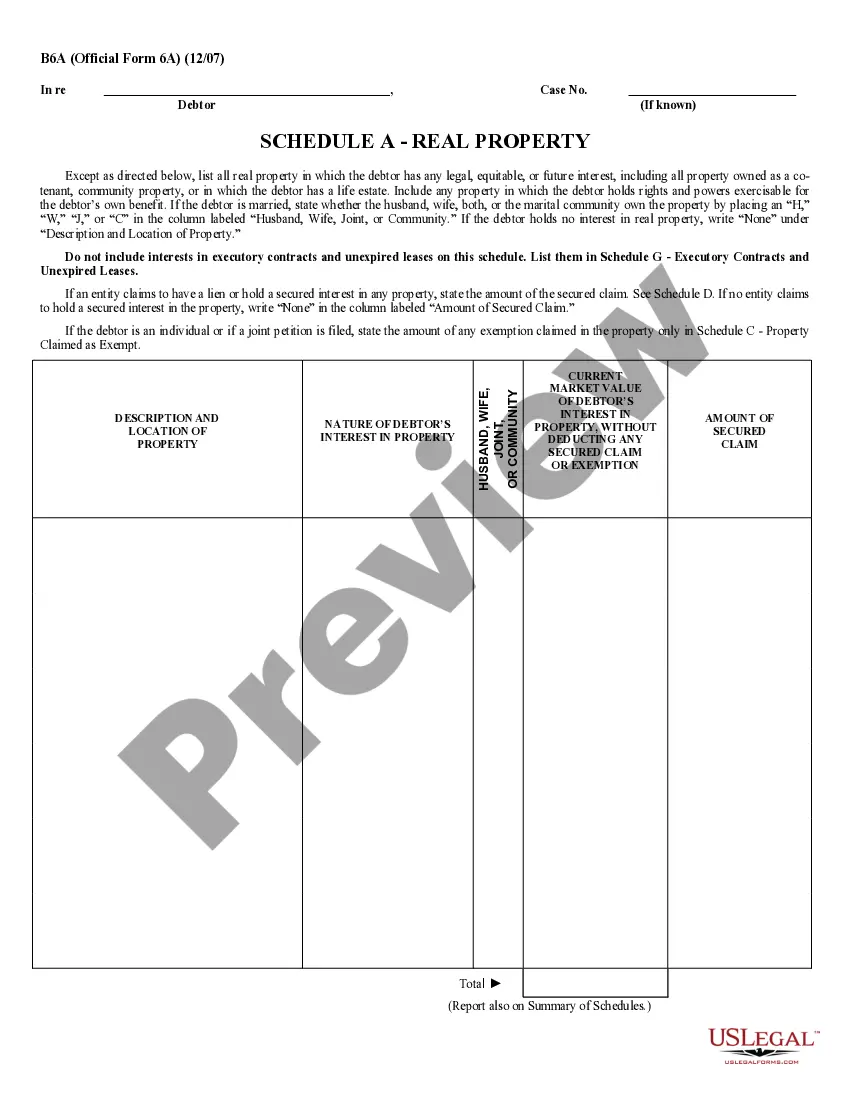
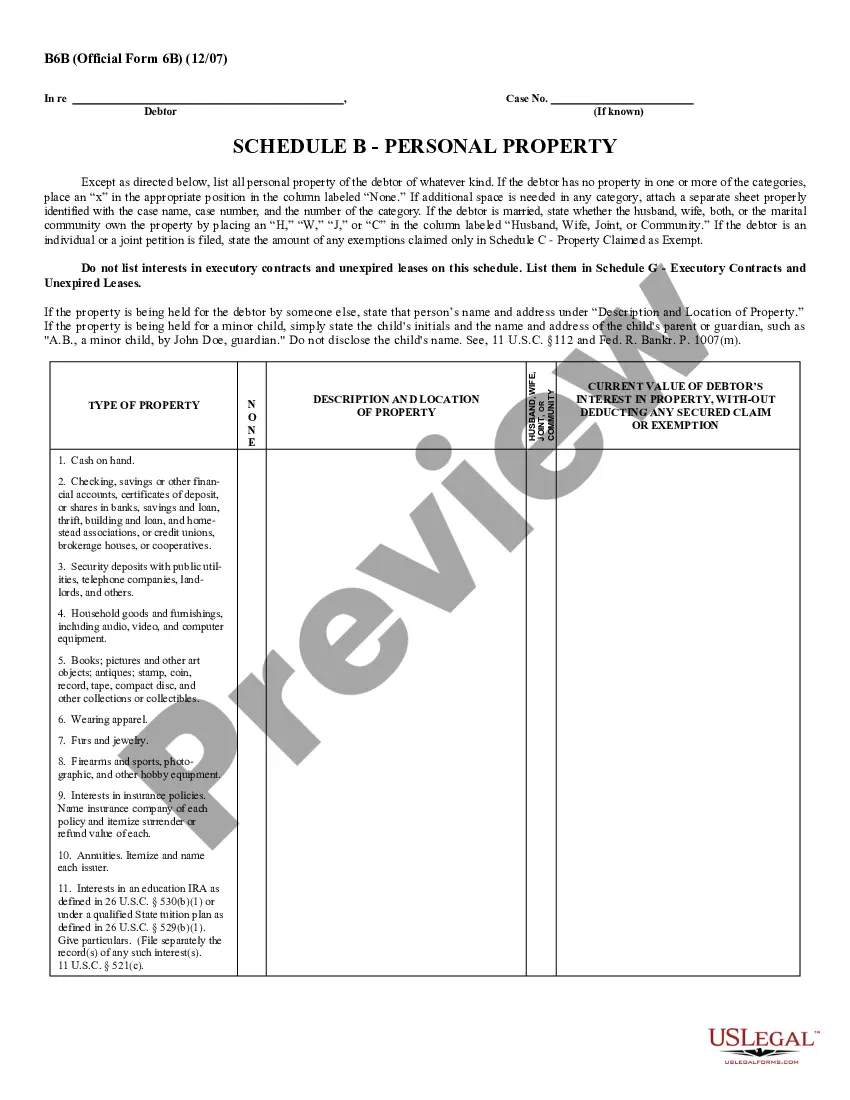
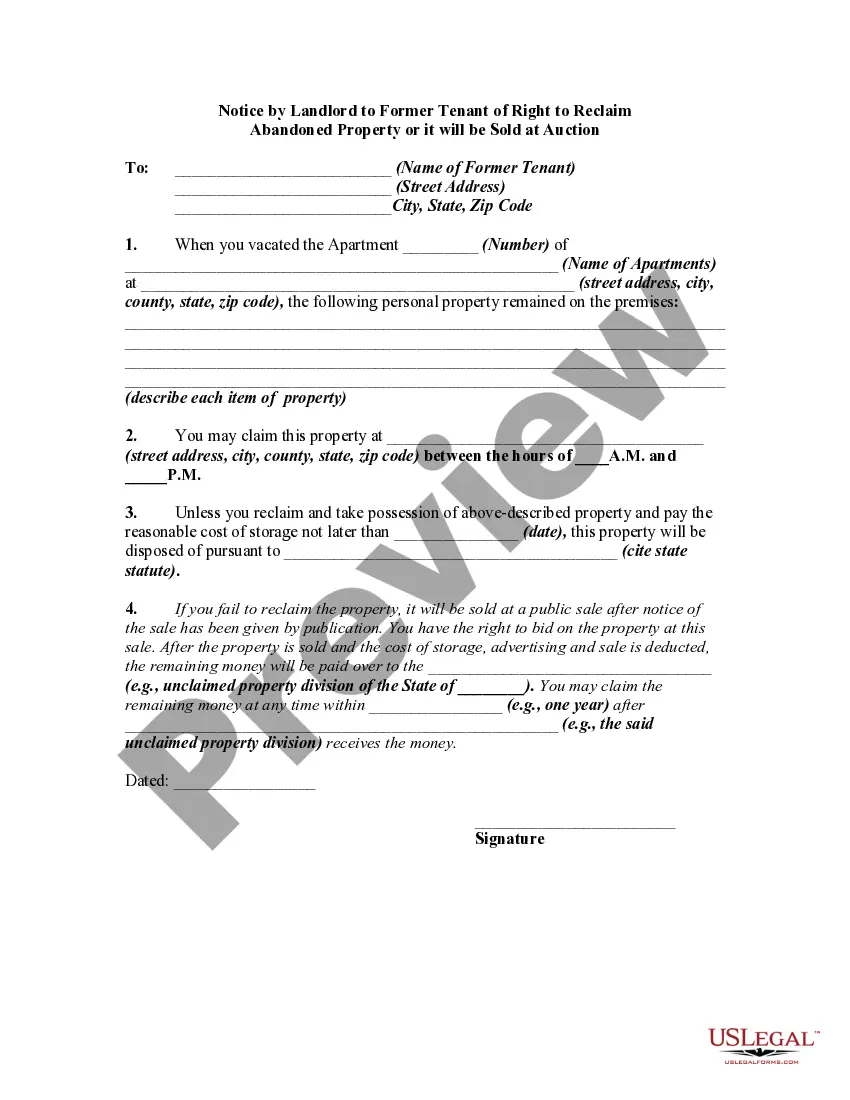
How to fill out Property Claimed As Exempt - Schedule C - Form 6C - Post 2005?
Managing legal documentation can be daunting, even for the most skilled professionals.
When searching for a Property Claimed Exempt Withholding and unable to dedicate time to find the current and correct version, the process can be stressful.
With US Legal Forms, you can utilize sophisticated tools to manage and oversee your Property Claimed Exempt Withholding.
Tap into a resource collection of articles, guides, and manuals pertinent to your requirements.
Experience the US Legal Forms online library, supported by 25 years of experience and reliability. Streamline your document management process into a smooth and intuitive experience today.
- Save time and effort searching for the necessary documents by using US Legal Forms’ advanced search and Preview tool for Property Claimed Exempt Withholding.
- If you possess a membership, Log Into your US Legal Forms account, search for the form, and obtain it.
- Check the My documents section to view documents you've previously saved and organize your folders accordingly.
- If it's your first time using US Legal Forms, create a free account to gain unlimited access to all the features of the library.
- After locating the form you need, ensure it’s the correct version by previewing and reviewing its details.
- Confirm that the template is sanctioned in your region.
- Click on Buy Now when ready.
- Select a monthly subscription plan.
- Choose the format you prefer and Download, fill it out, eSign, print, and send your documents.
- Employ a robust online form library to make handling these scenarios easier for anyone.
- US Legal Forms is a top provider in online legal documentation, boasting over 85,000 jurisdiction-specific legal forms accessible at any time.
- Access state or county-specific legal and business documentation needs all in one convenient place.
Form popularity
FAQ
When asked if you are exempt from withholding, you should respond based on your tax eligibility. If you meet the criteria set by the IRS, you can confidently answer 'yes' and indicate your exempt status. Clarity and honesty in your answer will help ensure accurate tax withholding. Using our property claimed exempt withholding guidance can help you navigate this question effectively.
Claiming 1 reduces the amount of taxes that are withheld from weekly paychecks, so you get more money now with a smaller refund. Claiming 0 allowances may be a better option if you'd rather receive a larger lump sum of money in the form of your tax refund.
If you claim 0, you should expect a larger refund check. By increasing the amount of money withheld from each paycheck, you'll be paying more than you'll probably owe in taxes and get an excess amount back ? almost like saving money with the government every year instead of in a savings account.
To be exempt from withholding, both of the following must be true: You owed no federal income tax in the prior tax year, and. You expect to owe no federal income tax in the current tax year.
You can claim exemption from withholding only if both the following situations apply: For the prior year, you had a right to a refund of all federal income tax withheld because you had no tax liability. For the current year, you expect a refund of all federal income tax withheld because you expect to have no liability.
Exemption From Withholding To qualify for this exempt status, the employee must have had no tax liability for the previous year and must expect to have no tax liability for the current year. A Form W-4 claiming exemption from withholding is valid for only the calendar year in which it's furnished to the employer.