Non Exempt Exempt Difference
Description
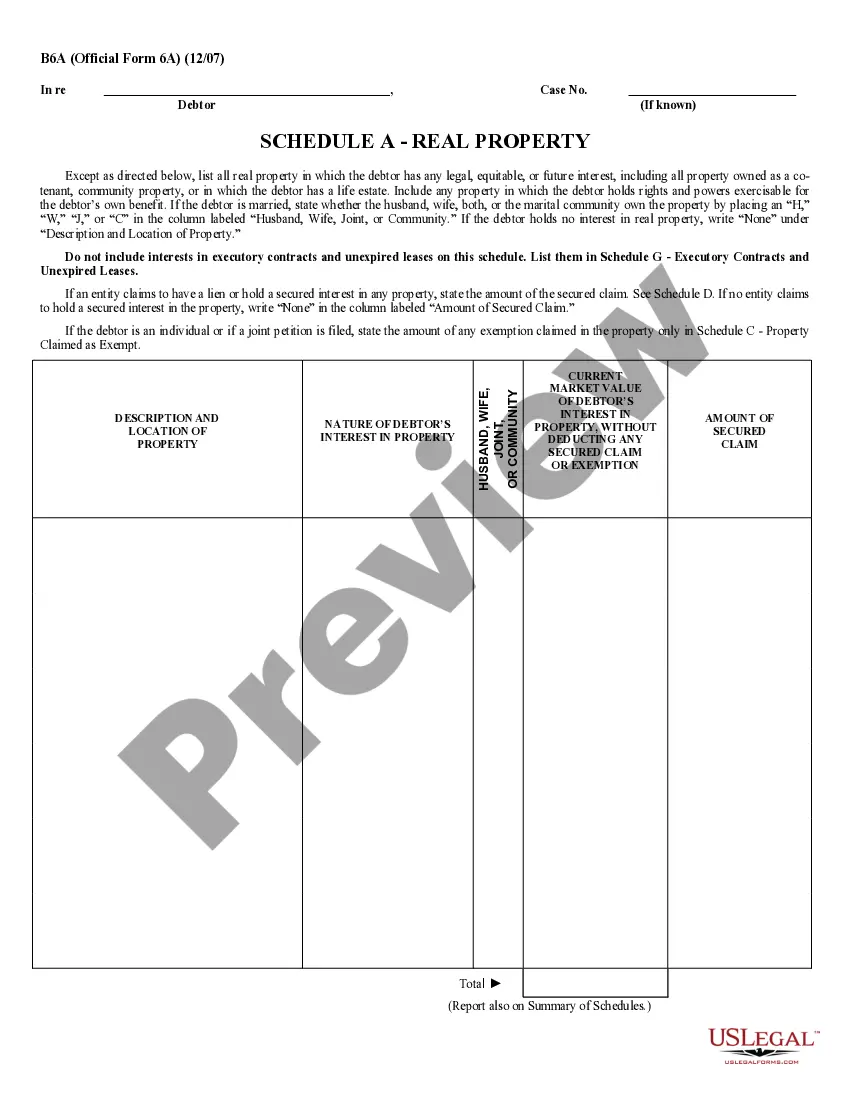
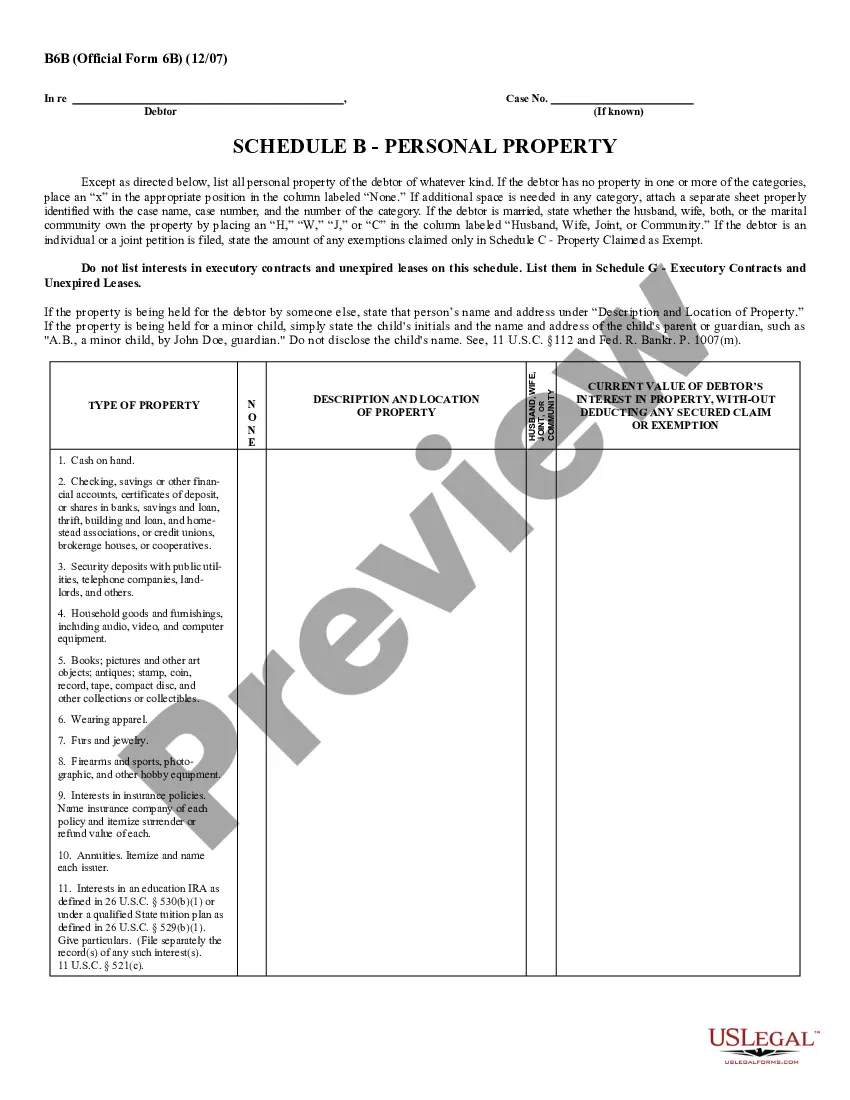

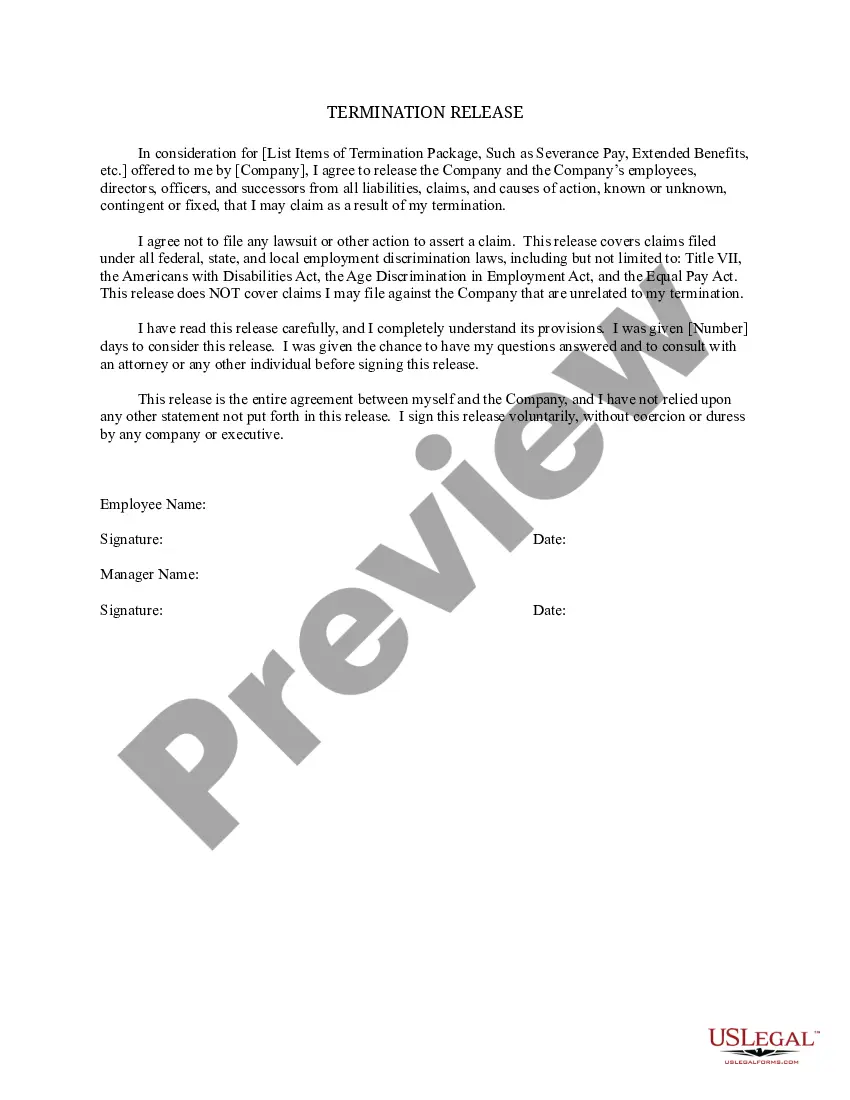

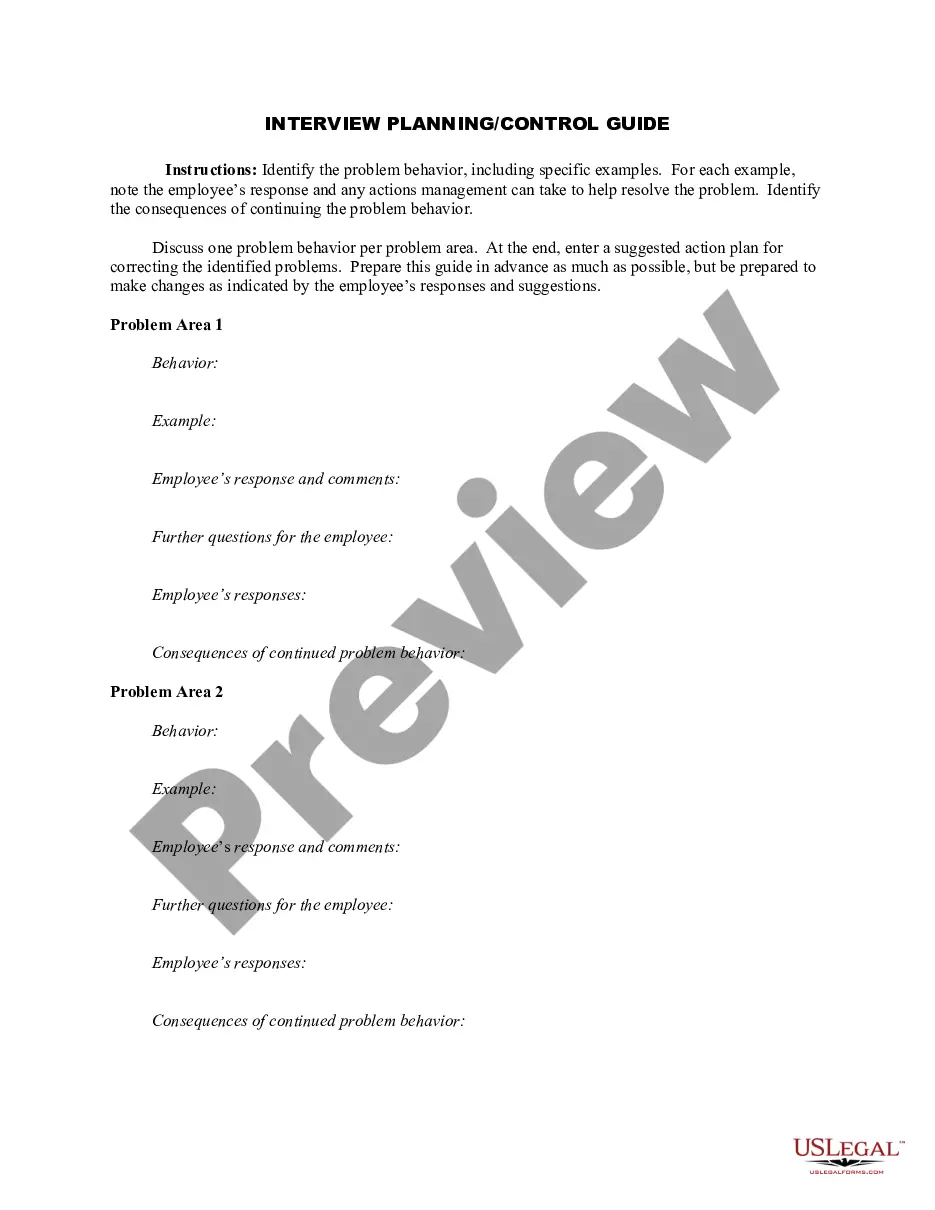
How to fill out Property Claimed As Exempt - Schedule C - Form 6C - Post 2005?
Creating legal documents from the beginning can frequently be overwhelming.
Certain situations may require extensive research and substantial expenses.
If you’re seeking a simpler and more cost-effective method of preparing Non Exempt Exempt Difference or any other forms without unnecessary complications, US Legal Forms is always at your service.
Our online repository of over 85,000 current legal documents covers nearly every aspect of your financial, legal, and personal matters.
Examine the form preview and descriptions to confirm that you are on the document you need. Ensure the form you select adheres to the regulations and laws of your state and county. Choose the most appropriate subscription plan to obtain the Non Exempt Exempt Difference. Download the file, then fill it out, authenticate, and print it. US Legal Forms boasts a flawless reputation and over 25 years of expertise. Join us today and make the document completion process simple and efficient!
- With just a few clicks, you can immediately access state- and county-specific templates meticulously crafted for you by our legal experts.
- Utilize our website whenever you require a dependable and trustworthy service through which you can swiftly locate and download the Non Exempt Exempt Difference.
- If you’re familiar with our website and have previously established an account with us, simply Log In to your account, select the form, and download it or re-download it anytime later in the My documents section.
- Not registered yet? No worries. It takes only a few minutes to set it up and browse the catalog.
- Before diving directly into downloading the Non Exempt Exempt Difference, adhere to these guidelines.
Form popularity
FAQ
Non-Exempt - A type of job status protected by the Fair Labor Standards Act (FLSA) ensuring that employees receive at least the minimum hourly wage and overtime pay for hours worked over 40 hours per week. Typical non-exempt positions are maintenance, clerical, service, technical and para- professional employees.
Non exempt employees are workers who are entitled to earn at least the federal minimum wage and qualify for overtime pay, which is calculated as one-and-a-half times their hourly rate for every hour they work above and beyond a standard 40-hour workweek.
To qualify for exemption, employees must meet the following three tests: Minimum wage requirements of $35,568 per year (or $684 per week). Paid on a consistent salaried basis. Performs specific job duties.
So, how does one decide if an employee is exempt vs. non exempt? Pay rate, job duties and responsibilities are all key factors in determining if an employee is exempt or non-exempt, not the type of clothes they wear or their work environment.
The primary difference in status between exempt and non-exempt employees is their eligibility for overtime. Under federal law, that status is determined by the Fair Labor Standards Act (FLSA). Exempt employees are not entitled to overtime, while non-exempt employees are.