Case Bankruptcy File For Business
Description
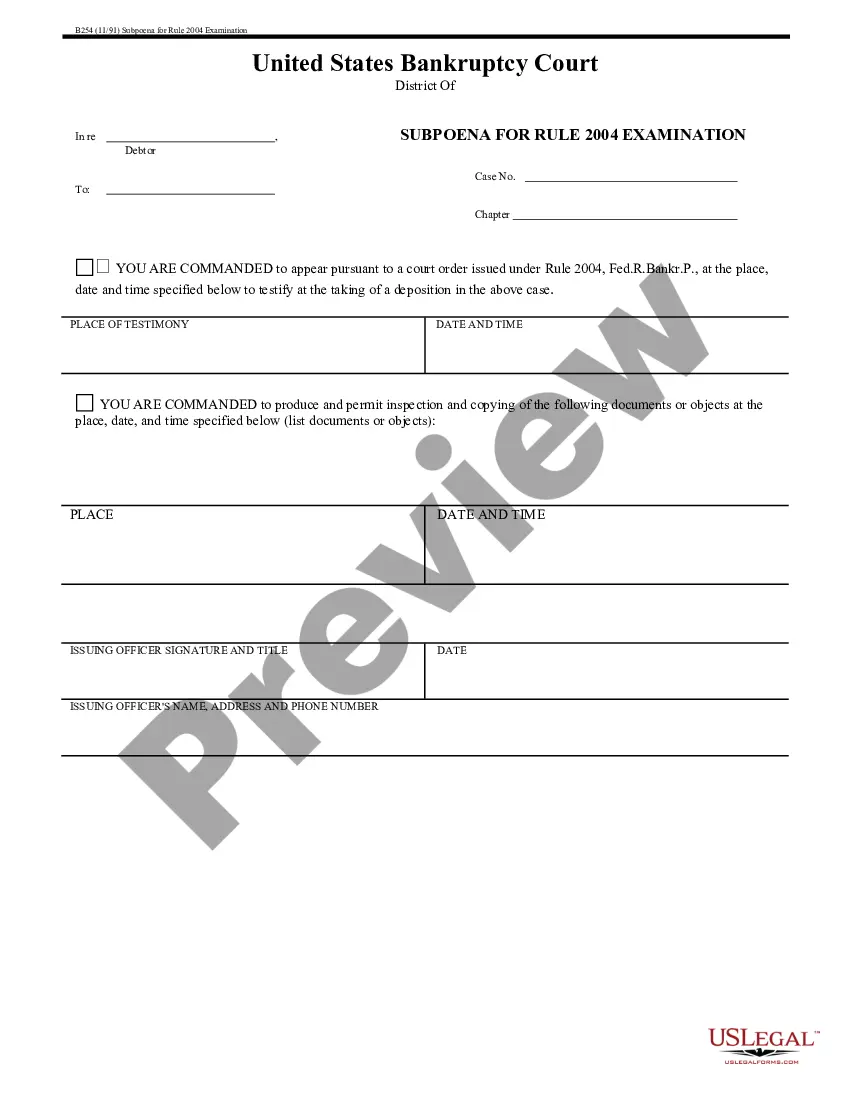
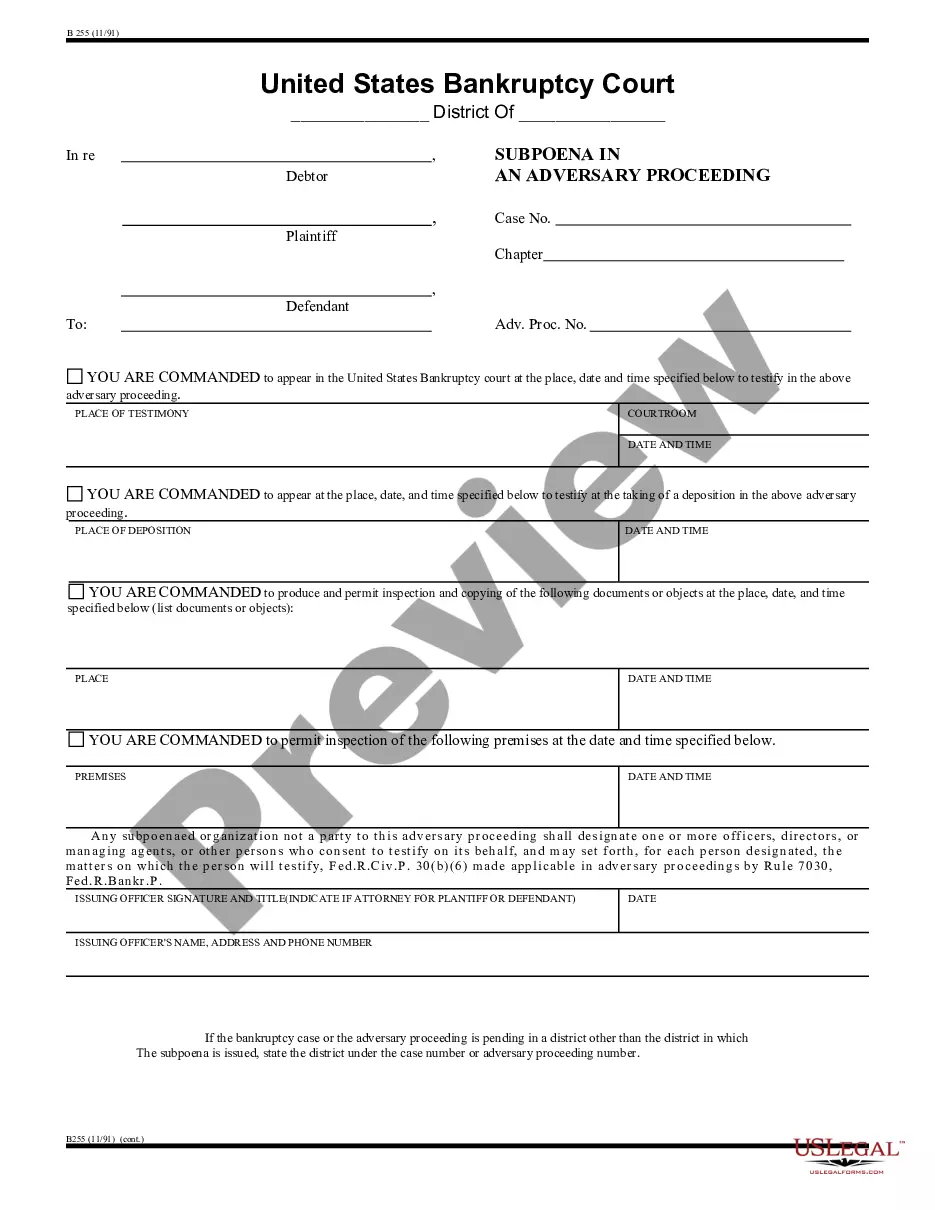


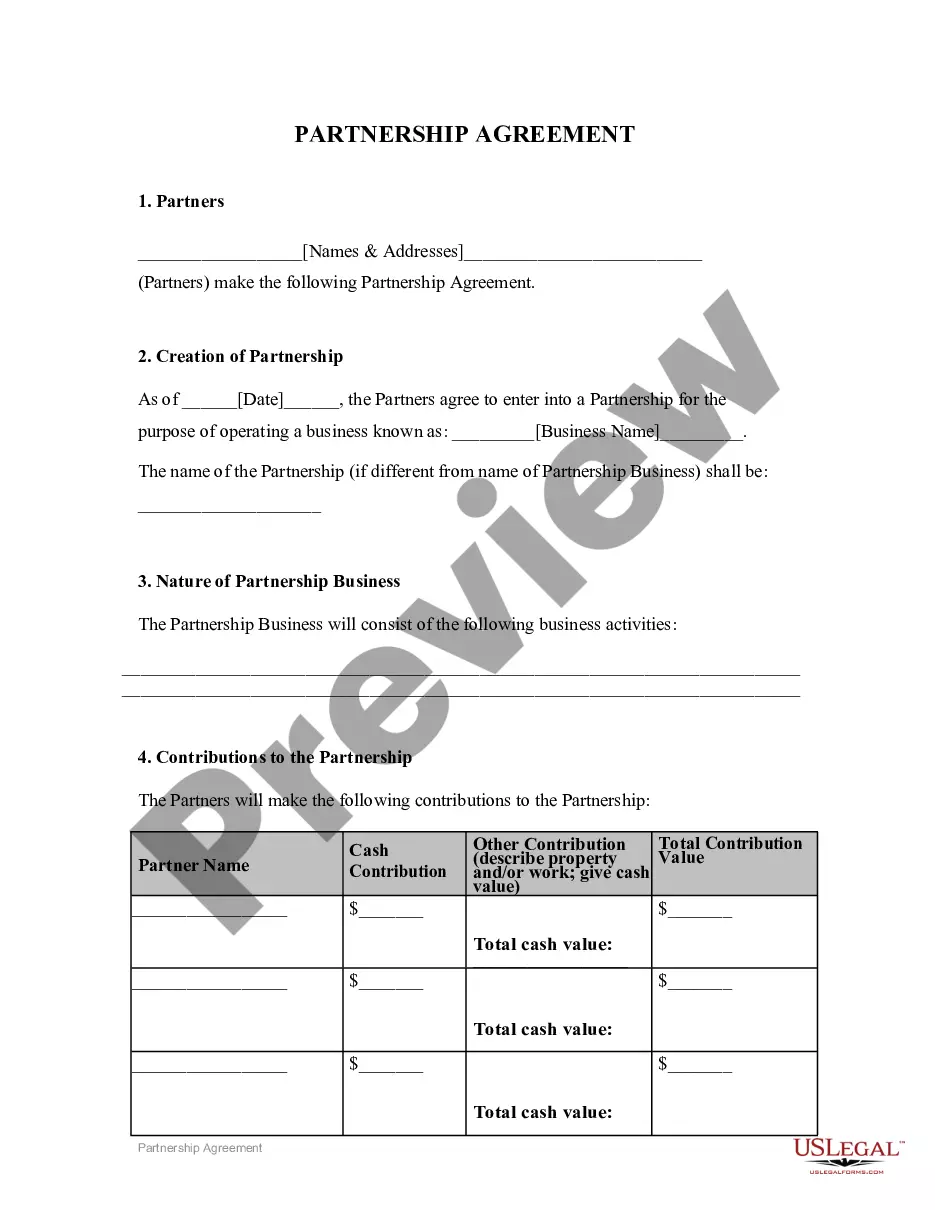
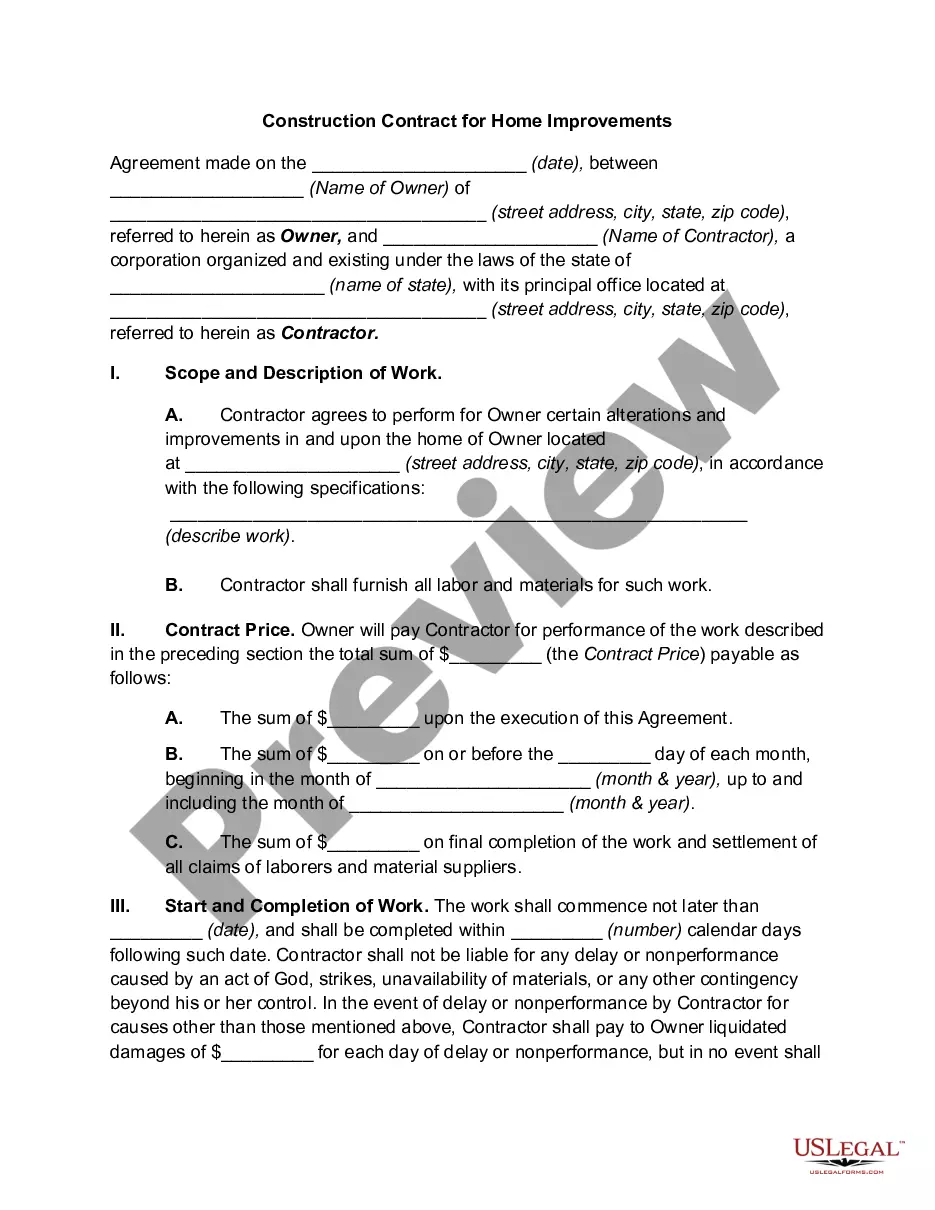
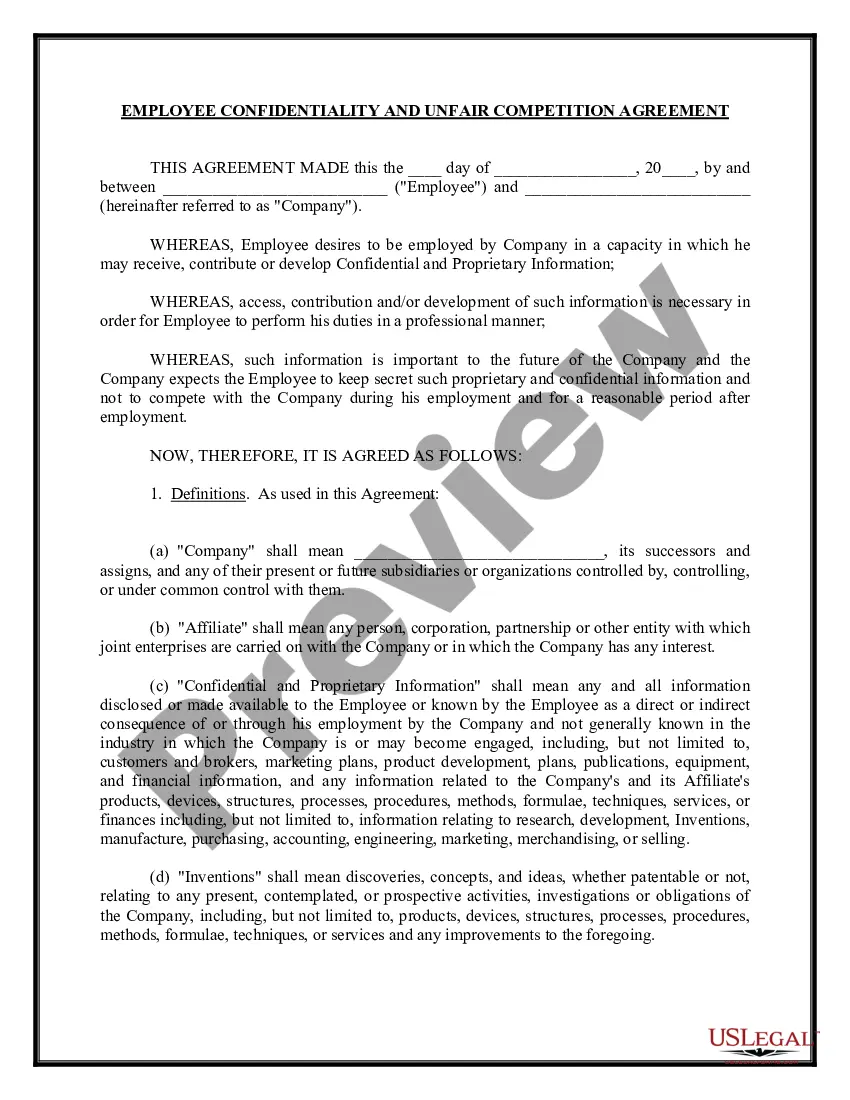
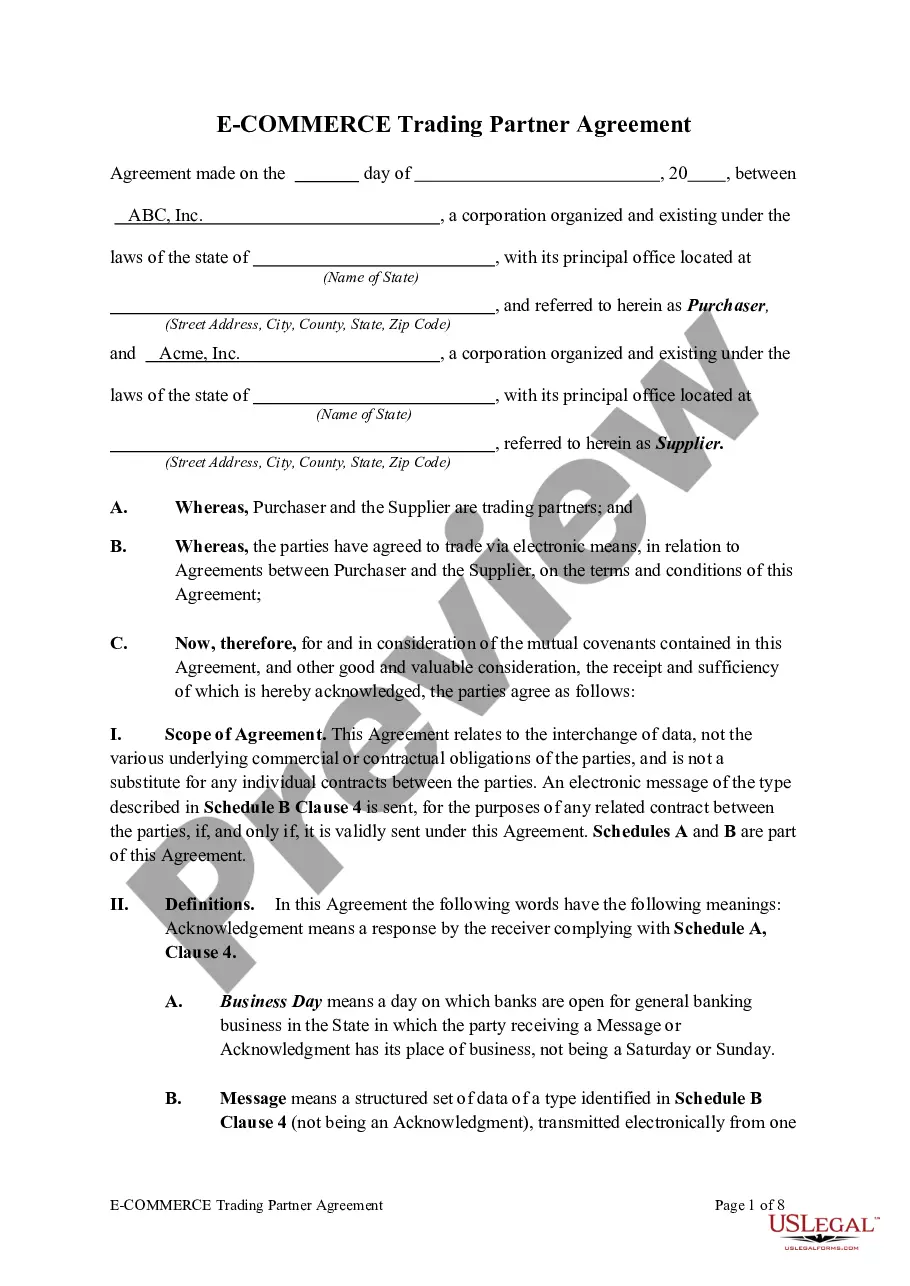
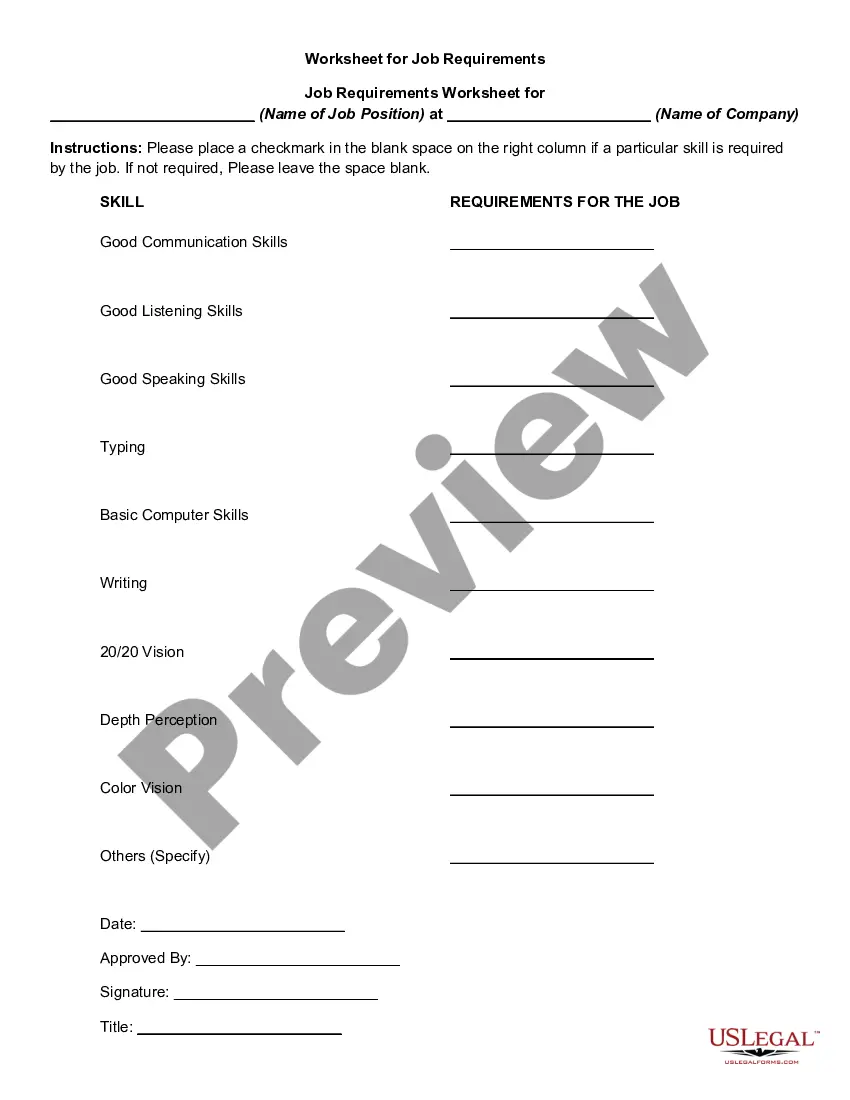
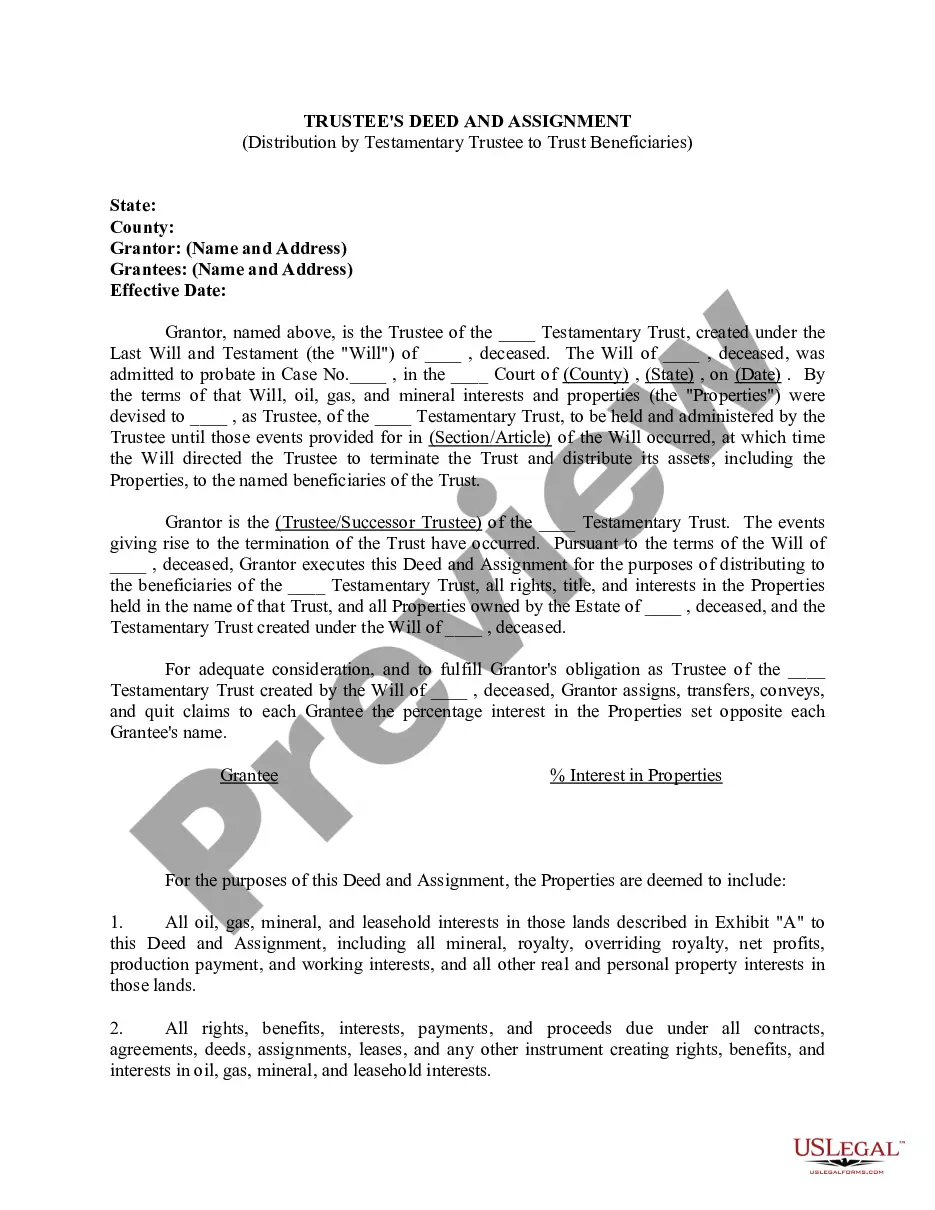
How to fill out Subpoena In A Case Under The Bankruptcy Code - B 256?
Identifying a reliable location to obtain the latest and pertinent legal templates is half the battle of navigating bureaucracy.
Finding the appropriate legal documents requires precision and meticulousness, which is why it is crucial to obtain samples of Case Bankruptcy File For Business exclusively from reputable sources, such as US Legal Forms.
Once you have the form on your device, you can modify it with the editor or print it and complete it manually. Eliminate the hassle associated with your legal documentation. Explore the extensive US Legal Forms catalog to find legal templates, evaluate their relevance to your situation, and download them instantly.
- A faulty template will squander your time and prolong the situation you are facing.
- With US Legal Forms, you have minimal concerns.
- You can access and review all the information related to the document’s applicability and significance for your circumstances and in your state or locality.
- Employ the library navigation or search feature to find your sample.
- Examine the form’s details to determine if it meets the standards of your state and region.
- Preview the form, if available, to confirm that the template is the one you need.
- Return to the search and seek the suitable document if the Case Bankruptcy File For Business does not fulfill your criteria.
- Once you are confident about the form’s applicability, download it.
- If you are a registered user, click Log in to verify and access your selected forms in My documents.
- If you do not yet have an account, click Buy now to acquire the template.
- Choose the pricing option that aligns with your needs.
- Proceed to the registration to finalize your purchase.
- Complete your transaction by selecting a payment method (credit card or PayPal).
- Choose the file format for downloading Case Bankruptcy File For Business.
Form popularity
FAQ
When a small business files for bankruptcy, it automatically receives protection from creditors, halting collection efforts. This gives the business time to evaluate its finances and create a plan for repayment or liquidation. Depending on the bankruptcy type, the business might continue operating while restructuring its debts. Utilizing platforms like uslegalforms can simplify the filing process and ensure all necessary documents are completed accurately.
The best bankruptcy option for a small business often depends on its financial circumstances. Many small businesses benefit from Chapter 11, which allows them to reorganize and continue operations while repaying debts over time. Alternatively, Chapter 7 may be suitable for businesses that need to liquidate assets. Consulting with legal experts can help you choose the right case bankruptcy file for business that aligns with your goals.
The process of business bankruptcy begins when a business owner decides to file a case bankruptcy file for business due to overwhelming debts. First, the owner must complete specific forms to disclose the company's financial situation. After filing, the court will review the case and may appoint a trustee to oversee the process. This stage allows for the restructuring of debts or liquidation of assets, depending on the type of bankruptcy filed.
However, filing for bankruptcy is not free, and the process has associated costs. When an individual files for bankruptcy, they are typically responsible for paying the costs of the bankruptcy process, while the business is responsible for paying the costs of the bankruptcy process when a business files.
Property loss: Another negative to filing for bankruptcy, specifically under Chapter 7 provisions, is that you may lose some or all of your property. If the property is not exempt, it will be sold and used to pay off your outstanding debts.
While individuals can discharge unsecured debt by filing for Chapter 7 bankruptcy, business owners aren't entitled to a debt discharge unless the business is a sole proprietorship. The business and the owner are considered one entity in a sole proprietorship.
A corporation or LLC has two options for filing bankruptcy: Chapter 7 liquidation, or Chapter 11 reorganization. In a business Chapter 7 bankruptcy, the business is closed, all assets are liquidated by the bankruptcy trustee, and the proceeds from the business assets are paid out to the business's creditors.