Architect Evaluation Form For College
Description
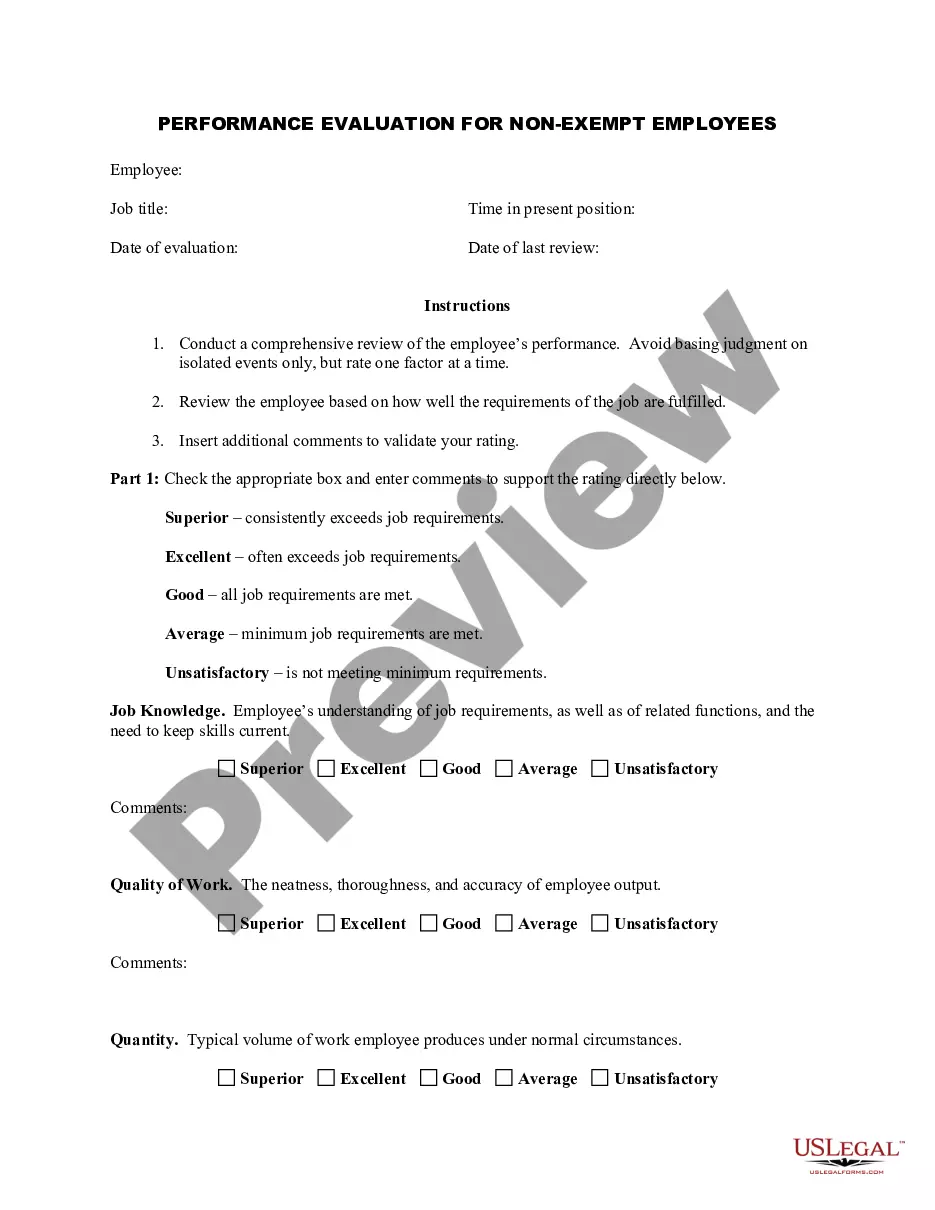
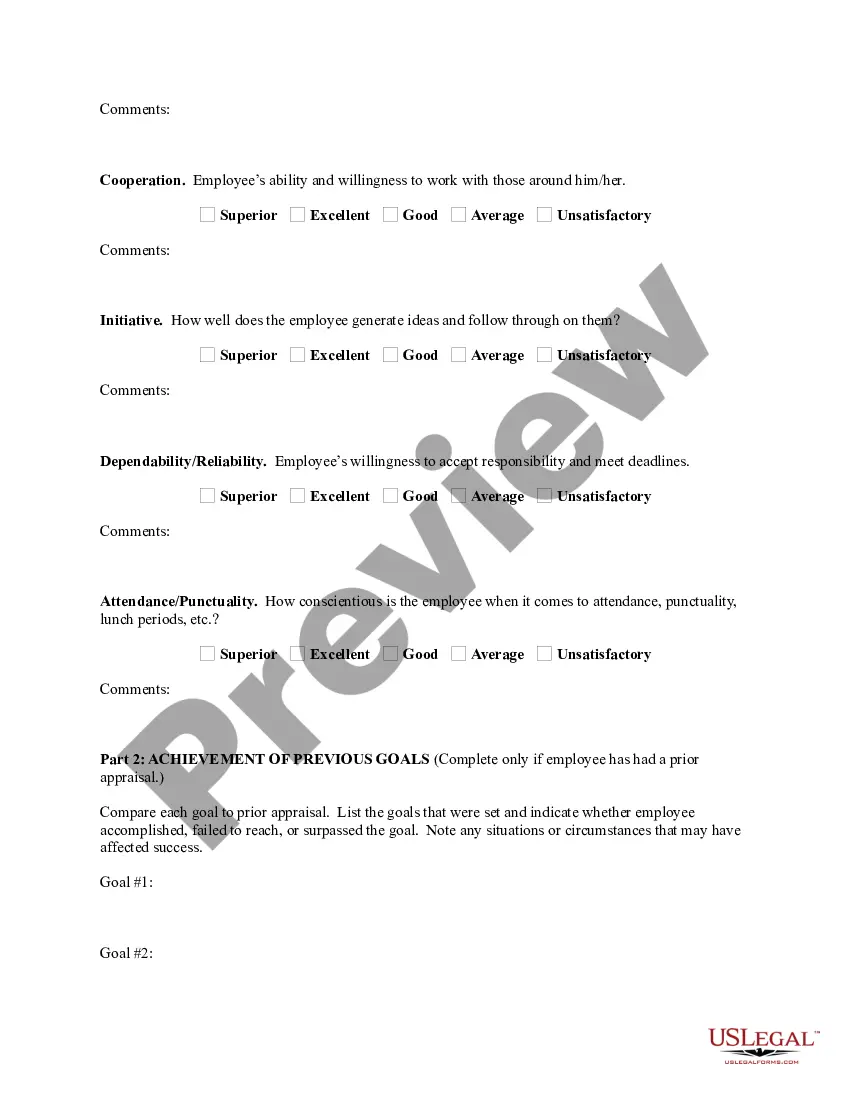
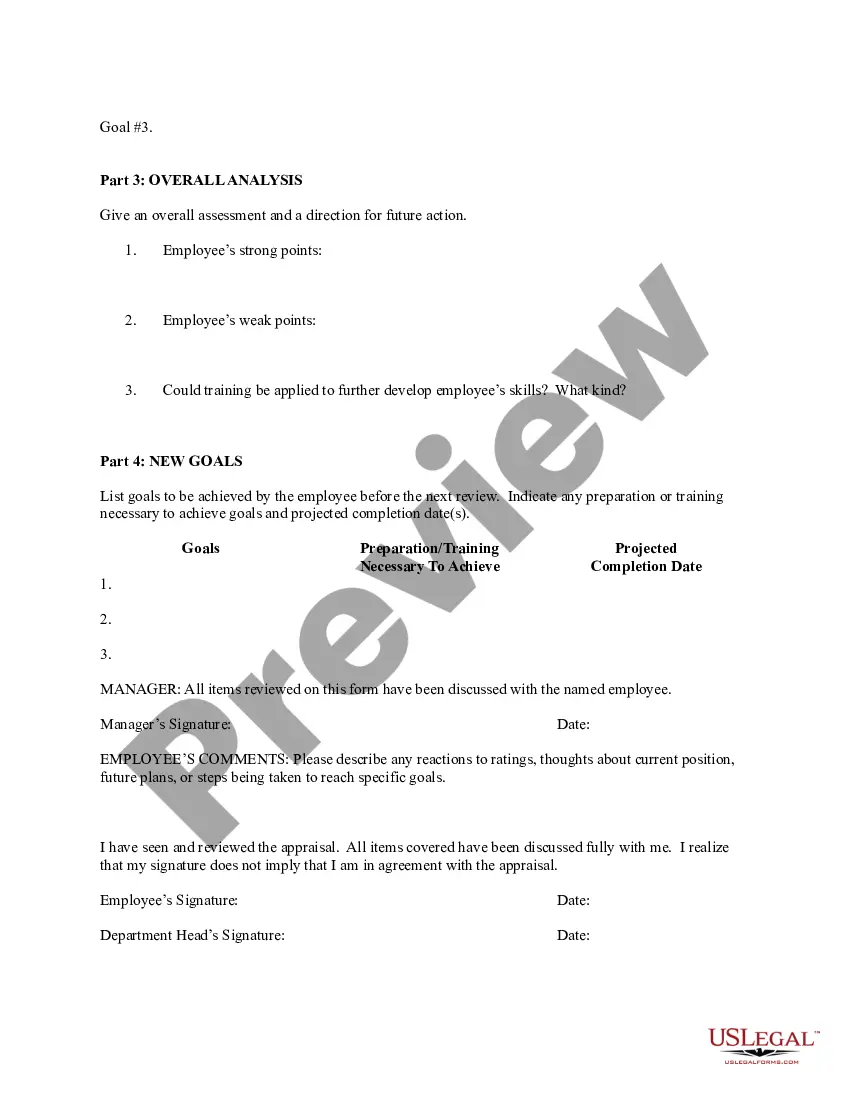
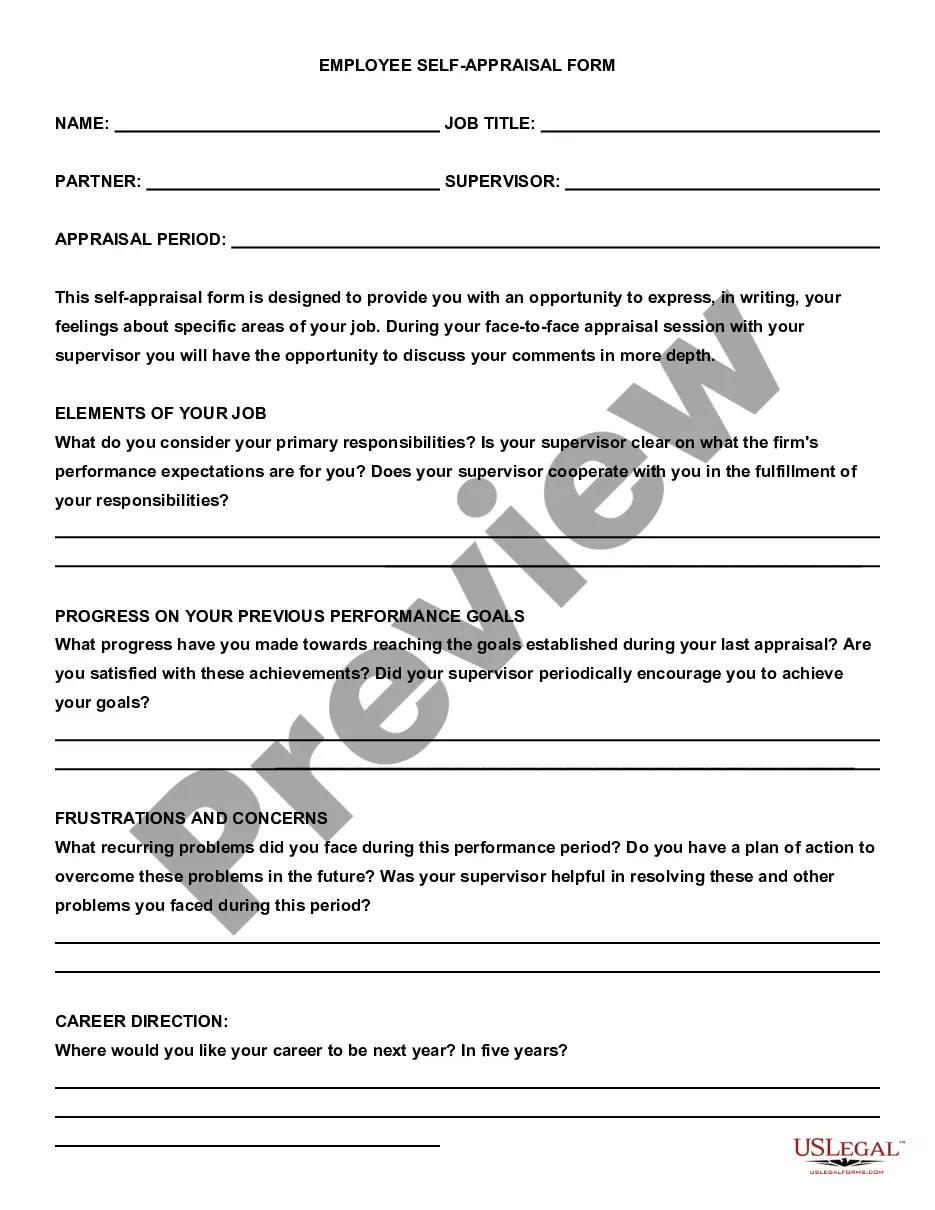
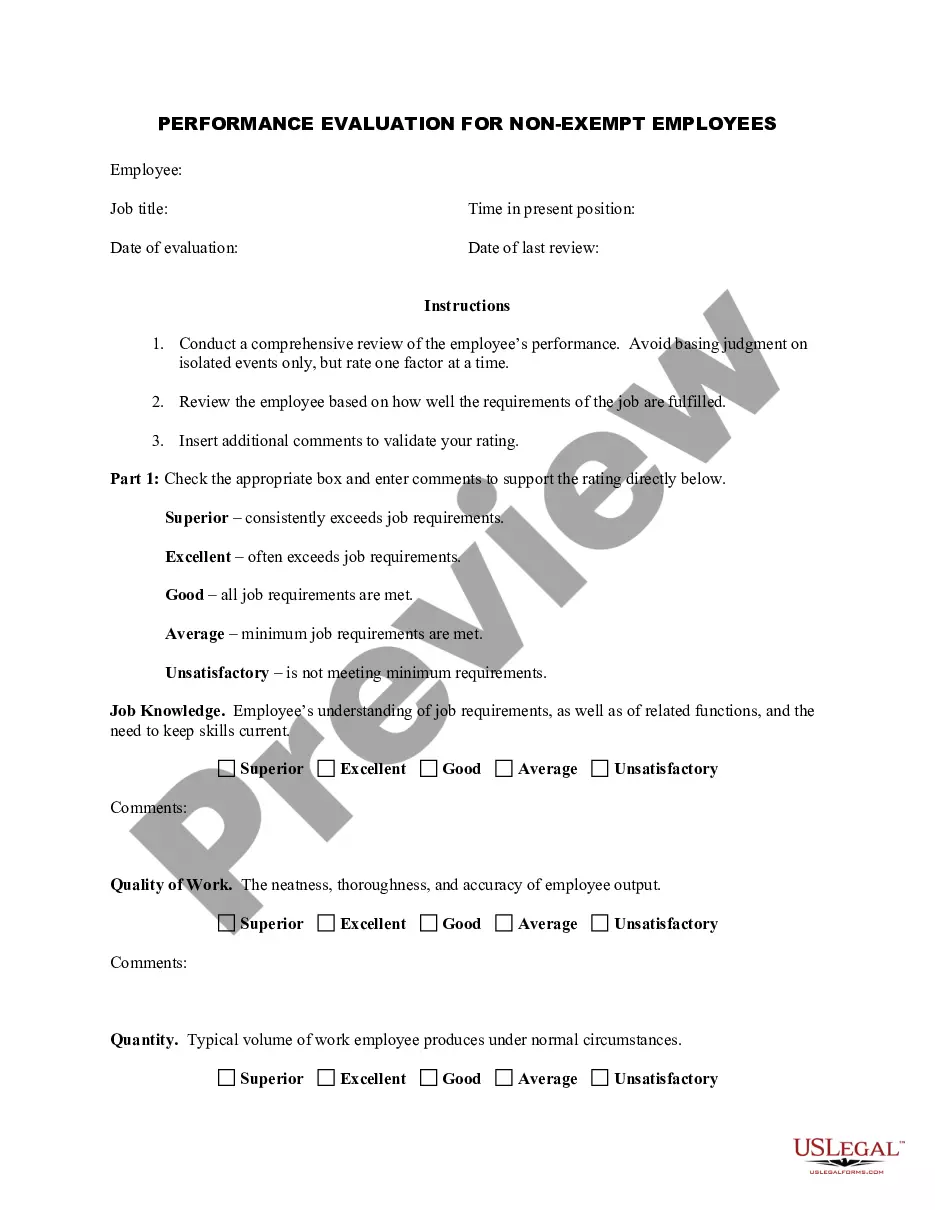
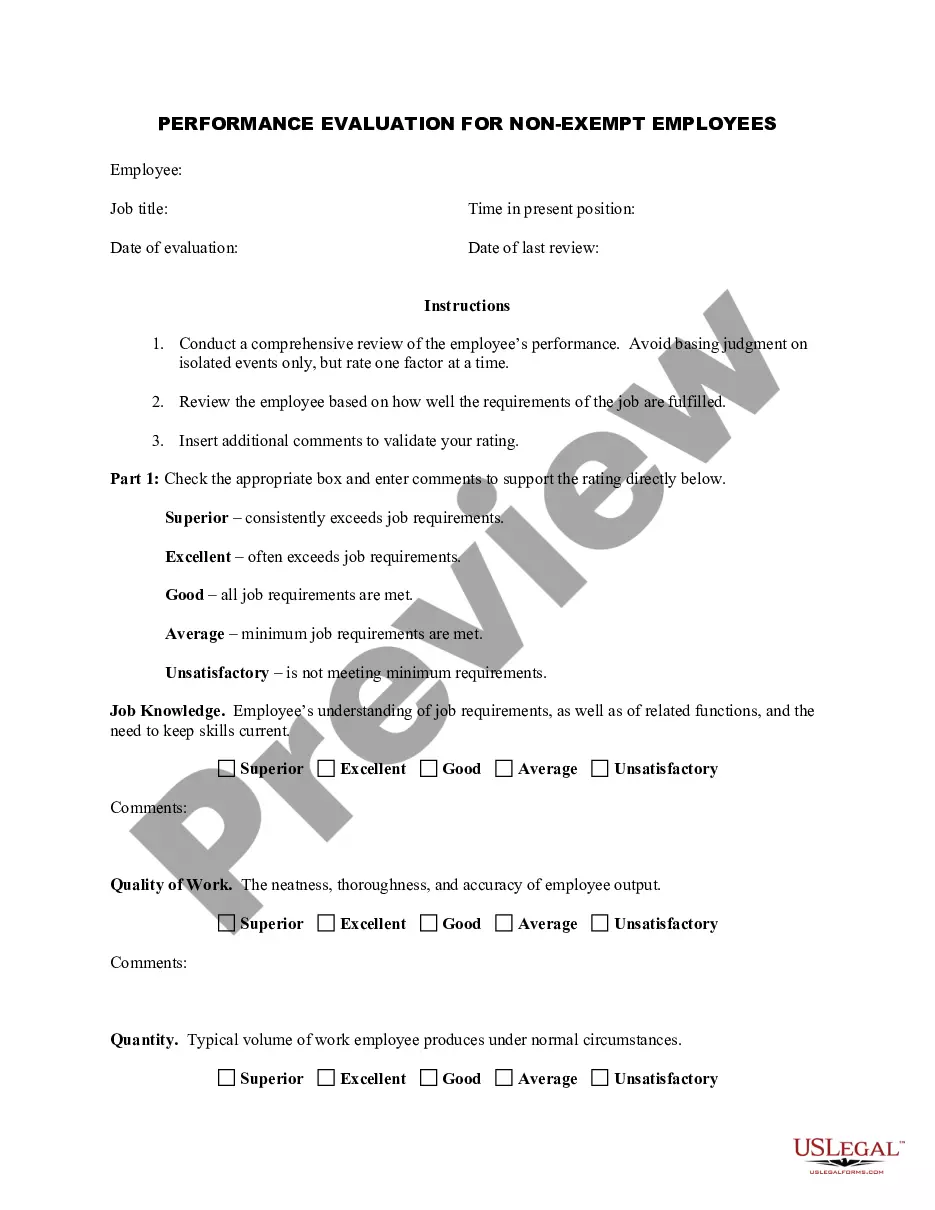
Get your form ready online
Our built-in tools help you complete, sign, share, and store your documents in one place.
Make edits, fill in missing information, and update formatting in US Legal Forms—just like you would in MS Word.
Download a copy, print it, send it by email, or mail it via USPS—whatever works best for your next step.
Sign and collect signatures with our SignNow integration. Send to multiple recipients, set reminders, and more. Go Premium to unlock E-Sign.
If this form requires notarization, complete it online through a secure video call—no need to meet a notary in person or wait for an appointment.
We protect your documents and personal data by following strict security and privacy standards.

Make edits, fill in missing information, and update formatting in US Legal Forms—just like you would in MS Word.

Download a copy, print it, send it by email, or mail it via USPS—whatever works best for your next step.

Sign and collect signatures with our SignNow integration. Send to multiple recipients, set reminders, and more. Go Premium to unlock E-Sign.

If this form requires notarization, complete it online through a secure video call—no need to meet a notary in person or wait for an appointment.

We protect your documents and personal data by following strict security and privacy standards.
Looking for another form?








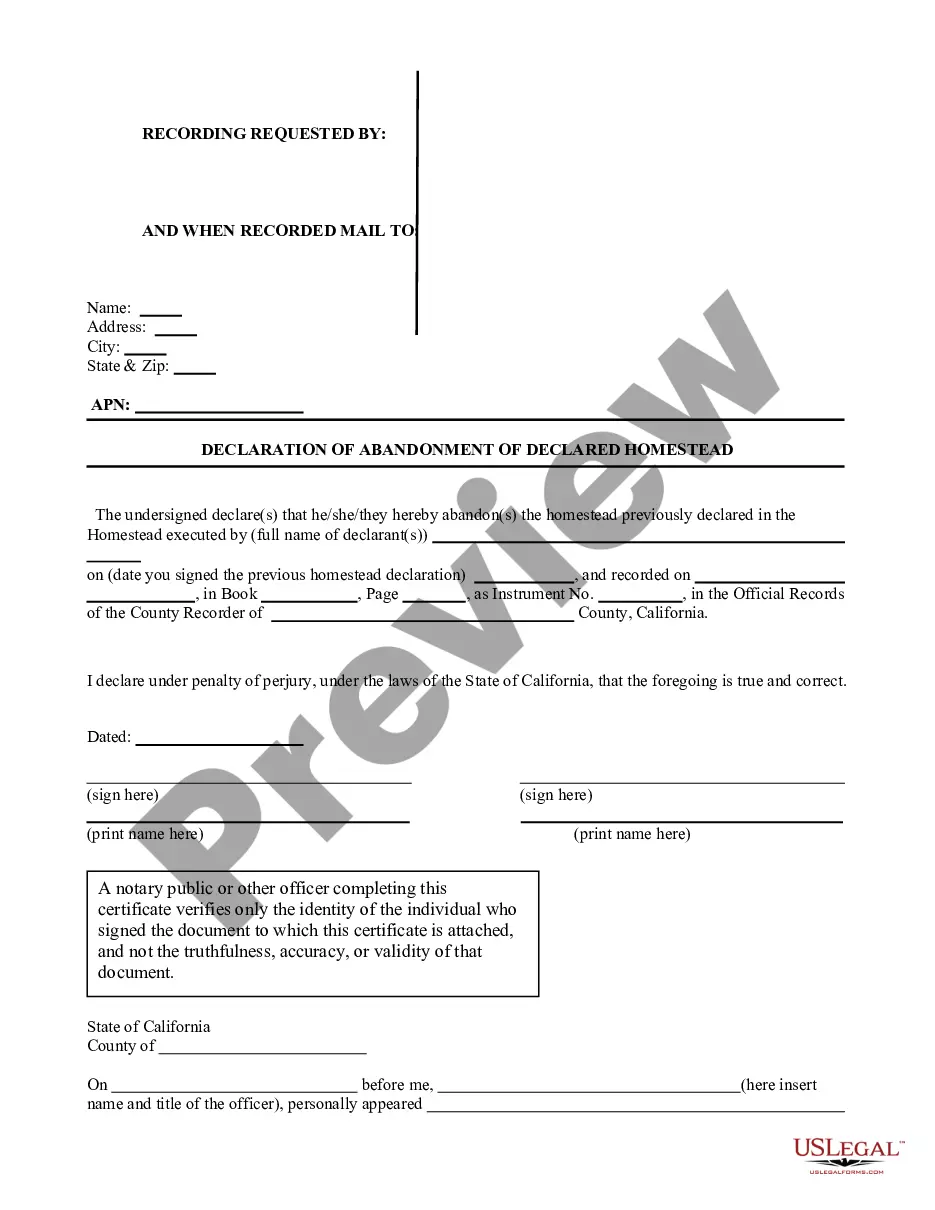

How to fill out Employee Evaluation Form For Architect?
Finding a go-to place to access the most current and appropriate legal templates is half the struggle of dealing with bureaucracy. Discovering the right legal files requirements accuracy and attention to detail, which is why it is important to take samples of Architect Evaluation Form For College only from trustworthy sources, like US Legal Forms. A wrong template will waste your time and hold off the situation you are in. With US Legal Forms, you have very little to worry about. You can access and check all the information regarding the document’s use and relevance for your situation and in your state or region.
Consider the following steps to complete your Architect Evaluation Form For College:
- Use the catalog navigation or search field to find your sample.
- Open the form’s description to check if it fits the requirements of your state and area.
- Open the form preview, if available, to make sure the form is the one you are looking for.
- Resume the search and find the proper template if the Architect Evaluation Form For College does not fit your needs.
- When you are positive about the form’s relevance, download it.
- When you are an authorized user, click Log in to authenticate and gain access to your picked forms in My Forms.
- If you do not have a profile yet, click Buy now to get the template.
- Choose the pricing plan that fits your preferences.
- Go on to the registration to complete your purchase.
- Complete your purchase by selecting a payment method (bank card or PayPal).
- Choose the document format for downloading Architect Evaluation Form For College.
- Once you have the form on your device, you can change it with the editor or print it and complete it manually.
Eliminate the hassle that comes with your legal documentation. Explore the comprehensive US Legal Forms collection to find legal templates, examine their relevance to your situation, and download them immediately.
Form popularity
FAQ
Those wishing to verify the status in Canada of a professional architecture degree earned abroad should contact the Canadian Architectural Certification Board (CACB): info@cacb.ca.
The architecture assessment process has the following objectives: ? Clarify quality attribute requirements for the system. Review the architecture of the system and its documentation to provide a solution that can meet functional and non-functional requirements. Document architectural decisions and rationale.
Architecture evaluation is the activity of evaluating the architectural design decisions of an (envisioned) system to build confidence that the system can fulfill the stakeholder concerns. Typically, evaluation techniques actually evaluate what is documented in an architecture description.
Portfolio Format Applicant's name and contact information. Table of contents. A description of the applicant's individual contribution to any group or professional design projects. Academic, personal, and/or professional projects. Each project should include: Project title and date.
The architecture assessment process has the following objectives: ? Clarify quality attribute requirements for the system. Review the architecture of the system and its documentation to provide a solution that can meet functional and non-functional requirements. Document architectural decisions and rationale.