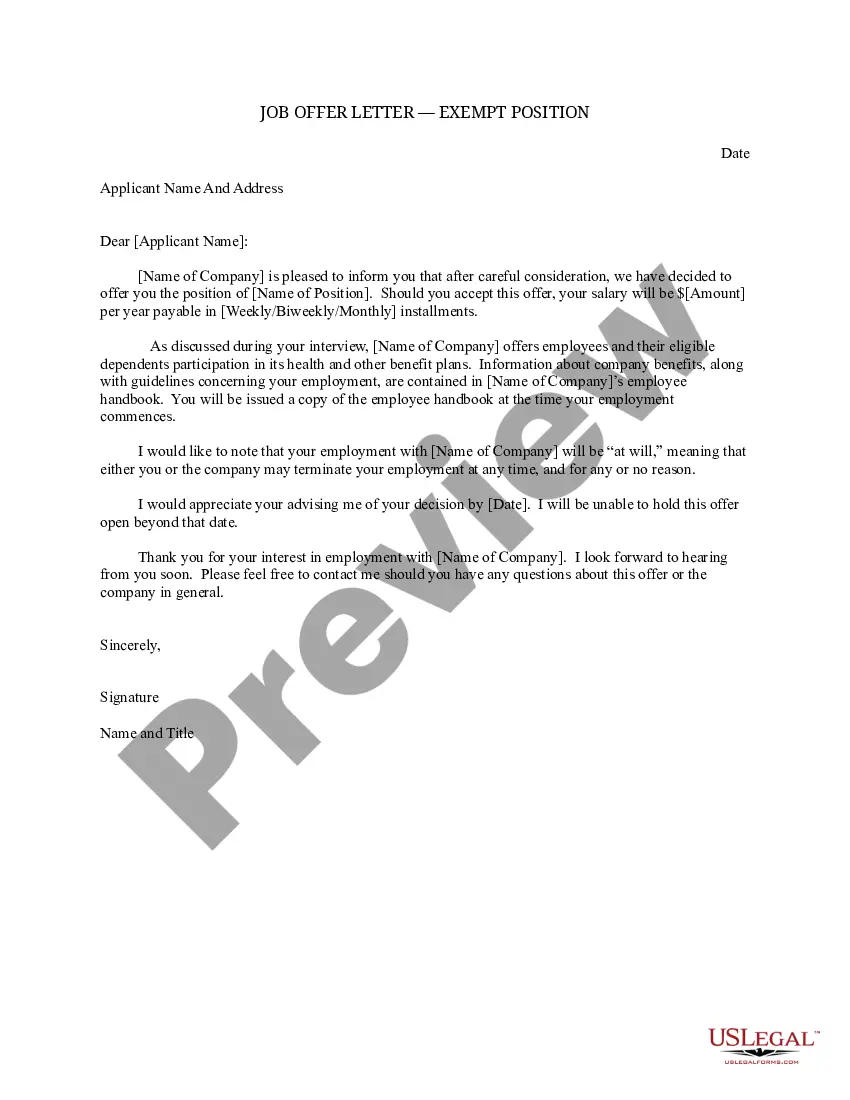
Offer Letter With Salary Breakup
Description
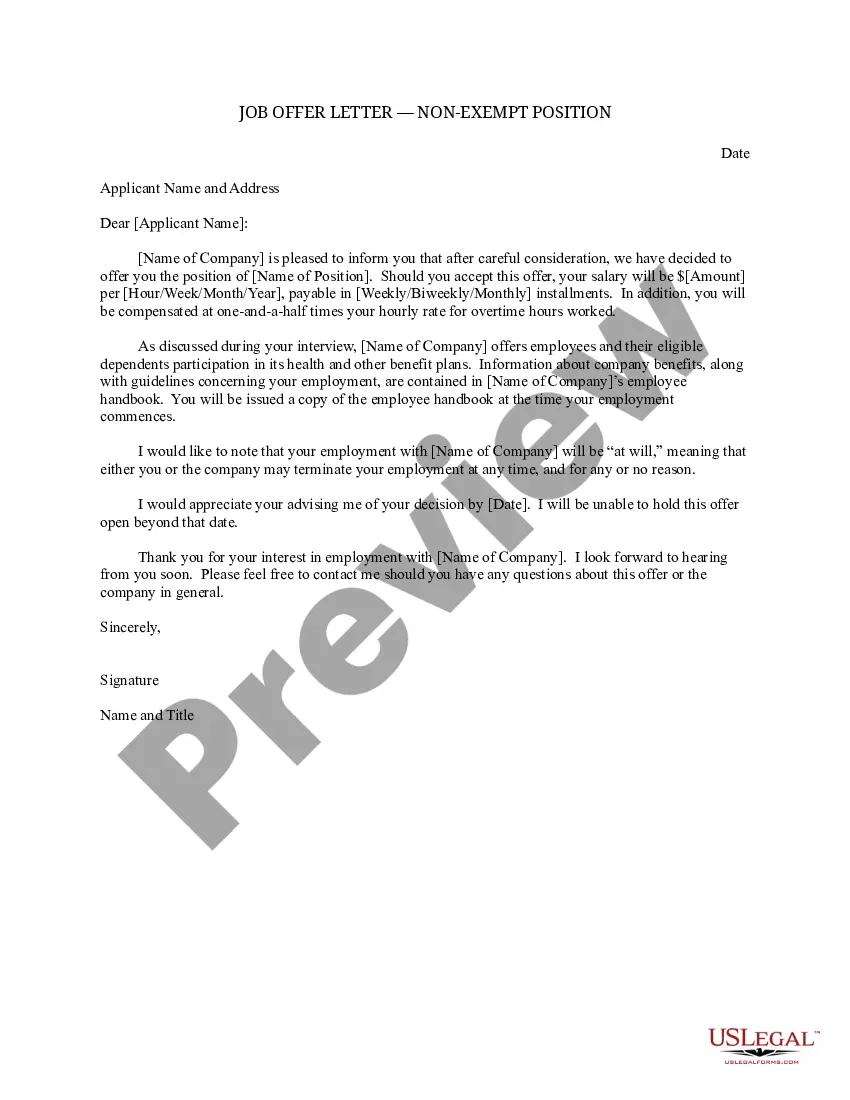
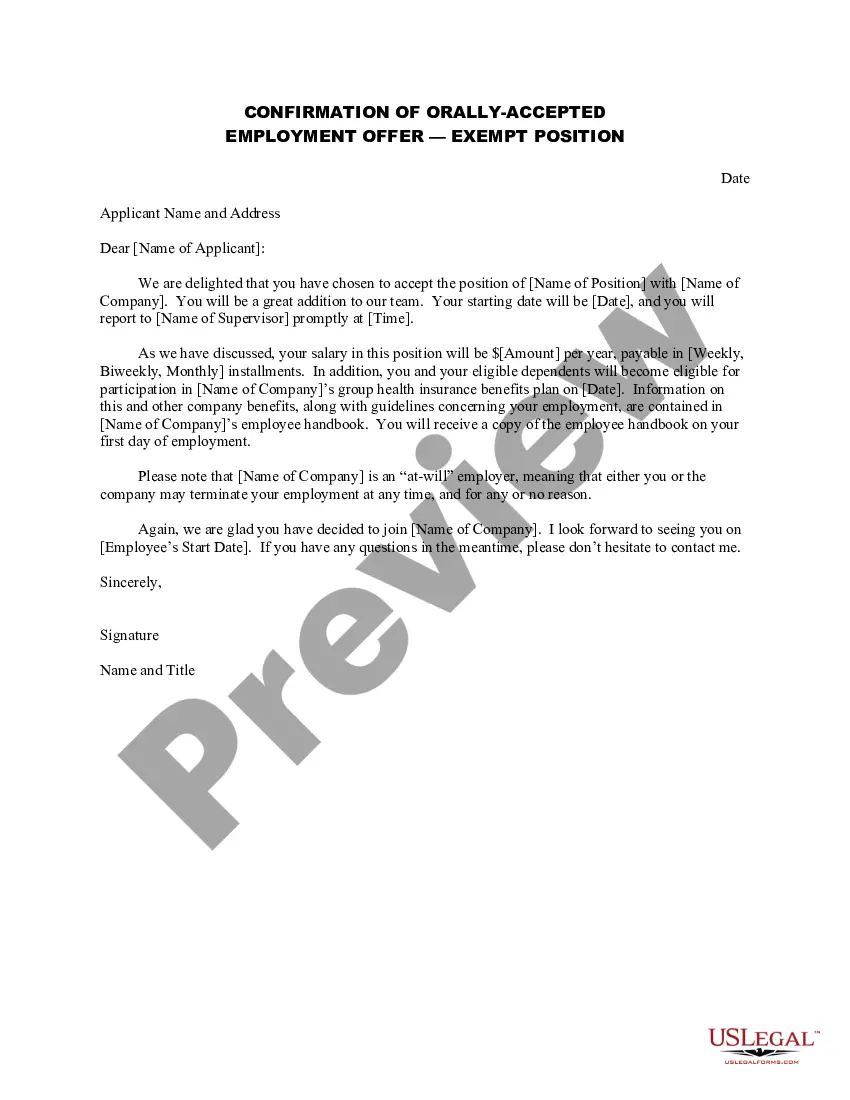
Get your form ready online
Our built-in tools help you complete, sign, share, and store your documents in one place.
Make edits, fill in missing information, and update formatting in US Legal Forms—just like you would in MS Word.
Download a copy, print it, send it by email, or mail it via USPS—whatever works best for your next step.
Sign and collect signatures with our SignNow integration. Send to multiple recipients, set reminders, and more. Go Premium to unlock E-Sign.
If this form requires notarization, complete it online through a secure video call—no need to meet a notary in person or wait for an appointment.
We protect your documents and personal data by following strict security and privacy standards.

Make edits, fill in missing information, and update formatting in US Legal Forms—just like you would in MS Word.

Download a copy, print it, send it by email, or mail it via USPS—whatever works best for your next step.

Sign and collect signatures with our SignNow integration. Send to multiple recipients, set reminders, and more. Go Premium to unlock E-Sign.

If this form requires notarization, complete it online through a secure video call—no need to meet a notary in person or wait for an appointment.

We protect your documents and personal data by following strict security and privacy standards.
Looking for another form?









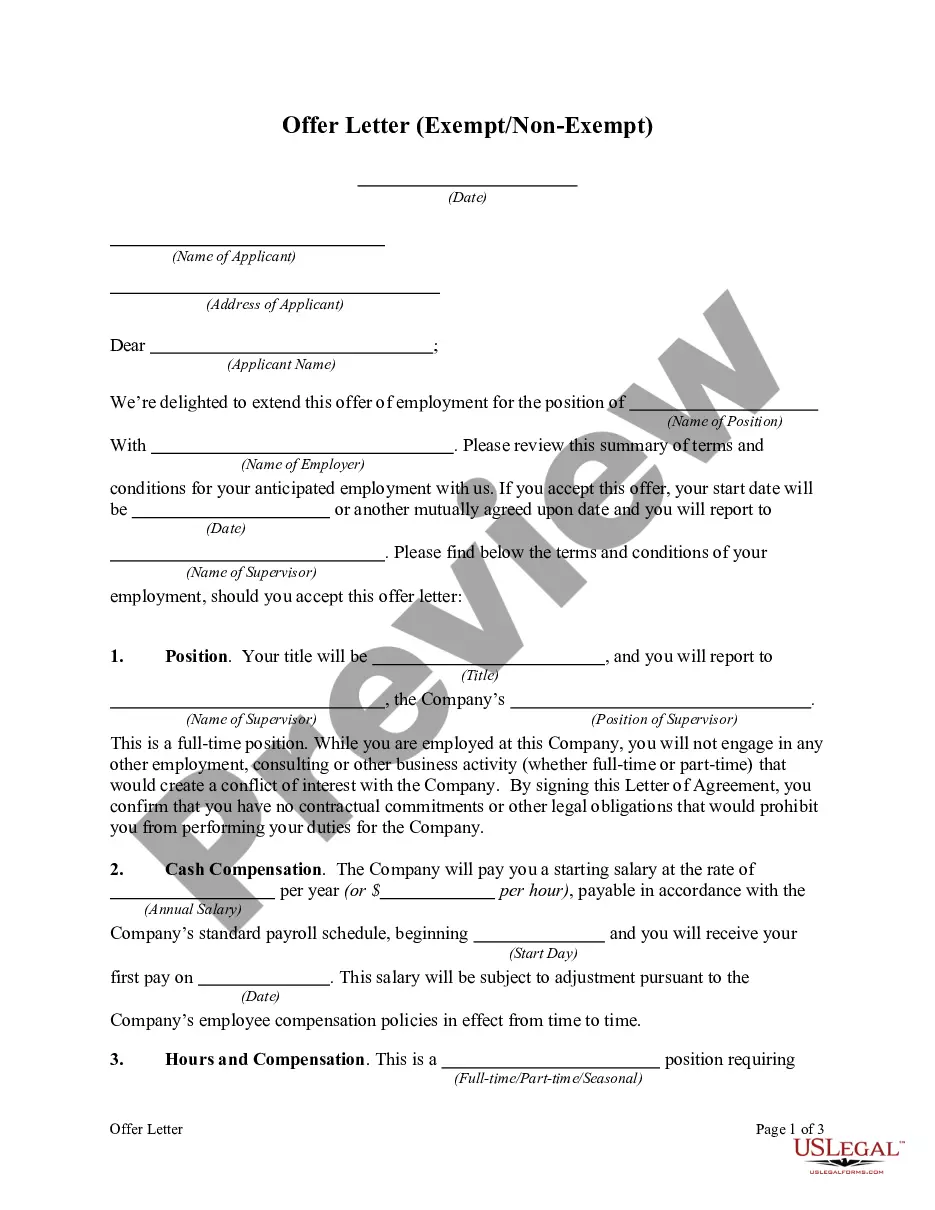
How to fill out Job Offer Letter - Exempt Position - Detailed?
- If you are a returning user, log in to your US Legal Forms account. Ensure your subscription is active to access the document library.
- For first-time users, start by exploring the template options available. Review the Preview mode and descriptions to find an offer letter template that fits your needs.
- If adjustments are necessary, use the Search function to locate alternate templates that meet your jurisdictional requirements.
- Once you've selected the appropriate document, click on the 'Buy Now' button and choose your preferred subscription plan. You will need to create an account for full access.
- Enter your payment information via credit card or PayPal to finalize your purchase.
- After purchase, download the form directly to your device. You can easily revisit it from the 'My Forms' section in your account for future needs.
In conclusion, US Legal Forms offers a streamlined way to create customized legal documents, including offer letters with salary breakups. With an extensive library and expert assistance, you can ensure that your documents are both accurate and compliant.
Start your journey with US Legal Forms today to simplify your legal document creation process!
Form popularity
FAQ
Yes, you can negotiate your salary before receiving your offer letter. It's important to discuss your expectations openly with your prospective employer. By addressing salary details upfront, you ensure that your offer letter with salary breakup reflects an agreement that meets both your needs and the company's budget. Be clear about your value and do your research, as this will help strengthen your negotiation.
A red flag in a job offer may include unclear job responsibilities or vague salary details that lack an offer letter with salary breakup. If the company has not provided a comprehensive breakdown of compensation or if you notice inconsistencies in their communication, these may indicate underlying issues. It’s important to carefully review any offer before making your decision.
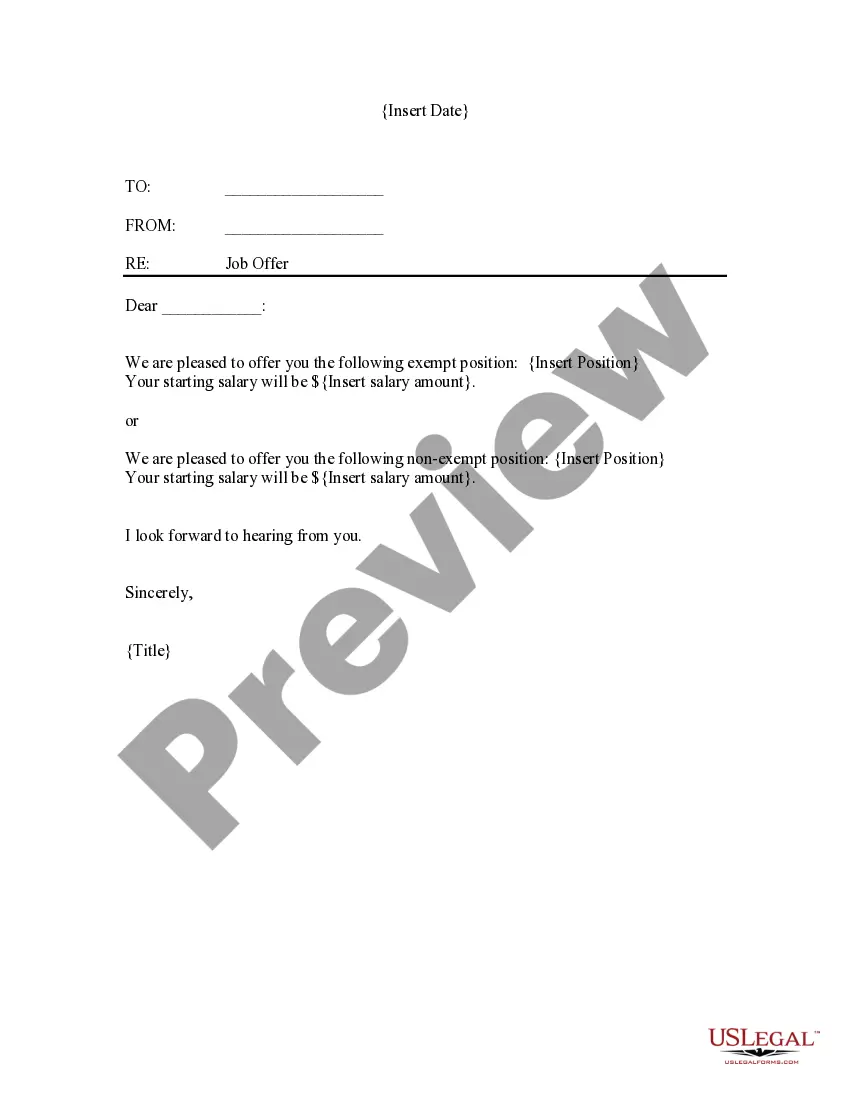
An offer letter should include important details such as job title, salary, benefits, start date, and any conditions related to employment. Additionally, it should clearly outline the offer letter with salary breakup, explaining fixed and variable components of the compensation. This clarity helps set the right expectations for both the employer and the candidate.
An offer letter should avoid ambiguous language and any terms that may confuse the candidate. Do not include subjective opinions or vague promises about future raises or promotions. Instead, focus on specific elements, ensuring that the offer letter with salary breakup is clear and precise, detailing exactly what the candidate can expect.
Yes, it is acceptable to negotiate your salary after receiving an offer letter. While the offer may seem final, many employers appreciate when candidates seek clarity or propose adjustments based on market rates or personal qualifications. Keep in mind that a well-structured offer letter with salary breakup can provide a solid foundation for your negotiations.
The number one rule of salary negotiation is to know your worth and prepare accordingly. Understand the industry standards for your role, and be ready to present this information confidently. It is essential to approach the conversation with a clear mindset, focusing on the value you bring to the organization. This preparation will help you navigate discussions about the offer letter with salary breakup more effectively.
Replying to an offer letter for salary negotiation should be done thoughtfully. Start by expressing gratitude for the offer and your enthusiasm for the position. Next, present your counter offer, referencing the offer letter with salary breakup to substantiate your request. Keep the tone positive and professional, showing your willingness to find common ground.
Absolutely, you should negotiate salary after receiving an offer letter. It demonstrates that you are confident in your worth and can lead to a more favorable compensation package. Review the offer letter with salary breakup carefully to find areas where you feel adjustments can be made. Remember, many employers expect discussions about salary at this stage.
When negotiating salary after an offer, research the average salary for similar positions in your industry and location. Typically, aim to negotiate between 5% and 15% above the initial offer, depending on your experience and skills. Focus on presenting your case based on the value you can bring to the company and the specifics of the offer letter with salary breakup. Keep in mind that negotiation is a normal part of the hiring process.
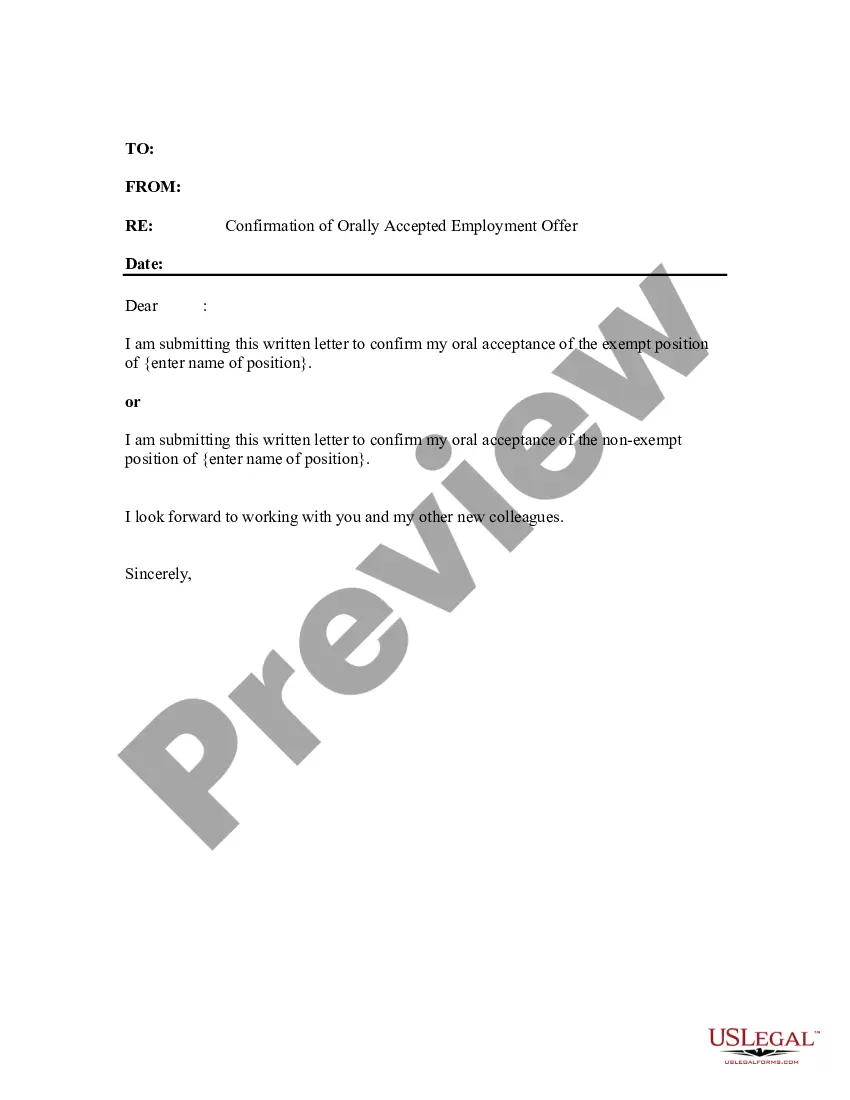
Writing a salary offer letter involves detailing the terms, including the salary amount, benefits, and start date. Start with the candidate's name and a congratulatory message. Then, include a clear breakdown of the offer, such as salary with salary breakup, bonuses, and other compensation. Finish with instructions on how the candidate can accept or discuss the offer further.