Exempt For Federal Taxes
Description
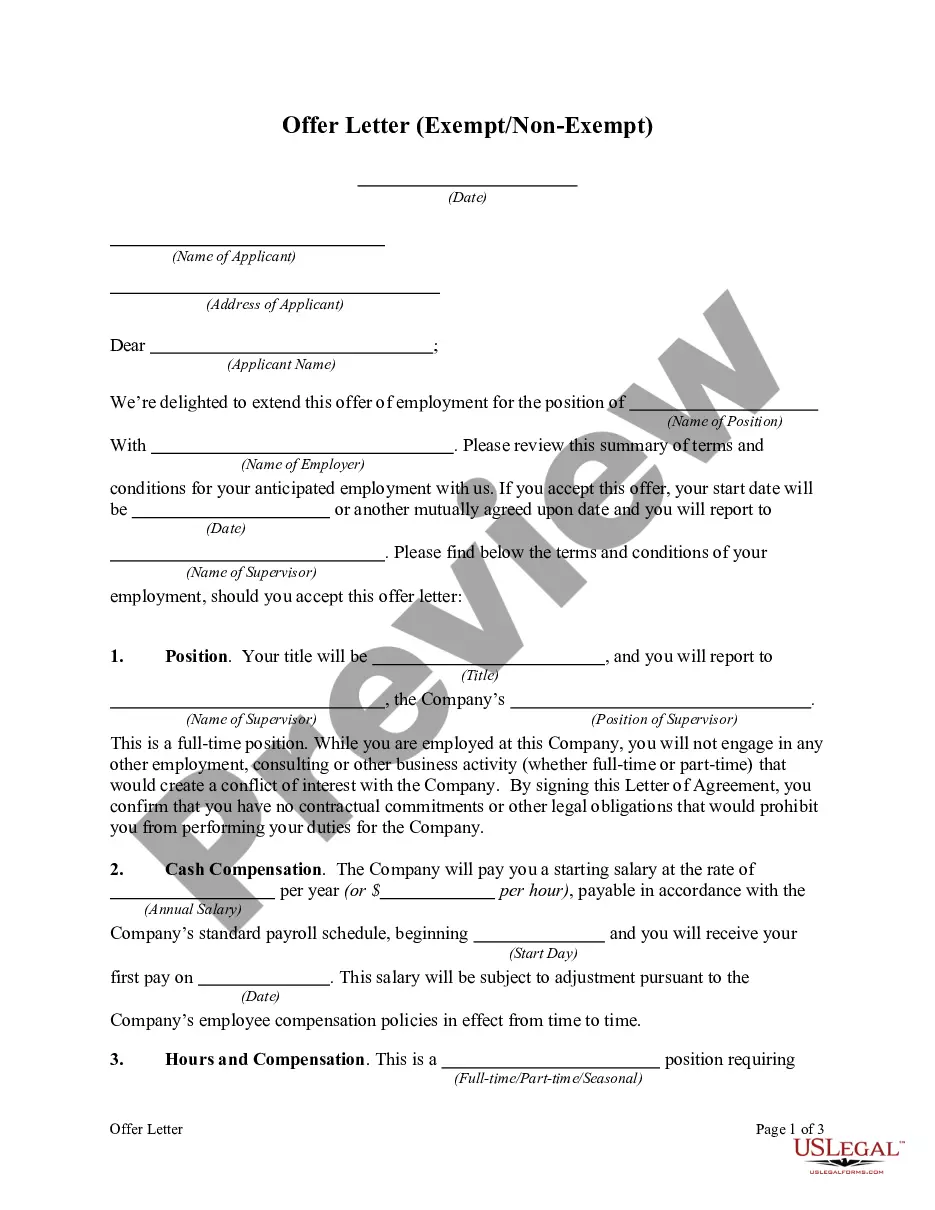
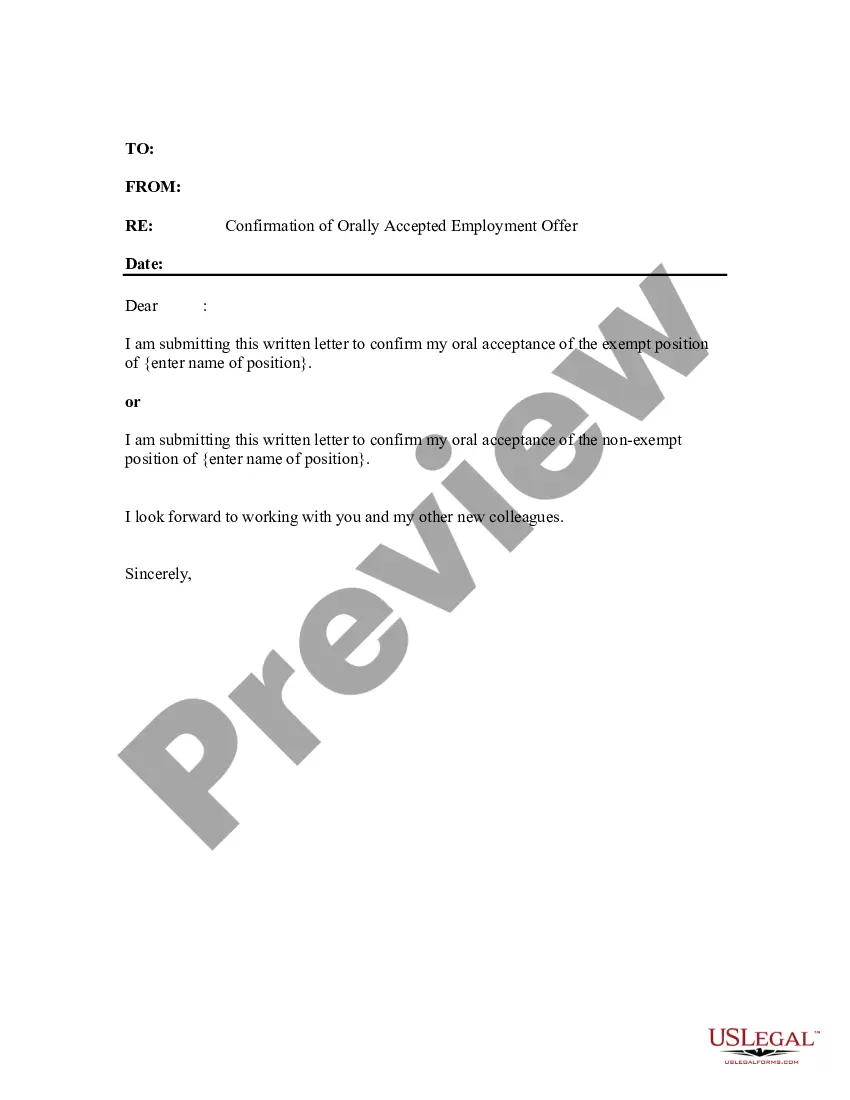
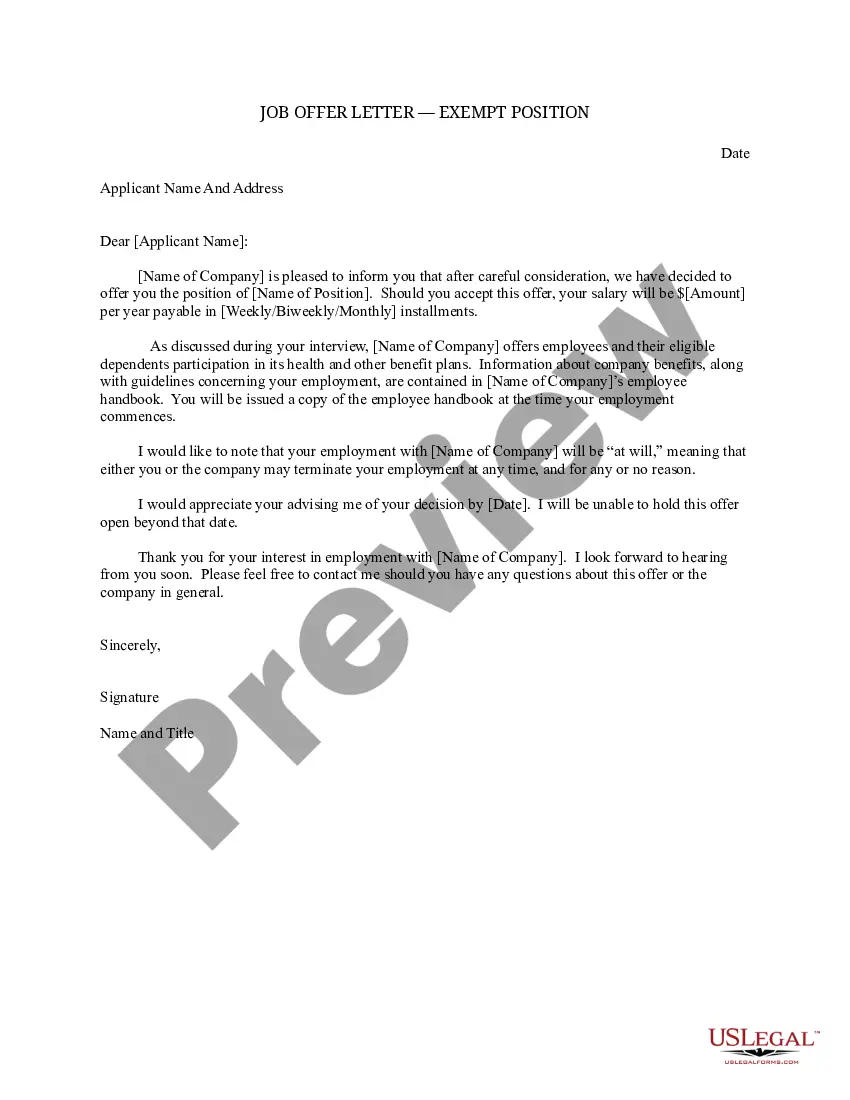
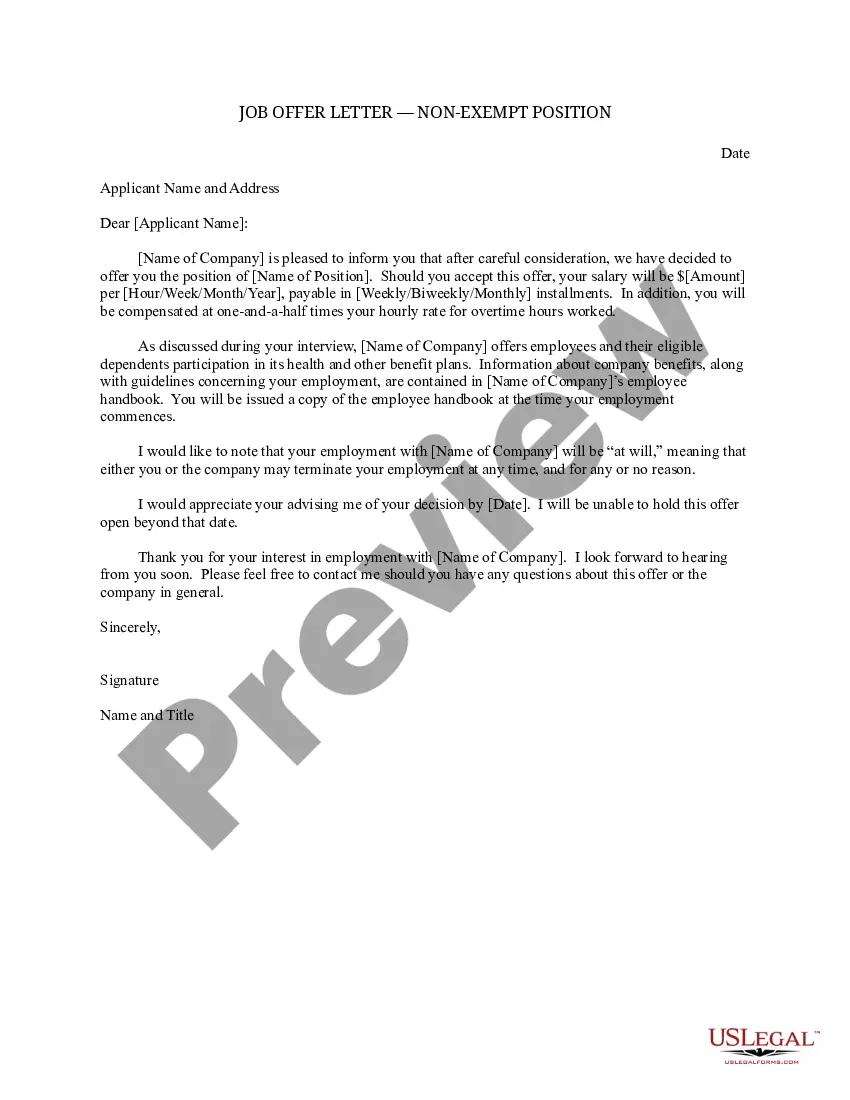
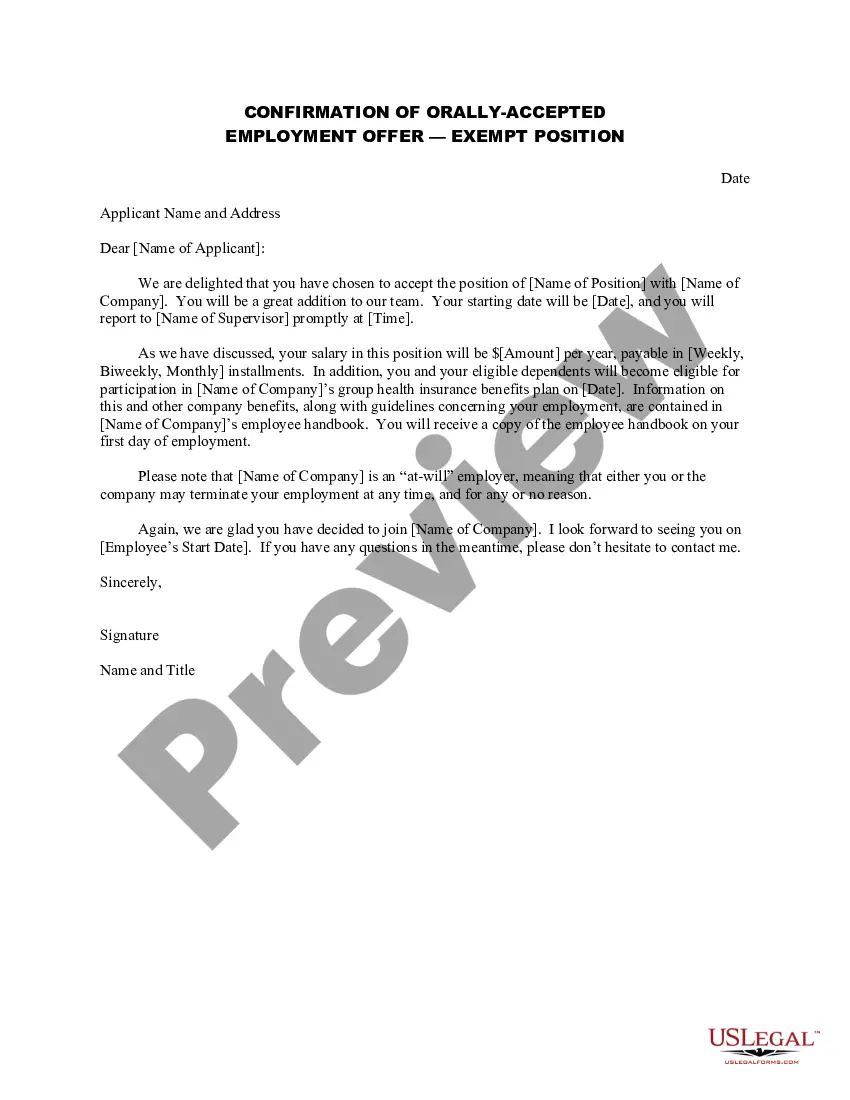
Get your form ready online
Our built-in tools help you complete, sign, share, and store your documents in one place.
Make edits, fill in missing information, and update formatting in US Legal Forms—just like you would in MS Word.
Download a copy, print it, send it by email, or mail it via USPS—whatever works best for your next step.
Sign and collect signatures with our SignNow integration. Send to multiple recipients, set reminders, and more. Go Premium to unlock E-Sign.
If this form requires notarization, complete it online through a secure video call—no need to meet a notary in person or wait for an appointment.
We protect your documents and personal data by following strict security and privacy standards.

Make edits, fill in missing information, and update formatting in US Legal Forms—just like you would in MS Word.

Download a copy, print it, send it by email, or mail it via USPS—whatever works best for your next step.

Sign and collect signatures with our SignNow integration. Send to multiple recipients, set reminders, and more. Go Premium to unlock E-Sign.

If this form requires notarization, complete it online through a secure video call—no need to meet a notary in person or wait for an appointment.

We protect your documents and personal data by following strict security and privacy standards.
Looking for another form?

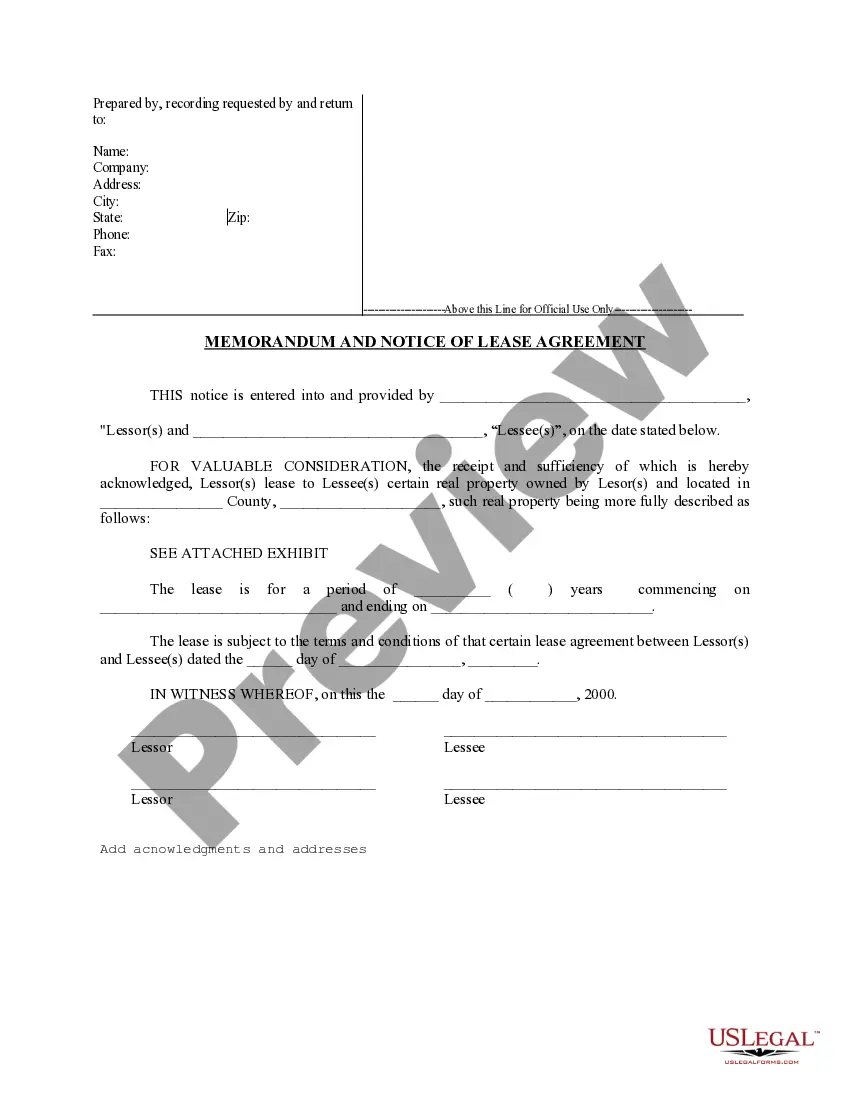






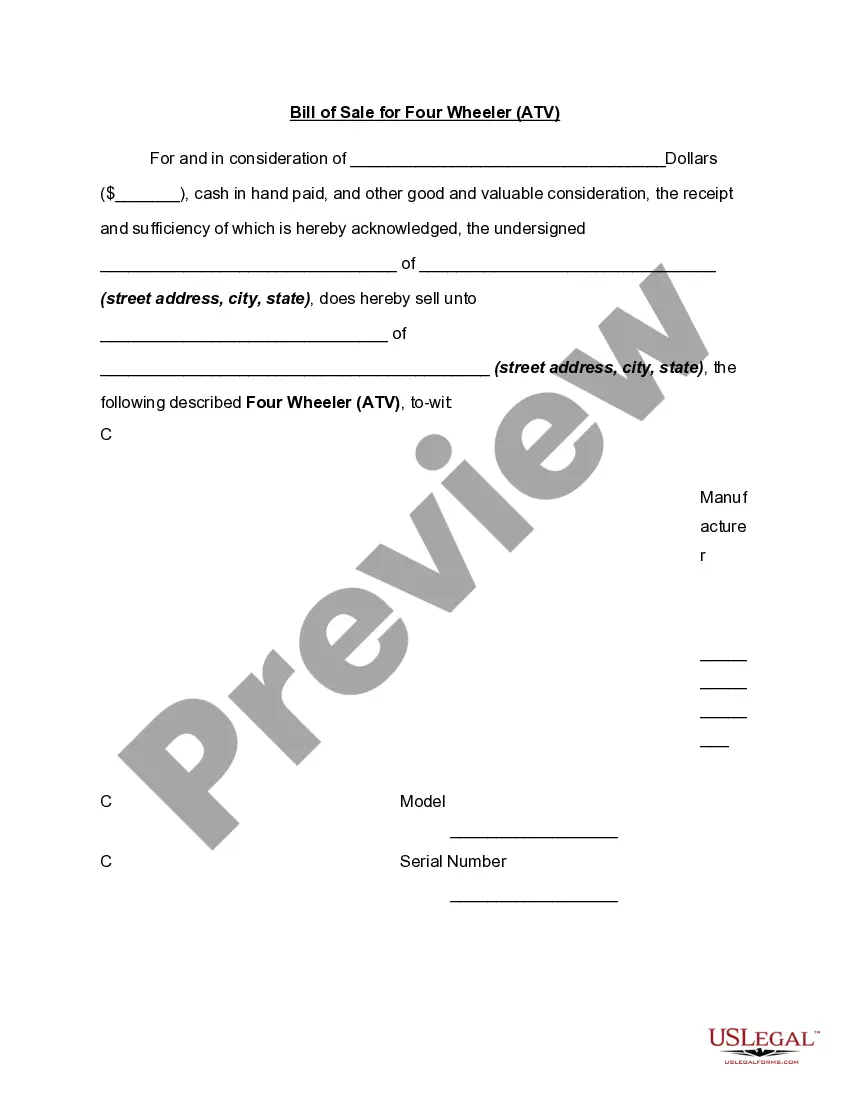

How to fill out Job Offer Letter - Exempt Or Nonexempt Position?
Whether for corporate reasons or personal issues, everyone must confront legal circumstances at some point in their lives.
Completing legal paperwork requires meticulous care, starting with choosing the appropriate form template.
Select your payment method: you can utilize either a credit card or a PayPal account. Choose the file format you prefer and download the Exempt For Federal Taxes. Once saved, you have the option to fill out the form using editing software or print it and complete it by hand. With an extensive US Legal Forms catalog available, you no longer have to waste time searching for the correct sample on the internet. Employ the library's straightforward navigation to locate the suitable form for any situation.
- For example, if you select an incorrect version of an Exempt For Federal Taxes, it will be denied upon submission.
- Thus, it is crucial to obtain a reliable source for legal documents like US Legal Forms.
- If you wish to acquire an Exempt For Federal Taxes template, follow these simple instructions.
- Retrieve the needed sample by employing the search bar or navigating the catalog.
- Review the form's details to confirm it aligns with your circumstances, state, and locality.
- Click on the form's preview to examine it.
- If it is the incorrect document, return to the search function to find the Exempt For Federal Taxes template you need.
- Obtain the template if it corresponds to your requirements.
- If you possess a US Legal Forms account, just click Log in to access previously stored templates in My documents.
- If you do not have an account yet, you can download the form by clicking Buy now.
- Choose the appropriate pricing option.
- Complete the account registration form.
Form popularity
FAQ
Filing for federal tax-exempt status involves completing the IRS Form 1023 or Form 1024, depending on the type of entity you operate. You'll need to provide detailed information about your organization and its purpose. After submitting your application, the IRS will review it, which may take several months. Platforms like US Legal Forms can assist in understanding the requirements and streamlining the filing process.
To file exempt for federal taxes, complete the W-4 form, checking the box indicating you are exempt. Make sure to provide accurate information about your income and tax situation. Keep a copy of your W-4 on file, and be prepared to present it if asked. Regularly review your financial circumstances to confirm that you're still eligible for this status.
To apply for federal tax exempt status, you need to fill out the appropriate IRS form, usually the W-4, indicating your exempt status. Ensure you qualify by meeting the IRS requirements of having no tax liability in the previous year and expecting none in the current year. If you need further guidance, tools like US Legal Forms can simplify the application process, providing clear instructions and necessary documentation.
The number of allowances you should claim can vary based on your individual financial scenario. Generally, if you want to be exempt for federal taxes, you might consider claiming enough allowances to cover your expected tax liability. Using the IRS worksheet can help in determining the correct number. Consulting with a tax professional may also provide valuable insights tailored to your situation.
You can stay exempt for federal taxes as long as you meet the qualifications outlined by the IRS. You must show that you had no federal tax liability in the previous year and expect none in the current year. Typically, your exempt status can last for a full year, but maintaining accurate records is essential. Review your situation annually to ensure you still qualify.
Choosing to claim 0 or 1 exemptions depends on your financial situation. Claiming 0 means more tax is withheld, potentially resulting in a larger refund, while claiming 1 may give you a slightly higher paycheck throughout the year. If you want to avoid owing taxes at the end of the year, it's safer to claim fewer exemptions. Always assess your income and possible deductions before making your decision.
Whether you should exempt from federal income tax depends on your personal financial landscape. If your income is low enough or if you qualify for specific exemptions, being exempt could be advantageous. However, consider consulting with a tax professional or tools like USLegalForms to ensure you're making an informed decision.
Claiming exempt status can be advantageous for eligible individuals, allowing them to keep more of their earnings throughout the year. However, it is essential to accurately determine your eligibility, as claiming exempt when not qualified can lead to unexpected tax liabilities. Regularly review your financial situation to decide if claiming exempt for federal taxes remains a beneficial choice.
Deciding whether to withhold federal taxes largely depends on your financial situation and tax obligation. Withholding might be preferable to ensure you do not face a large tax liability when filing. Ultimately, assessing how much you earn and your tax rate will help you decide if you should withhold or consider being exempt for federal taxes.
Exempt from federal tax status refers to any income or individual that does not have federal income tax liability. This can include certain organizations like charitable groups and qualifying low-income individuals. To understand more about what qualifies as exempt for federal taxes, consult available IRS resources or tax experts.