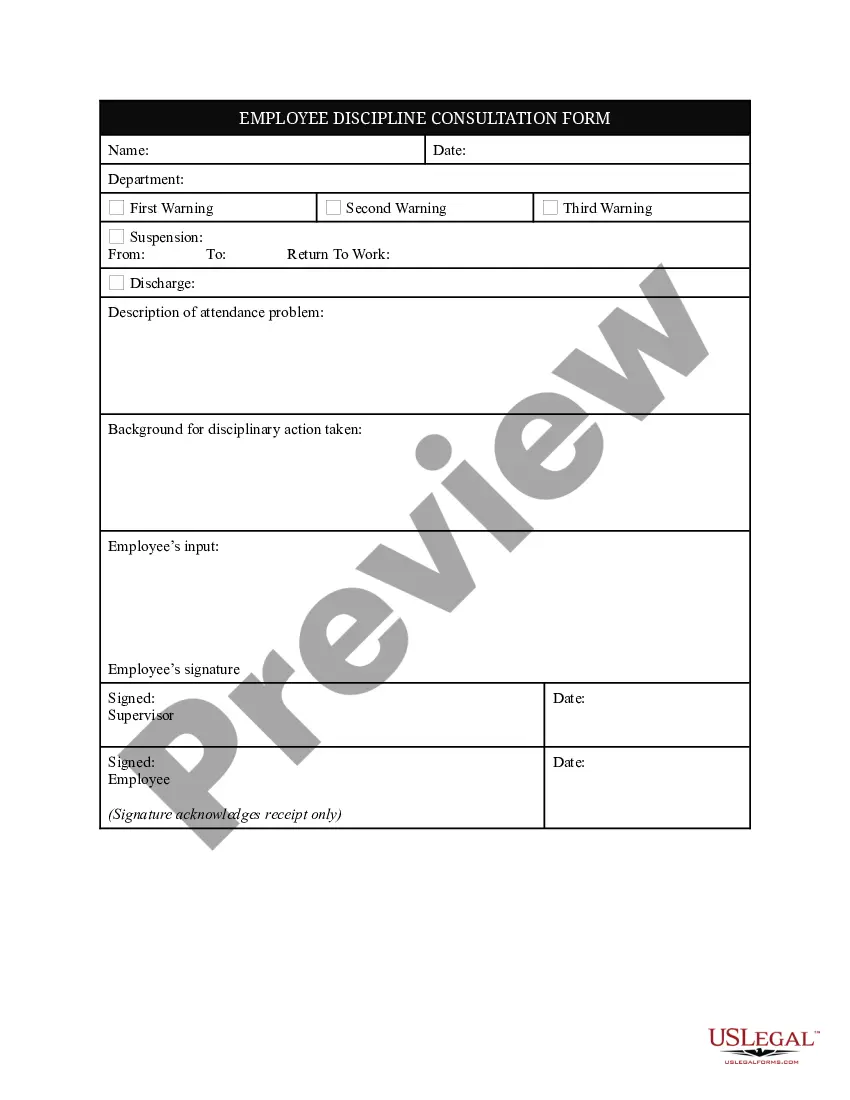
Template Disciplinary Policy
Description
Get your form ready online
Our built-in tools help you complete, sign, share, and store your documents in one place.
Make edits, fill in missing information, and update formatting in US Legal Forms—just like you would in MS Word.
Download a copy, print it, send it by email, or mail it via USPS—whatever works best for your next step.
Sign and collect signatures with our SignNow integration. Send to multiple recipients, set reminders, and more. Go Premium to unlock E-Sign.
If this form requires notarization, complete it online through a secure video call—no need to meet a notary in person or wait for an appointment.
We protect your documents and personal data by following strict security and privacy standards.

Make edits, fill in missing information, and update formatting in US Legal Forms—just like you would in MS Word.

Download a copy, print it, send it by email, or mail it via USPS—whatever works best for your next step.

Sign and collect signatures with our SignNow integration. Send to multiple recipients, set reminders, and more. Go Premium to unlock E-Sign.

If this form requires notarization, complete it online through a secure video call—no need to meet a notary in person or wait for an appointment.

We protect your documents and personal data by following strict security and privacy standards.
Looking for another form?









How to fill out Employee Discipline Consultation Form?
It’s clear that you cannot transform into a legal expert instantly, nor can you determine how to swiftly create a Template Disciplinary Policy without possessing a specialized skill set.
Formulating legal documents is an intricate endeavor that demands specific education and abilities. So why not entrust the development of the Template Disciplinary Policy to the specialists.
With US Legal Forms, one of the broadest legal template repositories, you can discover everything from court documents to templates for internal company communication.
If you need a different form, start your search again.
Establish a complimentary account and choose a subscription plan to buy the form.
- We understand how vital compliance and following federal and local statutes and regulations are.
- Hence, on our platform, all templates are locale-specific and current.
- To begin, visit our website and obtain the document you require in just minutes.
- Locate the form you need using the search bar at the top of the page.
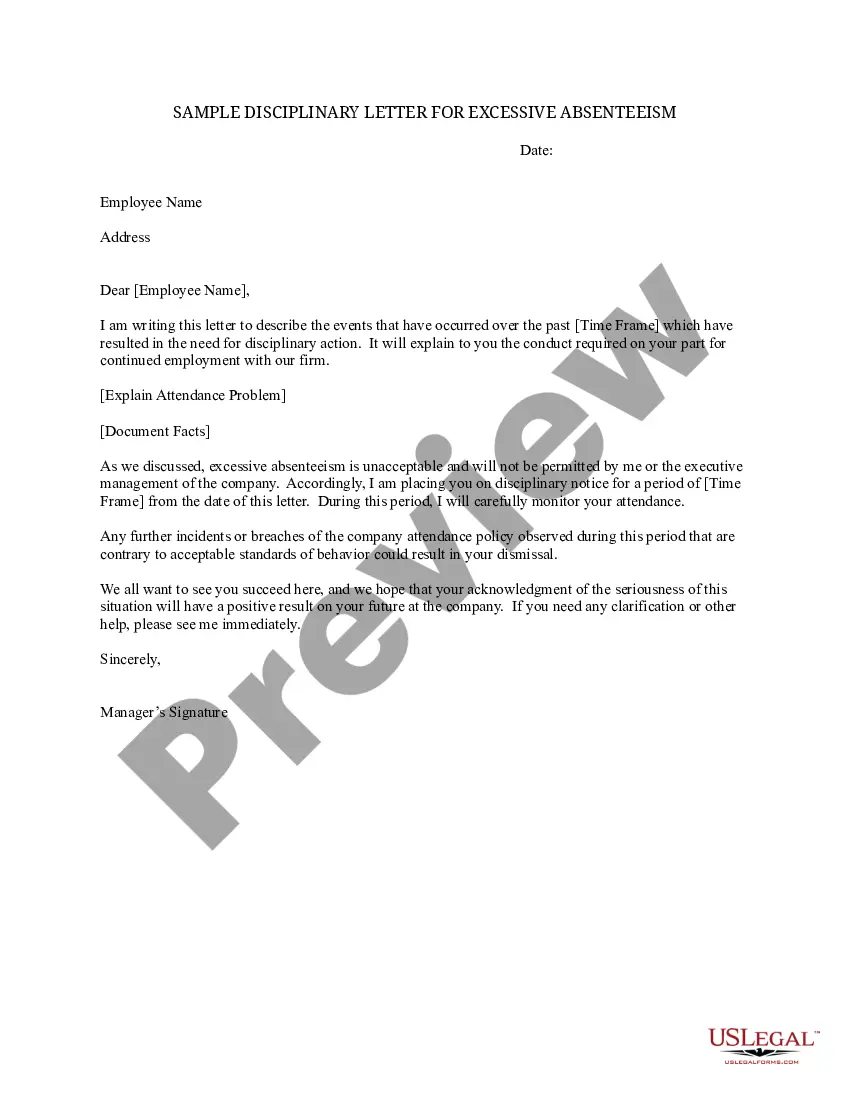
- Preview it (if this option is available) and review the accompanying description to determine if the Template Disciplinary Policy is what you are looking for.
Form popularity
FAQ
Creating a disciplinary procedure starts with outlining the steps involved in addressing misconduct, from initial warnings to potential termination. Use a template disciplinary policy to ensure that your procedure is consistent and fair across all levels of your organization. Be sure to include timelines for each step and opportunities for employee feedback. This open communication can help resolve issues before they escalate.
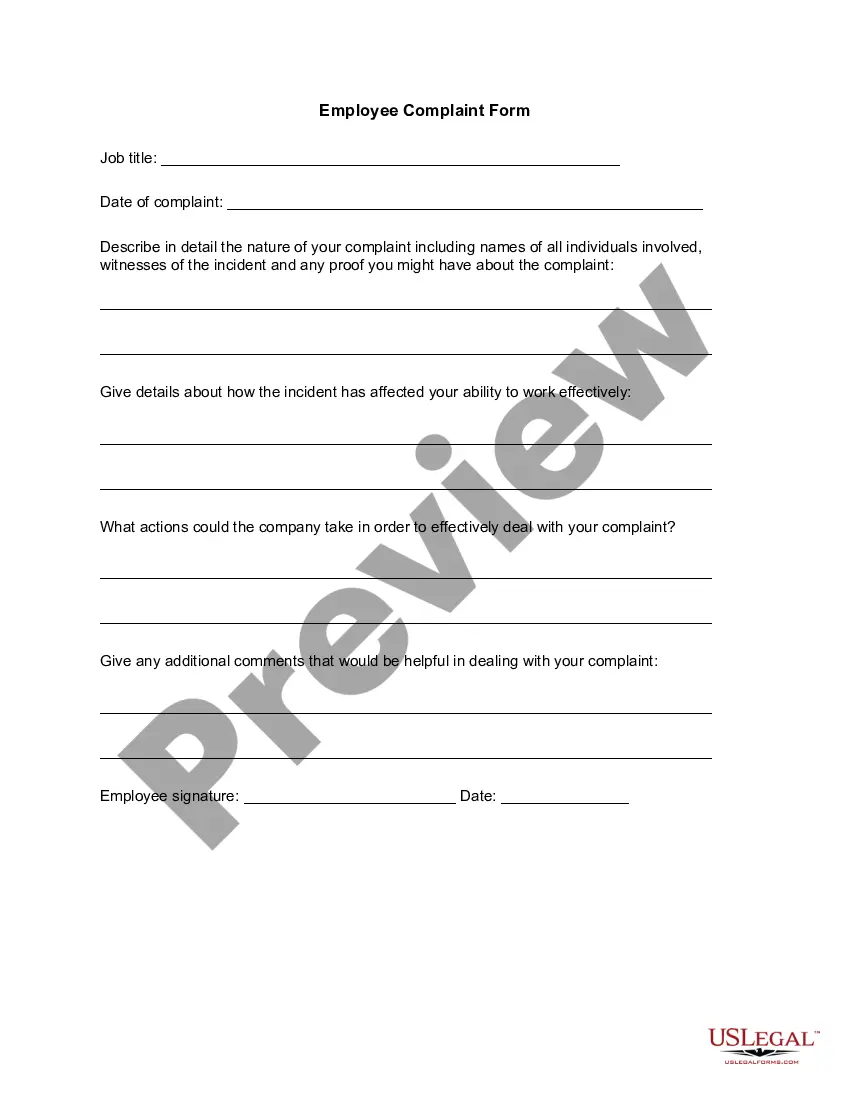
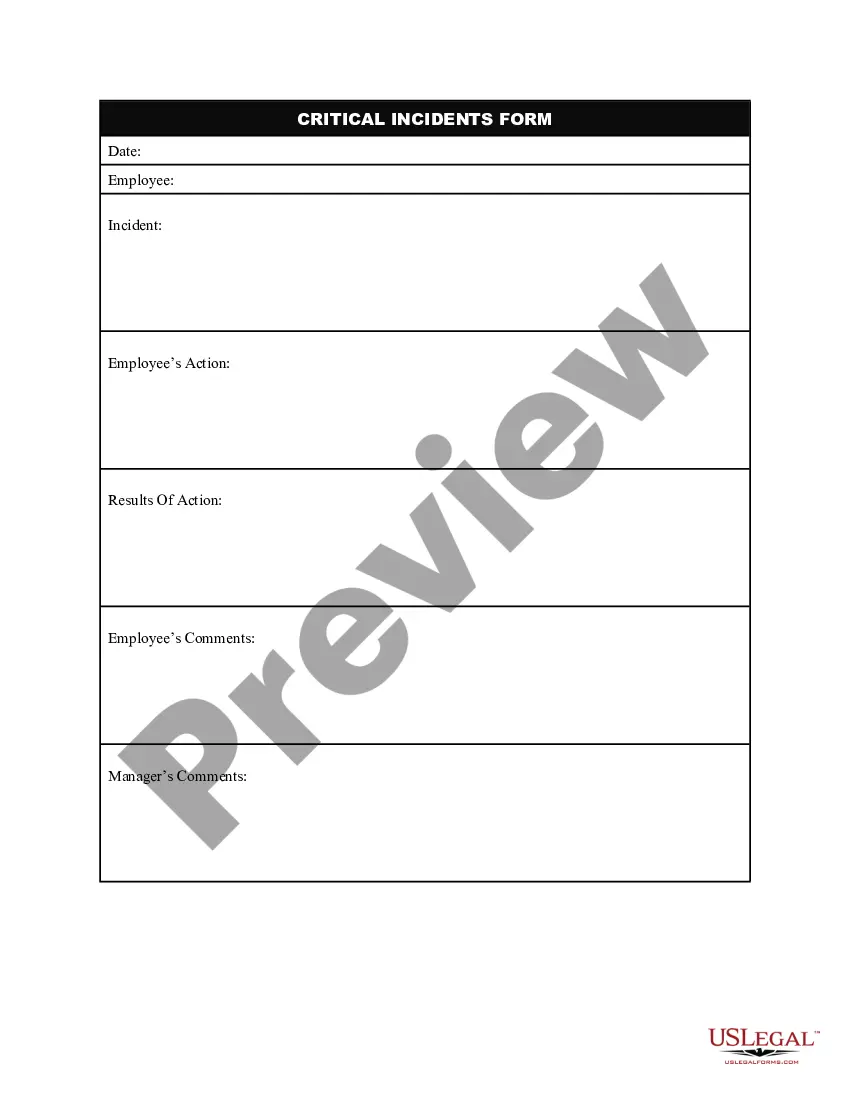
Writing a disciplinary report template involves collecting key information such as the employee's name, the incident date, and a description of the misconduct. Create sections to record witness statements and any prior disciplinary actions. Ensure that your template disciplinary policy includes a place for the supervisor's recommendations, fostering a decision-making path for consequences. This structured approach enhances clarity and fairness.
To create a discipline policy, begin by clearly identifying the behaviors that require discipline. Use a template disciplinary policy as a foundation, ensuring it includes specific scenarios and corresponding consequences. Next, involve relevant stakeholders to review and refine the policy. Finally, communicate the policy to all employees, making sure everyone understands the importance of compliance.
A disciplinary policy serves to outline acceptable behavior and the consequences of violations. For instance, a template disciplinary policy might specify that repeated tardiness may lead to corrective action. This clarity helps maintain a productive work environment and ensures all employees understand the expectations. By establishing clear guidelines, organizations can foster accountability and fairness.
A disciplinary policy in the workplace serves as a framework for managing employee behavior and ensuring accountability. It typically outlines the expectations for conduct, the processes to follow when violations occur, and the consequences that may result. Implementing a template disciplinary policy promotes transparency and fairness, helping to maintain a positive and productive work environment.
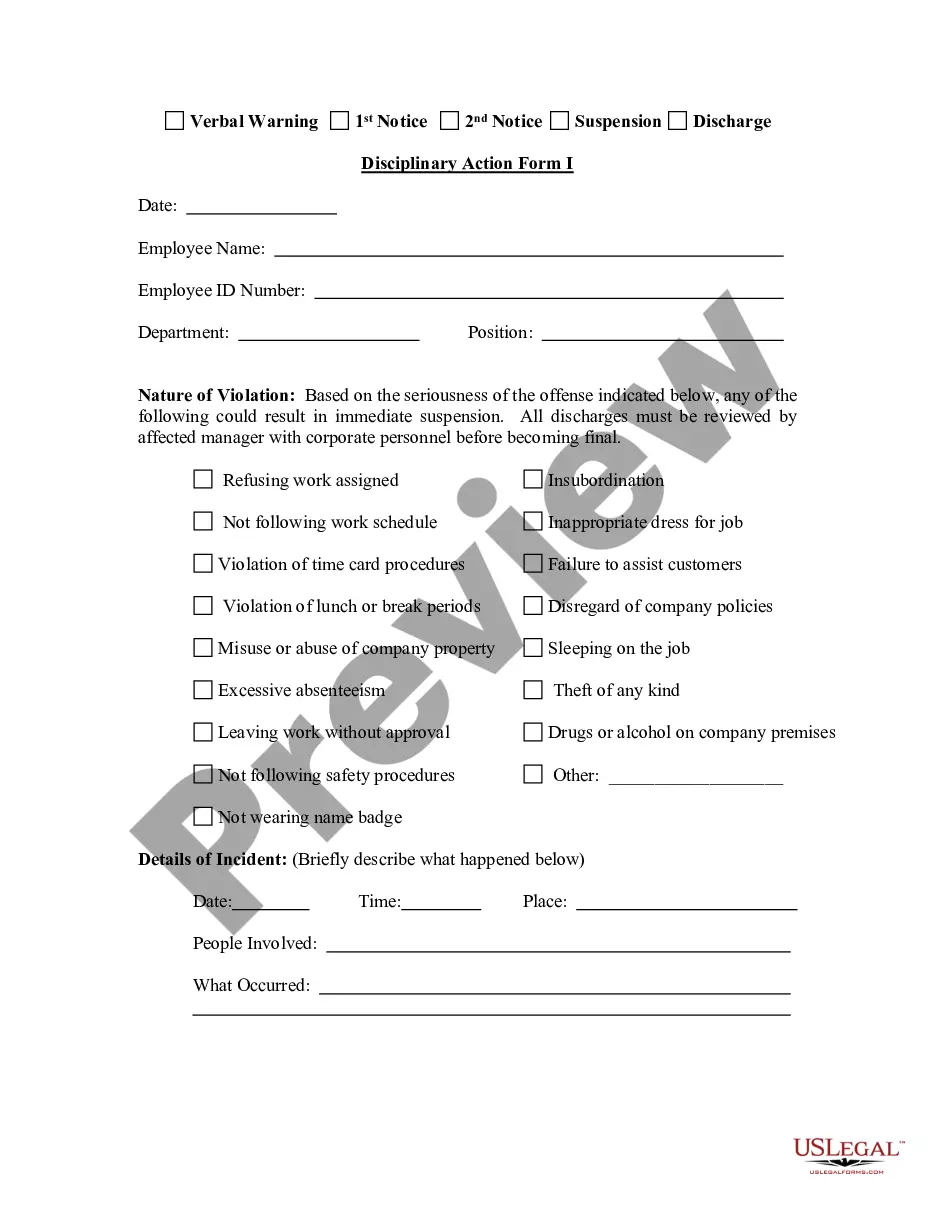
To write a progressive discipline policy, outline the steps you will take when addressing employee misconduct. Create a structured template disciplinary policy that includes warnings and the necessary improvements expected from the employee. Each level of the discipline process should escalate in seriousness, providing the employee with opportunities to correct their behavior before facing more severe consequences.
Filling out a disciplinary form requires careful attention to detail. Start by providing the employee’s name, date, and nature of the incident. Next, include a description of the behavior in question, referencing your template disciplinary policy to ensure accurate categorization and appropriate action. This thorough approach will provide a clear record for future reference.
Writing a disciplinary policy involves several key steps. Begin by defining the purpose of the policy and identifying behaviors that may lead to disciplinary action. Then, develop a template disciplinary policy that includes procedures for addressing infractions and outlines the possible consequences, which will help ensure consistency and clarity in enforcement.
To write a disciplinary policy, start with a thorough understanding of your organization’s values and goals. Next, create a template disciplinary policy that outlines important aspects, such as behavioral expectations, reporting procedures, and disciplinary actions. Remember to ensure that the policy aligns with employment laws and promotes fairness, as this will help maintain a positive work environment.
An example of a discipline policy typically includes guidelines on employee behavior, procedures for addressing violations, and potential consequences for infractions. For instance, a template disciplinary policy may outline actions such as verbal warnings, written warnings, or even termination based on the severity of the misconduct. By providing a clear example, employees understand what is expected of them and the repercussions of their actions.