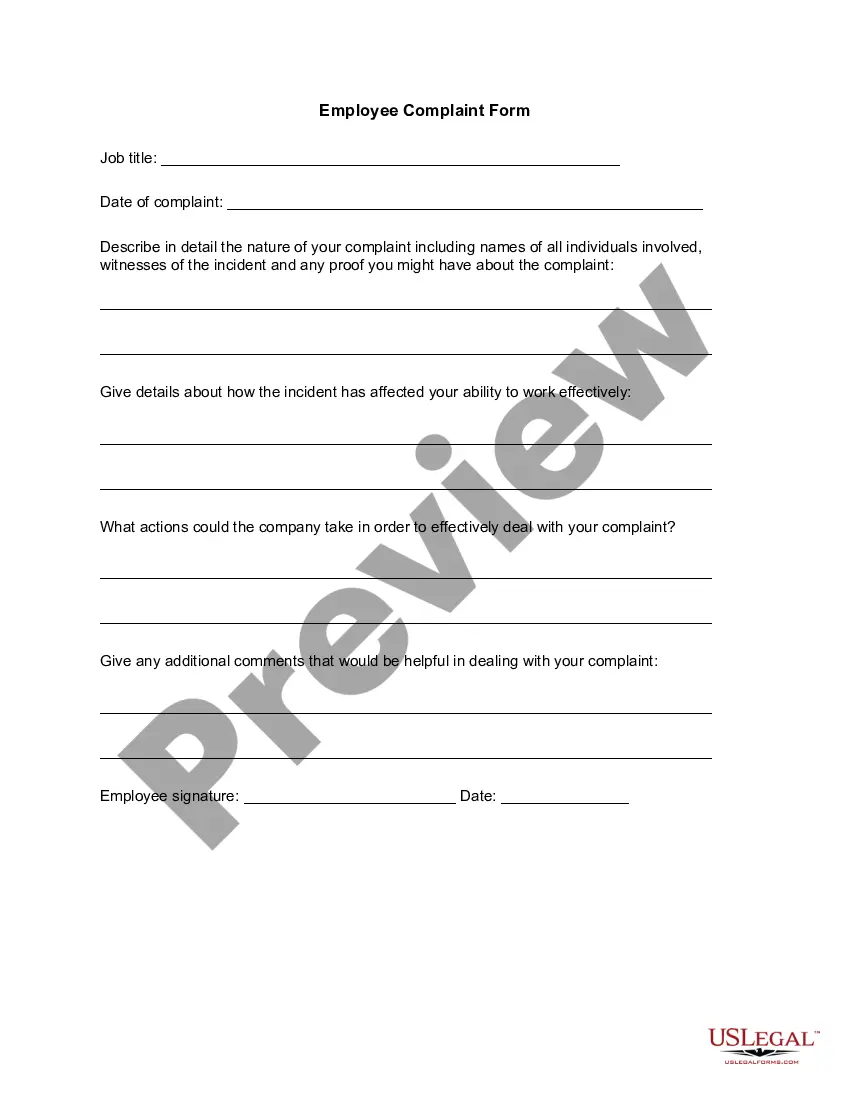
Complaint Letter For Employee
Description
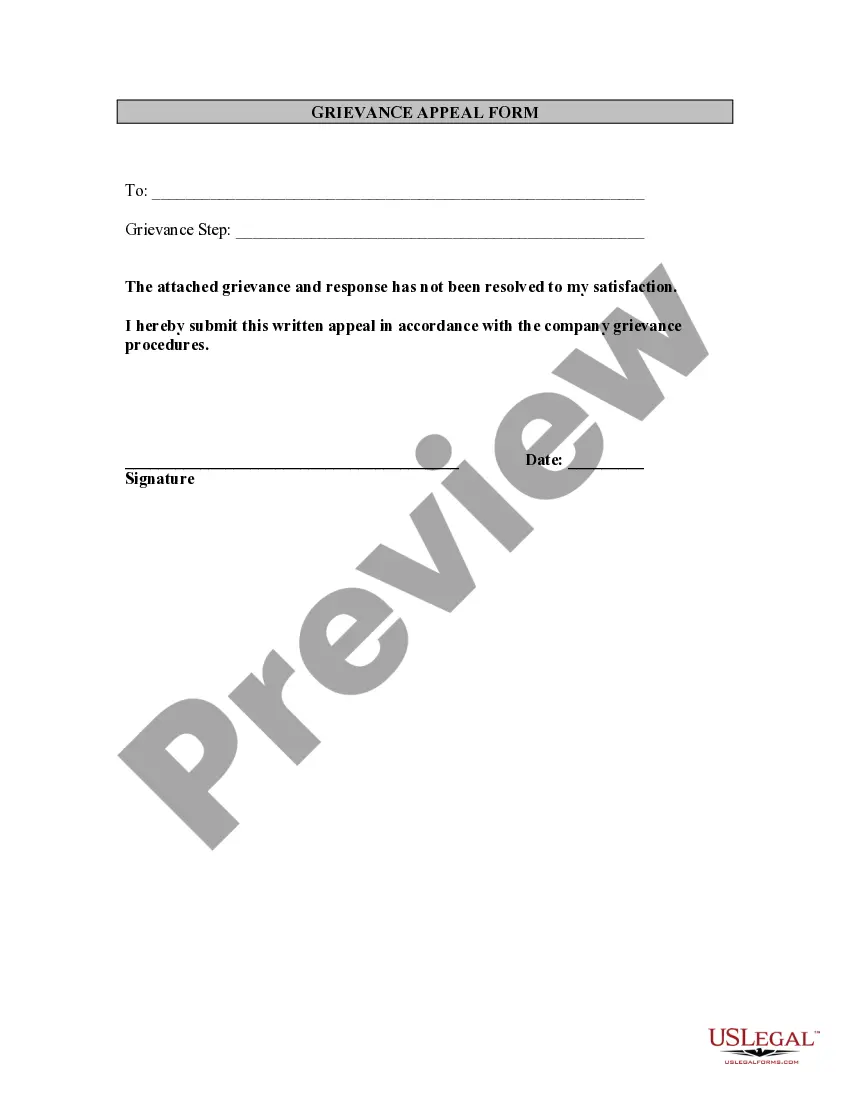
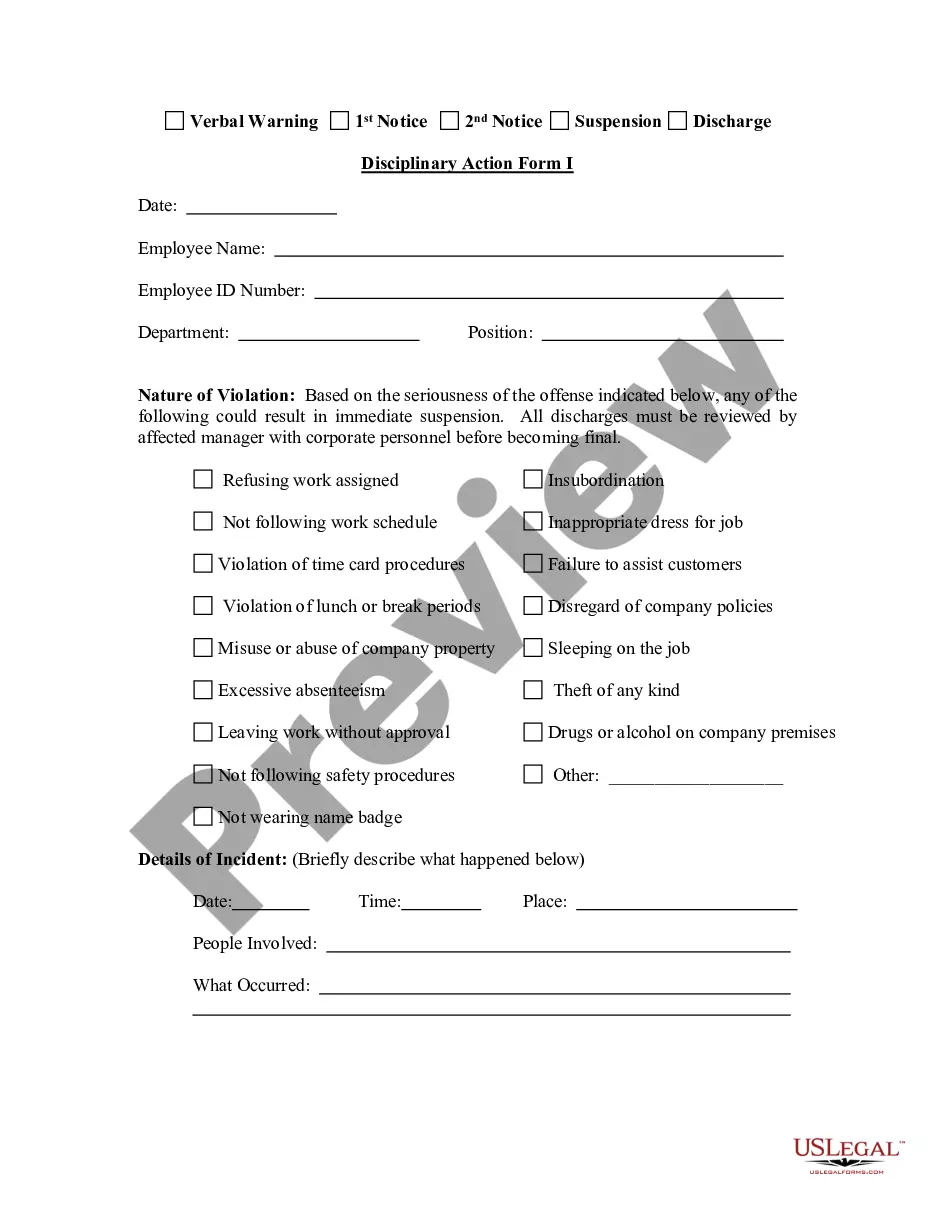
Get your form ready online
Our built-in tools help you complete, sign, share, and store your documents in one place.
Make edits, fill in missing information, and update formatting in US Legal Forms—just like you would in MS Word.
Download a copy, print it, send it by email, or mail it via USPS—whatever works best for your next step.
Sign and collect signatures with our SignNow integration. Send to multiple recipients, set reminders, and more. Go Premium to unlock E-Sign.
If this form requires notarization, complete it online through a secure video call—no need to meet a notary in person or wait for an appointment.
We protect your documents and personal data by following strict security and privacy standards.

Make edits, fill in missing information, and update formatting in US Legal Forms—just like you would in MS Word.

Download a copy, print it, send it by email, or mail it via USPS—whatever works best for your next step.

Sign and collect signatures with our SignNow integration. Send to multiple recipients, set reminders, and more. Go Premium to unlock E-Sign.

If this form requires notarization, complete it online through a secure video call—no need to meet a notary in person or wait for an appointment.

We protect your documents and personal data by following strict security and privacy standards.
Looking for another form?









How to fill out Employee Complaint Form?
Creating legal documents from the ground up can occasionally be daunting.
Certain situations may require extensive research and considerable financial investment.
If you’re seeking a more straightforward and cost-effective method for drafting a Complaint Letter For Employee or any other documents without unnecessary complications, US Legal Forms is always at your service.
Our digital repository of over 85,000 current legal forms covers nearly every facet of your financial, legal, and personal needs.
Review the form preview and details to ensure you are selecting the correct document. Verify that the template you choose complies with your state and county's regulations. Select the most appropriate subscription plan to acquire the Complaint Letter For Employee. Download the document, then fill it out, sign it, and print it. US Legal Forms enjoys a pristine reputation and over 25 years of experience. Join us today and make filling out forms a simple and efficient process!
- With just a few clicks, you can quickly obtain state- and county-compliant documents expertly crafted by our legal professionals.
- Utilize our platform whenever you need trustworthy and reliable services to easily find and download the Complaint Letter For Employee.
- If you’re familiar with our website and have an existing account, simply Log In, choose the template, and download it or re-download it anytime in the My documents section.
- Not registered yet? No worries. It takes minimal time to sign up and browse the catalog.
- However, before immediately downloading the Complaint Letter For Employee, consider these suggestions.
Form popularity
FAQ
To professionally complain about an employee, approach the situation with a calm and objective mindset. Gather evidence and document specific incidents to support your complaint. Consider discussing your concerns directly with the employee first, if appropriate, before escalating to management. If you choose to write a complaint letter for employee, ensure it is clear, factual, and maintains a professional tone.
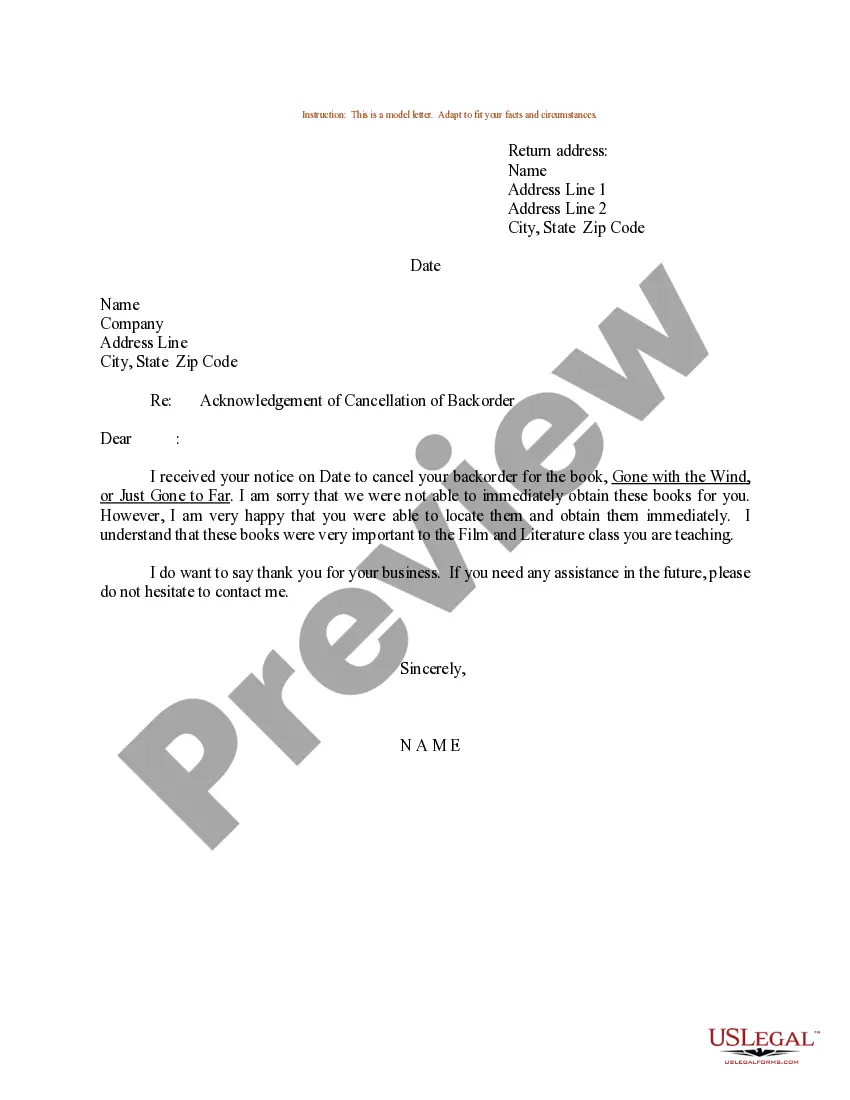
Yes, there are templates available for a complaint letter for employee that can guide you in crafting your message. These templates typically include sections for detailing the behavior, its impact, and your desired outcome. Using a template can streamline the process, ensuring you include all necessary information in a professional format.
To complain about employee behavior, start by documenting specific incidents and their impact on the workplace. Approach your supervisor or HR with your concerns, providing them with your documentation. Clearly express how the behavior affects team dynamics and productivity. A complaint letter for employee can also serve as a structured way to communicate your concerns effectively.
When addressing unacceptable behavior, be direct yet respectful. Schedule a private meeting to discuss specific instances of their behavior and explain why it is problematic. Use clear examples to illustrate your points, and encourage an open dialogue. If necessary, follow up with a complaint letter for employee to formalize the conversation.
Outsmarting a toxic employee involves setting clear boundaries and focusing on your own performance. Maintain professionalism and avoid engaging in their negative behavior. Document interactions and consider addressing issues directly with them, or escalating to HR if necessary. A well-crafted complaint letter for employee can serve as a formal record of your concerns.
To report toxic behavior at work, start by documenting specific incidents and patterns of behavior. Collect evidence such as emails or witness statements, as this will strengthen your case. Next, approach your supervisor or HR department with your documented complaint. Using a complaint letter for employee can also help articulate your concerns professionally.
Writing an employee complaint letter involves several key steps. Begin with a clear introduction stating the purpose of your letter. Next, describe the issue in detail, providing relevant facts and any previous attempts to resolve it. Finally, conclude with a request for action or a meeting to discuss the matter further. For templates and guidance, uslegalforms offers a range of resources to help you craft an effective complaint letter for employee situations.
To write a letter addressing unprofessional behavior, start by clearly stating the issue and providing specific examples. Use a respectful tone and focus on the impact of the behavior on the workplace. It’s beneficial to include a request for resolution or improvement. A well-structured complaint letter for employee can serve as an effective tool in addressing these situations.
HR generally prefers not to hear terms like 'hostile work environment' or 'harassment' without context. Such phrases can trigger serious investigations and escalate situations unnecessarily. Instead, focus on clear, factual language when discussing your concerns. If you need to express issues formally, consider using a complaint letter for employee to outline your concerns professionally.
Filing a complaint against an employee typically involves documenting the issue in a complaint letter for employee misconduct. Begin by gathering all relevant information and evidence related to the situation. Submit your complaint to the appropriate department, such as Human Resources, following your organization's policies. If you need guidance on writing your complaint letter, US Legal Forms offers resources and templates to streamline the process.